

Bilohiria

· 3 min read
Until 1946 Bilohiria was called Liakhivtsi. It was founded in 1441. It was a small town that received Magdeburg law in 1583. The name Liakhivtsi came from a Polish settlement that had been in this area, called Liakhivski Dvory, which then became Liakhivtsi.
The town’s owners were the Seniuta family, who were originally Orthodox. In the 17th century one member of the family, Pavlo, converted to Catholicism, but later turned to Socinianism, which the Poles called Arianism. He made Liakhivtsi a real centre of this confession. After him his relatives also converted to Arianism, building churches in their towns and villages and gathering followers from all over Volhynia. In Tykhomel, for example, they built the well-known tower. But with the death of Pavlo Seniuta, Arianism in Liakhivtsi disappeared.
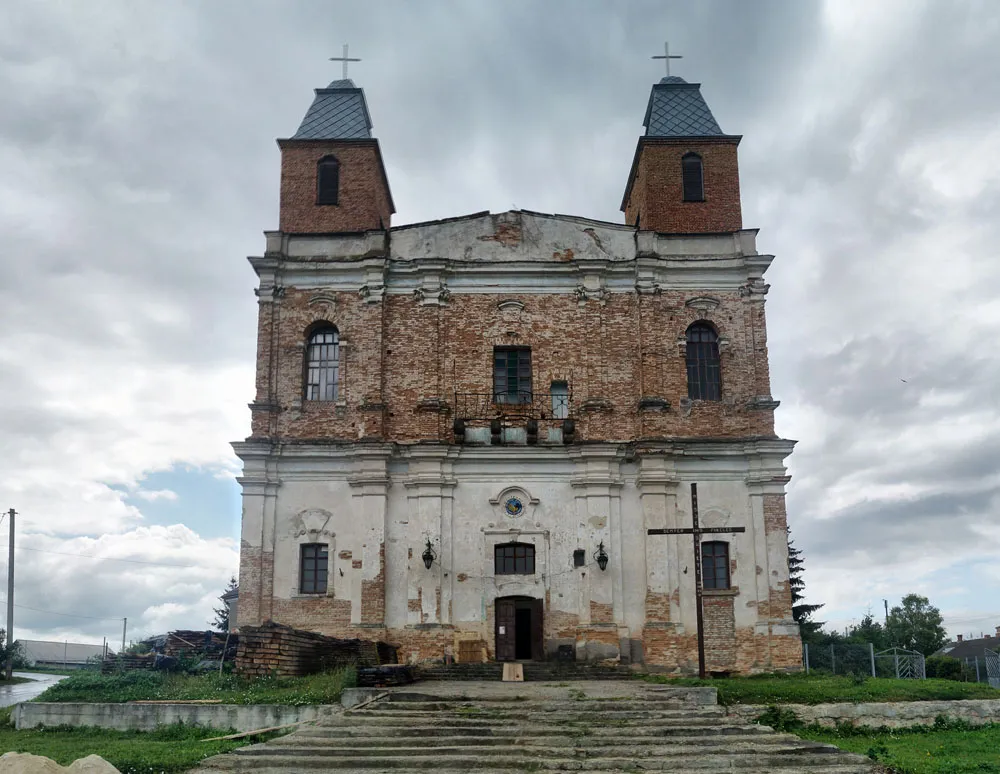
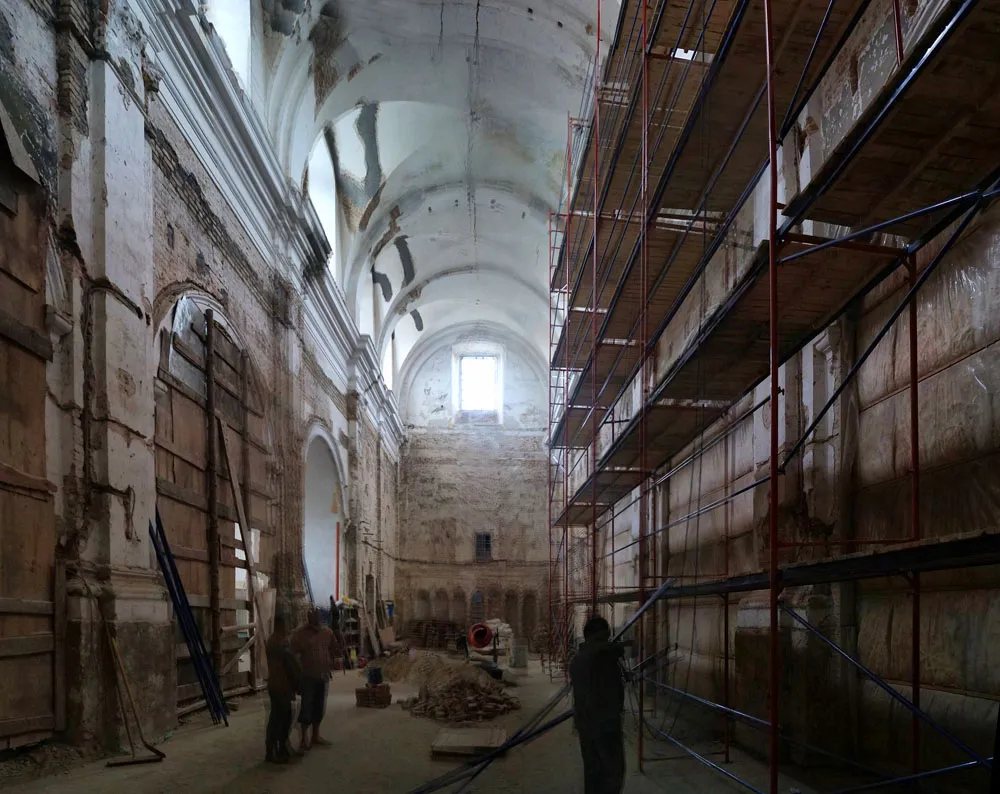
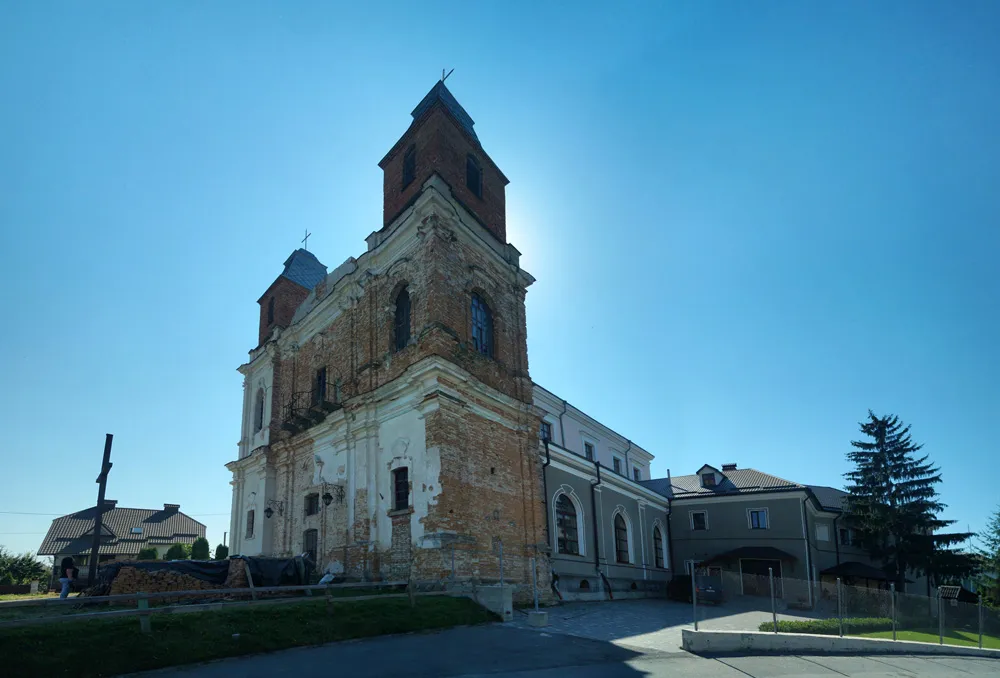
Church of St. Vincent de Paul
Then for a long time the town was owned by the Jabłonowski princes, who built a wooden-and-earth castle here. In the 19th century Liakhivtsi was the centre of a volost, with 5.4 thousand inhabitants (as now), four churches and a Roman Catholic church. The latter has survived to our time, a huge building, but, unfortunately, its condition leaves much to be desired. Of the old Orthodox churches only one has survived, the Church of the Nativity of the Mother of God, built in 1869. For some reason most internet sources call it the Trinity Church. Perhaps it was re-consecrated?
The following text is from the website “Roman Catholic Churches and Chapels of Ukraine”:
Church of St. Vincent de Paul.
The first mention of Bilohiria, which was called Liakhivtsi until 1946, dates from 20 January 1441. The origin of the old name is unclear (at least it is not connected with settlers from Masovia, since they appeared in Liakhivtsi only in the 16th century). The town received Magdeburg law in 1583. Today it is an urban-type settlement and a district centre with a population of over 5,200.
In 1612–1660 the present brick church and Dominican monastery were built at the expense of Paweł-Krzysztof Seniuta, who at first professed Orthodoxy, then Calvinism, in the early 17th century Catholicism (when he invited the Dominicans), and in 1616 adopted Arianism (Liakhivtsi was even called the Arian capital of Volhynia). On 21 July 1789 the church was consecrated by the Auxiliary Bishop of Lutsk Chryzostom Kaczkowski under the titles of the Most Holy Trinity, the Dormition of the Most Holy Mother of God and Saints Peter and Paul.
In 1859 the Dominicans handed the shrine over to the secular clergy, and in 1868 the tsarist authorities closed the parish and the church, in which an Orthodox church was set up a year later. In 1935–1991 the Soviet authorities closed the shrine (it housed a prison, then a house of culture and a library). Since 25 March 1993 the parish has been cared for by the Pallottine Fathers, who are repairing the church, returned in terrible condition, as well as the monastery, which was handed over in 2003. Part of the monastery houses a children’s home.
Photos by Roman Malenkov.
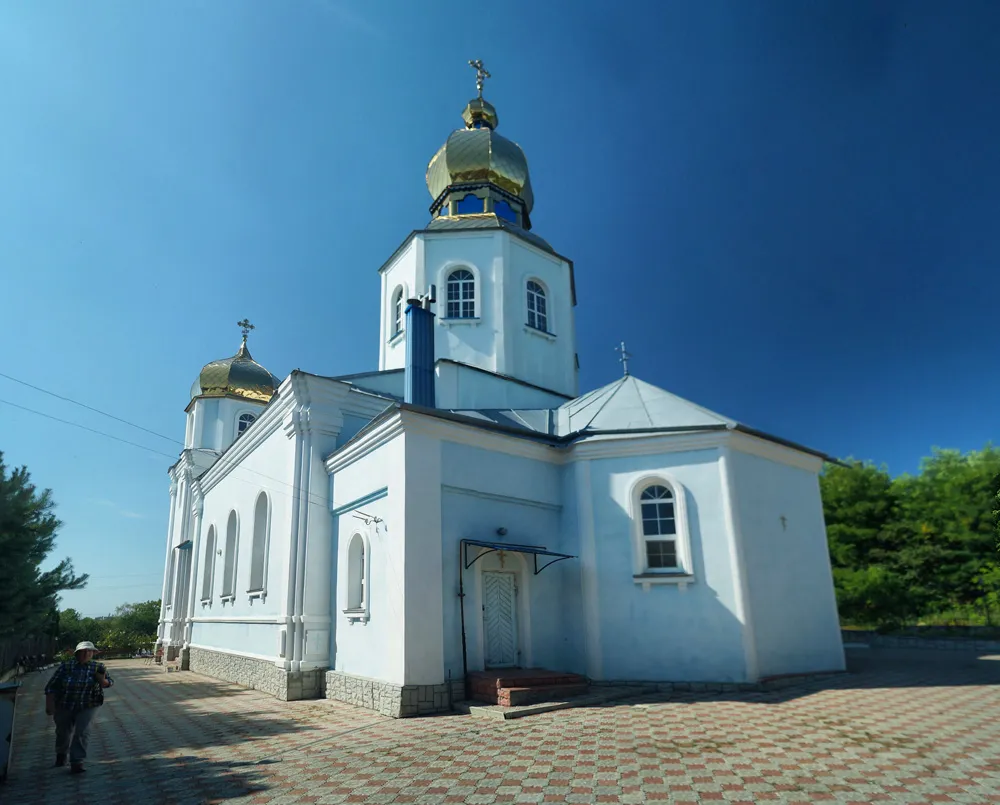
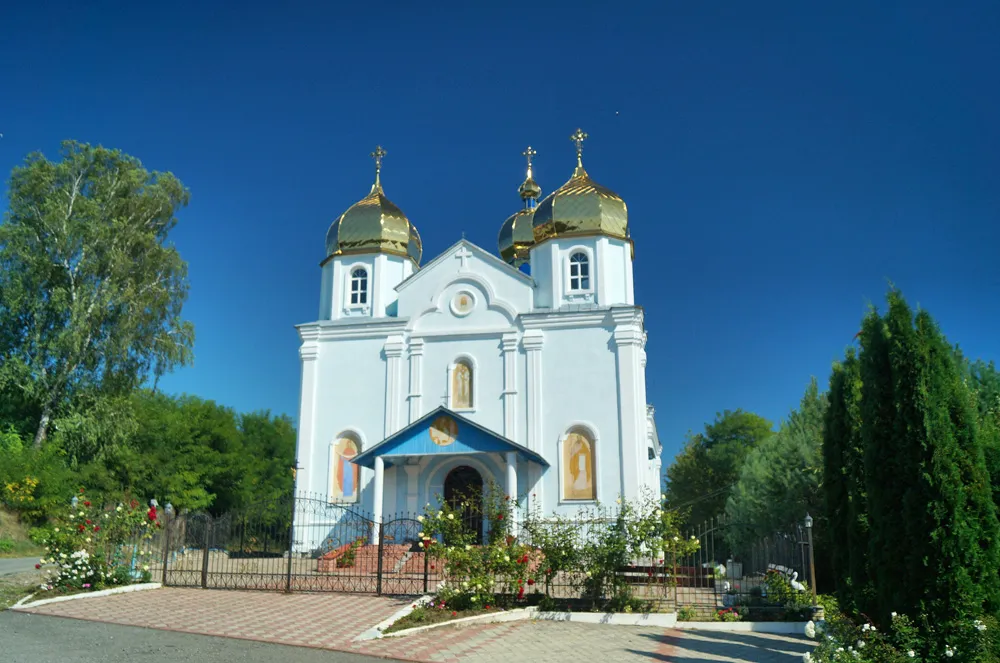
Church of the Nativity of the Mother of God


