

A brick signed by a baron, with a hint of beer and vodka (photo report)
Quite by accident and unexpectedly, part of my photo archive for 2011–2015 turned up. Among other things, there is a selection of photographs from 2012 taken while surveying the ruins of a distillery built by the then lord of Horodok (Khmelnytskyi Oblast), Baron Friedrich von Geismar.
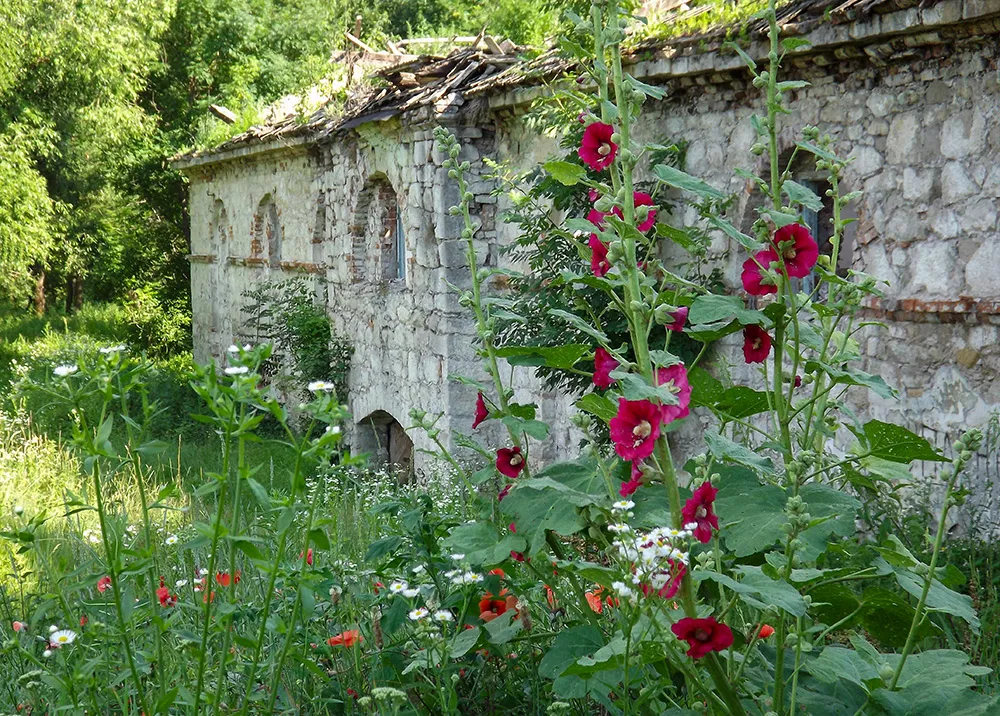
Baron Friedrich Kaspar von Geismar (1783–1848) is one of the most controversial figures among the owners of Horodok in Podillia. On the one hand, he was a Russian general, which today sounds like a brand of shame; on the other, a participant in the wars against the Ottoman Empire, which at the time still posed a threat to Europe. At the same time, he was a cruel punisher who suppressed the revolt of the Chernihiv Regiment and the Polish uprising of 1831 (for which, I should note, he got quite a beating from the Poles).
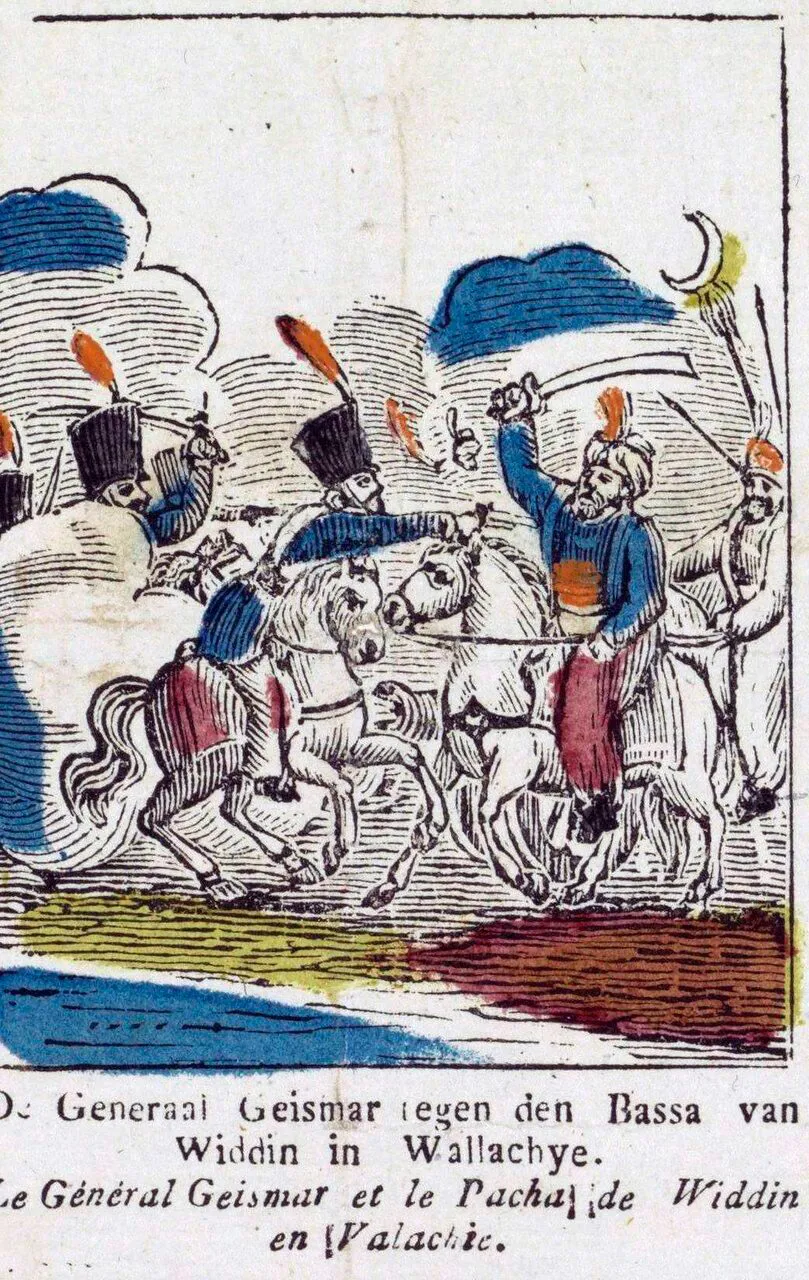
General Geismar taking a Turkish pasha prisoner. Detail of an engraving published in Holland. 1828
He began managing Horodok after retiring from the army, when Emperor Nicholas I fell into Slavophilia and began purging the army and the civil service of Germans. It was then that the baron did the most for the town: his short tenure of 1830–1848 is regarded as the “golden age” of Horodok in the tsarist era. In particular, on the bank of the Trostianka River, two kilometres from the town, he built a sugar factory, launching the town’s industrial development.
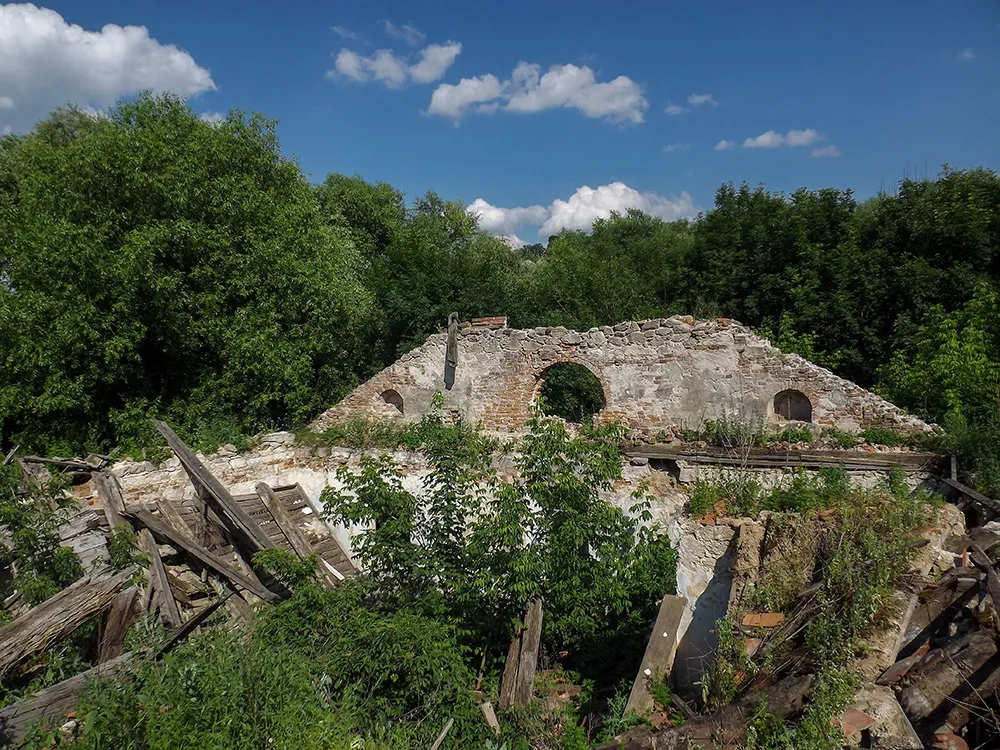
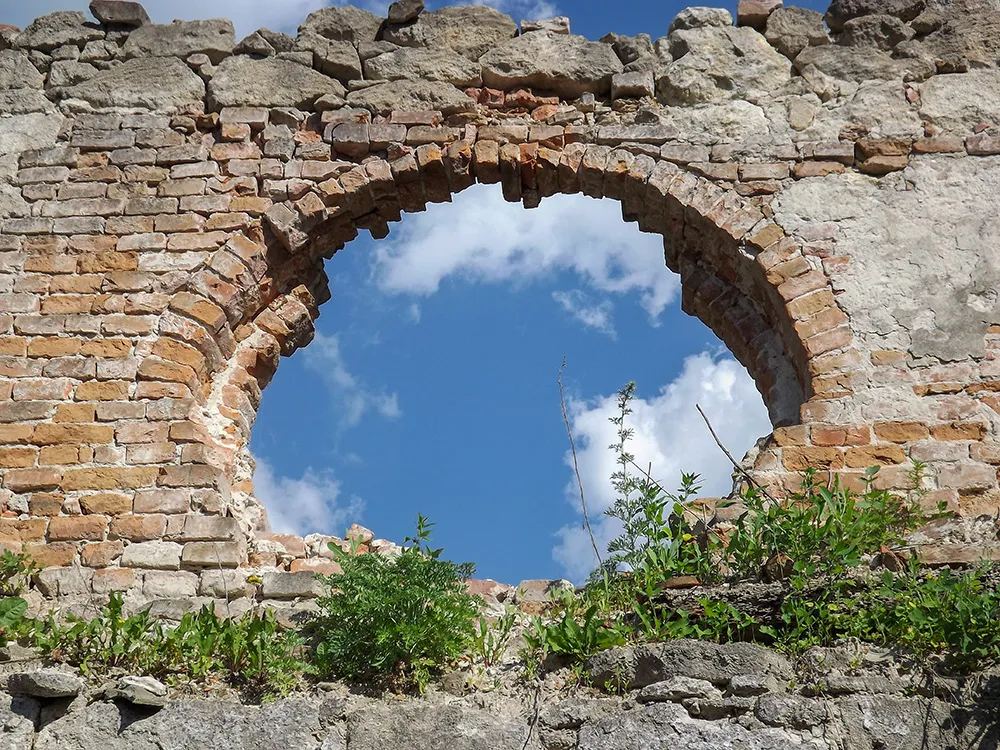
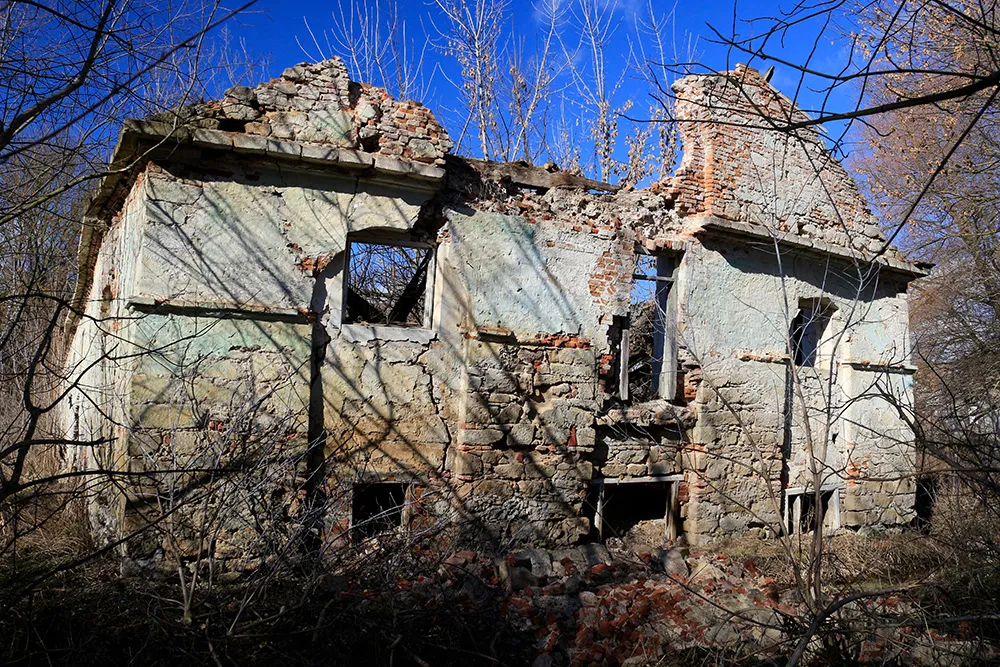
The same round window as of 2016
The Wikipedia article on the Horodok sugar factory states: “In 1837 the Prussian industrialist Baron Geismar decided to build a sugar factory in the town of Horodok, Kamianets-Podilskyi county, Podolia Governorate of the Russian Empire; it was built on the western outskirts of the settlement and began operating in 1839.”
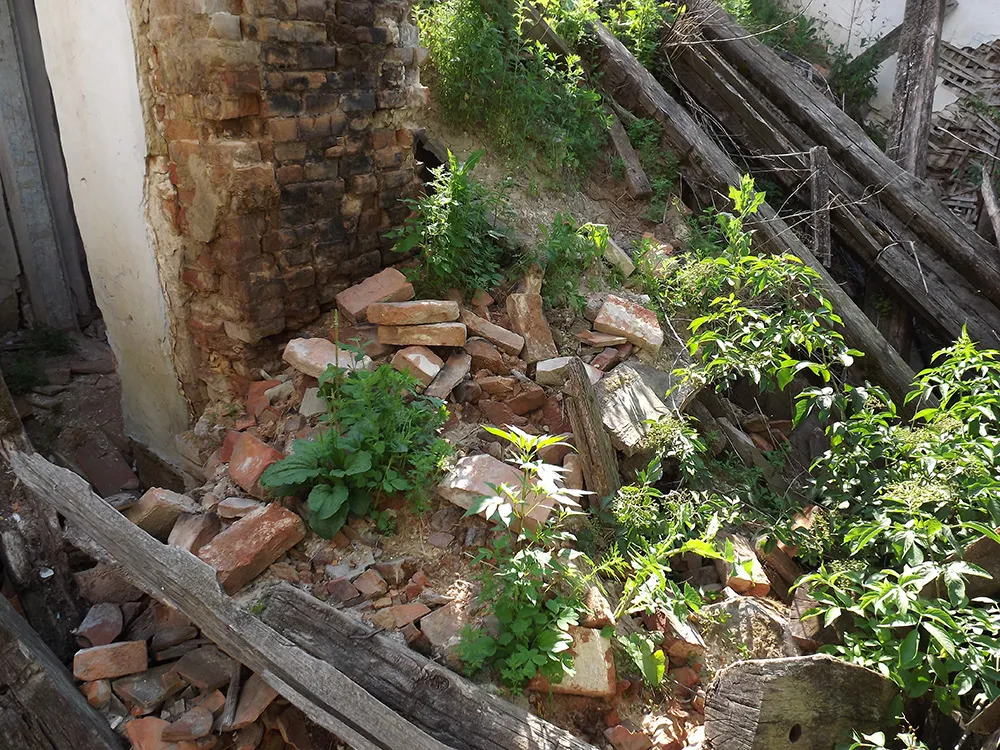
Geismar’s sugar factory was one of the oldest in Ukraine (only the sugar factory in Buchak near Kaniv, built in 1822 at the expense of Prince Józef Poniatowski, is older).
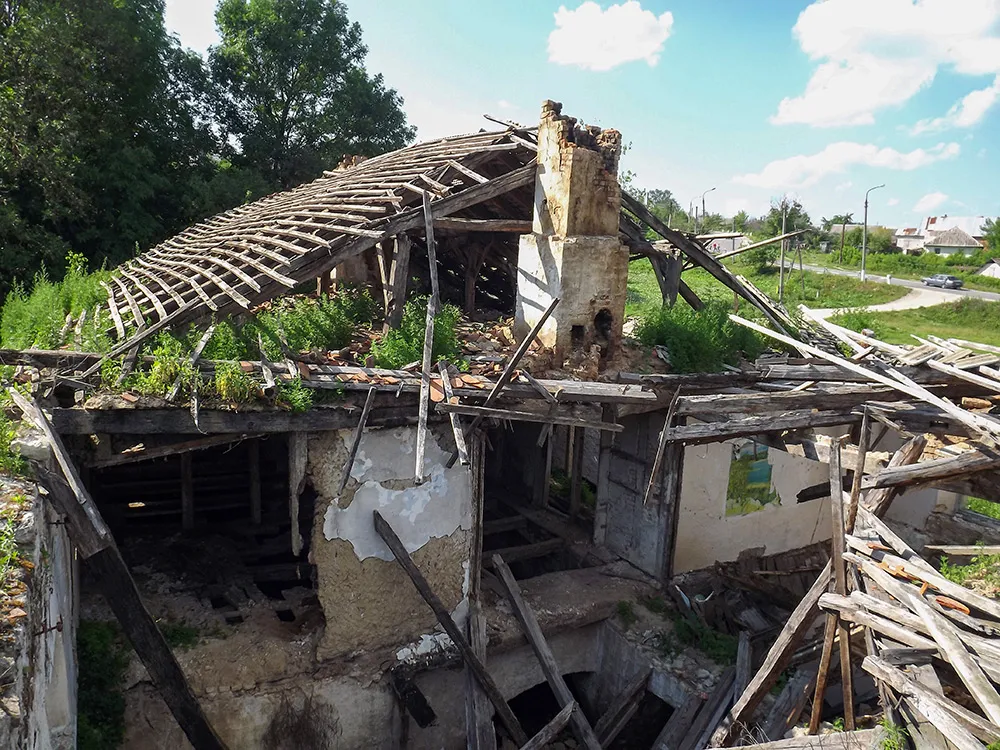
Next to the sugar factory, but on the opposite bank of the Trostianka, the baron built a new brewery and distillery. “New” because the old one had existed since the 18th century, built by Jan Jakub Zamoyski. It stood, however, on the bank of the Smotrych.
The marks on the bricks show that the brewery and the sugar factory were built at the same time. In both cases there are two types of marks: “БГ 1836” and “БГ 1840” (“БГ” stands for Baron Geismar).
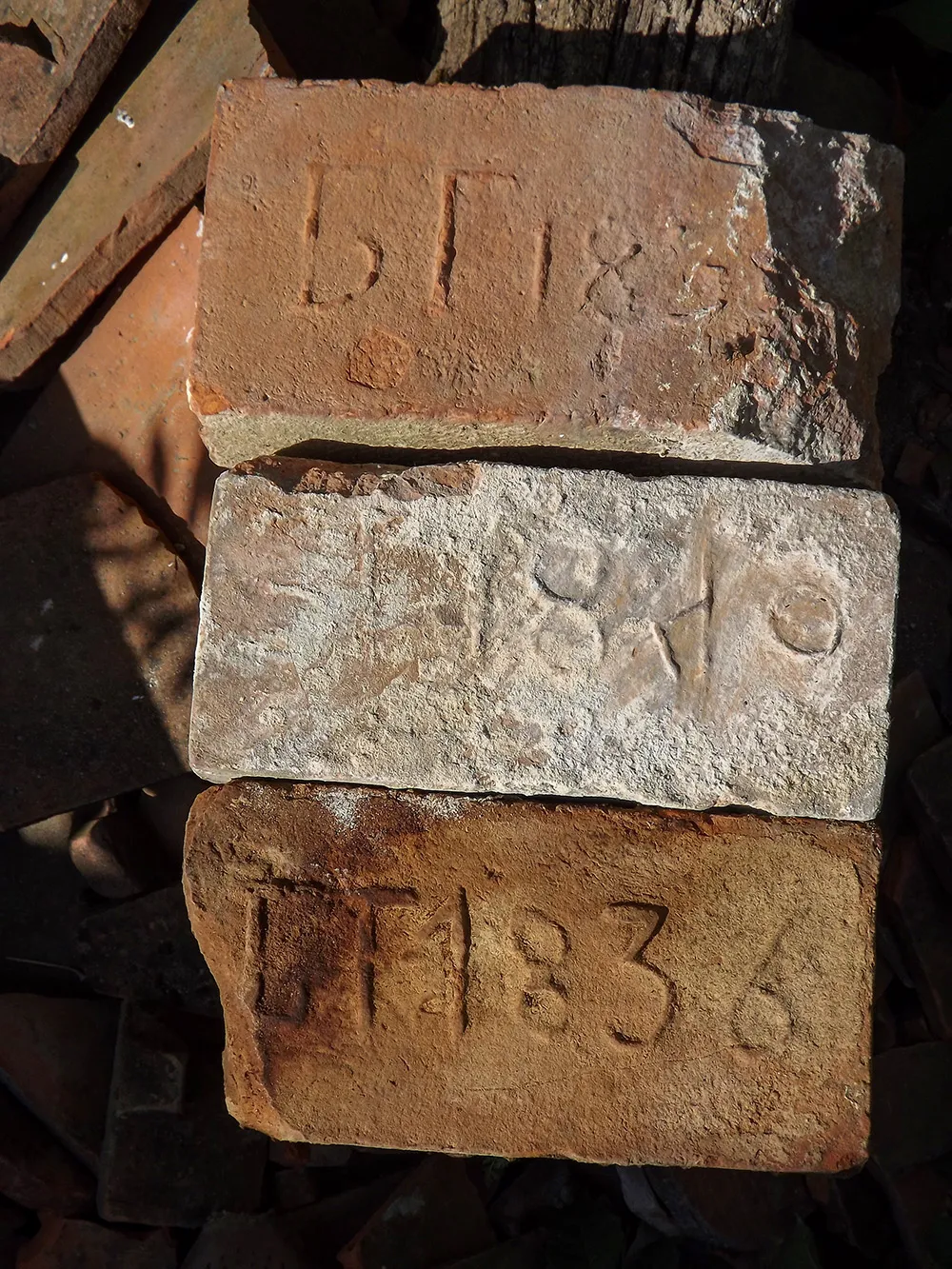
Interestingly, there are about ten varieties of the “БГ 1836” mark — they make up the bulk of the bricks in the buildings. Such bricks have also been found in the historic part of Horodok itself; they were once used, in particular, in building a smithy near the western entrance to the town.
The large number of bricks dated 1836 points to extensive preparation for construction that began that very year: the materials were produced in advance. There are no dates for 1837–1839; instead 1840 appears, in which the digit “4” is always reversed — the result of an illiterate craftsman’s error. Similar curiosities are widely known on other marks of the time found across Ukraine.
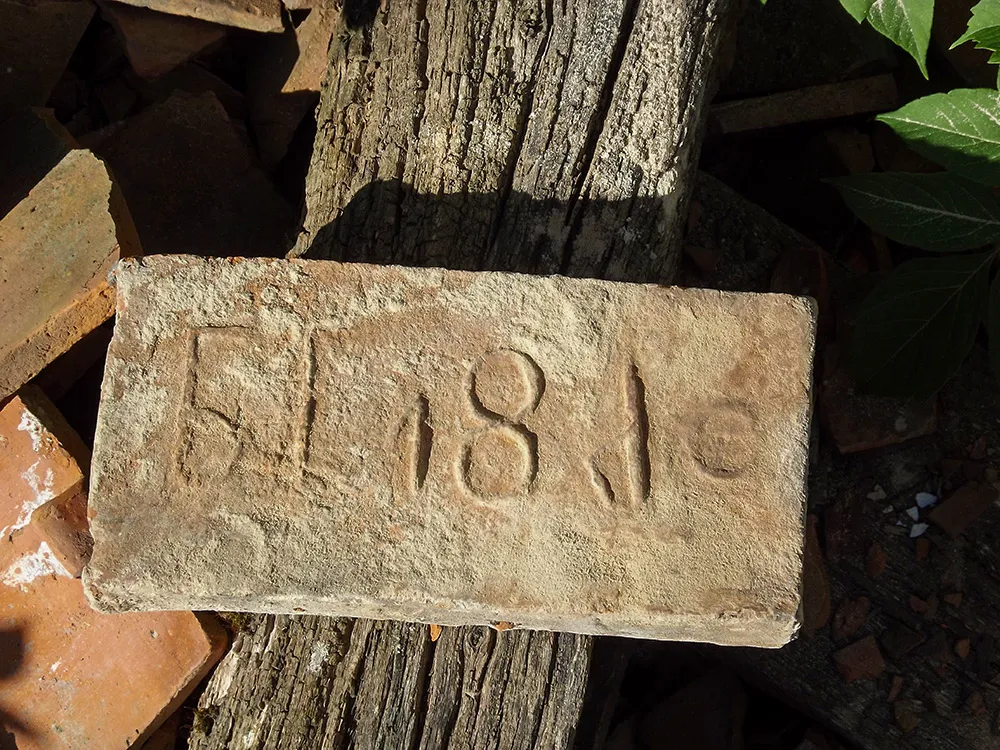
The few finds marked “БГ 1839”, in which the nine is mirrored, most likely also date from 1836 — the last digit is simply reversed.
The varieties of “БГ 1836” differ in the size and “handwriting” of the letters: from elaborate to “chicken scratch”.
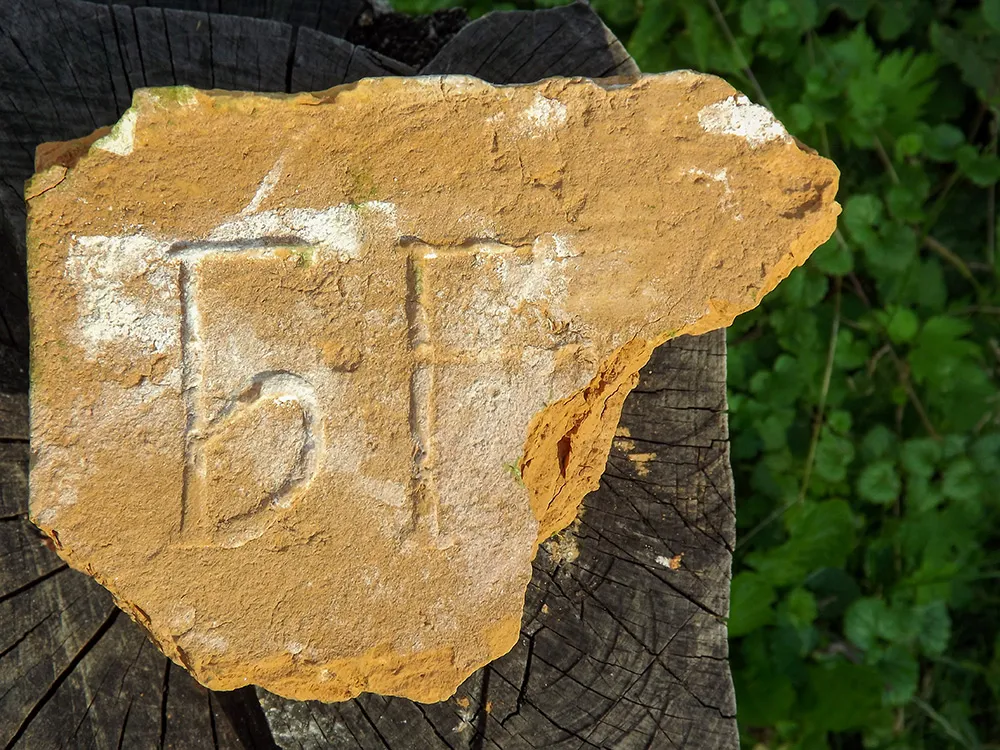
Here the letters БГ are very beautiful
This is explained by the fact that wooden boards were used for stamping, which wore out quickly, and new ones had to be carved. By 1840 the need for bricks was already smaller, so there are fewer varieties (only three are known).
The most unique mark, “БГ 1840”, found by the author on the ruins of the neighbouring sugar factory, is not a stamp at all. It was scratched with a nail or a staple! It is clear that the “scratcher” was illiterate. He thoughtlessly copied the image from the stamping board (probably a spoiled one). He copied it as a mirror image! True, here the digit “4” is not reversed but upright.
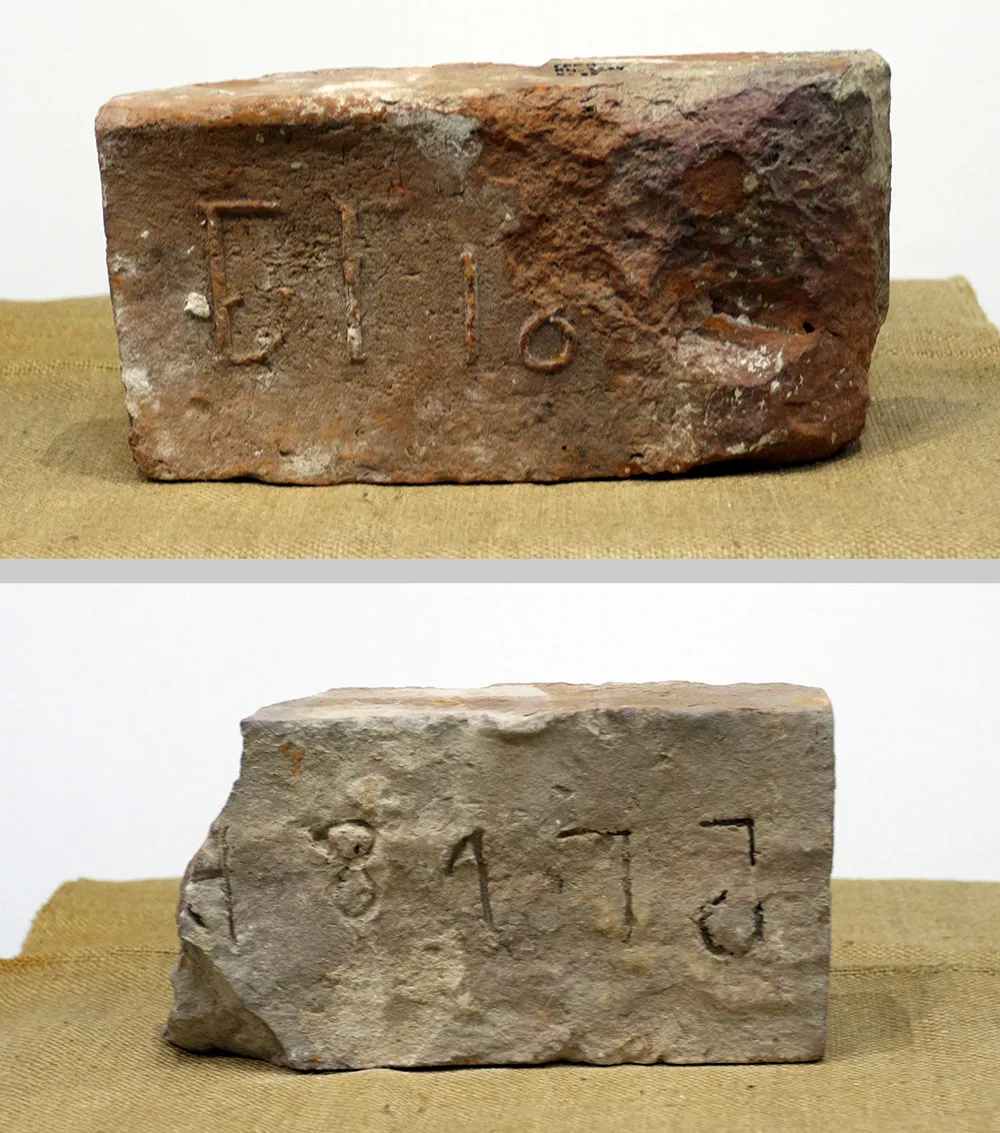
This find, like the other old bricks found by the author, has now been handed over to the Horodok Local History Museum.
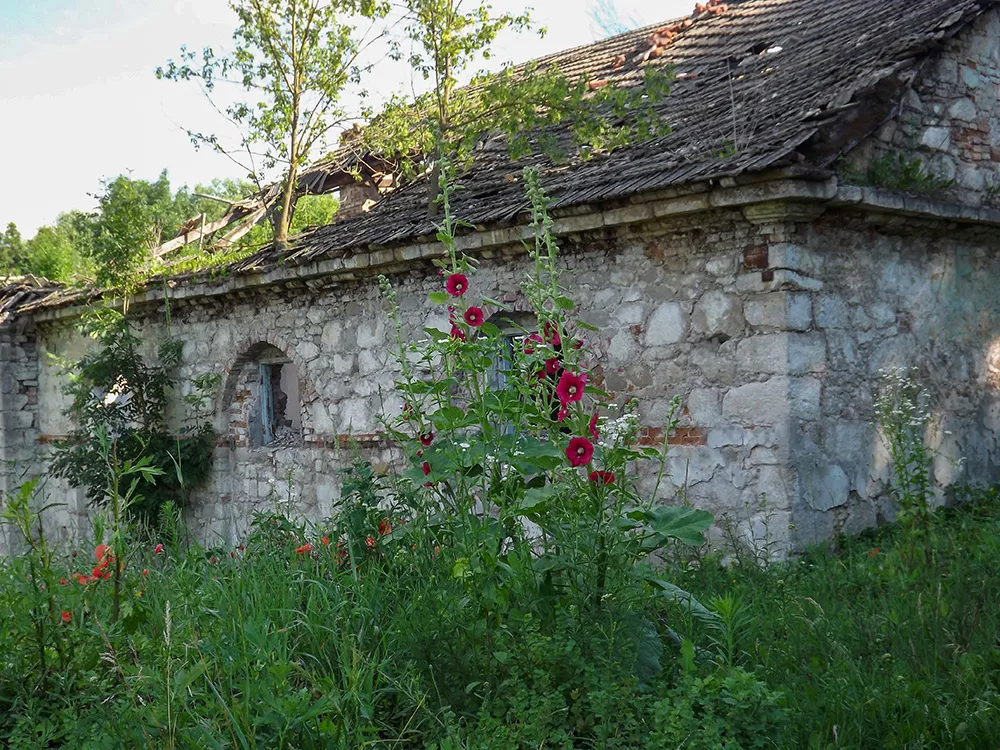
According to the recollections of old-timers, a bakery operated here in the post-revolutionary years and until the mid-1960s. From the 1960s until the early 1990s the building was used as housing. Today it is just a ruin.
Text and photos: Dmytro Poliukhovych


