Krasnopil. An incredible Neo-Gothic church

· 2 min read
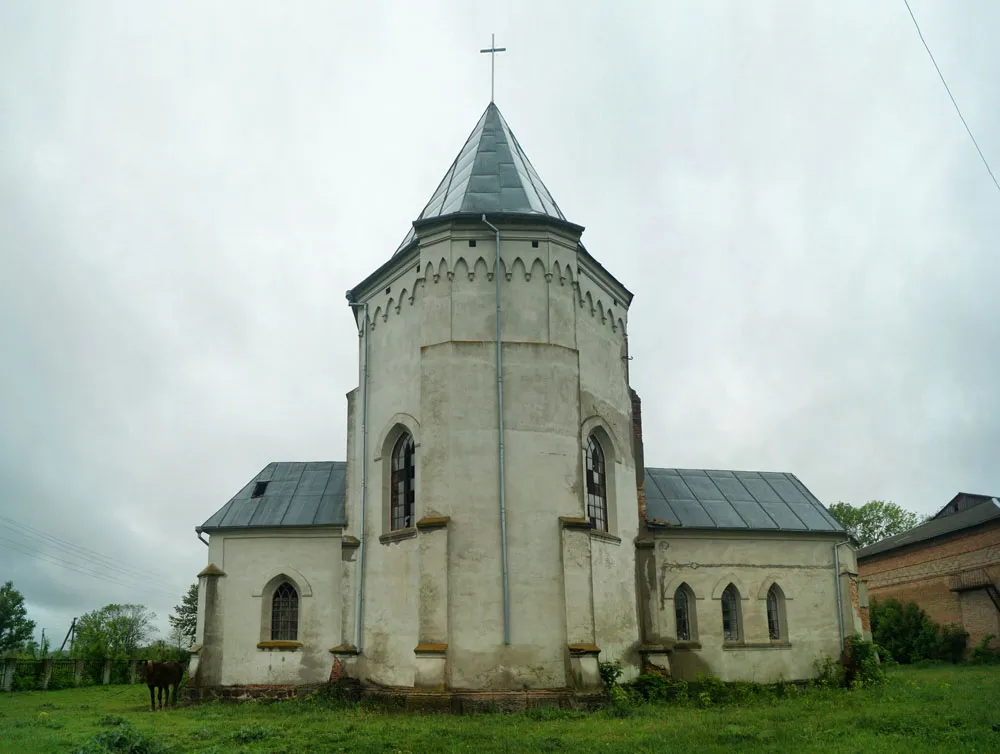
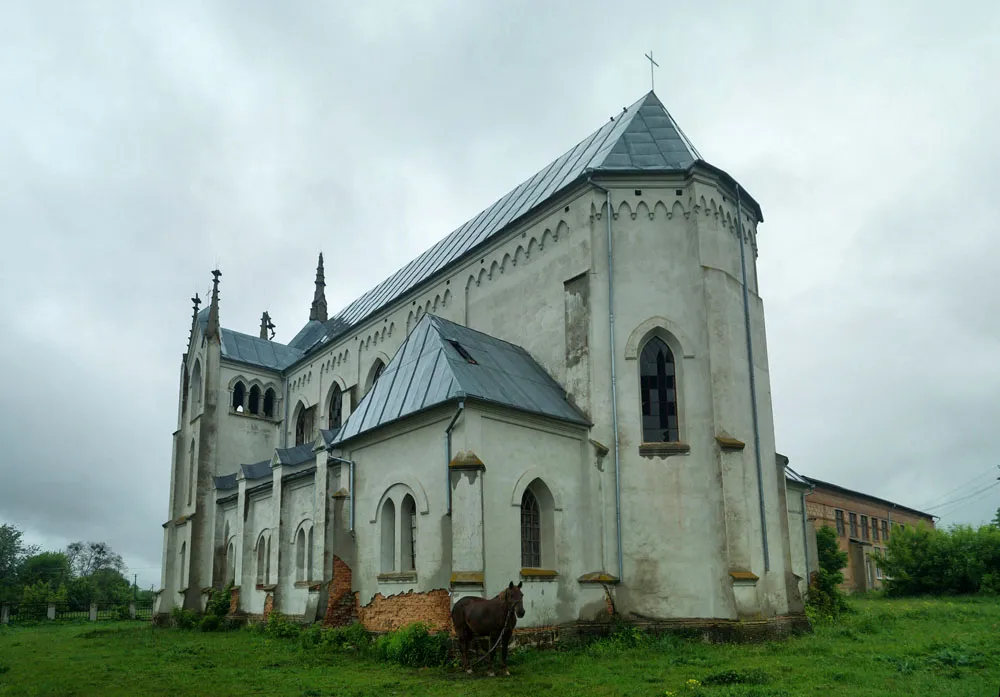
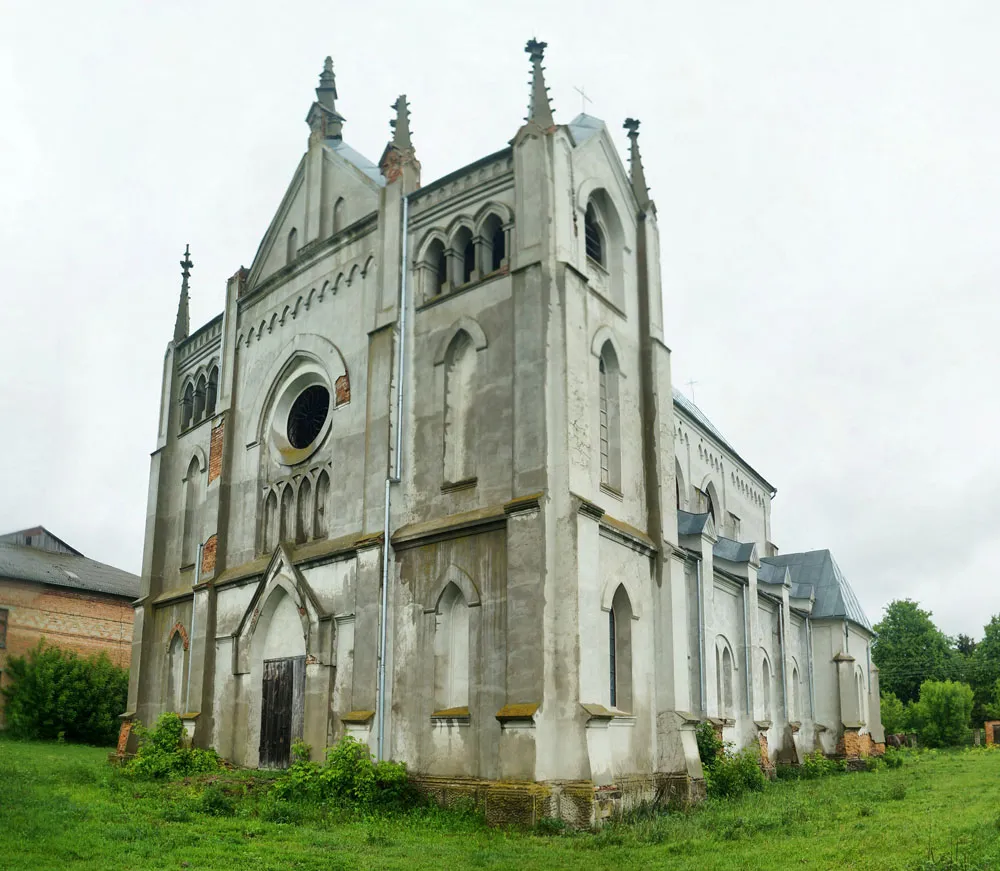
Present-day Krasnopil is a village of 1,200 inhabitants, but once, in the distant 16th century, it was a lively trading town with 12 Orthodox churches. Numerous Tatar raids did Krasnopil considerable harm, and after one of them it never managed to recover as a town. So now we have a village. An apparently quite ordinary Volhynian village, were it not for the Catholic church standing in the centre – the Church of St. Michael. It is a magnificent building – the Neo-Gothic pearl of Volhynia, which ought to be a tourist magnet, yet very few tourists know about it.
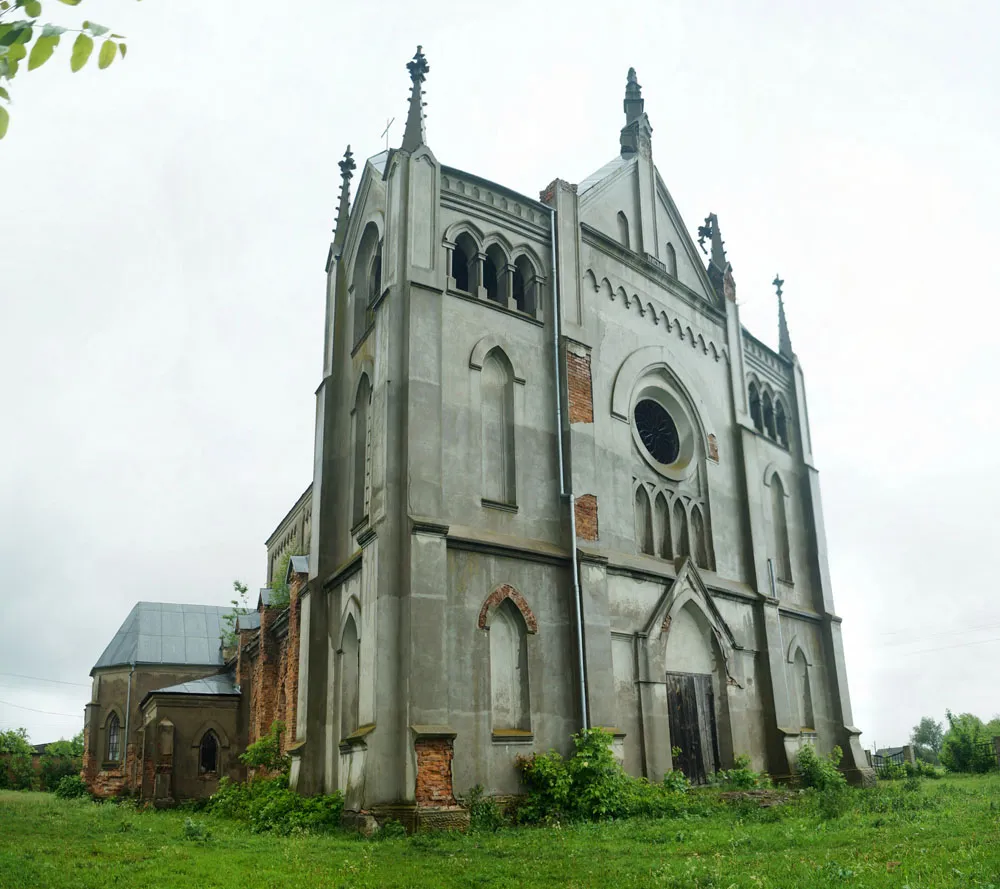
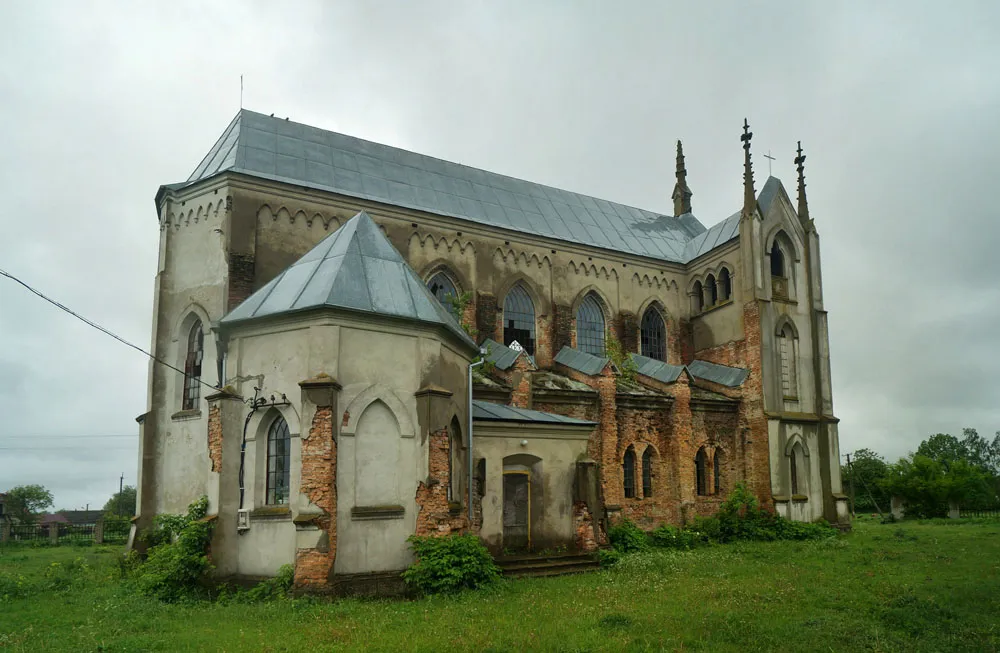
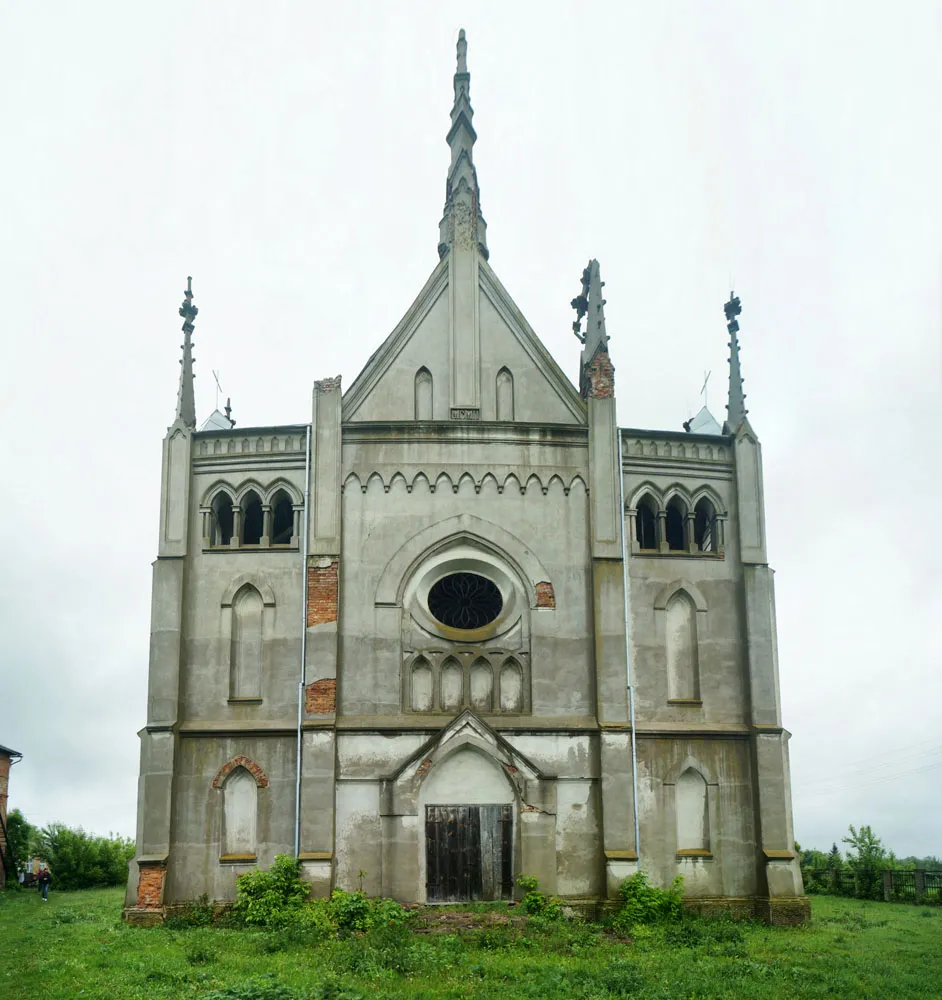
Krasnopil belonged in turn to the Ostrogski, Zasławski and Lubomirski families, as part of the Ostrogski entail. At the end of the 17th century the village, with the surrounding lands, was bought by the Hryzycki family, and it was they who in 1754 built the Church of St. Michael. There is a legend that the building of the church was connected with the illness of the wife of Bartłomiej Hryzycki, who was paralysed and who, after the construction of the church – supposedly not Roman Catholic but Orthodox, and dedicated to the Mother of God – was healed. Or perhaps she was healed after Hryzycki placed in the church a miracle-working icon of the Mother of God, which he had bought from some neighbouring nobleman. And then that icon healed people and worked other miracles, but what interests me is something else – in 1754 a church in the Neo-Gothic style was built, in a period of total Polish fashion for the Baroque. How could that be? For a long time I could not make sense of this date, which appears on many respectable resources.
From the Hryzycki family Krasnopil passed to their son-in-law Dominik Osterek, and from the Osterek family the estates were bought by Wacław Mazaraki – a representative of a well-known family of Greek origin, although it is called both Polish and Russian. It was he who built the church we see in Krasnopil today – the Neo-Gothic Church of St. Michael, while the Hryzycki family really did build a church of the Mother of God, which has not survived, like the large palace burned by the Bolsheviks. So we can forget the date 1754 – the real years of construction of the church in Krasnopil are 1902–1906.
In Soviet times the church housed a mill, a smithy, a tractor brigade and a warehouse. Then the building was abandoned entirely. Today it belongs to the Roman Catholic Church, and there are plans for its restoration, which seems to have already begun in part, but things are moving rather slowly.
Text and photos by Roman Malenkov, Serhii Shcherbii.