

Kruzhkivtsi: a remarkable village of the “Minkivtsi state”
The village of Kruzhkivtsi is located in Khmelnytskyi Oblast in the valley of the Ushytsia River, between the villages of Minkivtsi and Otrokiv.
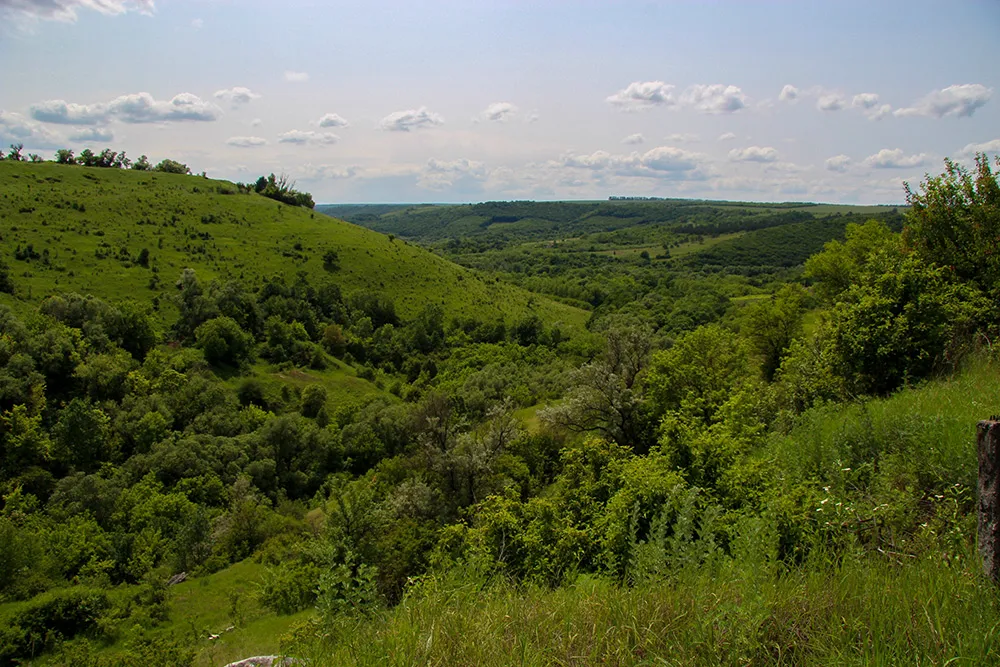
In the late 18th and early 19th centuries, Kruzhkivtsi belonged to the eccentric Count Ignacy Scibor-Marchocki, who proclaimed his lands an independent state with its own laws. In 1791 he adopted a constitution, Prawa miasta Mińkowiec (“Rights of the Town of Minkivtsi”), which introduced local self-government, gave equal rights to members of different faiths, replaced serfdom with a moderate tax and granted the population other broad rights. The “state” had its own money. The owner’s son, Karol Scibor-Marchocki, continued his father’s work. But later he took part in the 1831 uprising. In response, the Russian authorities confiscated his estates and the “state” was abolished.
The exact date the settlement was founded is unknown. Written sources mention the village from the 18th century. Kruzhkivtsi is believed to have arisen during the resettlement of the Podillia region after the devastation of the second half of the 17th century.
In 1848 a large mill was built in the village. Equipment from the Austrian company Anton Besser has survived in the building. The roller mills made it possible to grind grain into graded flour and produce flour of various grades. Water was brought to the mill through a diversion canal.
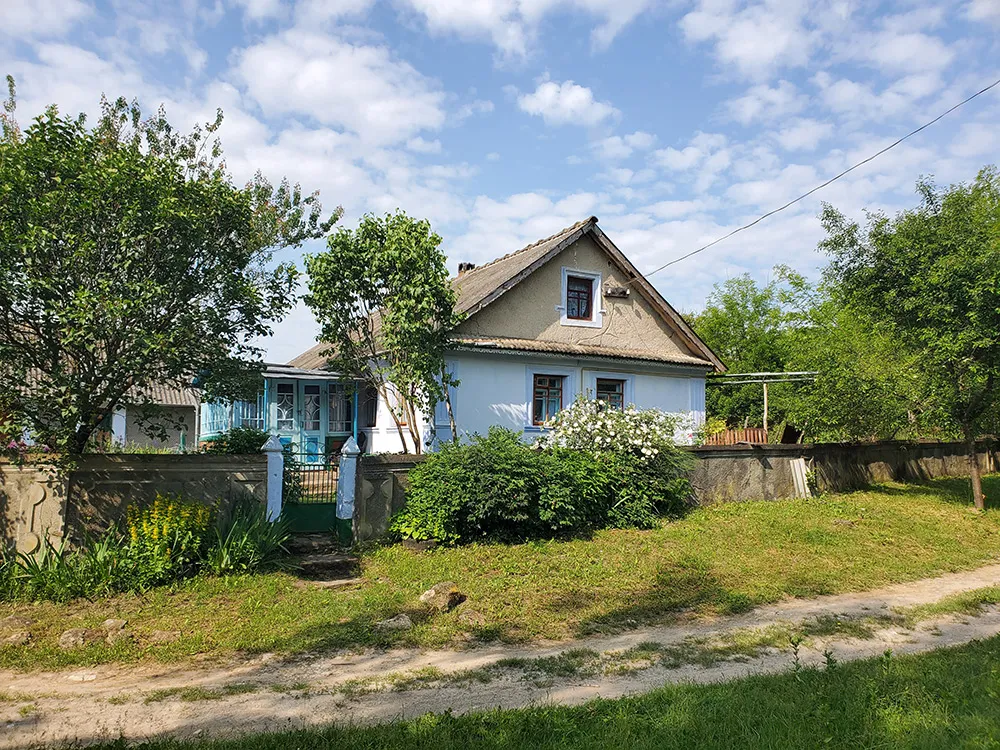
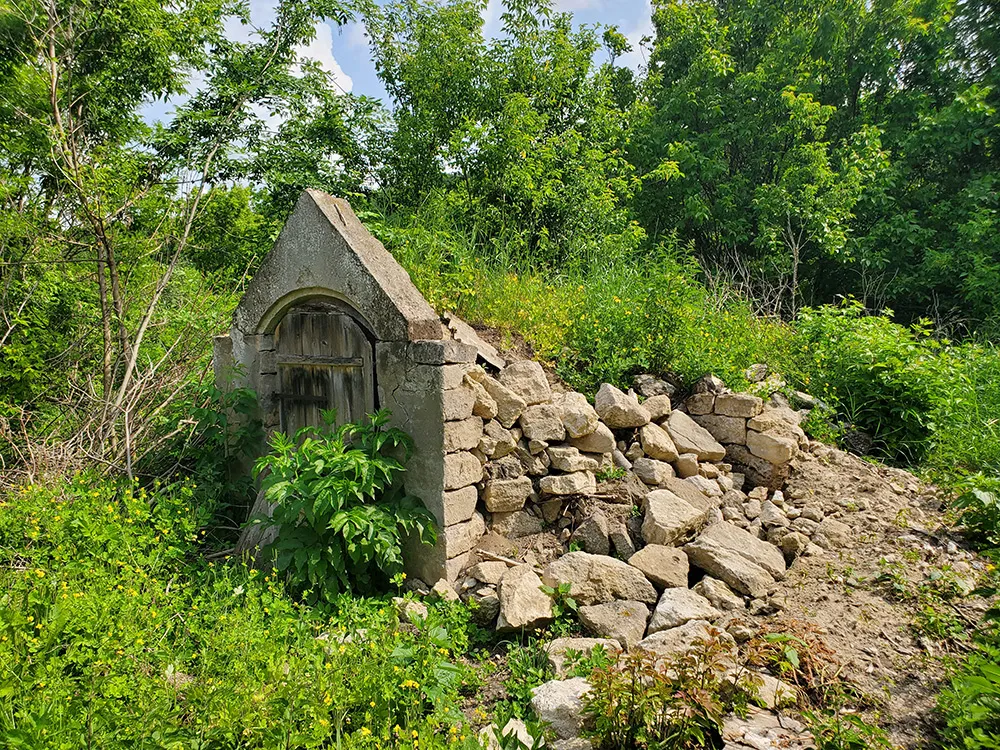
Among the local architectural features, residential houses with stone fences and limestone gateposts stand out. The settlement also has wells with monolithic stone curbs and limestone entrance portals to cellars. Similar elements are found only in this micro-region.
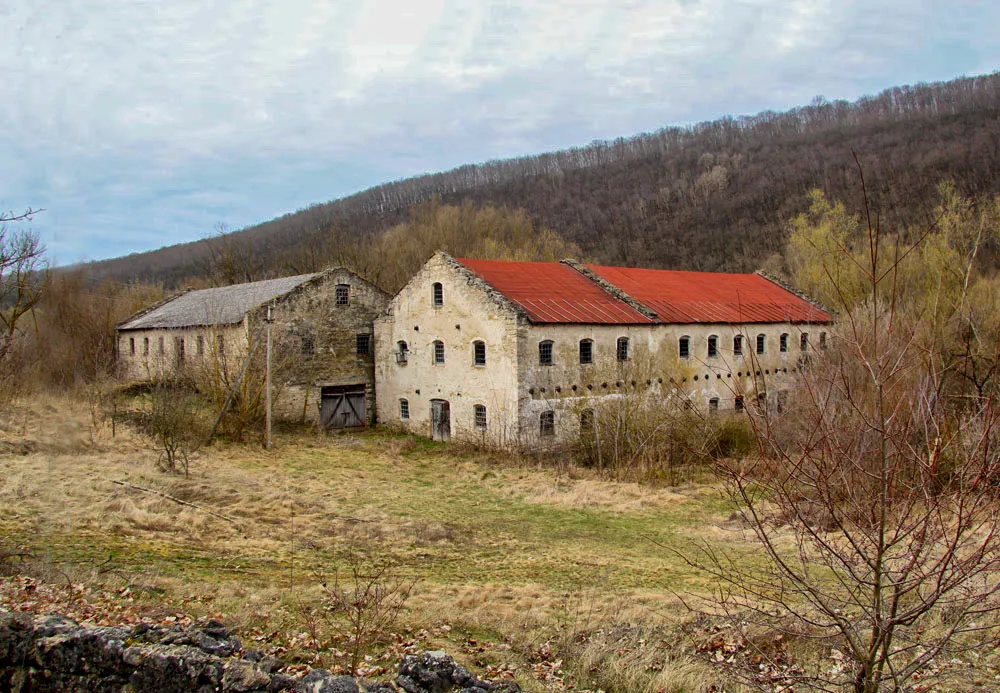
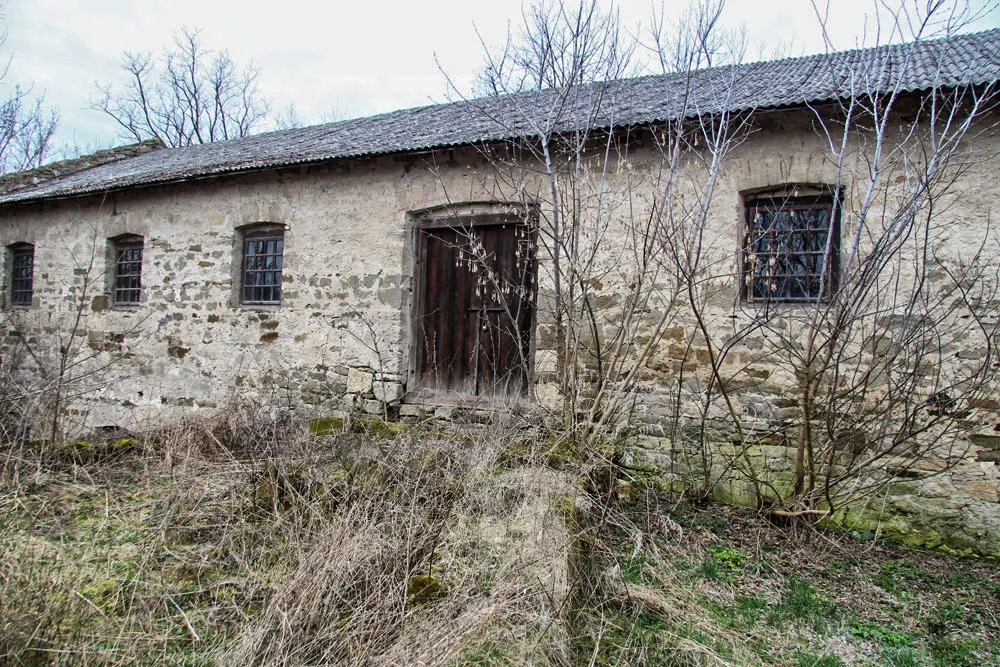
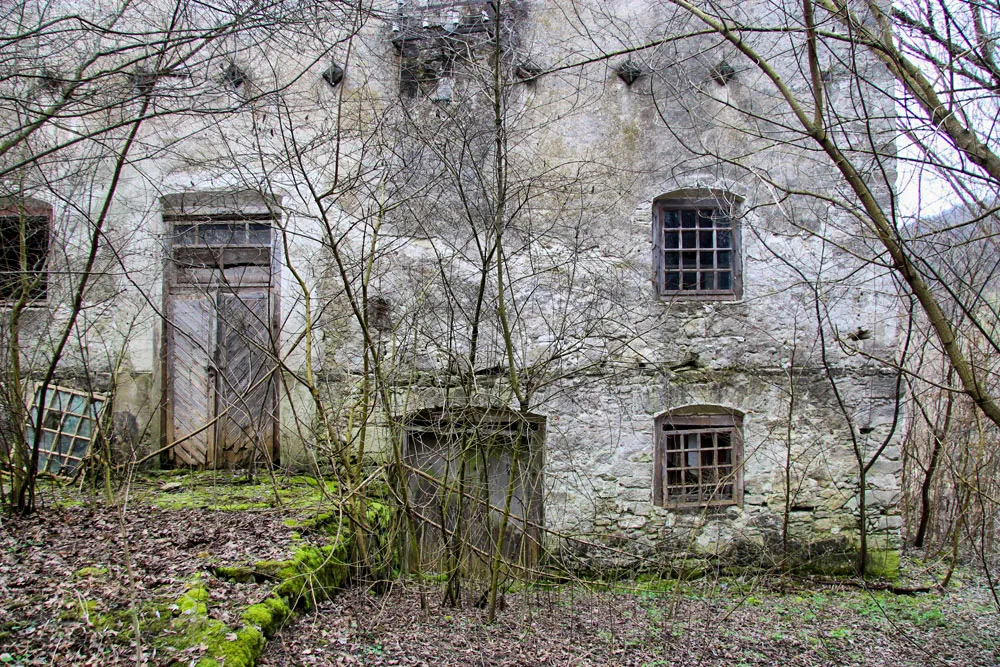
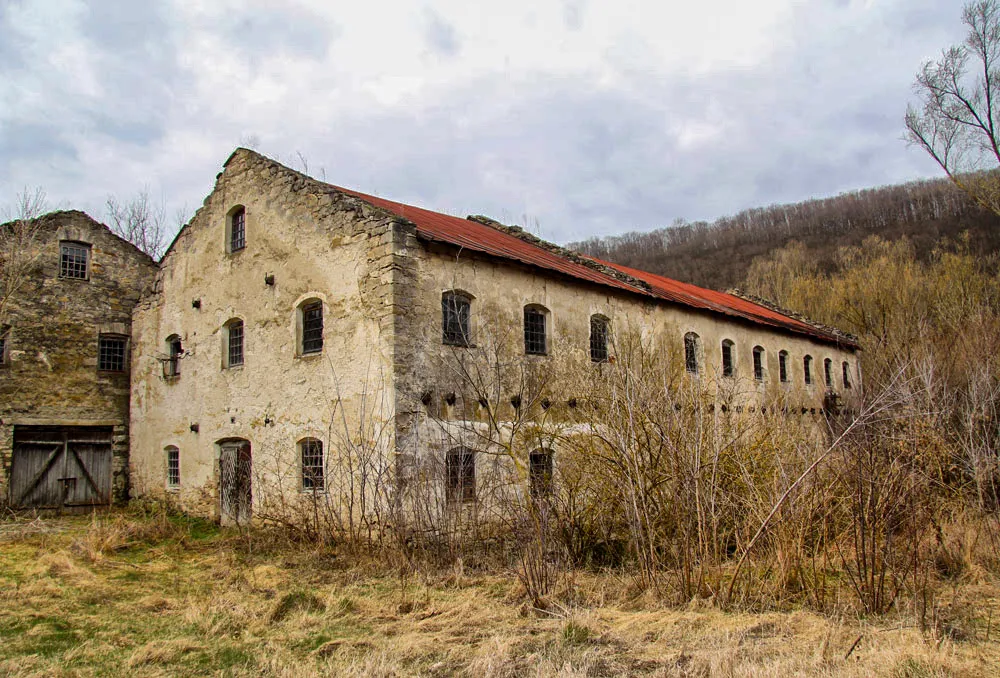
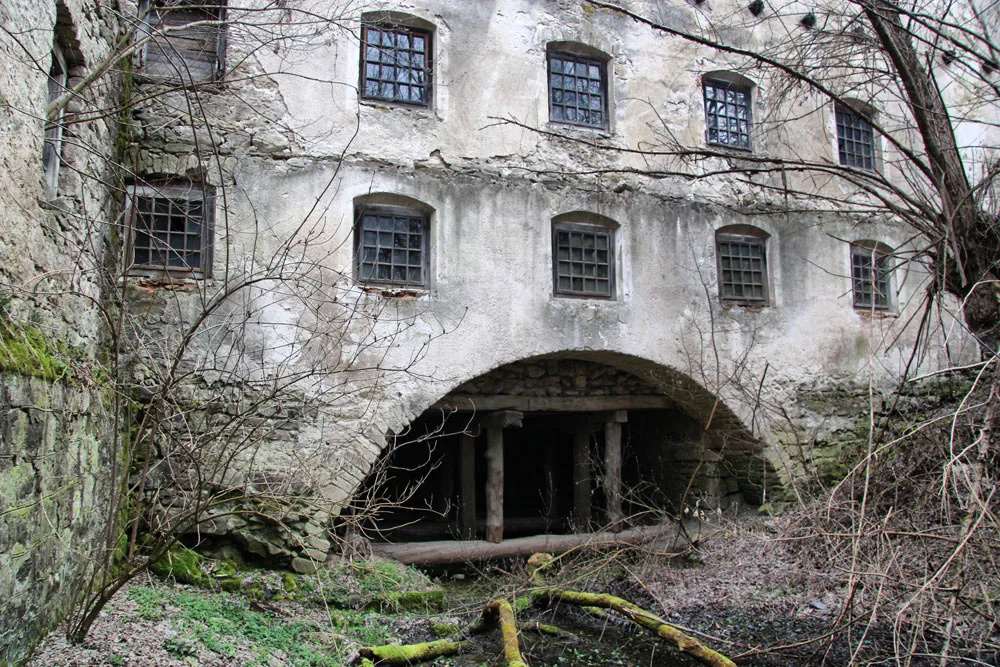
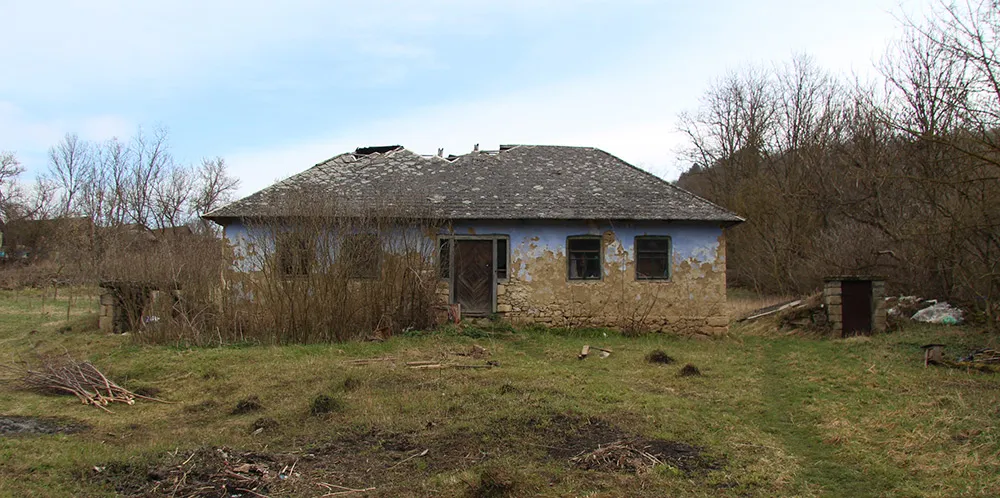
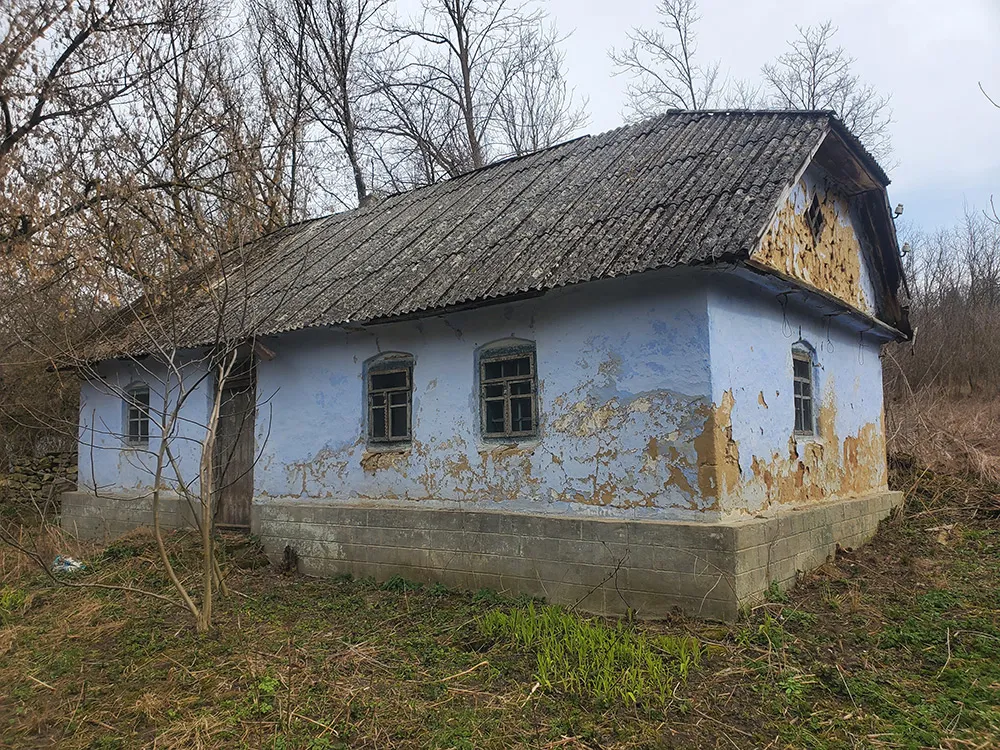
There are abandoned buildings made of limestone blocks in the village. Inside such houses, photographs and icons from 1960–1970 remain.
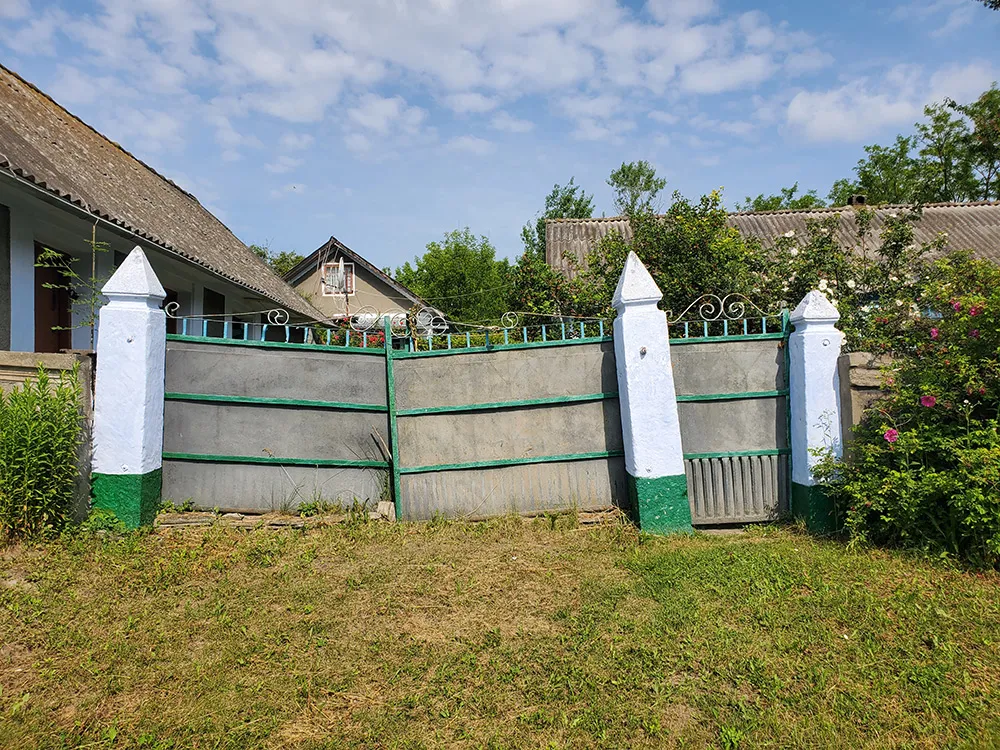
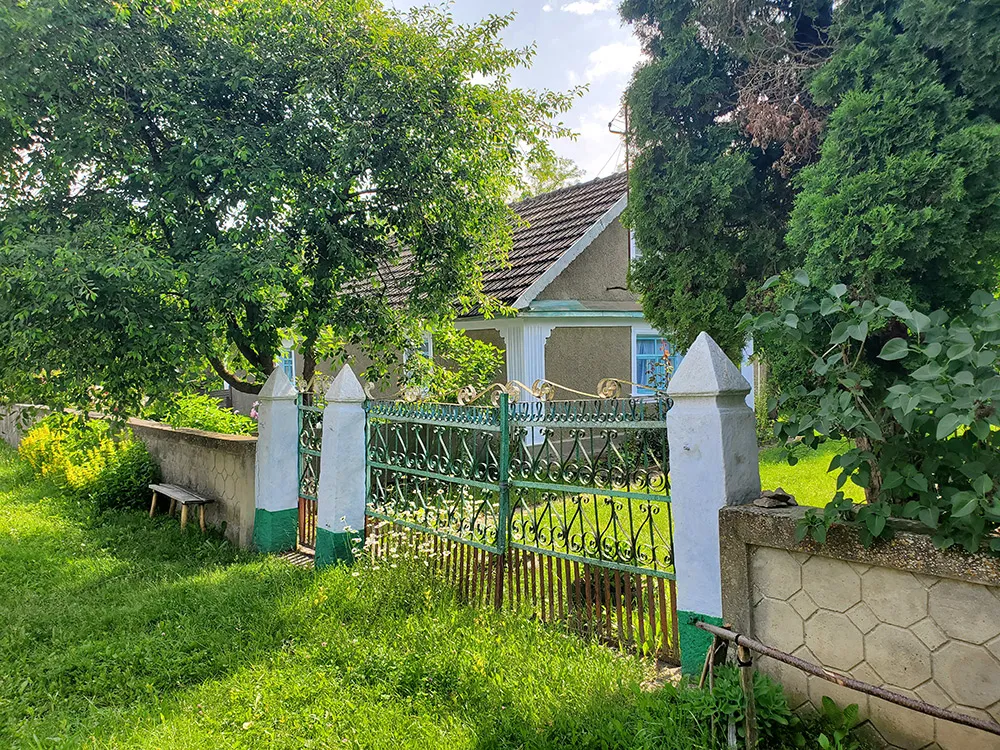
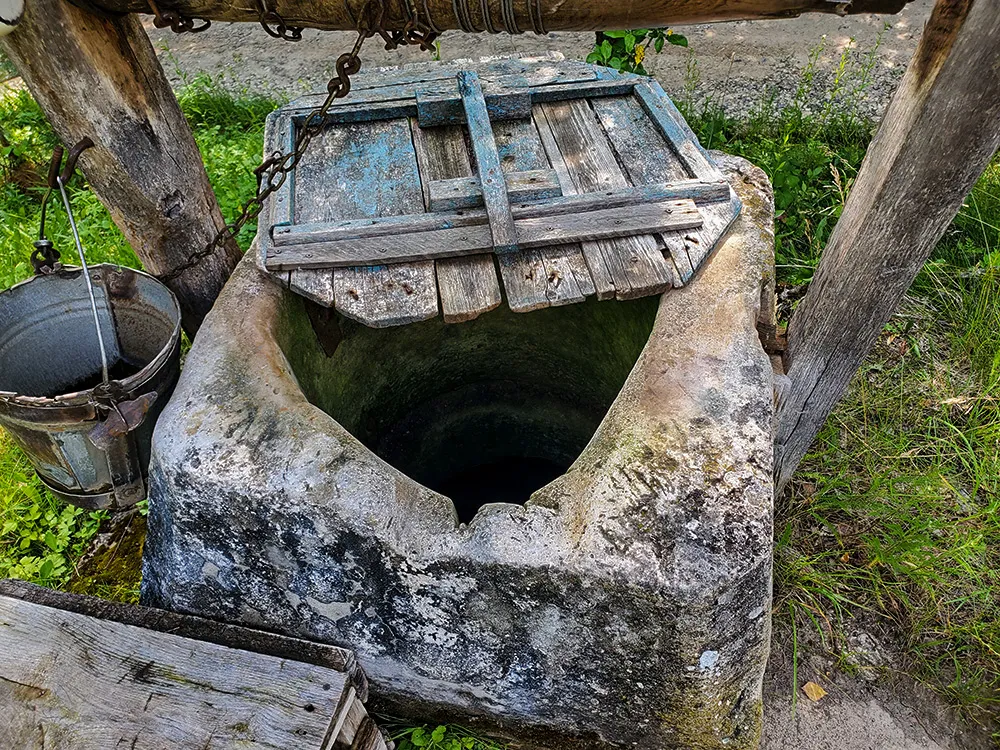
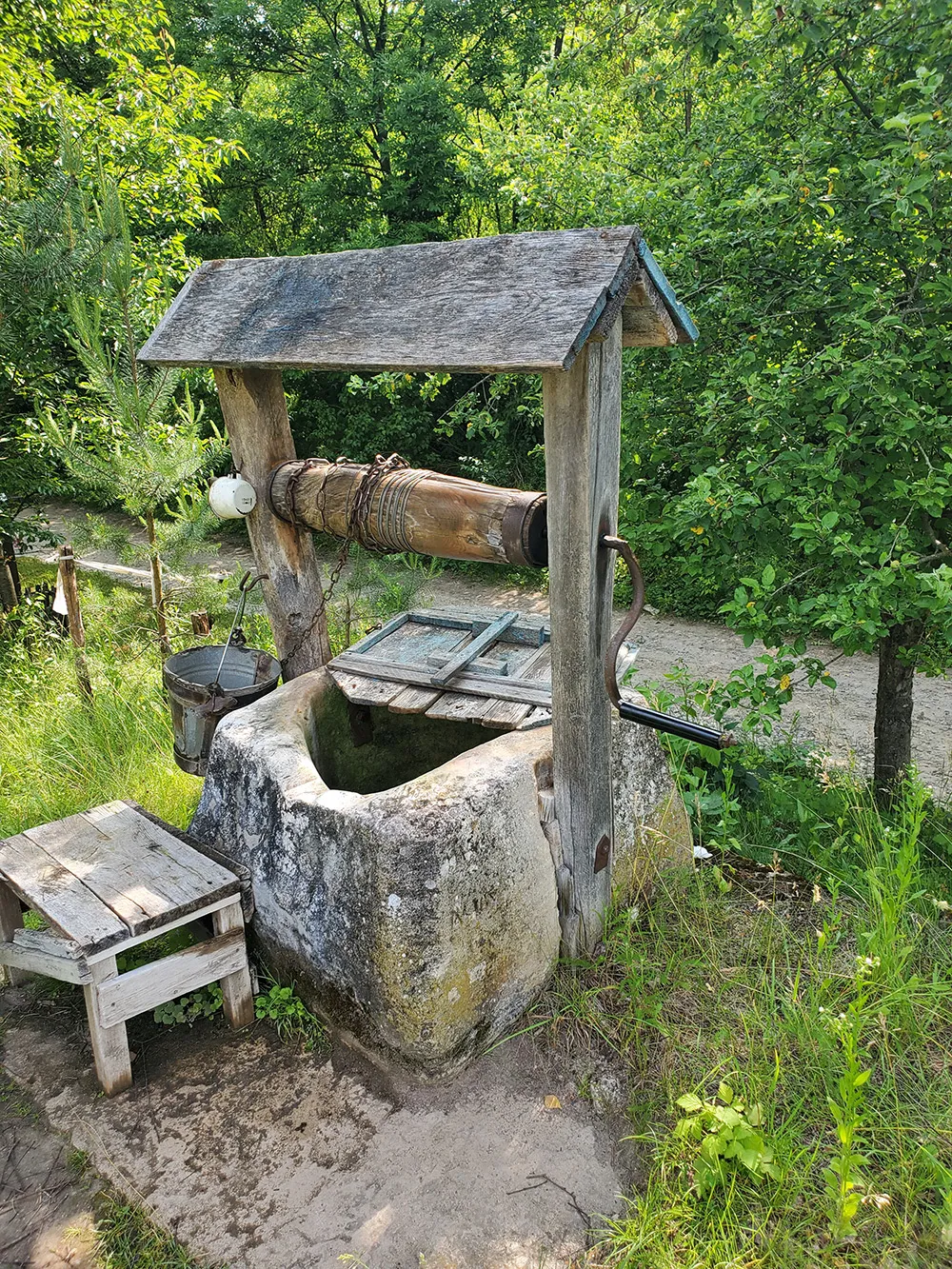
The wells have curbs carved from a single limestone monolith, and stone protective posts survive beside the houses. The splendid stone gateways to the cellars also have considerable aesthetic appeal and architectural value.
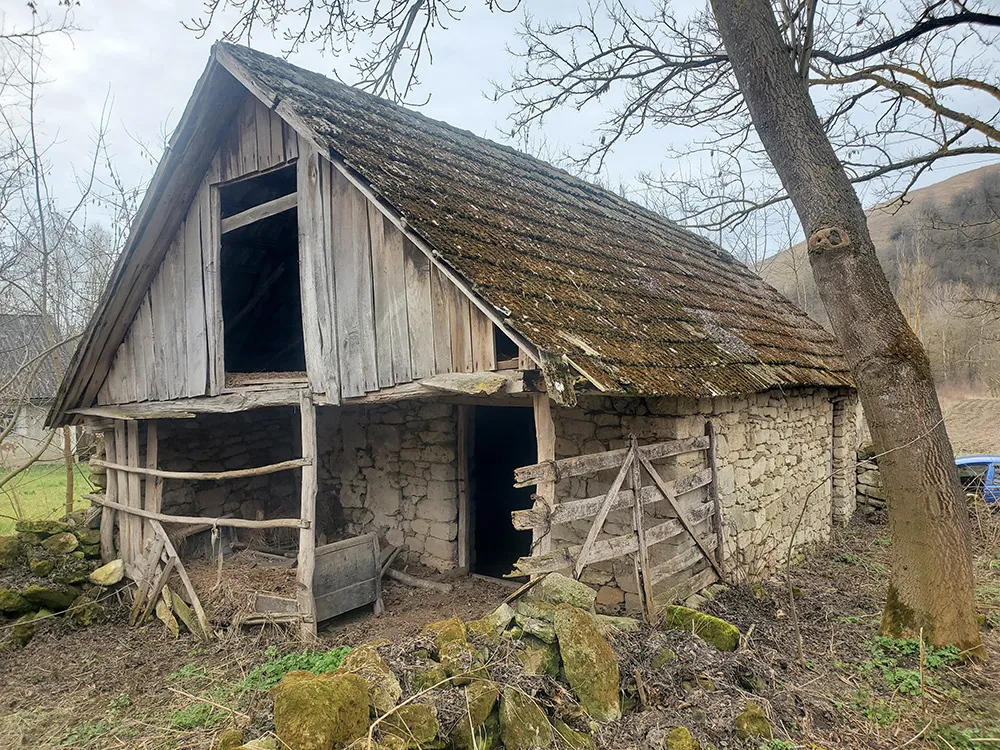
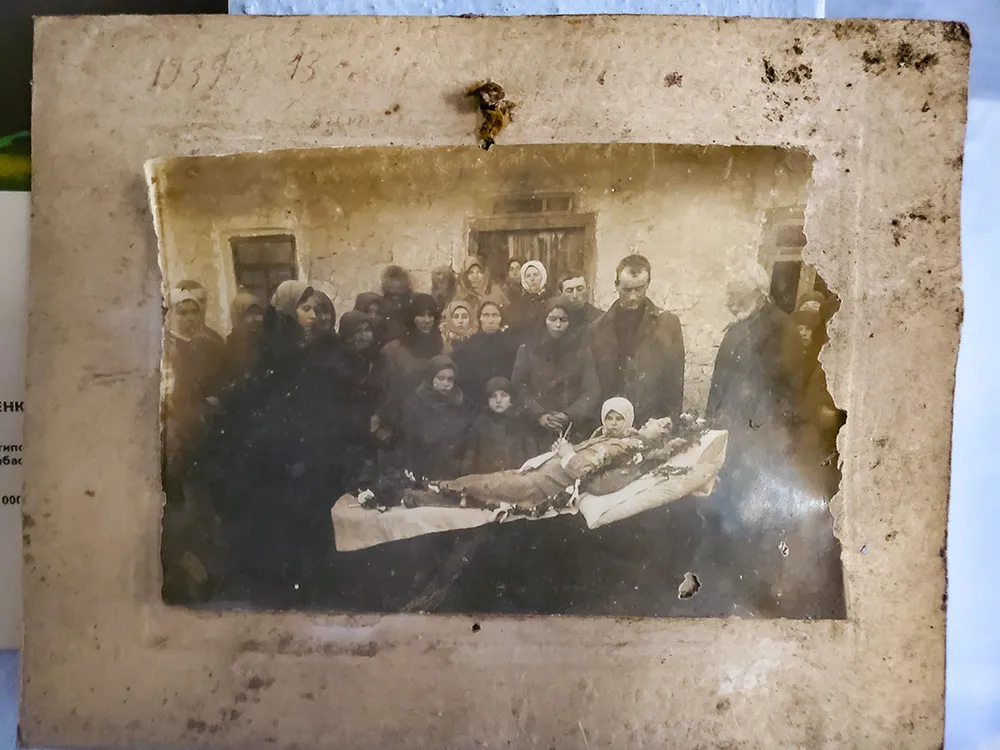
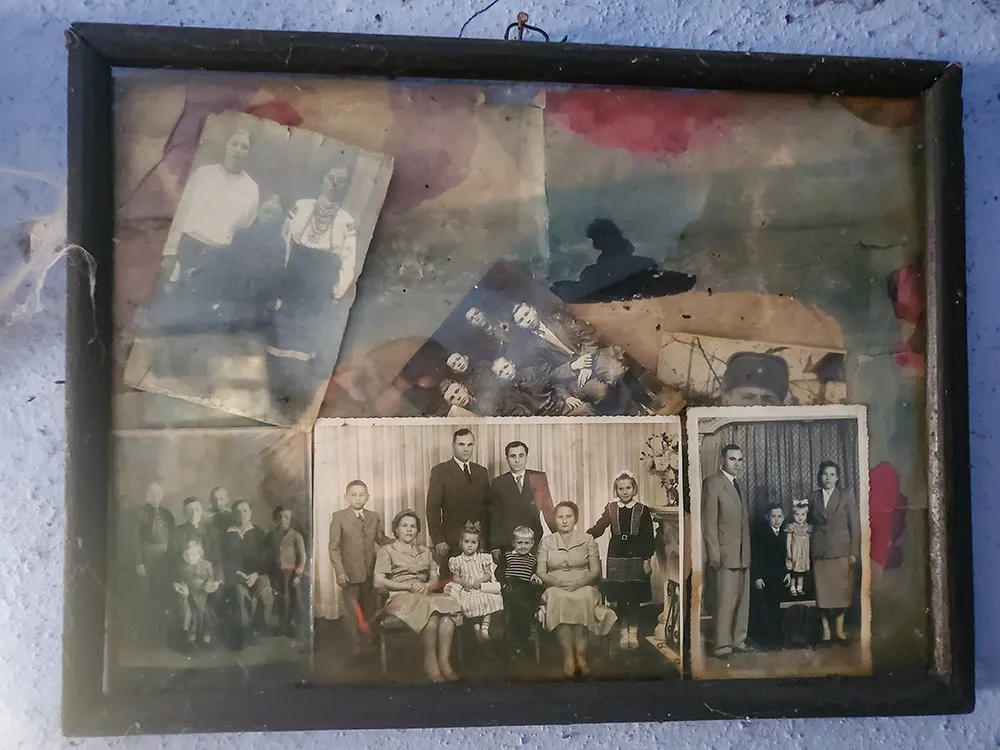
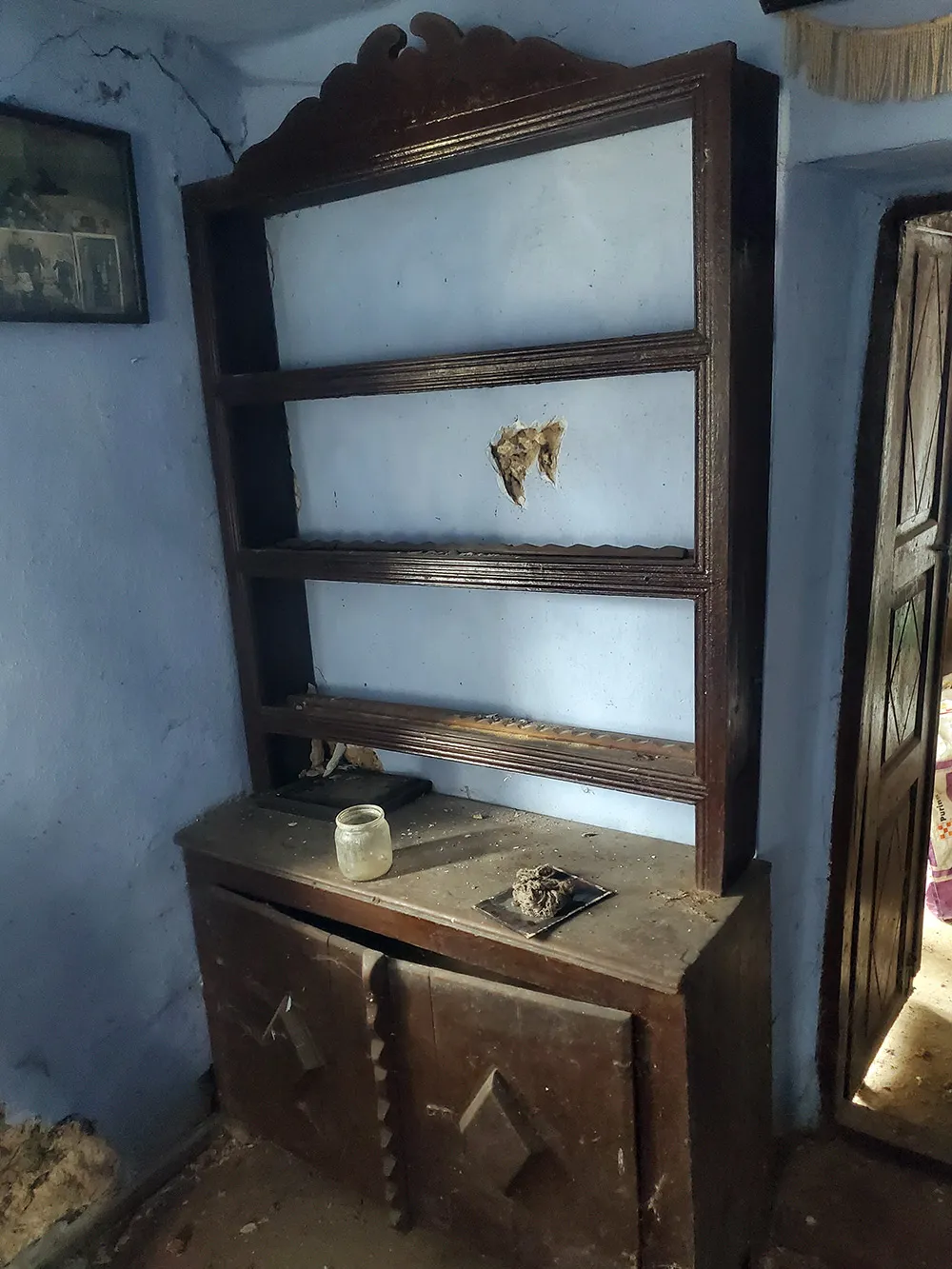
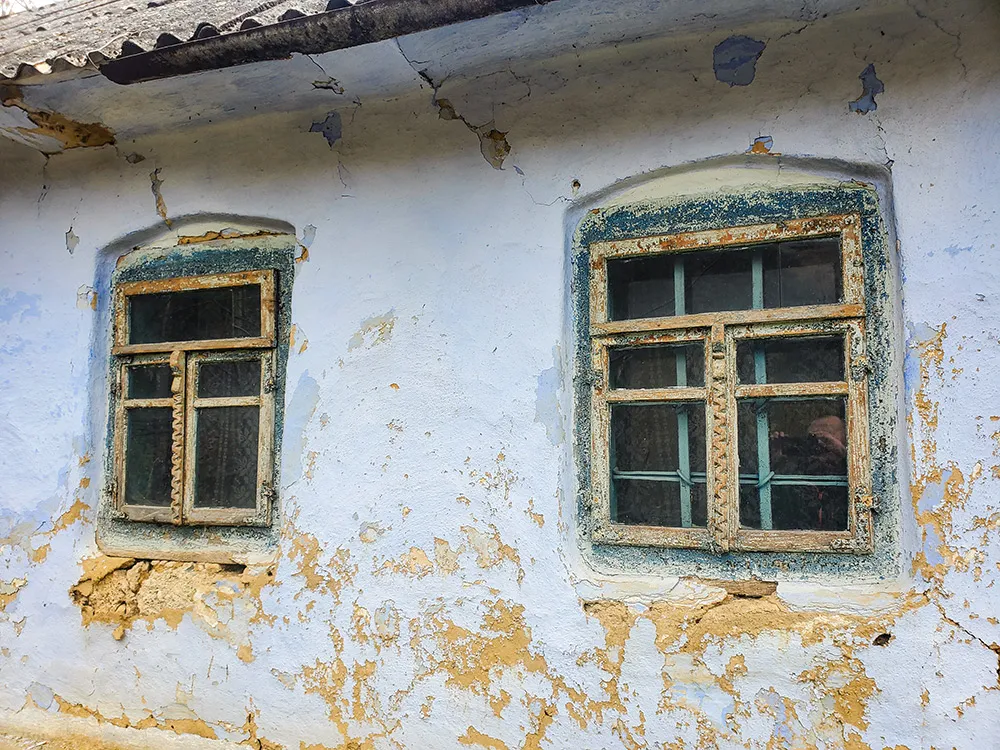
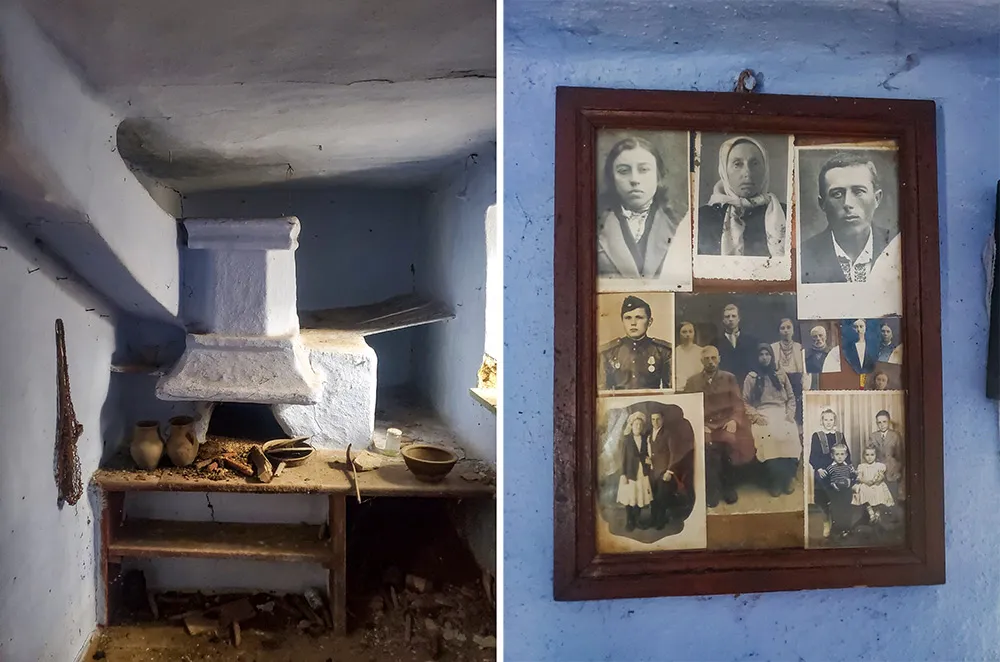
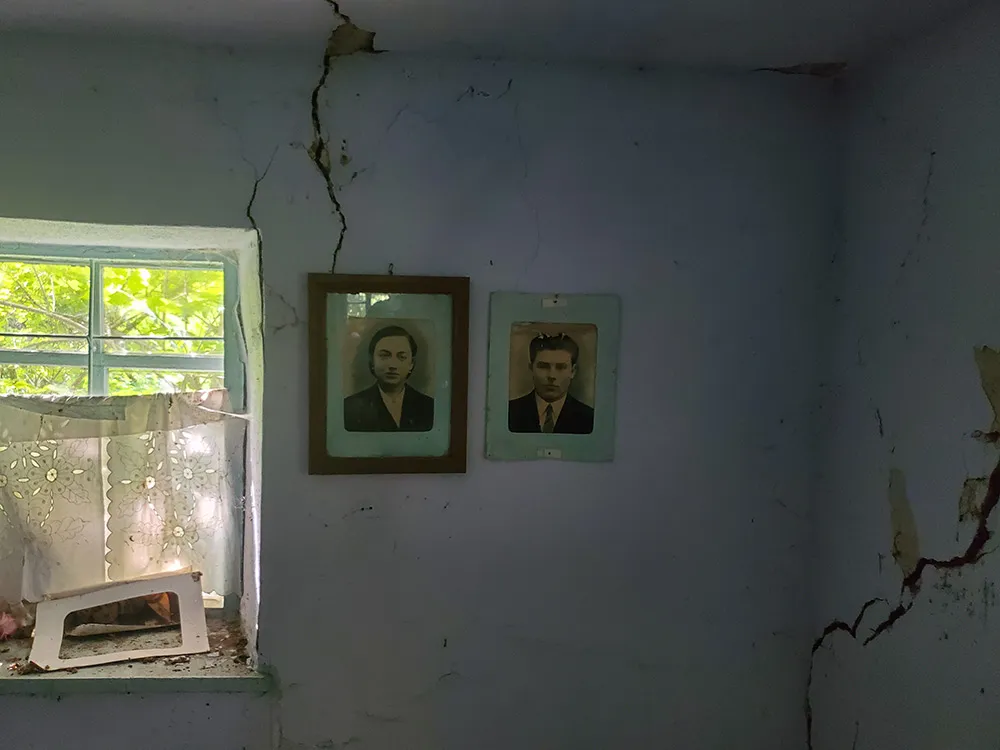
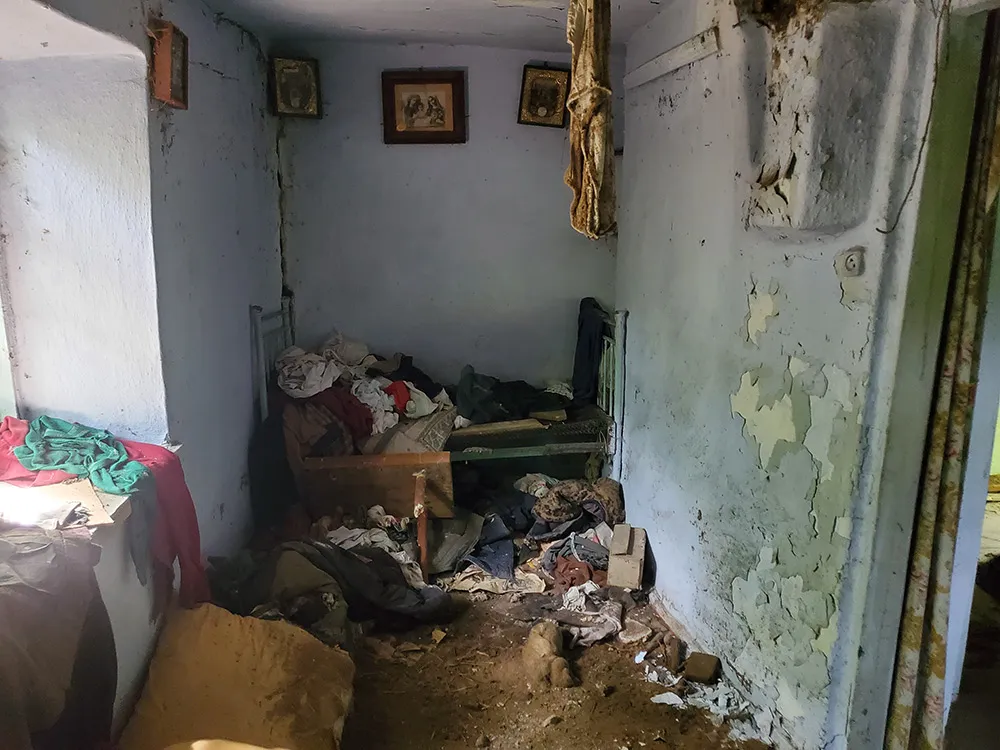
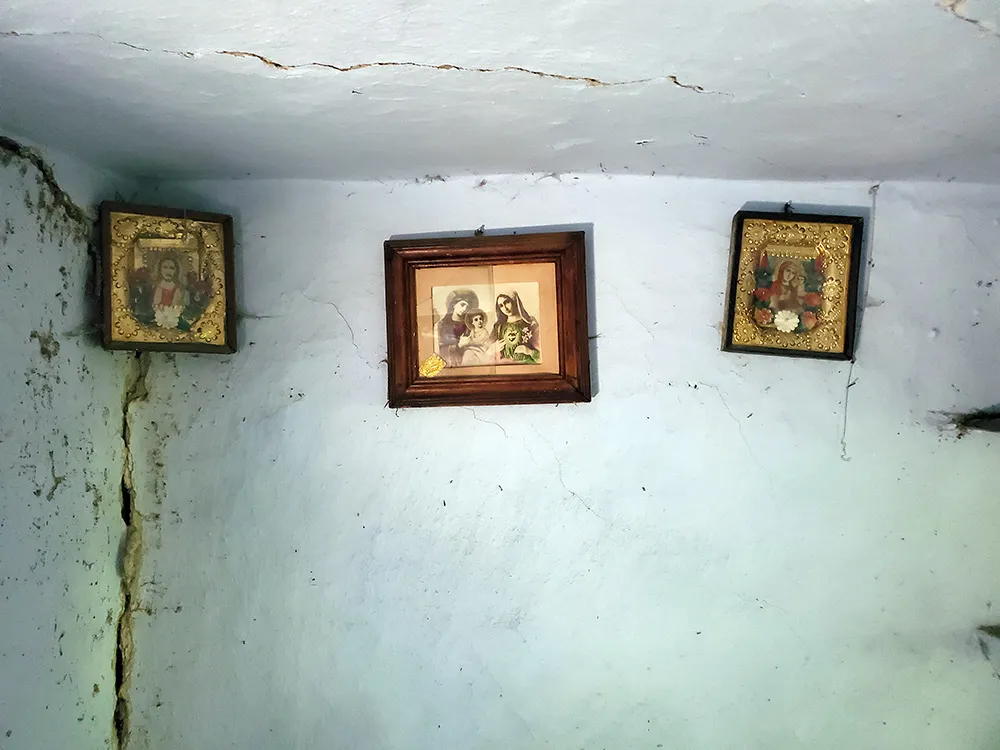
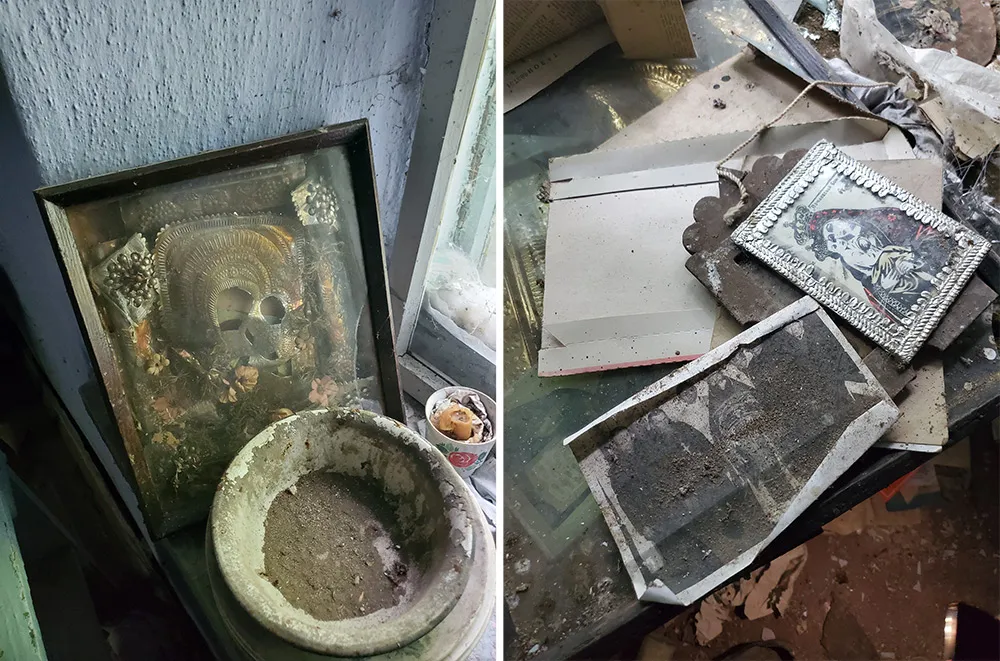
The abandoned limestone-block houses remain a sad but eloquent testimony to the past. Valuables were carried away long ago, and only framed photographs and cheap icons from the 1960s–1970s remind us of the owners; they have no commercial value and so were left untouched.
Photos: Roman Malenkov
Text: Dmytro Poliukhovych


