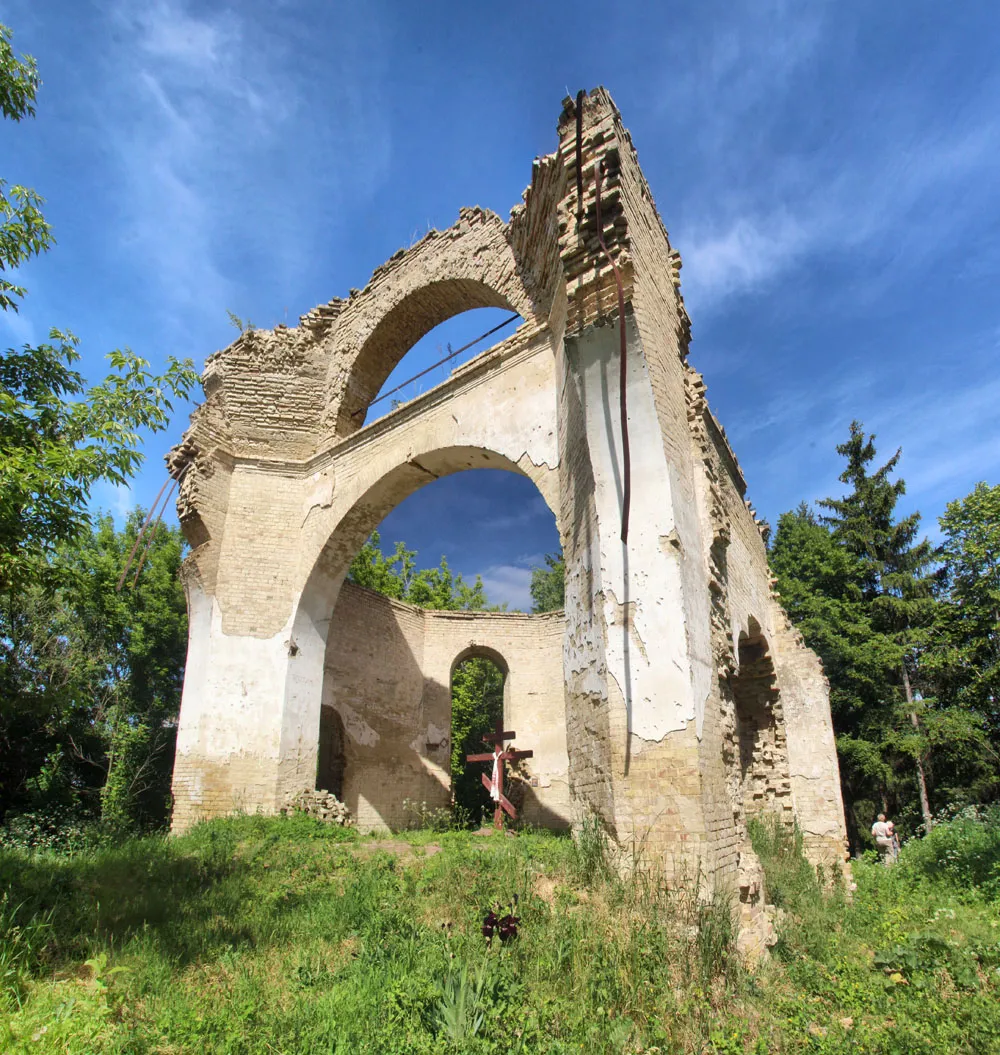
Ulianyky. Church ruins
The village of Ulianyky used to be called Hulianyky. According to local legend, the name comes from the word “to roam about” (huliaty). The neighbouring villages are called Drachka, Pii and Pivtsi. “In Drachka they brawled, in Pii they drank, in Pivtsi they sang, and in Hulianyky they made merry.” In the 19th century the village was surrounded by ancient ramparts and trenches, and there were four hillforts on its territory. The village’s archaeological monument is a hillfort of the Black Klobuky, but the most interesting site is the ruins of St. Michael’s Church.
Erasing historical memory
This church was blown up in the 1980s – the USSR was living out its last decade, yet the occupiers, with their collaborators and mankurts, could not calm down and stop.
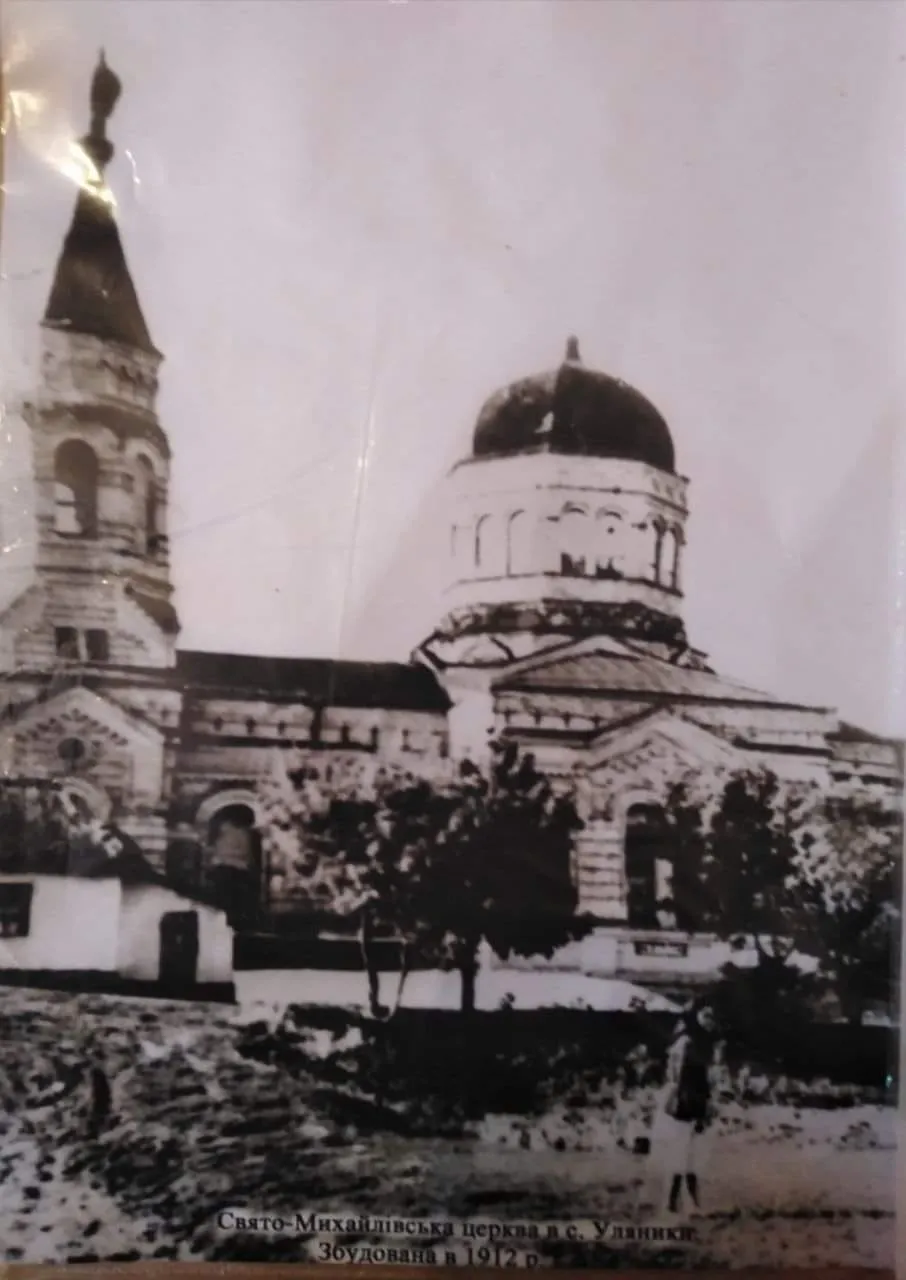
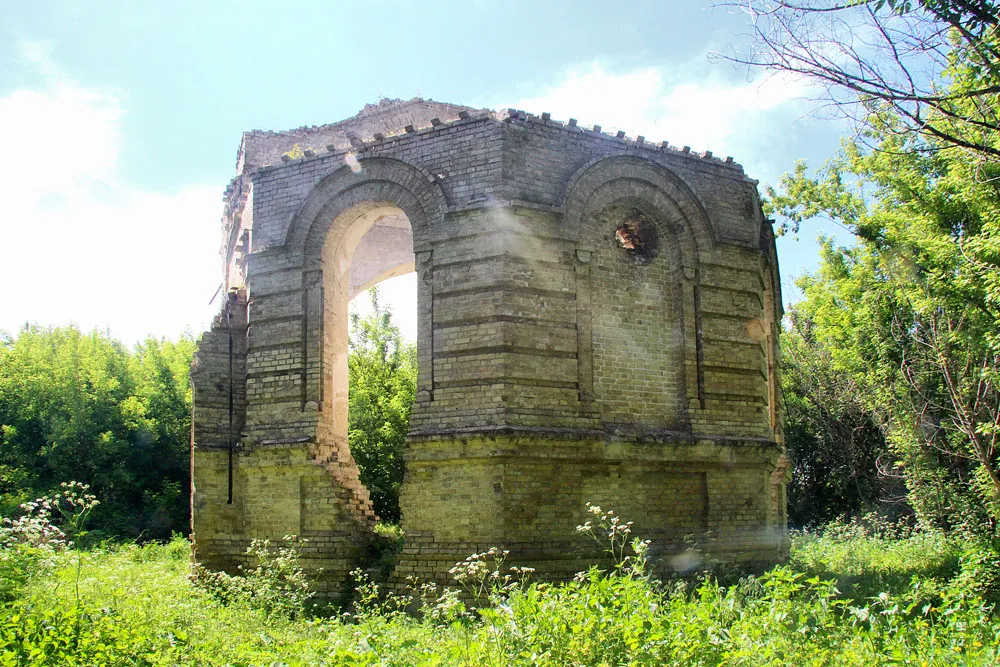
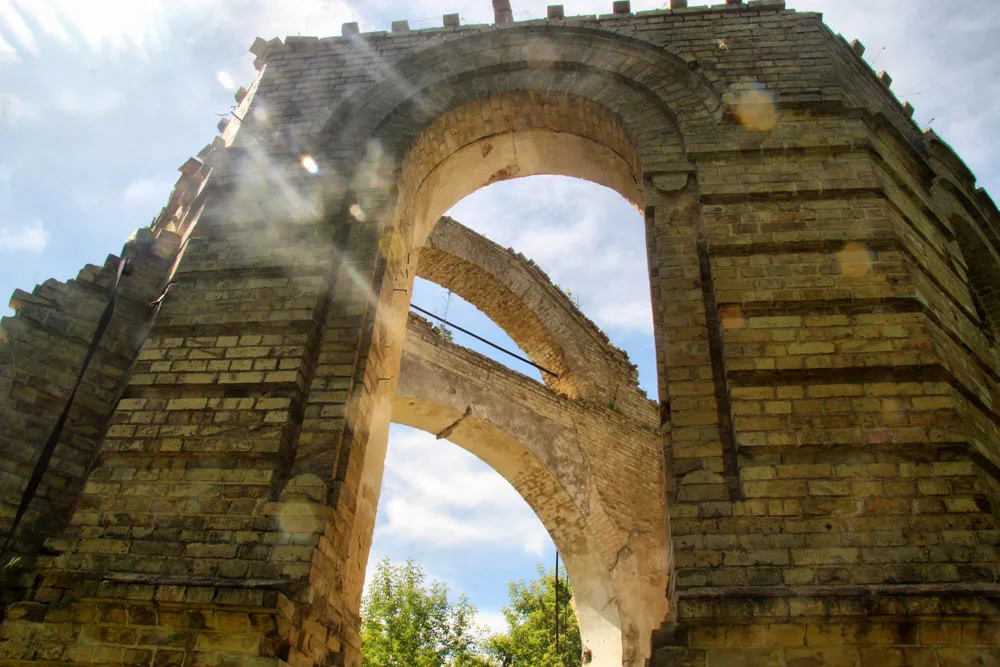
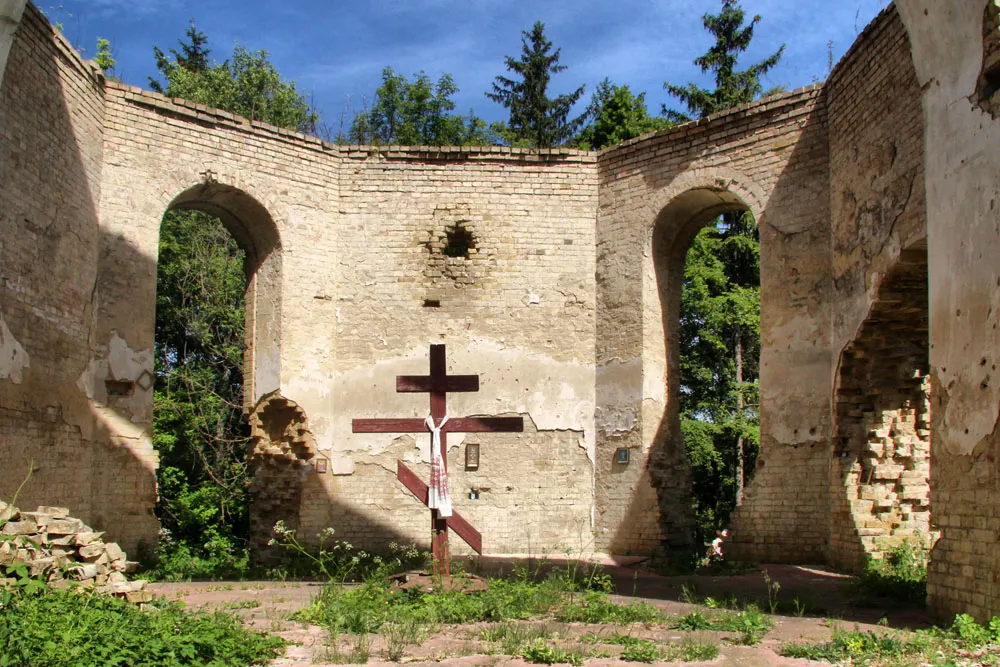
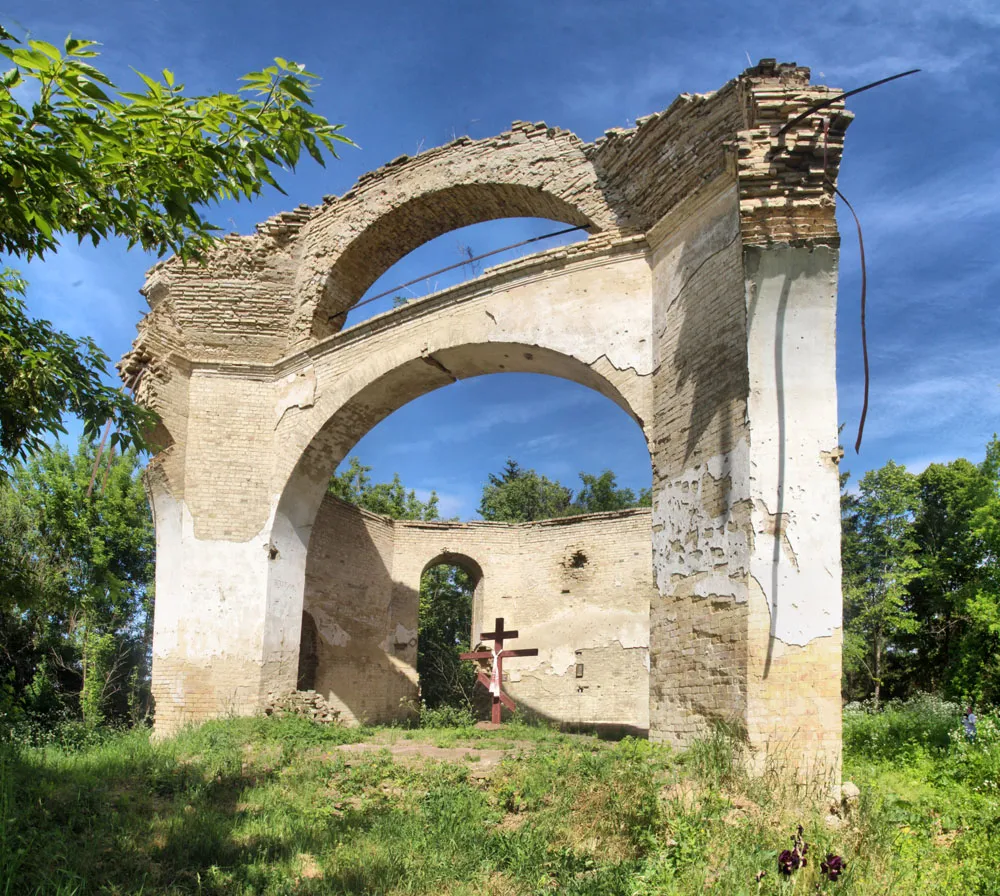
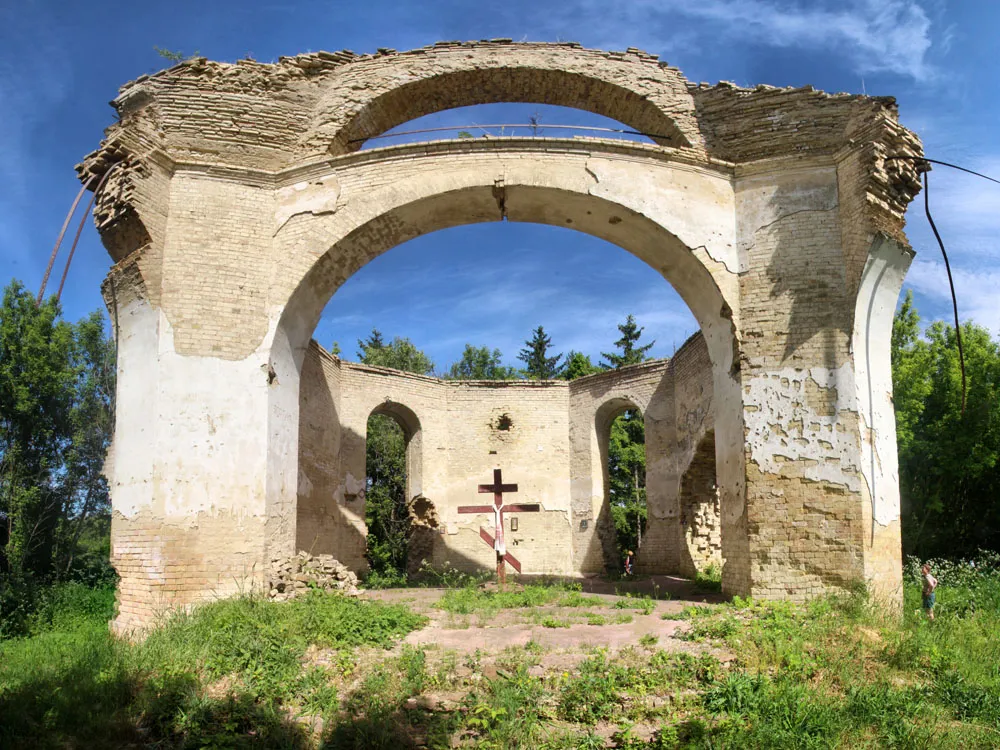
St. Michael’s Church in the village of Hulianyky was built in 1910–1912. In the Soviet period it was closed and turned into a collective-farm storehouse. In the 1980s the village leadership decided to destroy the church. They placed a crate (or perhaps more than one) of artillery shells and detonated it remotely. But part of the church remained standing. Then the head of the collective farm allowed the villagers to dismantle the ruins for brick. Fortunately, they did not manage to take it all apart.
Today majestic ruins stand in Ulianyky, a reminder of the baseness and senseless cruelty of the Russians and of the regime they organised.
Text and photos by Roman Malenkov