Dubliany in the Sambir area: the church and cemetery

· 2 min read
It is known that a parish church already existed in Dubliany in 1507. That church burned down in 1624 during a Tatar invasion. In 1660 a new wooden church was built, which in 1693 received a privilege from the Polish king John III Sobieski.
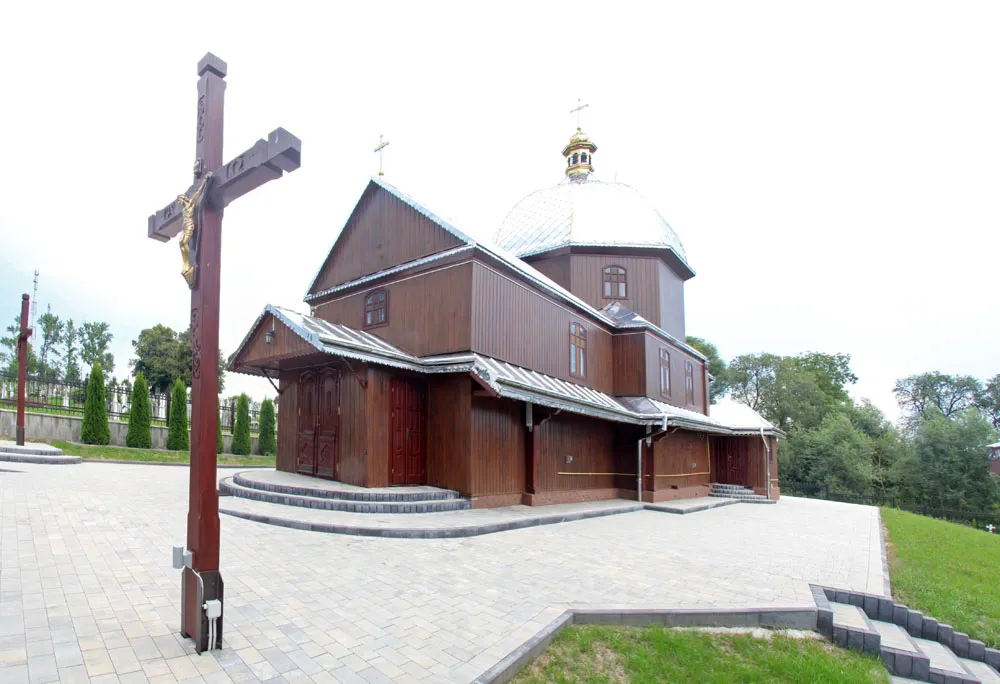
In 1860-1863 the present wooden church was built in its place, under the parish priest Vasyl Hrabovskyi. The church was built with considerable help from Mr Celestyn Sozański, a descendant of Adam Sozański, the former owner of the neighbouring village of Kornalovychi, whom the Austrian government had appointed patron of the local church on the condition that all his successors would keep up this role.
Under the parish priest Mykhailo Mitskevych, in 1891, the church was reconstructed: it was lengthened and covered with sheet metal. The next repair was in 1889, and it was then restored in 1970. The renewed church was consecrated on the feast of the Holy Prophet Elijah, with Bishop Konstantyn (Chekhovych) taking part, in 1900.
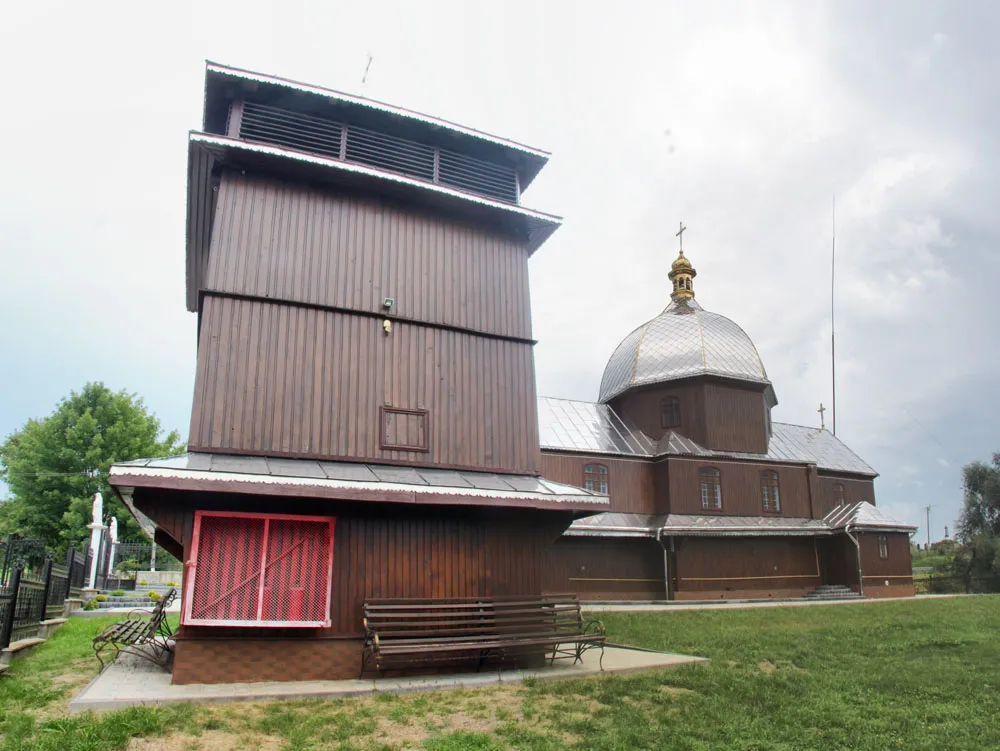
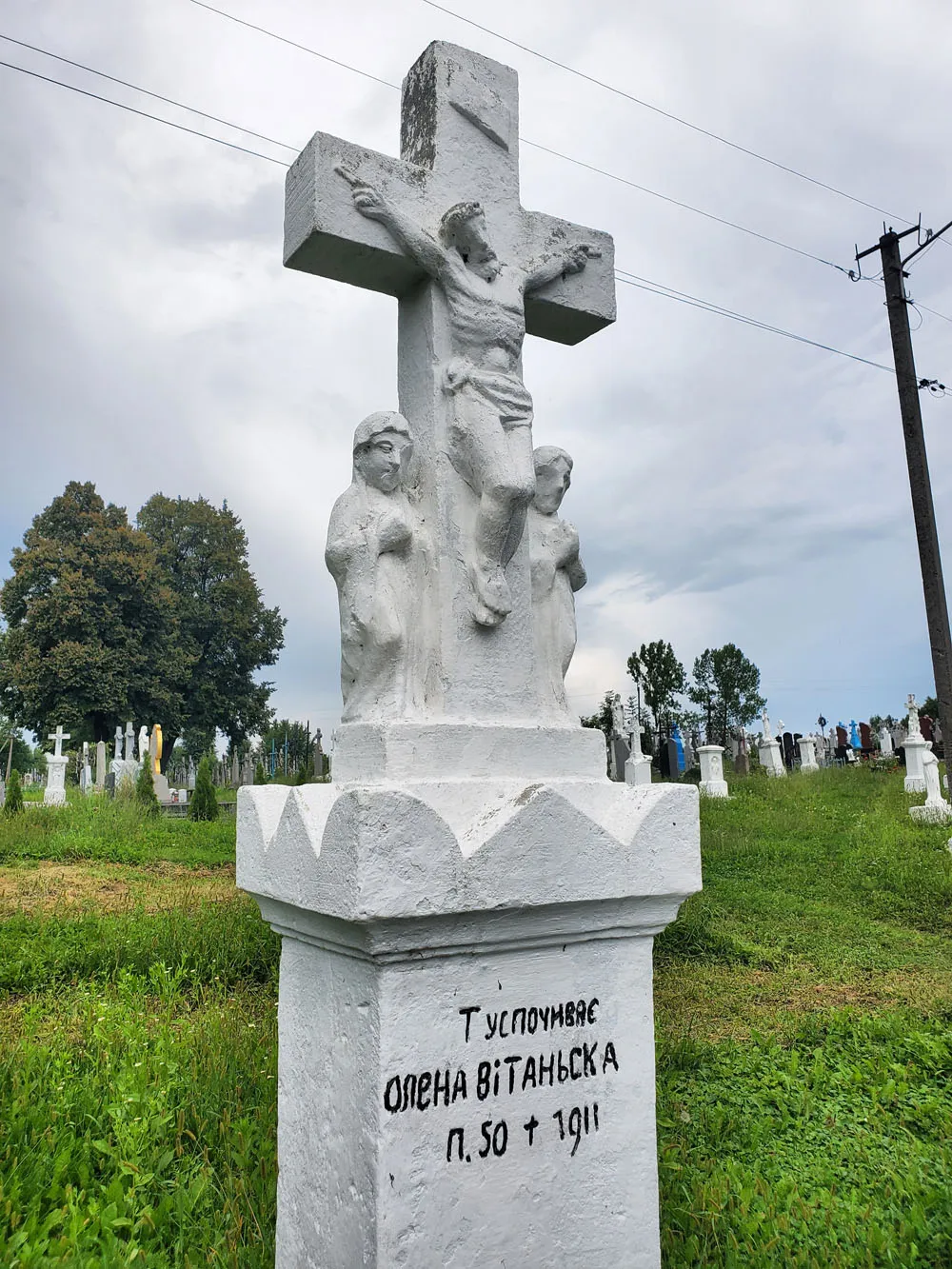
During the fire in Dubliany on 31 May 1911 the church almost burned down. That day 283 buildings in the village were destroyed by fire, including the church bell tower and the rectory of the priest Yulian Pliatek. That part of the village is still popularly called Pohorilysko (“the burnt place”) to this day.
During the Second World War the German authorities irretrievably took two bells from the bell tower. In 1946, after the local Roman Catholic parish was closed and the Polish population left for Poland, a bell was taken from the Roman Catholic church (which no longer exists) and moved to the church. The altar of the Most Pure Virgin Mary (the Merciful) was also handed over to the church.
Since then the church has had two altars dedicated to the Mother of God. In 1946, after the Lviv pseudo-synod, the church passed to the Moscow Orthodox Church. In 1990, under the priest Taras Fedorovych, the parish returned to the Ukrainian Greek Catholic Church.
The church is wooden, with three log sections, topped above the nave by a wide octagon covered with a large dome with a lantern and a finial. A sacristy is attached to the altar on the north side. The building is surrounded along its perimeter by a wide eave, joined with the roofing of the sacristy and the main entrance.
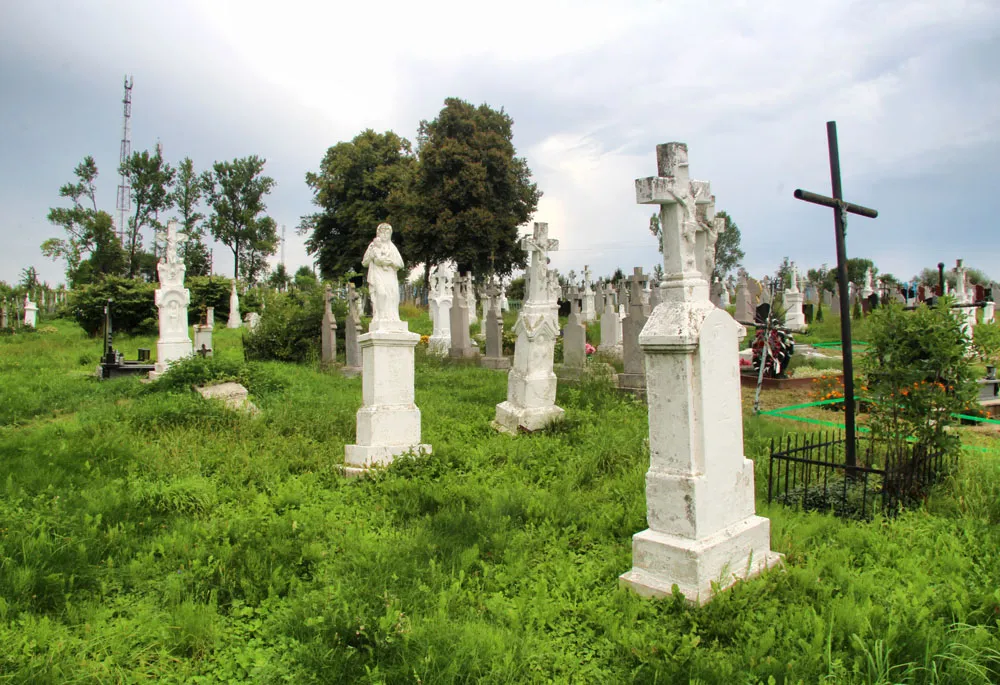
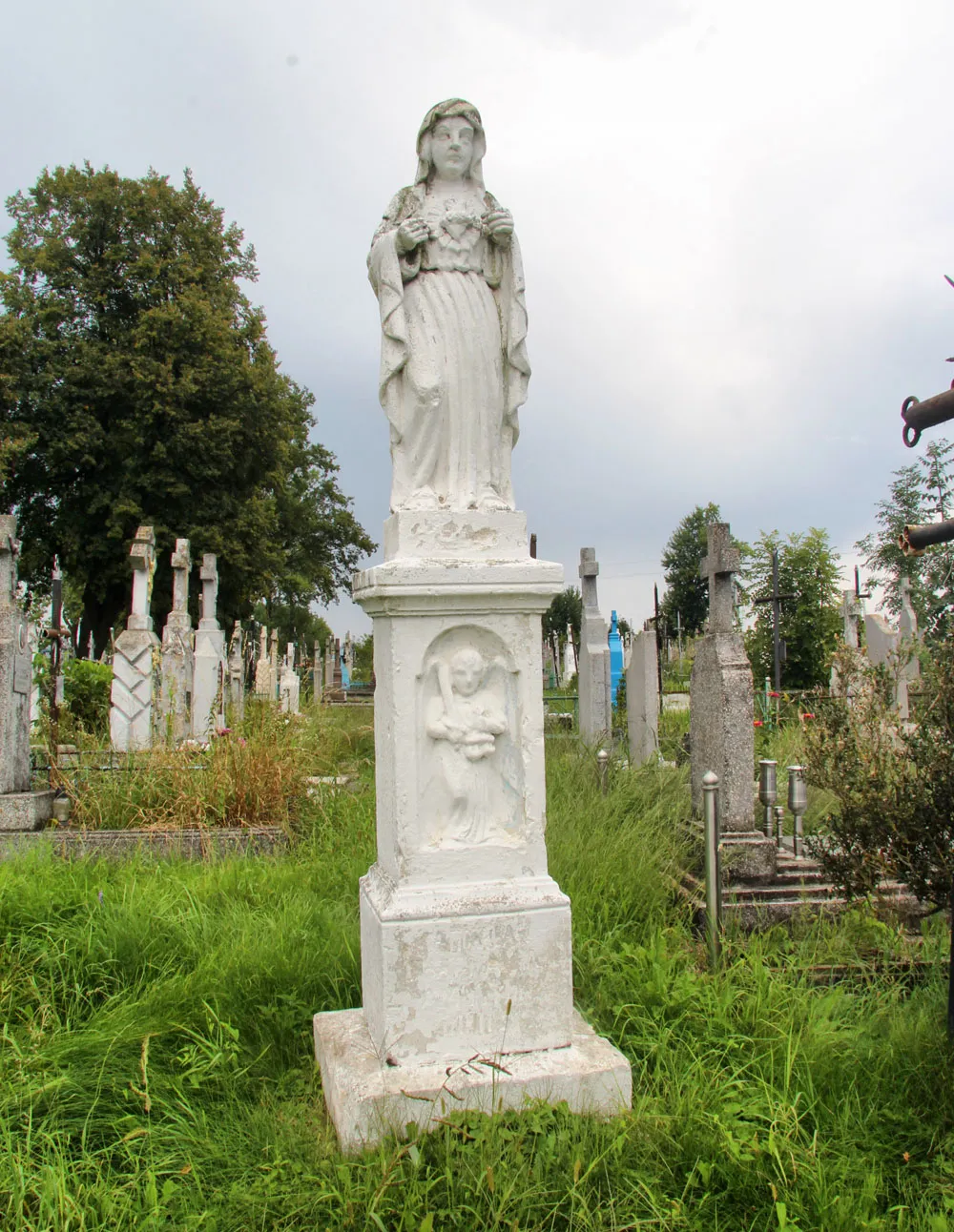
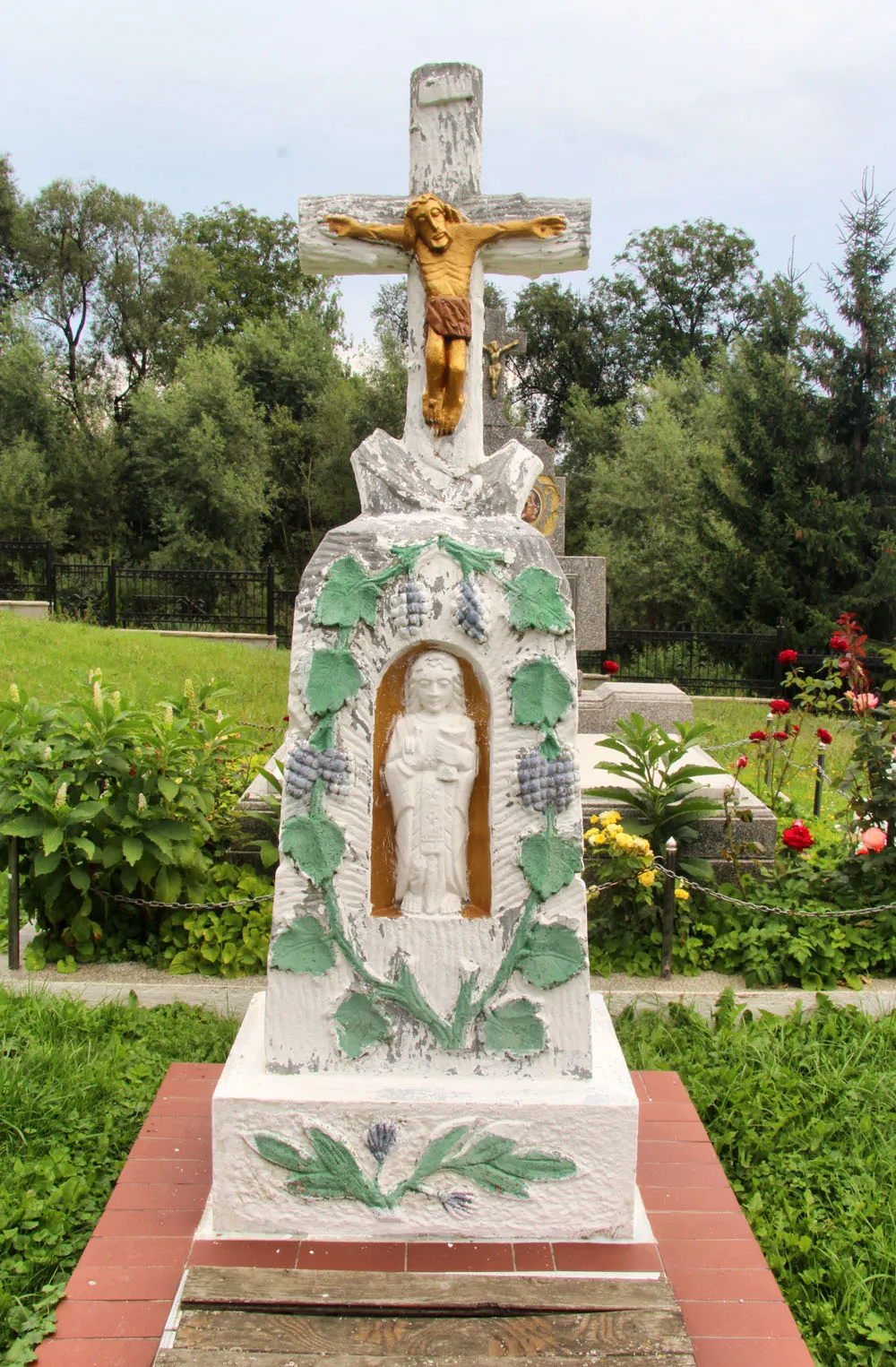
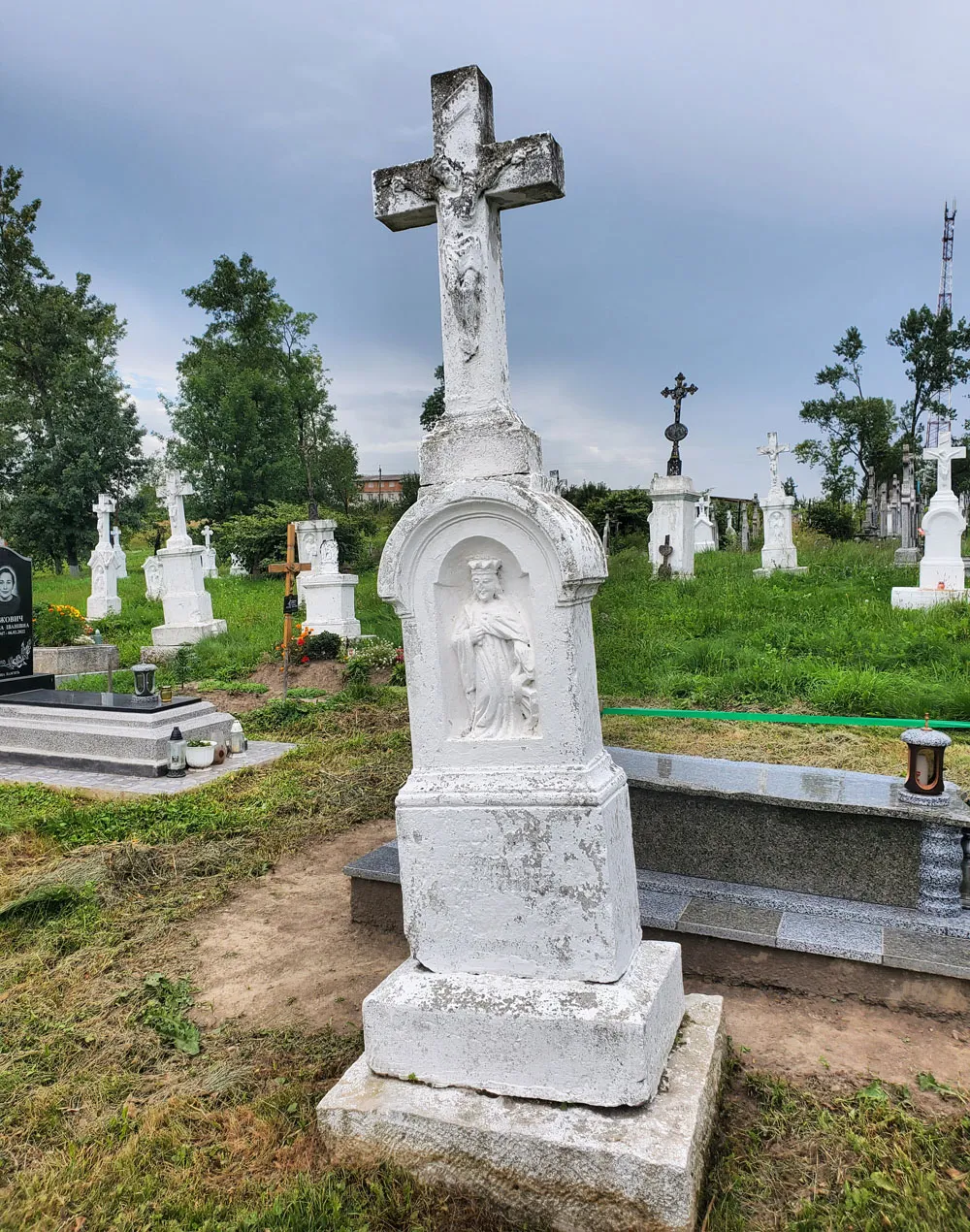
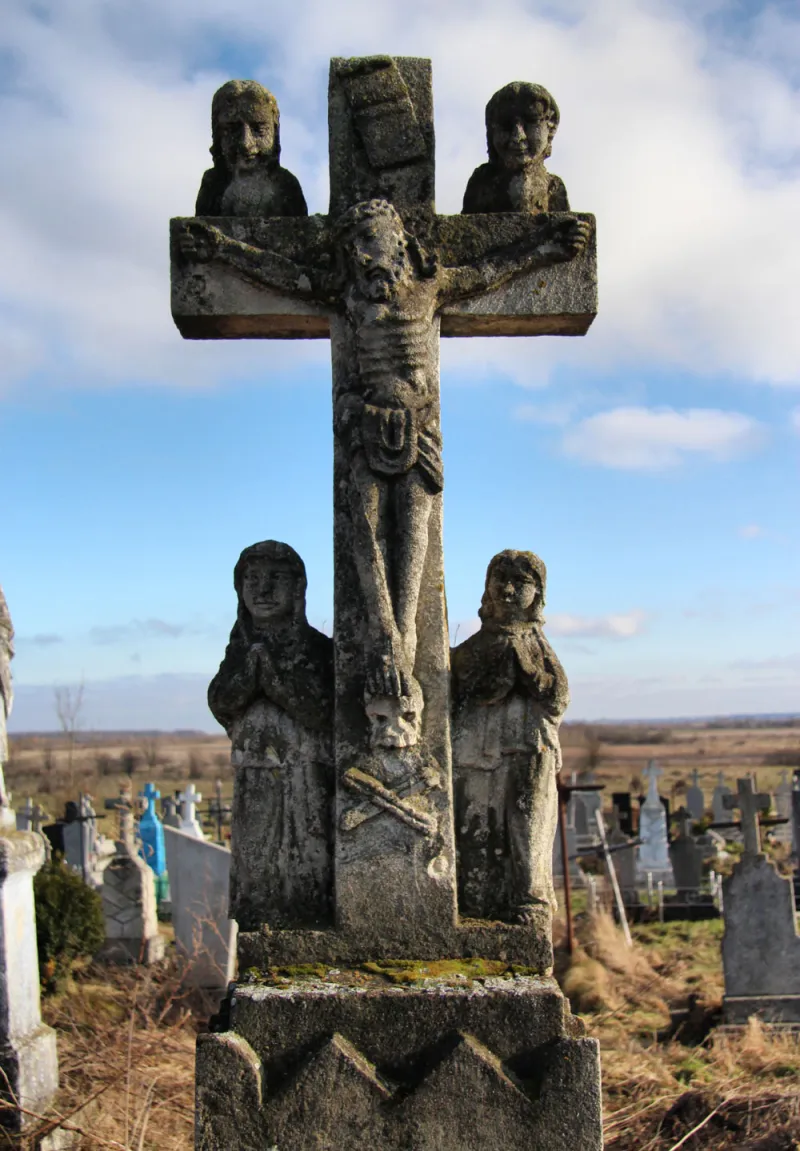
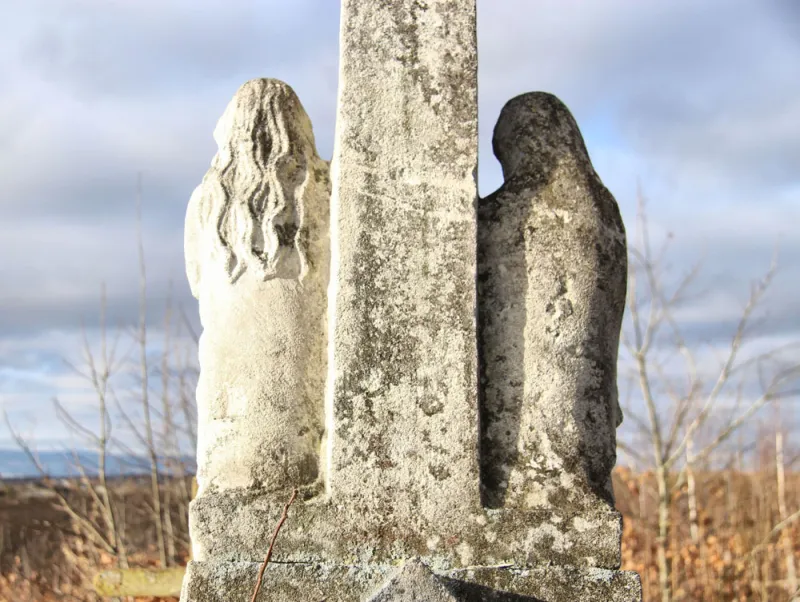
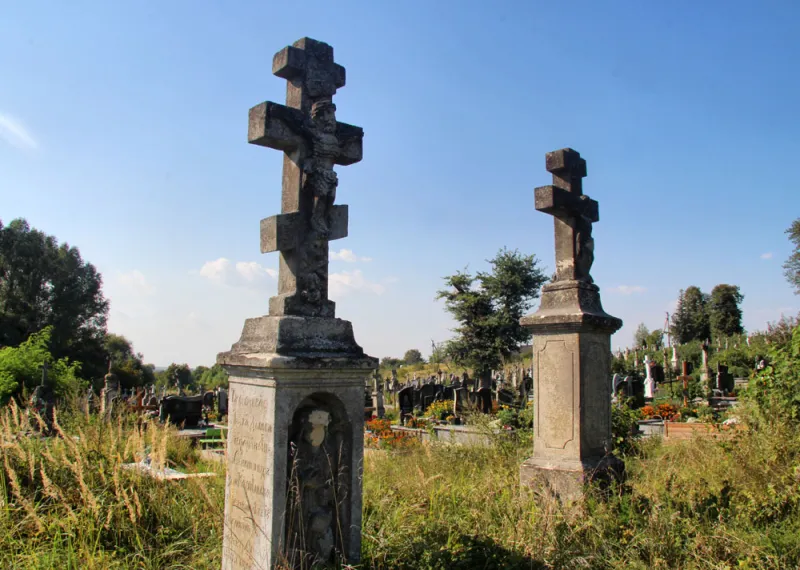
Next to the church lies a cemetery, probably laid out at the same time as the church. The oldest gravestones in the cemetery date from the 19th to the early 20th century. The cemetery is well kept.
Photos by Roman Malenkov.