Bolhrad. Capital of the Bulgarians of Bessarabia

· 5 min read
Bolhrad is called the capital of the Bulgarians of Bessarabia, and perhaps of the Bulgarians of Ukraine. The total number of Ukrainian Bulgarians is about 200,000, of whom about 70,000 live in Bolhrad district, and its capital is, of course, Bolhrad. Most Bulgarians live in villages, so Bolhrad, with a population of 15,000 (half of them Bulgarians), really is their capital, although in general such a small town hardly qualifies as a capital.
I will note at once: in Bolhrad Bulgarian traditions have survived far less well than in the surrounding villages, and on the streets you hear the Bulgarian language much more rarely. To develop tourism, Bulgarian cafes and small restaurants have been opened here, there are enterprises that make Bulgarian products which you can visit, there are Bulgarian guest houses, and of course wine, a lot of wine; the wine festival is a Bulgarian tradition, but overall it seems that so far these are only the efforts of individual enthusiasts.
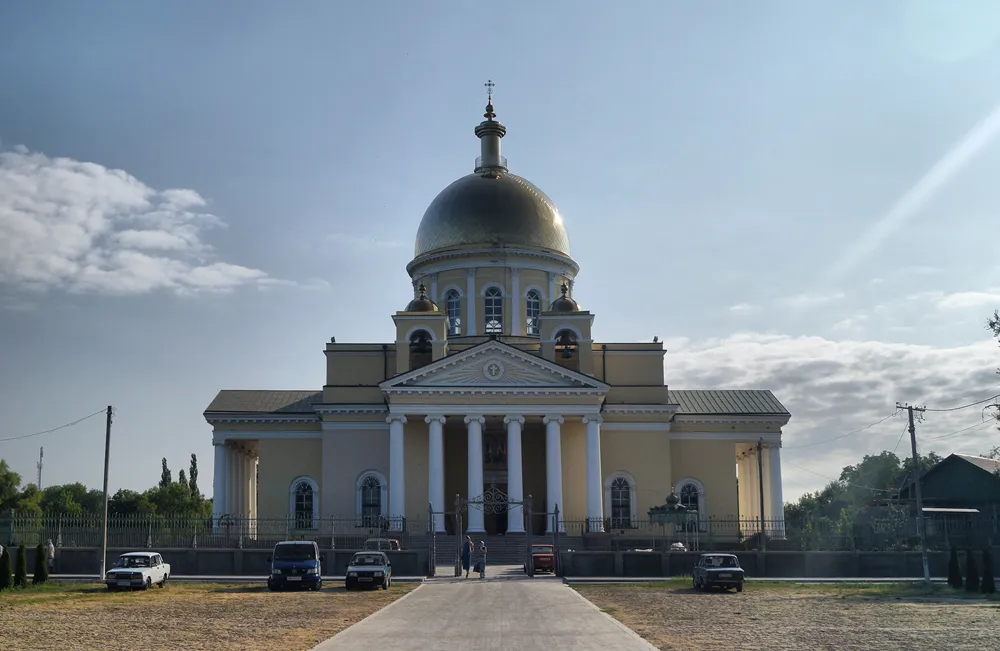
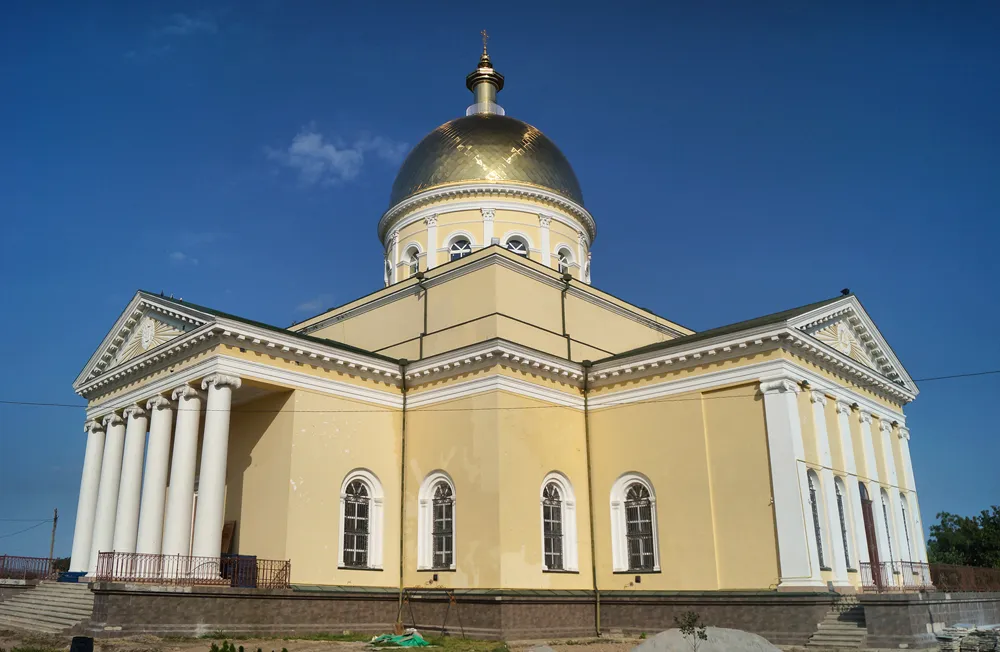
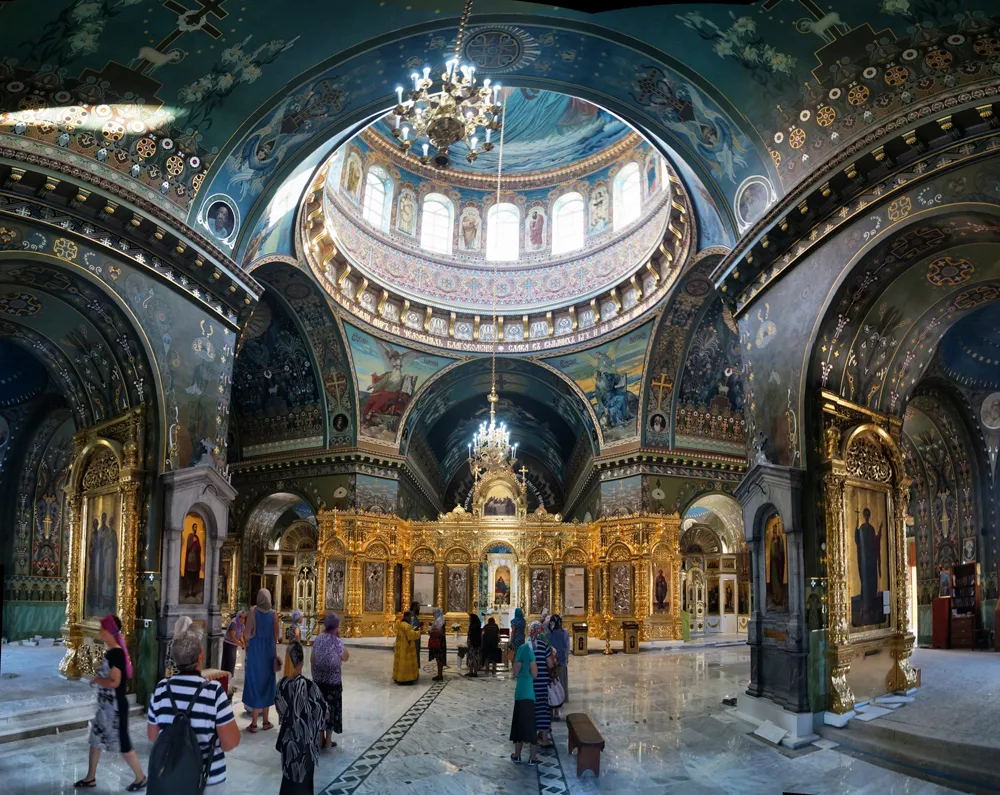
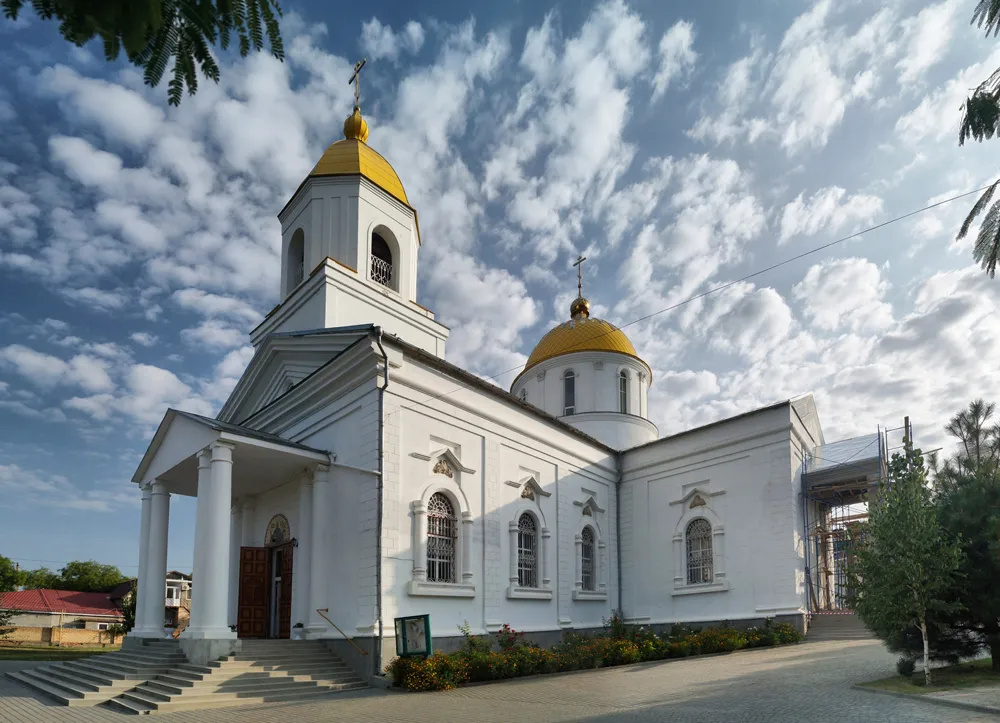
Transfiguration Cathedral.
But no negativity, because there really are things here that you will not find anywhere else in Ukraine. First of all, the karnatsi sausages. Dry-cured, dry, black in colour. They are simply incredible in taste, and are sold in almost every shop. I later looked for similar ones in Bulgaria and did not find any, because there similar sausages are called lukanka; they are not black and taste worse. Strange, I thought then, the Bulgarians of Ukraine must have preserved some two-hundred-year-old recipe that disappeared in Bulgaria long ago. But it turned out that it is not so simple, because karnaţi are sausages in Romanian, and Bessarabia was part of Romania until 1940. We also ate lamb soup in Bolhrad, kurban. A rich broth with pieces of meat. I did not see such a dish in restaurants in Bulgaria either, although locals told me that it does exist there, and is called kurban chorba.
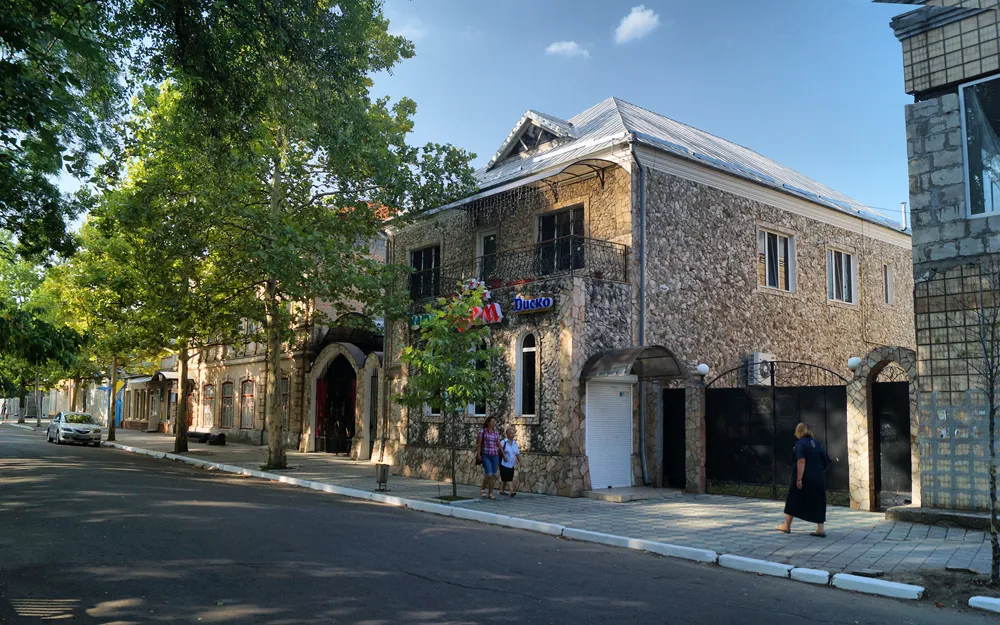
At first glance Bolhrad differs little from most district centres of southern Ukraine. A bit of old one-storey residential development, a couple of churches, a sizeable market, two or three hotels, old Zhiguli cars everywhere, battered roads… If I had not known about Bolhrad’s Bulgarian roots, the first glance would have remained the only glance.
Bolhrad was founded in 1821, naturally by settlers from Ottoman-occupied Bulgaria. They write that earlier the village of Tabaky stood on the site of Bolhrad, but whose it was and where it went is hard to understand. Bolhrad, the Bulgarian town, was from the outset conceived as the main city of the Bulgarians. The Russian general Ivan Inzov, governor of Bessarabia and head of the Committee for Foreign Settlers of the Southern Region, took a large part in its development. For some reason he paid a great deal of attention to the Bulgarians, became their patron, and enjoyed such respect that after his death (he died in Odesa) his body was brought to Bolhrad, where it was solemnly buried in the cemetery Church of St. Mitrofan (built in 1844), which became Inzov’s mausoleum and for a long time was depicted on Bolhrad’s coat of arms. Now the coat of arms shows the Transfiguration Cathedral.
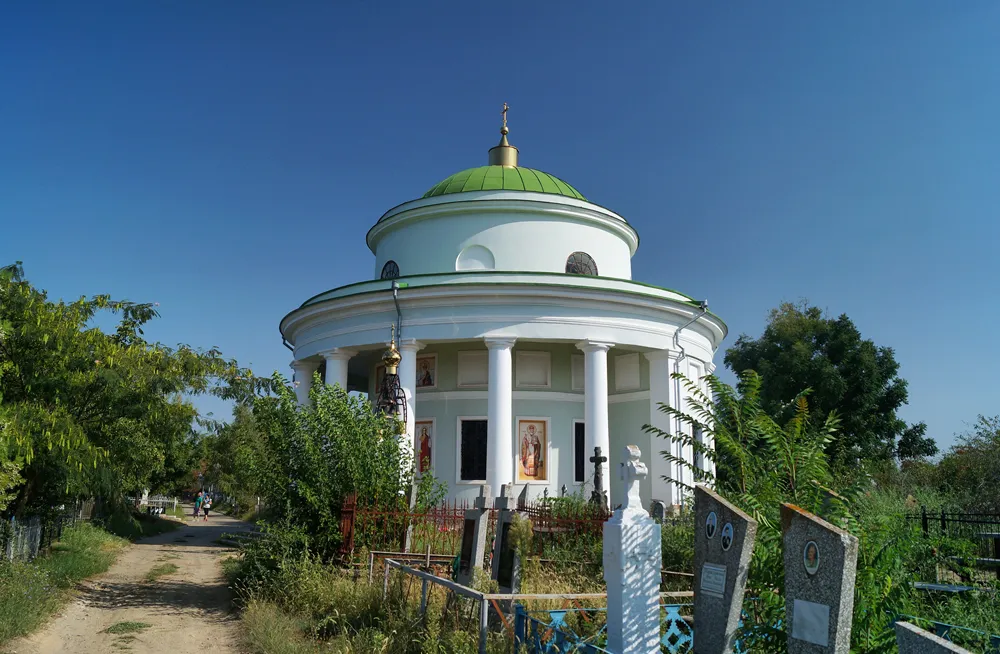
St. Mitrofan Church, the mausoleum of General Ivan Inzov.
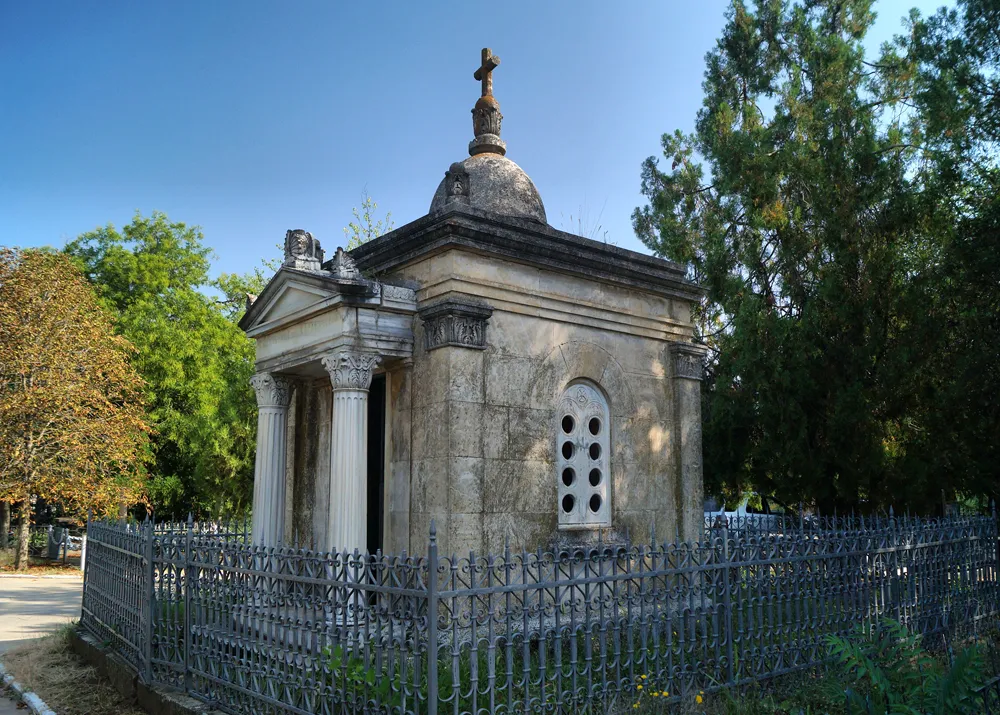
The Karaman family burial vault.
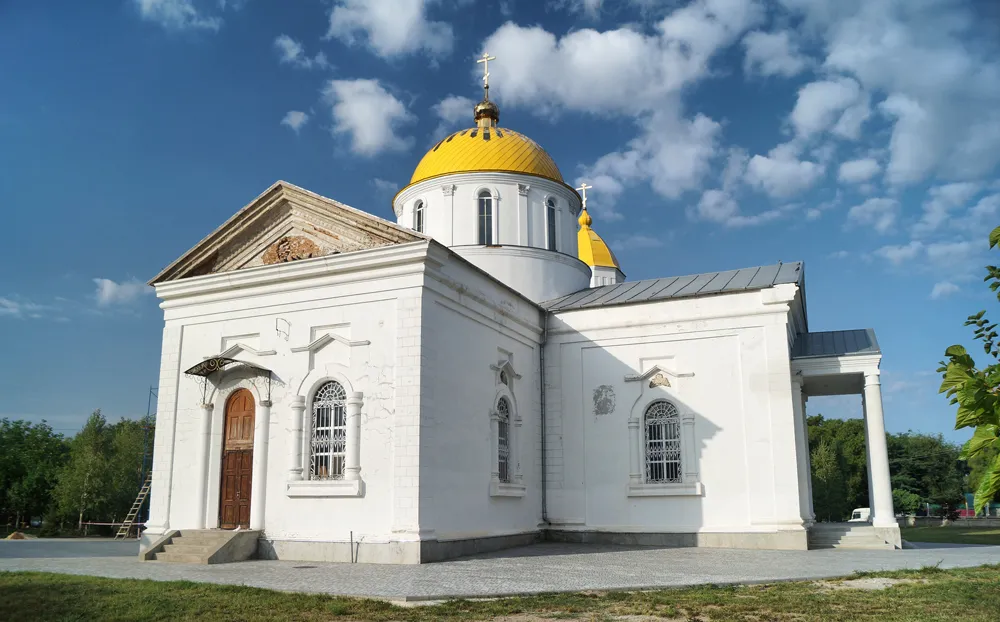
St. Nicholas Church.
The Transfiguration Cathedral is the main landmark of Bolhrad and the main church of the Bulgarians of Ukraine. It was built in 1833-1838. The architect was Abram Melnikov, the style is mature Classicism, the height of the dome is 50 metres, the building material is limestone. It is huge and very pompous, though Classicist, and resembles other Classicism, for example the Transfiguration Cathedral in Odesa. The church was built with funds from the Bulgarian community, and the murals were painted by the well-known artist Pavel Piskarev, but most of the murals were destroyed by a terrible fire in 2012. The dome of the church then collapsed, and it is a wonder to me that it was restored so quickly: already in 2018 the church shone like a new penny, and the murals were in place too. They say the funds for the restoration were collected in Bulgaria.
Russians like to write that the Transfiguration Cathedral in Bolhrad is a reduced copy of their St. Isaac’s Cathedral. Yeah, everything Classicist is a reduced copy of St. Isaac’s. Right.
There is another old church in Bolhrad built by the Bulgarians: St. Nicholas Church. It is subordinate to the Bulgarian Orthodox Church. The church was built in 1881 in the style of late Classicism. Although the style could already be called Neoclassicism, since the period of Classicism had ended. The church was built to drawings by the architect Konstantin Thon.
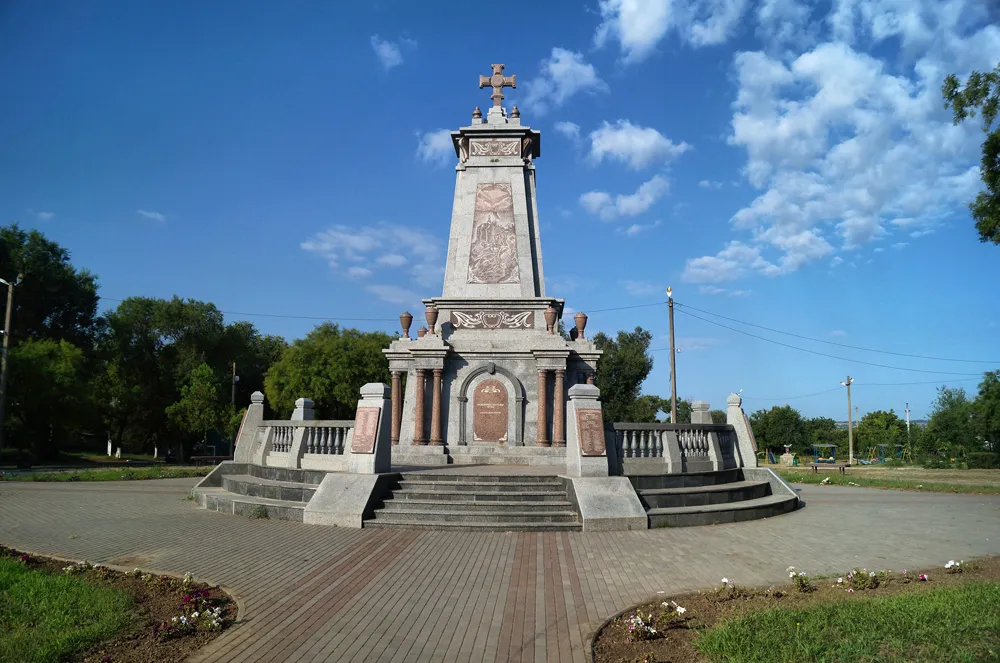
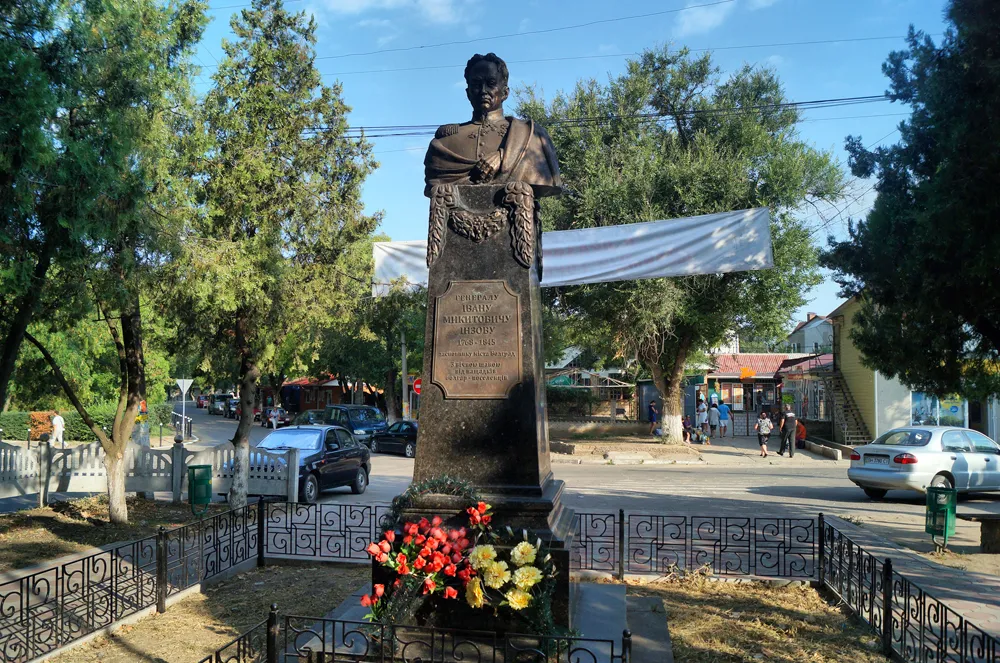
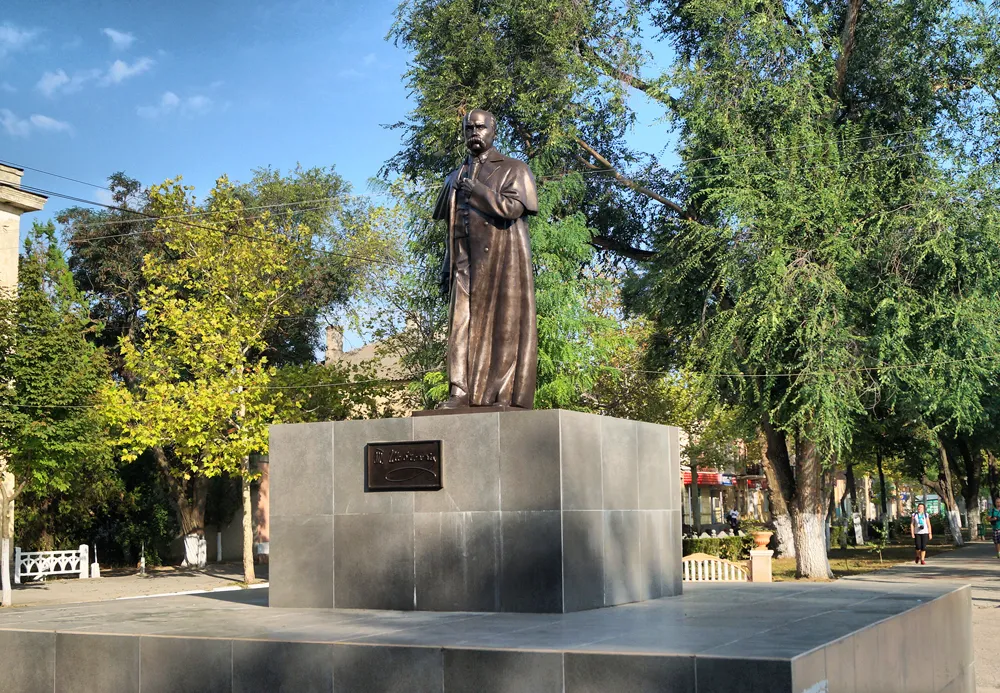
Monuments of Bolhrad.
The Church of St. Mitrofan, which is Inzov’s mausoleum, is located in the city cemetery, on the outskirts of Bolhrad. In the same cemetery there are several interesting graves, but it is especially worth paying attention to the chapel-vault of the Karaman family, built in 1812.
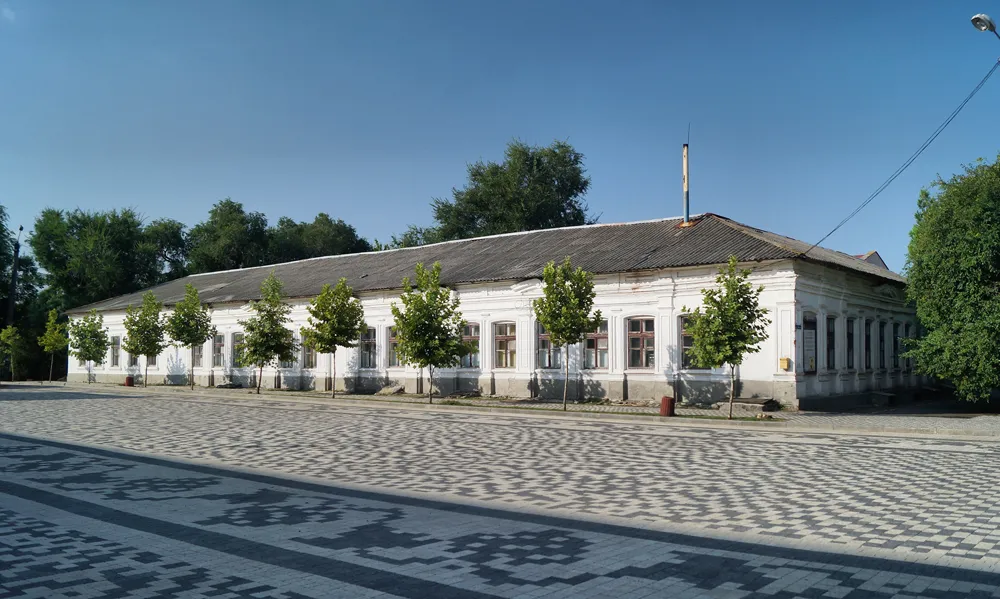
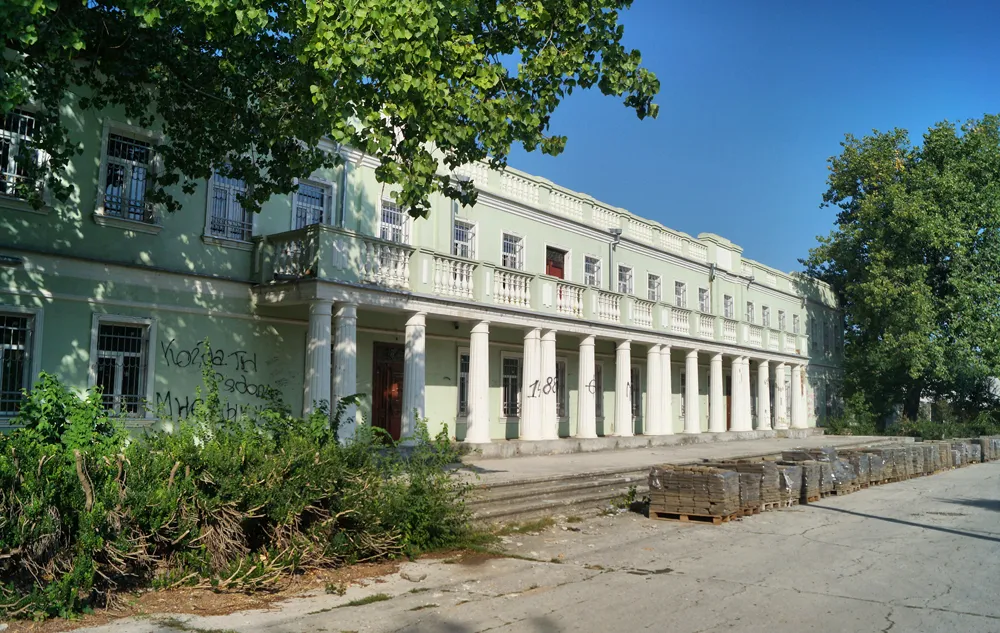
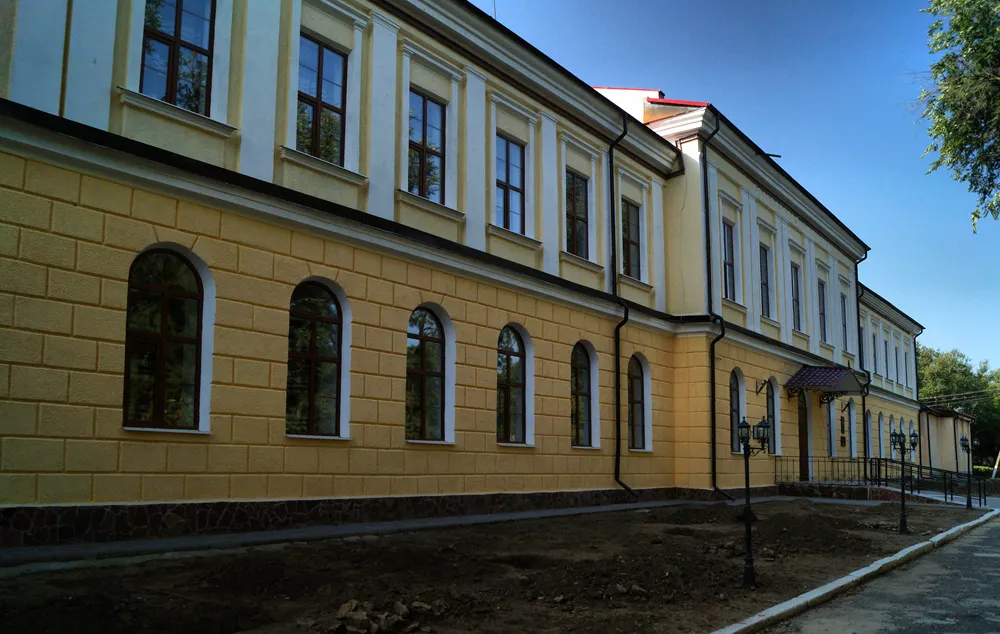
Among the architectural monuments I want to mention the former Cyril and Methodius gymnasium (1858), now the Rakovsky gymnasium, and the girls’ gymnasium built in 1847 (now School No. 2).
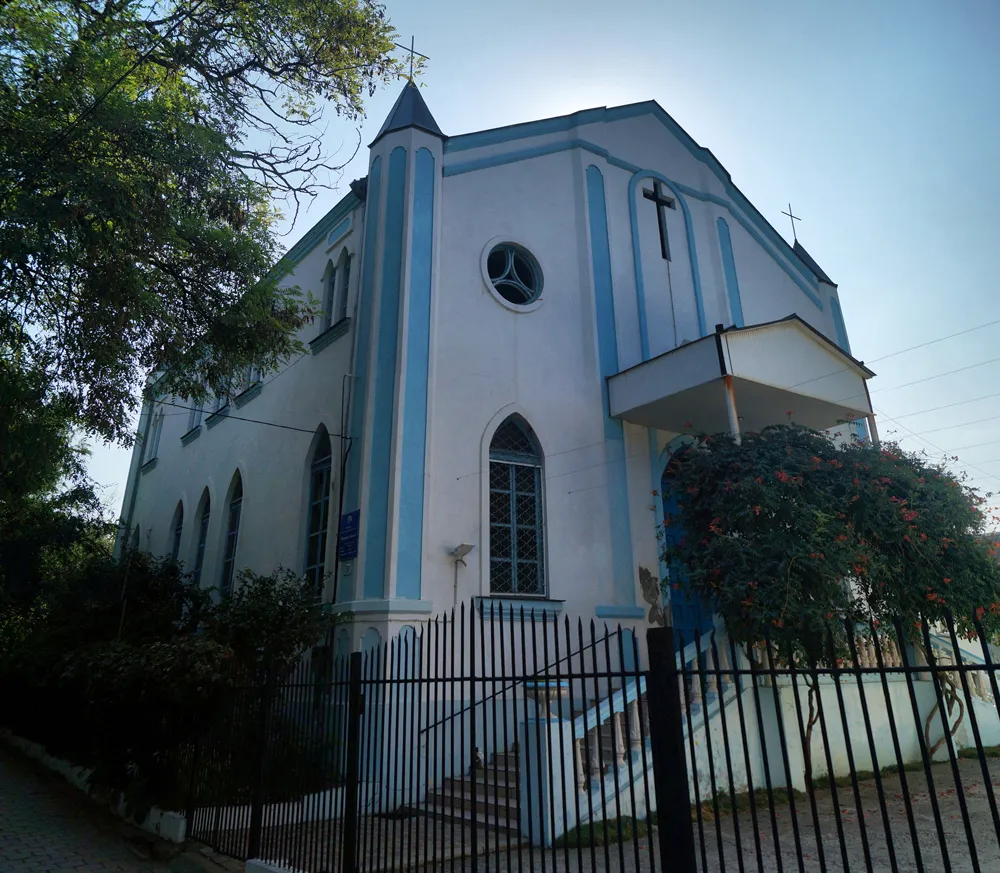
In Bolhrad we also came across a church of Evangelical Christian Baptists housed in a Neo-Gothic building of the late 19th century, very similar to a Lutheran church. Whether it really is a Lutheran church or the Baptists made some imitation, I could find no information.
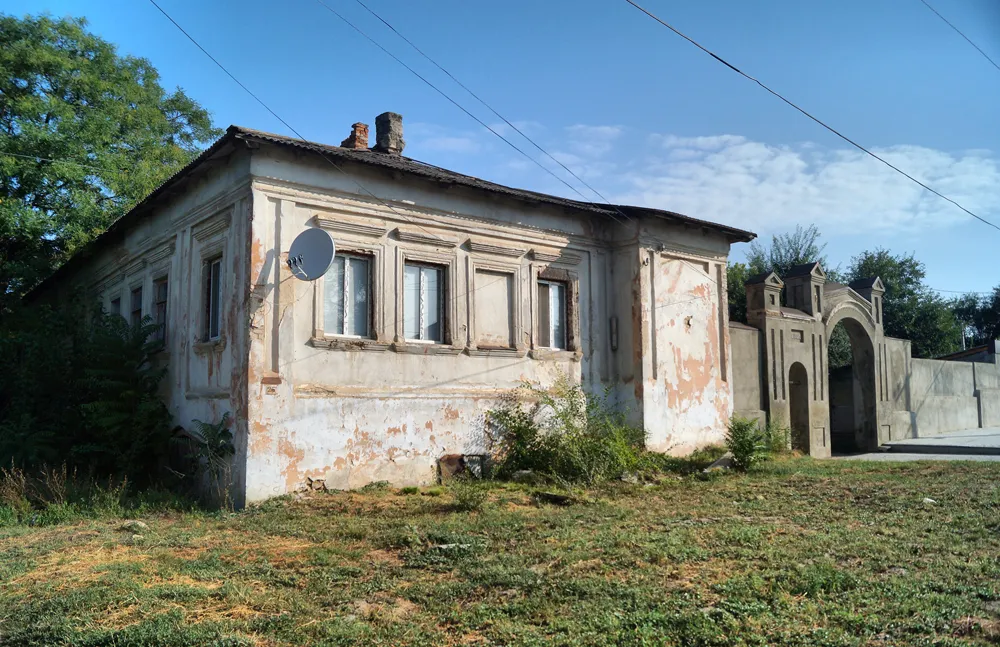
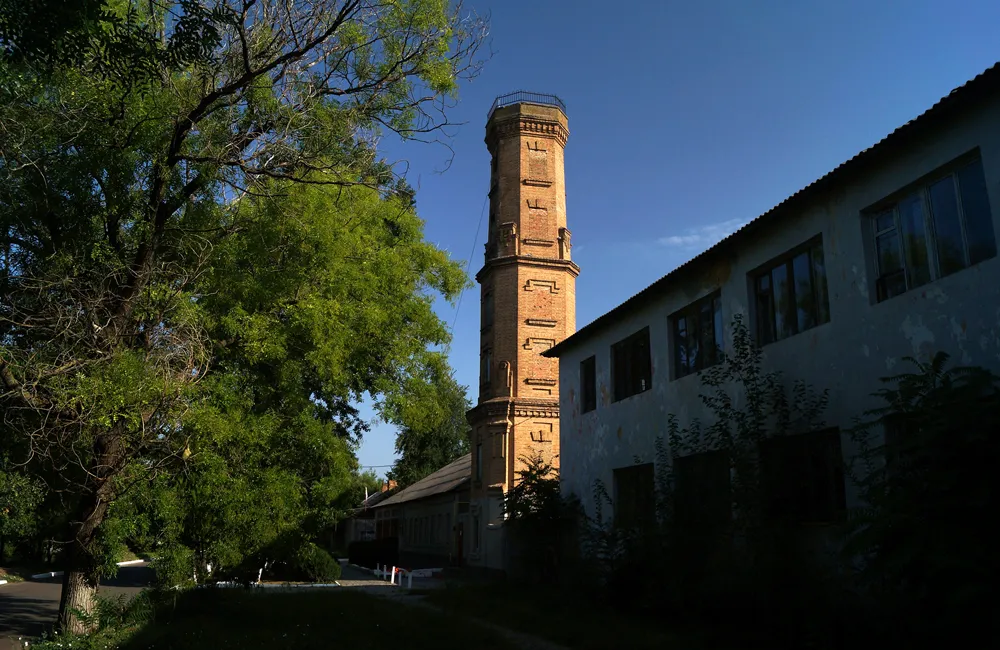
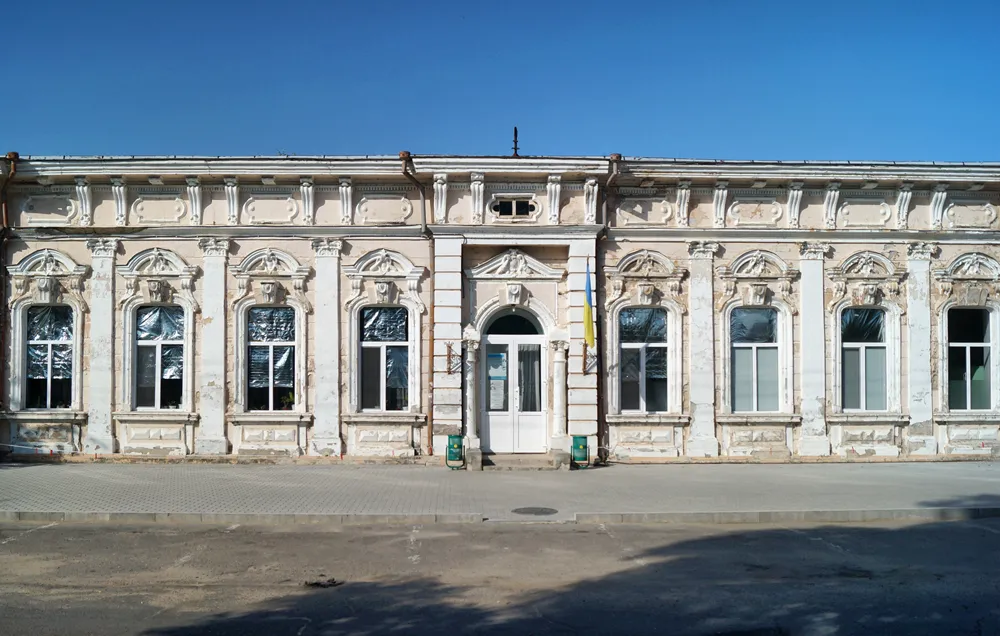
There is a bit more old development in Bolhrad that we could not identify. There are also well-kept beautiful city parks, and quite a few monuments, both old and built already in the 21st century. An interesting town. Worth a visit.
Text and photos by Roman Malenkov.