

Montenegro. Herceg Novi and its three fortresses

· 4 min read
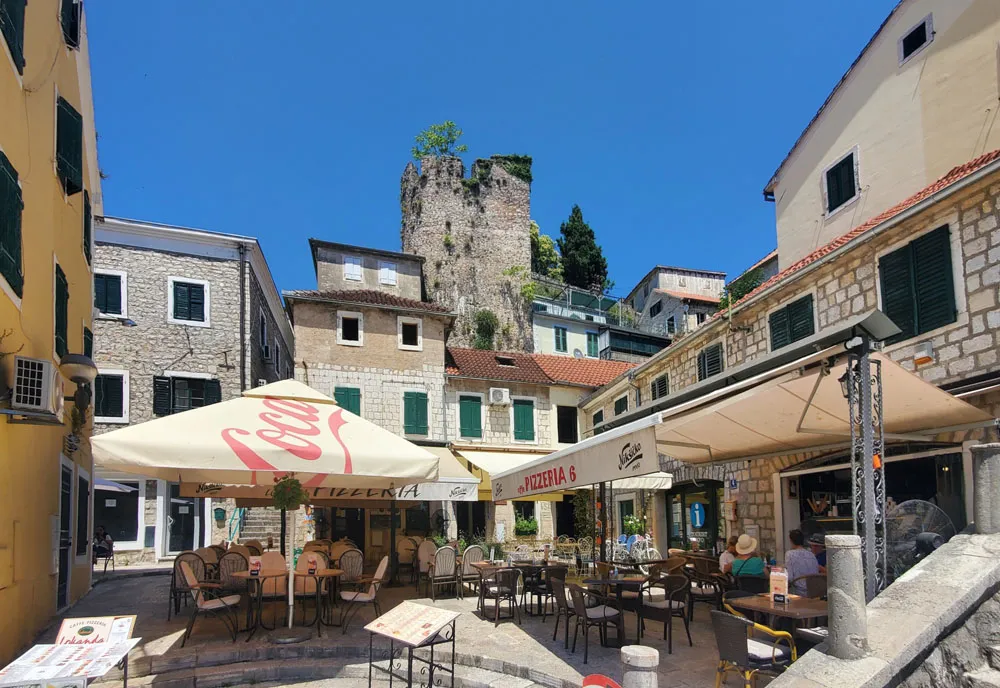
Not all tourists make it to this little town, although there are still plenty of them here. Herceg Novi lies in the north-west of Montenegro, at the entrance to the Bay of Kotor. It is only some 42 km from Kotor, but by Montenegrin standards that is far and slow going, especially when the speed limit is 50 km an hour at most. Or even 30. Some will say the local beaches are packed with people. That is true, but the city’s three fortresses are completely empty: there was not a single tourist at Španjola, none at Forte Mare, and only at Kanli Kula did we see tourists, two of them. Such are the realities of Montenegro: holidaymakers here are interested only in the sea.
With a population of 13,000, Herceg Novi can hardly be called a large city. A small town. But in the number of tourist attractions it is one of the leaders in the country, behind only Kotor. Three fortresses, Spanish, Ottoman and Venetian, a beautiful and interesting old town, the Savina Monastery and numerous parks and squares with plants both exotic and not so exotic. Herceg Novi has long had a tradition of bringing exotic plants from across the sea. They were brought in, gradually turning the town into a huge botanical garden.
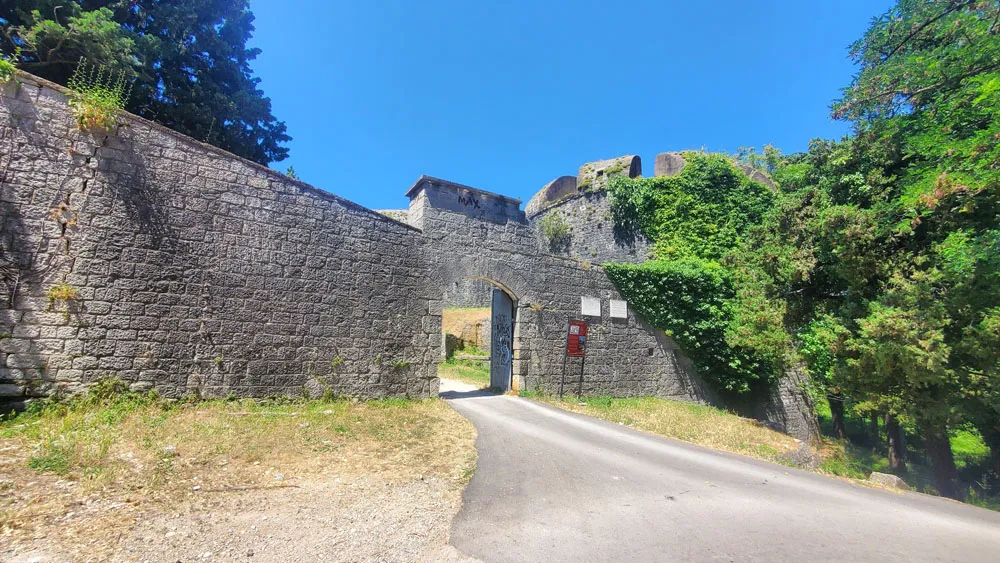
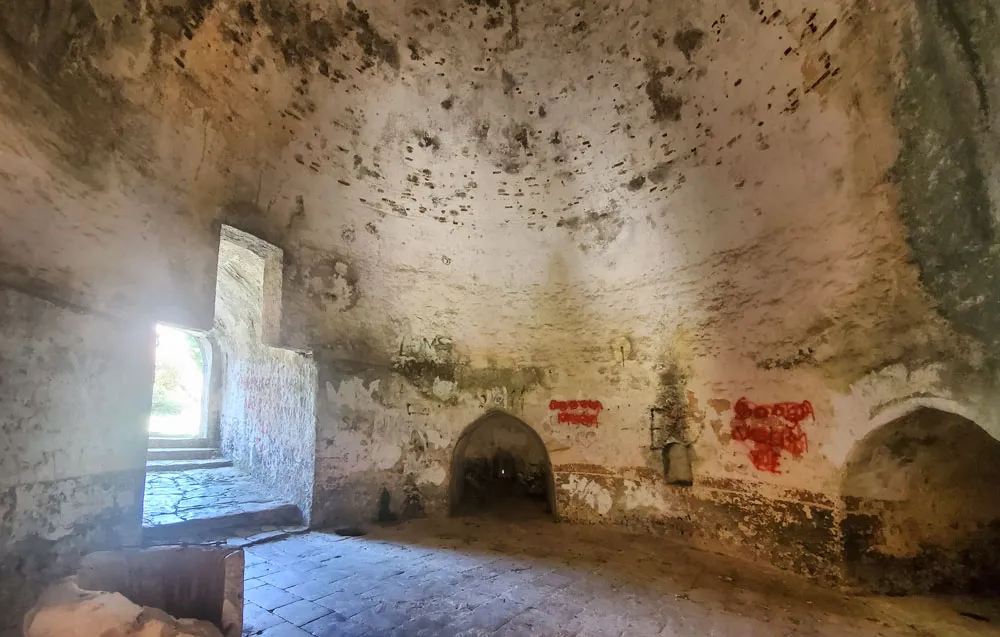
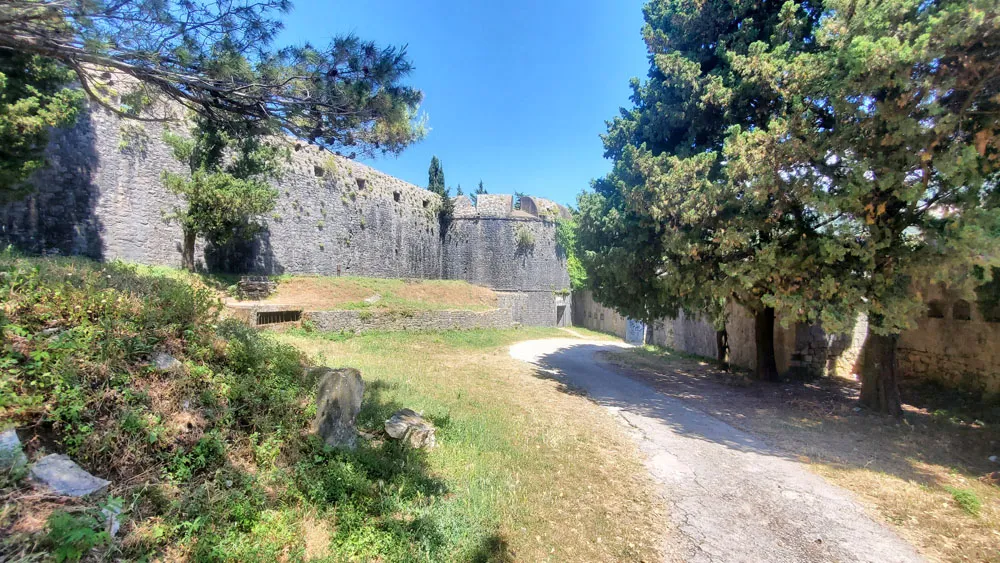
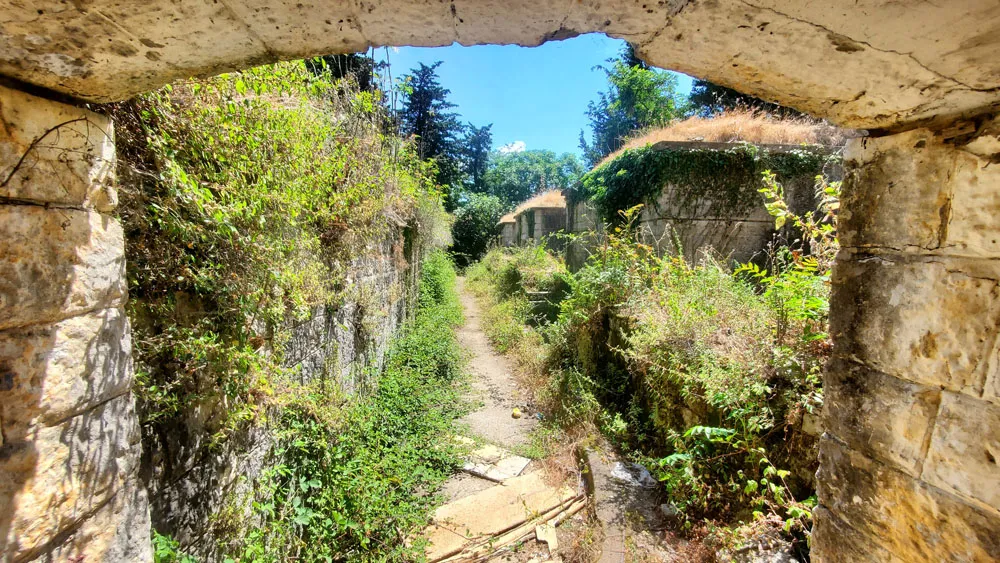
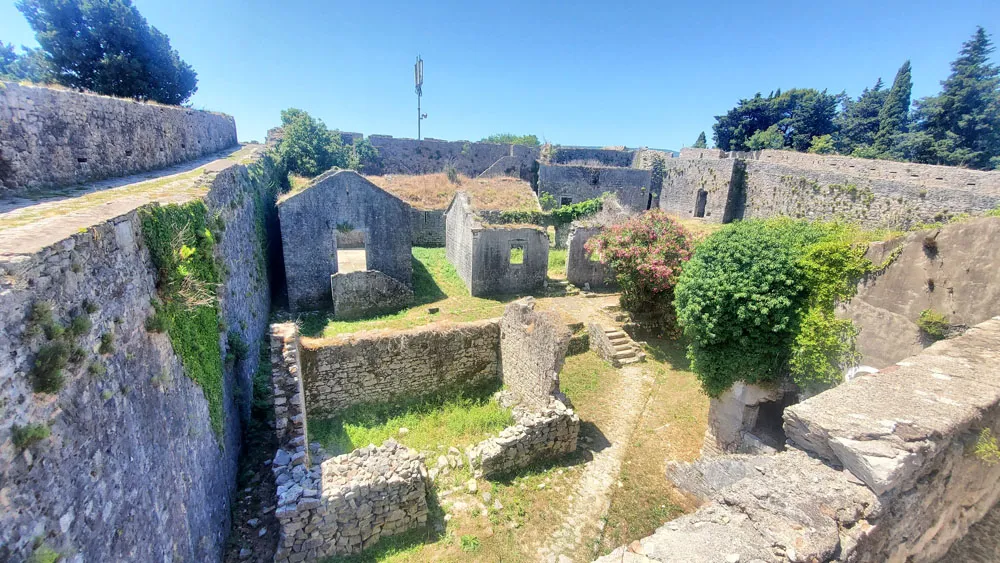
Španjola
Herceg Novi was founded in 1382 by the Bosnian king Tvrtko I. The monarch was interested in the local salt deposits, so he built a saltworks and a port. The new town and surrounding lands were placed under the rule of Duke Stjepan Vukčić Kosača, who named it Sveti Stefan (Saint Stephen) after his heavenly patron. But in time a name linked to Kosača’s title, herceg (duke), stuck to the town, giving Herceg Novi, while Sveti Stefan moved on to another Montenegrin place.
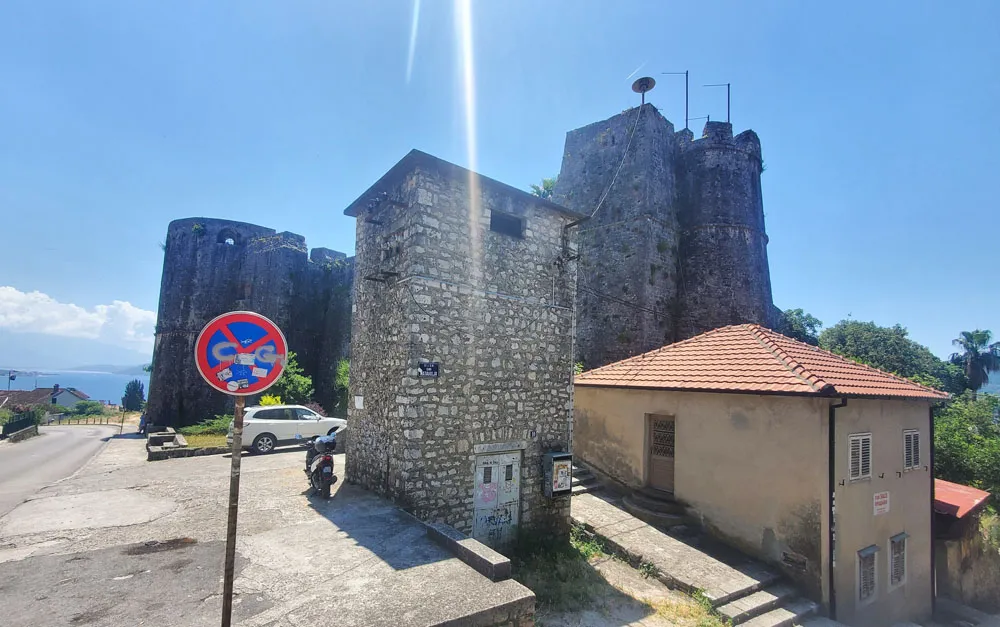
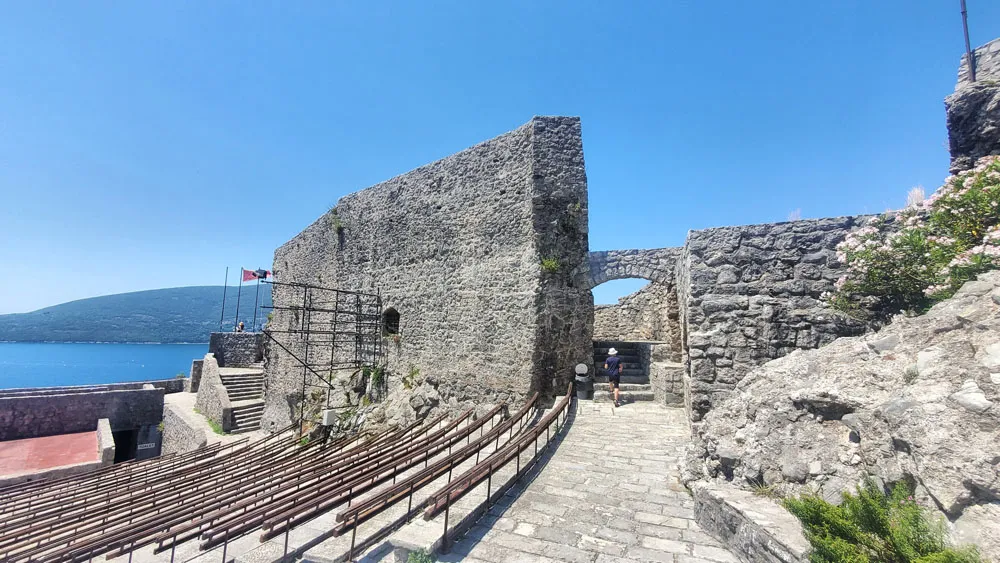
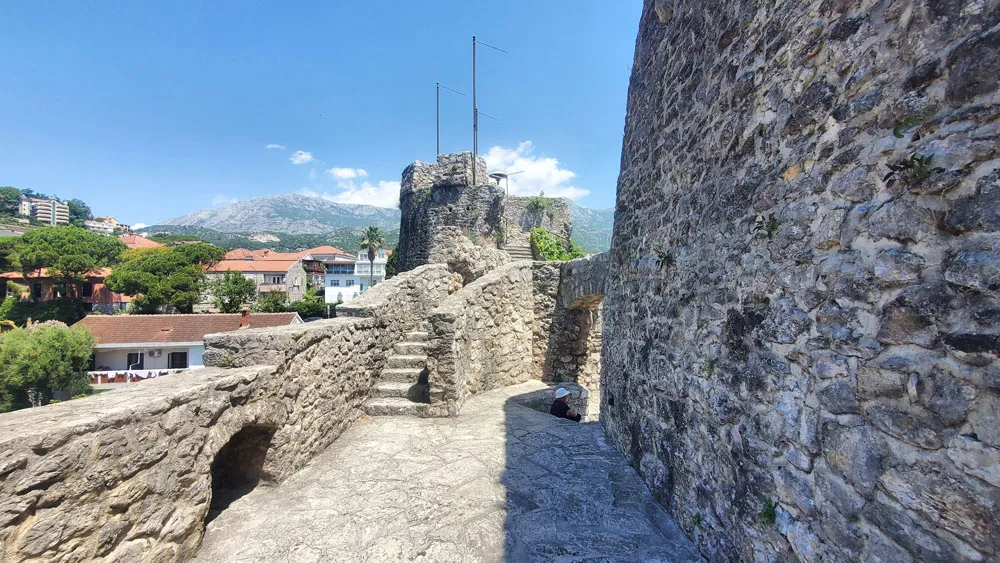
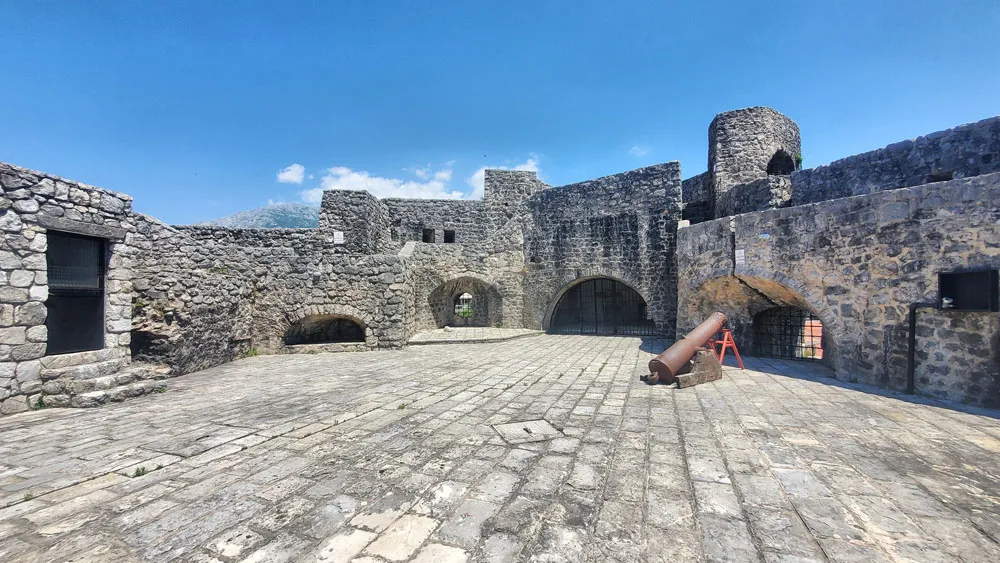
In 1482 Herceg Novi was captured by the Ottomans, who held it until 1687, when the Venetians took it back. There was, however, one more episode: in 1538 a combined Spanish-Venetian fleet captured the town for 9 months. In that short time the Spaniards rebuilt the old Turkish fortress, which the Ottomans rebuilt once more after their return, but the name Španjola (“Spanish”) stuck for ever. The fortress occupies the highest part of the town, standing at 170 metres. It is rectangular (60 by 70 m), with four powerful towers joined by massive walls. Inside and around it are many different buildings: casemated barracks, stone entrenchments, earthen ramparts. The inner courtyard is completely built up, but everything stands without roofs, windows or doors. Strange. There is plenty to explore, but why is everything so neglected?..
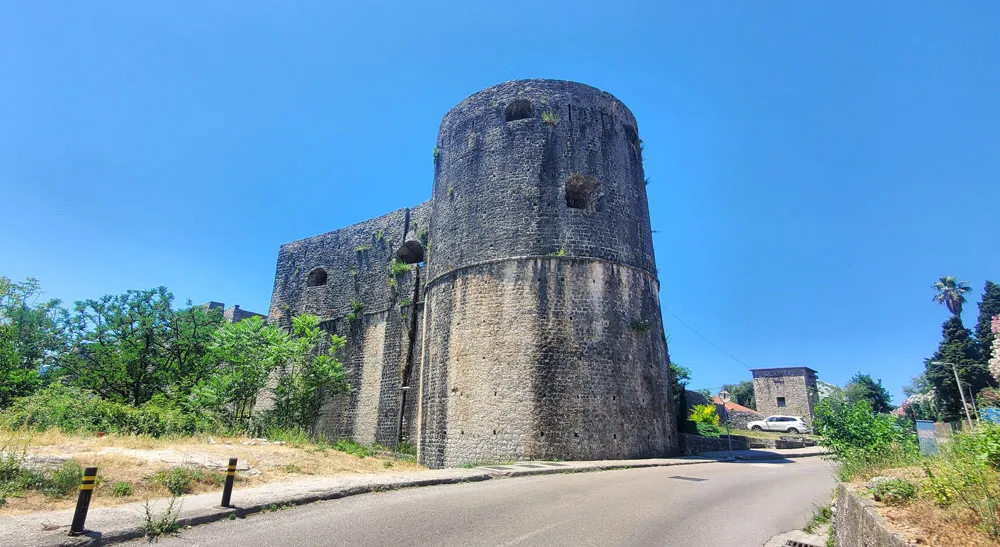
Kanli Kula
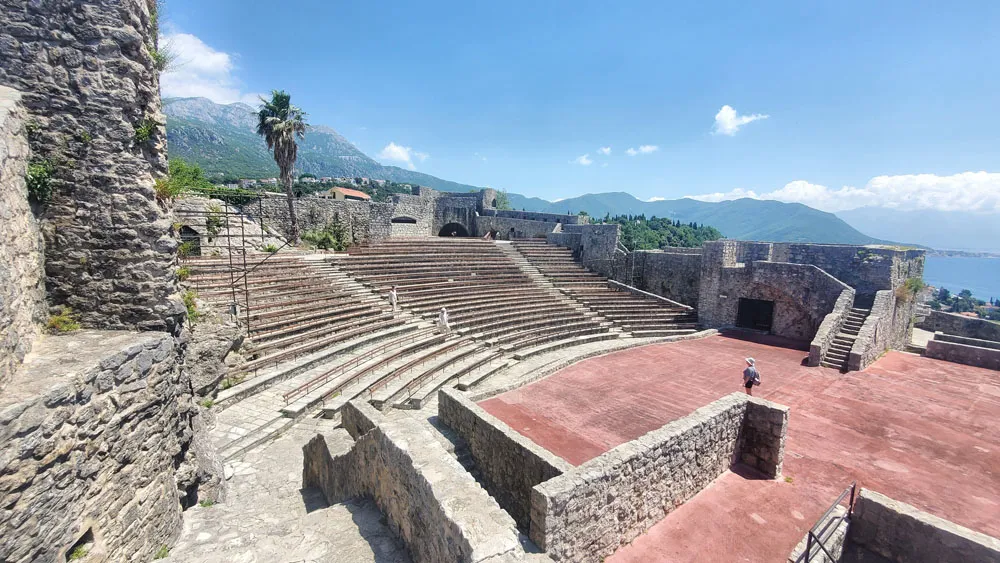
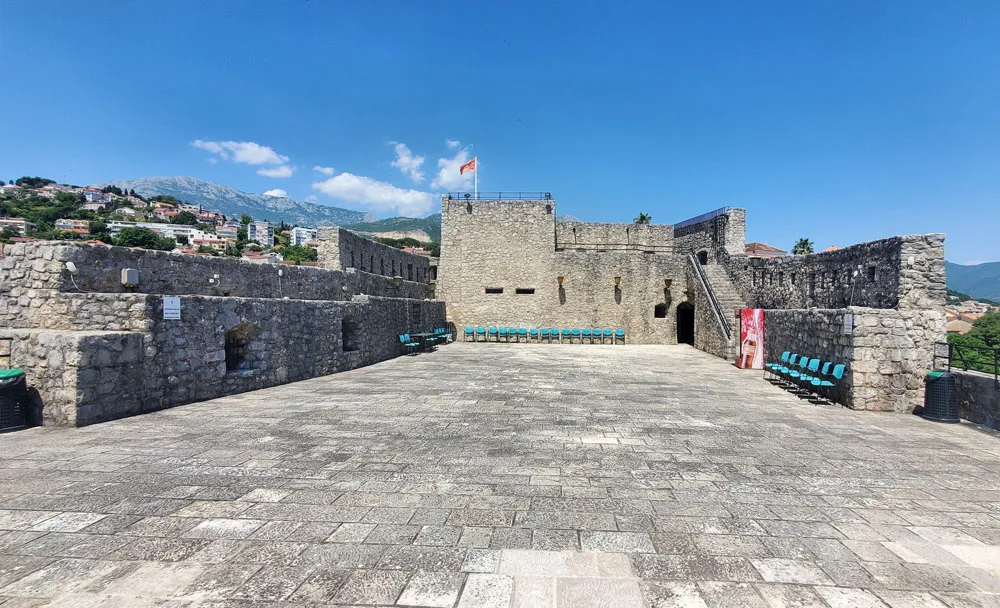
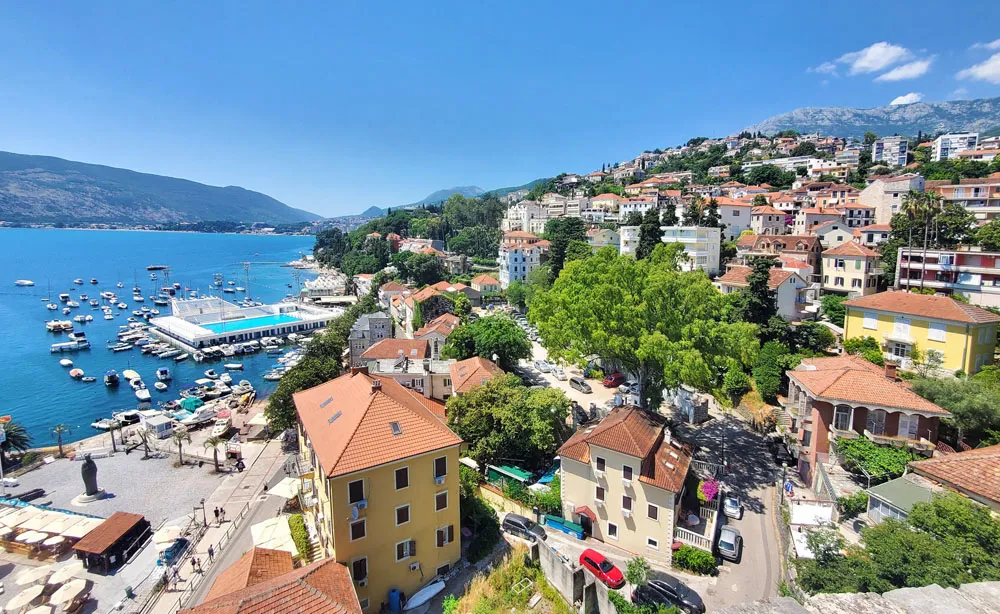
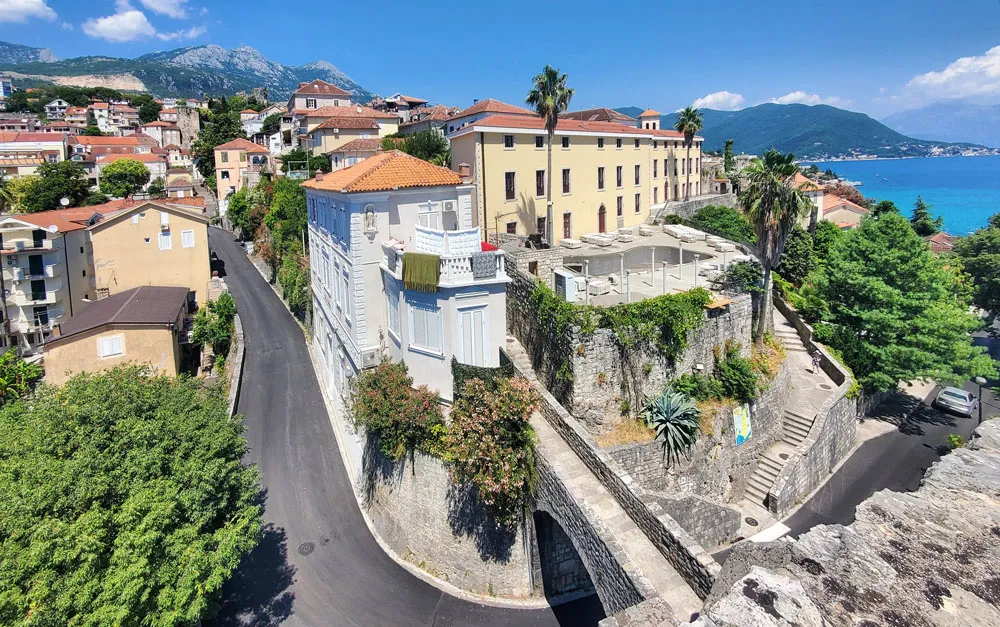
Lower down, at 85 m, stands the Kanli Kula fortress. Its name translates as “bloody tower”. The name is linked to one of the lower towers, which once held a prison with a stone pit. The pit is still there. Unlike Španjola, the Kanli Kula fortress is beautifully maintained. Its courtyard is a concert venue considered one of the most beautiful in the Balkans. The towers and walls offer excellent viewpoints with views over the old town.
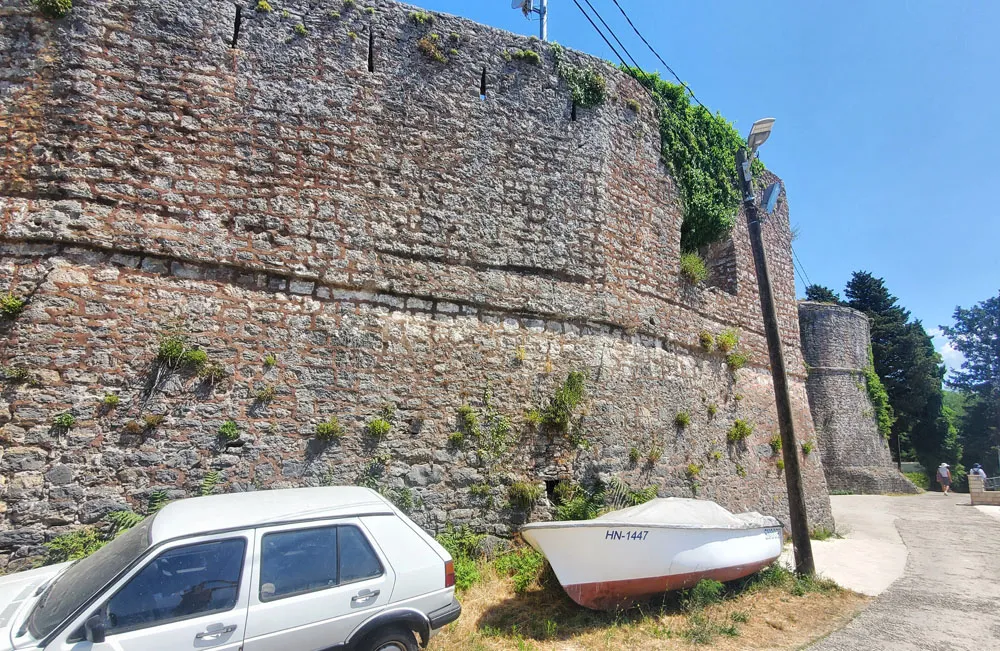
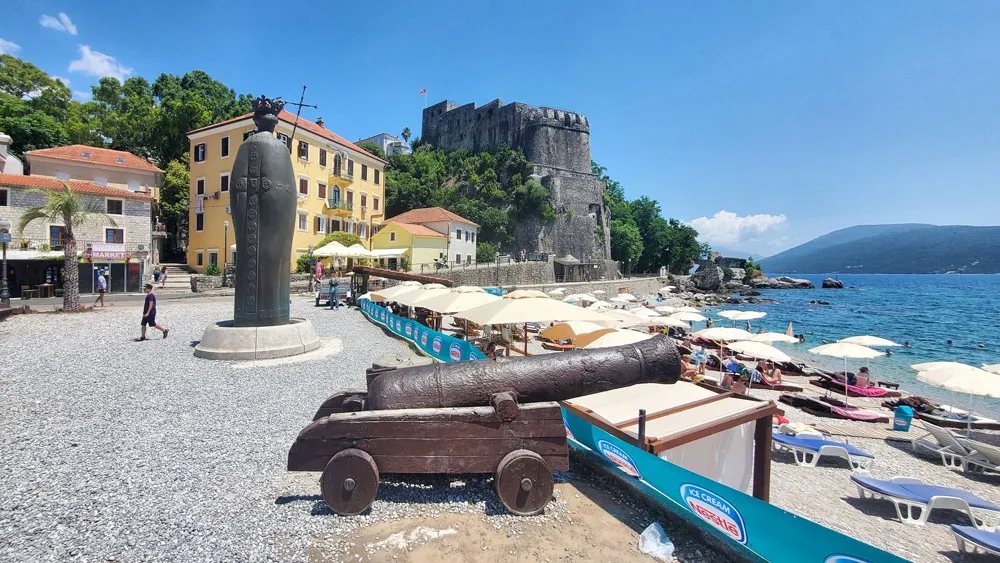
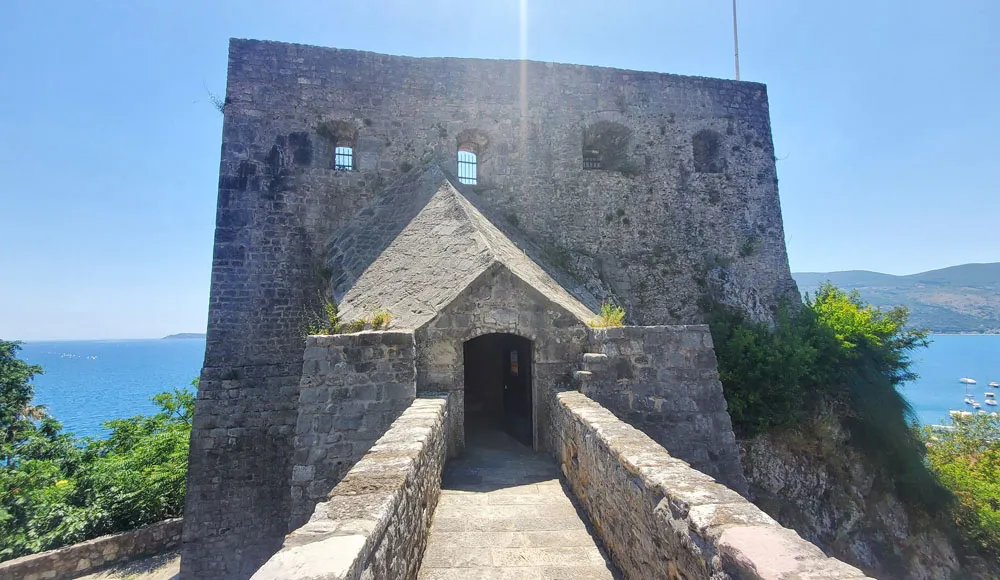
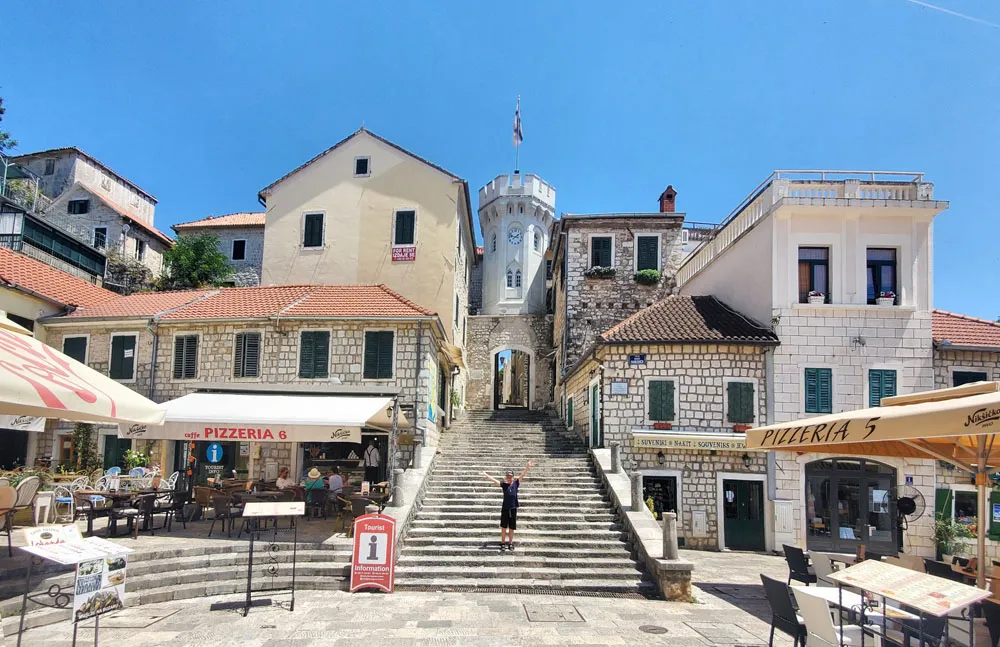
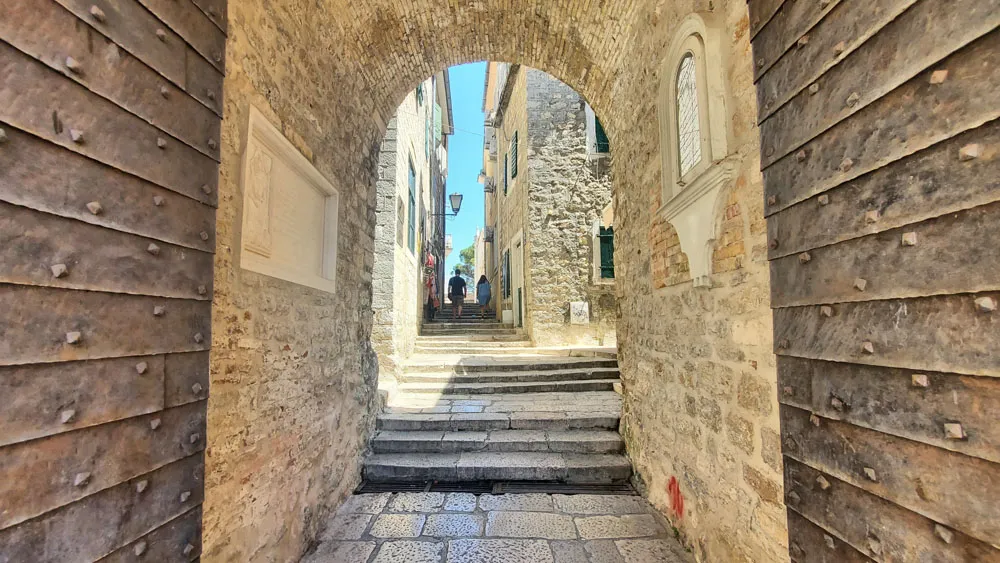
The third city fortress, the smallest, the harbour one, is called Forte Mare. It was built by Duke Stjepan Vukčić Kosača and rebuilt by the Ottomans, the Venetians and the Austrians. In its day this fortress was the nucleus from which Herceg Novi grew. The old town, which lies on the slope between Forte Mare and Kanli Kula, is roughly 350 metres long and 150 wide. Not much at all. The main entrance is through the Turkish clock tower, Sahat Kula; the Ottomans could not do without such a tower and built it over the town gate in 1667.
Forte Mare
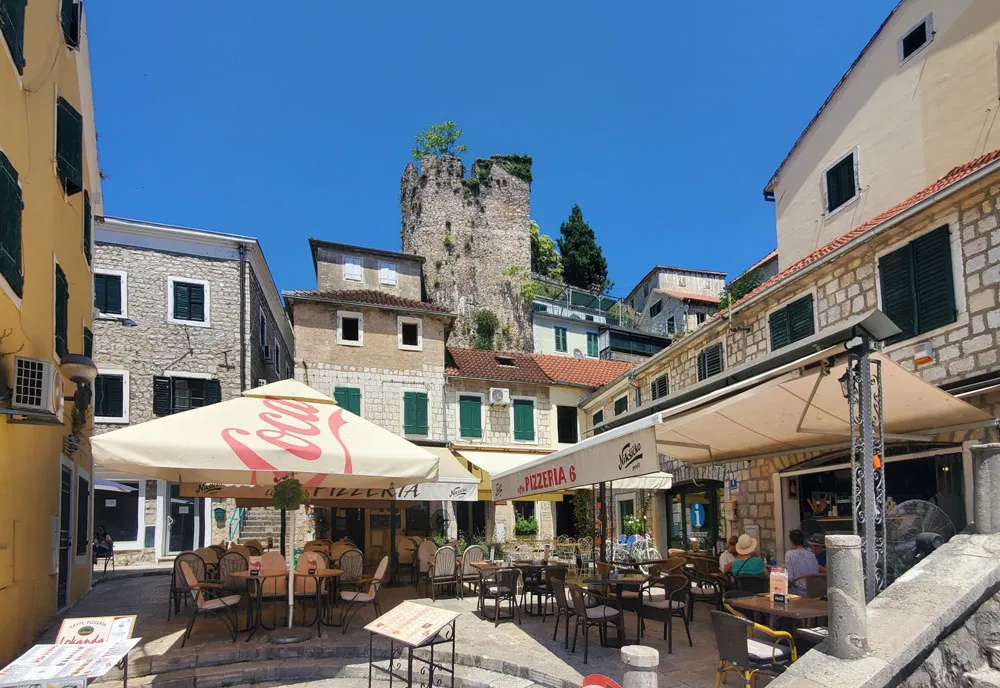
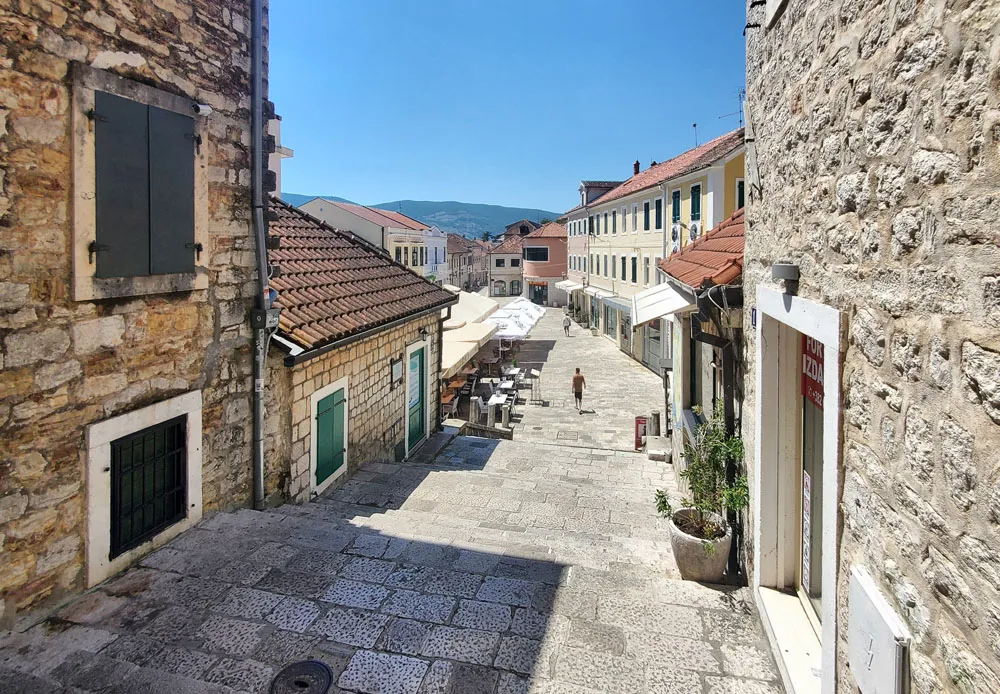
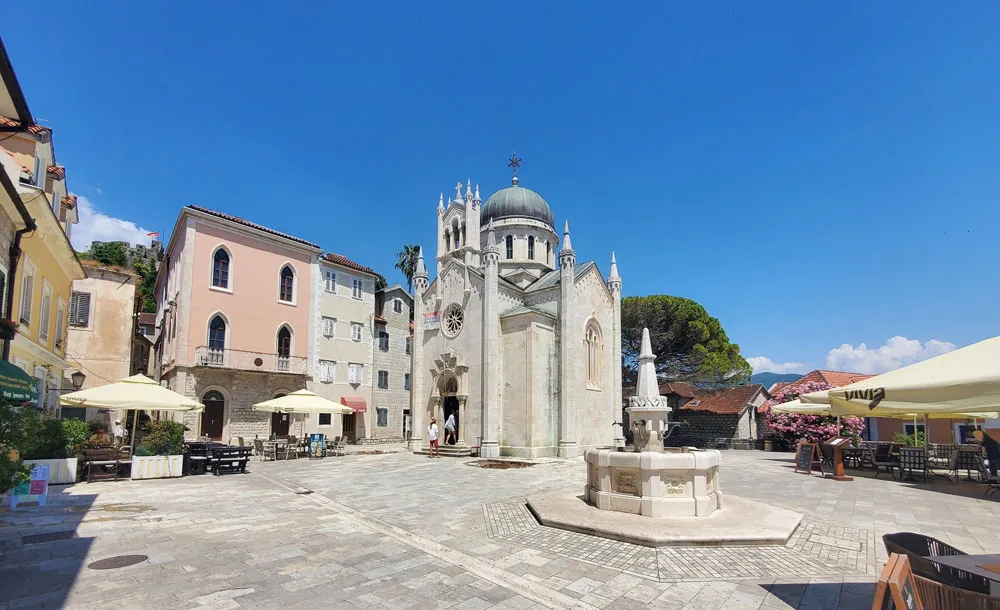
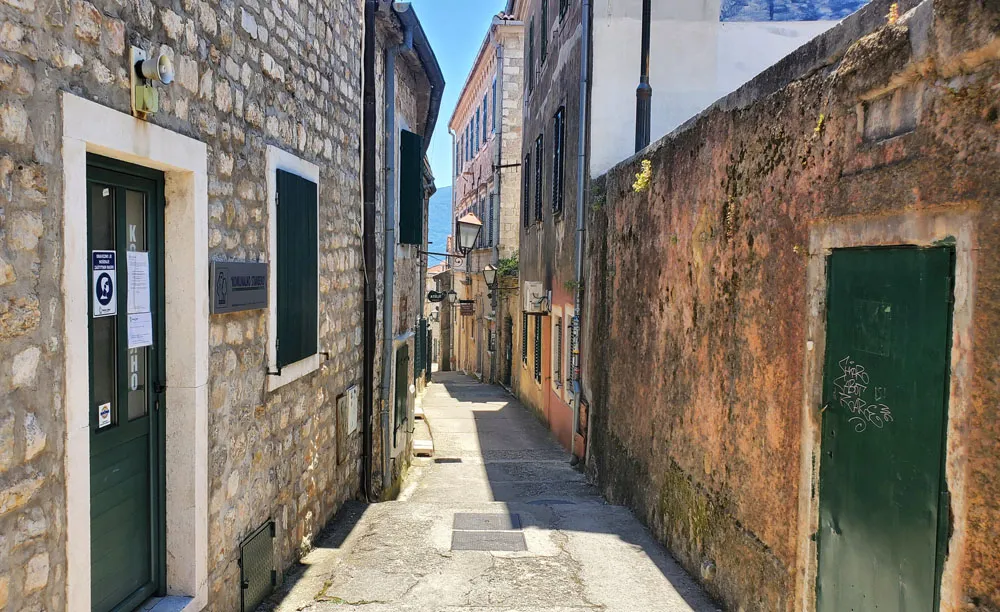
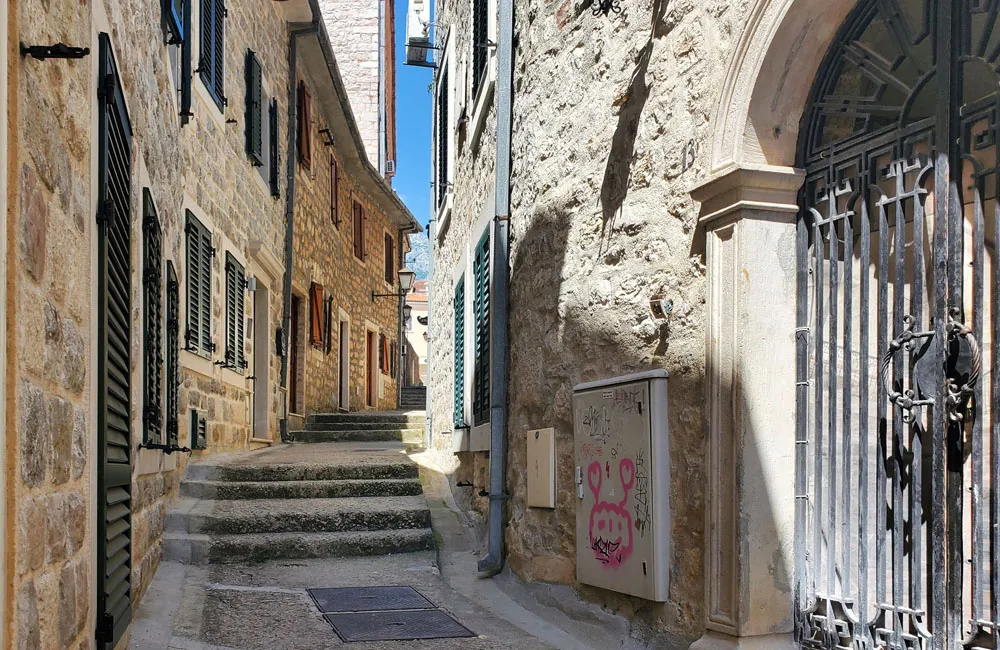
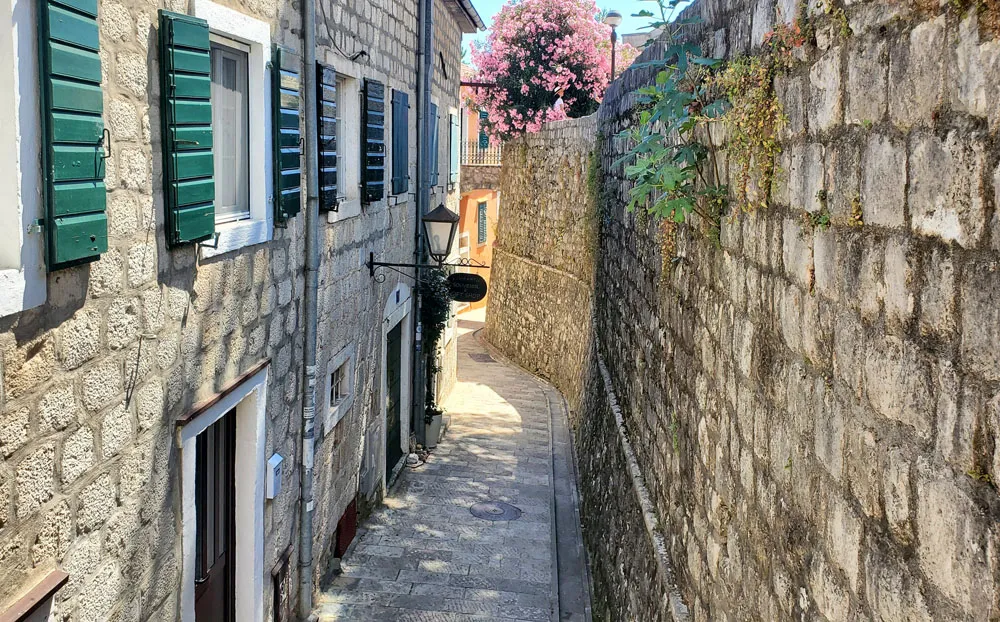
The old town of the Duke has only pedestrian streets: two long ones and a few dozen short ones running perpendicular to them. There are two squares, on which stand the city’s main churches: the Orthodox Church of St. Michael the Archangel (1883–1911) on the upper square, and the Catholic Church of St. Jerome (1857) on the lower square, not far from the Forte Mare fortress.
The streets outside the old town are not Venetian, but they are interesting too, especially amid the bright greenery of the parks and squares. There are examples of Austrian-period buildings and interwar Yugoslav ones.
I strongly recommend visiting the Savina Monastery, located on the eastern outskirts of the town. It was founded as early as the 11th century, and the churches on its grounds date from the 15th and 18th centuries. The Great Church is especially beautiful. Around the churches is a necropolis in which many well-known Montenegrins and Serbs are buried. The monastery stands on a hill above the Bay of Kotor and is clearly visible from boats.
Text and photos by Roman Malenkov.
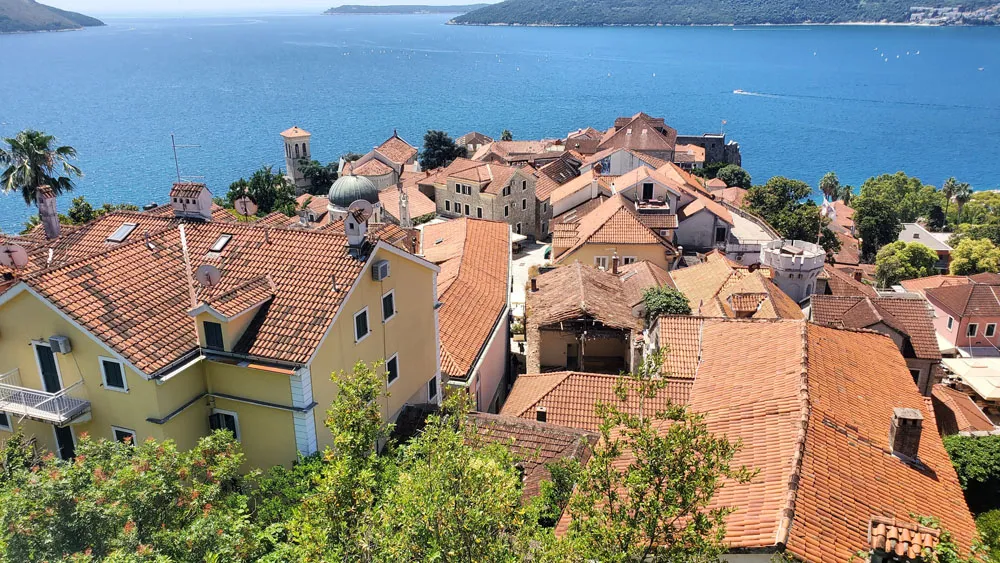
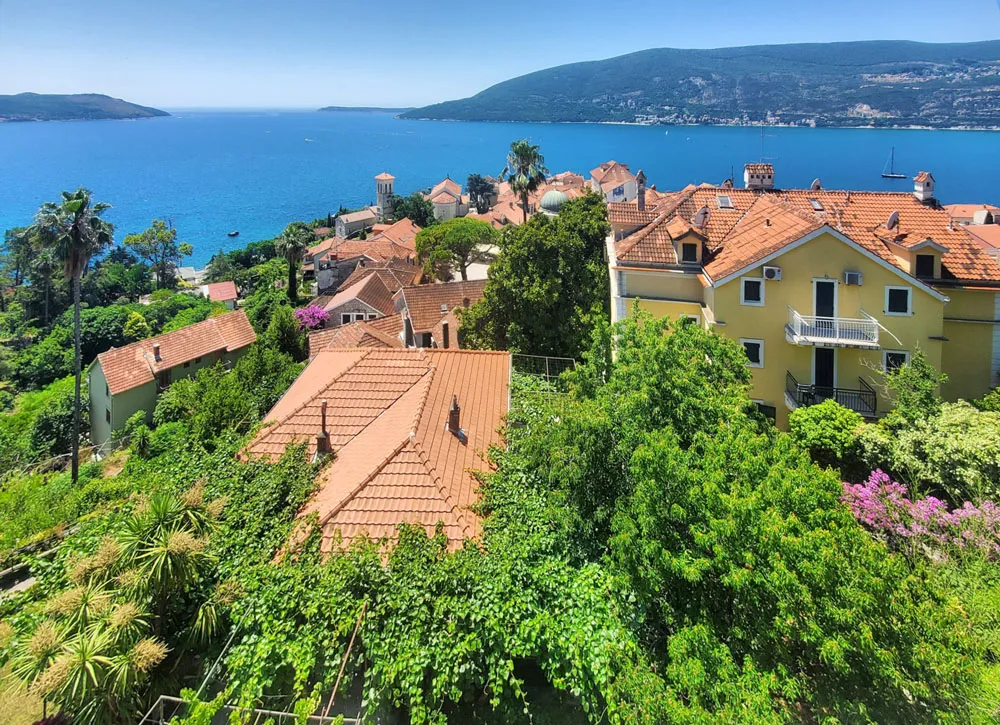
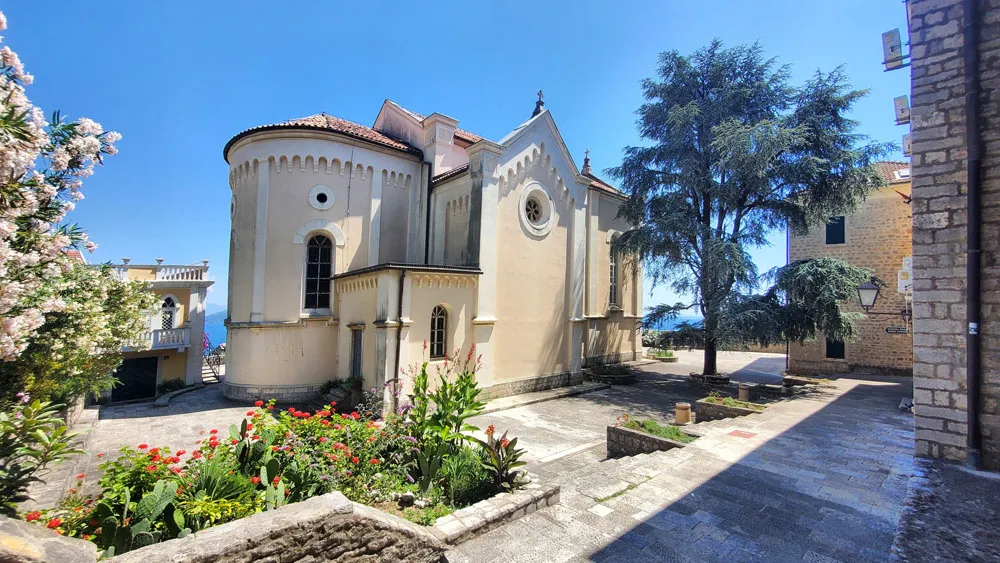
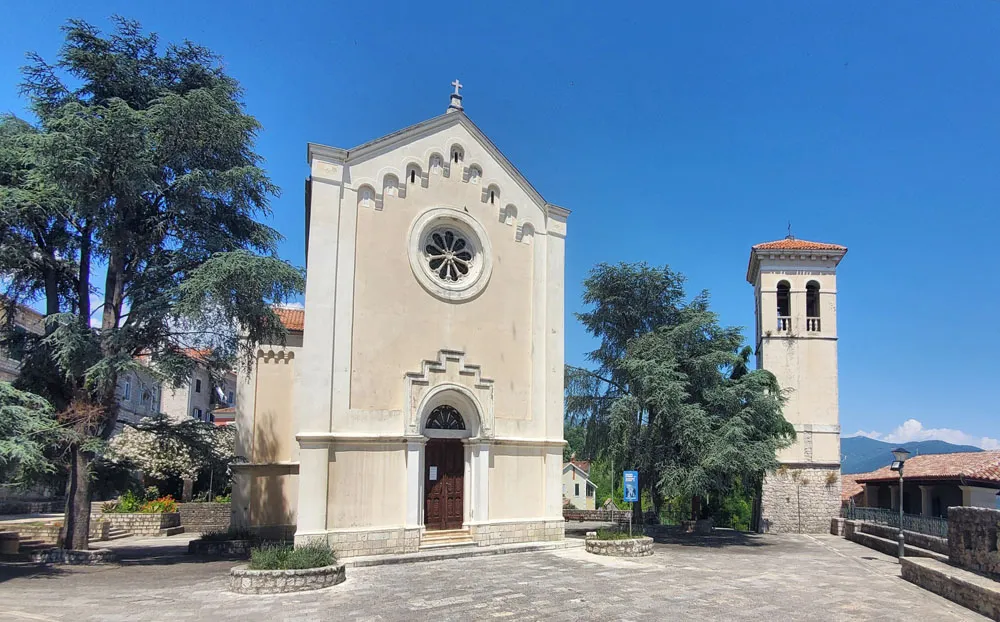
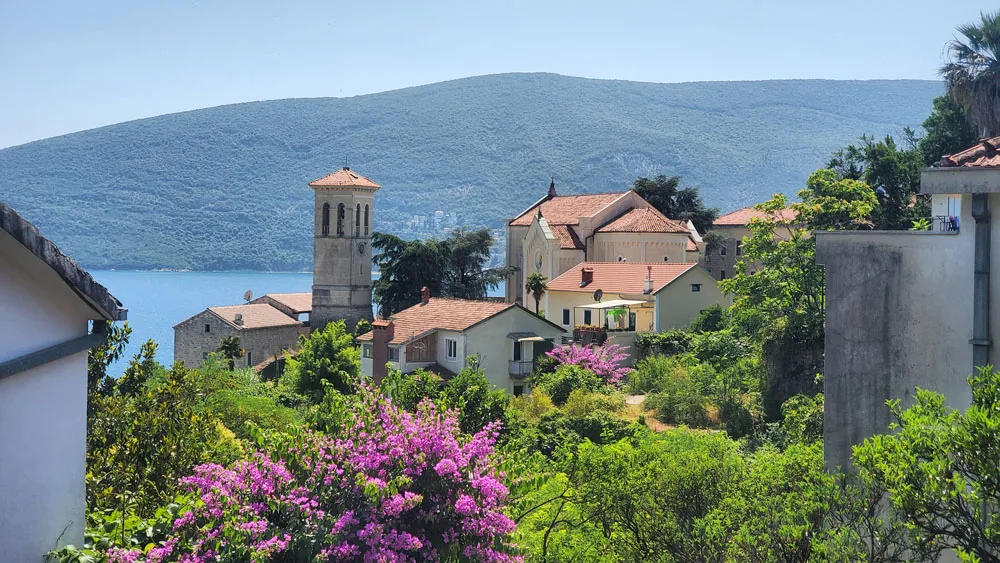
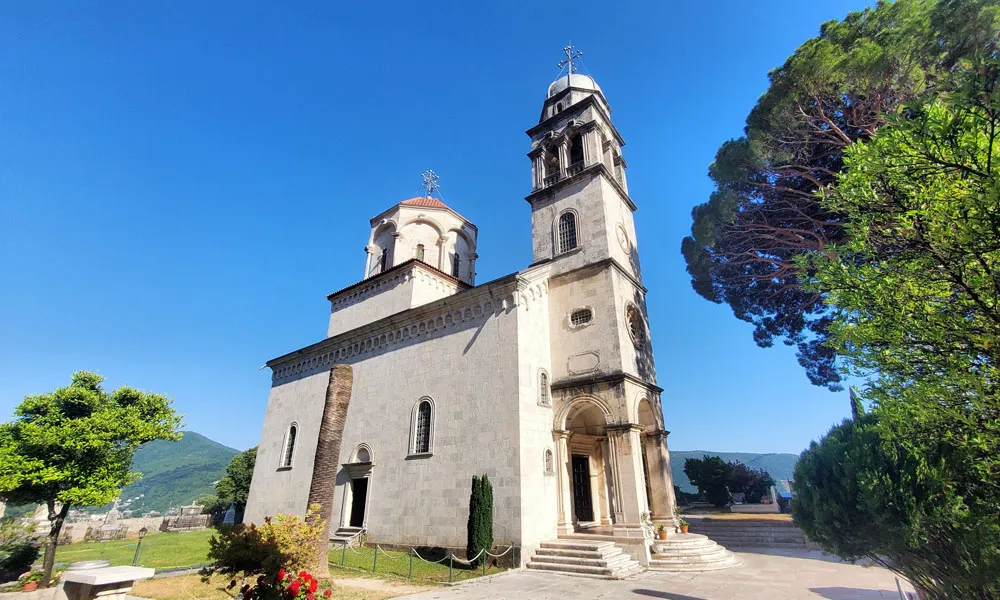
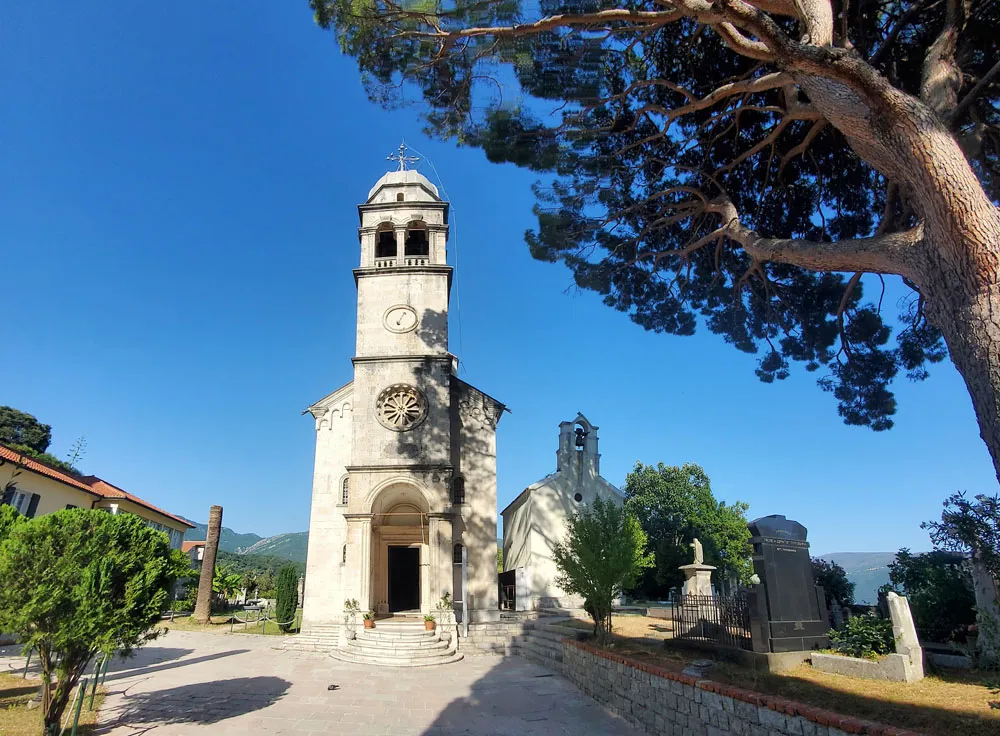
The last two photos show the Savina Monastery


