Demnia. A museum cemetery and an abandoned church

· 2 min read
In Soviet times this village was called Dymivka – the Soviets for some reason disliked the name Demnia, somehow too nationalistic. But the historical name was restored, since it appeared in historical documents from 1464. Bog iron ore was mined here and gave off a lot of smoke (“dym”) – hence Demnia. Later, limestone began to be quarried near the village, and the villagers acquired a new craft. In time, the stonemasons of Demnia became some of the best stone carvers in all of Galicia, and their products were carried hundreds of kilometres away.
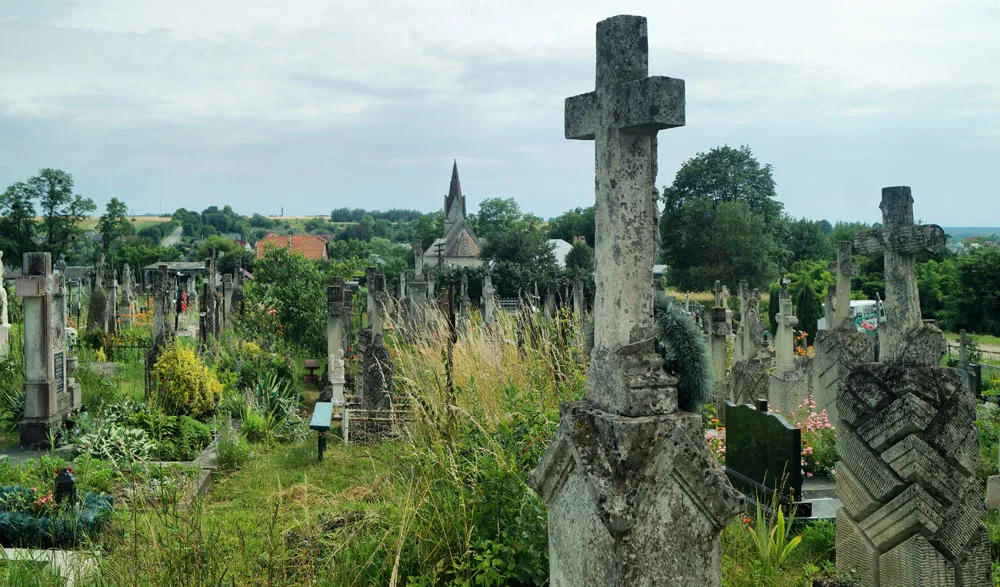
In the centre of the village stands a magnificent church built of white Demnia limestone. The Church of Our Lady of Częstochowa was built in 1911–1914. Now it is abandoned… The church was built in the Neo-Gothic style with some Neo-Romanesque features. At first it was assigned to the neighbouring parish, but from 1935 it had its own. It served the Roman Catholics for only a short time – right after the Second World War the Russians closed the church. It was turned first into a collective-farm storehouse and later into a school gym. Since the early 1990s it has stood empty and, sadly, is gradually falling apart.
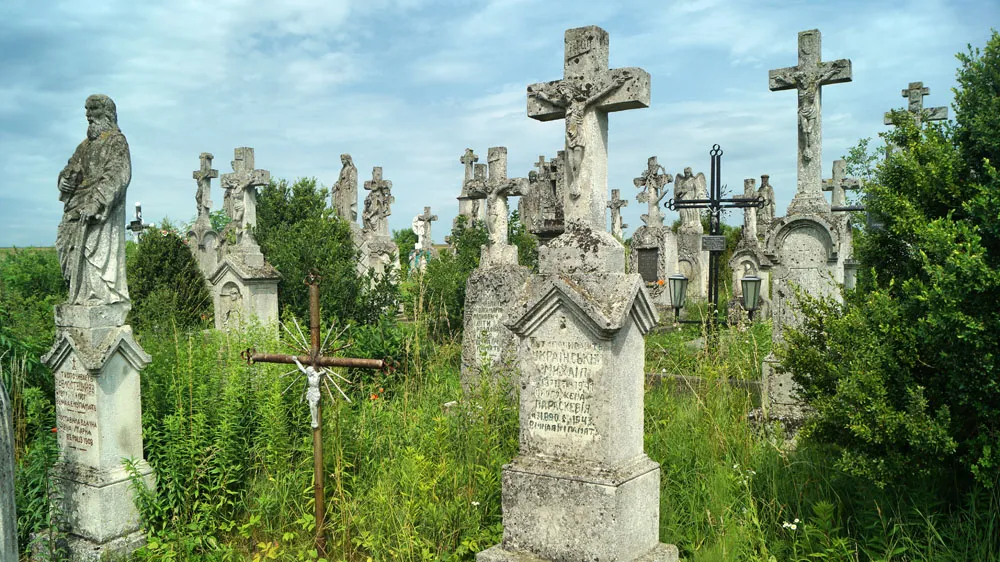
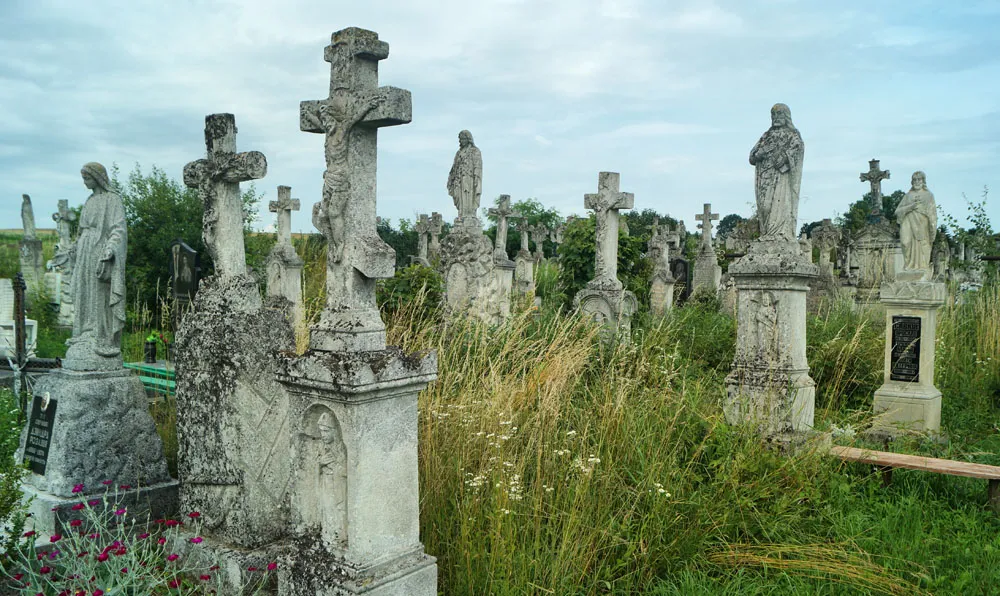
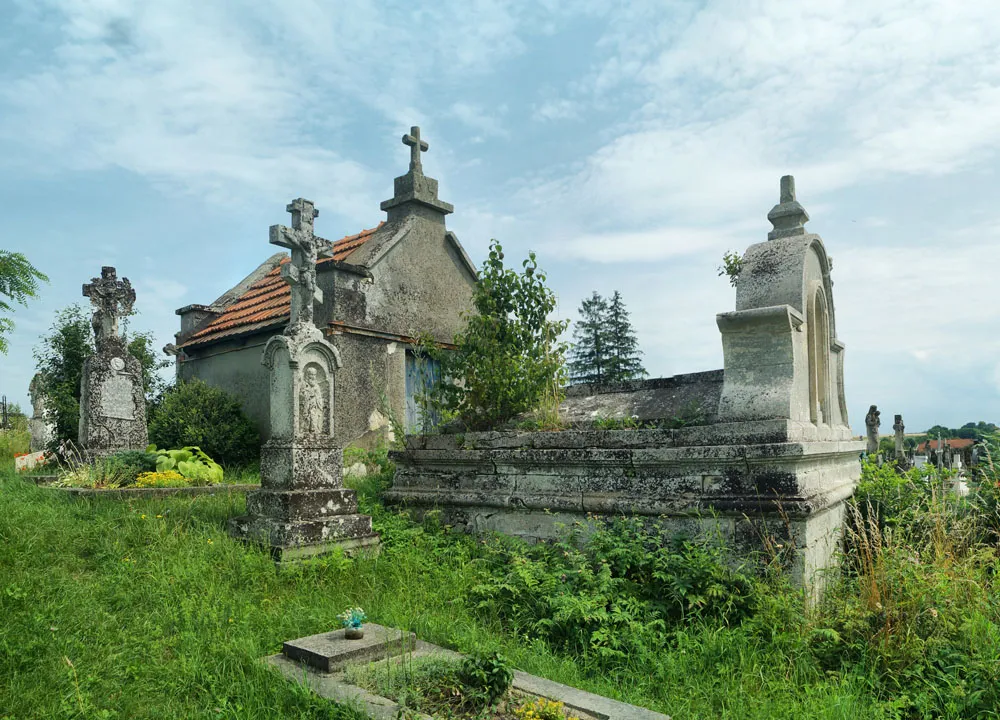
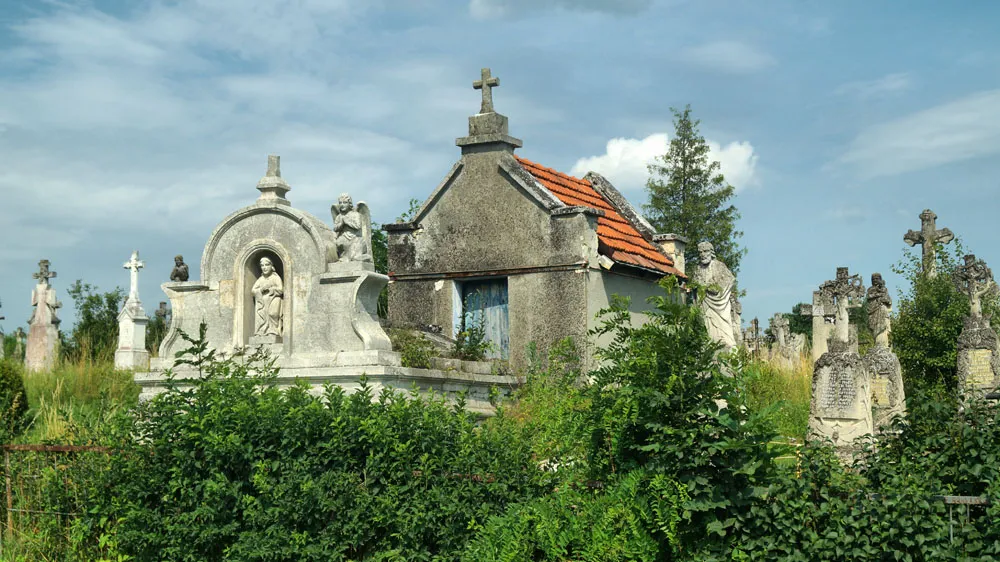
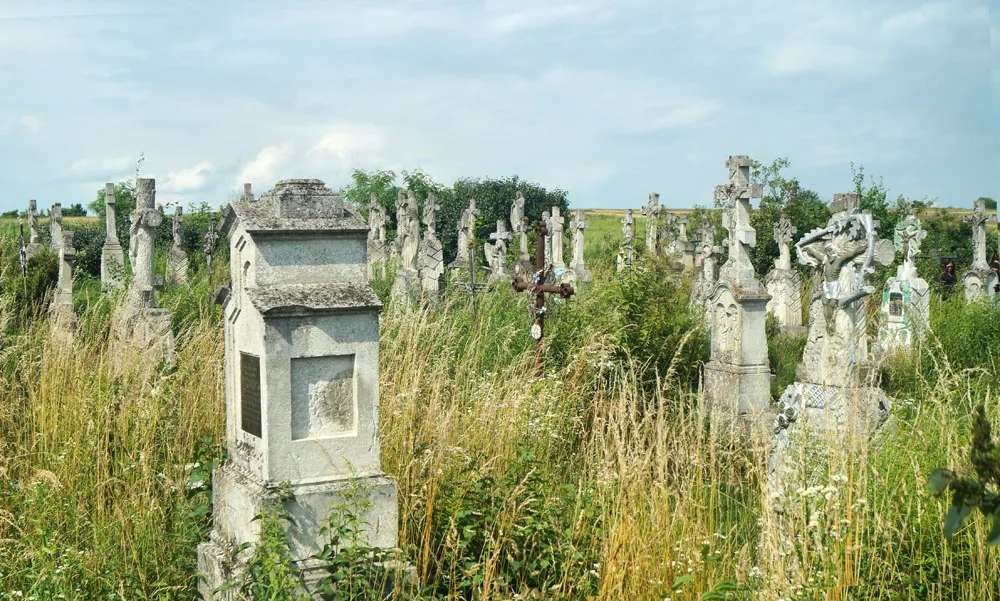
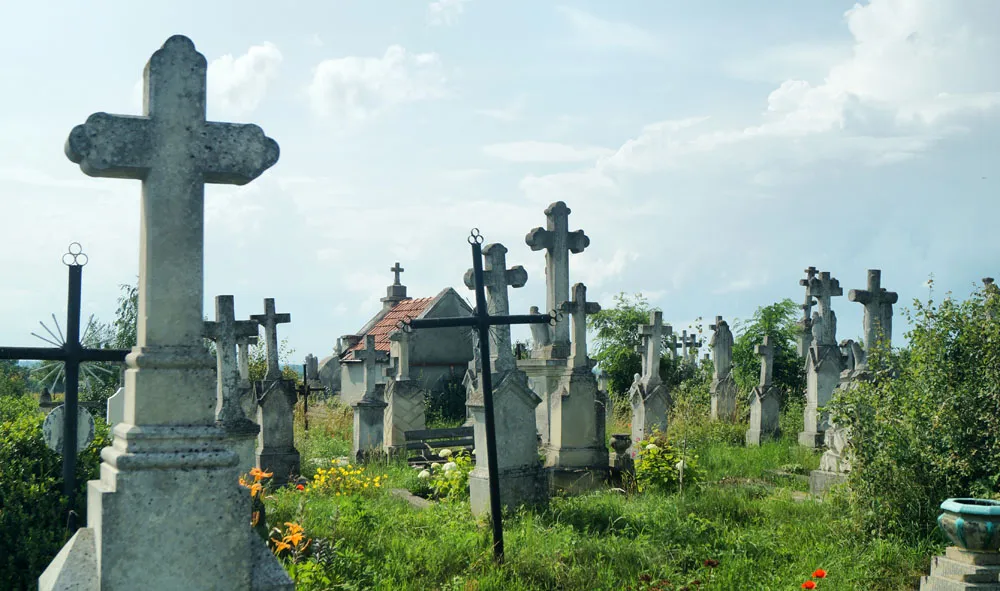
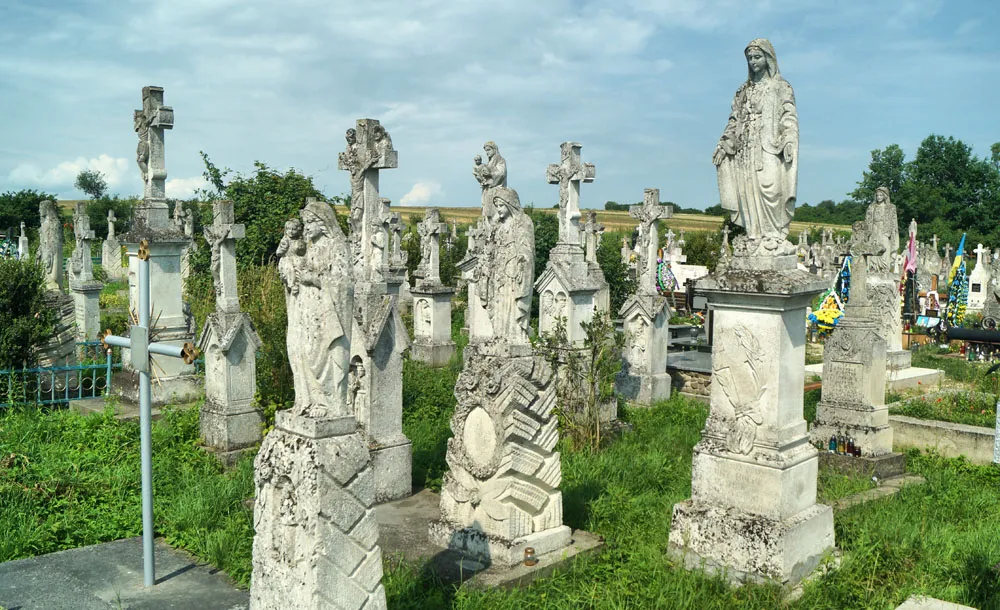
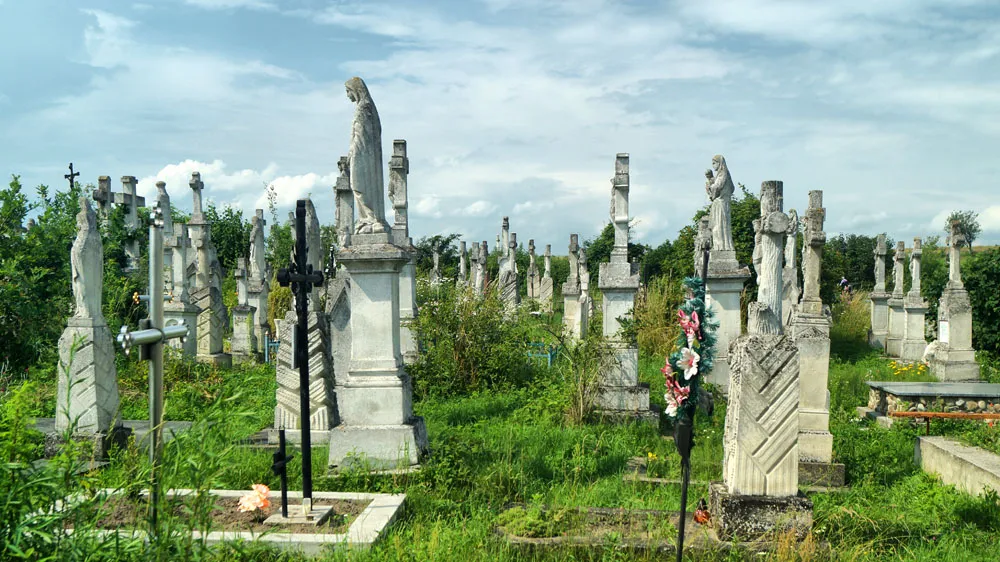
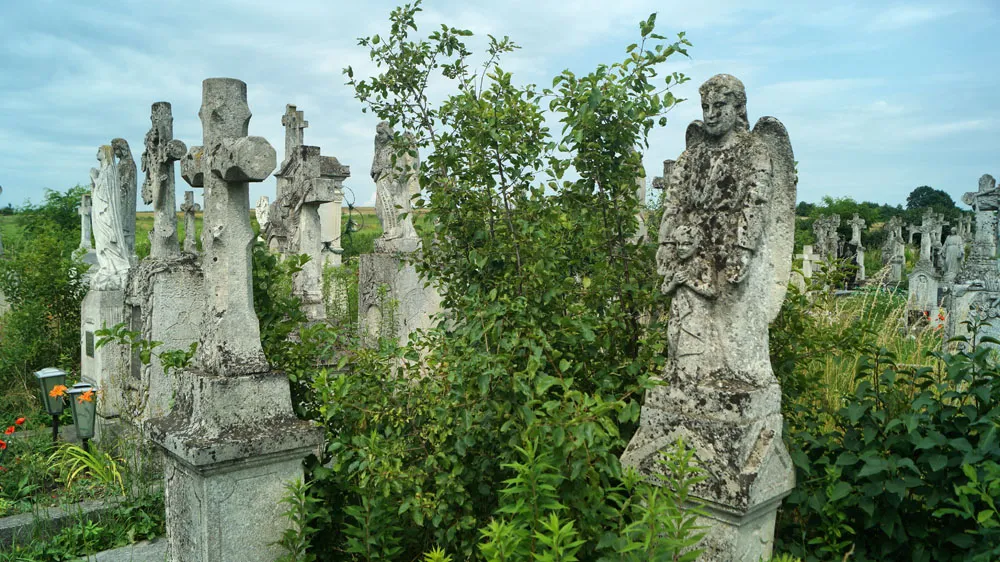
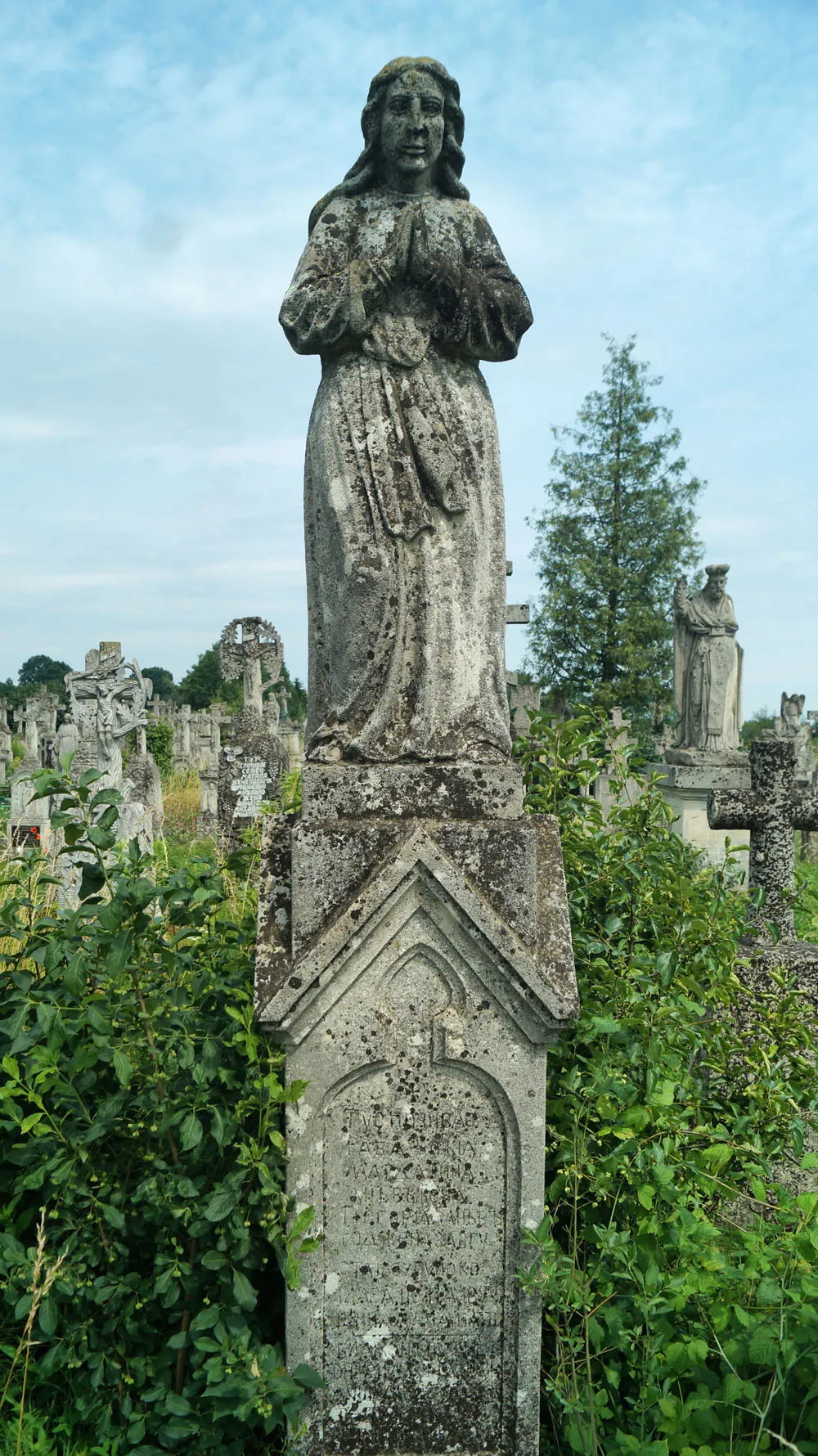
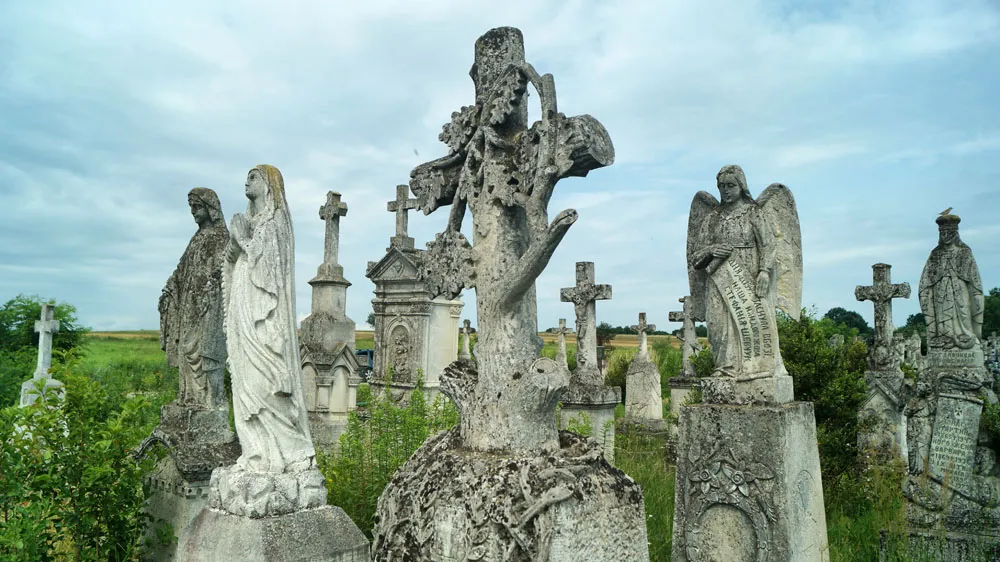
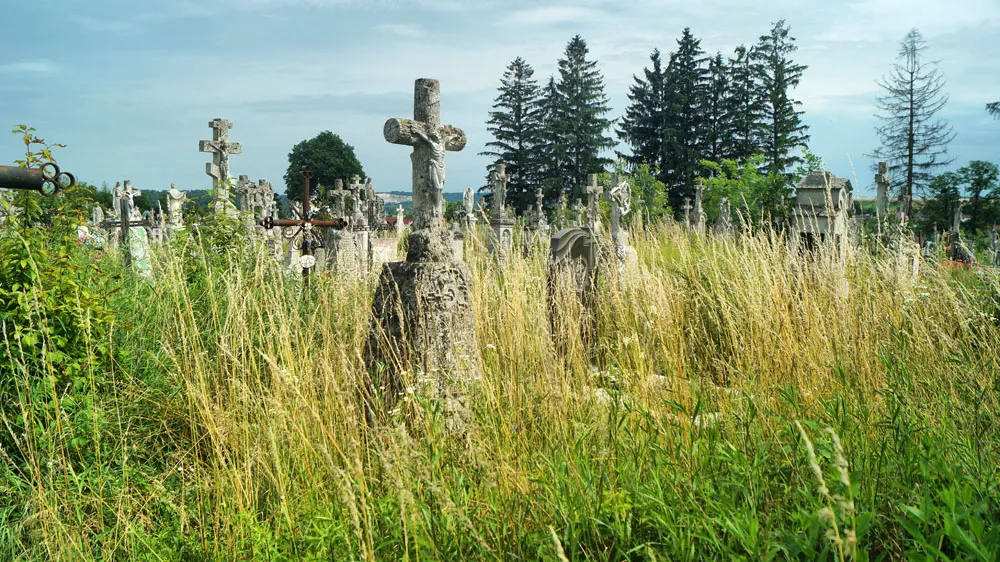
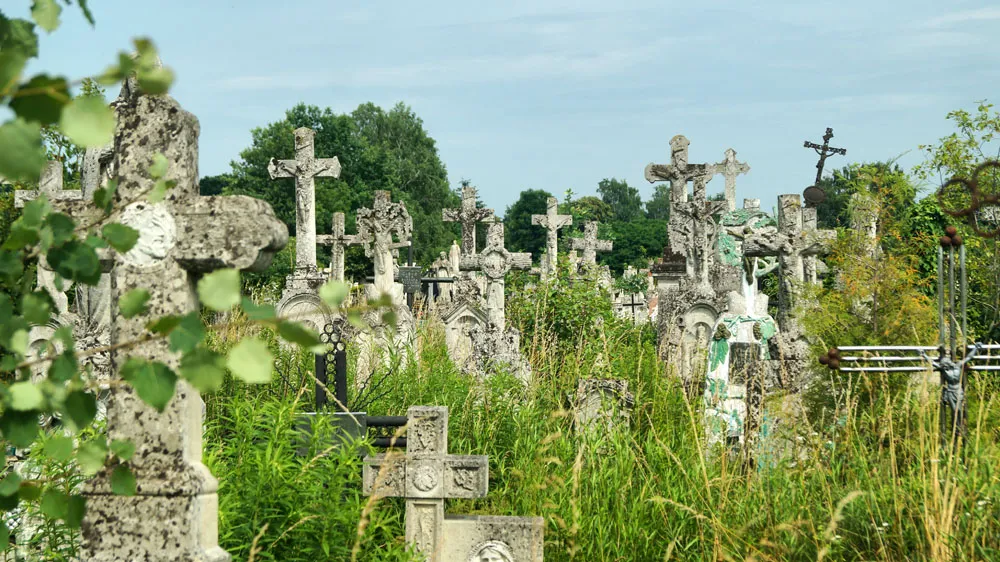
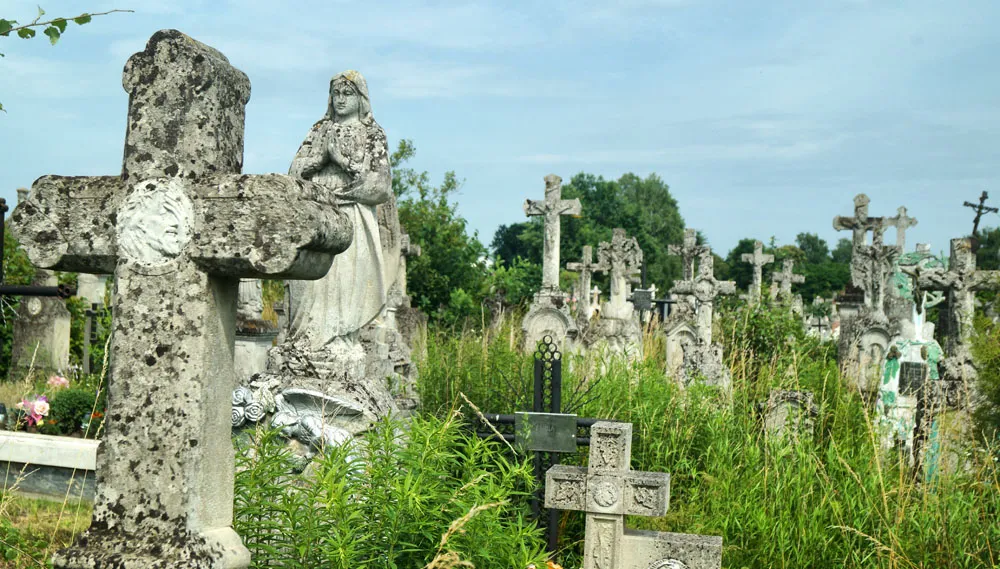
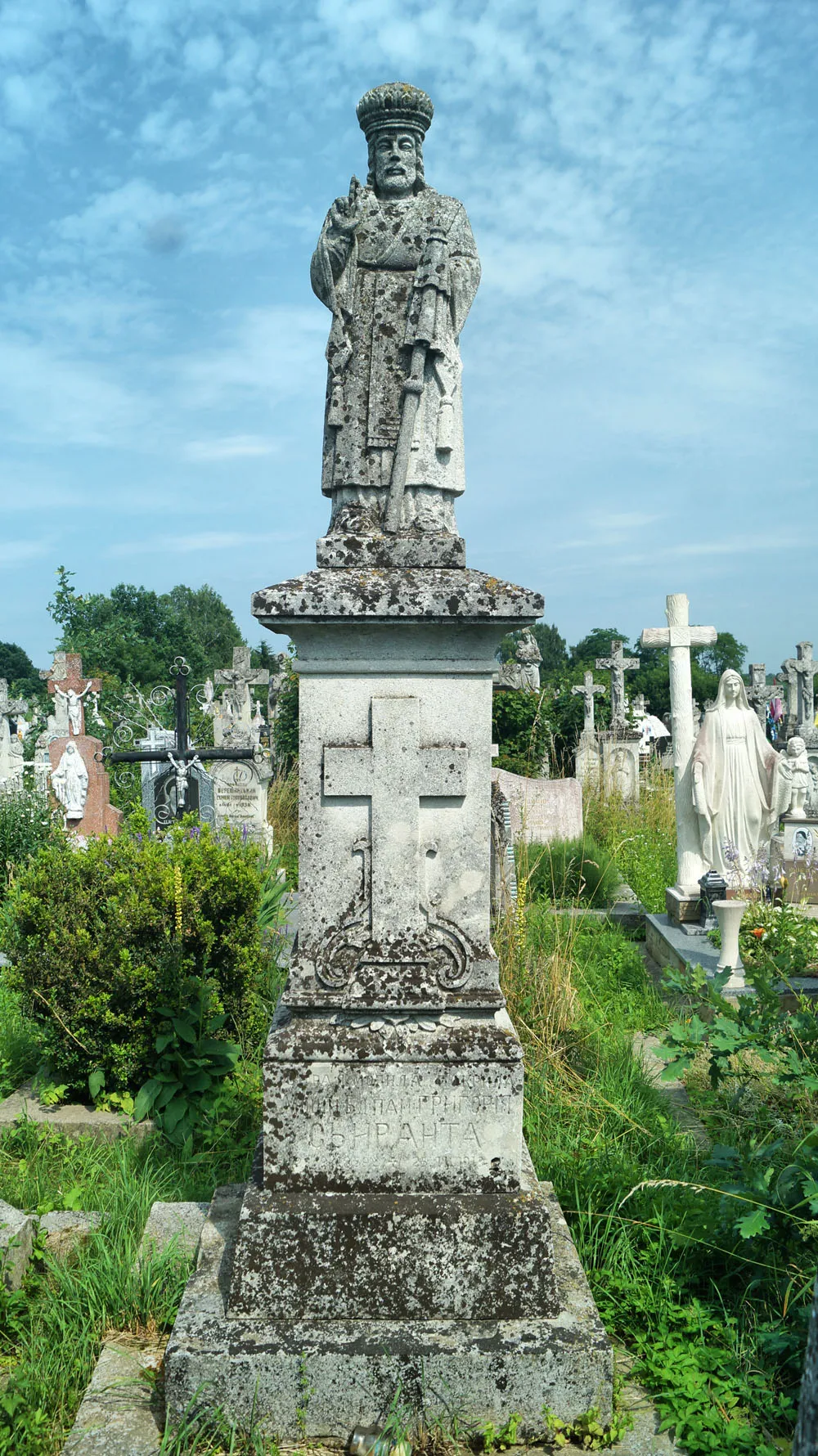
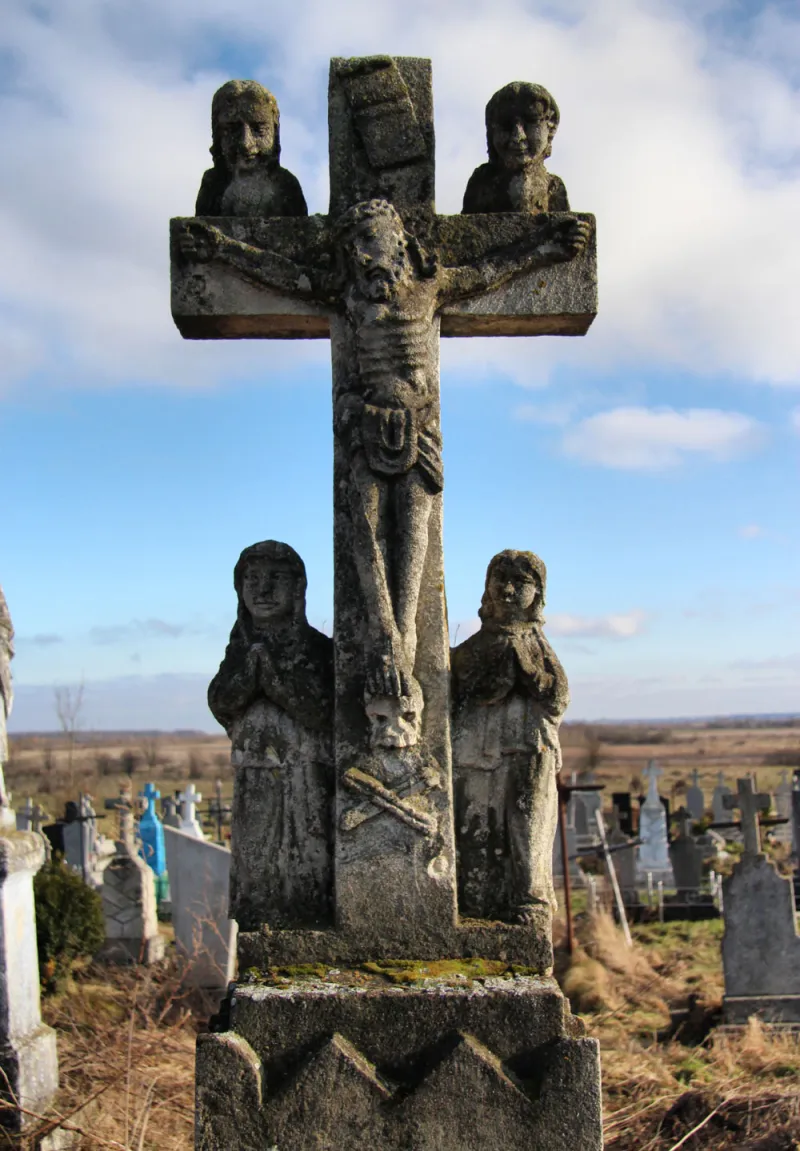
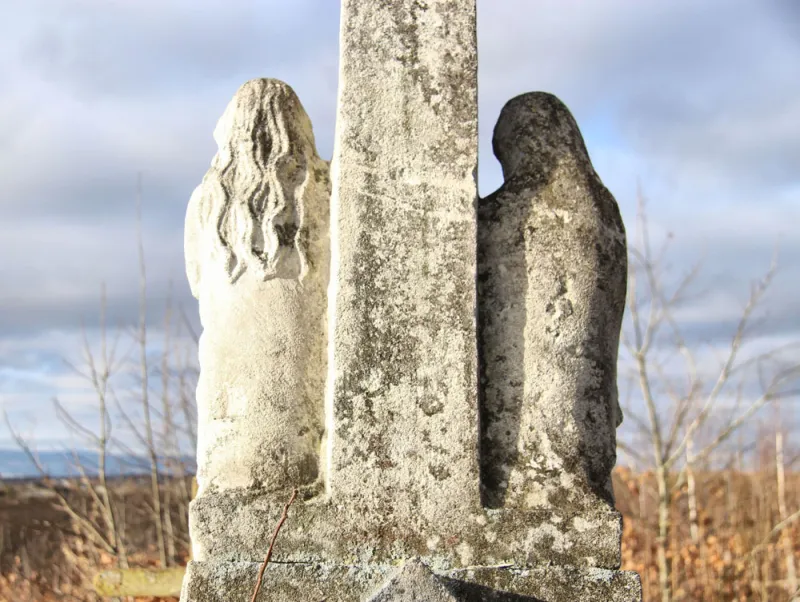
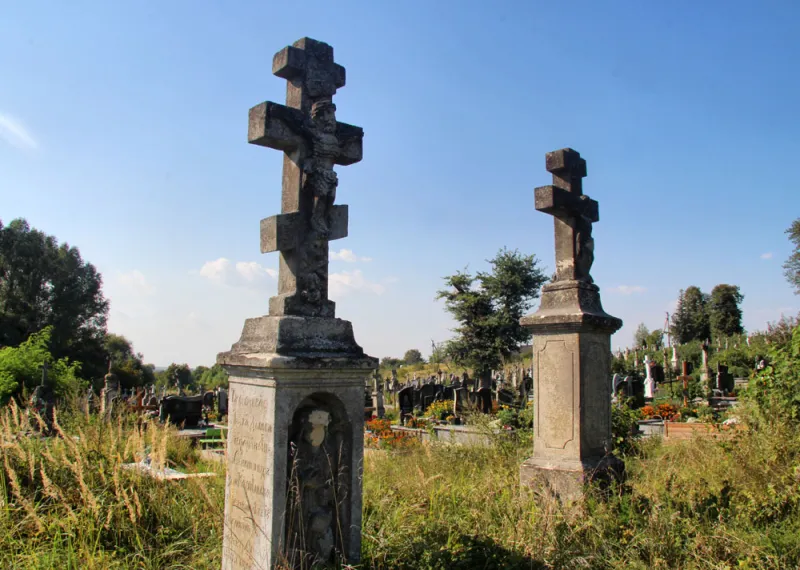
The old cemetery in Demnia is a true museum of stone crosses and gravestones. Master stonecutters have lived in the village since long ago, creating real masterpieces. It is one of the most interesting village cemeteries in Ukraine – you can wander among its individual gravestones for hours. They say there are still masters here today who work with stone, even descendants of those masters who worked in the 19th century.
Masters from Demnia were invited to work in big cities – they contributed to the Lychakiv Cemetery, decorated the Church of St. Elizabeth (now the Church of Sts Olha and Elizabeth) and many other churches.
The cemetery was founded in 1834. Since there were deposits of high-quality limestone near the village, there were also craftsmen who worked it from long ago. In time whole families appeared here who passed the skill of making stone items from generation to generation. The Vereshchynskyi, Dzyndra, Lavrentsiv, Petrytsia, Yaniv and other stonecutter families made gravestones for the village cemetery.
Text and photos by Roman Malenkov.