

The ethnocide of Ukrainians in Hungary, or when a language disappears, so does a people

· 6 min read
Historically it has turned out that ethnic Ukrainian lands exist within the modern territories of all our neighbours: the Berestia region in Belarus; Lemkivshchyna, Boikivshchyna and Pidliashshia in Poland; the Prešov region in Slovakia; Maramureș and Bukovyna in Romania; the Transnistria region in Moldova; the Starodub region and eastern Slobozhanshchyna in Russia. Everyone seems to know that. But how did it happen that there are no ethnic Ukrainian lands in Hungary? Or are there? Let us figure it out.
Today Hungary has a population of nine and a half million, of whom 78 percent are Hungarians, or Magyars, as they call themselves. In second place in the country are the Roma – 3.6% (308,000); in third, Germans – 1.6% (130,000); then come Slovaks, Romanians, Croats, Serbs, Slovenes… Strangely, Ukrainians, representatives of Hungary’s largest neighbour, do not even have their own national organisation in the country, and accordingly their number is considered so low that nobody even counts them. How is that possible at all?
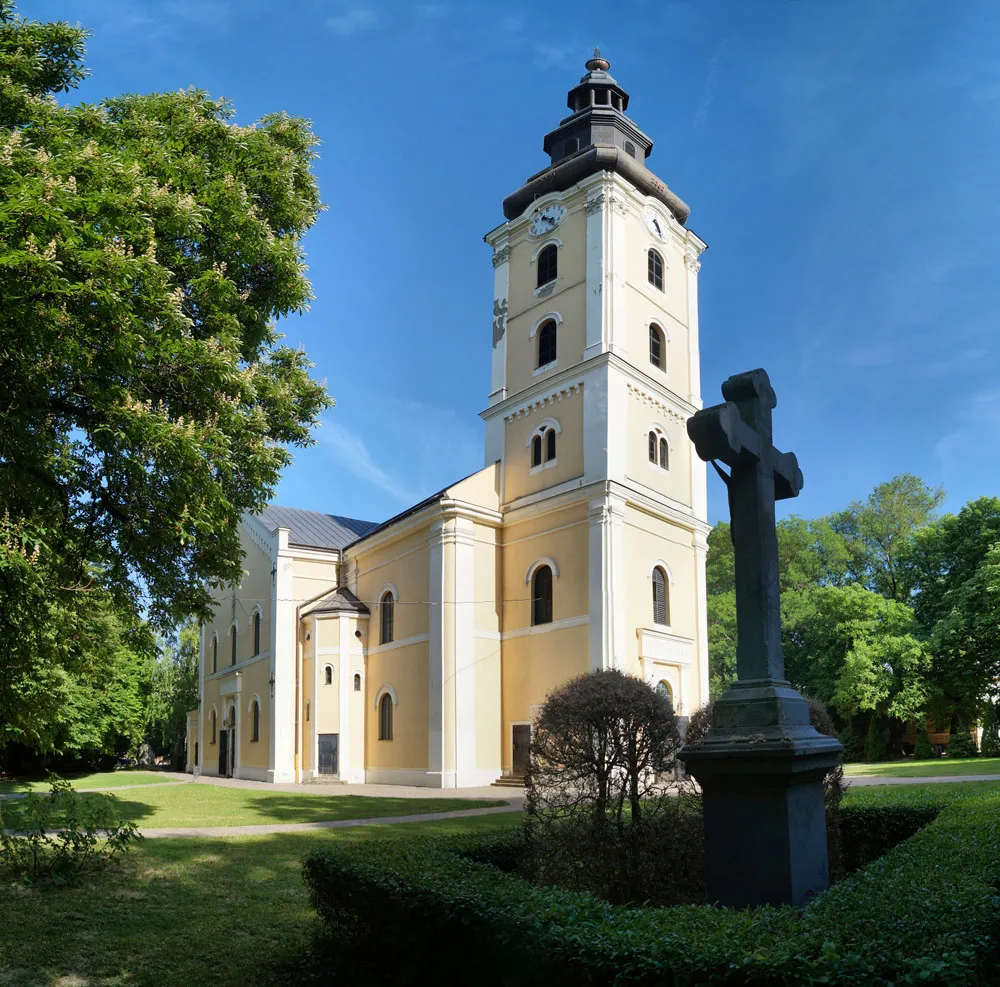
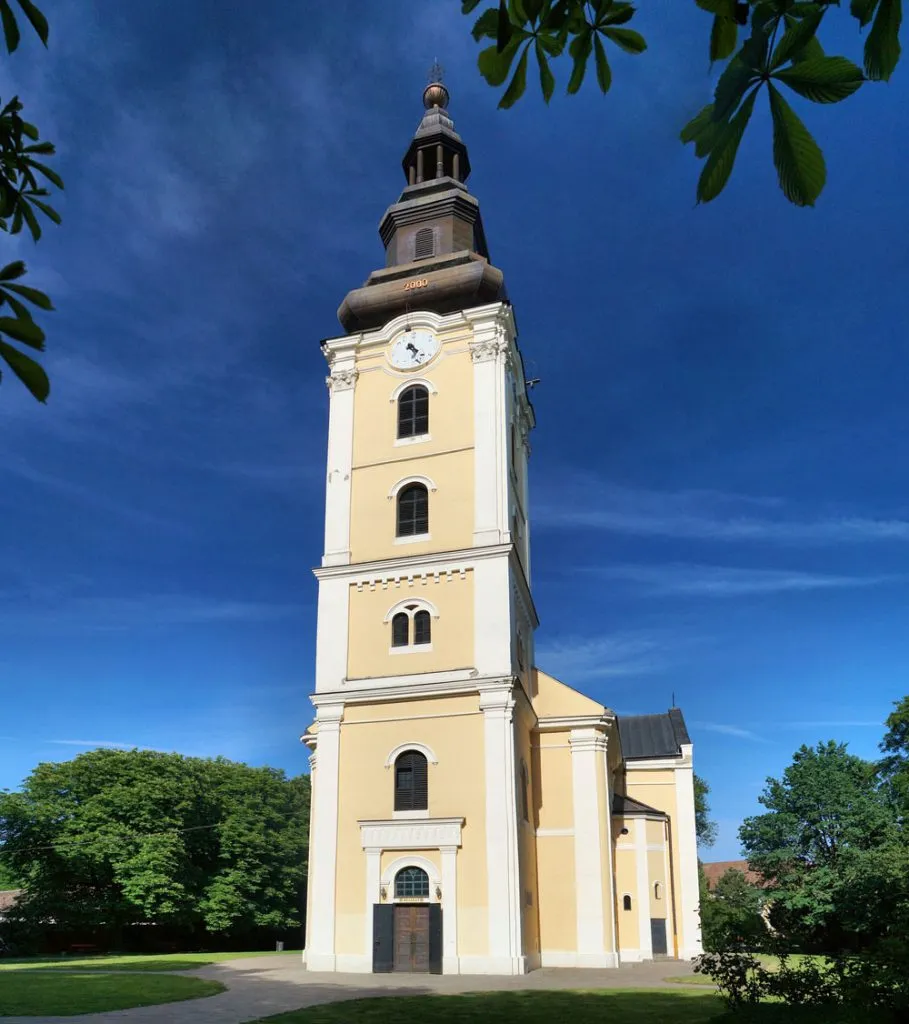
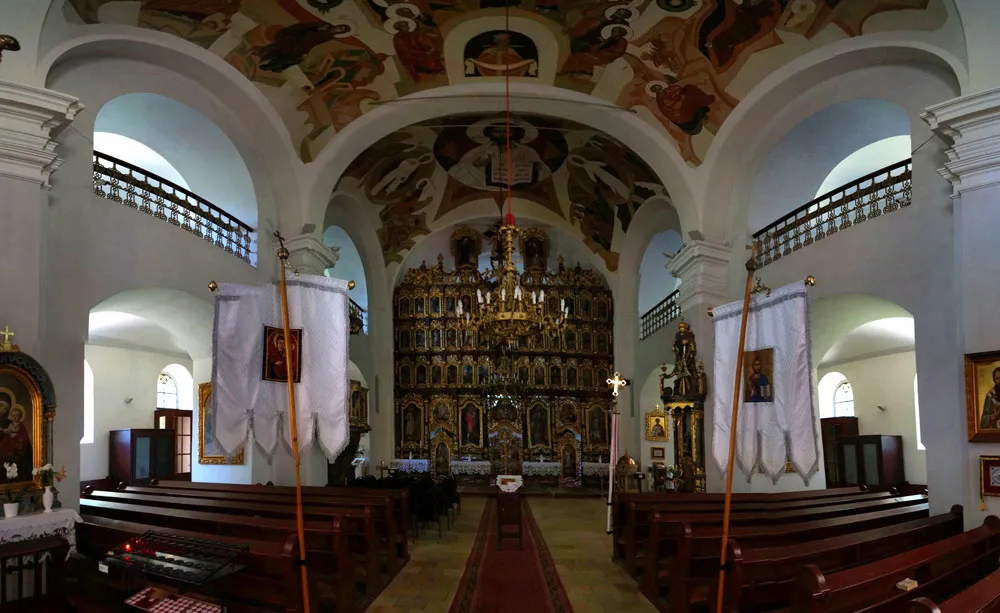
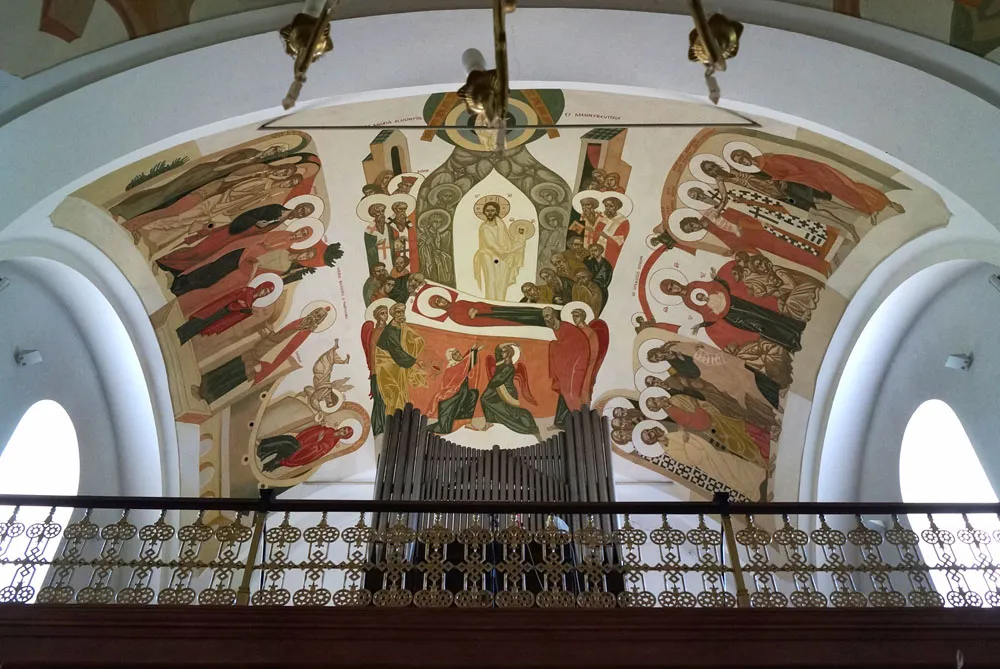
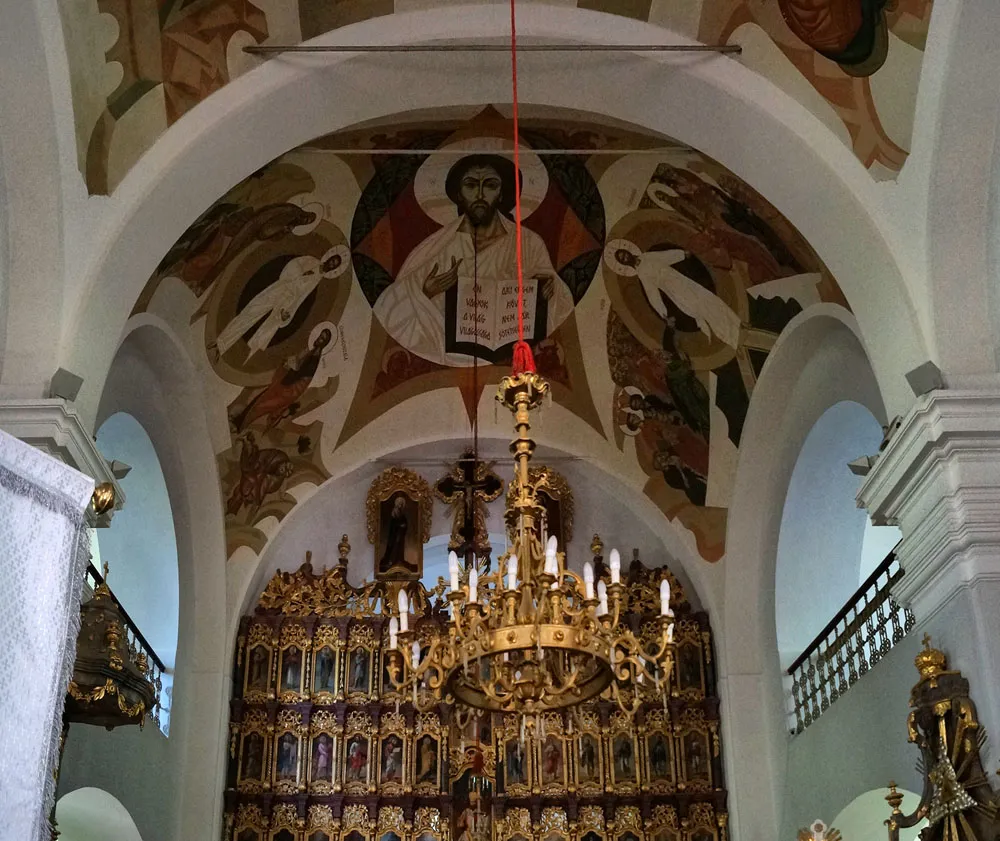
The main Greek Catholic church of Hungary, in the town of Hajdúdorog
Or perhaps the Magyars, like the Slovaks, call Ukrainians Rusyns? Indeed, there is such a nationality on the list, but the number of Rusyns in Hungary is only four thousand. Meanwhile, in Hungary’s neighbours Slovakia and Romania there live 55,000 and 51,000 Ukrainians respectively, and that is only officially. So it turns out that in the process of historical settlement Ukrainians bypassed present-day Hungary, although they did not at all bypass the neighbouring countries, which at the time of settlement were parts of the Kingdom of Hungary. That cannot be. Especially considering that Ukrainians and Hungarians were in one empire for a long time.
I remember that once on a tour, at Palanok Castle, we were told that the Mukachevo Greek Catholic Eparchy covered a very large area and reached far beyond the borders of present-day Zakarpattia, including into Magyar lands. So there were Greek Catholics there too. And are they still there today? Official statistics say there are almost three hundred thousand Greek Catholics in Hungary. Well, well…
It turns out that Ukrainians lived in Hungary from ancient times. There were especially many of them in the north-eastern regions. Their number grew notably in the last quarter of the 17th century, after the country was liberated from the Ottomans. Almost all the settlers who came into the regions abandoned by their population were Ukrainian-speaking Greek Catholics of the Mukachevo Eparchy.
In the 18th century, services in the Greek Catholic churches of Hungary began to be held in Hungarian – this was the first powerful step towards the assimilation of Ukrainians. The leadership of the Hungarian kingdom realised that there was no need to destroy the Rusyn-Ukrainians physically – it was enough to destroy their language, and the Rusyns would disappear. Then the Ukrainian schools were closed…
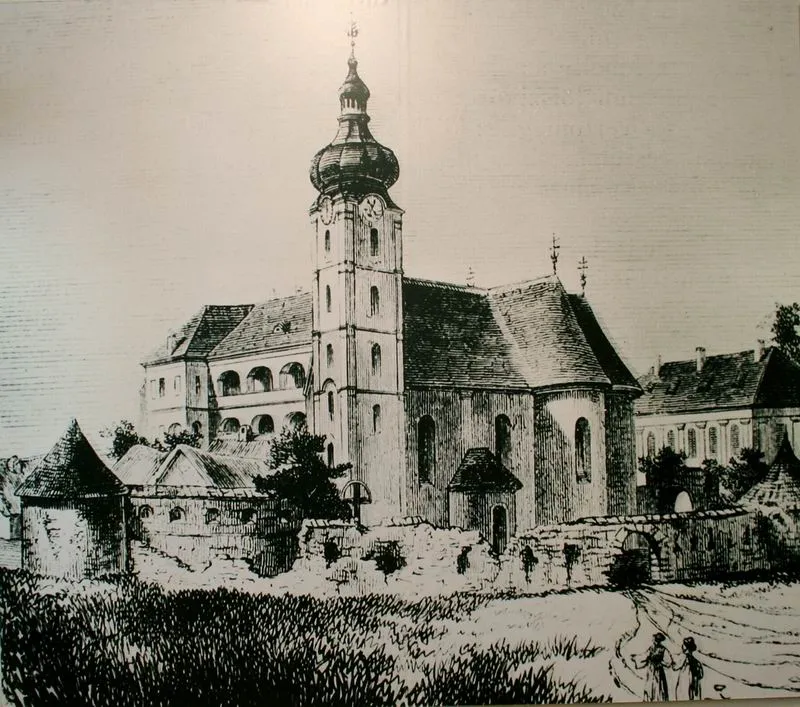
Hajdúdorog in the 19th century
The second step, even more powerful, was taken in the 19th century – the authorities began to encourage Magyarisation by various methods – and that was when the term “Magyaron” appeared, the word used for Magyarised Rusyn-Ukrainians, first of all representatives of the clergy and the intelligentsia with a frankly Hungarian orientation. The Magyarons renounced their own language, culture and religion and began to promote the Magyarisation of the Ukrainian population, forcing people to be ashamed of their people and to hide their Ukrainian origin.
The outstanding Transcarpathian educator Oleksandr Dukhnovych wrote this about the Magyarons:
The Rusyn word is loathsome to him; he is ashamed of what is Rusyn. Living among the Magyars, he already “mondokays”, seeking favour among strangers… So true is my word: a Hungarian Rusyn (a Magyaron) will be anything but a Rusyn.”For them (the Magyars) all peoples are cattle, beasts; only the Magyar was a human being, and whoever is not a Magyar is not a human being.
In the Kingdom of Hungary such living conditions and such a psychological climate were created for national minorities that they were often forced, contrary to personal principles and convictions, to adapt to the new conditions by renouncing their own national culture, language, and political, religious and other views. Hungarians were characterised by a high level of intolerance towards non-Magyar nationalities, and only giving up one’s nationality, declaring oneself a Magyar and “patriotic” activity, as a rule, made it possible to get an education, keep or obtain a high post and move up the career ladder, or simply to have the means to live. The formation of an inferiority complex among Ukrainians and their transition to the Magyarons was promoted not only by the chauvinist policy of the Hungarian authorities, but also by negative features of the mentality and behaviour of the Hungarians themselves, who in everyday dealings with Ukrainians constantly tried to show their superiority and emphasise the simple-mindedness and ignorance of the Transcarpathians, calling them “savage rifle-men,” “stupid Rusyns,” “stinking Ruthenians,” “pigs.”
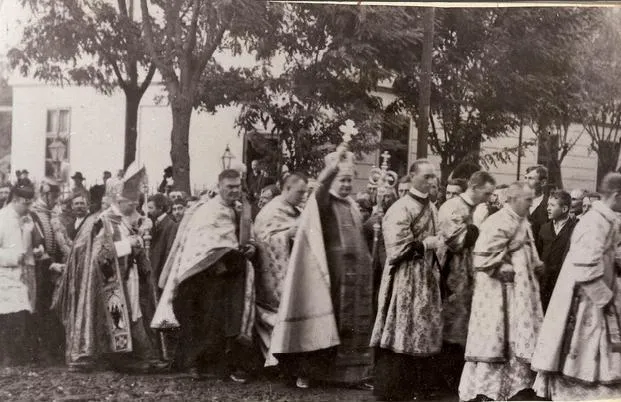
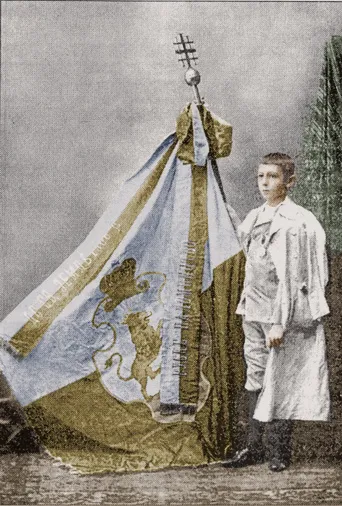
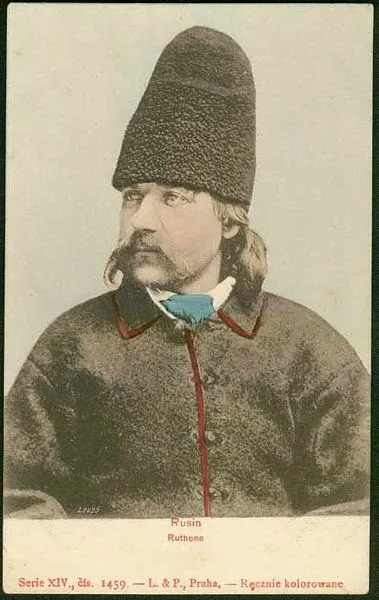
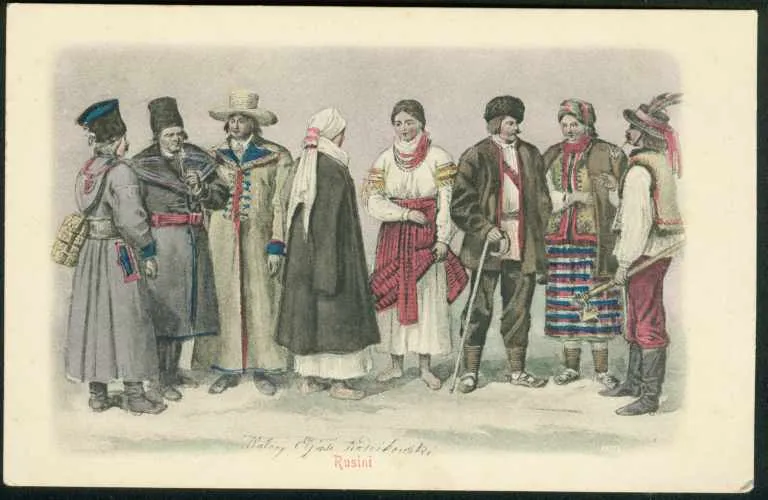
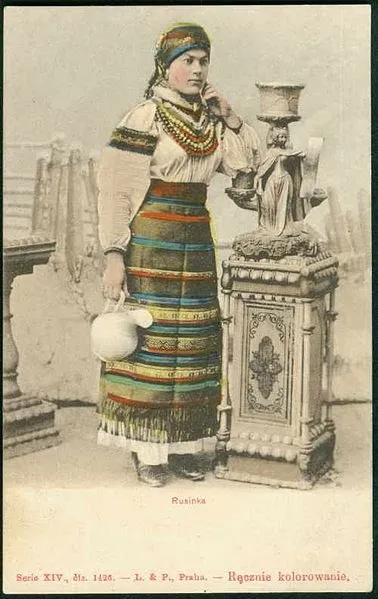
Rusyns in the 19th century
In education, the policy of the Hungarian authorities was aimed at cultivating in children and young people a sense of belonging to the “Magyar homeland and the Magyar nation” and loyalty to the Hungarian state. Ivan Franko, in his article “We Too Are in Europe,” describes how a Hungarian school inspector, invited to dinner by a local priest, was indignant that the priest’s daughter spoke Ukrainian:
I cannot eat dinner together with a Magyar citizen who has not taught his child Hungarian, whose child barks in a barbarous jargon!
This was a genuine ethnocide of Ukrainians, which in the 20th century acquired features of genocide, when the Magyarons began to cooperate with the Hungarian government during the Second World War and took part in the torture and shooting of soldiers of the “Carpathian Sich.”
Over three hundred years of deliberate ethnocide policy the Hungarians completely destroyed the Ukrainian language in Hungary, thereby proving Sukhomlynskyi’s well-known saying – when a language disappears, so does the people. The Ukrainian people disappeared on Magyar lands. Those three hundred thousand present-day Greek Catholics are all descendants of Ukrainians. But they do not know the Ukrainian language and in no way identify themselves with Ukraine. They are Hungarians.
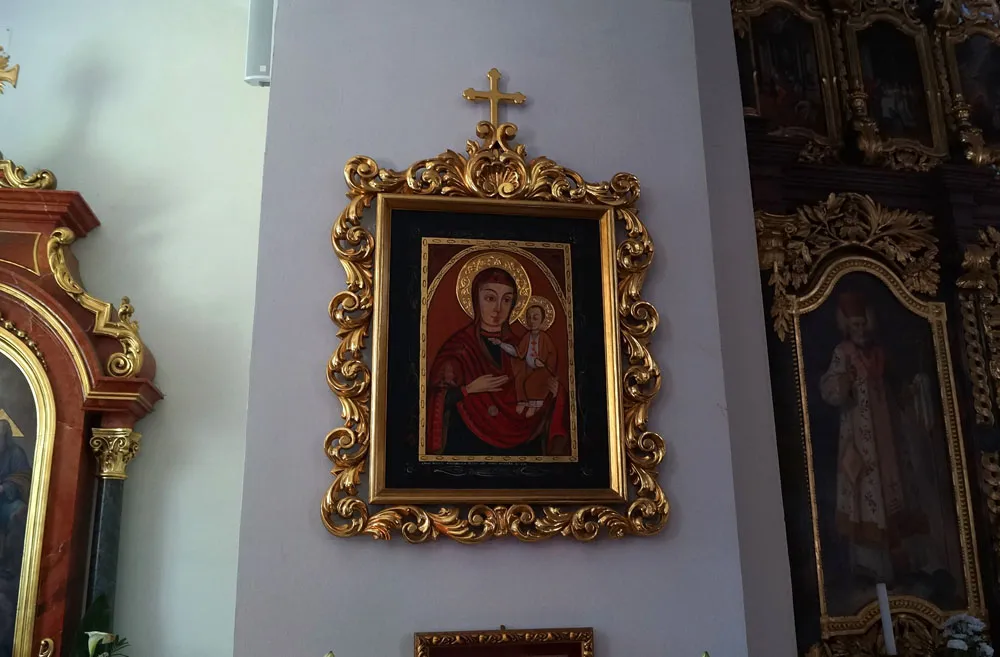
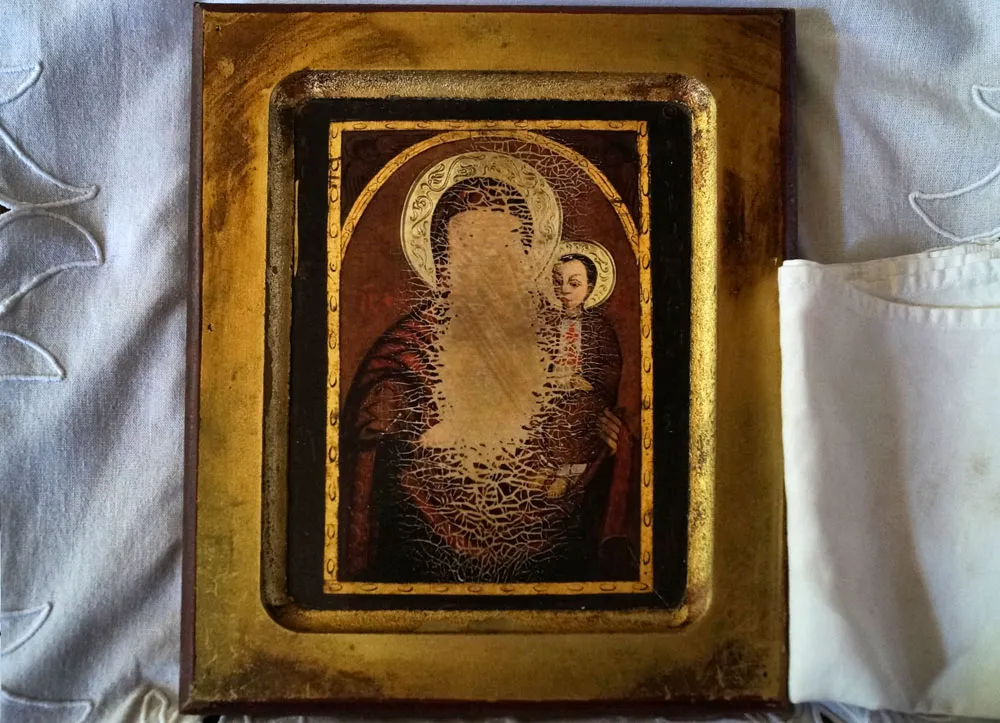
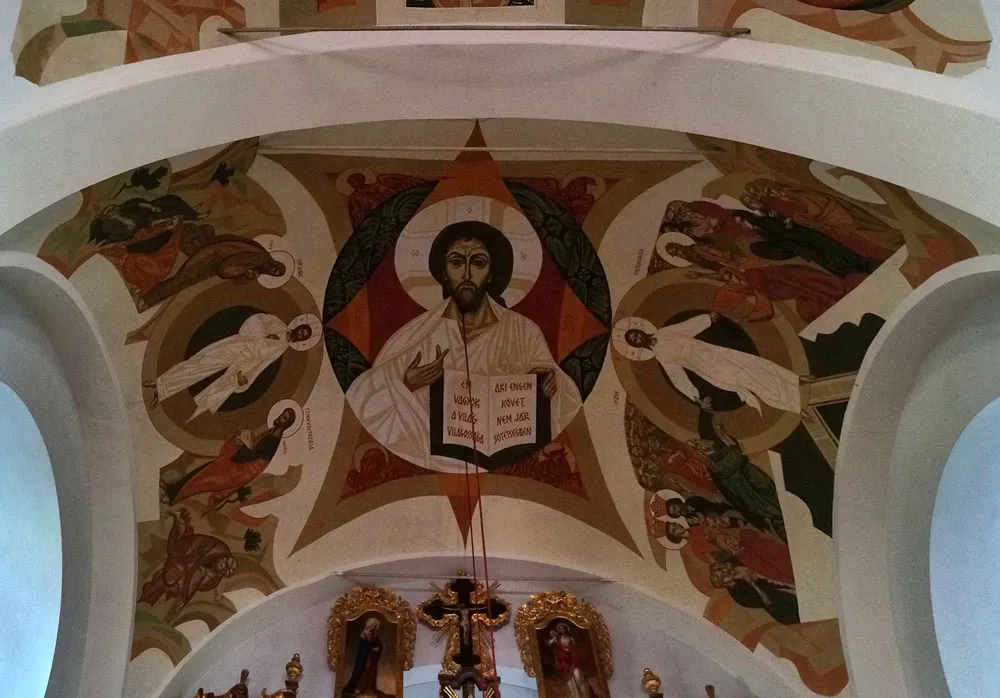
In the town of Hajdúdorog stands a Greek Catholic church built in the mid-18th century, which is now the centre of an archeparchy. In Hajdúdorog nobody knows Ukrainian. Nor English. So we could not ask whether there are Ukrainians in the town. Although we know the answer. Only the incredible iconostasis, with its 54 icons, is a direct witness to the non-Hungarian origin of this church. But no one will say so any more.
So we have found out that there are also Ukrainian ethnic lands on the territory of Hungary – the two north-eastern counties where most of the Greek Catholic eparchies are located. There are almost three hundred thousand people of Ukrainian origin in Hungary, but, unfortunately, they do not consider themselves Ukrainians. And I would also like to remind you what ethnocide is. It is a kind of political behaviour aimed at destroying the identity and culture of a particular ethnic group. Unlike genocide, which achieves the same goal by physically exterminating the people belonging to the ethnic group, ethnocide can be carried out through a set of measures that destroy the systemic ties within a people, pushing its members to switch to another ethnic identity. The greatest effort in carrying out a policy of ethnocide is devoted to destroying national languages – linguicide.
Text and photos by Roman Malenkov


