Katerynivka

· 3 min read
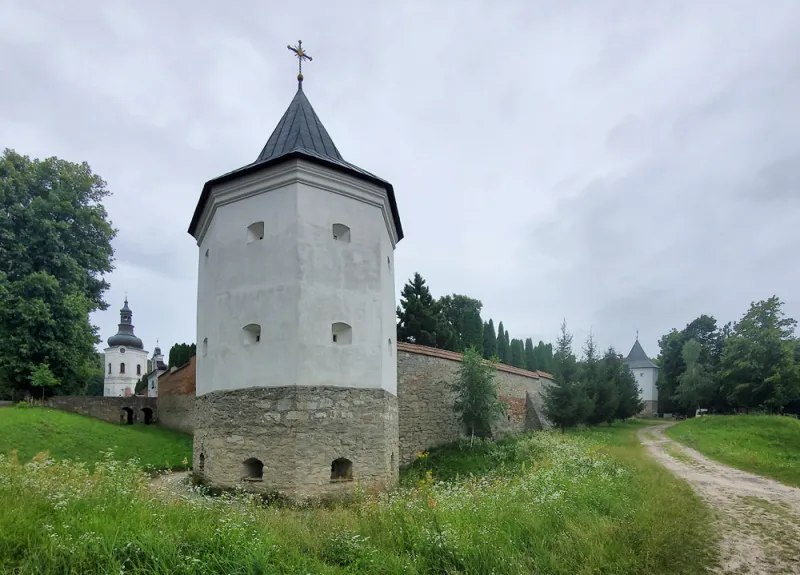
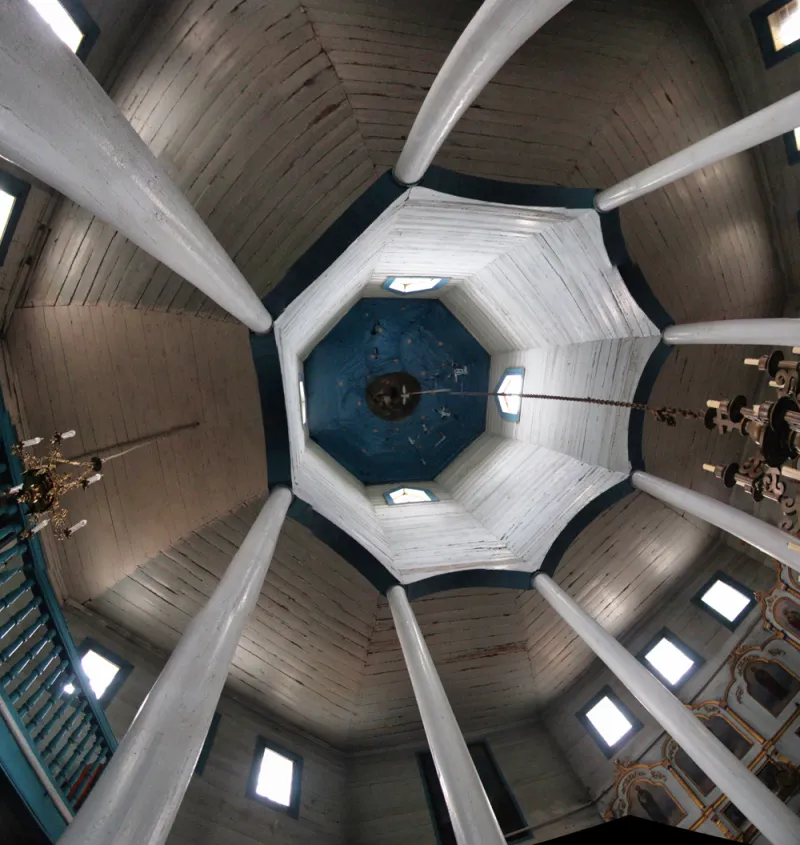
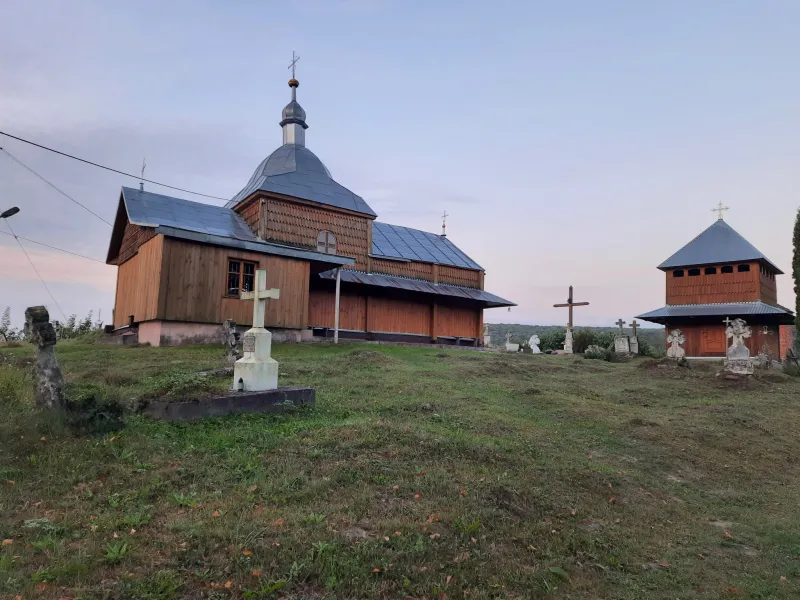
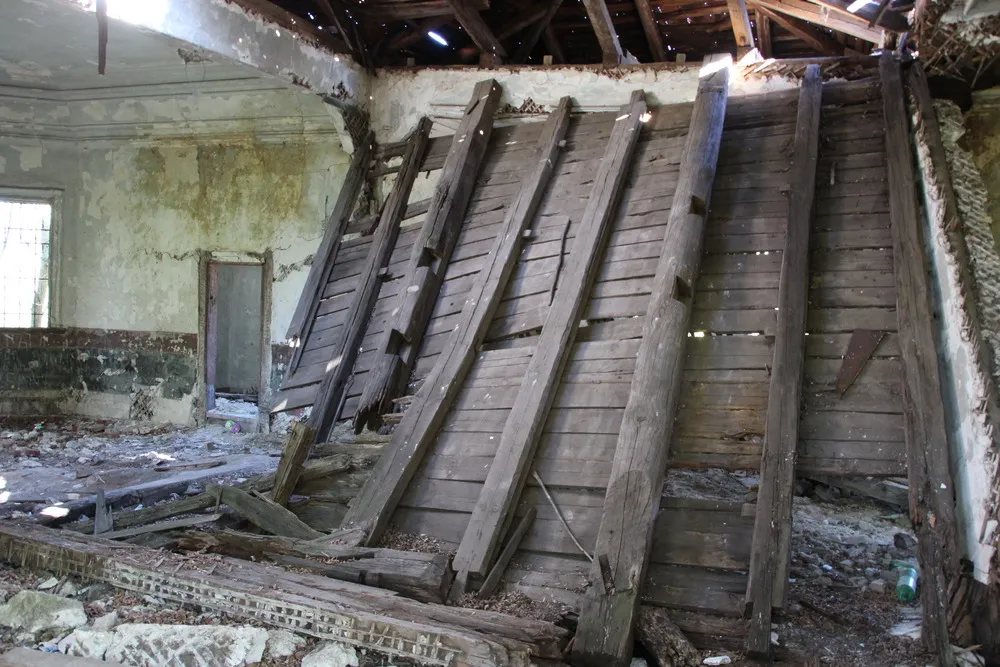
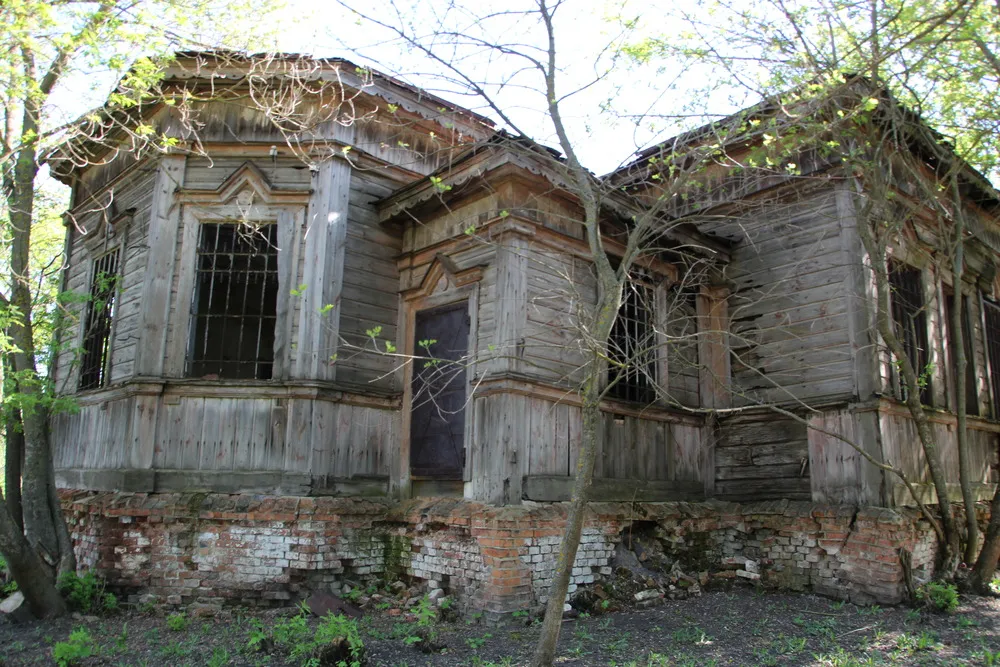
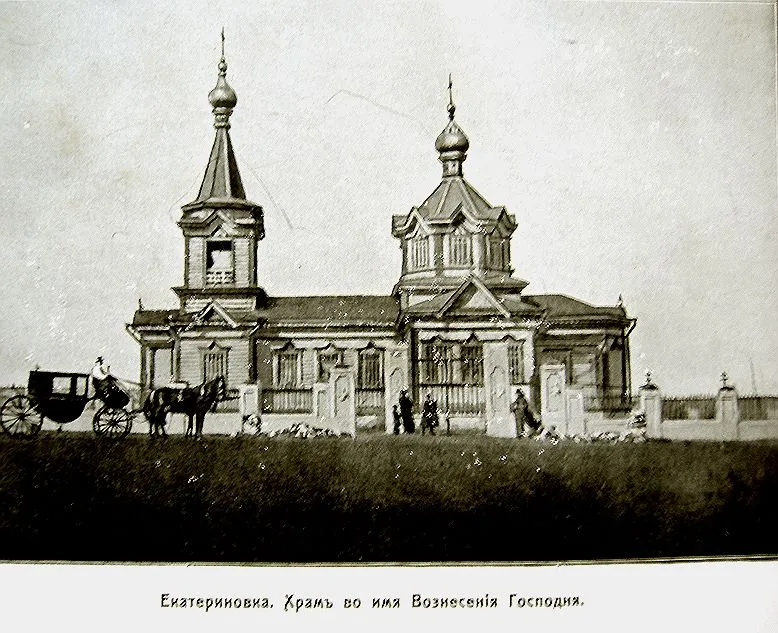
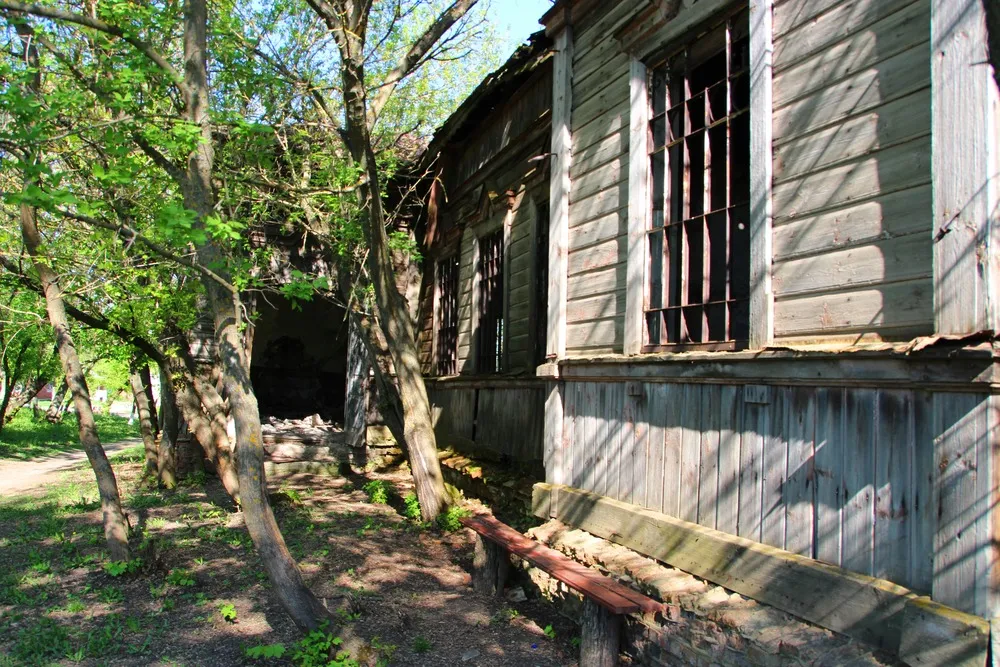
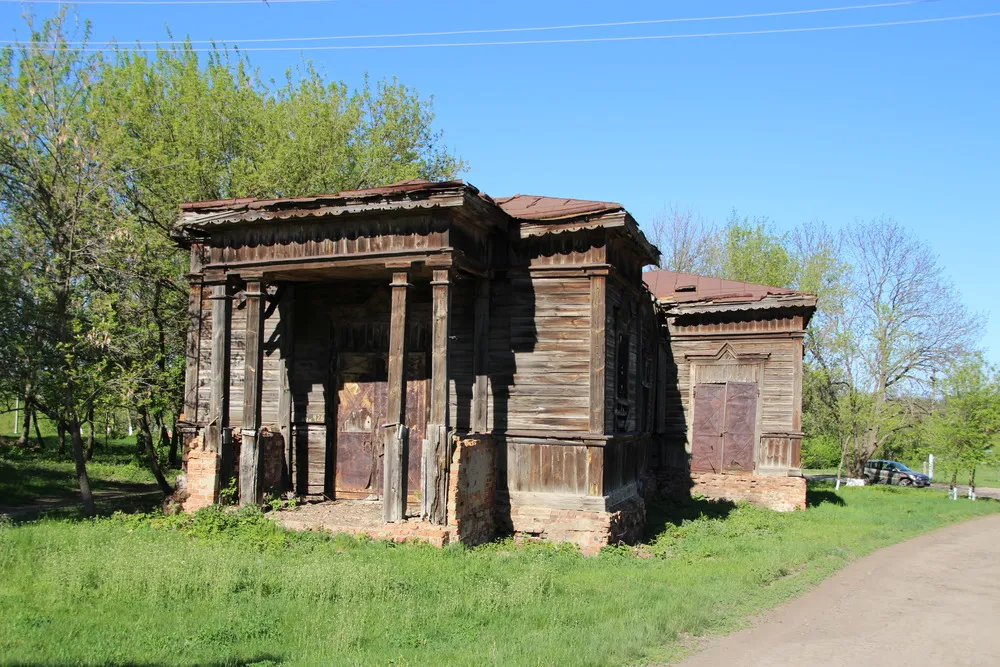
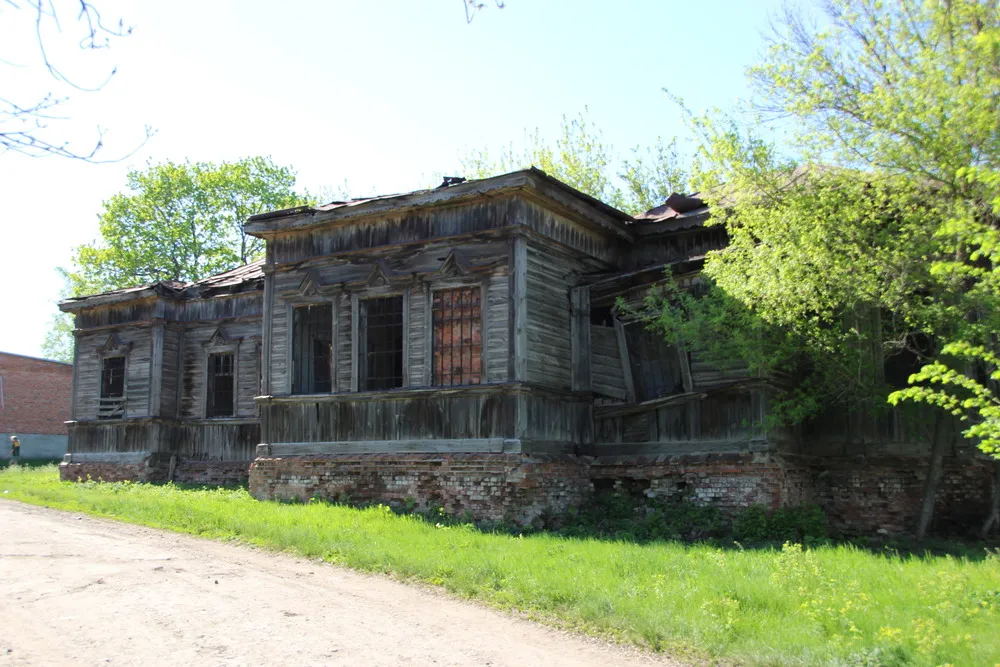
Another sacred ruin. This time in Katerynivka, Velykyi Burluk district. The Church of St. Demetrius of Thessalonica, 1910. Although old postcards indicate that it was the Church of the Ascension of the Lord. When the re-consecration took place, or whether it is another church, remains to be clarified.
Wikipedia, and not only it, says that Katerynivka arose in 1861, when the landowners Mykola Khytrov and Kateryna Zadonska resettled serf peasants from the farmstead of Parkhomivka onto free lands.
And now a question for the curious: how to explain that Kateryna Vasylivna Zadonska, née Nekliudova, the future owner of Velykyi Burluk, was born precisely in Katerynivka in 1834 (as she herself wrote), and that this village was still owned by her grandfather N. V. Nekliudov (1762-1849)?
From a comparatively small village, Katerynivka grew into quite a significant settlement; peasants also settled in other places nearby, creating farmsteads. These were Kreidianka, Klochanka, Pishchanka, Osykove, Shevkiakivka and others. Later they merged with Katerynivka. Although the Zadonskis were the largest owners, by 1917 Katerynivka had as many as 11 other, small landowners, among them Schroeder, Pikov, Rebinder, Selivanov and Korin.
The history of the farmstead of Mykilske is inseparably linked with Katerynivka; for a time they were even united under the name Katerino-Mykilske, but not for long.
Interestingly, at the turn of the 1950s-60s up to 1,700 people lived in Katerynivka; now the village has about 680 residents, and Mykilske 40.
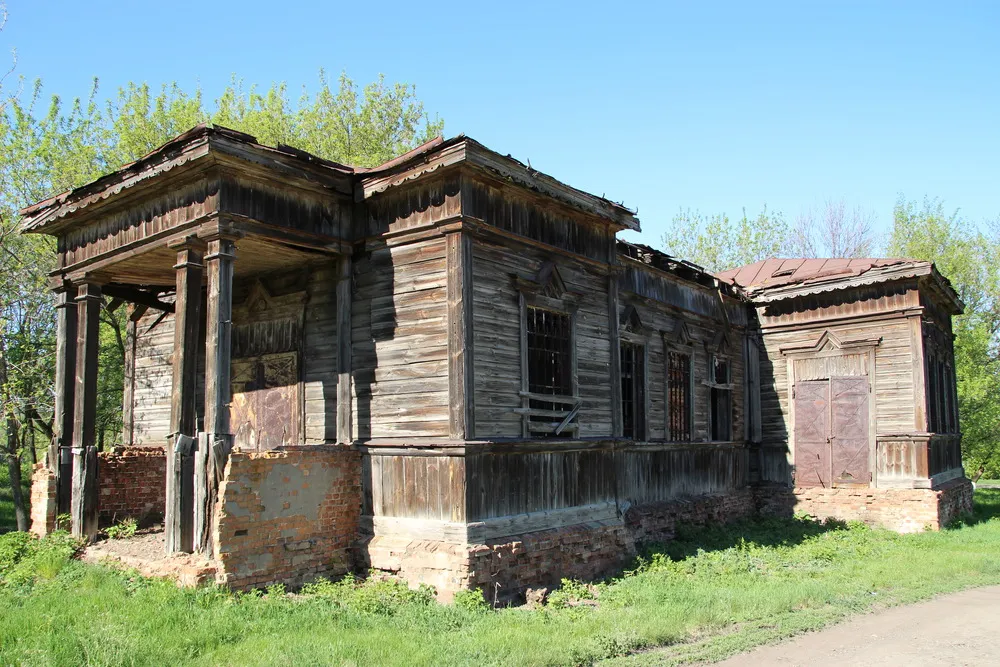
Until recently the manor house of the Nekliudovs-Vadbolskis stood in the village. It was built in 1861 by the owner of Katerynivka, Kateryna Vasylivna Zadonska (perhaps that is why the founding date of the village is given incorrectly). The building had two storeys, with massive walls 50 cm thick. The ground floor was of stone, the upper one of wood. Later, when her daughter Olha (1868-1917) married Prince Oleksandr Vadbolskyi, a titular councillor and former zemstvo official, Kateryna Vasylivna gave the estate to her daughter, but lived with them herself.
The palace in Velykyi Burluk went to her son, Vasyl Andriiovych (1861-1909). Another daughter, Kateryna, married name Kukol-Yasnopolska, lived on her husband’s estates and in St. Petersburg.
Kateryna Vasylivna herself wrote:
“Having divided up my children, I lived with my daughter, Olga Vadbolskaya, in Ekaterinovka, visiting from time to time my son, who lived in Burluk.”
You may ask why we do not mention Kateryna Vasylivna’s husband. The thing is that Andrii Voinovych Zadonskyi lived only 40 years and died in 1870 of progressive paralysis. In the early 20th century the manor was somewhat rebuilt.
The family suffered a great tragedy while staying in Velykyi Burluk in December 1918: a detachment, either of Sakharov’s anarchists or of the Reds, burst into the palace and hacked to death everyone they found – 8 people in all: Kateryna Vasylivna herself, her daughter Olha with her husband, their student sons Andrii and Volodymyr, aged 19 and 15, her sister Yuliia Vasylivna Gagarina (Nekliudova), a friend, Princess Cecilia Valerianivna Henrikova, with her governess Cécile. They did it cynically, allowing them to change clothes, leading them to church (Kateryna Vasylivna was very devout), and first cutting off their ears.
I will tell more about the family when I write about Velykyi Burluk.
The Nekliudov-Vadbolskyi manor was dismantled for bricks around 2011-2012.
The village had, and perhaps still has, a three-class zemstvo school with 90 pupils. It was built in 1905. At that time the head of the zemstvo board of Vovchansk district was Vasyl Hryhorovych Kolokoltsov. It was through his efforts that 153 schools were built and opened in the district; in the pace of improvement and the development of culture and education, Vovchansk district ranked second in the entire Russian Empire. Among these schools was the one built in the centre of the village of Katerynivka. During the Second World War part of the building was demolished by a direct shell hit, but the school continued to function.
Interestingly, the road between Katerynivka and Pishchanka was built in 1914 by Austrian prisoners of war. Among the prisoners in the village there were also many Turks and Kyrgyz.
Authors: Ihor Dorozhko, Maksym Nazarenko, Oleh Hoduna.