The Klykuny return: Lutsk’s bronze watchmen
The Lutsk klykuny are town criers of the Middle Ages and the Renaissance. They proclaimed princely and magistrate decrees, informed residents of important events, and also served as the town watch: they kept order, warned of fires and gave notice of an approaching enemy. A sort of hybrid of media, police and emergency service. With the appearance of newspapers and the creation of specialised police and fire units, the need for klykuny, who in one form or another existed in every respectable town, disappeared. They were forgotten for a long time.
In 2015 the Department of Tourism and Promotion of the Lutsk City Council decided to revive this old legend. Of course, not in the forms it took in the Middle Ages. “Since then the project has developed in two directions,” Kateryna Moisiiuk, head of the city’s Department of Tourism and Promotion, told “UI”. “The first is the revival of the ancient ritual of trumpeting from the tower of Lutsk Castle. Such trumpeters, incidentally, are an old tradition of ancient cities…”
To recall: every day at 12:00, and on weekends again at 18:00, the Lutsk klykun sounds his trumpet from the castle tower. Before the start of the full-scale invasion it was the melody of the song “My Volyn”, and since February 2022 it has been the National Anthem of Ukraine. This restored “klykun-and-magistrate” ritual begins every year on 6 March and ends at the end of November.
Ms Kateryna Moisiiuk explains why exactly this date was chosen to open the annual klykun trumpeting season: “It was on 6 March 1640 that the magistrate issued a decree on collecting funds to maintain the night watch of the Lutsk klykuny,” says the head of the department. “That is why in Lutsk this date became the official Klykun Day.”
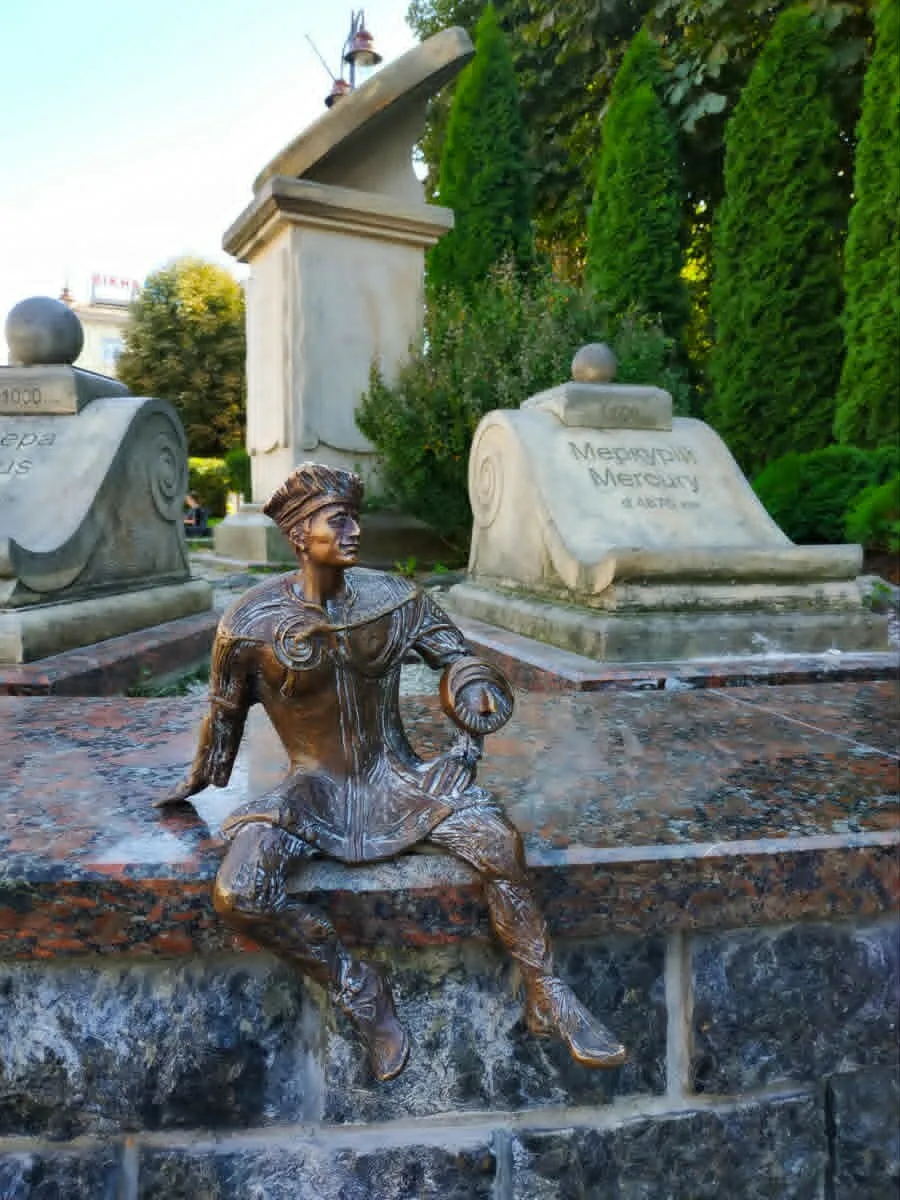
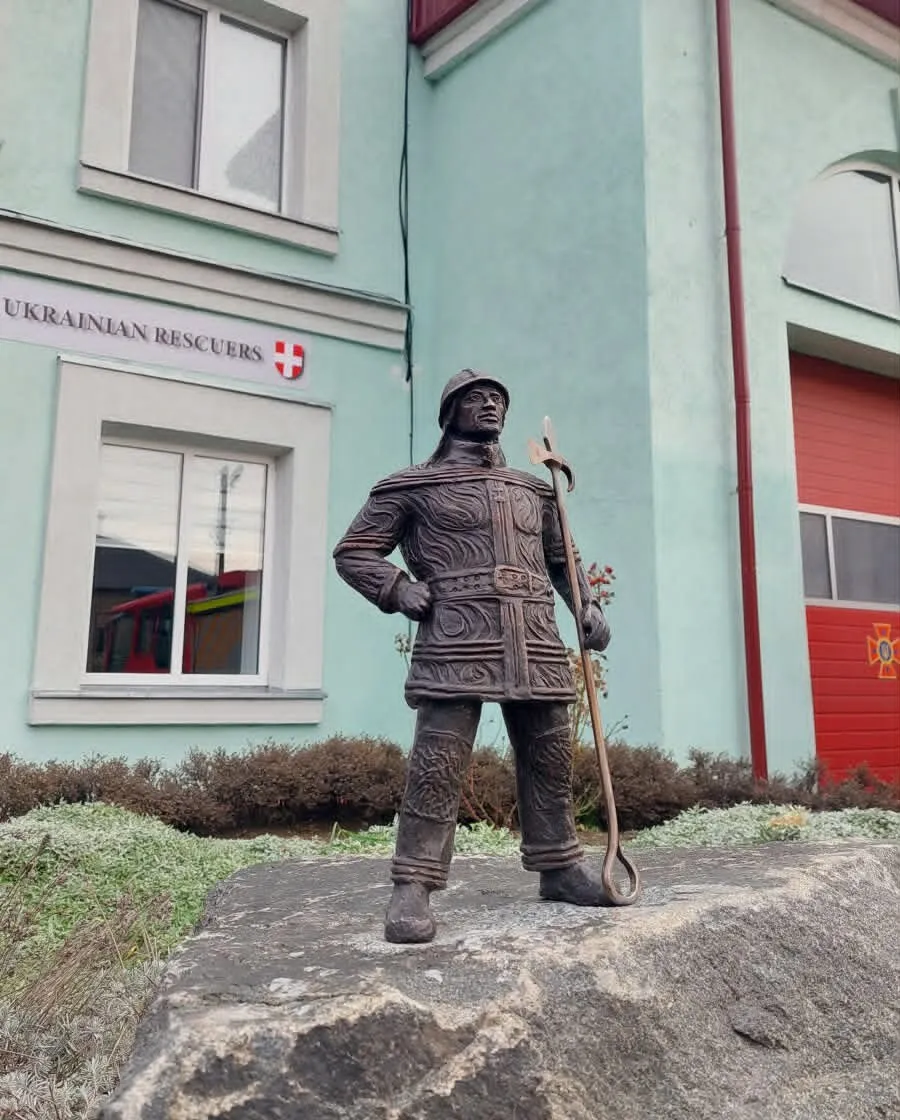
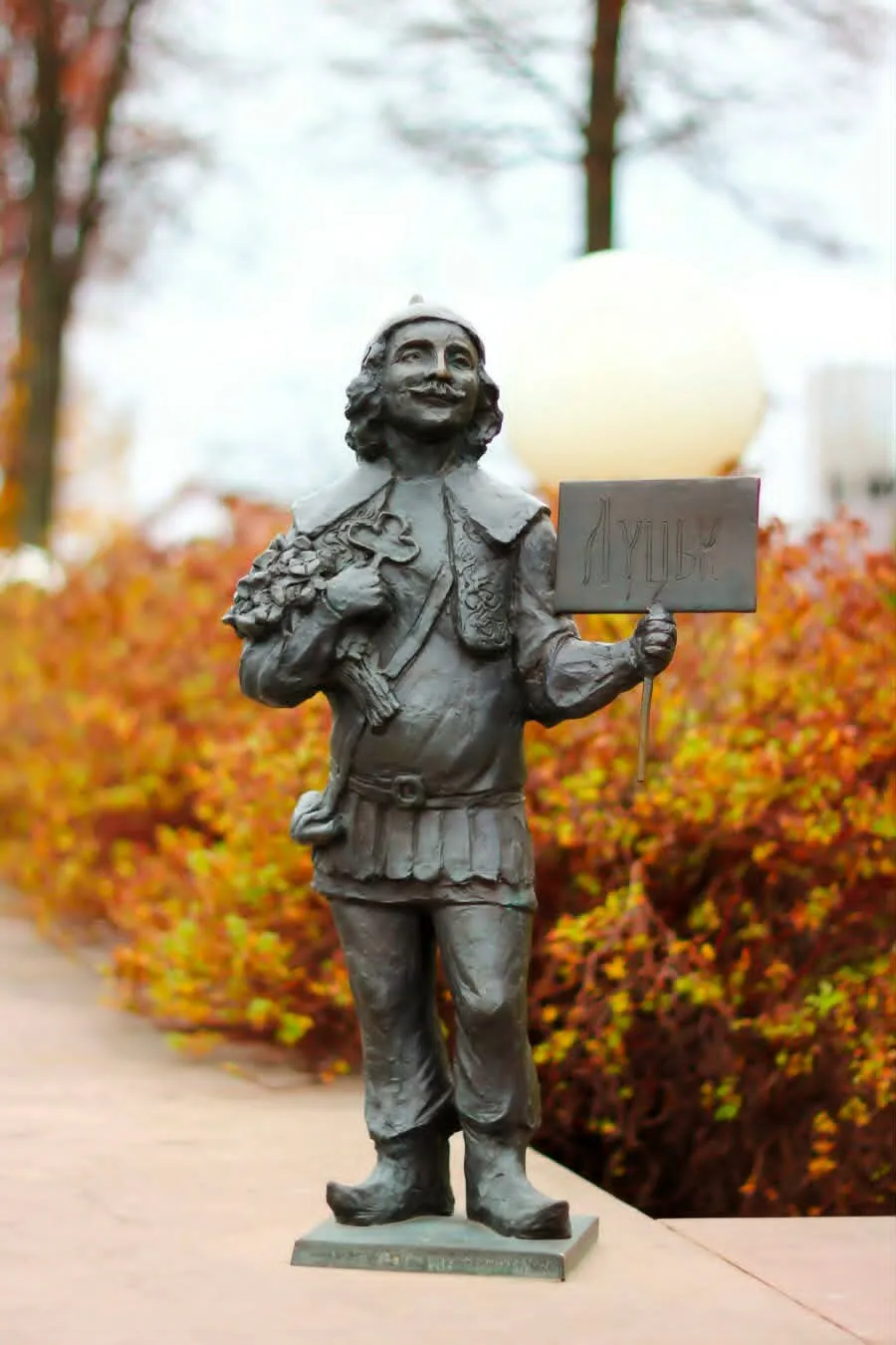
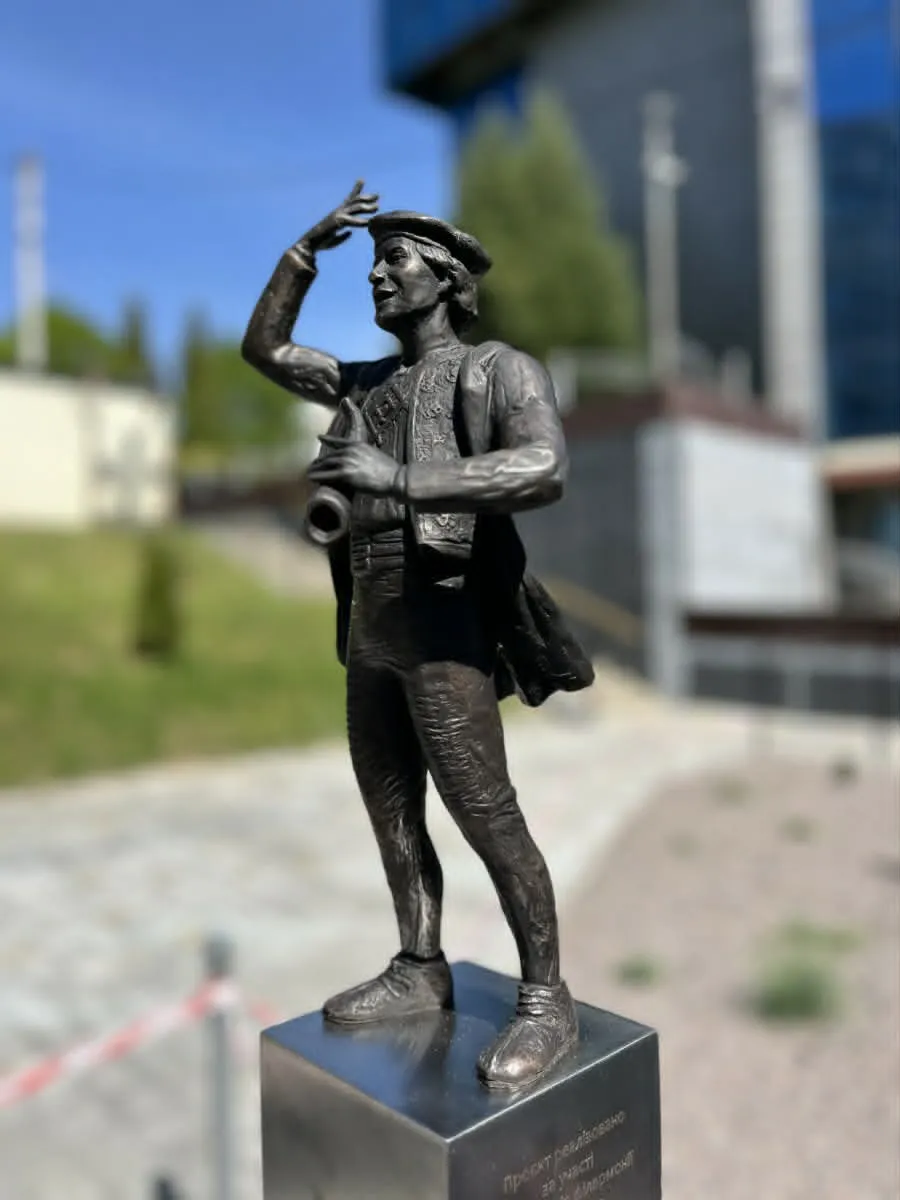
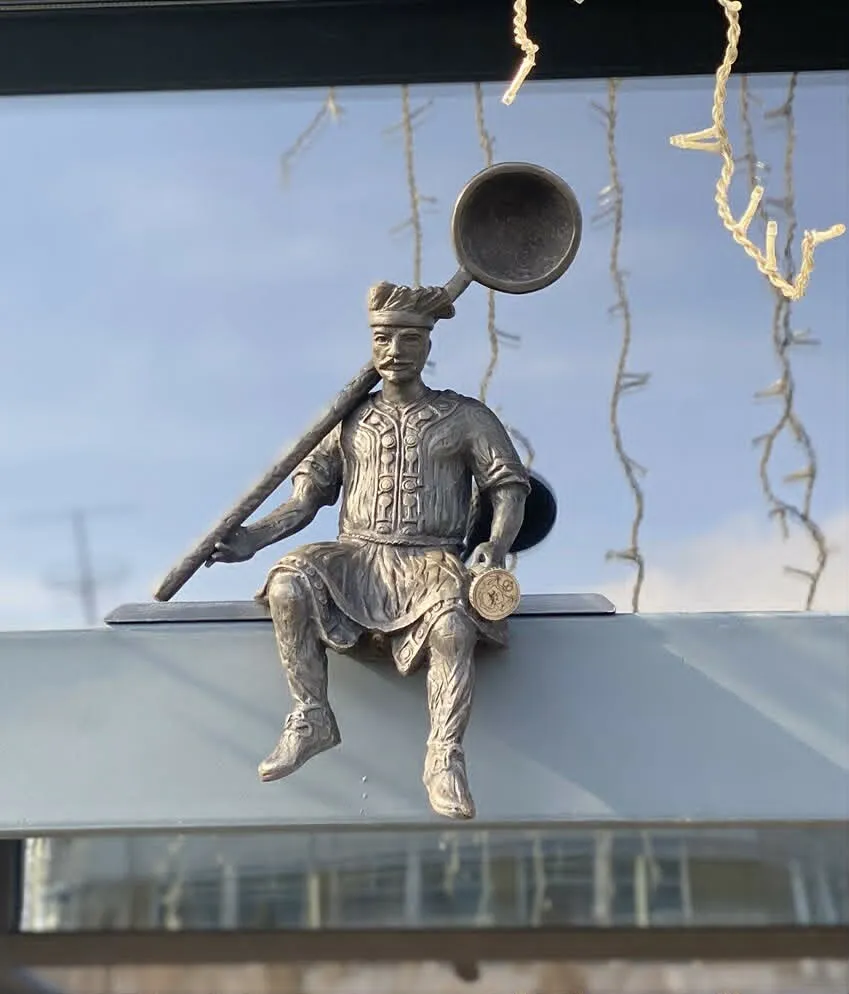
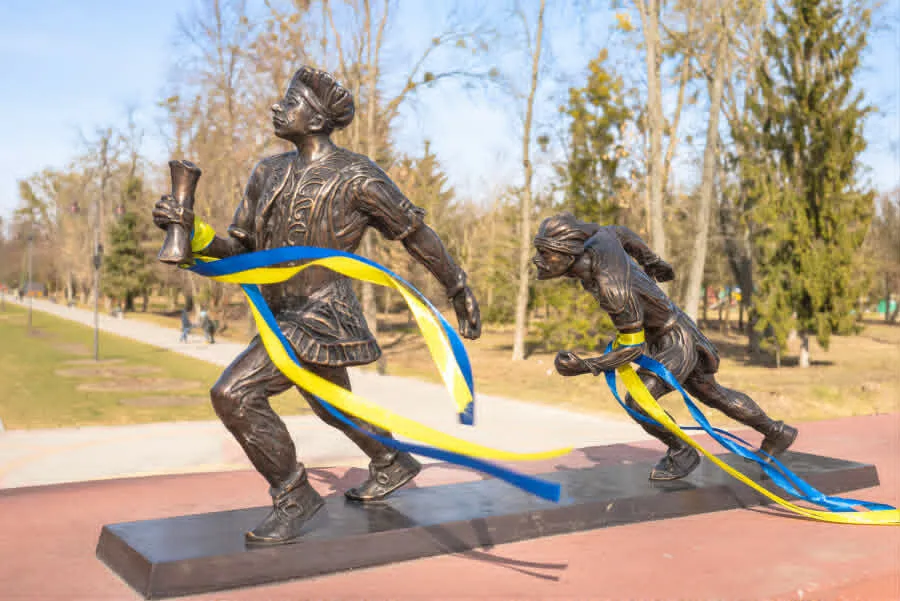
The klykun revival project has another strand: installing bronze statuettes of Lutsk klykuny in various corners of the city. And they are placed not just for beauty or to surprise tourists: “Through these charming characters we tell about individual pages of Lutsk’s history, its traditions and peculiarities,” says Kateryna Moisiiuk. “For example, the klykun Trylinko recalls the unique paving, Trylinsky’s setts. The klykun Vohniar sits on a lamp post and tells about the old profession of lamplighter. The klykun Zirko checks the time against the sundial in the city centre. And the running klykuny installed on the running track of the Lesya Ukrainka Central Park of Culture and Recreation are dedicated to the city’s sporting traditions.”
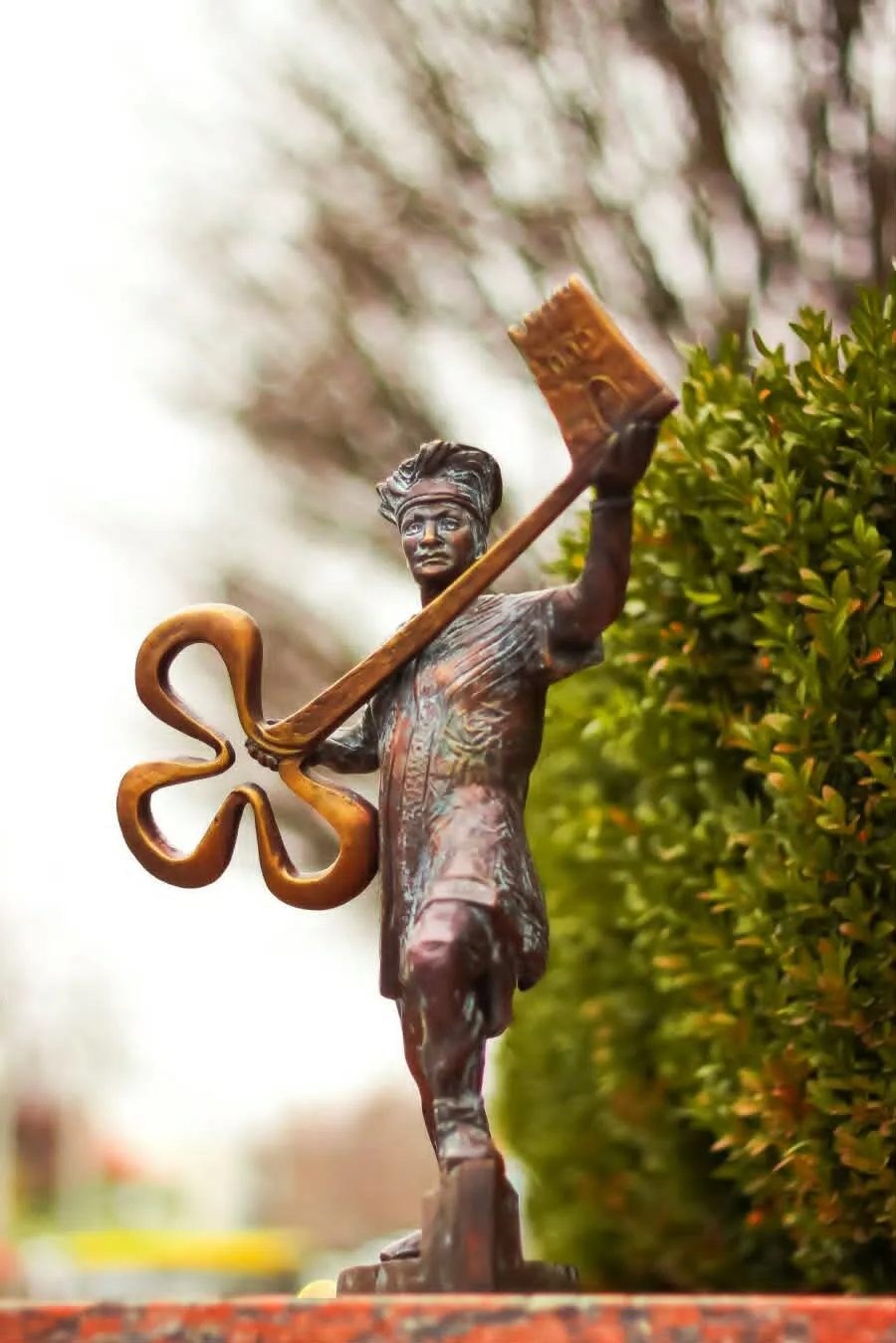
In total, 20 statuettes have been installed in the city. Unfortunately, three of them were destroyed by vandals. So today 17 bronze klykuny have “taken up residence” on the streets, squares and in the parks of Lutsk. As Kateryna Moisiiuk said: “At the same time, there are other klykuny made of other materials, which we also count in the overall collection. All the klykuny are marked on a Google map. Each has a QR code; by scanning it you can read the story of that particular character.”
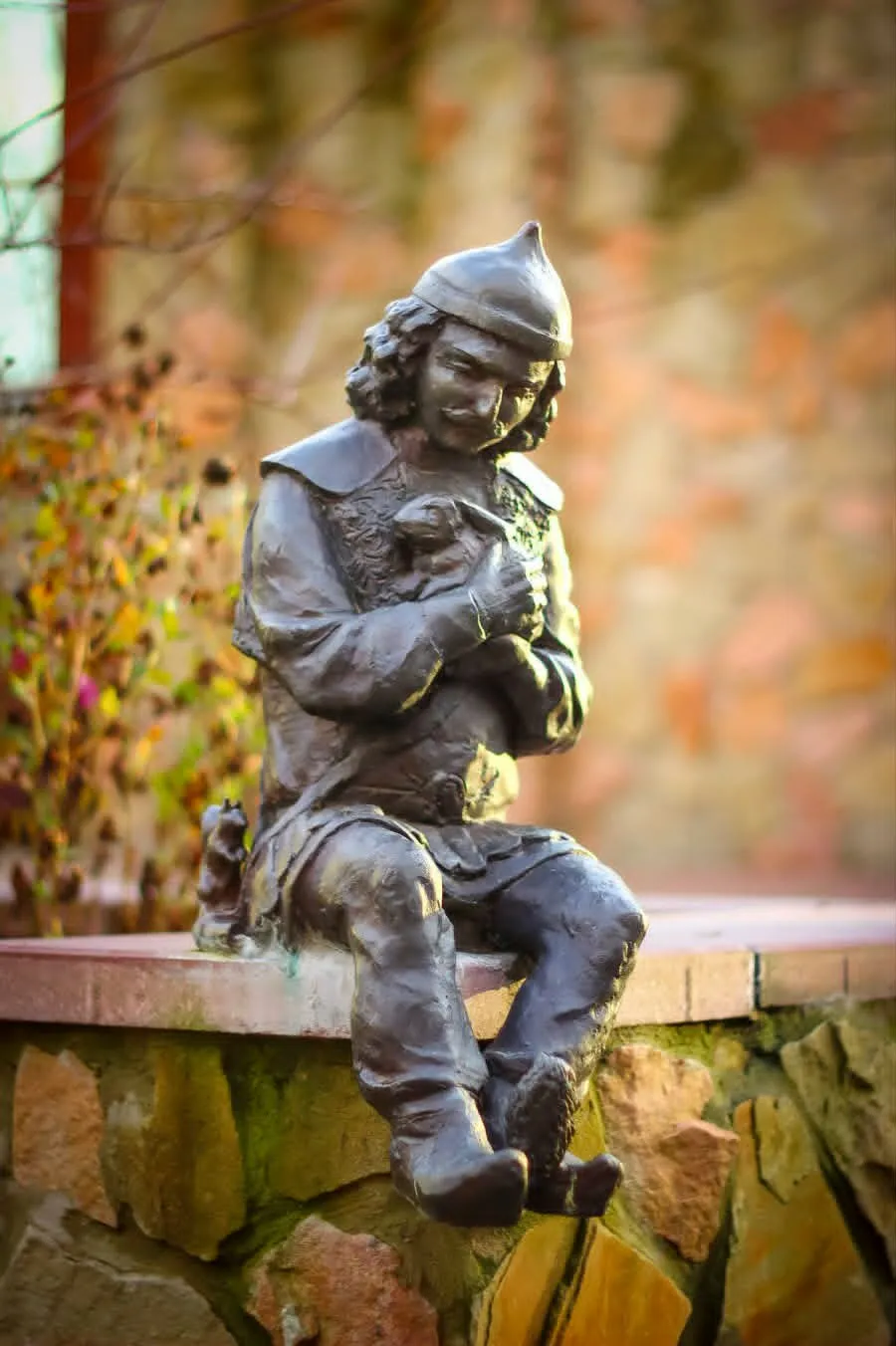
Recently a new klykun, Knyzhko, appeared on the grounds of Lutsk National Technical University. His story is quite complicated. He was first installed in 2020 on Voli Avenue near the main building of the Lesya Ukrainka Volyn National University. But very soon the statuette was stolen.
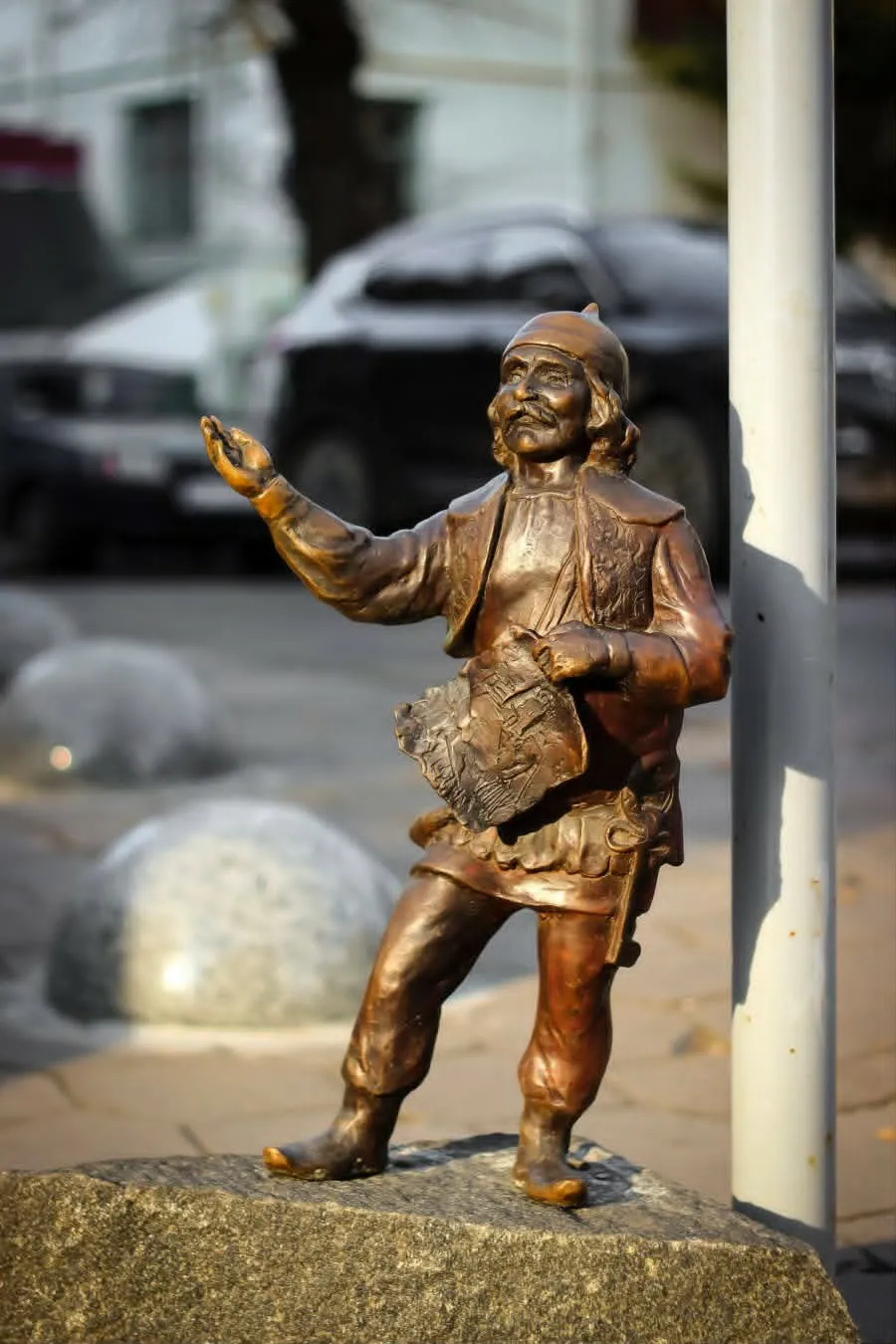
Until 2022, new klykuny were installed mainly with city budget funds or grant programmes. After the start of the full-scale invasion, entrepreneurs and institutions began to join the project actively. “Our Department of Tourism and Promotion helps to develop the concept of a future character and to determine where it will be installed,” says Kateryna Moisiiuk. “It is thanks to such cooperation that Knyzhko returned to Lutsk, now by the central building of Lutsk National Technical University.”.
Two more new klykuny are expected to appear this year. Lutsk residents and visitors will be able to see them very soon. The klykuny have become so beloved by locals that they have become part of modern city culture. Lutsk holds tours called “In the Footsteps of the Lutsk Klykuny” and themed quests, and the characters themselves become heroes of educational and cultural projects.