

Kupychiv. Two churches and none

· 3 min read
Today Kupychiv is a village in Kovel district of Volyn Oblast with about eight hundred inhabitants. In the past it was a small town with two churches, a Polish one and a Czech one. Neither now functions as a Roman Catholic church: the Czech one houses the Church of the Transfiguration of the UOC-MP (2021), and the other, which was a mill in Soviet times, is now closed.
The town of Kupychiv, located in the Volhynian Voivodeship, was in 1570 the property of the lords of Volodymyr.
In the 1870s Kupychiv was settled by Czech immigrants. In the Polish interwar period the town was the seat of the Kupiczów gmina of the Kowel county of the Volhynian Voivodeship. Until 1936 the part of the town where the Czechs lived was set apart as a separate administrative unit, Kupiczów Czeski.
During the Second World War more than 1,200 Czechs lived in the village on a separate street, along with 80 Jewish families and Ukrainians. The German occupiers used the Jews for work on the surrounding estates. In August 1942 Ukrainian policemen under the command of two Germans collected a contribution from the Jews and then drove them toward the village of Sushybaby, where they were all shot near the Orthodox cemetery.
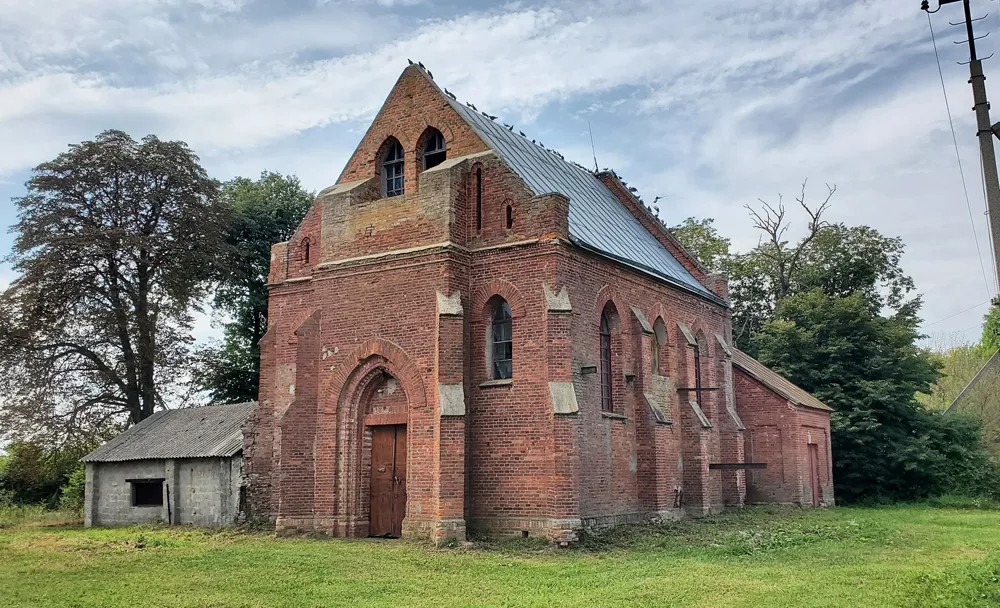
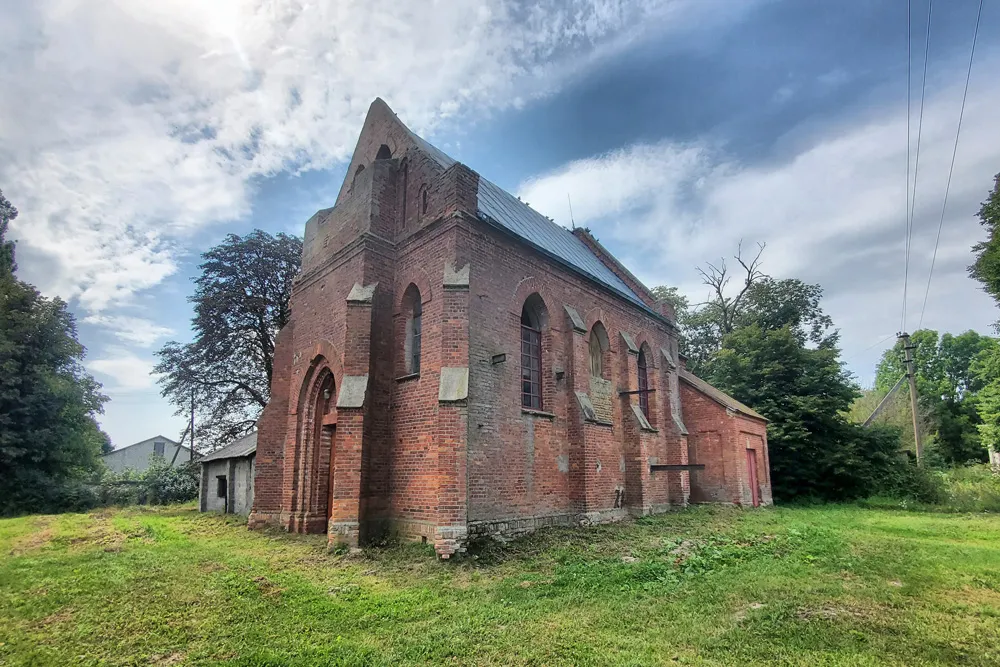
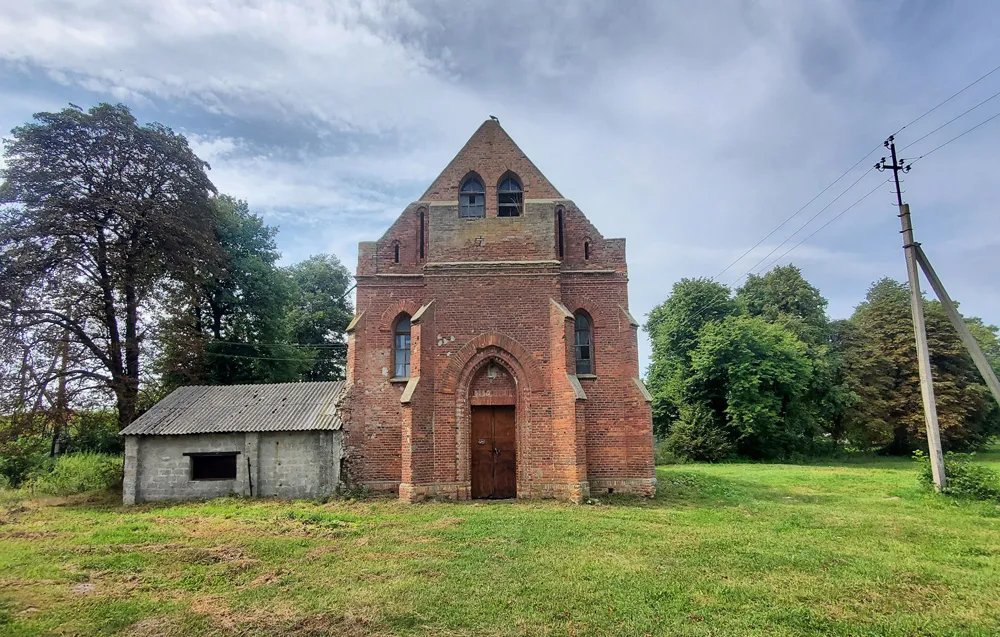
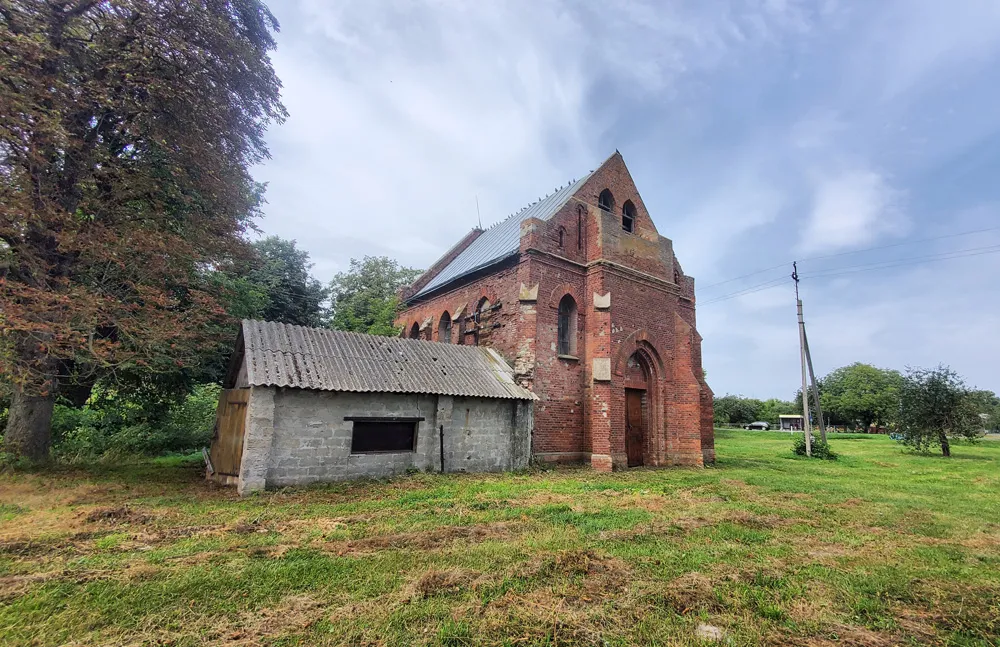
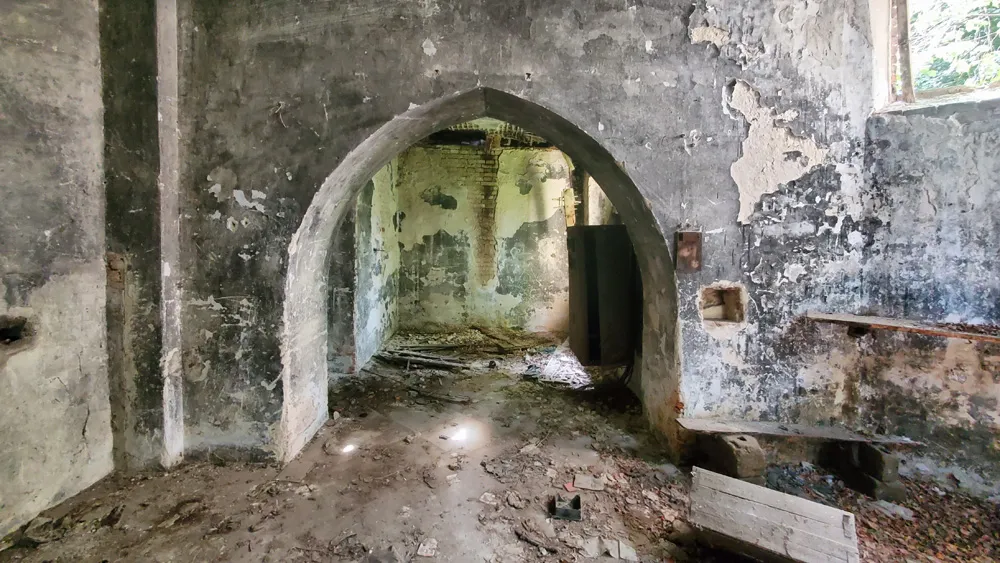
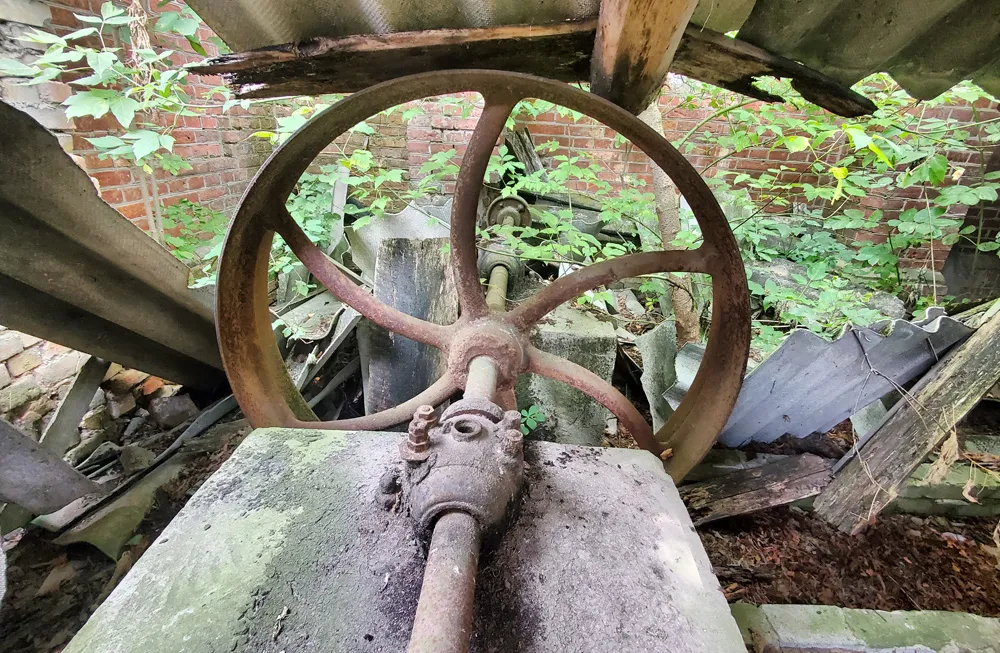
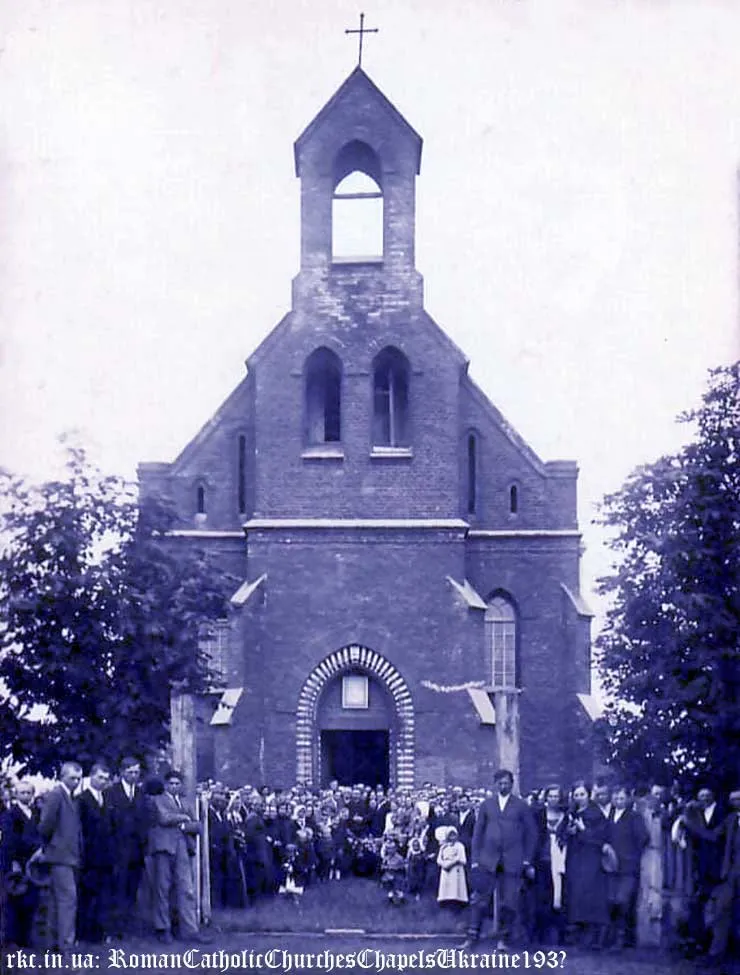
The former Church of St. Wenceslas (1907-1911).
During the Volyn tragedy the Czechs of Kupychiv sided with the Poles. Therefore the UPA attacked Kupychiv twice (on 12 and 22 November 1943). Each time the village’s self-defense was helped by a unit of the Home Army under Władysław Czermiński, “Jastrzębia”. After cooperation with the Home Army was established, a Polish-Czech detachment of about 100 people, subordinate to the command in Zasmyki, was formed in Kupychiv. The Czechs took in a number of Polish refugees. This is how the history of Kupychiv is described by Polish Wikipedia. Knowing the attitude of the Poles toward the Volyn tragedy, we are not sure of the reliability of this information, but we are not claiming it is false either.
The former Church of St. Wenceslas (1907-1911).
The settlement of Kupychiv is known in documents from the 1570s. Three centuries later, in the 1870s, Czechs also settled here, but in 1947 they returned to their homeland. Today more than eight hundred people live in the village, and it belongs to Kovel district (formerly part of Turiisk district).
The local Roman Catholics (mostly Czechs) belonged to the parish of the Immaculate Conception of the Blessed Virgin Mary in Kysylyn. The brick Neo-Gothic branch church in Kupychiv arose in 1907-1911 thanks to the landowners Václav Pomorský, a Czech who financed its construction, and Zygmunt Chmielewski, a Pole who purchased the bricks for the church. In 1928 an independent parish was established here.
In the 1930s and the first half of the 1940s it was served by the parish priest Fr. Bonawentura Burzmiński, who cared for about two thousand Latin-rite Catholics in almost thirty neighboring villages. After the war the church was used as a mill. Today the former Roman Catholic church is an auxiliary building of the local agricultural production cooperative.
Source: Churches and chapels of Ukraine
In 1933-1938 the Czech settlers built an Evangelical church in Kupychiv, which they later (in 1947), when leaving the village for their ancestral homeland, handed over to the village’s Orthodox community. It is now the Holy Transfiguration Church (in 2021 it belonged to the UOC-MP).
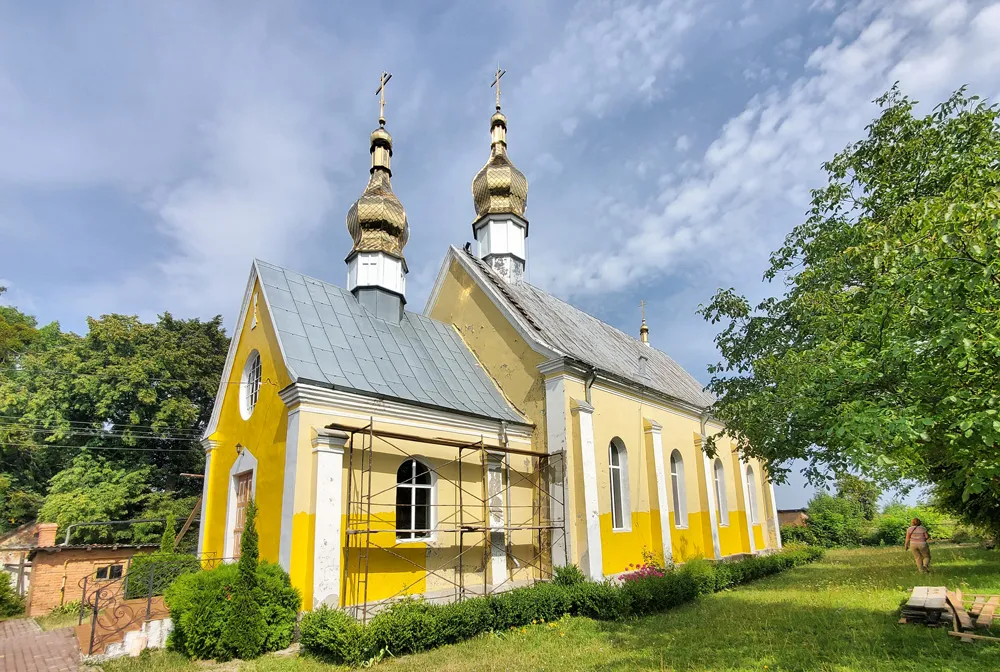
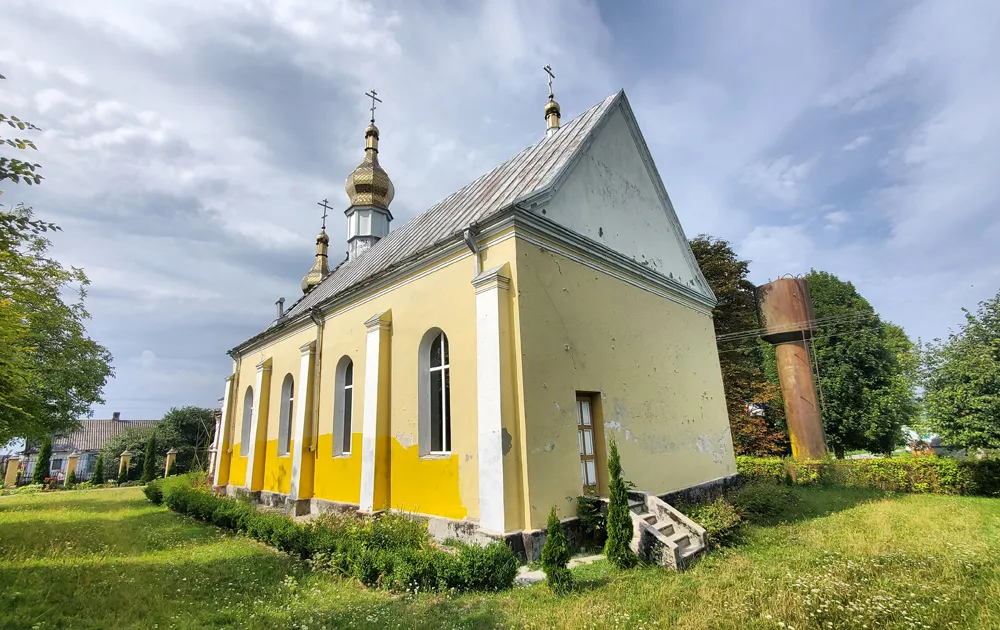
The former Czech church
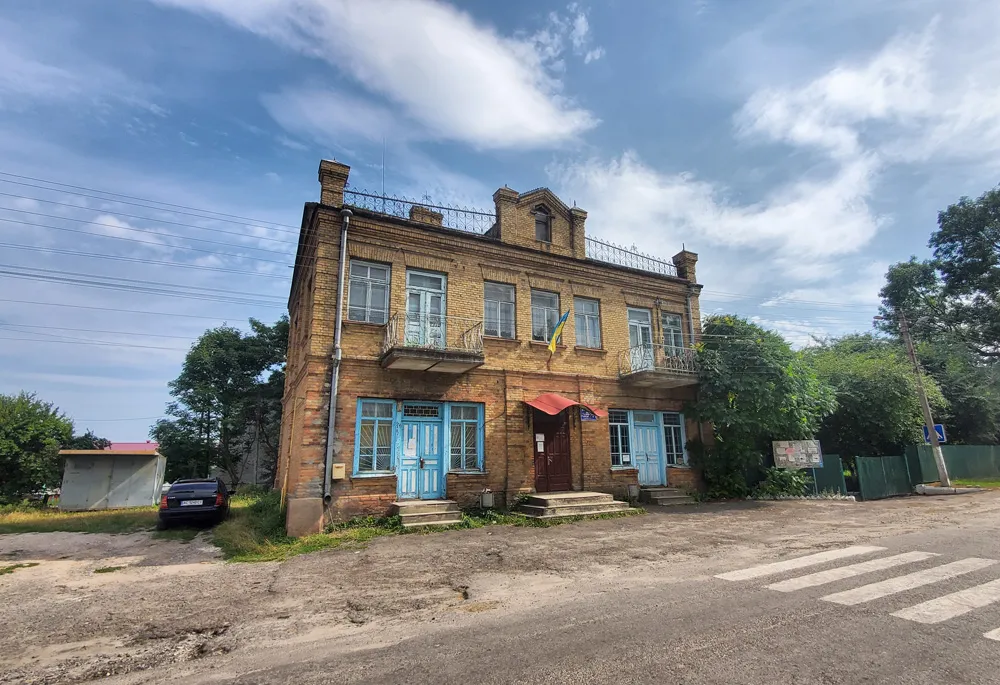
Buialskyi’s house
An adornment of the village center is the two-story brick house of the Czech Buialskyi, built in 1932-1937. During the war two aerial bombs fell nearby; they tore off only the balconies on the east side, while the house stood firm and did not even crack. At present it houses the village council, a post office branch and a telephone exchange, and on the second floor the village council.
Source: ua-travels.livejournal.com
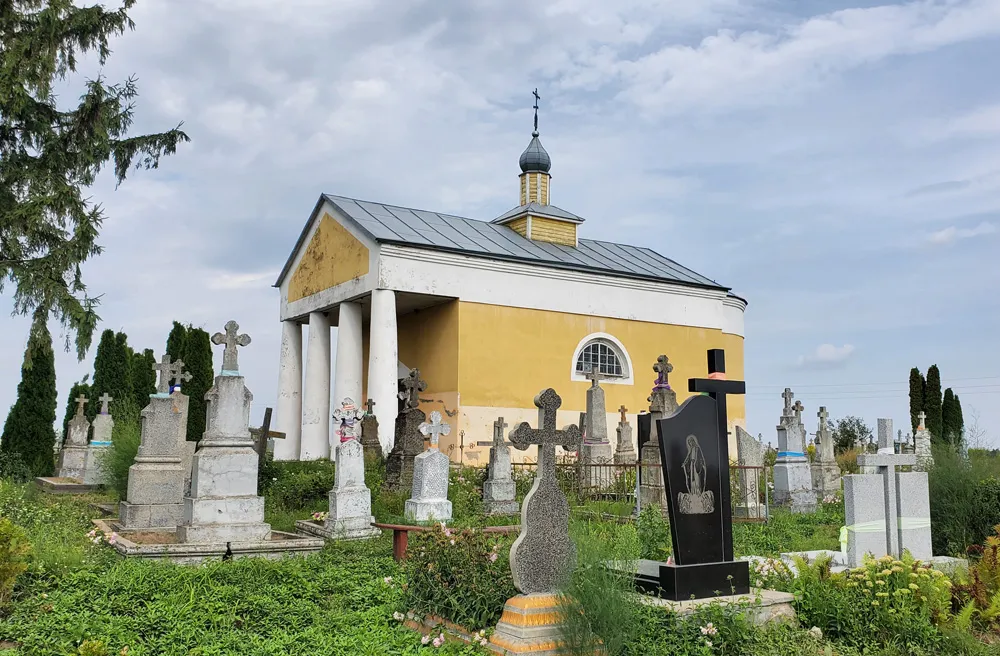
Kupychiv also has the Trinity cemetery church, built around 1925.
All photos by Roman Malenkov


