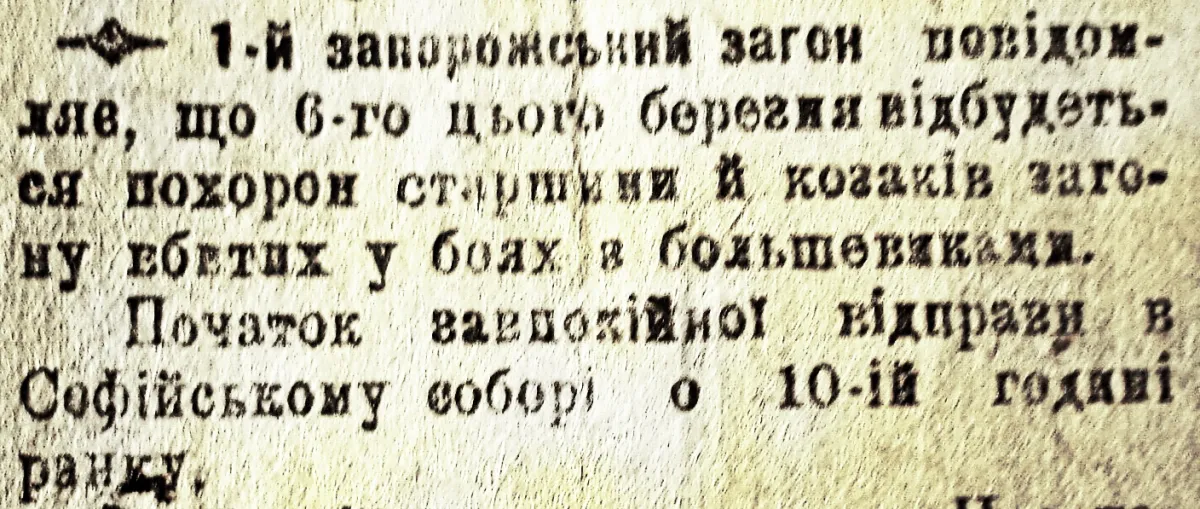
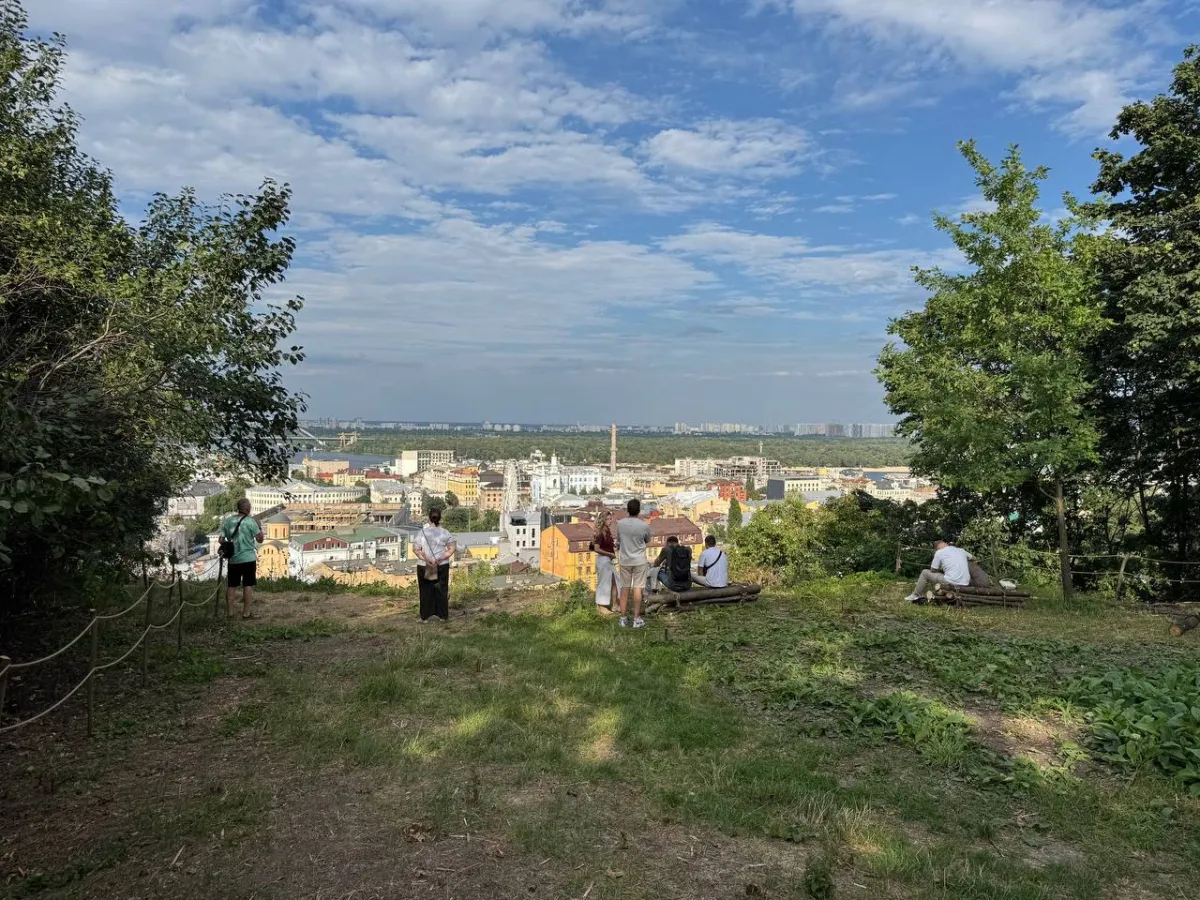
Grave of the Bohdanivtsi soldiers on Zamkova Hora
In the modern history of Ukraine, the first in an endless series of graves of Ukrainian soldiers killed at the hands of the Russians was the grave of the Bohdanivtsi Cossacks, which appeared in 1917.
---
The February Revolution in Russia in 1917 led to a surge of national revival in Ukraine, including in the military milieu. Let us recall that the First World War was still going on at the time, and it was precisely the military milieu that was the most influential.
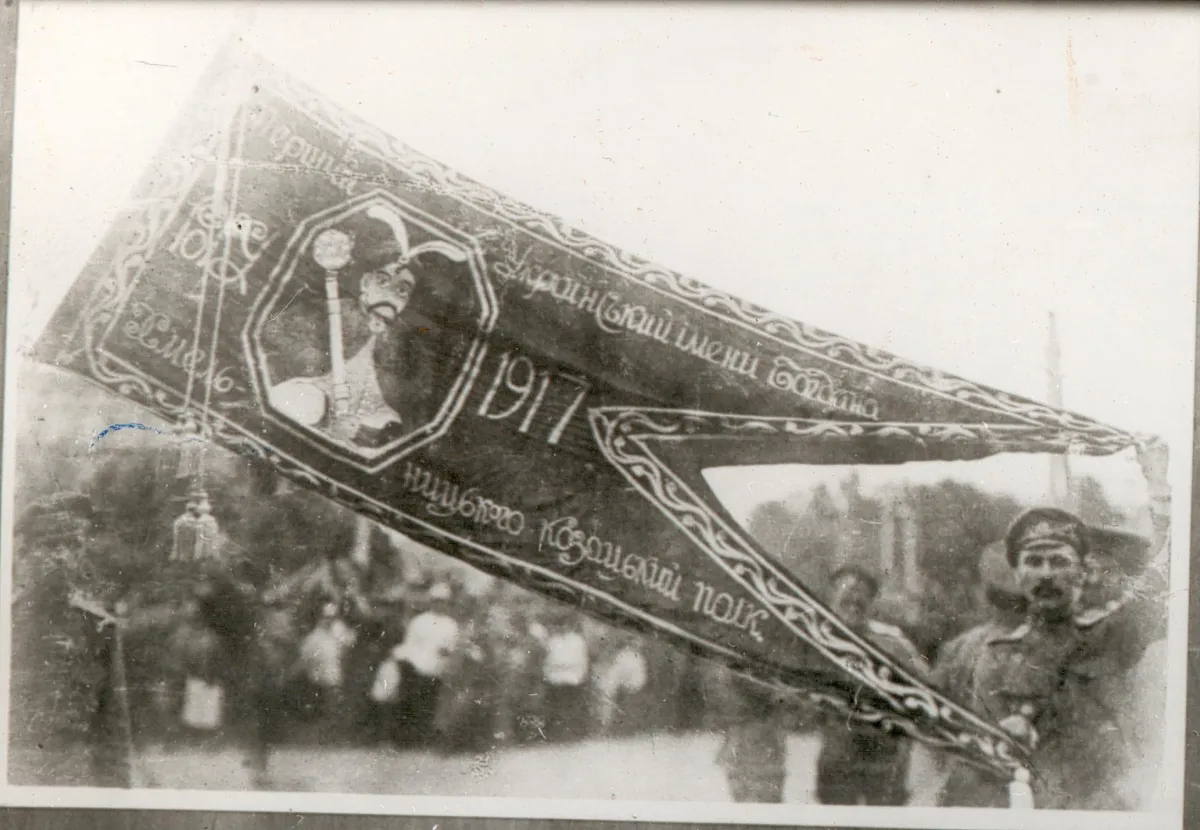
In March a military assembly resolved to organize the First Ukrainian Volunteer (Okhochekomonnyi) Regiment. Soon about three thousand soldiers and officers gathered at the assembly point in Kyiv and declared to the command of the Kyiv Military District their wish to form the first infantry regiment named after Hetman Bohdan Khmelnytskyi.
---
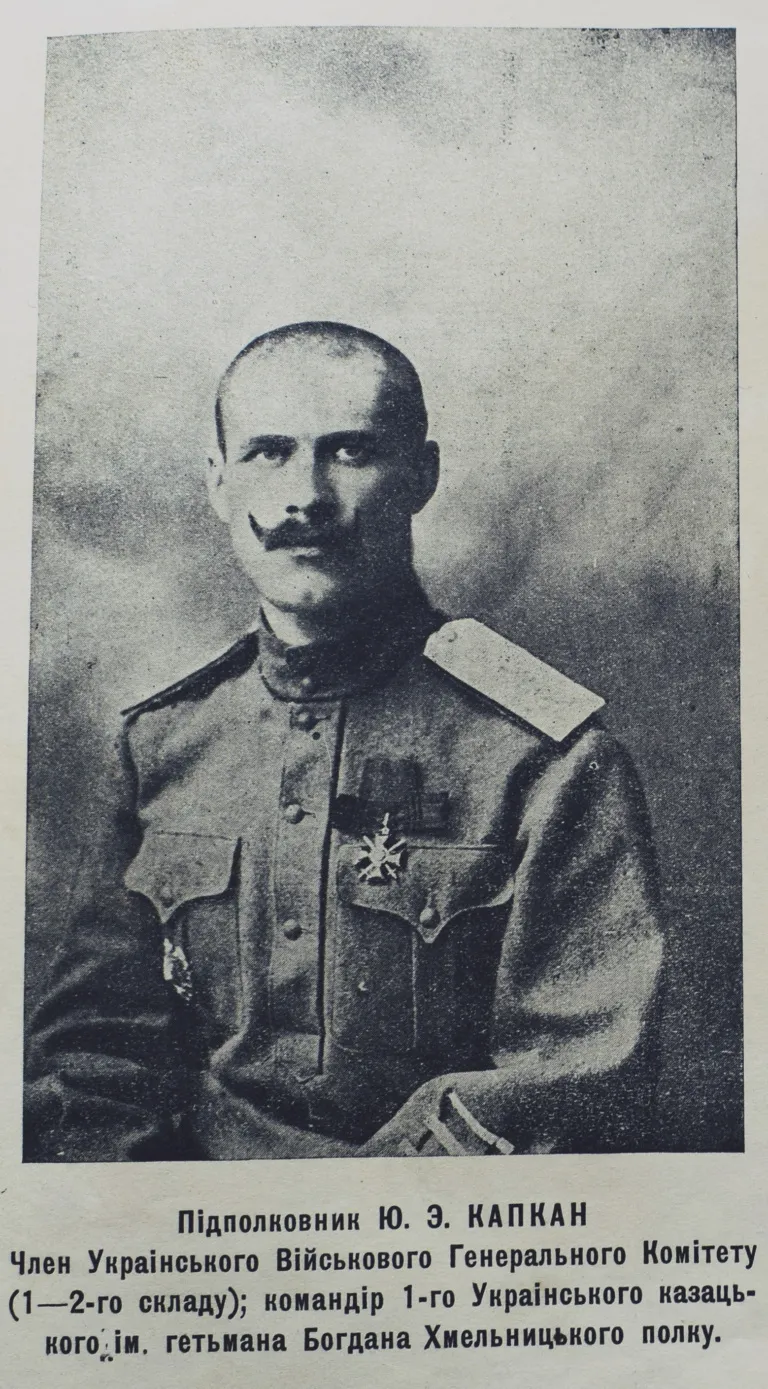
On 4 May, after a meeting with representatives of the Ukrainians, the commander of the (Russian) South-Western Front, General Aleksei Brusilov, officially permitted the formation of the regiment, but with the proviso that only five hundred men were to remain in the Kyiv garrison: the Russians feared “Mazepism”, and a large number of Ukrainian soldiers in Kyiv frightened them. Lieutenant Colonel Yurii Kapkan was appointed regiment commander. Later other Ukrainianized regiments began to appear. Given the situation at the front, the Russian command allowed it: as long as they fought for Russia, what difference did it make under what name they were sent to their deaths.
---
In early August, the Russian command, to be on the safe side, packed almost all of Kyiv’s Ukrainianized units off to the front. In their place a regiment of Russian cuirassiers and a regiment of Don Cossacks were brought into Kyiv.
On 8 August it was the Bohdanivtsi’s turn: they were sent off in two trains, having been given almost no ammunition. The first train left Kyiv, but the second was not allowed to. Russian cuirassiers and Don Cossacks shot at the train with machine guns set up beforehand on the elevations above the railway. The wooden wagons could not protect the Ukrainians, and 18 Bohdanivtsi were killed. Later, at Post-Volynskyi station, the cuirassiers and Don Cossacks surrounded the shelled train.
---
After disarming them, the Russians beat the Ukrainians with rifle butts and cut some down with sabres. After that about three hundred Bohdanivtsi were arrested and went on being abused, the Russians shouting: “We’ll show you autonomy, you Khokhol mugs.” How many Ukrainians the Russians killed then is not known for certain, since they almost immediately began to cover up the traces of the crime, burying the bodies of the dead in people’s vegetable gardens.
---
The Ukrainians called that massacre a St. Bartholomew’s Night. The outrage was enormous. “With our blood we will not yield to strangers the right to rule in Kyiv and to spill the blood of Ukraine.” So the newspapers wrote at the time.
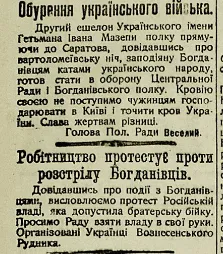
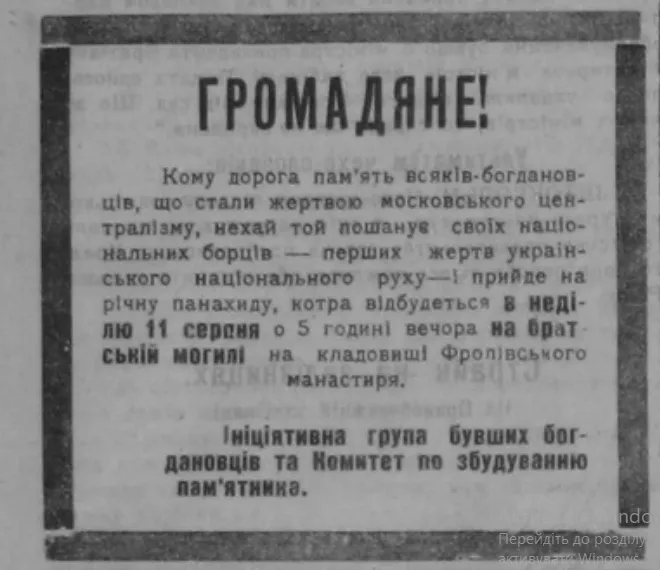
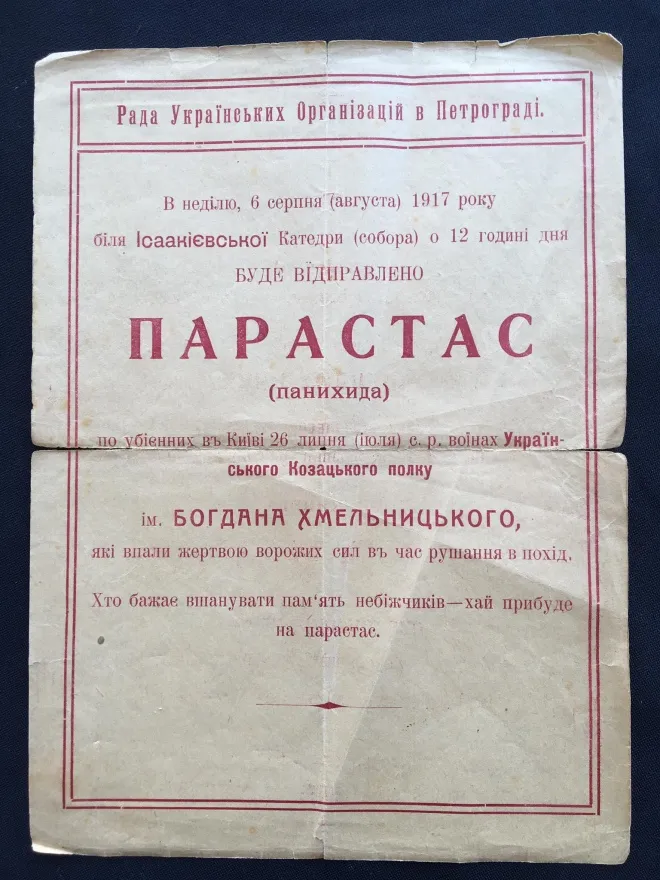
The murder of the Bohdanivtsi so stirred the Ukrainians that, for the first time after several centuries of occupation and colonization, hundreds of thousands of people in Kyiv called the Russians strangers.
---
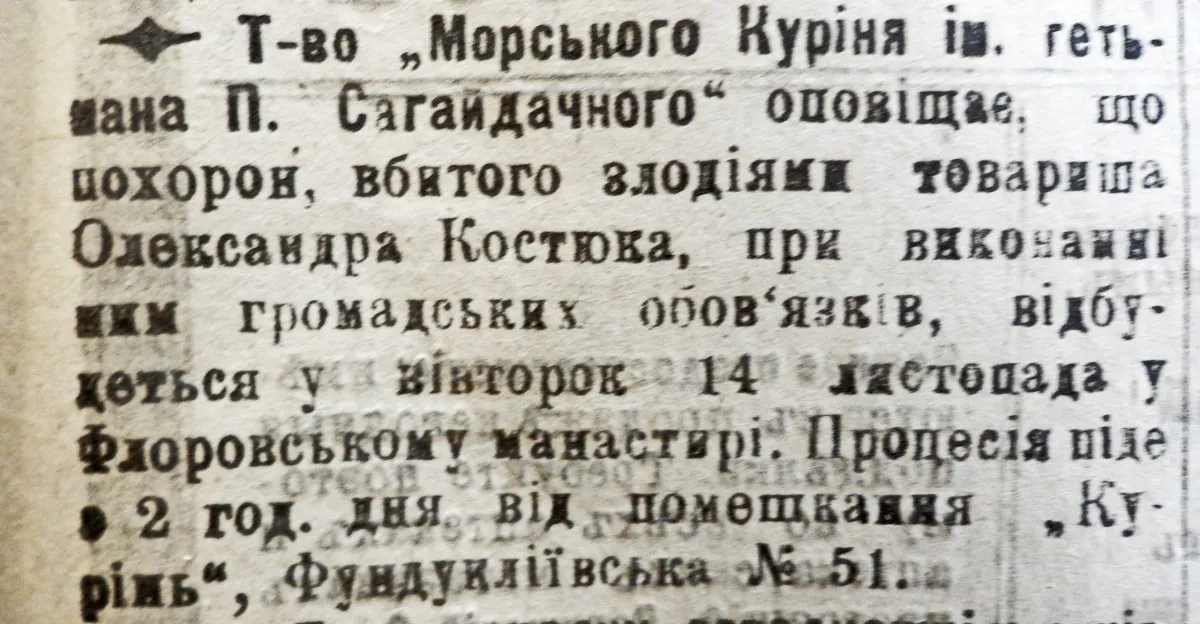
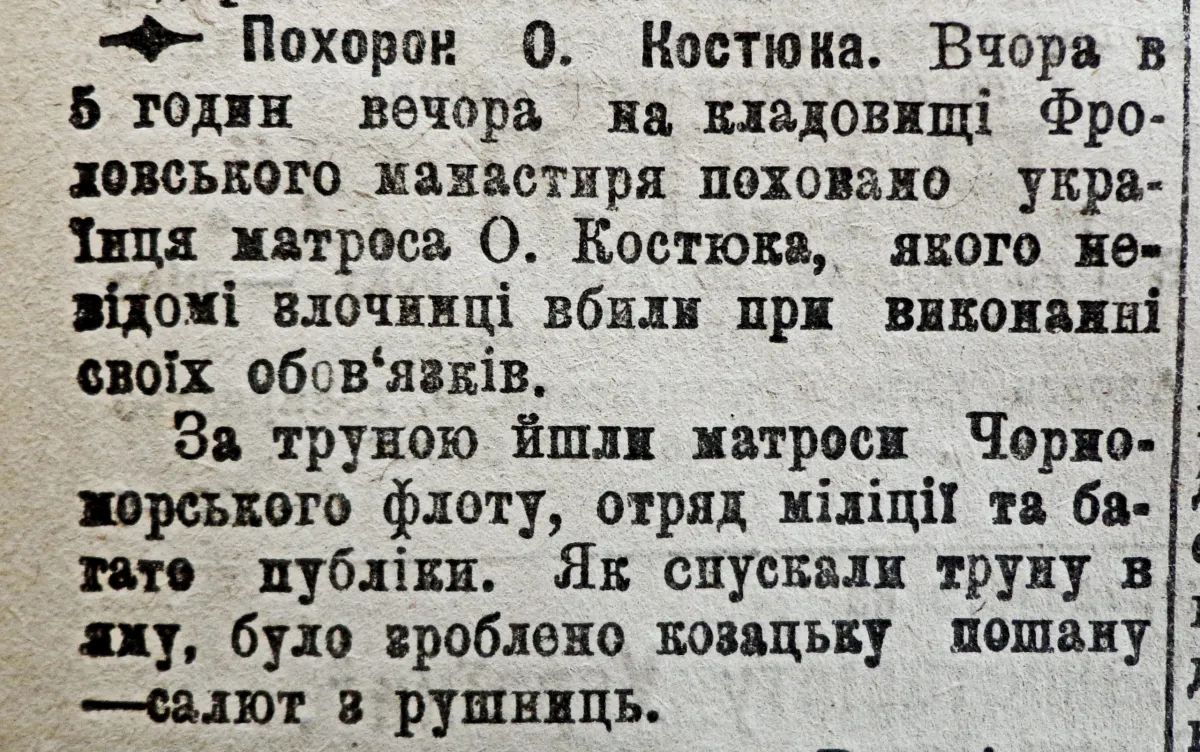
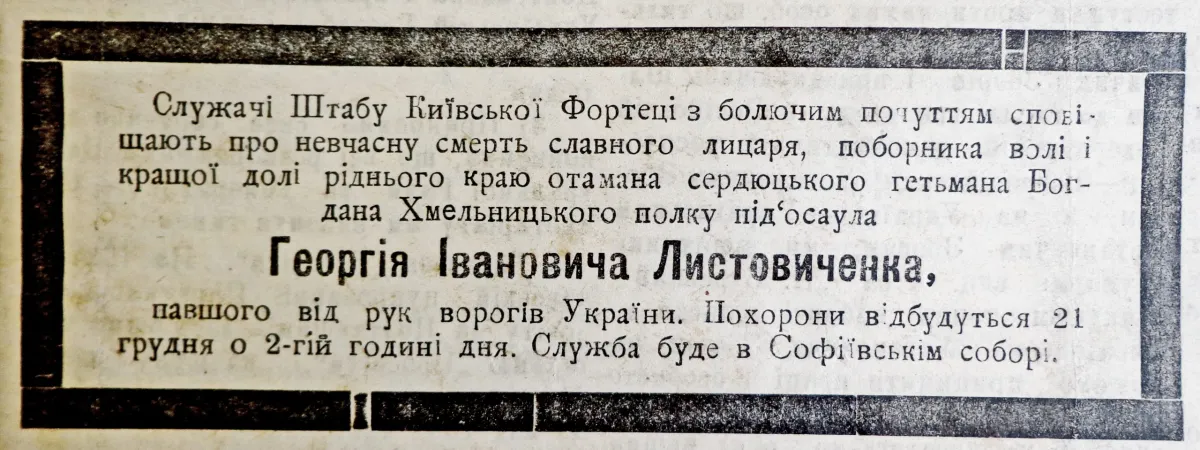
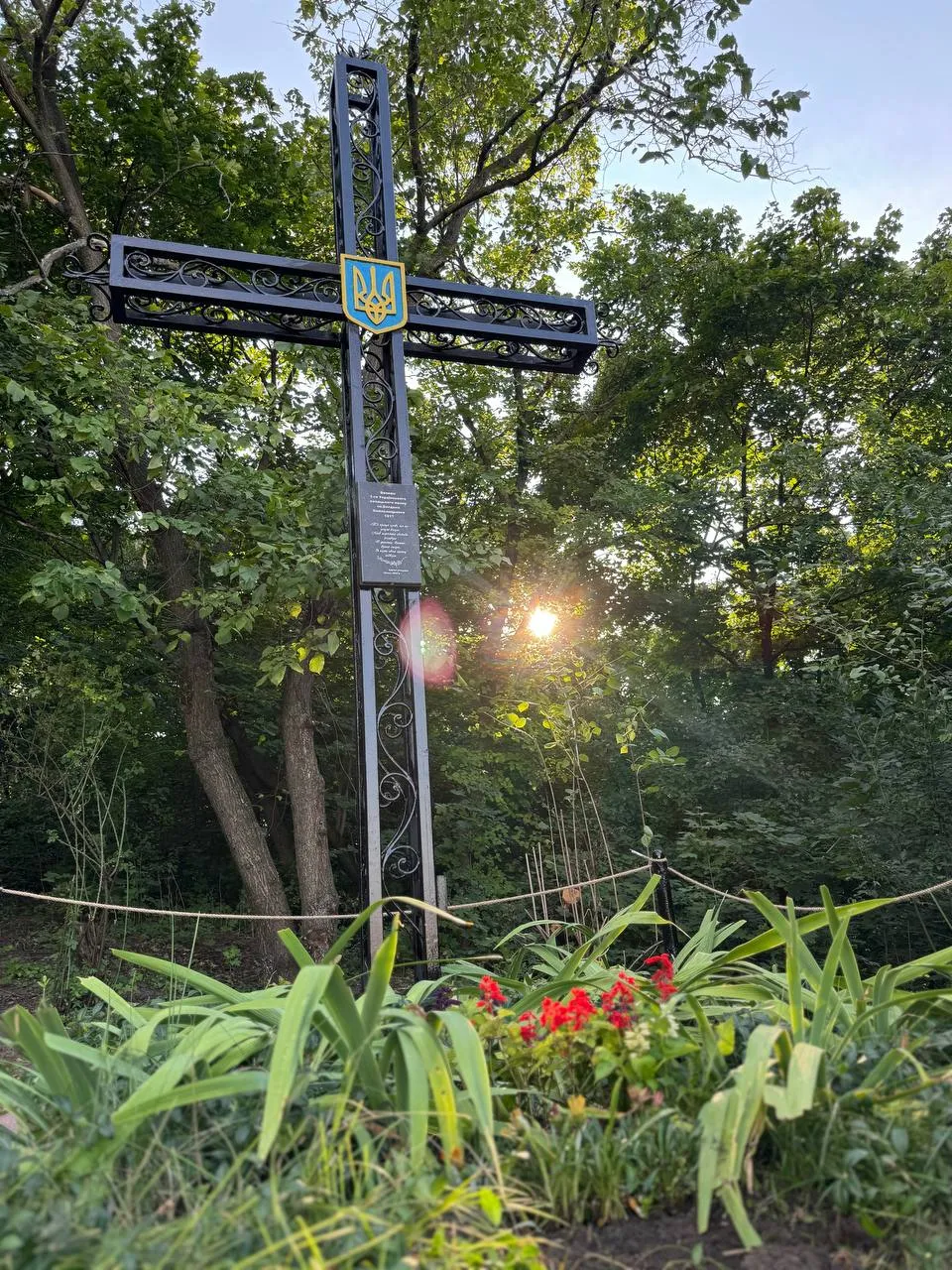
The funeral was organized by Ivan Horemyka-Krupchynskyi, a member of the Central Rada and an otaman. He thought through the entire ceremony carefully. It was his idea to transport the coffins of the Bohdanivtsi by oxen, recalling the old Cossack tradition.
---
There were no oxen to be had in Kyiv, so Horemyka-Krupchynskyi hired oxen with carts and wagons in the surrounding villages. The procession began in Pechersk and moved slowly through the entire city centre. Thousands upon thousands of residents and visitors of Kyiv saw the results of the crime of the Russian “brothers” against the Ukrainians. We want to remind you that at the time of these events the Bohdanivtsi and the Russian units belonged to the same army of the Russian Republic. But the Russians’ hatred of Ukrainians was so fierce that this circumstance played no role: even the rather “emasculated” autonomy that Ukrainian activists were then promoting provoked harsh rejection among the Muscovites.
---
The Bohdan Regiment was the first genuine Ukrainian military formation after the destruction of the Zaporozhian Sich. It did not vanish after the shooting of the train, and later fought successfully and heroically against the Russian invaders.
Text by Roman Malenkov, consultant Yaroslav Tynchenko