

Novyi Bykiv. The Meyendorff estate

· 8 min read
Novyi Bykiv stretches along the left bank of the river Supii.
There is a legend about the founders of the village: after Catherine II destroyed the Zaporozhian Sich, a Cossack named Byk chose a picturesque spot on the right bank of the Supii and settled there with his sons. After some time the sons did not get along with their father and moved to the left bank of the river. Where old Byk lived the village of Staryi Bykiv arose, and where his sons lived, Novyi Bykiv.
There is also another, similar version.
Byk’s family had two sons. When it came time for one of them to marry, he was moved to the other bank of the river. On the right bank the old father Byk stayed to run the farm, on the left — young Byk. Where the father lived the village was called Staryi Bykiv, and where the young one lived — Novyi Bykiv.
All would be well, but in the sources Novyi and Staryi Bykiv are mentioned much earlier, two centuries before this.
Staryi Bykiv is mentioned in written sources from 1564, Novyi Bykiv from 1621.
On the territory of Novyi Bykiv, burial mounds of the Bronze Age (2nd millennium BC) and a hillfort from the time of Kyivan Rus’ have been found.
In the Princely era it was one settlement, and here stood the stronghold of Prince Yurii Semenovych Rozhynovskyi, whose lands were confiscated in 1592 by the Polish king Sigismund I for involvement in the Cossack uprising led by Kosynskyi.
In 1620 the king gave the Pereiaslav starostvo to the Voivode of Volhynia, Prince Ivan Zasławski, with the places Yahotyn and Hel’miaziv, while retaining for the crown the towns of Berezan, Bykiv, Yablonov and Myrhorod and handing them over for administration to his deputy Ivan Chernyshevskyi. Half a year later “the sloboda settlements and Kyiv lands lying beyond the Dnieper, newly settled, that is, the towns of Berezan, Bykov, Yablonov and Myrhorod, with farmsteads and settlements, and the slobodas that belonged to them…” were given into the administration of the royal chamberlain Bartholomew Obalkovskyi.
It was from this time that the settlement on the left bank of the Supii received the name Novyi Bykiv, and the village on the right bank was called Staryi Bykiv.
On the western side of Bykiv are the so-called High Mounds — Obozna and Hostra, from which 17 burial mounds extend, including the Hungry Mound, and on the eastern side of Novyi Bykiv there are another 12 mounds.
The Hungry Mound, according to tradition, got its name from an event that took place back in the Khmelnytskyi era.
Near the mound, which was later named Obozna (“of the baggage train”), the baggage train of the Cossacks was spread out, who managed to surround a detachment of Polish magnates near the Hungry Mound and keep them besieged until they died of hunger.
In April 1662 a Cossack council was held in Bykiv which elected Yakym Somko, whose sister was Bohdan’s first wife, as hetman.
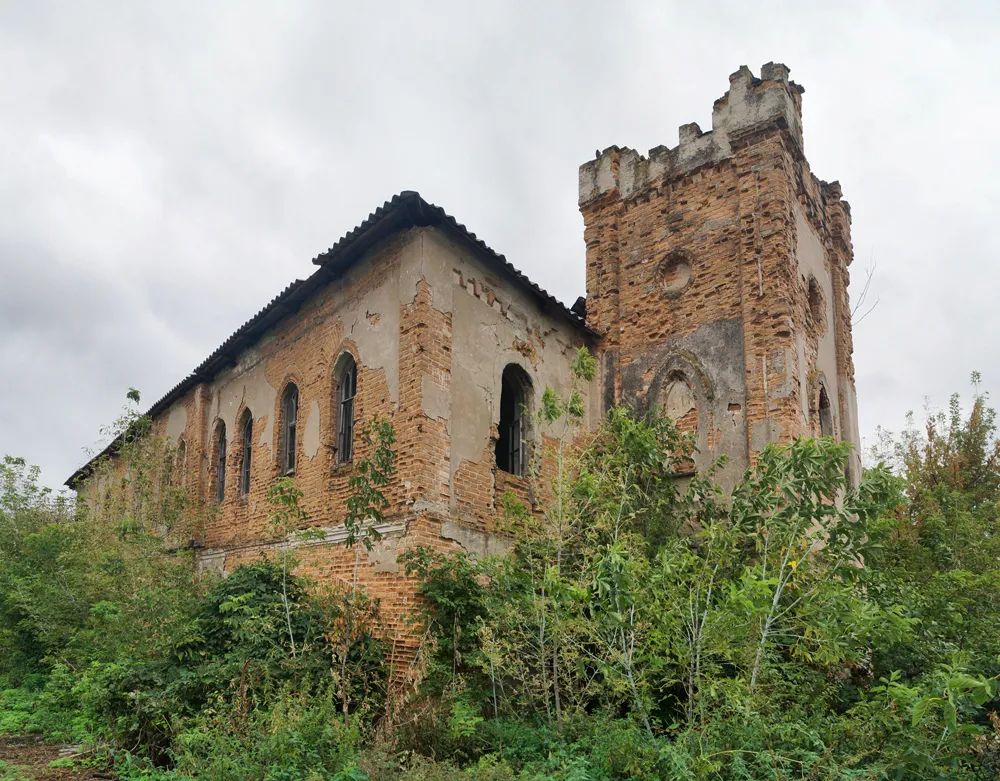
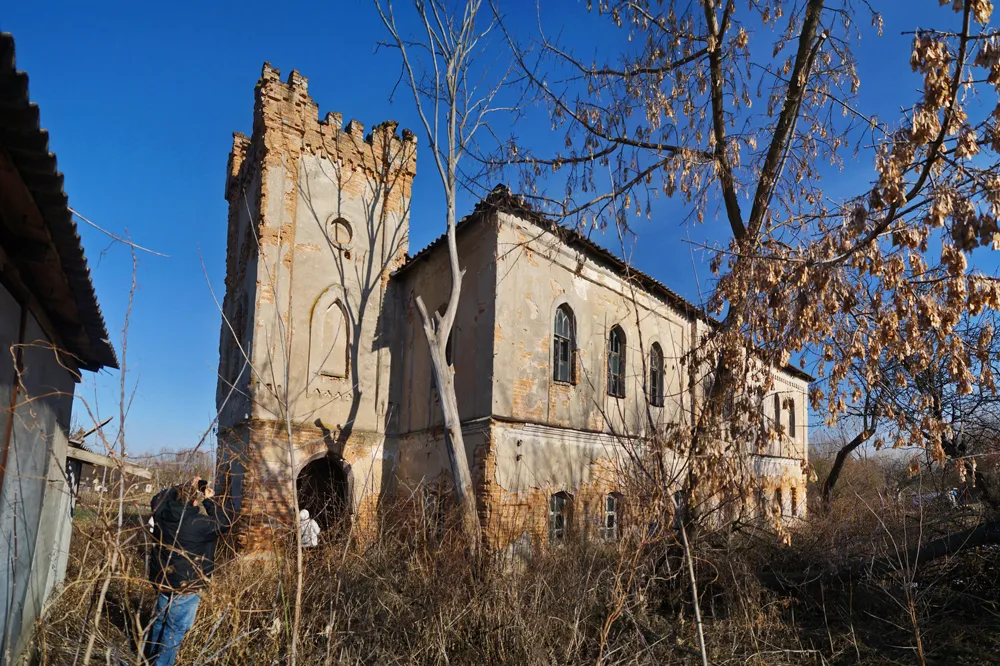
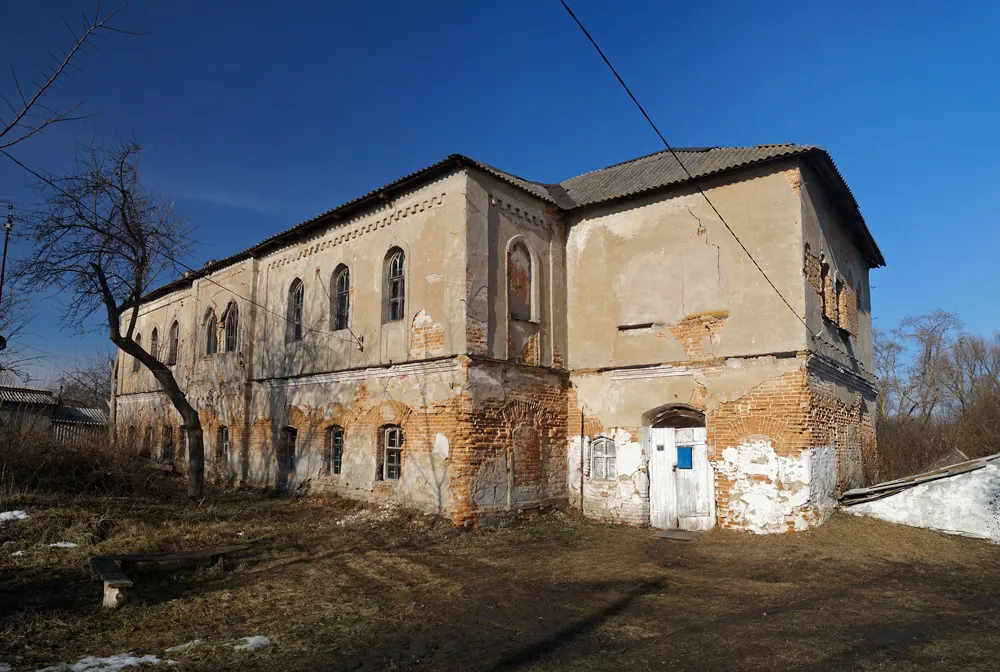
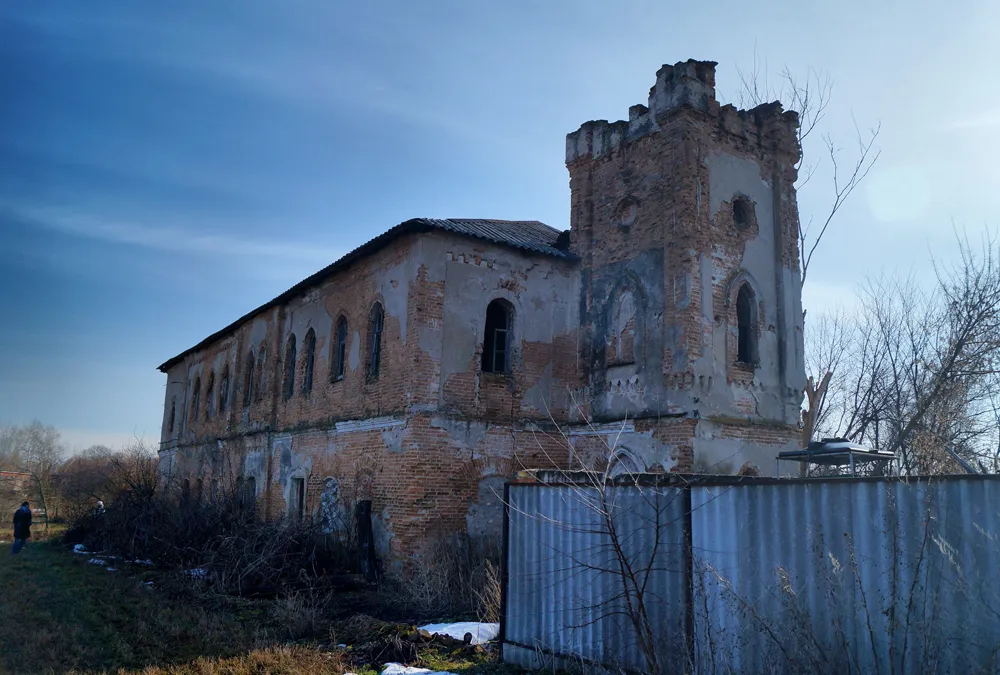
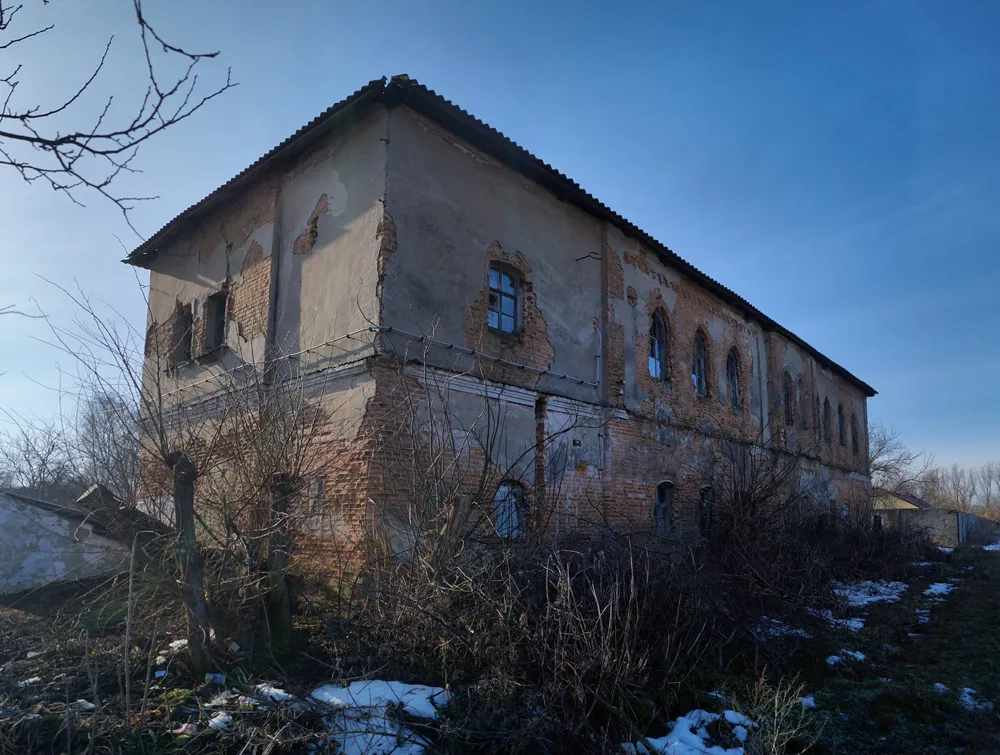
On the territory of the village of Novyi Bykiv there are monuments of architecture — the estate of Baron Meyendorff, which for some reason is also called a castle, and the Dormition Church, built in 1801–1804 on the commission of the Hetman of Ukraine K. H. Rozumovskyi. In its forms it is identical to the Resurrection Church in Baturyn.
In 1845 a church parish school was opened at the Dormition Church.
In the Soviet post-war years the church served as a storage space for agricultural machinery. In 2009 a major exterior repair was carried out.
As for the manor/castle, it was built by Baron Mykola Yehorovych Meyendorff (1835–1906), a participant in the Crimean and Turkish (1877–1878) wars, commander of the 13th Cavalry Division, General of Cavalry and aide-de-camp general.
He built it towards the end of the 19th century, that is, at quite a respectable age; it was the baron’s summer residence, where he lived with his family.
Mykola Yehorovych belonged to a very ancient Baltic noble family, from which came many military and state figures of the empire.
For example: his father, Yehor Fedorovych, was also a General of Cavalry, Master of the Horse and president of the Court Stables Office. His three full brothers: Feofil Yehorovych — General of Cavalry, aide-de-camp general, commander of the 1st Army Corps; Oleksandr Yehorovych — lieutenant general, aide-de-camp general, commander of “His Imperial Majesty’s Own Convoy”; Fedir Yehorovych — lieutenant general, commandant of the Imperial Main Headquarters.
From 1866 Baron Meyendorff was commander of the Imperial Squadron; in 1867, as a colonel, he was appointed aide-de-camp (Flügel-Adjutant) to Emperor Alexander II. On being appointed major general of the Suite, he commanded a cavalry brigade, in which post he took part in the Russo-Turkish War, for distinction in which he received a golden weapon with the inscription “For Bravery”.
After the war he received the rank of lieutenant general and a cavalry division, which he commanded for 11 years.
From 1902 — General of Cavalry.
He died in France. He was married to Oleksandra Mykolaivna Protasova (1842–1922).
Let us return to the estate. Below we will partly quote information from an article by Halyna Ivanivna, a resident of the village of Yeremenky.
“When the baron died, the baroness decided to bury him in a crypt in the cemetery near the church. He was brought by train to Bobrovytsia station, and from the station people carried him from village to village and so to Novyi Bykiv. Beside the coffin walked his horse, which, according to tradition, shed tears.
A crypt was made in the left corner of the cemetery on the north-western side. Since the baron had been awarded the golden weapon with the inscription “For Bravery”, the weapon was with him too.
The golden weapon attracted light-fingered people: a robbery was committed. After some time robbers broke in again and stole the metal with which the coffin was sheathed. And then his wife reburied the baron. But where is unknown… The inscription from Meyendorff’s gravestone is kept in the school museum.
The baron’s family was educated and cultured. His wife was a medical professional and often helped the villagers, treating them free of charge. They had an extraordinarily large library for that time. The cabinets in which the books were kept were taken to the school, and then moved to the new building that opened in 1972. Chemical reagents were kept in them. Later, sometime after 2000, they were thrown out and burned in the school furnace. Incidentally, the cabinets were made of hardwood, beautifully carved, with little glazed windows.
The stormy year 1917 was approaching. She felt that changes in society were bound to happen and transferred the lands to Mr. Protasov. She took the valuables with her and moved to Kyiv. The remains of the belongings were scattered among some houses in Novyi Bykiv.
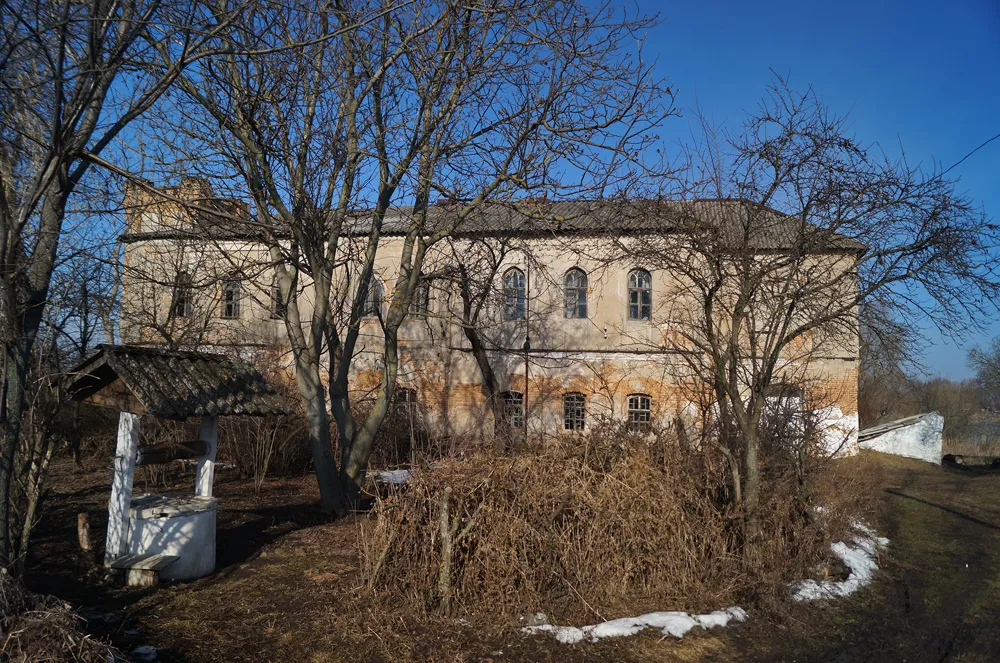
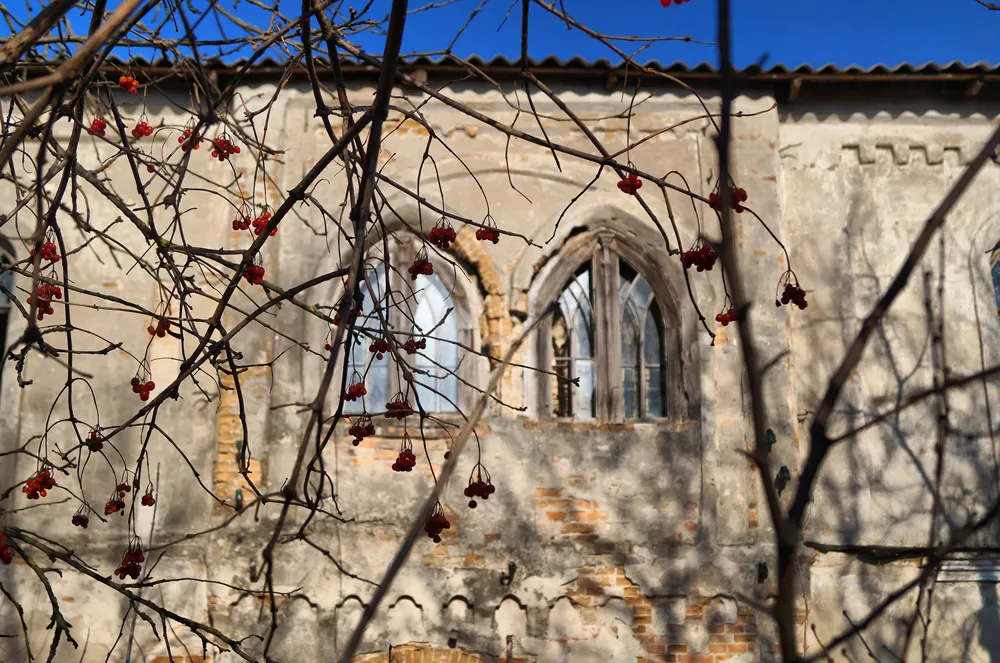
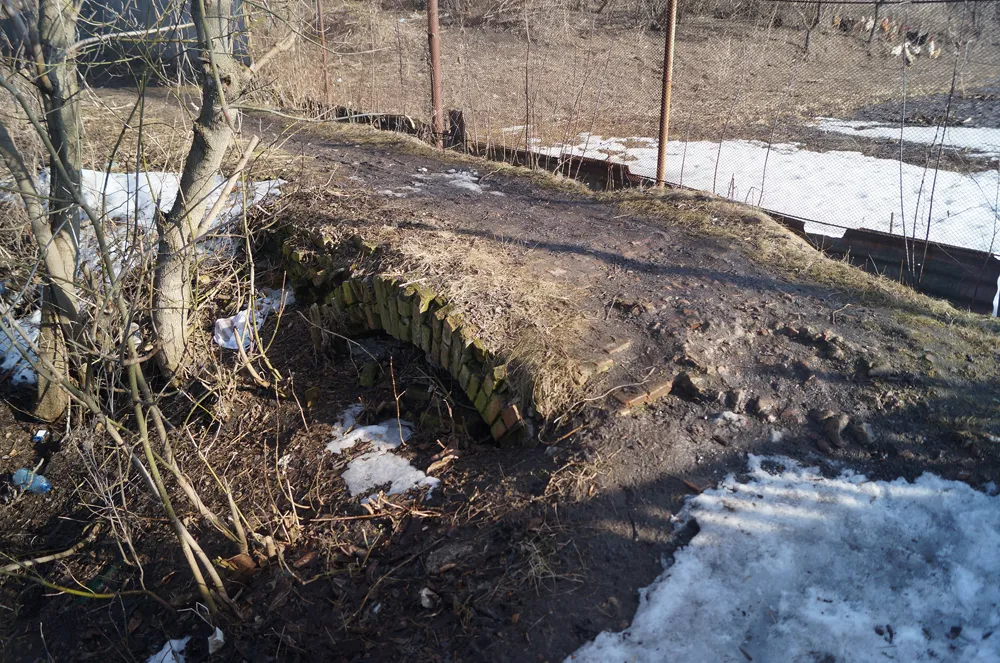
After the October Revolution the peasants took apart Baron Meyendorff’s landlord estate
In the post-revolutionary period the castle was converted into dwellings. There were several apartments. The stairs leading to the second floor of the palace have survived to this day.
The descendants of the Meyendorffs now live in Austria.”
Among the curiosities of Novyi Bykiv: on the southern outskirts of the village, during the Swedish war, Peter I camped for a bivouac. And to this day, between the villages of Novyi Bykiv and Petrivka, there stands a large stone pillar with a plaque, built in dedication to this event.
P.S.
Some sources say that the owner of the castle and founder of the sugar factory was Baron Mykola Bohdanovych (Feofilovych) Meyendorff. Yes, there was such a baron, also quite a well-known figure, a participant in the White volunteer movement who emigrated abroad, graduated from the Paris Academy of Arts and became a famous icon painter. He left behind a great cultural legacy.
They argue that in the journal of the provincial assembly for 1907 the owner of the estate was N. O. Meyendorff, and Mykola Bohdanovych’s wife was precisely Nina Oleksandrivna, née Aseieva, daughter of Tambov nobles.
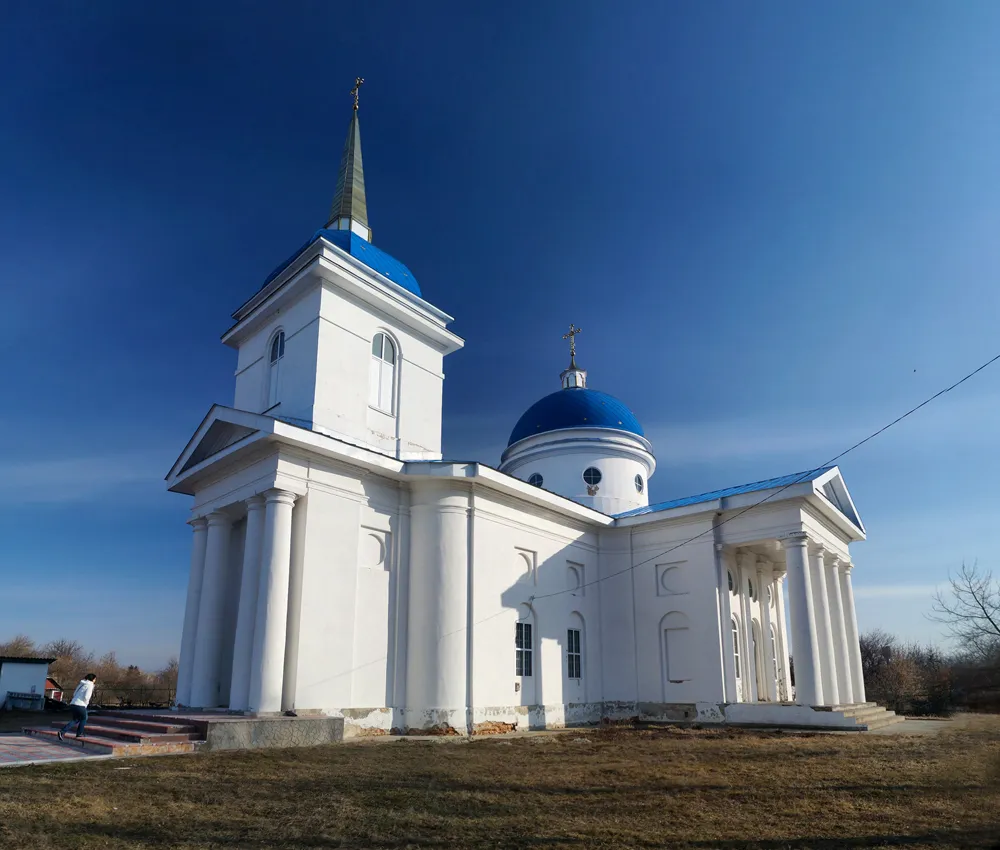
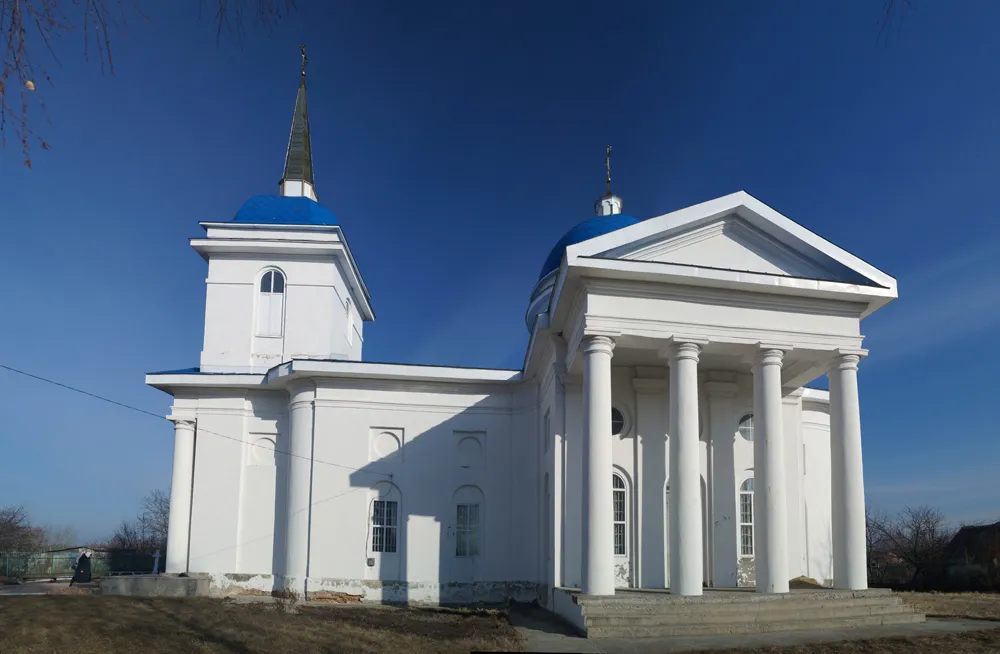
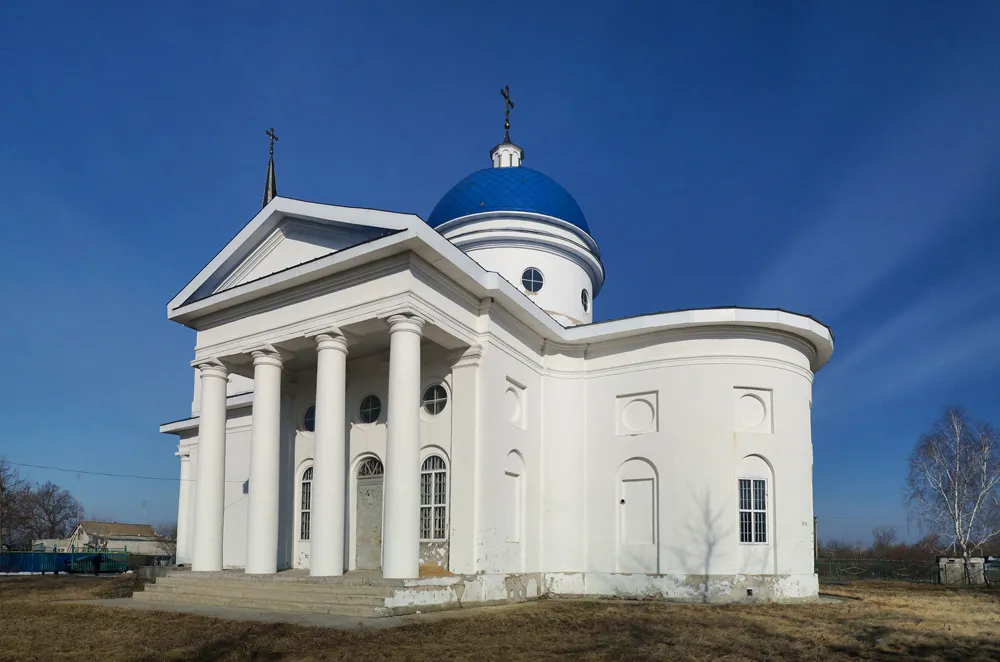
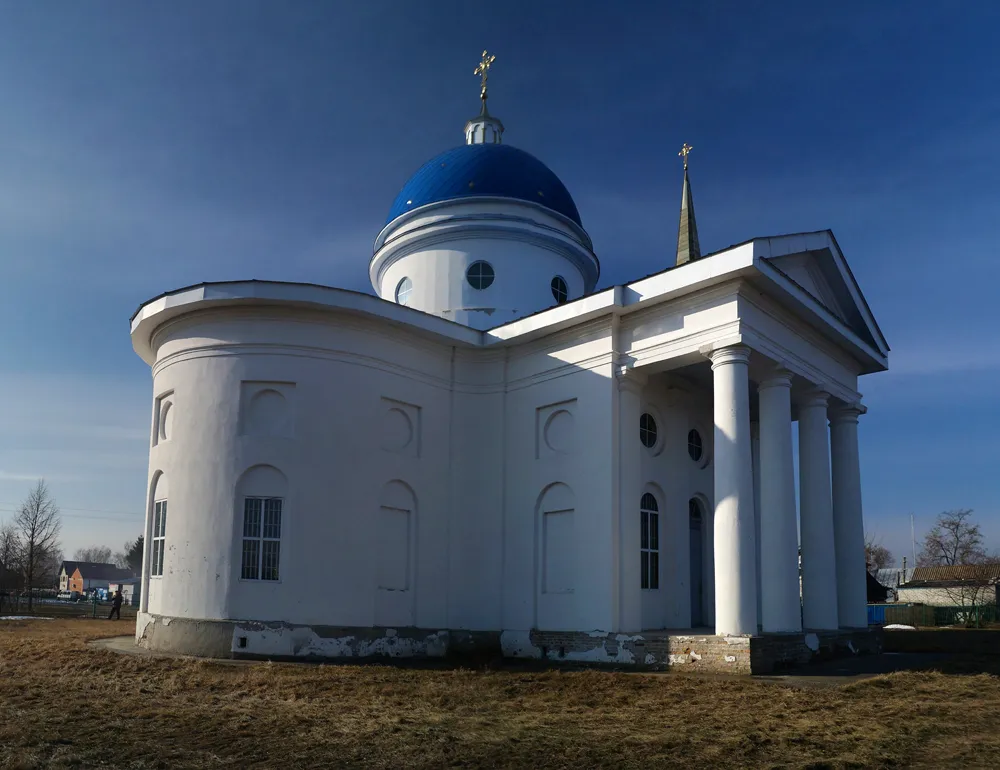
The Dormition Church was built in 1801–1804 on the commission of Kyrylo Rozumovskyi.
But for some reason nobody compared the dates. Nina Oleksandrivna was born in 1896, and in 1907 was an 11-year-old girl living in Tambov with her parents and playing with dolls. Likewise Mykola Bohdanovych, whose years of life were 1887–1969, could not have founded a sugar factory in 1896 (or 1898).
This is how fake legends appear and spread.
But Mykola Yehorovych Meyendorff had two sons, Dmytro and Oleksandr, born in 1880 and 1881 respectively; perhaps this unknown N. O. was the wife of one of them, and the estate passed by inheritance.
Since we have mentioned the sugar factory, a few interesting words about it.
According to the recollections of the villagers, the baron’s sons lost the factory at cards to Manev, a member of a joint-stock company.
In 1906 the factory’s director, Isak Samoilovych Kuptsov-Zalkin, was killed; they say it was for his cruelty and injustice towards the workers. Police constable Nosach picked up the killer’s trail and was killed too.
In Soviet times the factory was reconstructed and was an industrial giant. But in 2007 the factory went bankrupt, and a few years later only its chimneys were left.
Text by Ihor Dorozhko, photos by Roman Malenkov.


