Poland. Świdnica. The largest wooden church

· 3 min read
In the Lower Silesian Voivodeship, 20 km from the border with Czechia, lies the town of Świdnica. The German name of Świdnica is Schweidnitz, and I mention it not by chance, because from the 17th century until the end of the Second World War the town belonged to Germans. And even before the 17th century, from the 14th, Świdnica was under the control of the Holy Roman Empire, effectively a German state.
Świdnica received town rights in 1250, and by 1290 it already had powerful town walls and 6 gates. Until 1392 the town was the capital of the Duchy of Świdnica-Jawor, and trade and crafts developed vigorously here.
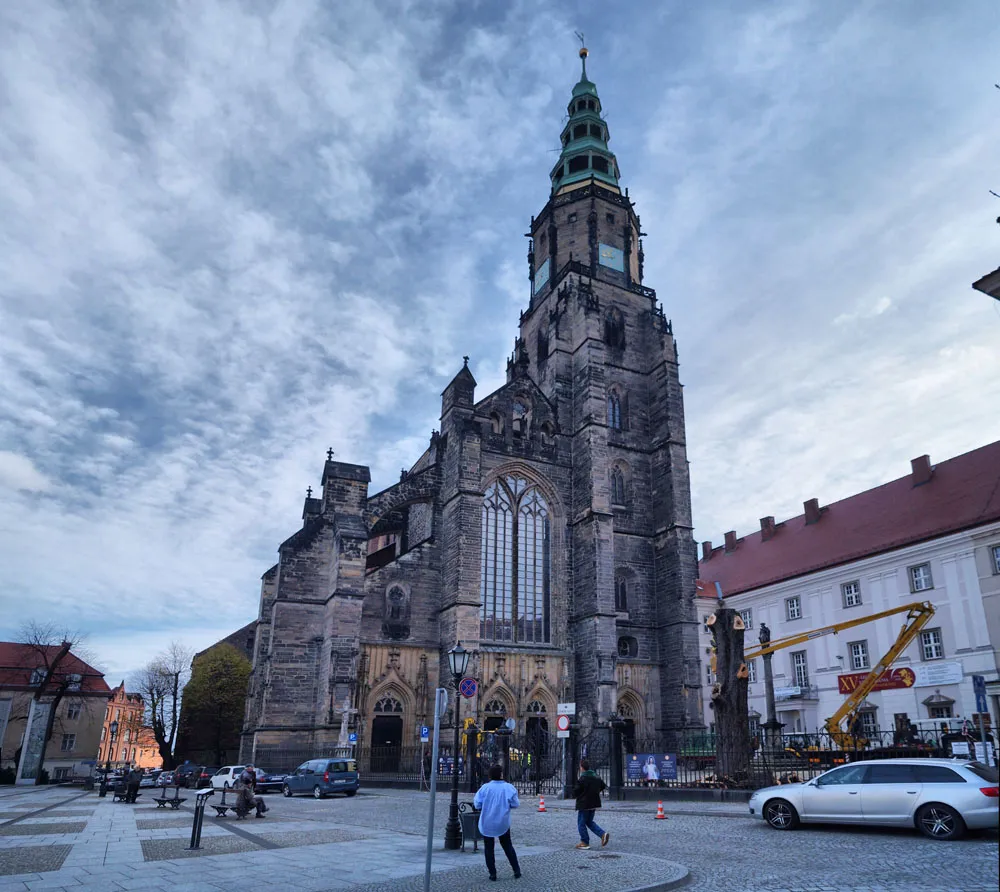
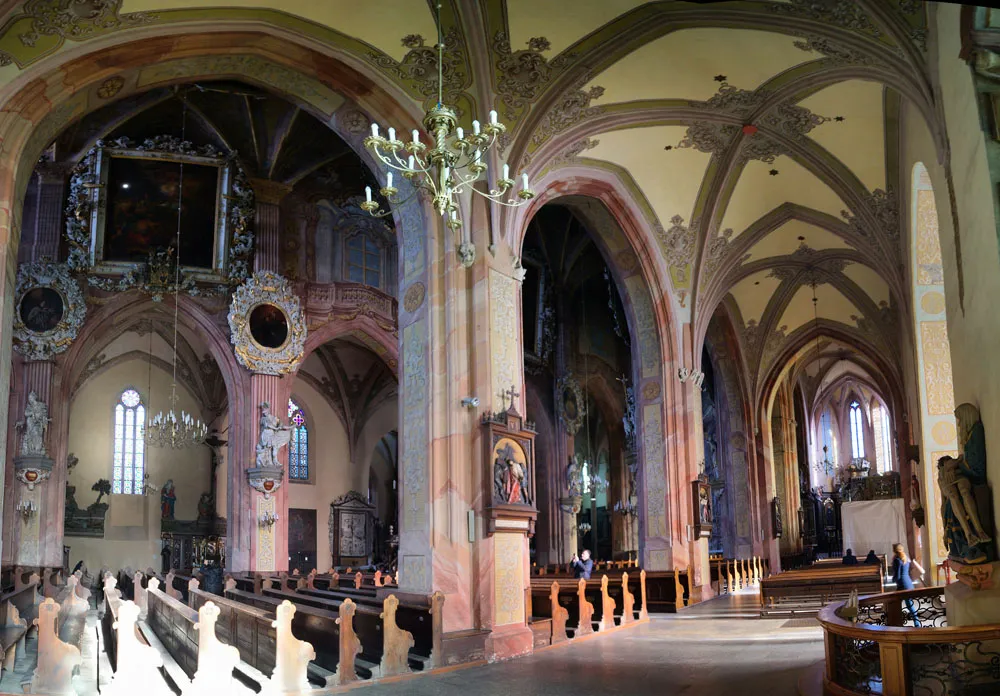
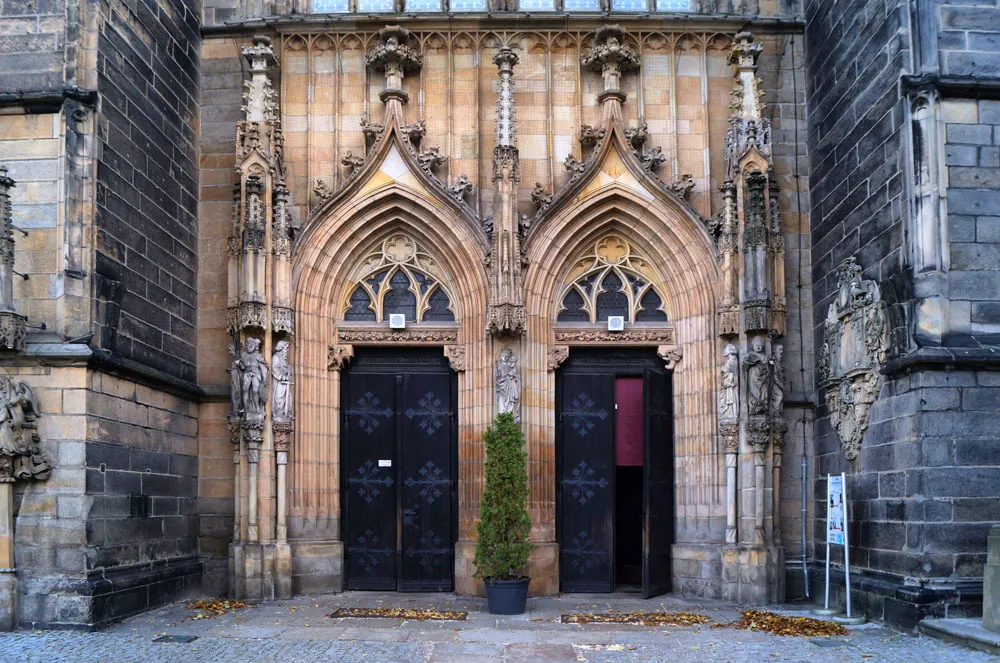
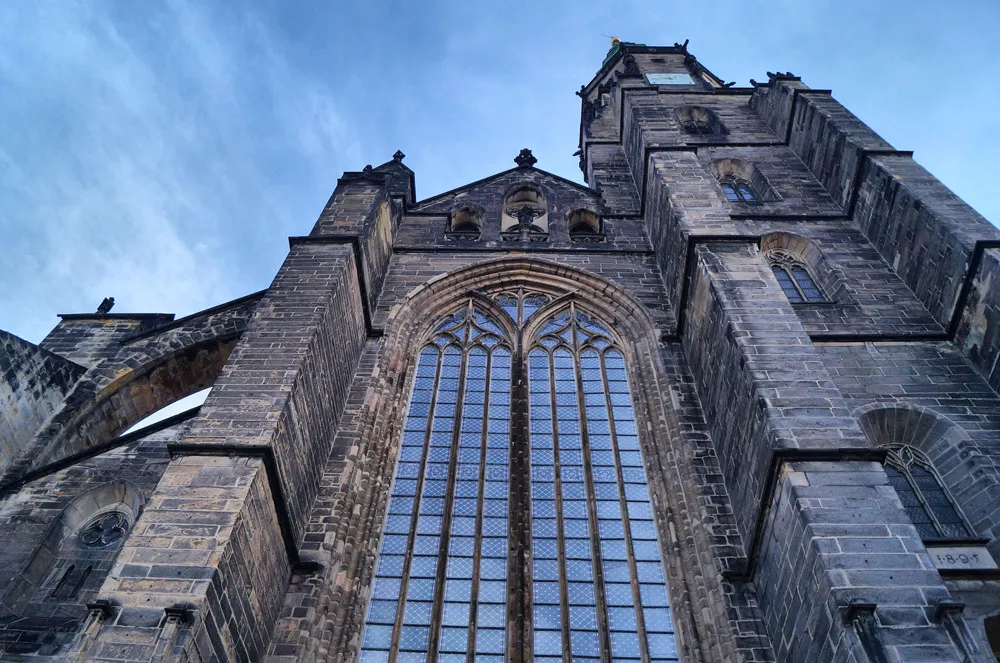
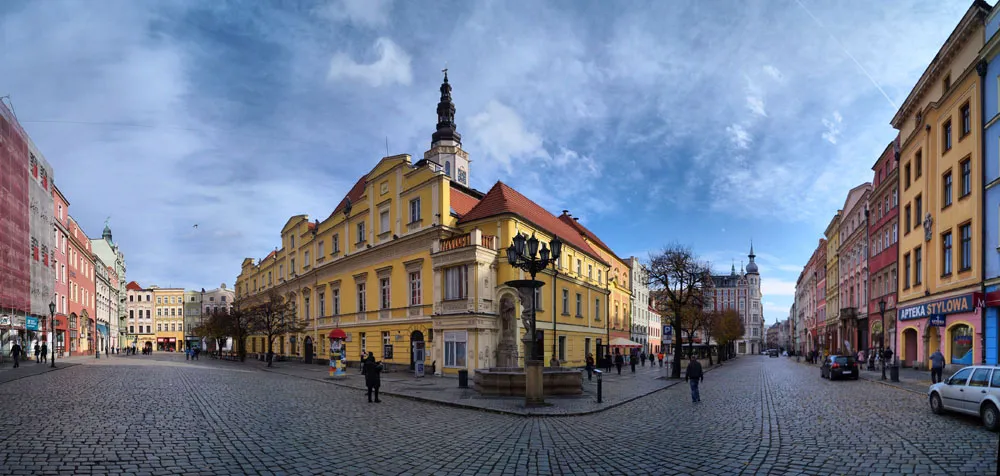
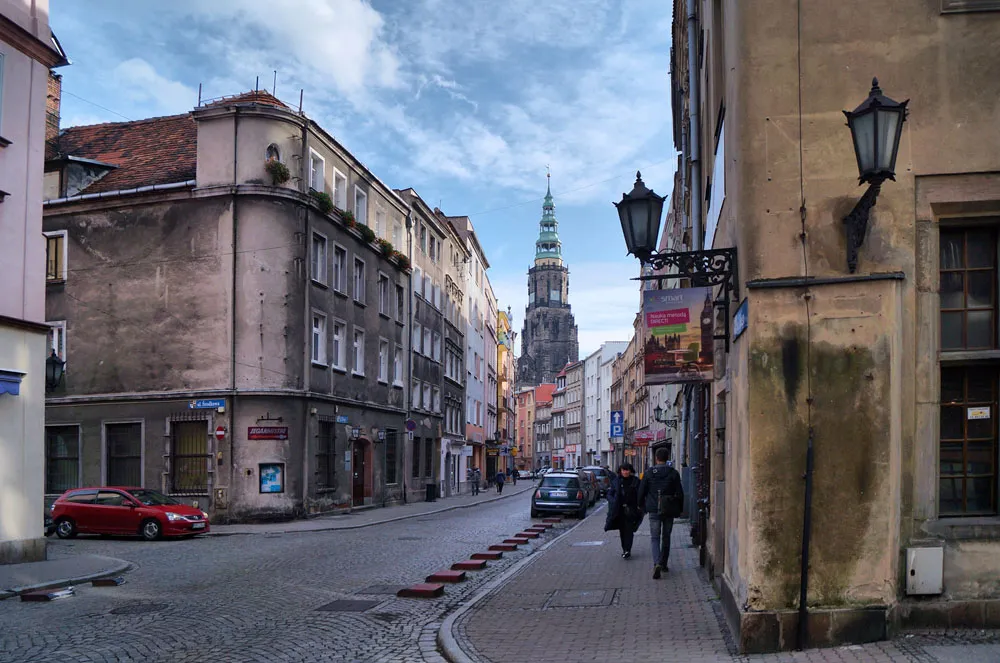
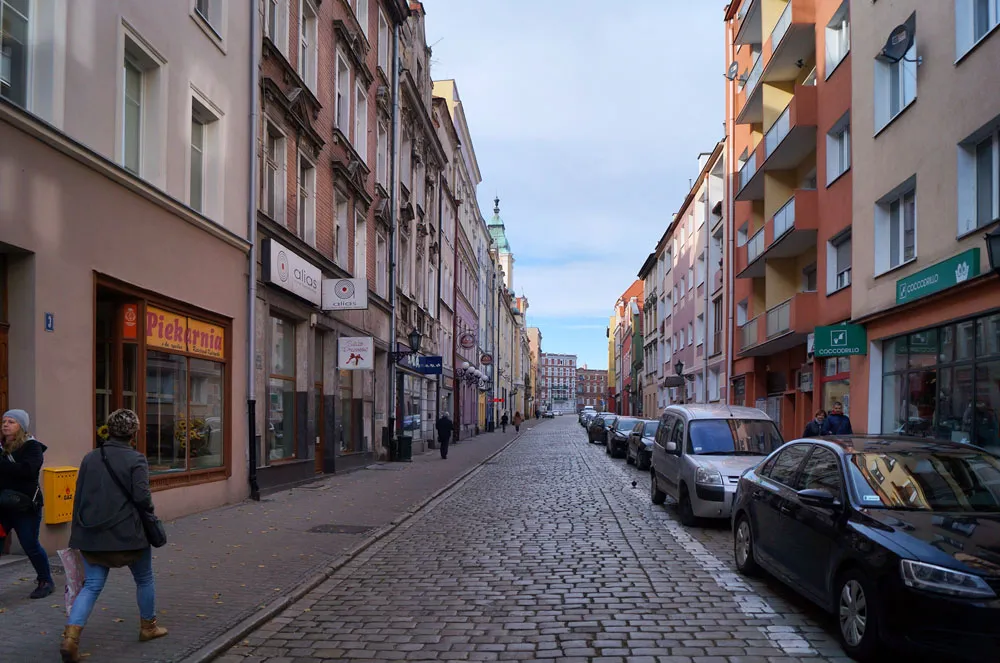
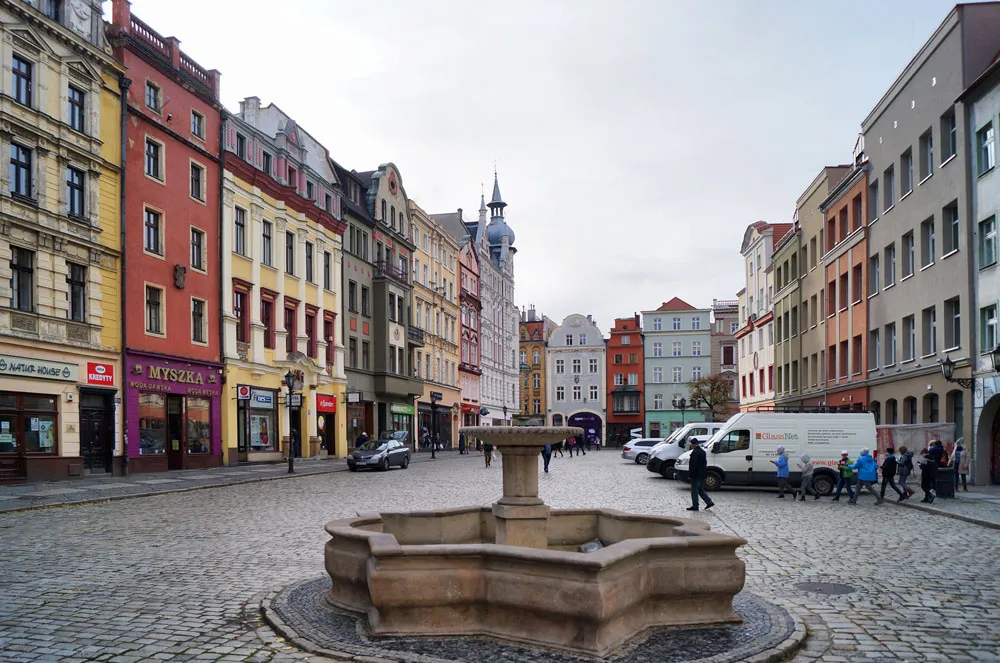
Świdnica is a very interesting and cosy town. I mean the historic centre, the old town. Here are interesting, very beautiful and cosy narrow streets with rather tall houses for such a small town. In the centre of Świdnica, on Rynek Square, stands the Gothic cathedral, one of the largest in Poland and the largest in Lower Silesia. The height of its bell tower is 104 metres, the fourth highest in the country. But it is not the cathedral that is considered the most interesting church of Świdnica, but the Protestant Church of Peace, located on the outskirts of the town, outside the town walls.
The Church of Peace (Kościół Pokoju), together with a similar church in Jawor, is a UNESCO World Heritage Site. It was built after the Thirty Years’ War. The foundation stone was laid in 1656. It is a church of the Evangelical Augsburg Church. The author of the design was Albrecht von Säbisch, and the construction was supervised by the carpenter Andreas Kemper. An incredible building. Honestly.
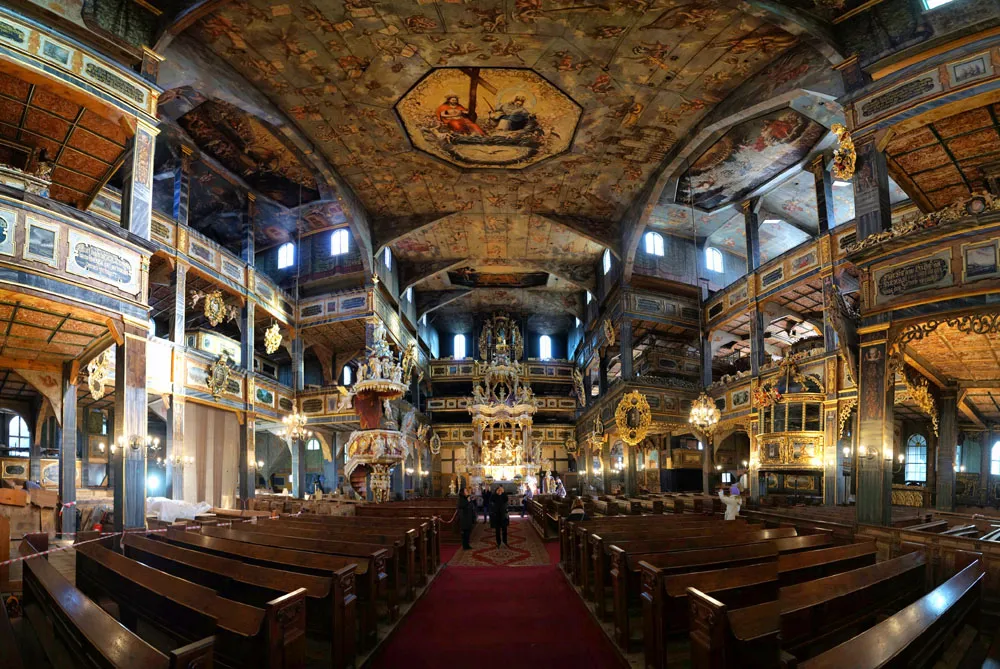
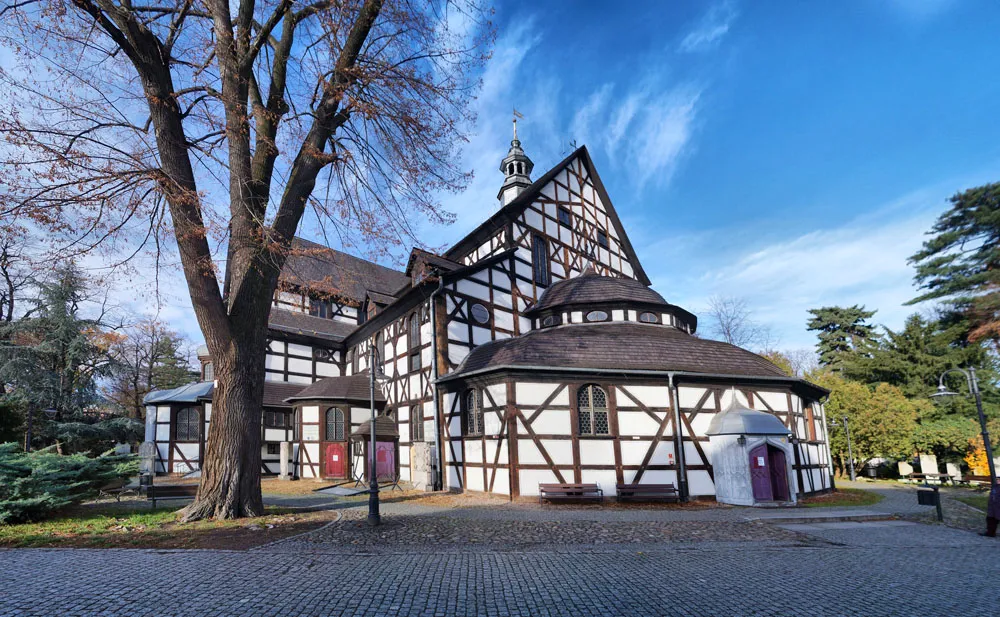
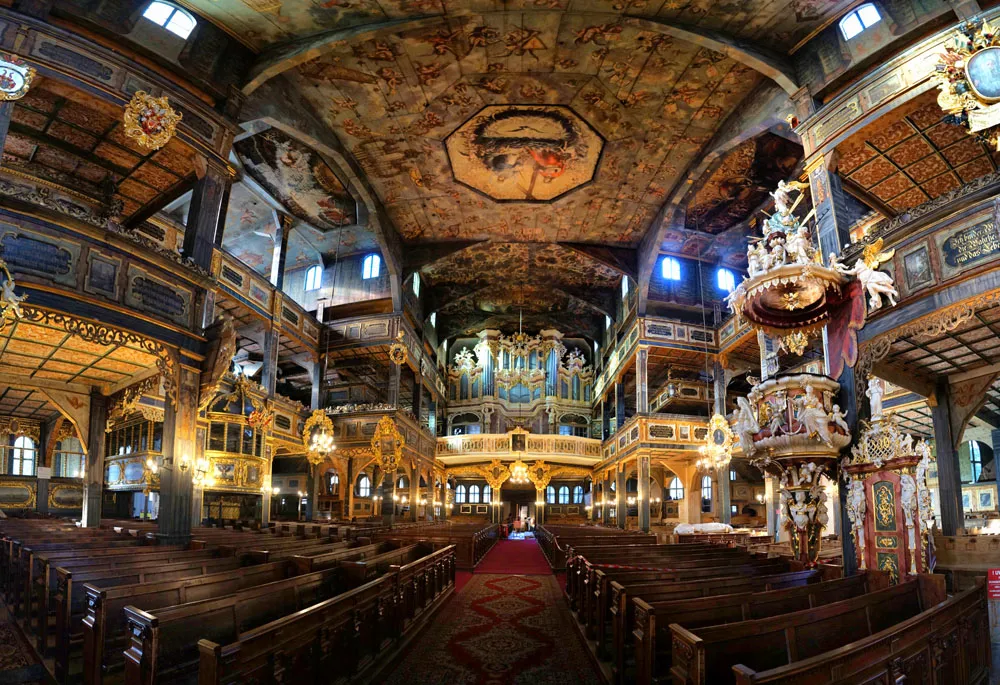
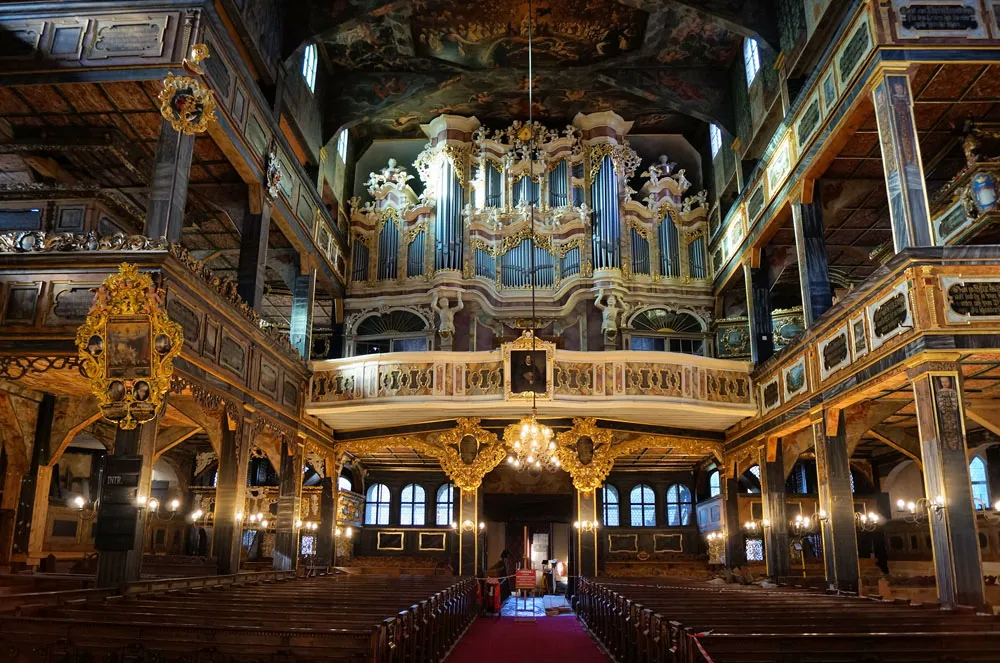
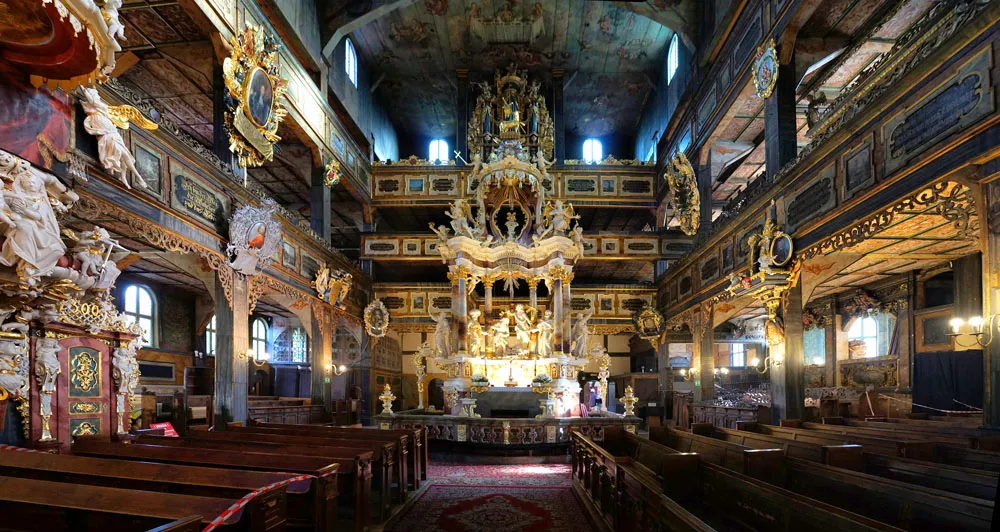
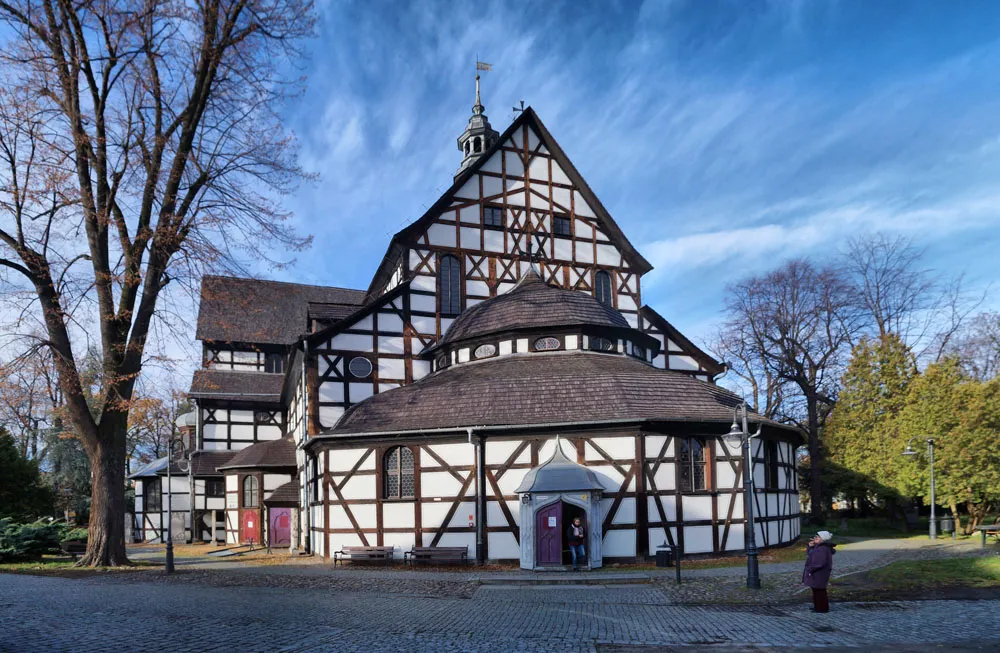
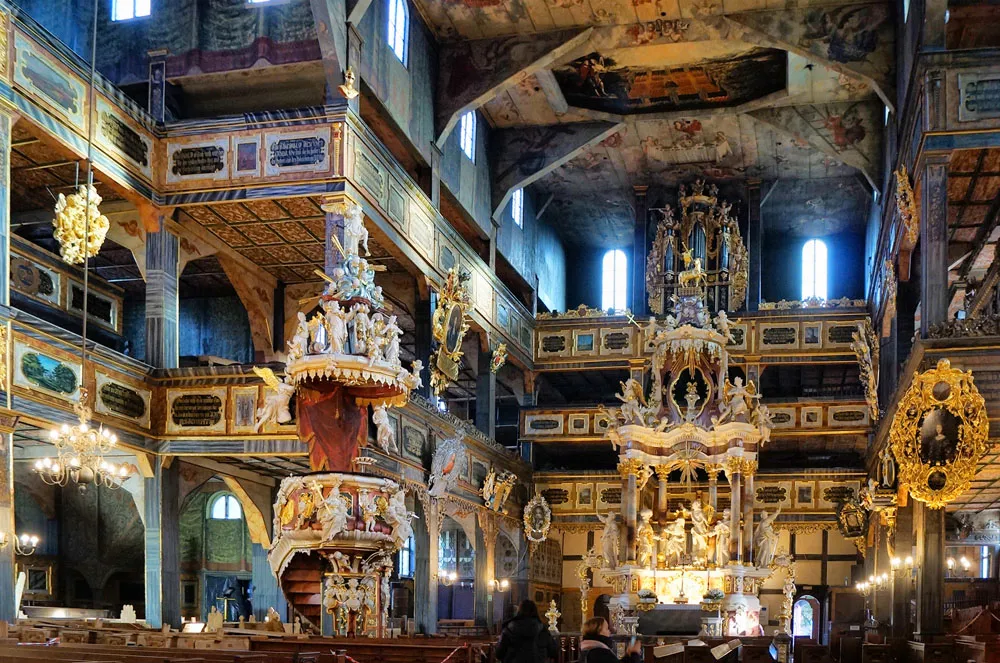
Together with the church in Jawor, the Świdnica church is the largest wooden church in the world. After the defeat of the Protestants in the Thirty Years’ War, Emperor Ferdinand III forbade them to build their own churches. After some time, under pressure from Protestant Sweden, he did grant permission, but with a host of conditions that seemed absurd. So, the churches had to be built only of short-lived, non-durable materials (wood, straw, clay, sand); they had to be built outside the town walls, but no farther than a cannon shot; the churches were not to have towers or bells; the churches had to be built in no more than a year and exclusively at the expense of the Protestants. The Protestants, who made up a significant part of the population of Lower Silesia, met the conditions and built three such churches. The third was in Głogów, but it burned down in 1758 after being struck by lightning.
The restrictions did not prevent the Churches of Peace from becoming the largest wooden sacred buildings in the world. The Świdnica church covers an area of 1,180 sq. m and holds 6 thousand worshippers. The church in Jawor has an area of 1,090 sq. m and is designed for 7,500 worshippers.
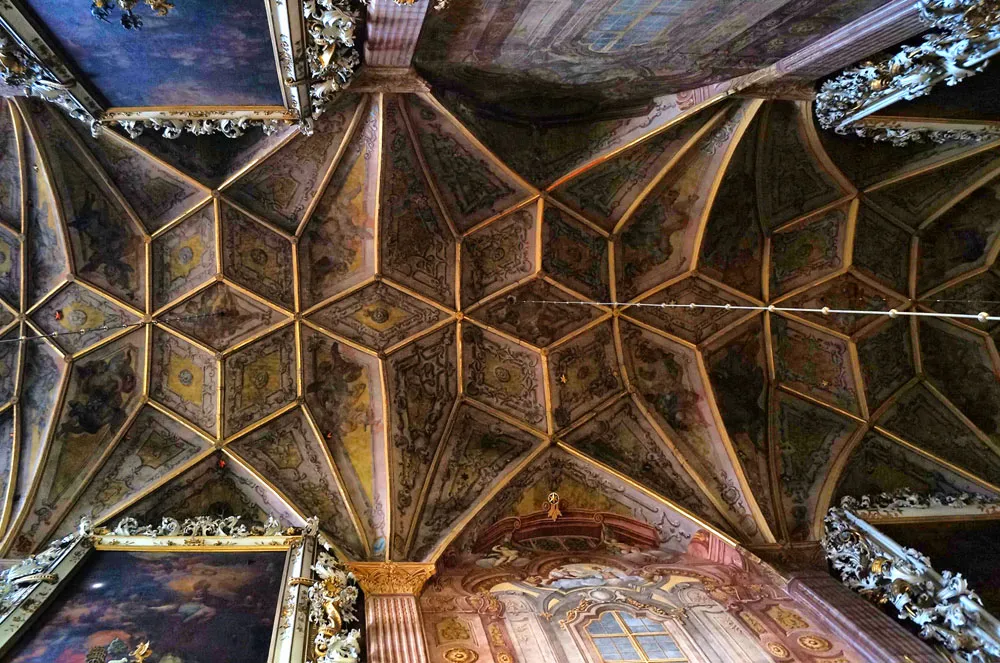
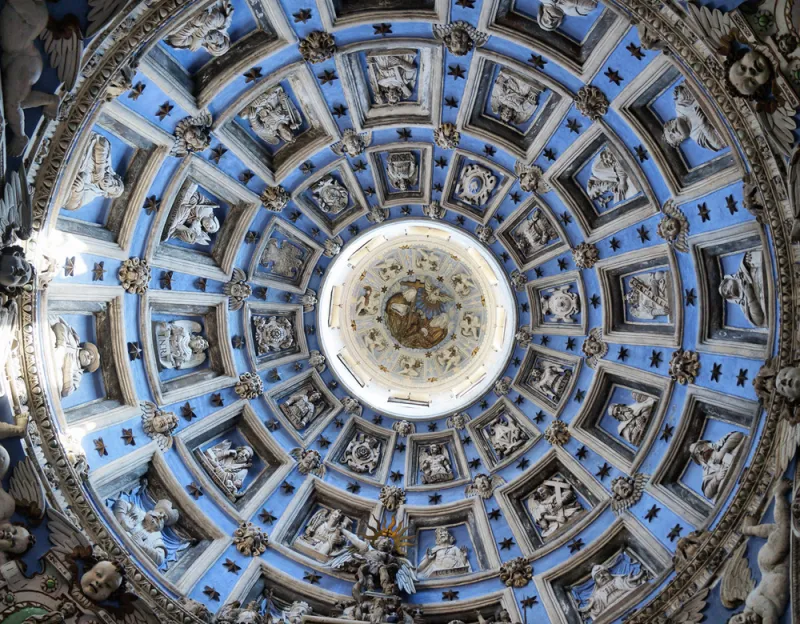
The Church of Peace in Świdnica was built in the Baroque style and has an external half-timbered (Fachwerk) structure. Lavish wooden Baroque, such as you will see nowhere else. The organ in the wooden church is fantastic.
The church was built at once as one large hall, cross-shaped in plan, but was later extended repeatedly, especially after attitudes toward Protestants softened and in 1707 they were allowed to build their own schools.
The Church of Peace in Świdnica is a whole complex of buildings: the pastor’s house, the bell-ringer’s house, the bell tower, the guardhouse, a secondary school, a wall 1 km long, and a gate. Outside everything is cosy and pleasant, but the main thing is inside. You have to see it.
Text and photos by Roman Malenkov.