

14 Sahaidachnoho Street: without the mansard, but with “birdhouses”
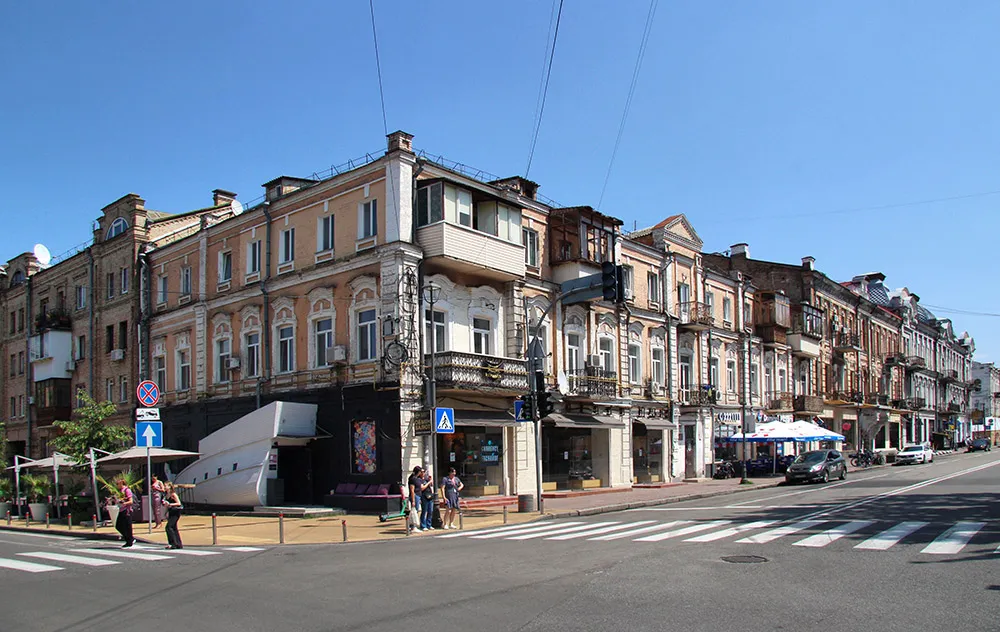
14 Sahaidachnoho Street is a former apartment building that belongs, forgive the tautology, to the typical apartment buildings of Kyiv of the last third of the 19th century. By Order No. 521/0/16-09 of the Ministry of Culture and Tourism of Ukraine of 13 July 2009, the building was entered in the register of architectural and historical monuments of local significance (protection number 199-Kv).
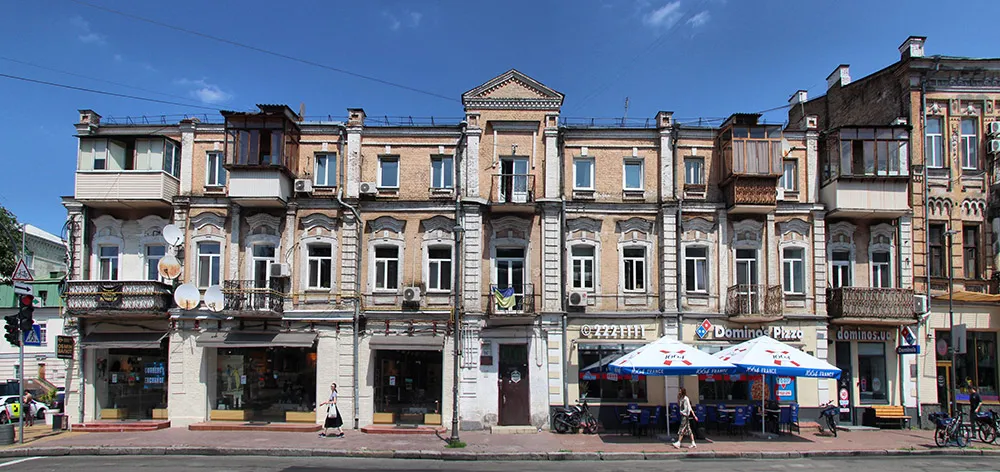
The building arose in 1876 as the hotel “Oleksandrivski Numery” (Alexander Rooms), commissioned by Andrii Myklashevskyi. In his day he was famous as the founder of the Volokytyne Porcelain Manufactory (a well-known mid-19th-century manufactory that operated in the village of Volokytyne in what was then Chernihiv Governorate, now Sumy Oblast).
The manufactory, founded in 1839, produced porcelain tableware and other porcelain items (porcelain frames for mirrors, candlesticks, small sculptural forms); the workers of the enterprise were serfs.
Its very first samples of production were awarded a large silver medal at the Industrial Exhibition of 1839 in Saint Petersburg. At the 1851 exhibition in the town of Krolevets, samples of polychrome painting on porcelain were presented.
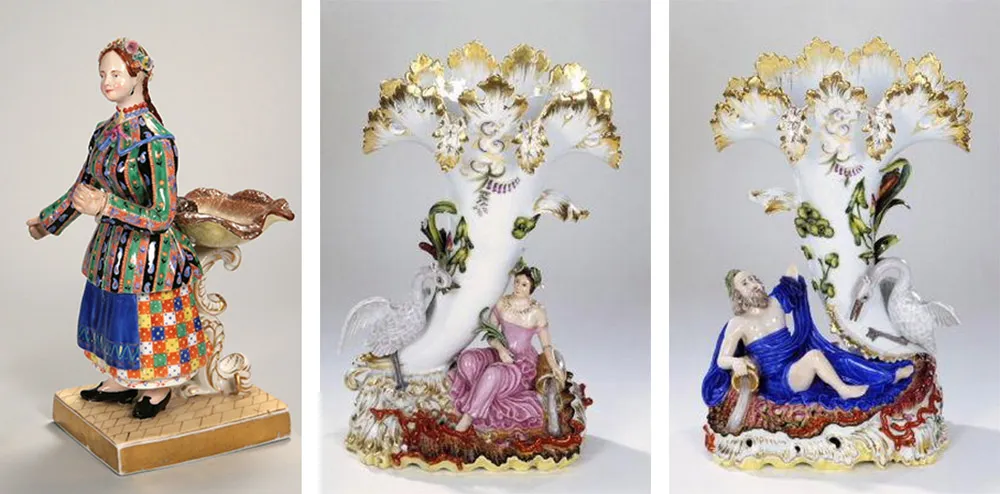
Volokytyne porcelain
Among the manufactory’s products are porcelain figurines on historical, romantic and everyday themes (ladies and gentlemen in historical costume). Particularly popular was the porcelain pair “Cossack” and “Ukrainian Girl”. Items of Volokytyne porcelain are now kept in museums in Sumy, Kharkiv, Kyiv, Moscow, Saint Petersburg, Warsaw, Paris and Budapest, as well as in Finland and the United States.
Another interesting fact. Andrii Myklashevskyi was the grandfather of Hetman Pavlo Skoropadskyi.
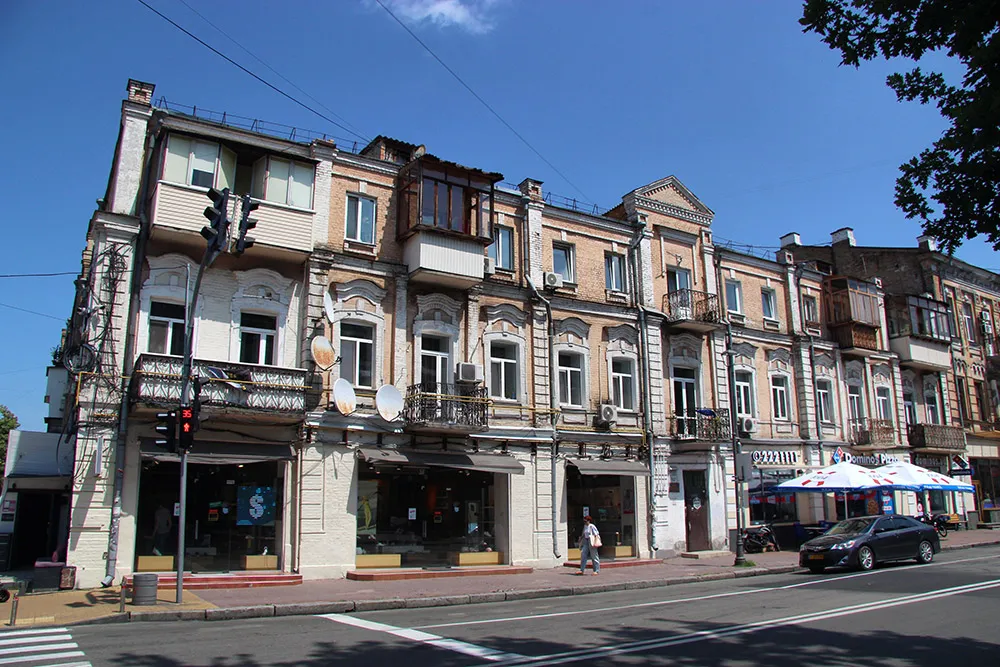
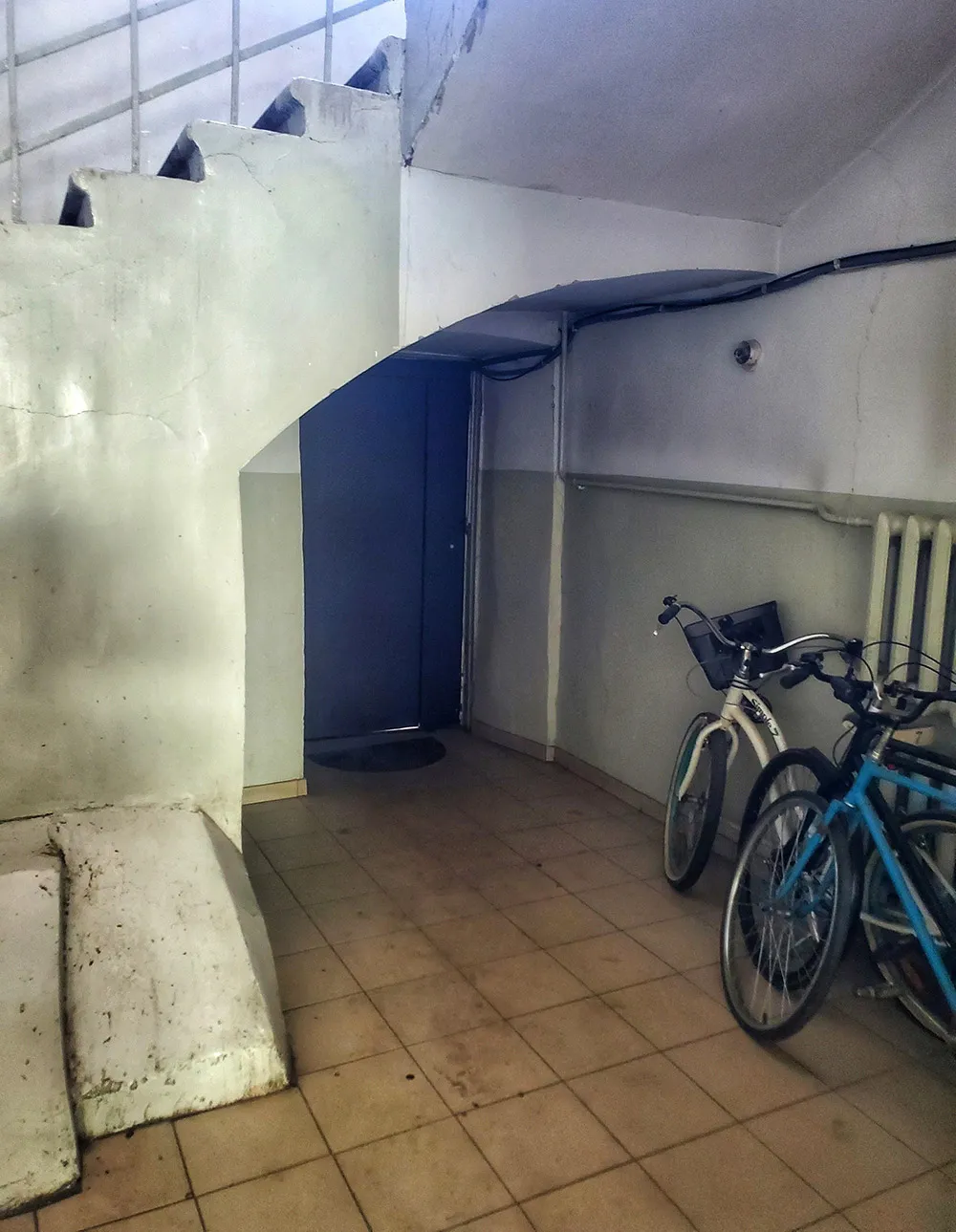
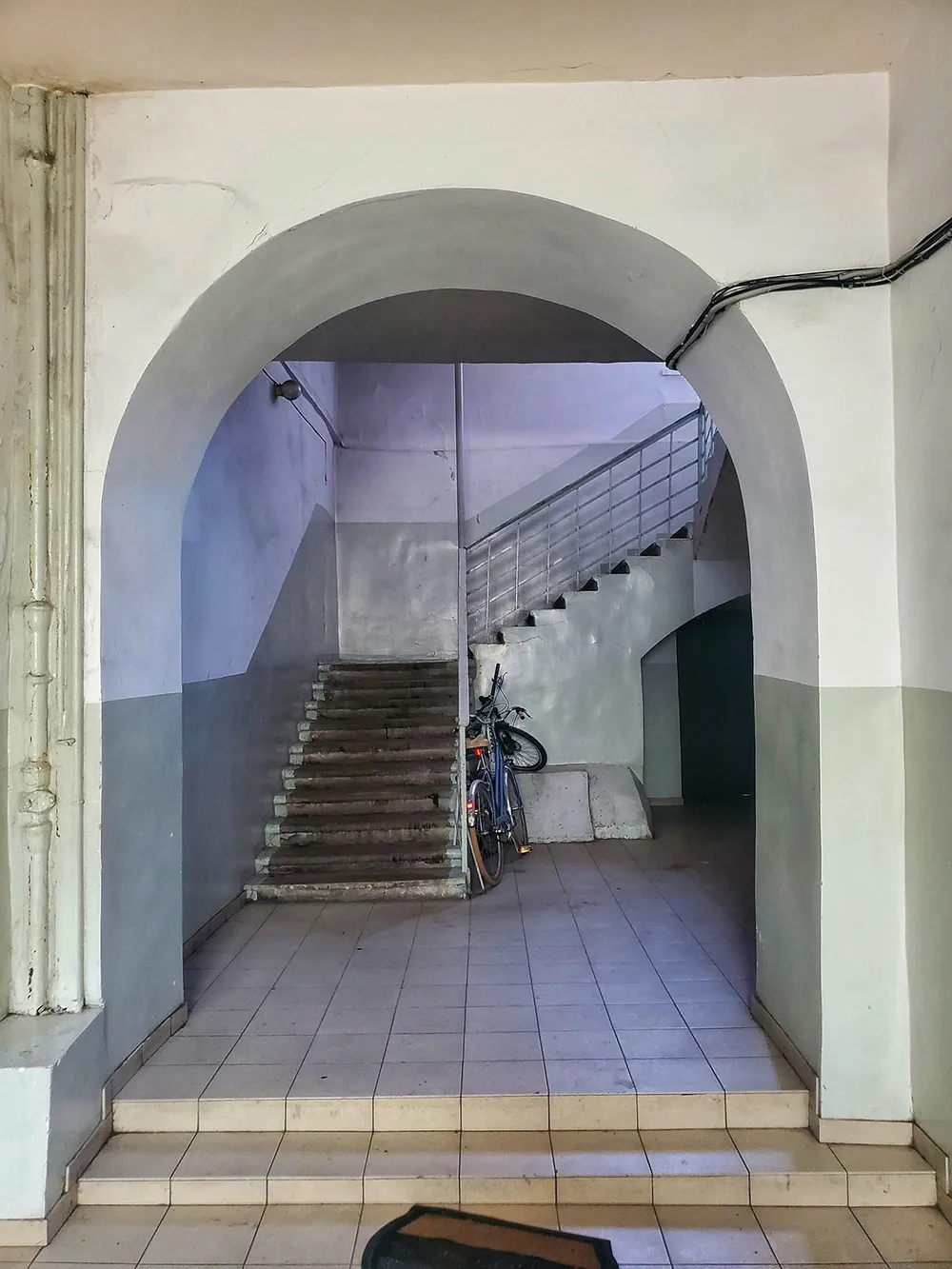
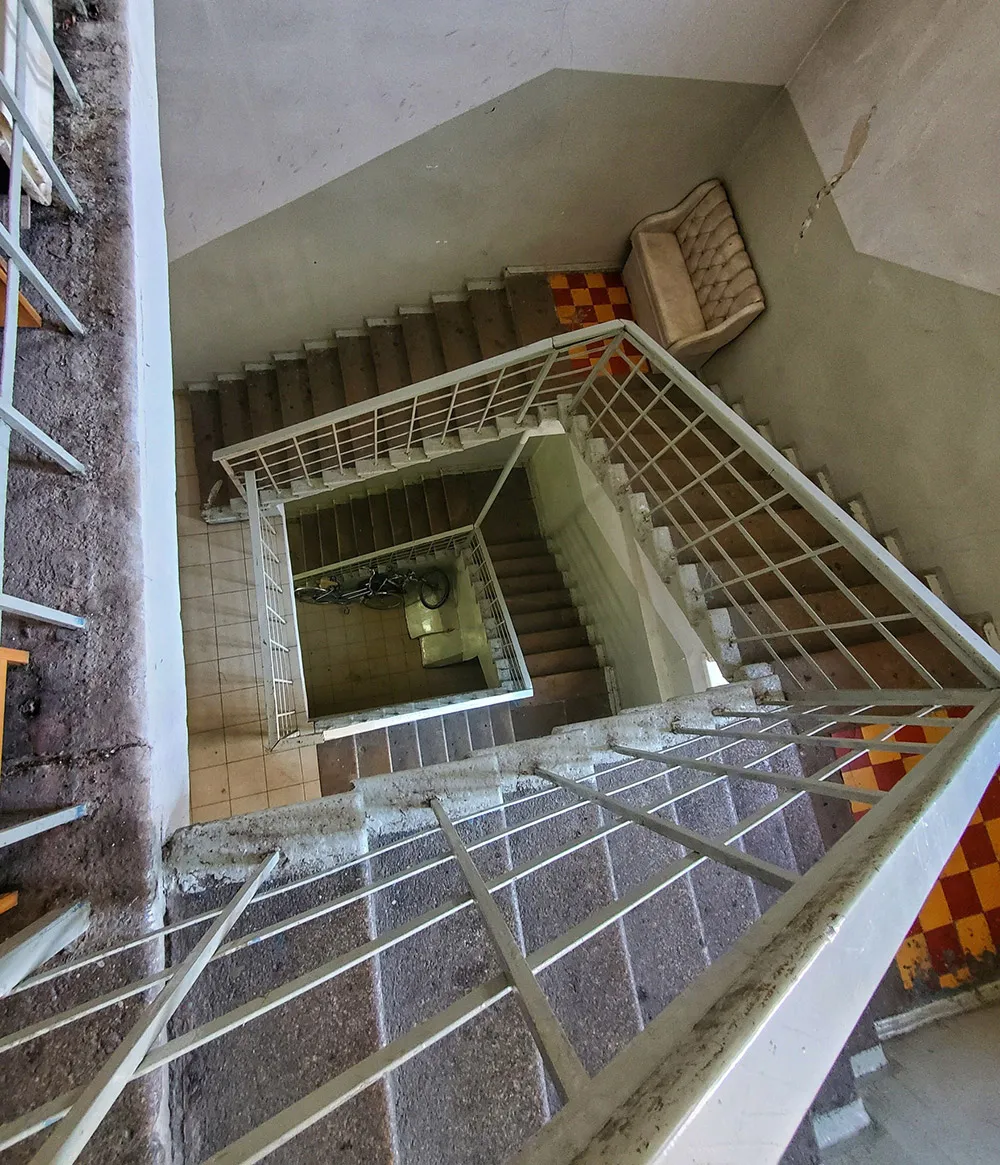
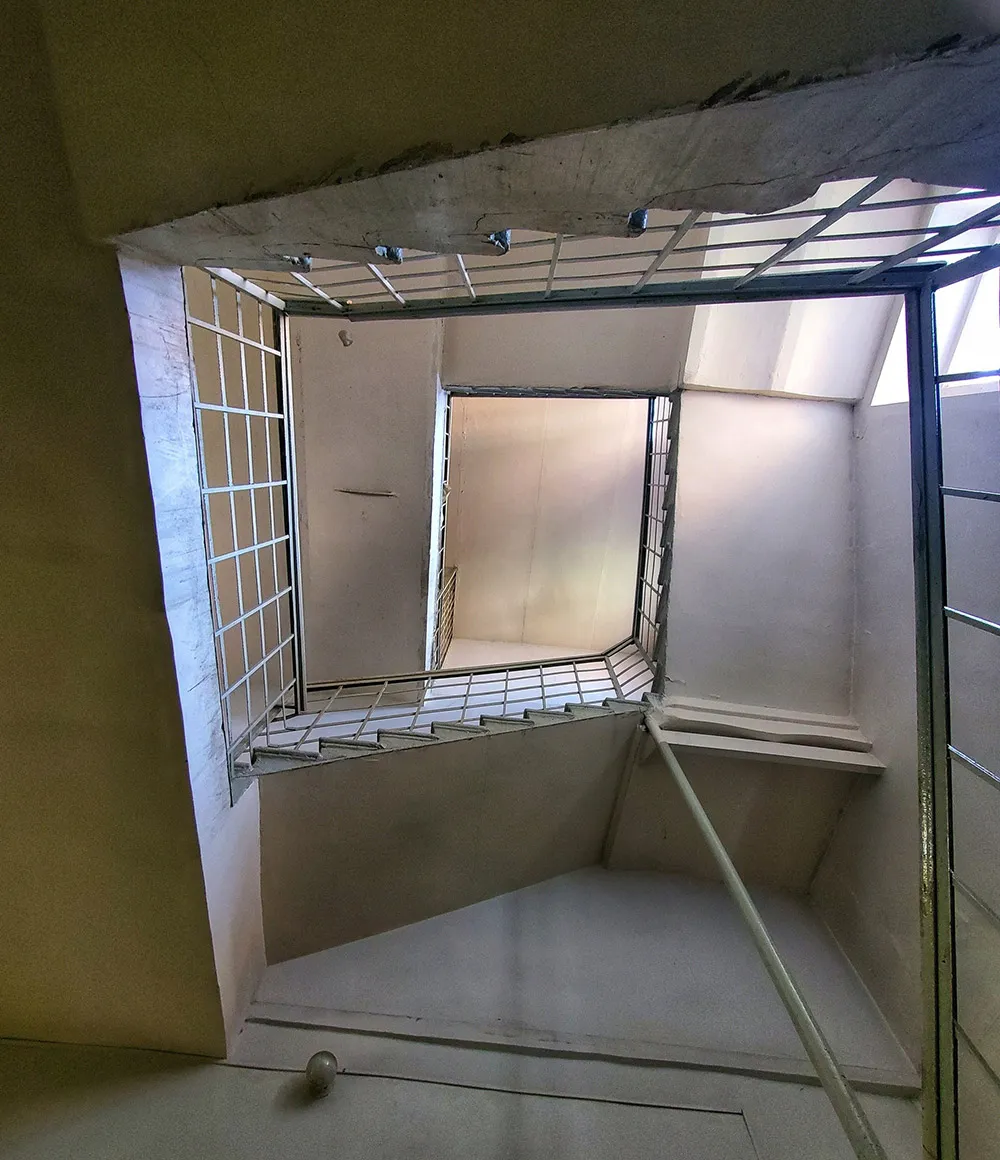
The two-storey stone house was built at once with mansards, which was a rare phenomenon for Kyiv, since they were usually added later. The design of the house was probably prepared by the Kyiv architect Pavlo Sparro.
Of particular interest was the treatment of its windows, with shallow upper transoms imitating the style of the Ukrainian Baroque.
In 1922 the Soviet authorities nationalized the building. In the 1950s the mansard was demolished and a third floor added.
The original architecture is disfigured not only by the later superstructure but also by clumsy glazed balconies. These repulsive “birdhouses” are, unfortunately, a long-standing disease of all Ukrainian cities.


