

The village of Vikno is not only the Medobory and the “burning bush”
The village of Vikno in Ternopil Oblast is known first of all for its natural monuments. In particular, these are the pearl of the Medobory Nature Reserve, Mount Hostra, the karst lakelets known as viknyny, which gave the village its name, and the extraordinarily picturesque “Franko Rocks”. It was for the sake of the latter that the author first visited these parts.
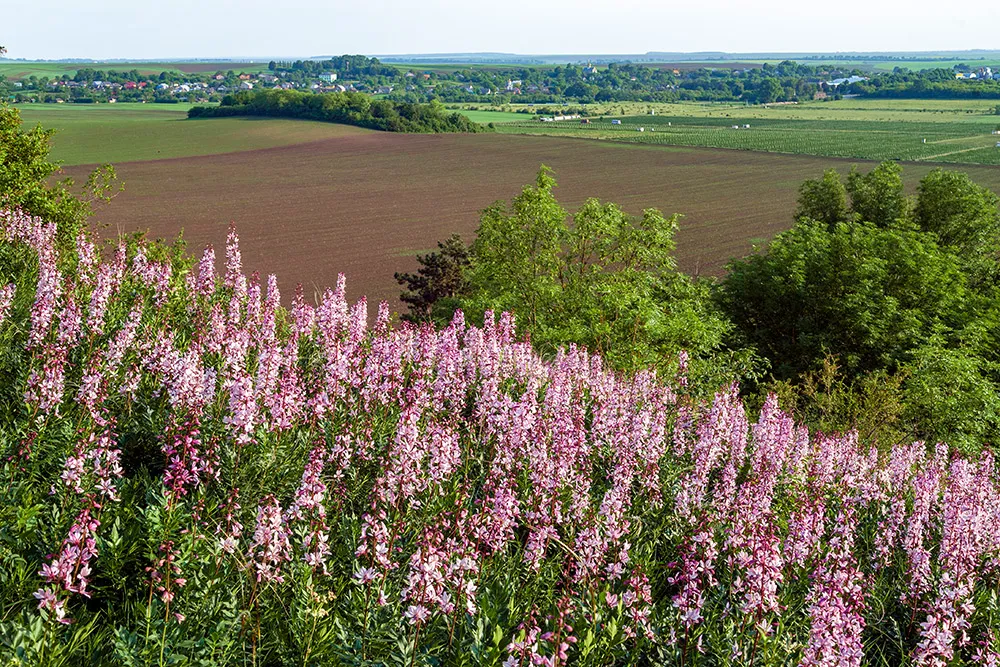
The main highlight of Vikno (in the background) is Mount Hostra, with the largest population in Ukraine of the Red Data Book white dittany
It happened in the spring of 2016. At that time, as a freshly baked guide, I was working out the route of a big tour of Podolia. Photos of the rocks had charmed me, and I planned to include a visit to them in the programme. But before leading tourists, I should have gone there myself.
Unfortunately, I had to recall the proverb about the elbow you cannot bite. The rocks were right there, nearby, peeping out from behind the trees and almost winking, but getting close to them was out of the question! All the approaches were blocked by a solid green wall of juniper. Very prickly and dense, so that not even a mad dog could push its nose through.
I had to abandon the idea of including the “Franko Rocks” in the route.
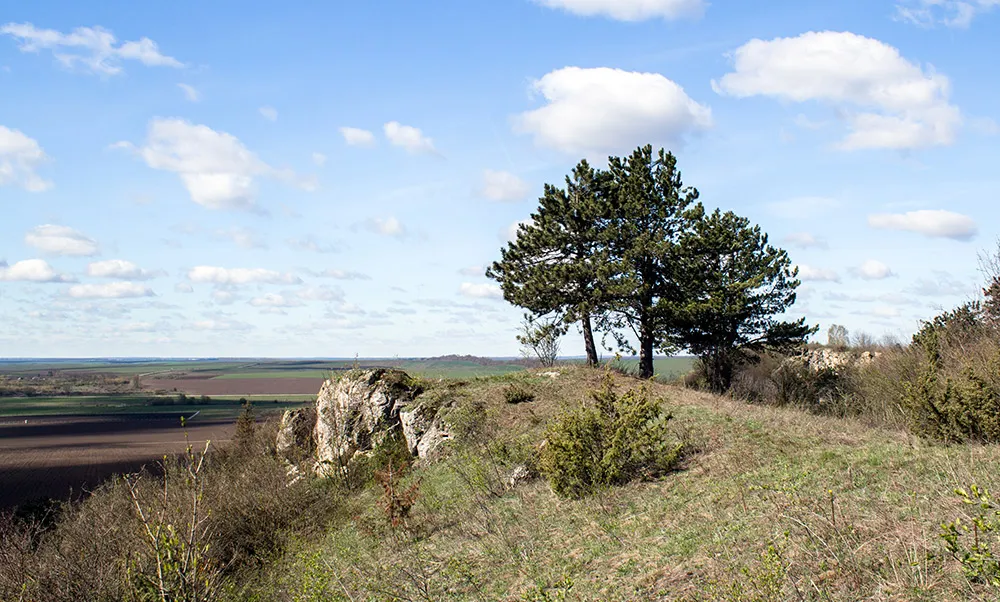
Mount Hostra. 2016
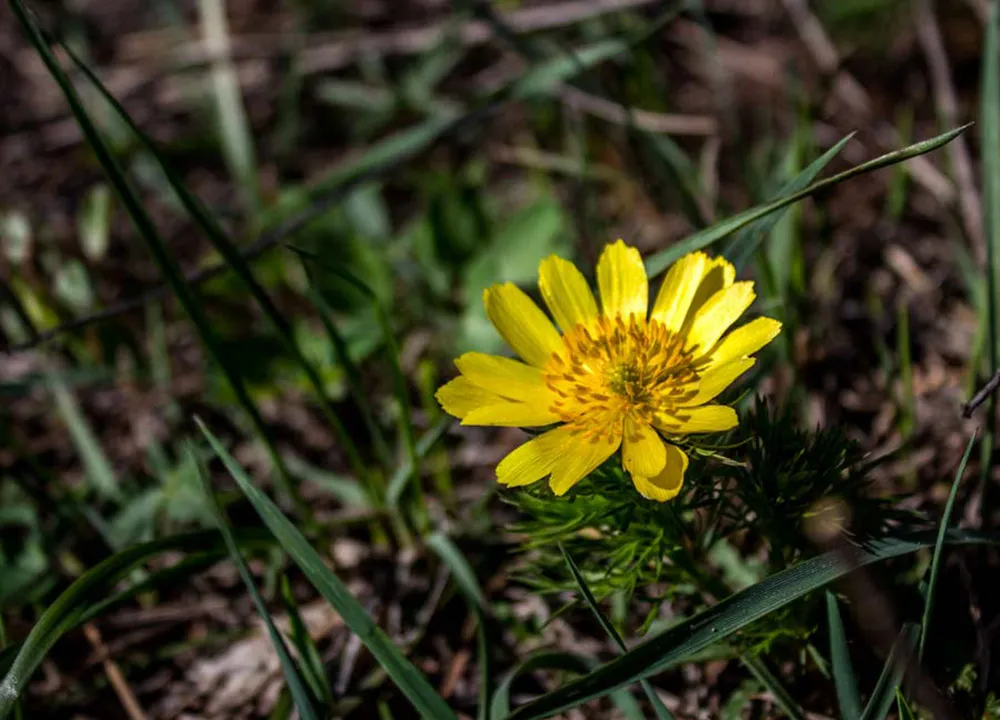
Of all the floral diversity, only a few early-blooming pheasant’s-eyes
The famous Mount Hostra did not impress at that moment. Its main highlight is its unique plants, but at the very beginning of April, of all the future wealth only a few “early” pheasant’s-eyes shone like little suns. But the viknyny, filled with extraordinarily clear aquamarine water in which shoals of fish swam, were impressive. As it turned out later, such an “aquarium” can be seen only in winter and early spring; already in May clumps of very ugly brown algae appear on the surface. This testifies that the water is perfectly clean, but it does not look very nice. Local villagers clear them periodically, but they quickly grow back.
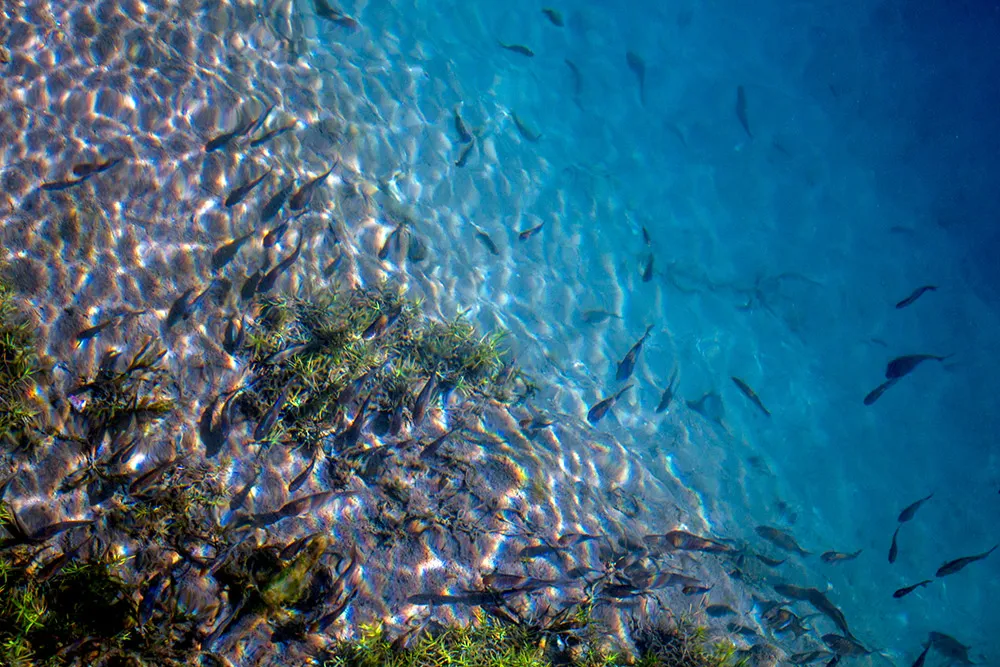
The “Aquarium”. 2016
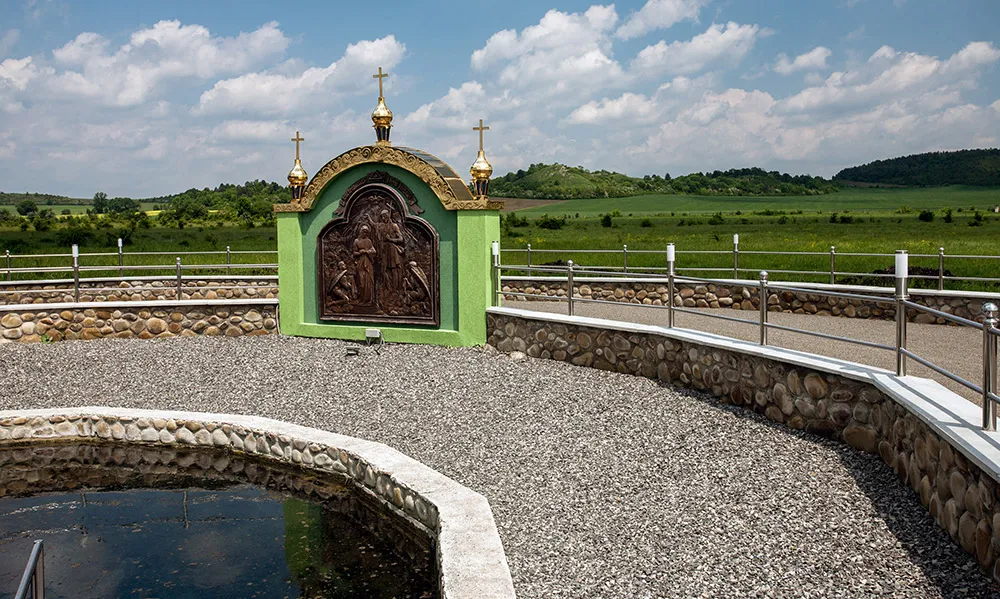
A bathing pool on the karst lake. It is worth noting that the “concreting” was a forced step. Because of natural changes the lakelet could have been destroyed by the sliding of its banks.
During my first visit to Vikno something also happened that I did not pay much attention to at the time.
Travelling alone is boring, so for the trip I traditionally “recruited” my friend Ihor, also a local historian and a historian by training. While the author of these lines usually “flutters in the empyrean” on such journeys and looks out only for something unusual that falls under the definition of a “monument” (natural or historical), my colleague often paid attention to rather mundane things as well:
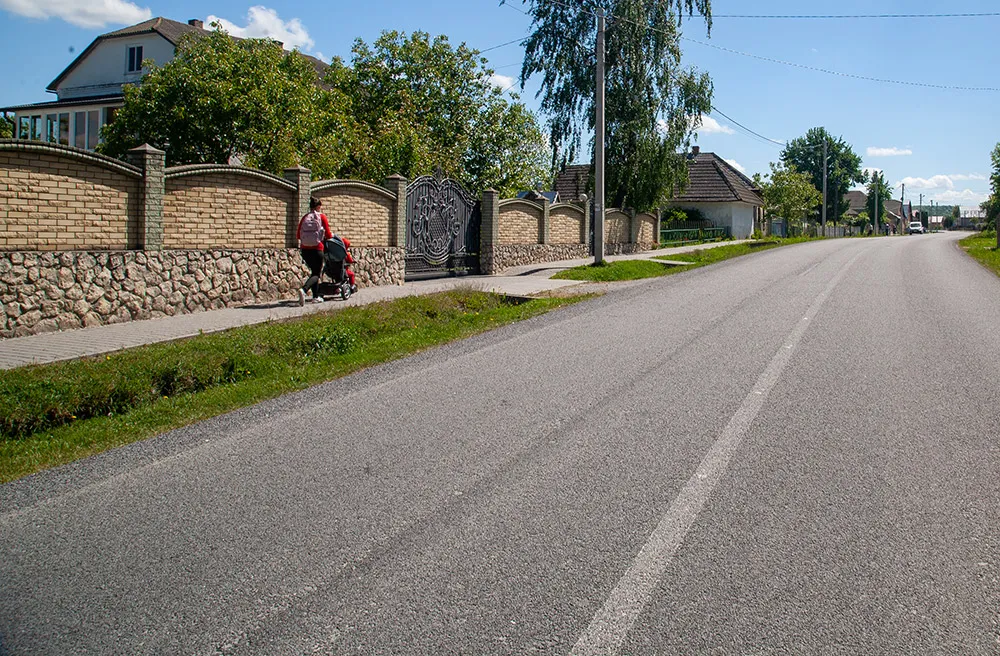
Paved pavements appeared in the village back in 2016. And it is not budget money
“Look at that,” Ihor remarked then, “this village is quite rich. Wow! They even lay pavements with paving tiles! I wonder where such money comes from?”
It is worth recalling here that as of 2016 the paving-tile wave had not yet swept over Ukraine, and something like this, in some village at that, was an unusual and unique case. Vikno as a whole really did stand out for its prosperity against the background of neighbouring villages. There were even several shops here. By contrast, in many other surrounding villages there is sometimes not even a poor little shop to be seen.
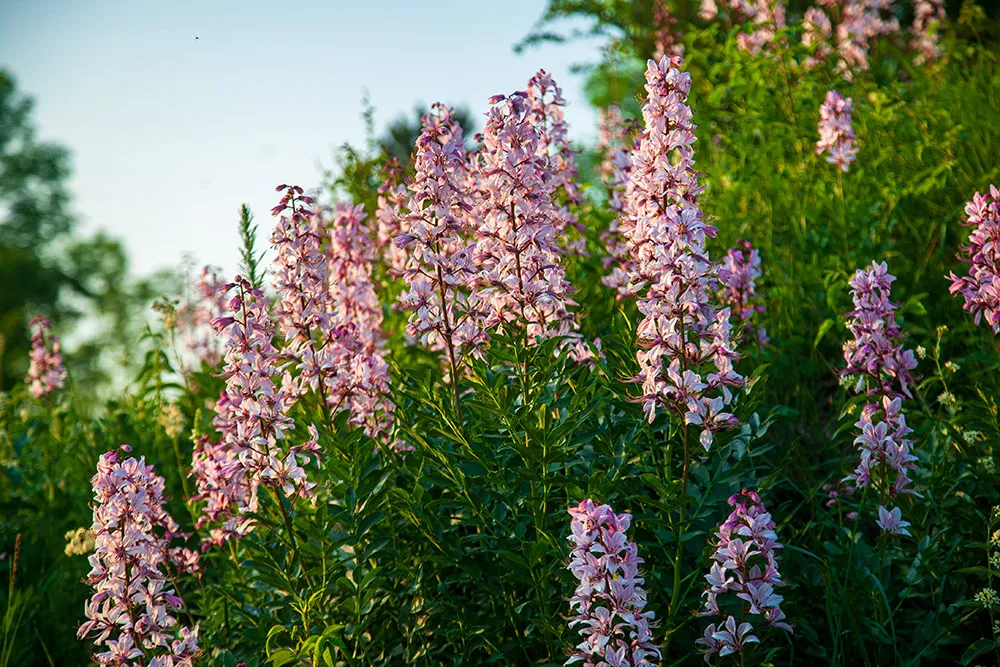
The “burning bush”
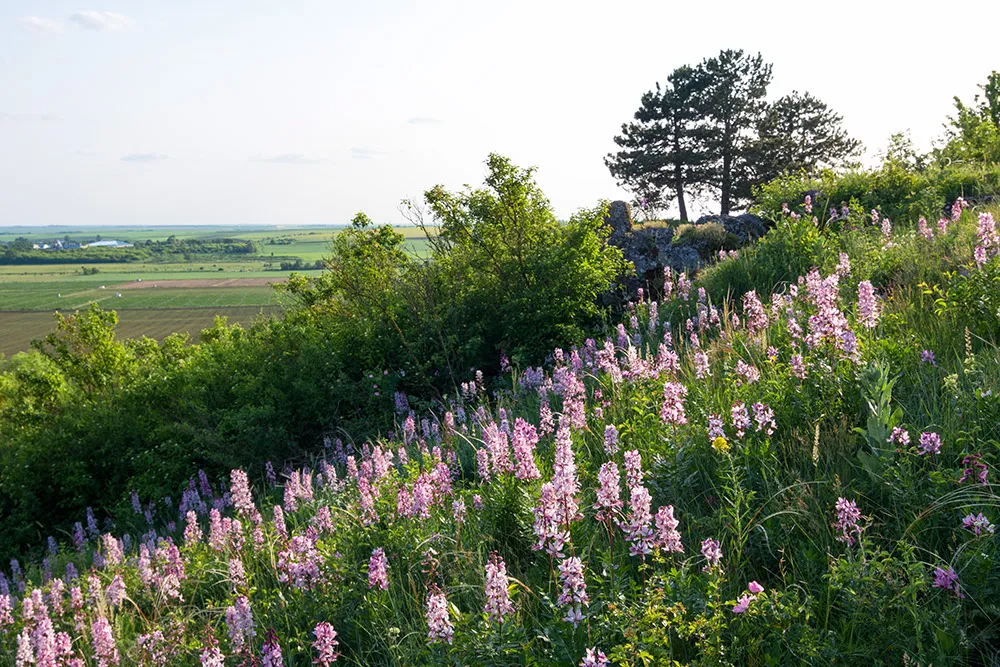
There is a lot of it here
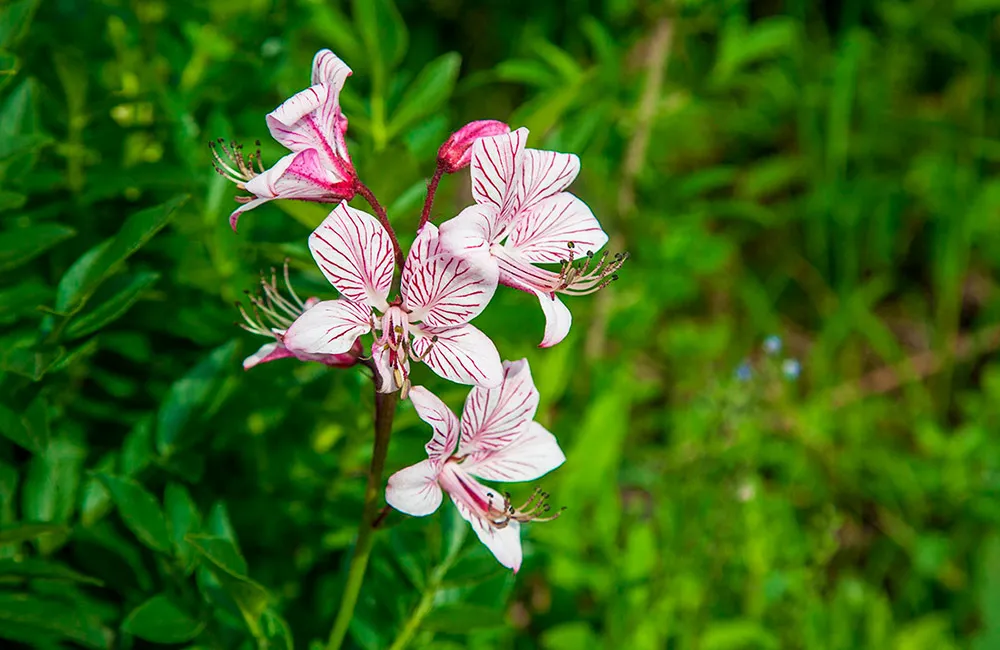
And it is very beautiful and delicate (and dangerous)
Two months later we returned to Vikno to admire the mass blooming of the Red Data Book white dittany (popularly called the “burning bush”). The spectacle was so impressive (the much-hyped Valley of Narcissi nervously smokes in the corner) that an annual trip to Vikno “for the bush” became a tradition, like a samurai trekking to the foot of sacred Fuji to see the cherry blossom.
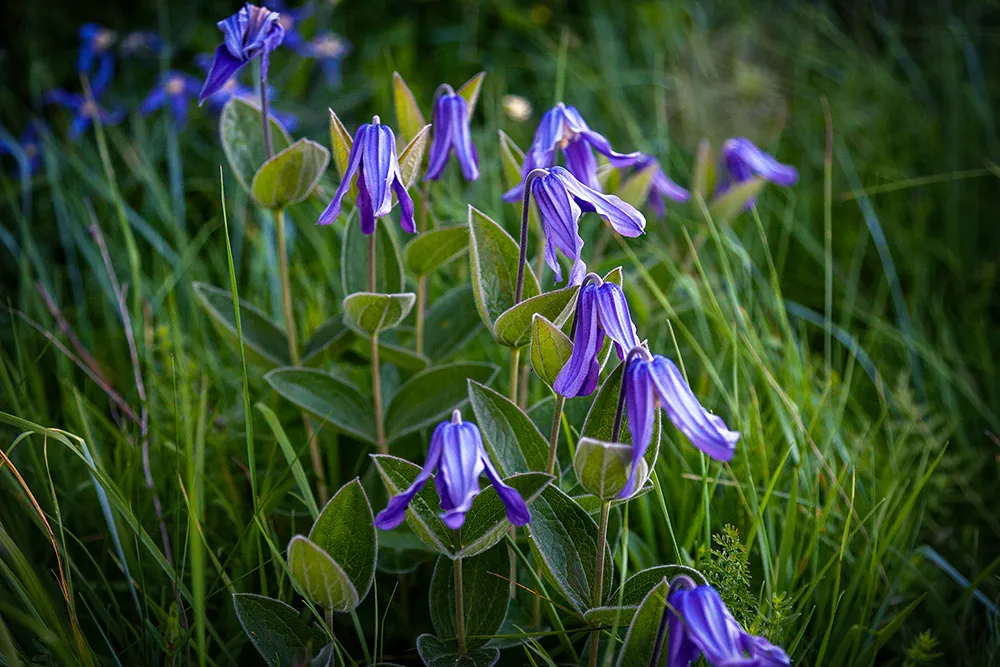
Hostra is not only the dittany but other Red Data Book plants too. Clematis
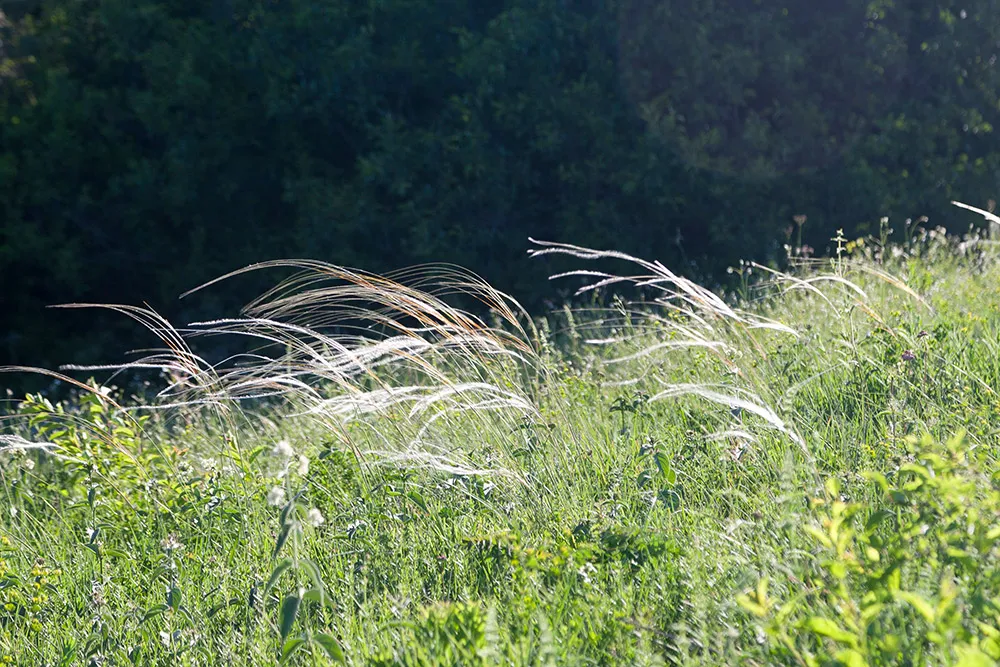
Feather grass…
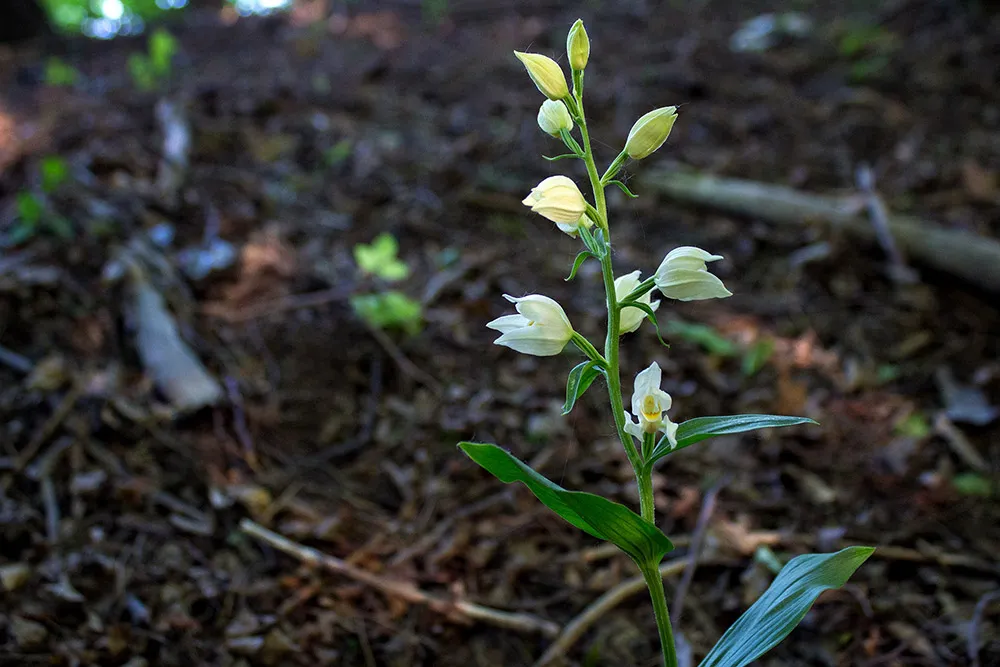
An extremely rare orchid, the large-flowered helleborine. This is not Mount Hostra. Nearby. Where exactly is a secret…
This year, because of climatic anomalies, timing the visit for the mass blooming did not work out: the dittany was only beginning to bloom, but I was lucky to get to know some extraordinarily interesting people.
A Kyiv journalist acquaintance once aptly remarked that every Ukrainian town or village must have its own “mad local historian”. In his native Horodok this important ecological niche is occupied by the author of this publication. In Vikno it is Serhii Tkachov, who is also the director of the Volodyslav Fedorovych Museum. And while in terms of “madness” I might even give him some competition, in terms of knowledge hardly.
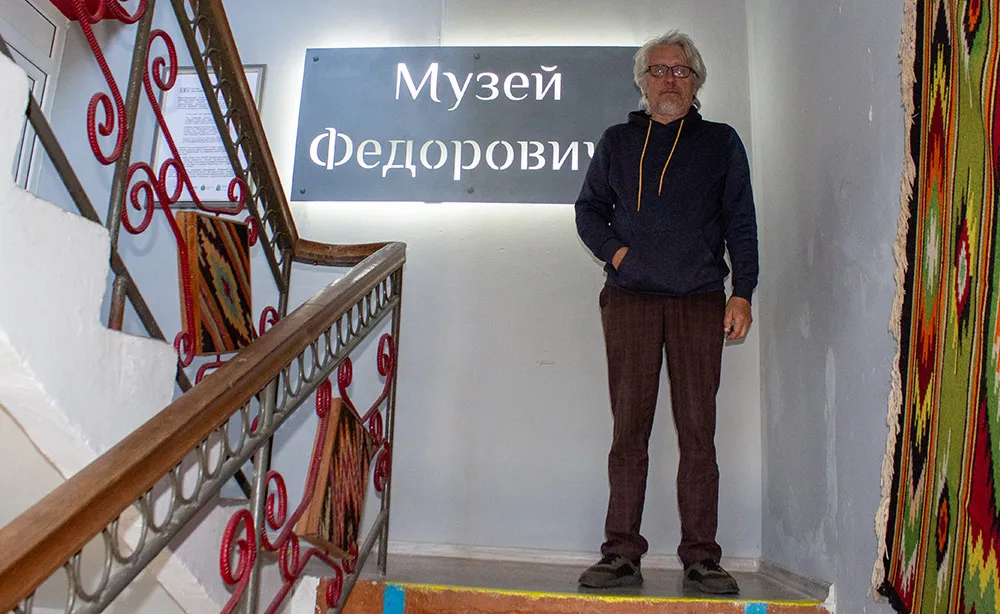
Serhii Tkachov (the carpets are no accident: they are a vivid part of Vikno’s history)
Of course, Mr Serhii gladly agreed to give his colleague a tour of his favourite village and, of course, of the Museum.
The word “Museum” is capitalised for a reason. Although it occupies only a few rooms in the village house of culture and frankly loses out to pompous museums (with a small m) that have multimillionaire patrons and fancy ultra-modern equipment and other high-tech, in substance and interest it stands at least an order of magnitude higher. Besides, very interesting historical figures are closely connected with Vikno.
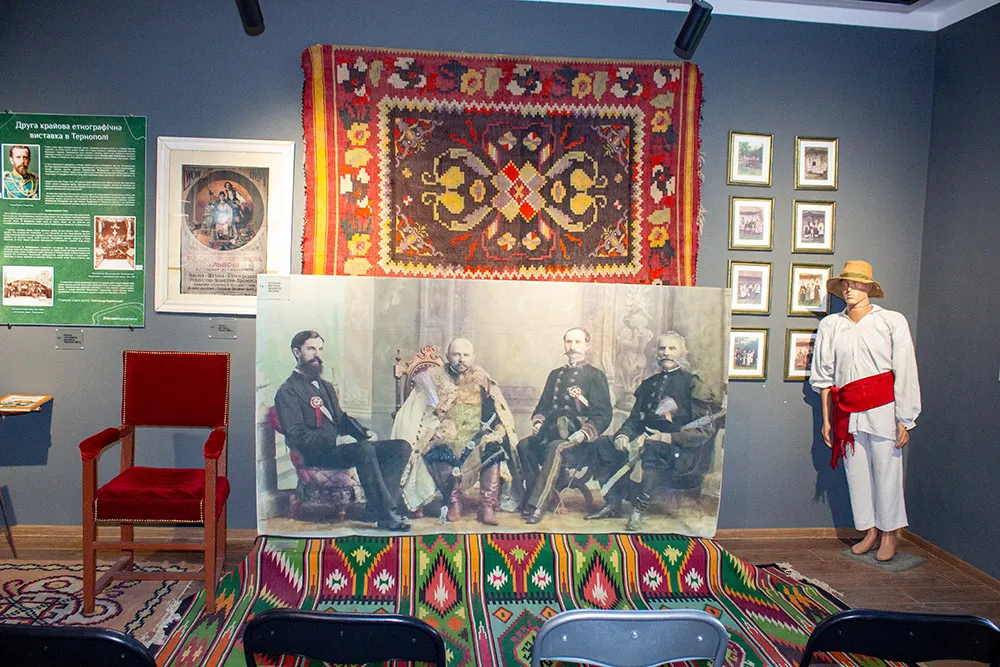
Vikno carpets were once sold even beyond the borders of Austria-Hungary
In particular, this was once the family nest of the famous Galician politicians, public figures and patrons, the Fedorovyches. They, by the way, began the cause of nature conservation in these parts, and it is to them that we should be grateful for the chance to admire the amazing spectacle of the dittany in bloom (and to the staff of the Medobory Reserve, of course). In particular, in 1910 the Polish Academy of Learning (the predecessor of the Polish Academy of Sciences) registered Mount Hostra as a botanical reserve.
The reserve, recall, arose on the initiative of Volodyslav Fedorovych, a magnate and an extraordinarily interesting, educated, many-sided and flamboyant man. He called himself “the last Ruthenian (that is, Ukrainian, author’s note) boyar” and always appeared at public and ceremonial events in the attire of a Ruthenian (Ukrainian) aristocrat in the 17th-century fashion (with a sabre, of course).
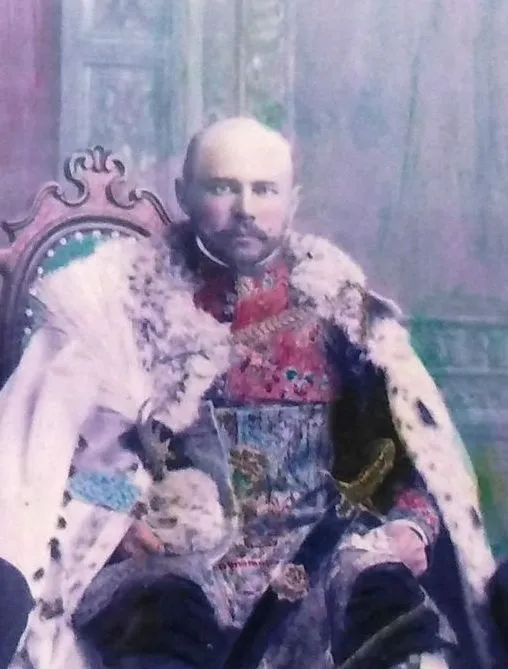
The last Ruthenian boyar…
However tempting it is to tell more about him here, I will limit myself to just a few touches.
In 1873–1877 Mr Volodyslav Fedorovych was head of the Prosvita society in Lviv (and the main sponsor of its activities, I should add).
In 1879–1882 he was the representative of Ukrainians in the Chamber of Deputies of the Austro-Hungarian parliament. From 1902 he became a life member of the House of Lords (the Austro-Hungarian analogue of the British House of Lords), where he fervently defended the interests of Ukrainians. In particular, he obtained from the emperor a decree on teaching in Ukrainian in the upper classes of the Academic Gymnasium in Lviv.
In 1883 Volodyslav Fedorovych invited Ivan Franko to Vikno to write a biography of his father, Ivan Fedorovych, who was also a rather respected man who left a considerable mark on History. In particular, in 1848, as a deputy of the parliament of the Austrian Empire, together with the famous peasant deputy Lukian Kobylytsia, he initiated the law abolishing serfdom (corvée).
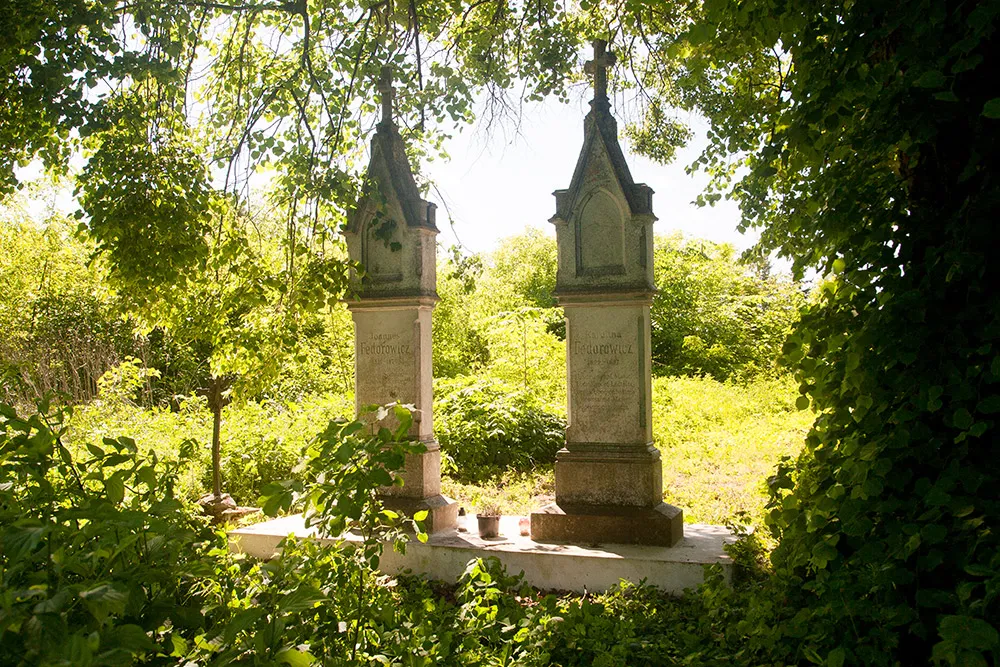
The graves of Ivan Fedorovych (left) and his wife Karolina
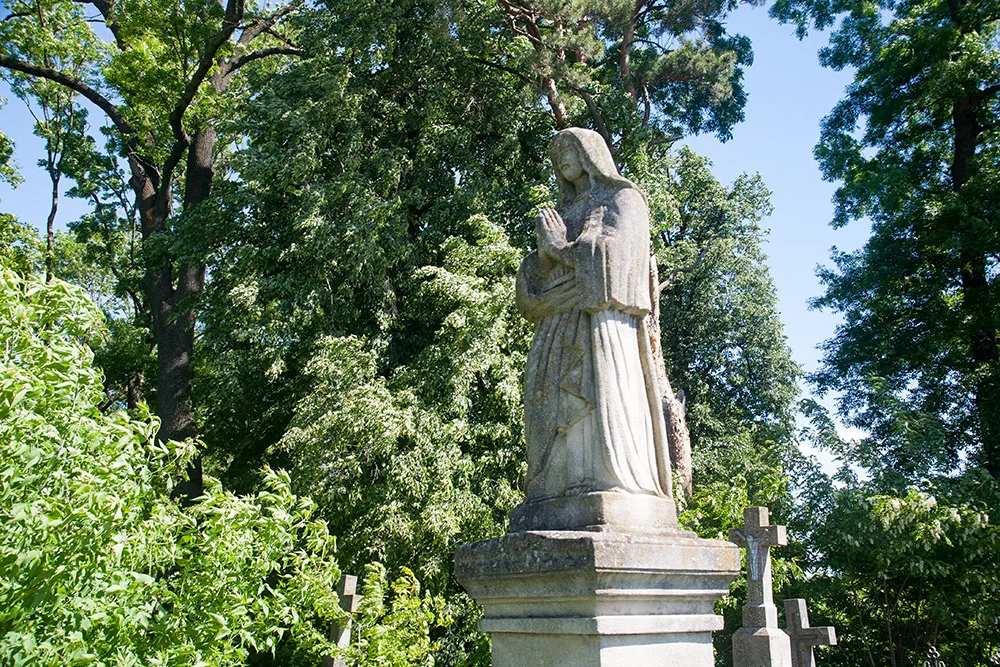
The cemetery also has many figures in a naive folk style
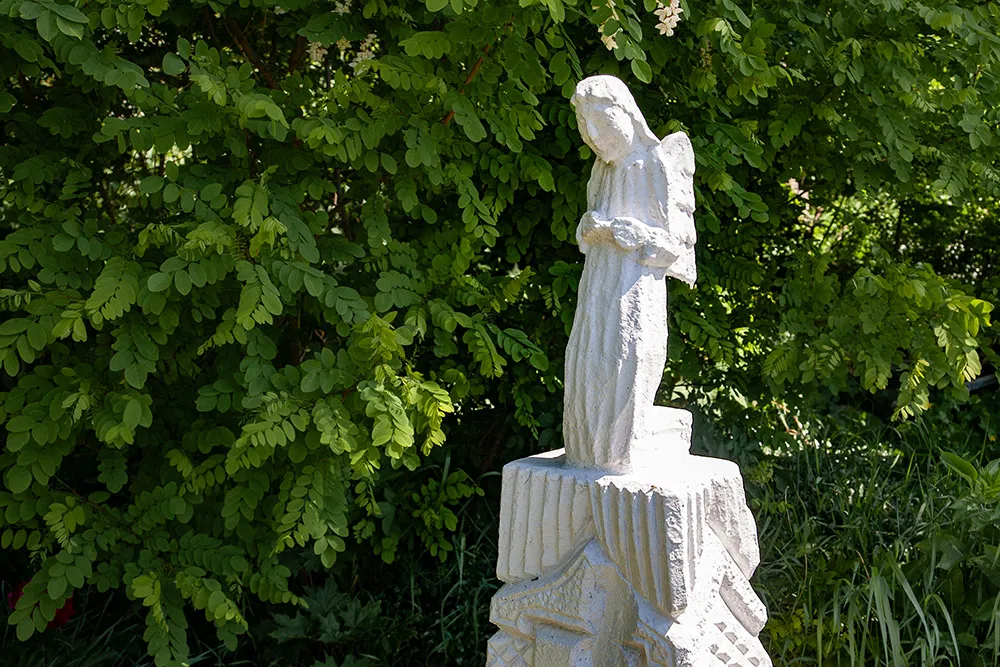
A little angel.
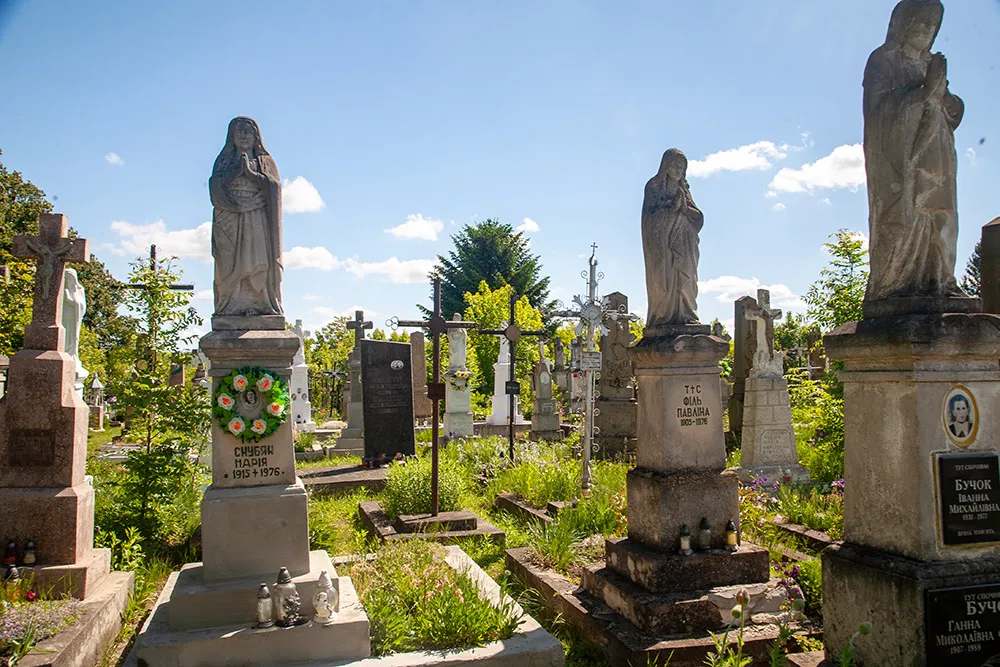
Quite unusually, some tombstone figures date from the 1970s
In honour of this event, “Crosses of Freedom”, erected in 1848, can still be seen in almost all Galician towns and villages. These crosses were so revered that under the communists people hid them as the highest shrine.
Vikno has a “Cross of Freedom” too. Unfortunately it is not authentic. It was erected in 1991. However, this cross is also one of the “underground” ones. It once crowned a church built in the interwar period. When the Soviets destroyed the church, people saved the shrine.
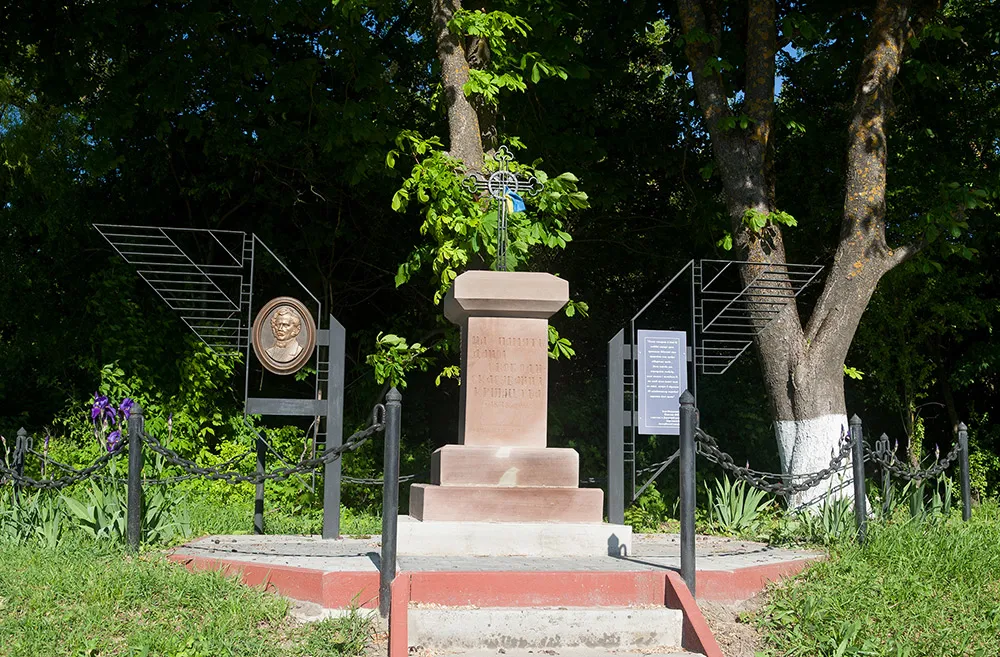
The “Cross of Freedom”
Next to the cross are two symbolic wings. One bears a medallion with a portrait of Ivan Fedorovych, the other a quotation from his “anti-corvée” speech in the Austrian parliament in October 1848:
“Only corvée and other burdens like it are the cause of the poverty of those lands so generously endowed by nature… Once peoples have understood freedom, once they have grasped and loved it, then there is no power in the world that could wrest from a nation of 40 million the fruit of its labour”.
The memorial cross is enclosed by an iron chain symbolising the broken shackles of bondage.
But let us return to Ivan Franko.
The result of his stay in Vikno was the work “The Life of Ivan Fedorovych and His Times”, the studies “The Hrymailiv Estate”, “Corvée and Its Abolition in 1848”, “The Financial Situation of Galicia”, “Lukian Kobylytsia” and others. Here he also wrote several works of fiction. Rumour has it that it was here, at the foot of the Medobory, that the famous Fox Mykyta was born (at least the very idea).
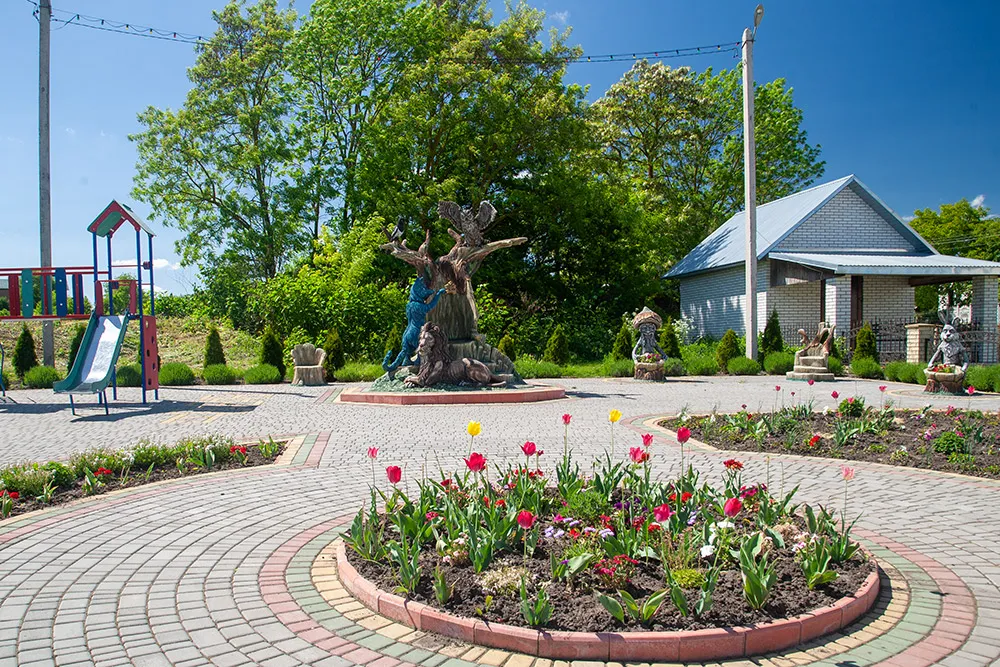
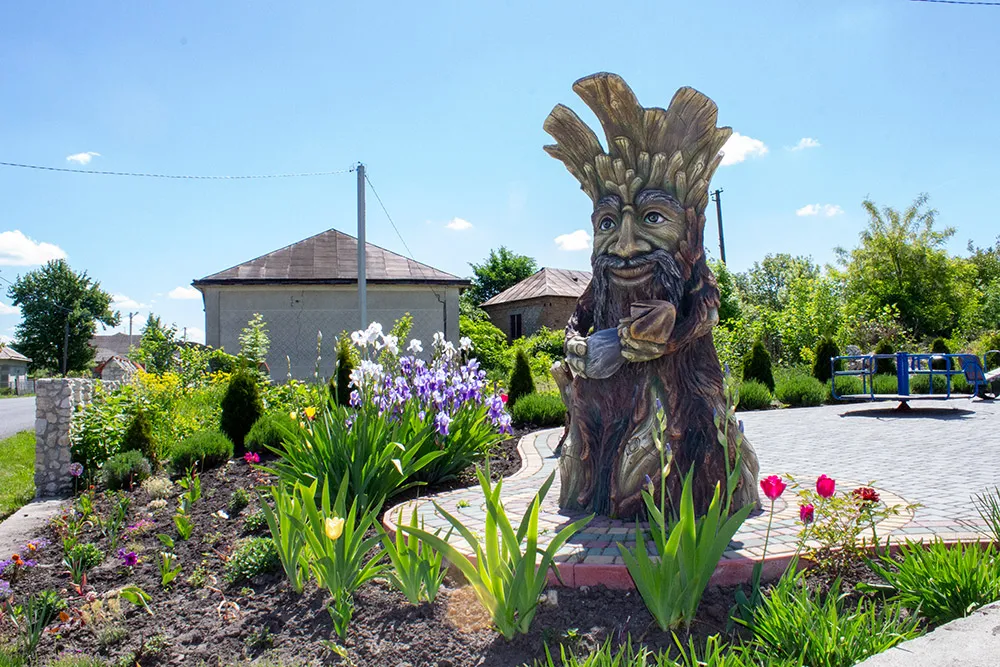
Fox Mykyta and other characters from the well-known tale are immortalised in the very centre of the village. Here we have a unique children’s playground with sculptures of the heroes of the famous work, made by the well-known sculptors from the Terebovlia area Oleh and Oksana Kotyk.
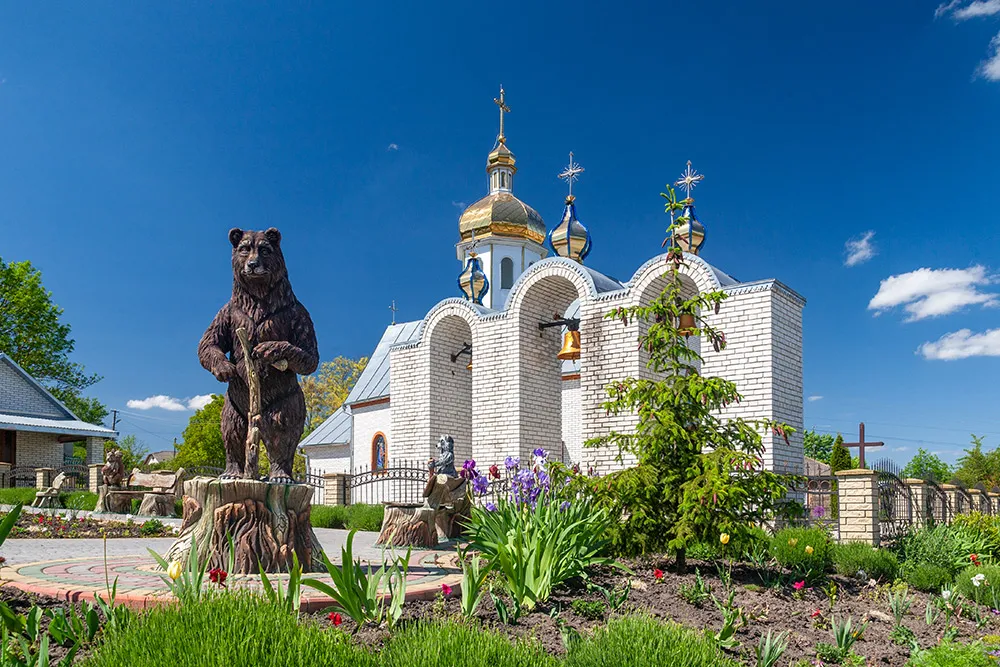
A bear and the Greek Catholic Church of the Dormition of the Holy Mother of God. 2012
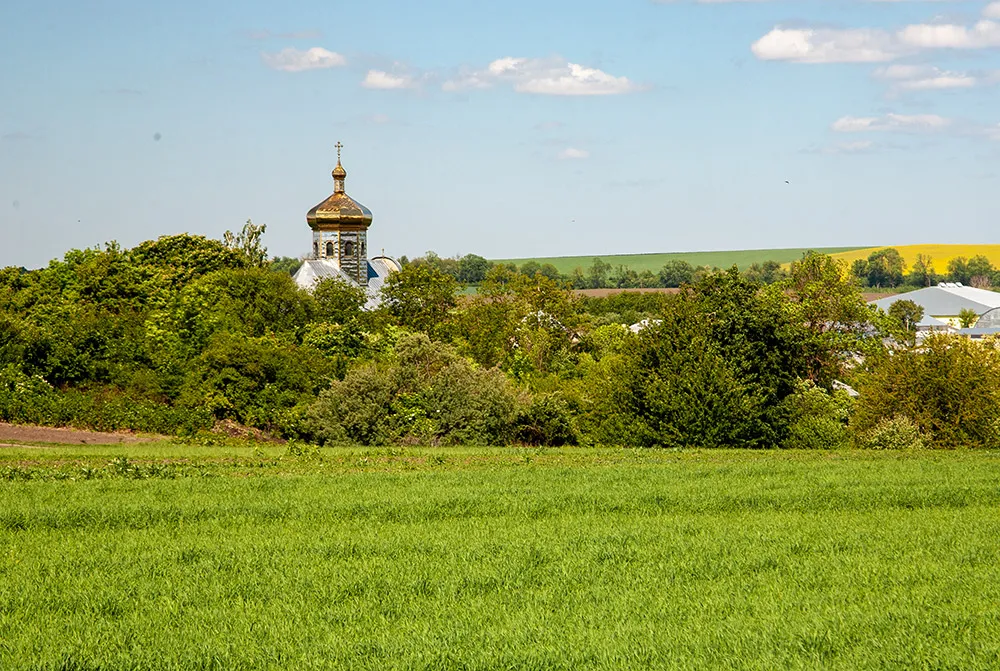
Vikno has another church dedicated to the Dormition of the Mother of God (OCU), 1826
The throne is quite interesting. If you sit on it, it is as if you are being crowned. True, so that the crowned one does not get conceited, the coronation is performed by the Painted Fox Mykyta. A kind of light irony and joke: the crown, they say, is as fake as Fox Mykyta is a fake Heavenly Beast. The idea of this composition belongs to Serhii Tkachov. The playground itself arose on the initiative and at the expense of the head of the local agricultural enterprise, Vasyl Vaniarkha.
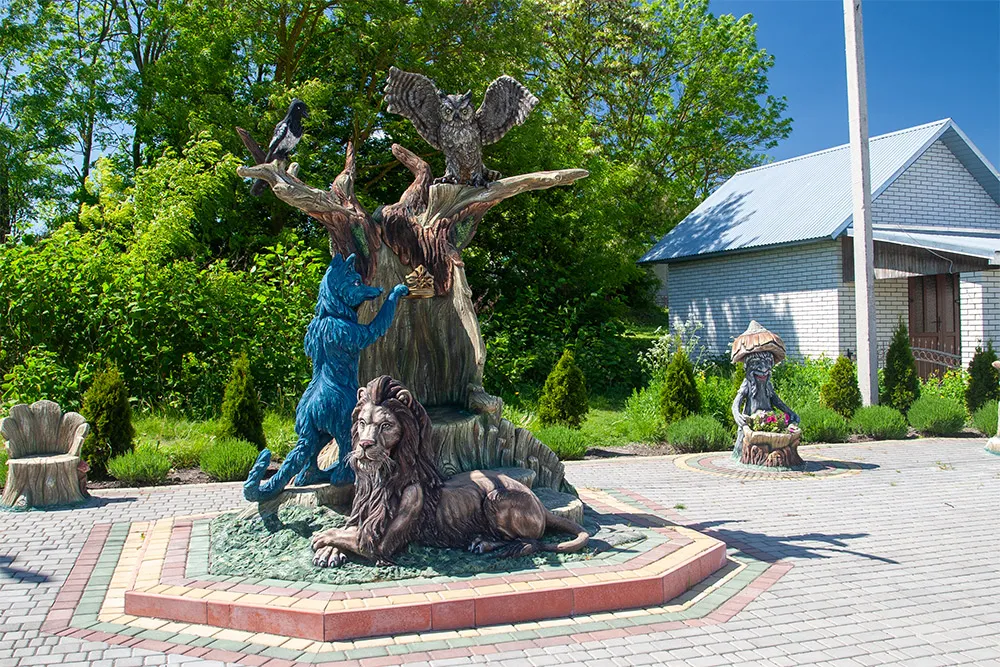
The coronation throne
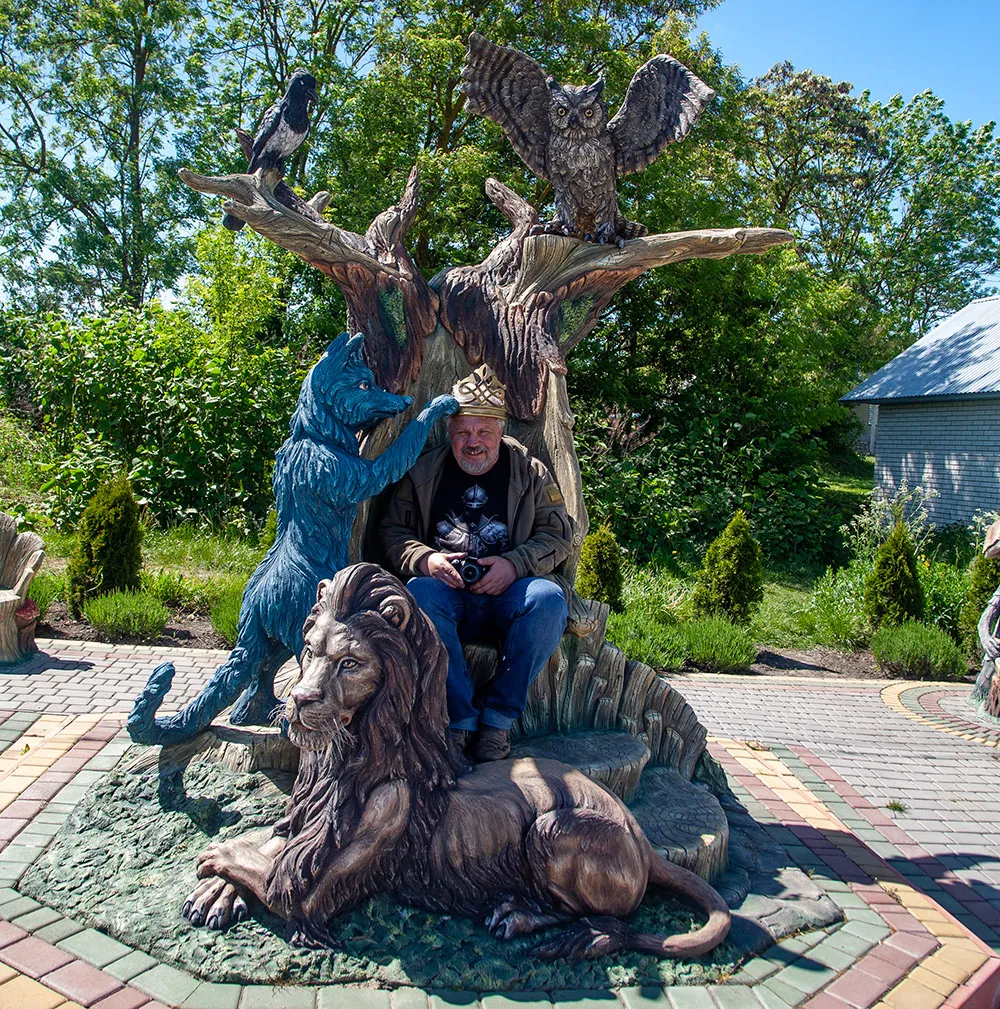
The author of these lines also did not escape the temptation to try on the Painted Fox’s crown
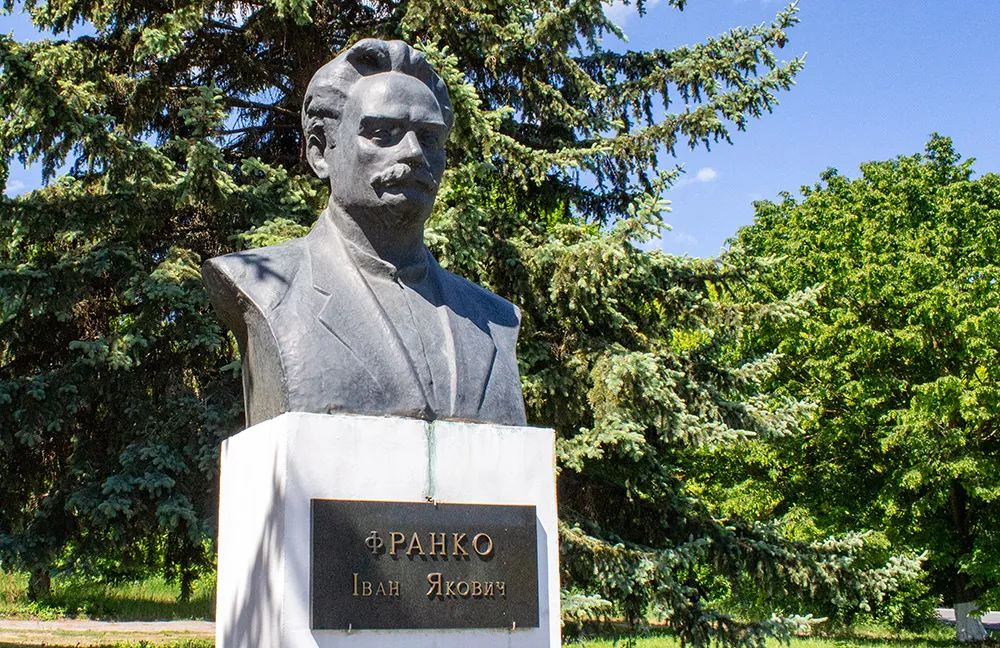
In memory of the poet’s stay in the village we have his bust and the toponym “Franko Rocks”. The latter, as Serhii Tkachov explained, is artificial and appeared sometime in the 1960s, when a directive came down from Kyiv to “tie something to Franko”. Some nimble “local historian” quickly came up with a story that the Stonecutter (Franko) supposedly liked to rest on those rocks. In reality there is no reliable information that Franko ever visited them even once, and the locals still call them by their age-old name, “Tsypel”.
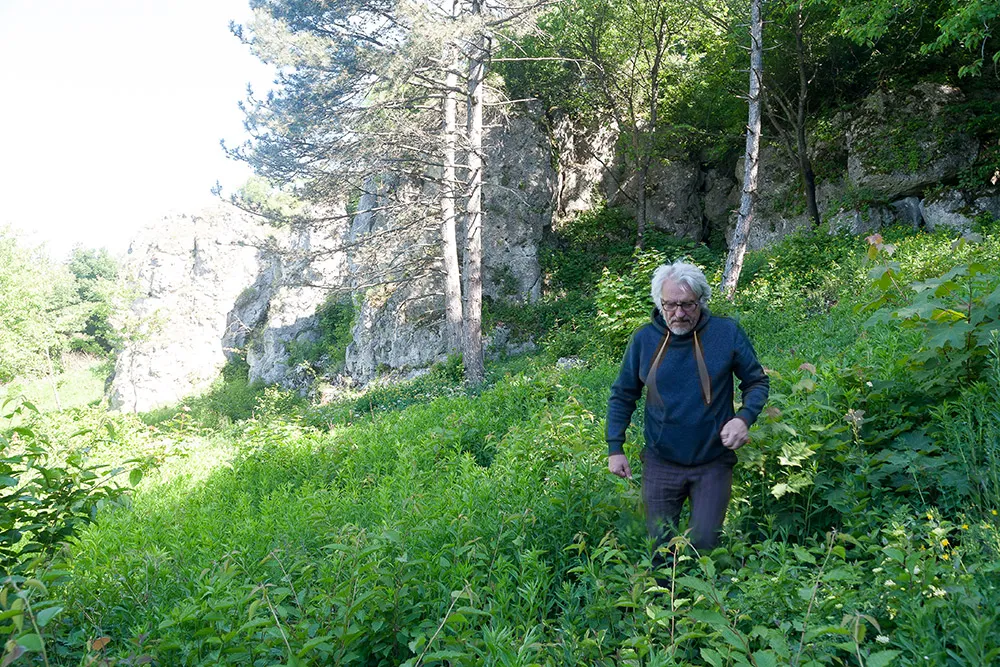
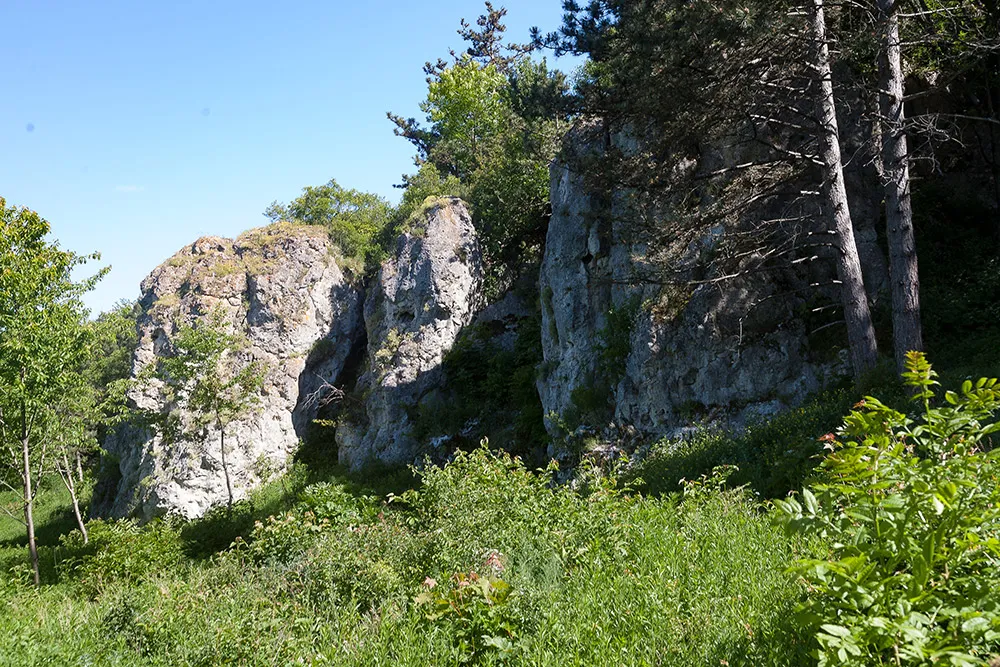
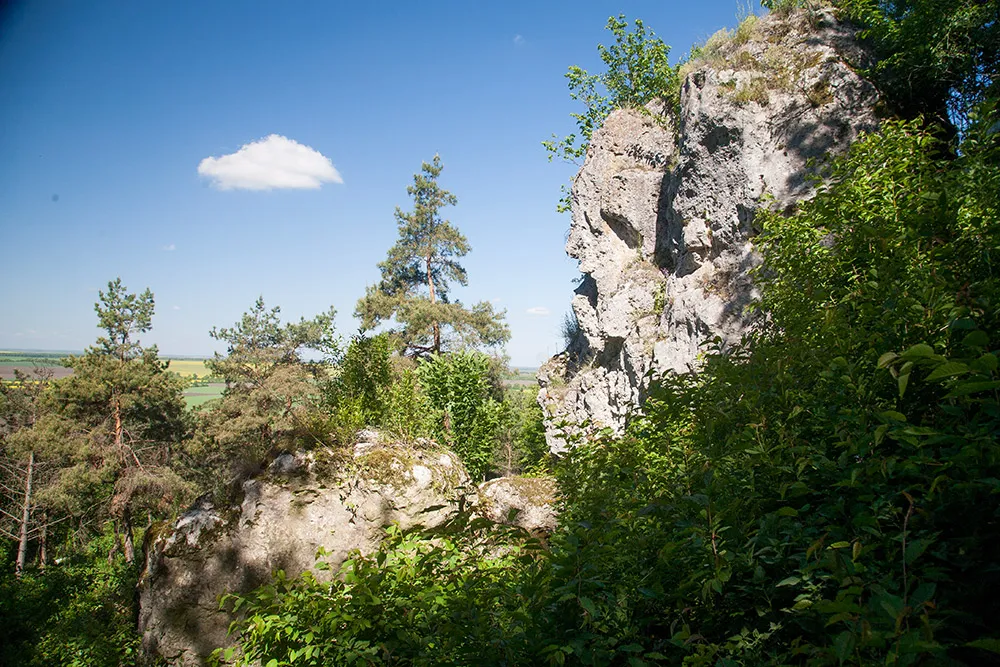
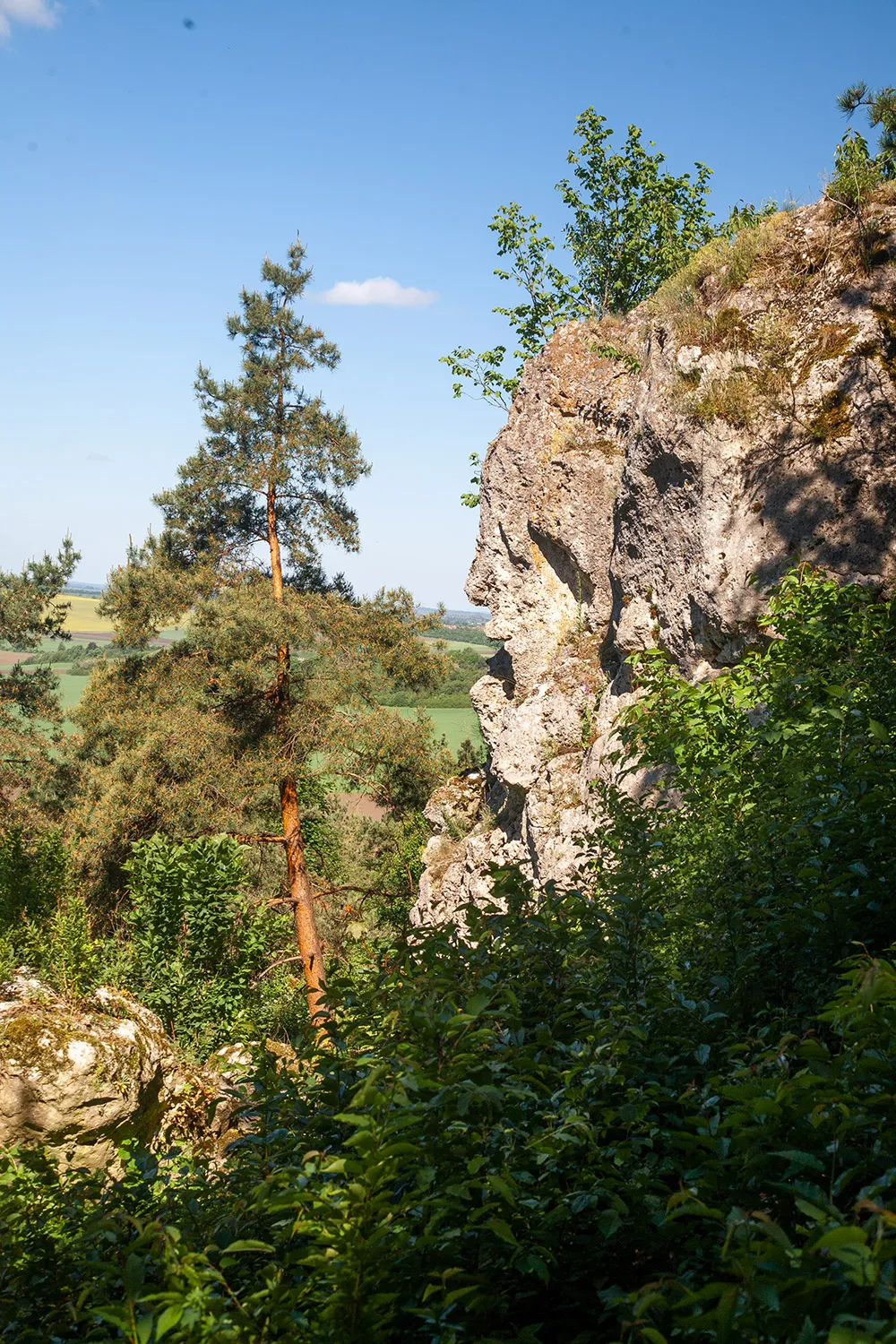
The rocks are actually much more beautiful than in the photo. But the best angle was against the blinding sun
The Museum has many interesting exhibits connected with the Fedorovych family and their circle, and with Franko, and much else besides. But here, may my esteemed colleague Serhii forgive me, we will stop. We will limit ourselves to a few theses.
The Museum is super interesting, and the tours given by Mr Tkachov are incomparable. Just agree to listen. All the more so since it is not some clumsy “innovative” script learned by heart and written who knows how many years ago, but a living story with a heap of vivid facts that the researcher dug up himself. Anyone who drove past Vikno and did not visit the Museum is their own worst enemy!
Unfortunately, practically nothing is left of the Fedorovyches’ material heritage. In 1917 the Russians, fleeing under the blows of imperial and Kaiser’s troops, plundered to the ground and then burned the magnates’ palace, which once housed a huge collection of works of art, antiquities and a unique library. A vivid illustration that Russian soldiers at that time were no different from today’s. Because it does not matter whether he is a tsarist Russian or a Putinist one. The main thing is that he is a RUSSIAN!
Returning to the Tsypel (also known as Franko’s rocks).
As it turned out, they can now be reached without much trouble. For this we are grateful to another rather interesting resident of Vikno, the director of the private enterprise “Viknyny”, the farmer Vasyl Vaniarkha (already mentioned above in the story of Fox Mykyta and his crown).
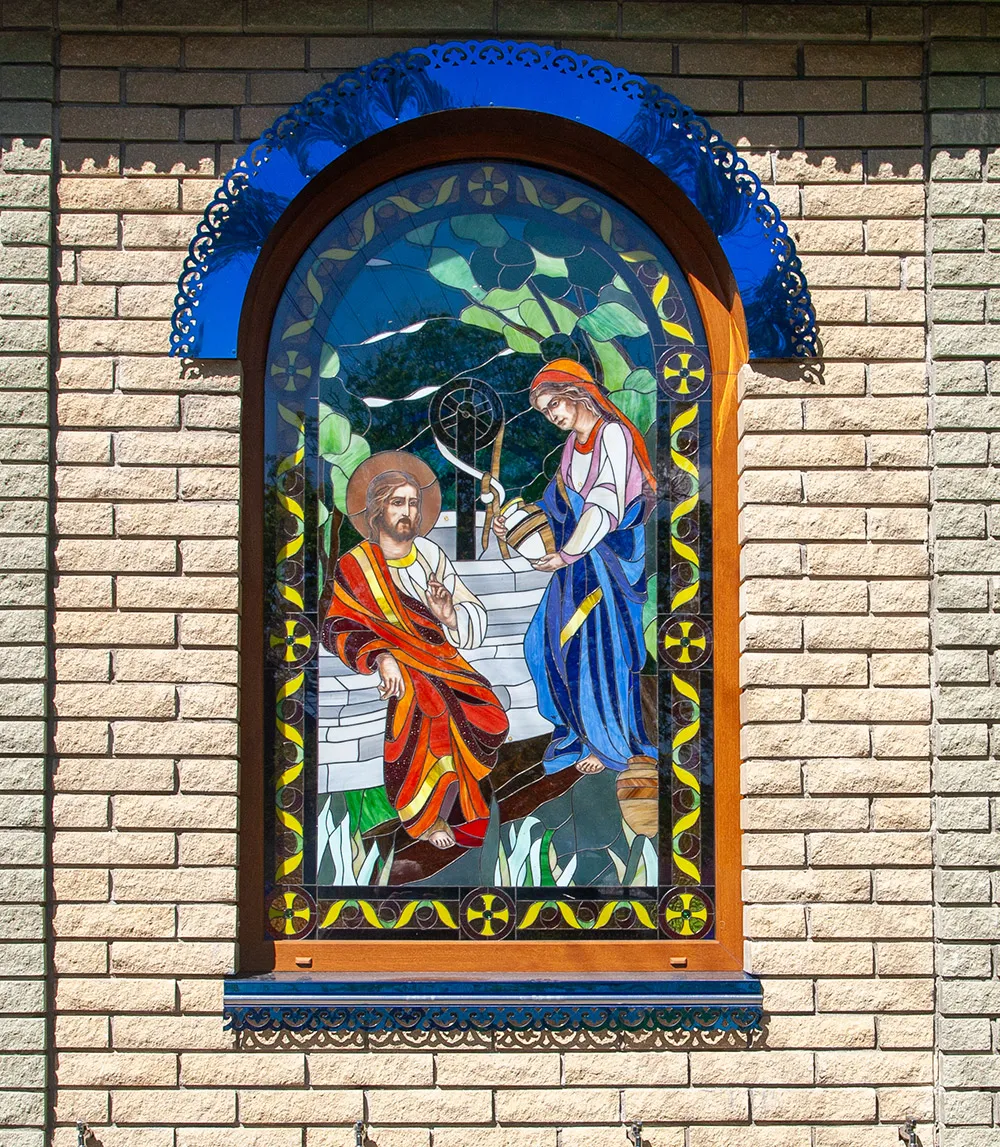
A stained-glass window in the chapel next to the Orthodox church. A gift from Vasyl Vaniarkha
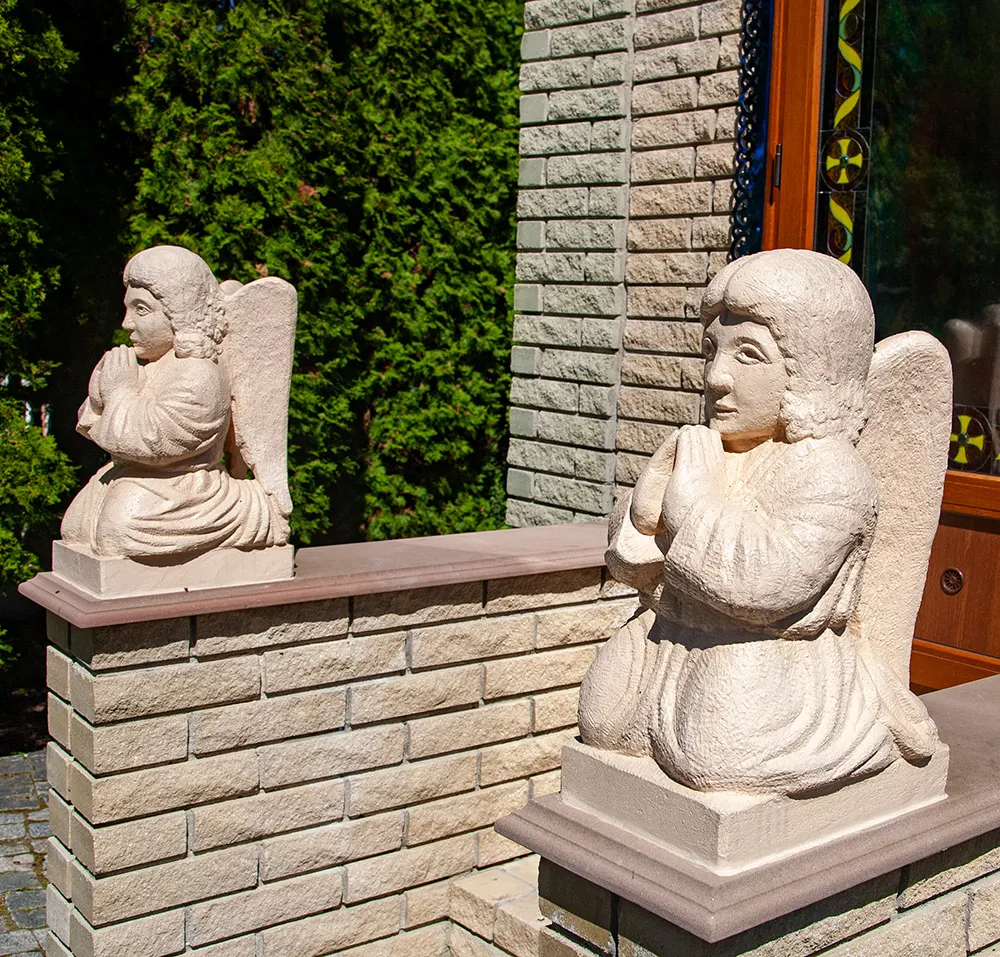
The little angels are not plaster mass-produced goods but carved from stone in a naive folk style. But for some reason the priest decided they would be more dignified painted pink
It is with this man that the fact of Vikno’s prosperity, mentioned at the very beginning of the publication, is connected. First of all because the land here is managed by a local farmer rather than by one of the agroholding latifundists.
Holdings really do show a high degree of management efficiency. This cannot be denied. But in that part of the world that is usually called “civilised”, such a practice was abandoned long ago. Because here we have a contradiction: large latifundia are very profitable and efficient, but for society as a whole they are disadvantageous. First of all because they lead to mass unemployment. The author of these lines saw with his own eyes how, in just a few years, a once prosperous village that came “under a holding” instantly turned into a depressed “hole”.
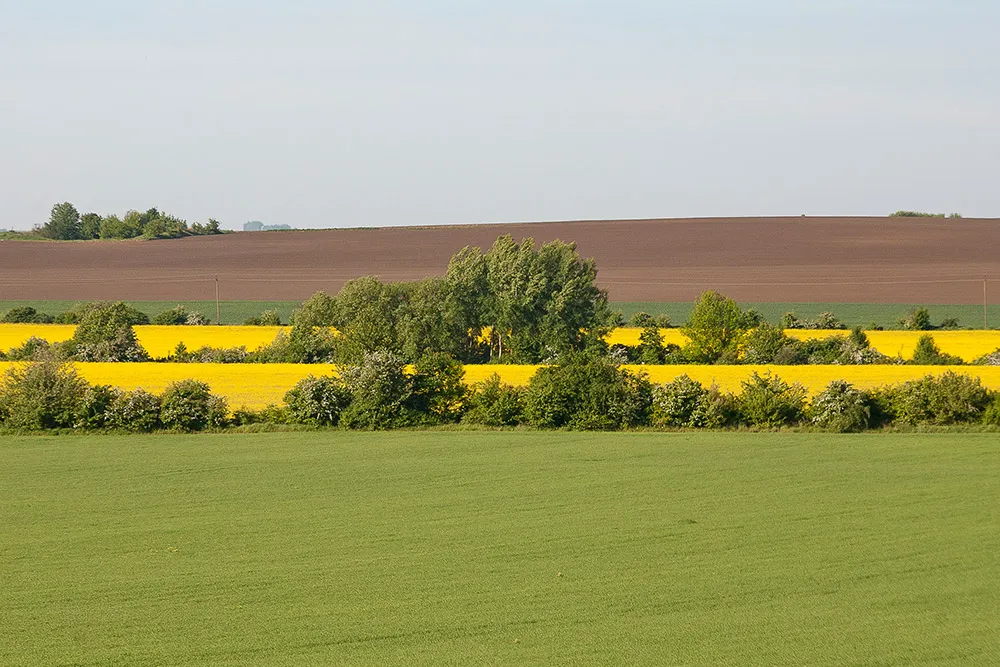
Again: monopolies are evil by definition.
Vikno turned out to be not just “farming”, and this means almost 70 permanent jobs, which is not bad for a village. Plus a huge number of seasonal workers. The latter even come from neighbouring villages.
People who earn in the production sphere, accordingly, enable small entrepreneurs to develop. Hence the little shops. In one, run by Oleh Shvets, there is even a small banquet hall where you can celebrate a birthday or a wedding (a rarity for villages). Mr Oleh even practically built a summer terrace, but did not manage to finish it: the full-scale Russian invasion got in the way.
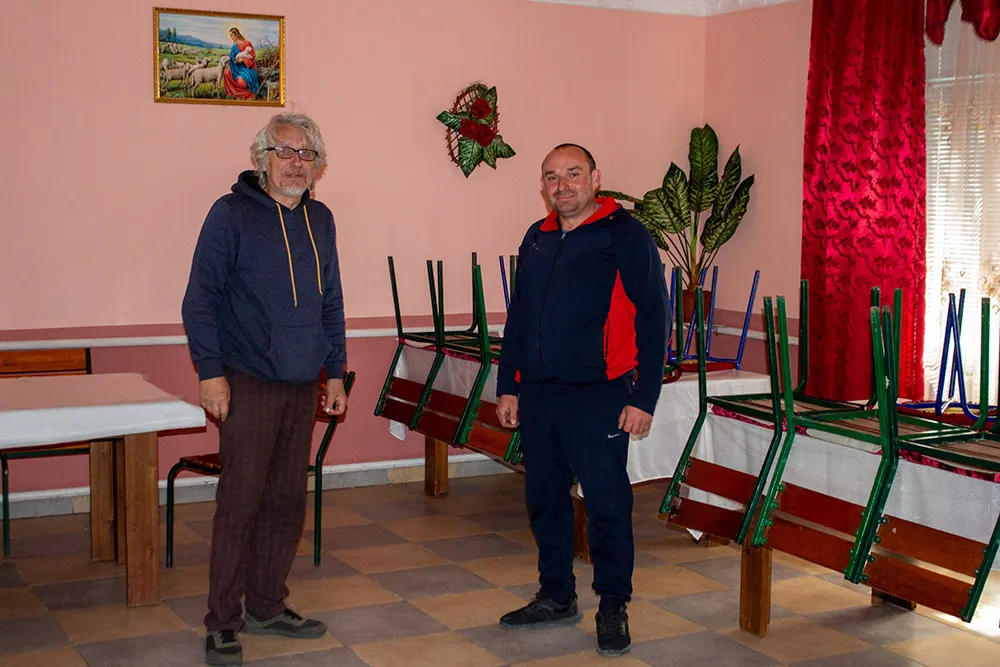
Far from every village can boast a banquet hall. Even a modest one
So. Vasyl Ivanovych, besides providing work for his fellow villagers, also turned out to be quite a patriot of his native village. All the improvement that surprises tourists (including the pavements mentioned above, by the way) is his doing. Besides, as my colleague Serhii said, all these flower beds are not only for beauty: they are also an opportunity to give work, even if seasonal, to local women.
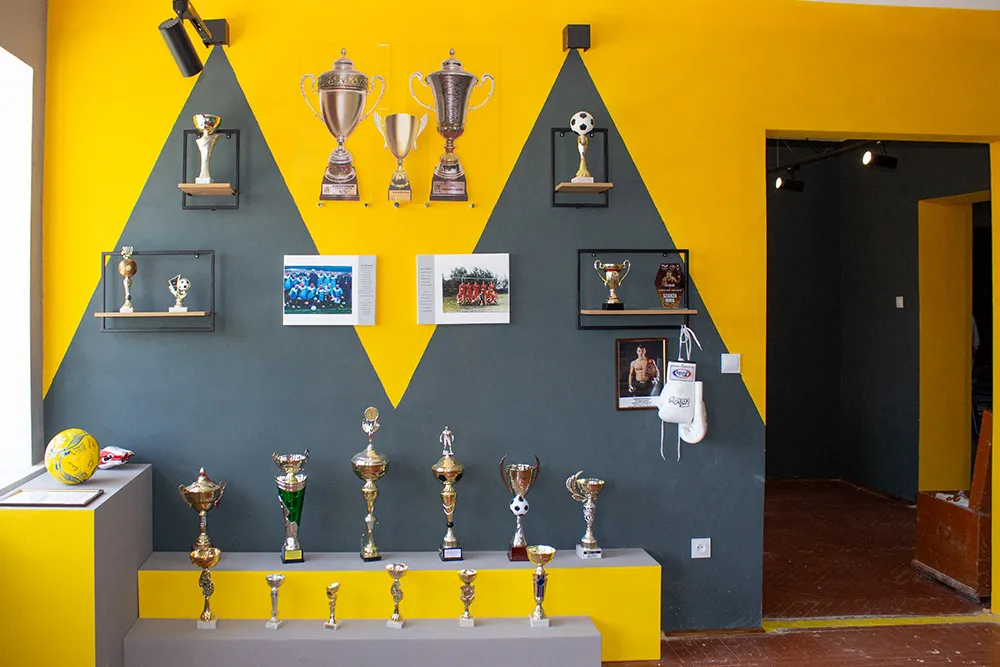
Trophies of Vikno’s athletes
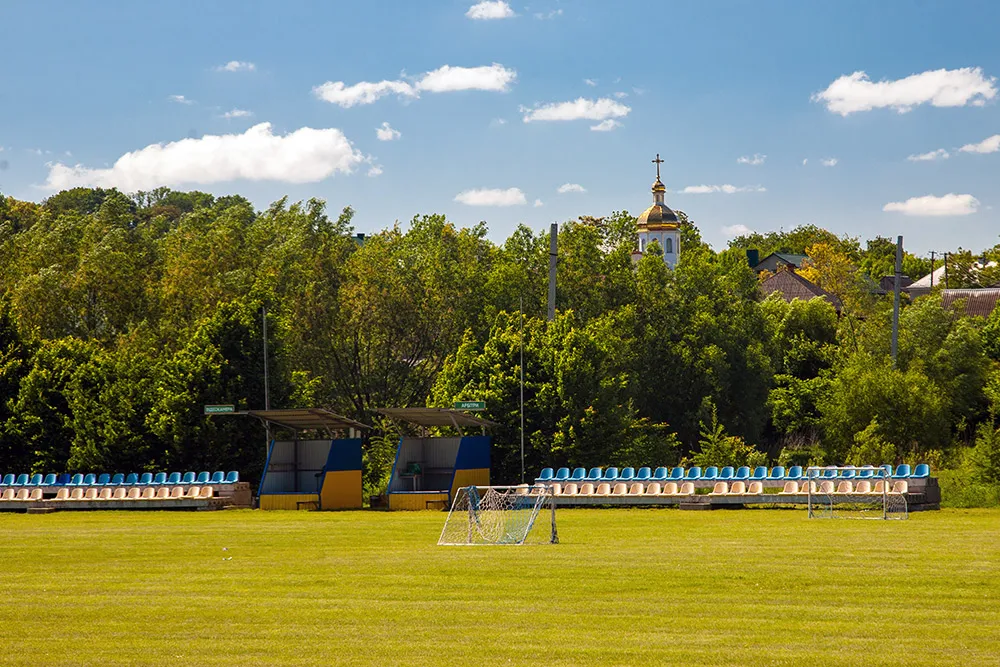
At the expense of the private enterprise “Viknyny” a quite decent stadium has been put in order and is maintained (not every former district centre can boast one), and the local team “Viknyny” is the champion of the Ternopil Oblast football league and holder of the oblast Super Cup. Wow!
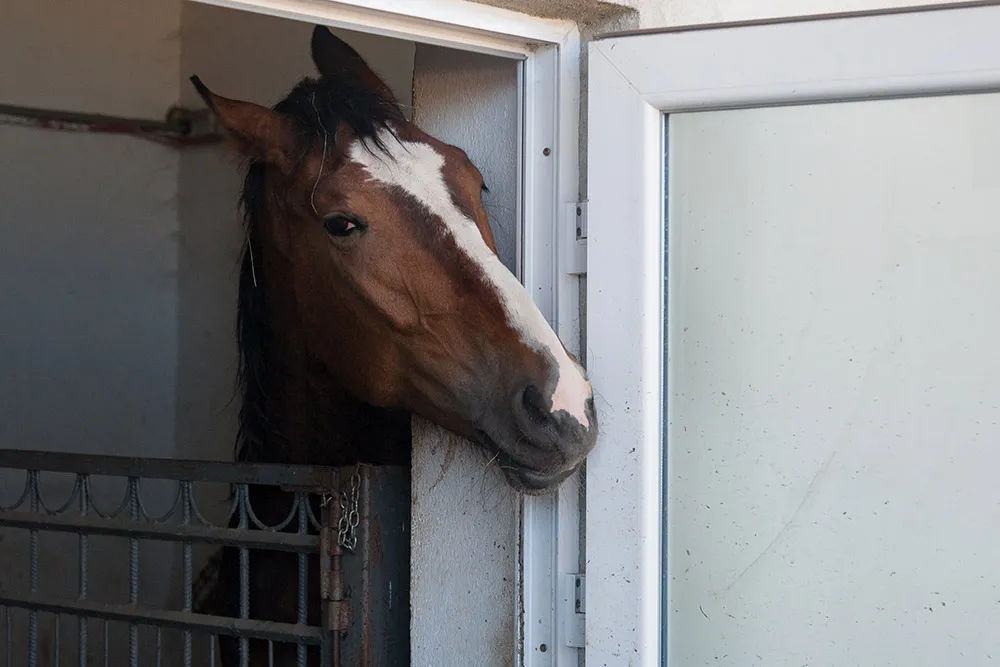
Soon an equestrian sports school will appear next to the stadium. And it is not just that Vasyl Ivanovych (yes, almost Chapayev) is fond of horses. After all, he is a descendant of the elected Cossacks of the Bila hundred of the Hadiach Regiment. There is also a purely practical aspect. Vikno is a very interesting village from the point of view of developing tourism, a quite promising and profitable branch of the economy that gives everyone a chance to earn, from the old lady who gets an opportunity to sell tourists strawberries from her bed or cherries from her orchard, to the shop owners… Horses can become an additional tourist highlight and magnet.
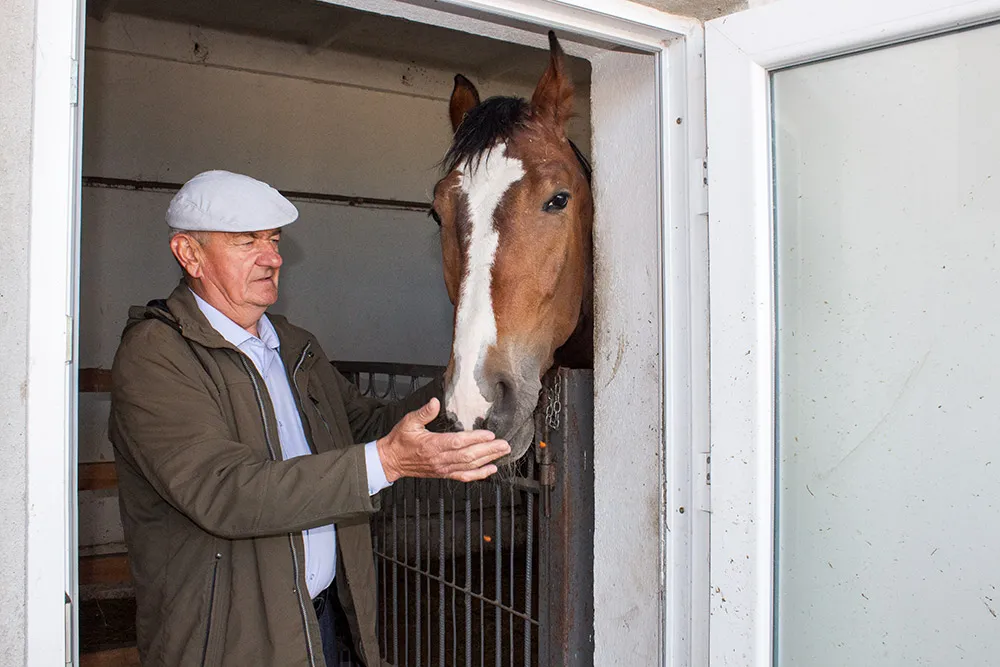
Vasyl Ivanovych and his horse
There are already a pair of horses: Batyst (a Ukrainian riding horse) and Arkan (Trakehner breed). It was next to them that the author met the legendary Vasyl Ivanovych, about whom local villagers had already managed to tell a lot. The first was the driver of the bus in which the author reached Vikno. From Horodok towards Ternopil it was travelling practically empty, the driver was bored and did not stop talking all the way, commenting on almost every kilometre of the road. On the approach to Vikno he began to “sing praises” both to the village (the richest on the route) and to the local farm owner, thanks to whom it flourishes.
Mr Vaniarkha turned out to be a very interesting person and clearly fell outside the usual notion of a traditional farmer. In particular, his knowledge of the nature of the Medobory was impressive. As it turned out, it is professional. Before going into farming he worked as a forester.
Then, naturally, the conversation turned to the war. The full-scale invasion, of course, wrecked many plans for development and for the implementation of humanitarian projects. Instead, from the first days of the full-scale invasion the farm’s “folwark” turned into a powerful volunteer hub.
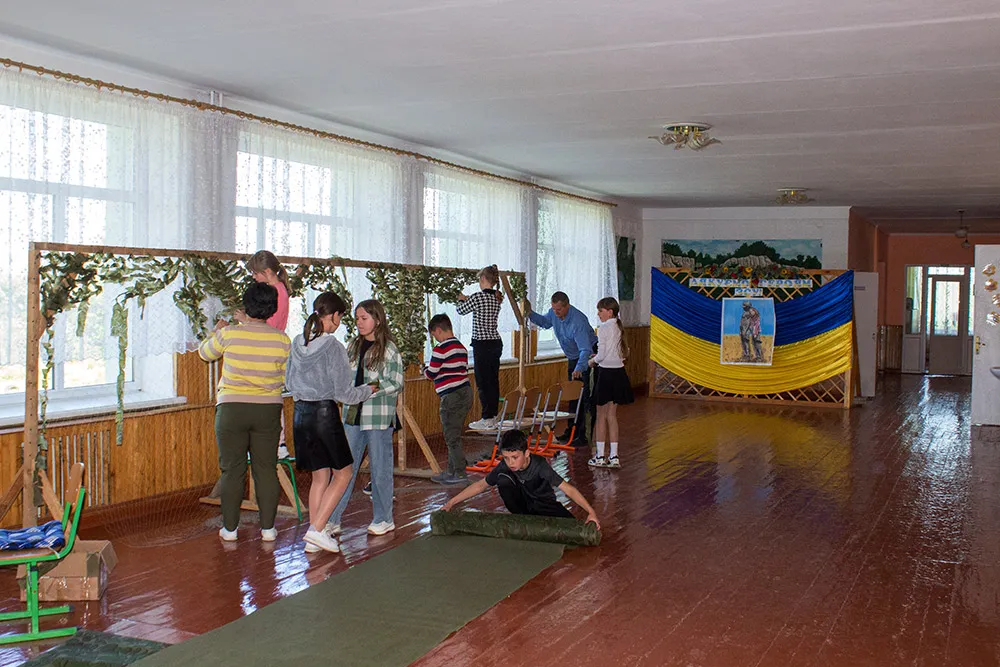
In the author’s childhood, macramé-weaving clubs were popular. Thanks to the criminal Russian people, today’s children weave camouflage nets…
At the start of the invasion the people of Vikno, in particular, gave Kharkiv no small help. Recall that these were rather hard times for that city. The Russians, like the Germans once in Leningrad, deliberately destroyed almost all the food warehouses in the very first days. At that time almost a quarter of a million townspeople were hiding in the metro. Food aid from the Podolians arrived among the first.
“Later, in the summer of 2022, Oleksii Bohach, First Deputy Director of the Department of Housing and Communal Services of Kharkiv, came to Vikno,” Mr Vasyl said. “To convey personally the gratitude of the mayor, Ihor Terekhov.”
Of course, aid was provided in the form of food (at the start of the invasion this was most relevant) both to the military, and to front-line hospitals and infirmaries, and to ordinary residents.
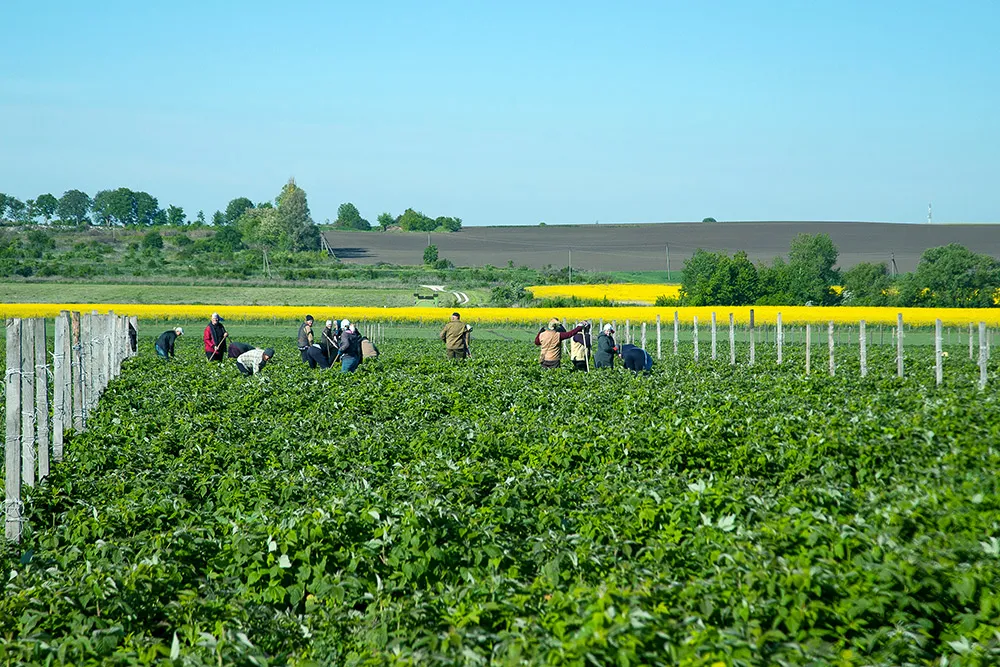
Weeding raspberries
Freezers came in handy here, for raspberries. Raspberry plantations are one of Vikno’s “trademarks”, although in the farm they play not even a third-rate role:
“There is not much profit in it. It is, first of all, an opportunity to give fellow villagers, above all women, something to earn. Especially in the harvest season,” says the farmer.
I suspect that Vasyl Ivanovych was inspired to this step by the example of “the last Ruthenian boyar”. In his time, the latter was shocked by the poverty of the peasants on his lands. To a large extent it was caused by the fact that in winter the peasants, who had nothing to do in the “off season”, simply drank, first drinking away what they had earned and then falling into debt to moneylenders. To combat this phenomenon, Volodyslav Fedorovych decided to give people work in winter and organised the making of carpets, which were later sold both throughout Austria-Hungary and beyond its borders.
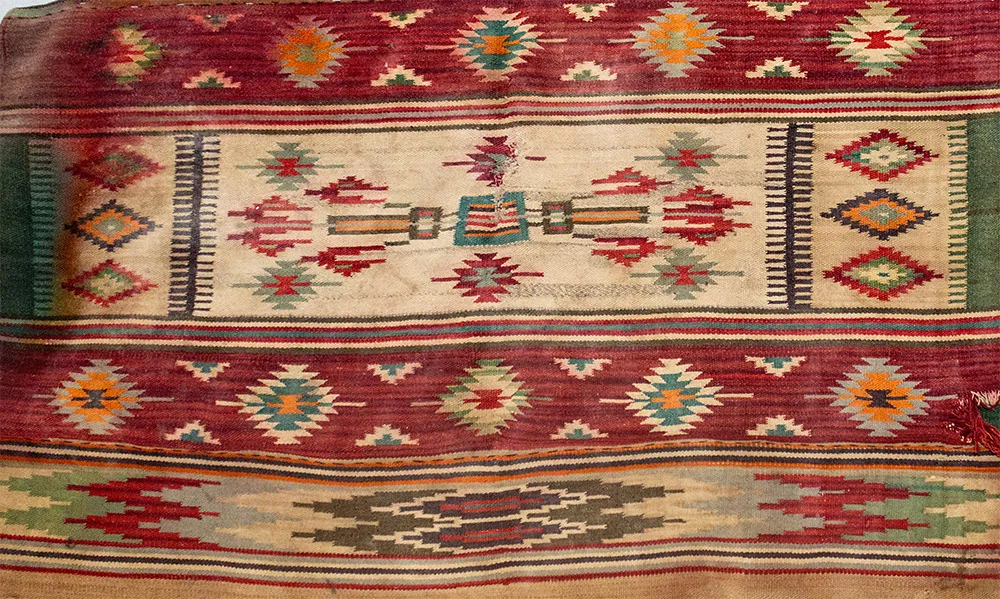
A Vikno carpet, fragment. Late 19th century
The idea “if you want to make people prosperous, give them work” is not new in Vikno.
Mr Vasyl, I should note, unlike many of our fellow citizens, knows well that the war began not in February 2022 but back in 2014.
“Our countrymen in general, and our farm in particular, have been helping the soldiers since the first days of Russia’s attack,” says Mr Vasyl. “At that time it was still called the “ATO”. I myself visited the guys of the Ukrainian Volunteer Corps at the front more than once with gifts. I was even acquainted with the legendary Da Vinci.”
Later the people of Vikno provided (and still provide) assistance to various military units at the front. The closest ties formed with the marines of the 406th Artillery Brigade. They also took under their wing the families of these soldiers, whom the war forced to leave Mykolaiv Oblast and move to the Carpathians.
Note that the aid is not only food. Many vehicles and drones and other things necessary for defence have been bought, and in the farm’s workshops they have even set up production of “burzhuika” stoves, an extremely necessary item at the front in cold periods.
Like every Ukrainian, Vasyl Ivanovych believes in victory and dreams of peace. And of course he makes plans for a peaceful future. Among them is turning Vikno into a well-known tourist centre.
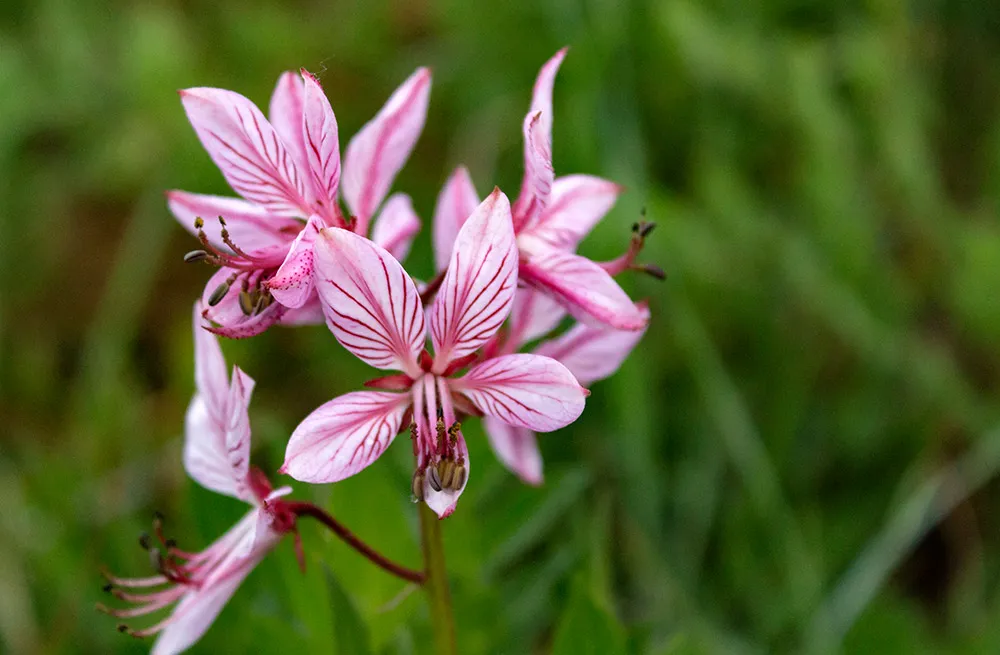
The burning bush is one of the main symbols of Vikno
P.S. Preparing this material was rather difficult for the author. It is one thing simply to describe nature, monuments, history and so on. With Mr Vasyl it was unusual. The man is truly very interesting. It was hard not to fall into apologetics and to write so that the article would not look like a paid-for advertorial. Unfortunately in Ukraine the position “earn yourself while letting others earn” is not very widespread. And “patronage” is, above all, just a banal buying of the electorate. But for it to come from a sincere heart and just like that, this is found extremely rarely.
In fact this man sincerely loves his village and wants it to be rich and beautiful. Because living in a rich and beautiful village is much more pleasant than in a “fancy” mansion with poverty behind its fence.
Text and photos: Dmytro Poliukhovych


