

A sensational find in Pankratove. A cromlech? A henge? An S-75?

· 2 min read
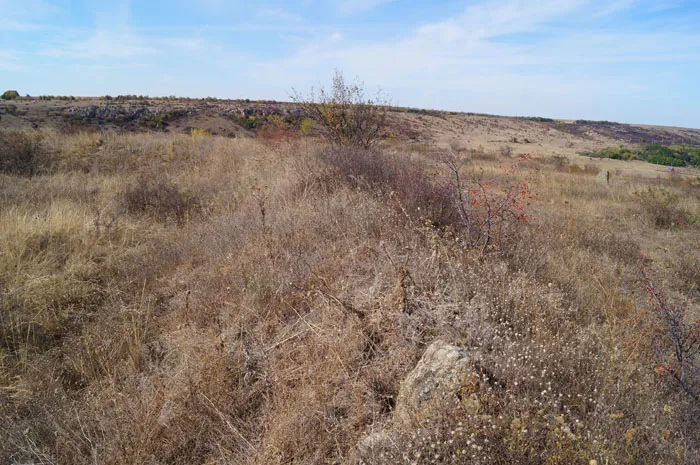
I first came to Pankratove during an expedition in 2015. At that time I was engaged in landscape science and was studying the local landscapes. They turned out to be extraordinarily picturesque: the floodplain and the above-floodplain terrace of the Southern Buh, with outcrops of stones and rocks, an incredible sight.
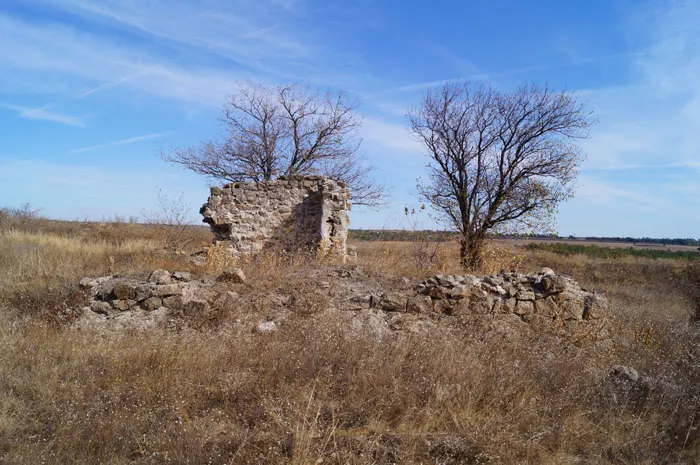
Of monuments I found only the ruins of a water mill and, on a hill, some incomprehensible ring-shaped ramparts, each with a single passage. In one of them were the ruins of a stone building resembling some kind of storehouse. I walked for a long time among those earthworks: there were 7 earthen rings, about a metre and a half high, one large one in the centre, some thirty metres in diameter, and six smaller ones (about 15 metres in diameter) around it. I decided it was some fortification unknown to science. But I found no information about it at all, except that for some period in Soviet times there was a shooting range here. Probably the military made some kind of stage prop, I thought then.
I could not shake the thought of those earthen circles, and I visited the place twice more. And not long ago I got an answer: it is a henge. Although Ukrainian Wikipedia calls the complex a cromlech, cromlechs are of stone, while henges are earthen. Here is what Wikipedia writes about henges:
A henge (English henge) is a type of prehistoric earthen architectural structure, a circular or oval area, usually at least 20 metres in diameter, surrounded by an earthen bank. The bank had 1, 2 or 4 entrances. Interior components may include portal structures, wooden and stone circles, other arrangements of megaliths, wells, tombs, burial mounds and others.
The term “henge” derives from the shortened name of Stonehenge, a famous structure in Wiltshire, which, however, is not a true henge. The term was proposed in 1932 by Thomas Kendrick. As a rule the term is used for structures of this type in Great Britain. However, similar structures existed in prehistoric times in Germany (Goloring, the Goseck circle) and other countries.
The exact purpose of henges at the time of their construction remains unknown, although they were most likely ritual rather than defensive structures, since from a defensive point of view they are very impractical.
So here is a sensational, unique and almost unknown structure near the village of Pankratove. It can easily be recognized in a satellite image on Google Maps. Here are the coordinates: 47.851687334250606, 31.128661393899
P.S. After the Facebook post I was corrected and my romantic mood was dispelled: it is a Soviet structure after all, the ramparts for an S-75 anti-aircraft missile system. Wikipedia was wrong here too.
Text and photos by Roman Malenkov.
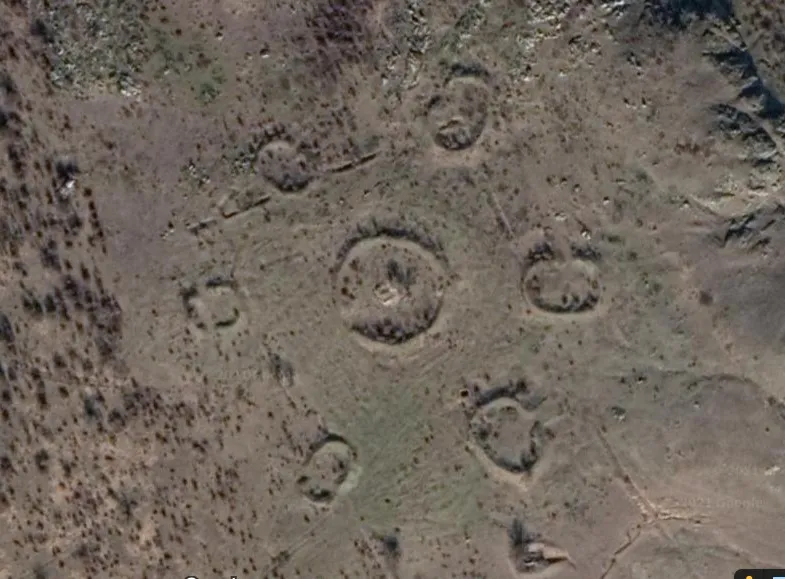
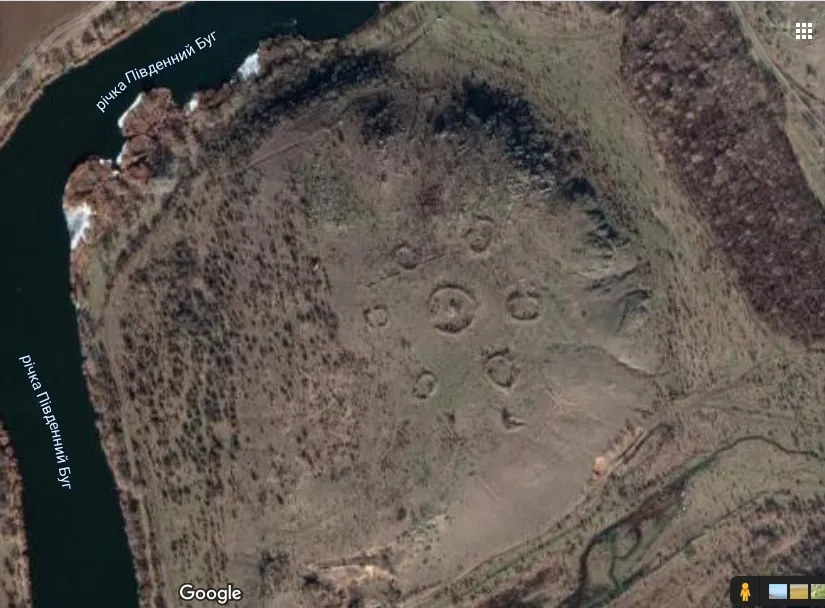
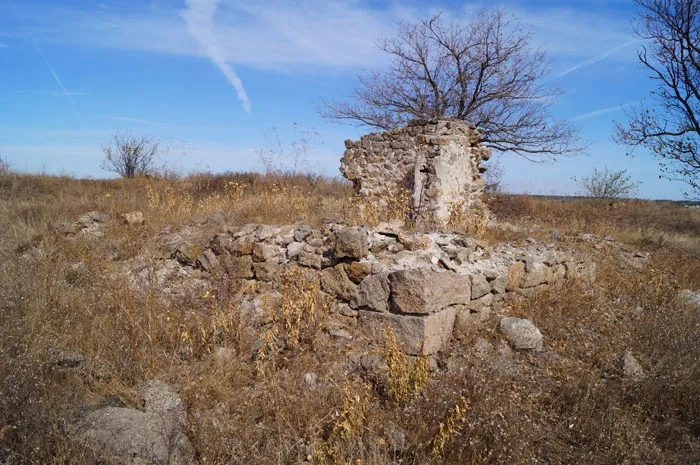
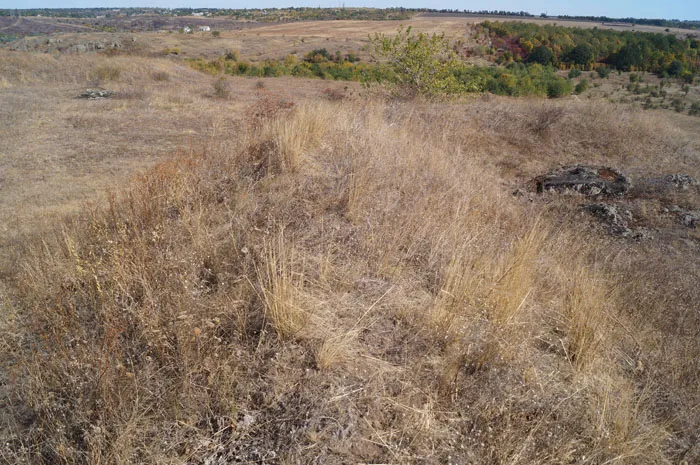
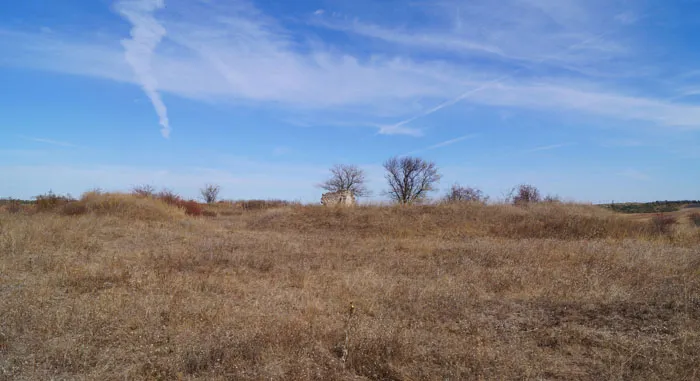
Henges on the hill
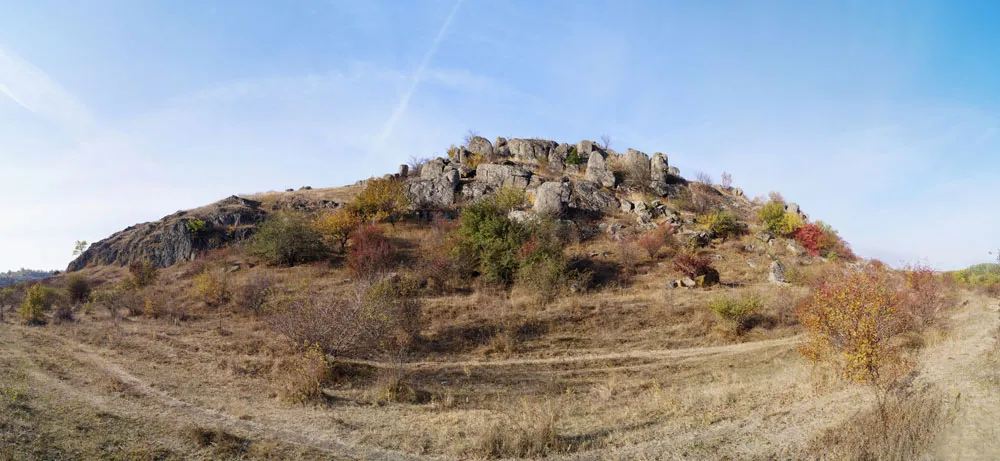
The hill
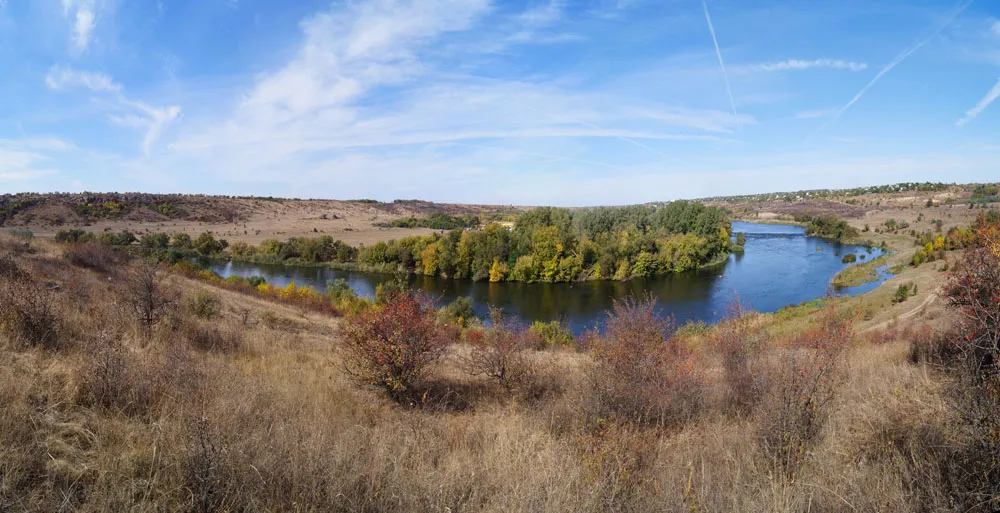

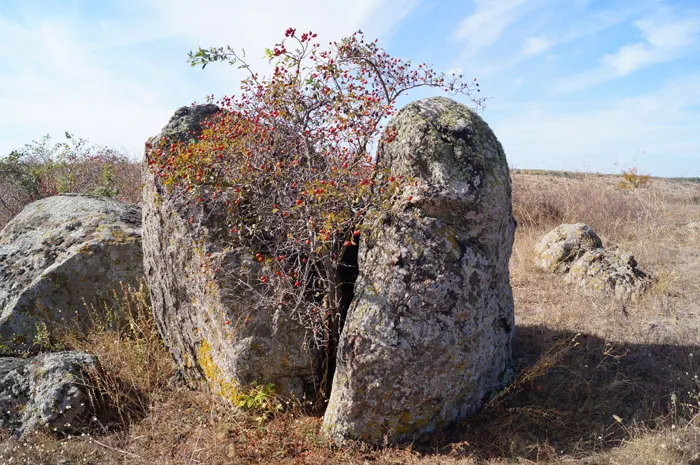
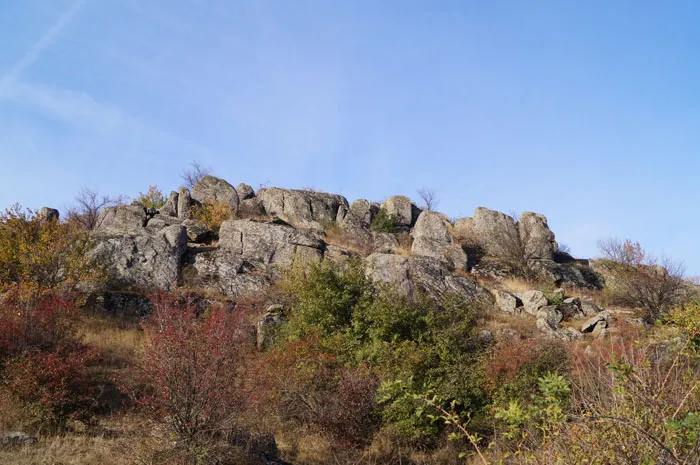

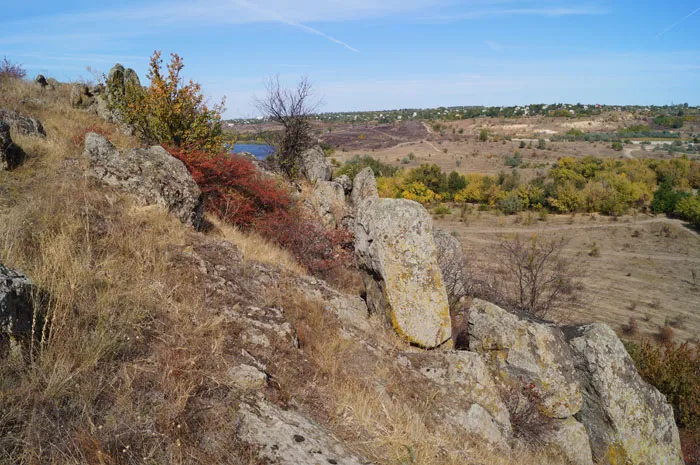
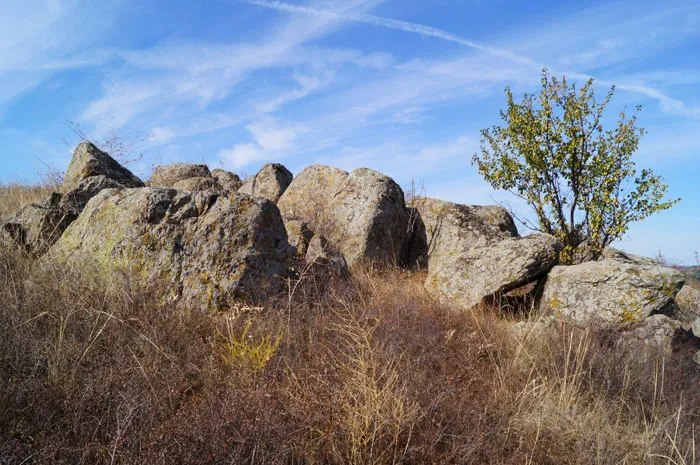
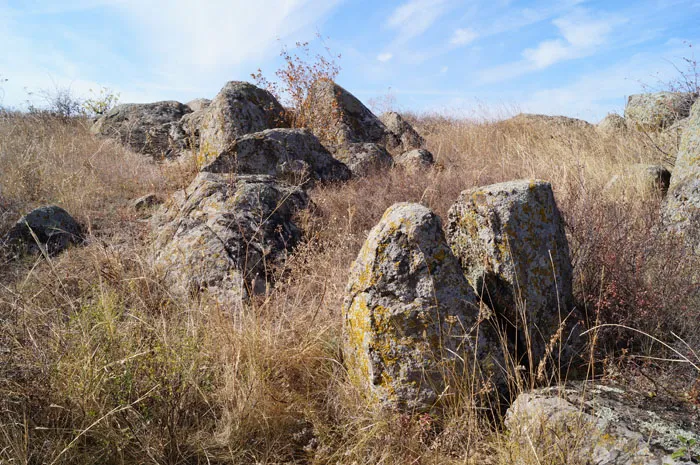
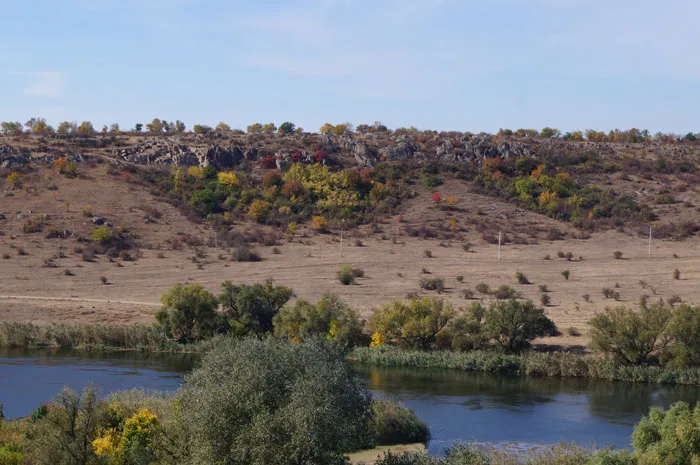
Around the henge, or henges
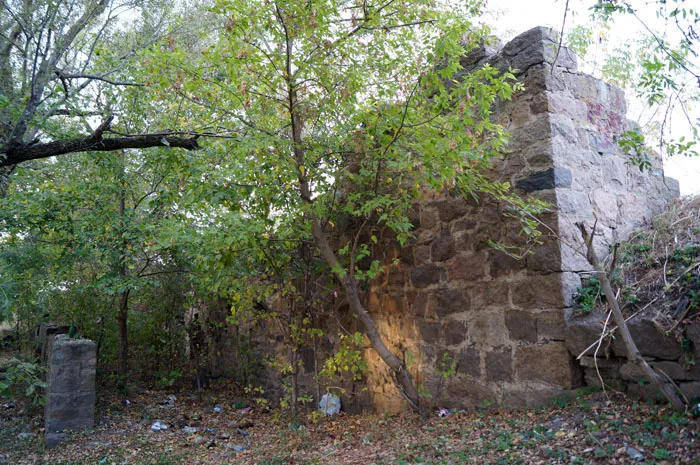
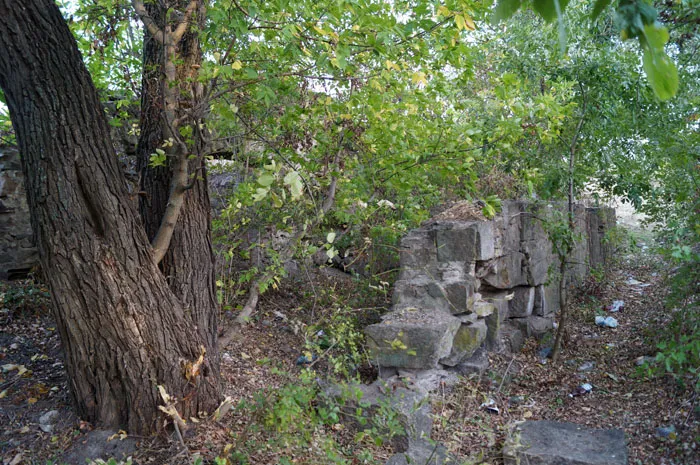
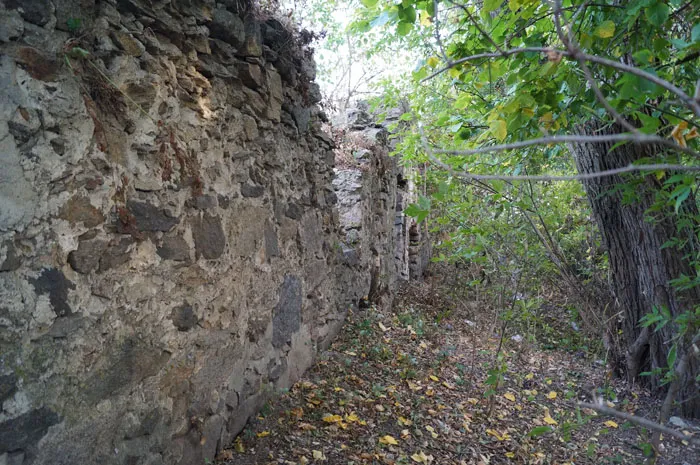
Ruins of a water mill


