Shyrokolanivka. German Landau

· 3 min read
Shyrokolanivka. In the neighbouring villages it is called Shyroky Lan, hence the name of the notorious military training ground, which is right next to it, and not even a proper road has been made to it. Though why “even”, do the military need a road?
The former German colony of Landau was named after the founder of German communism, Karl Liebknecht, in the 1920s-30s, and was the centre of a German national district. In the 1930s-40s all the Germans were deported from the village or destroyed, Ukrainians and Russians were settled in the German houses, and the village was given its present name; I suspect that Landau, “land”, and Shyroky Lan, “wide field”, are somehow connected.
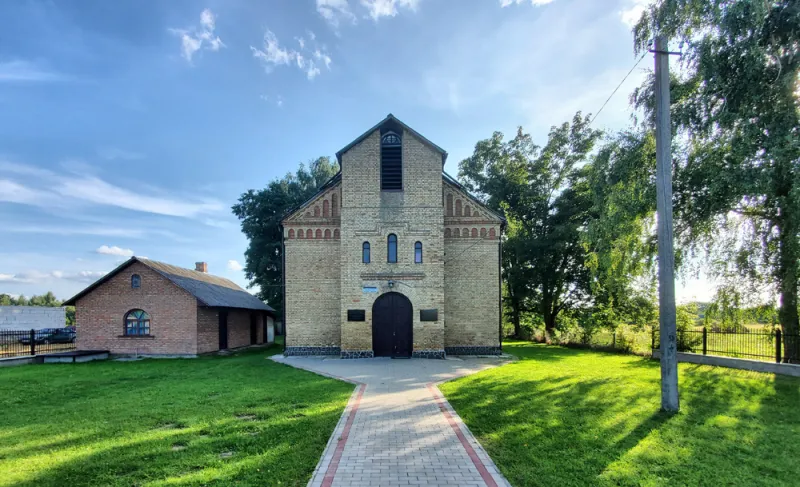
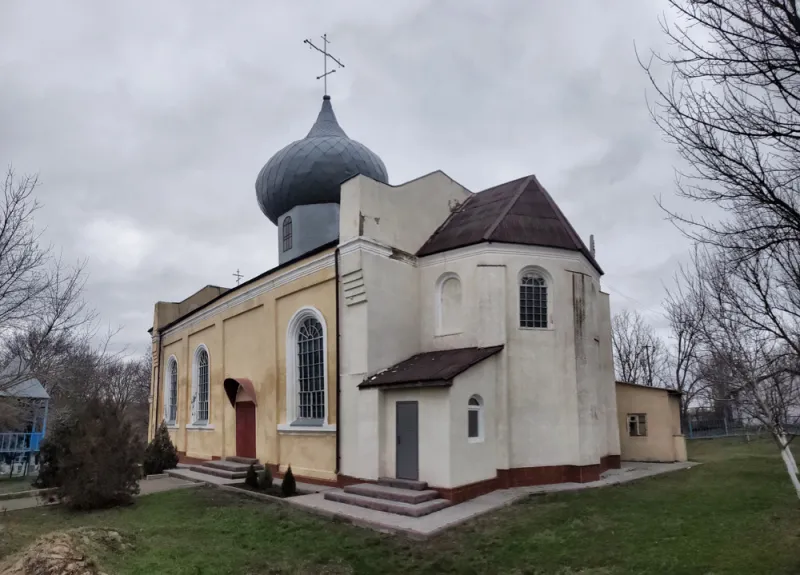
The colony of Landau was founded in 1802, and today it seems an ordinary Ukrainian village. Yet it is not ordinary at all: it is the record-holder among Ukrainian villages for the amount of surviving German colonist buildings. A Lutheran church, a gymnasium, a town hall, a post office, a hospital, administrative buildings, a pile of residential buildings and even a club. The Germans built the club in 1934, when they were still allowed to run their own village, and some time later they were no longer here… By the way, local residents say that the Germans also built an Orthodox church for the village’s minority. It still exists today, in a field outside the village. And indeed, cross-shaped in plan, a stern brick building, it resembles a German chapel, extended and enlarged for Orthodox services.
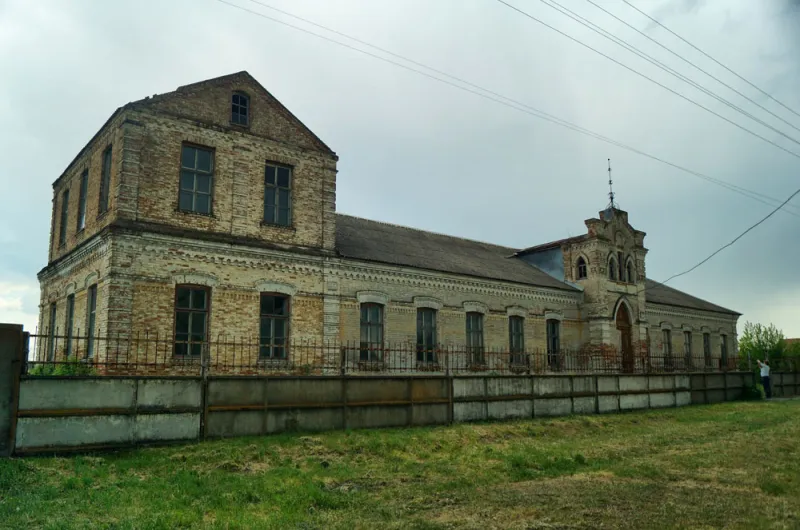
The German Roman Catholic Church of St Raphael, consecrated in 1896, now abandoned, stands among Soviet dormitories and has long ceased to serve its purpose. It is 46 metres long, 31 wide and 8.5 high. A very tall bell tower (31.5 m) once stood next to it, but the Bolsheviks pulled it down long ago and turned the church into a vocational school building, dividing the hall into two floors. Now the church is abandoned and gradually falling into ruin and decay; only the remains of the decor around the entrance gate indicate that it was once a majestic building that even housed an organ.
In 1934 the naive German colonists began building a cinema (today’s club). They believed in the sincerity of the communists and in a bright future, and the arrest of their priest, together with 11 more priests from neighbouring German villages, was a shock to them. The trial of the priests took place in the premises of the unfinished cinema; all of them were given 10 years in camps, and then were tried again and shot.
The most spectacular buildings of Shyrokolanivka were the boys’ and girls’ gymnasiums. The girls’ one was completely demolished and taken apart for building materials, while the majestic building of the boys’ one still stands, though without windows, doors or a roof. Locals say a fire happened here by accident, but no traces of fire can be seen inside; it all looks like ordinary looting.
In German times Shyrokolanivka had 5 pottery enterprises, 2 large fairs and a tile factory. Many houses are still covered with that beautiful glazed tile. Local residents call such houses German and give them an age of over 100 years. The town council buildings, erected around a courtyard, now house a boarding school. Somewhere deeper in the village some more large buildings can be seen, certainly German, but it was already getting dark and we had to move on.
We explored Shyrokolanivka during an expedition organised with the support of Lexus. You can read a more detailed account of this expedition on our website here.
Text and photos by Roman Malenkov.
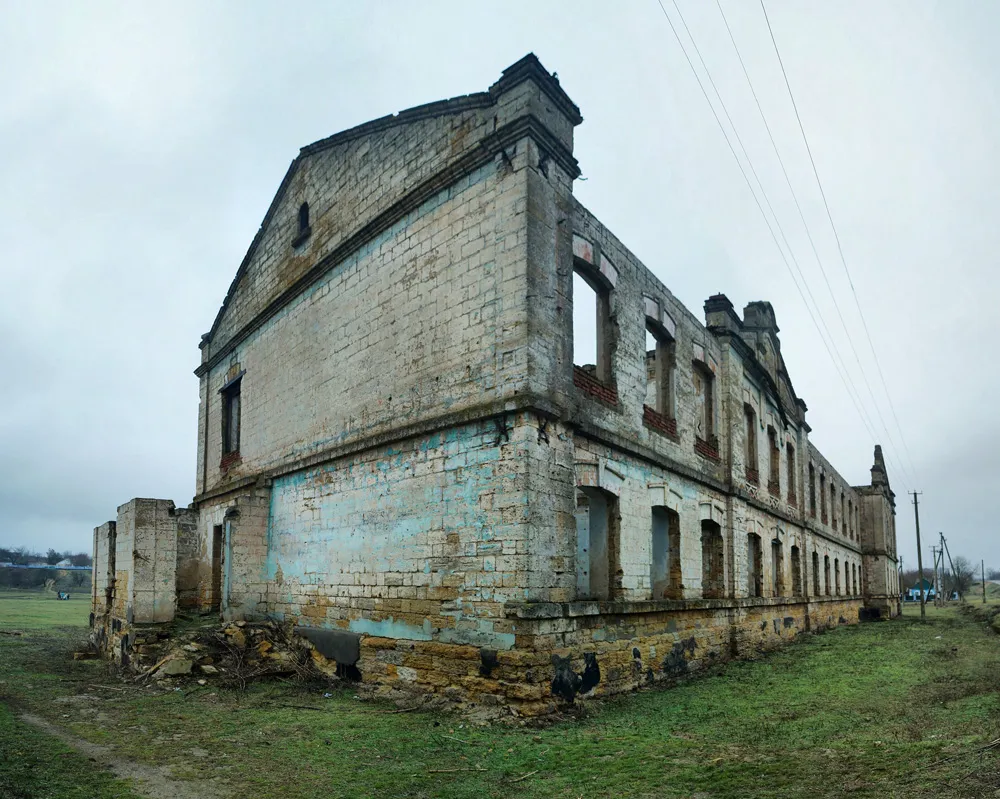
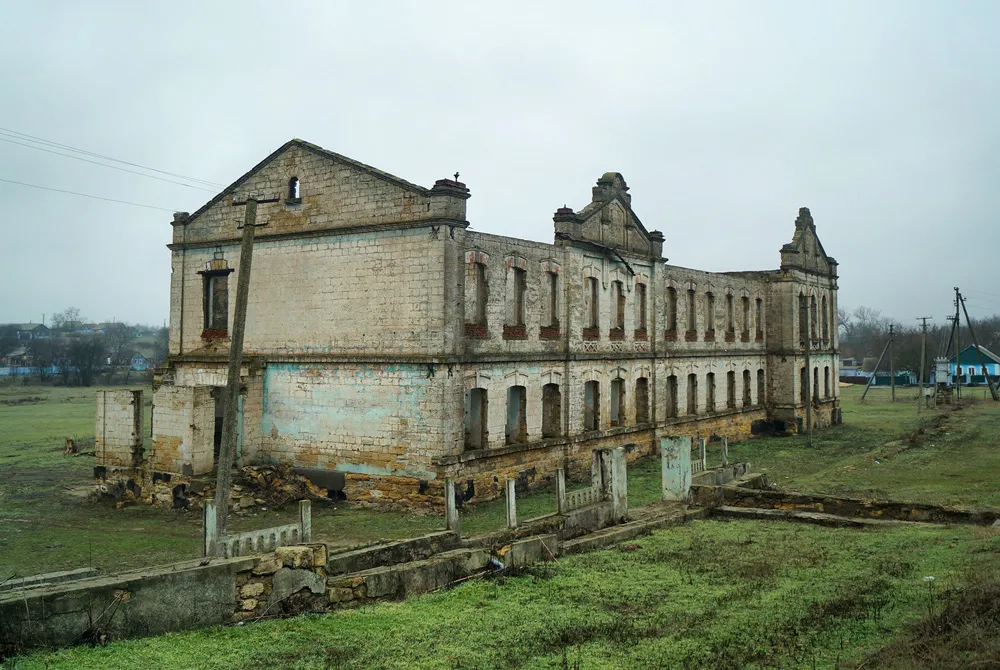
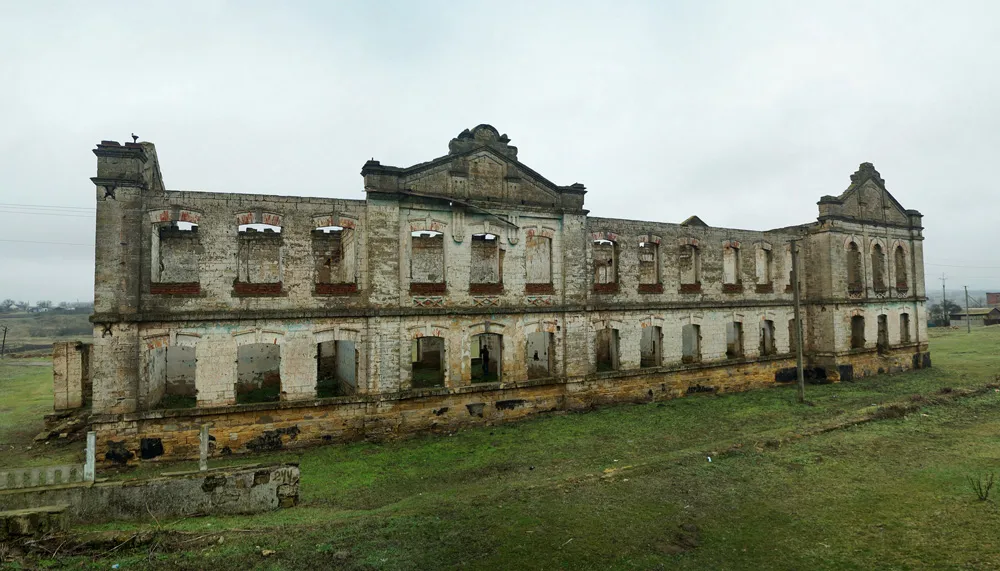
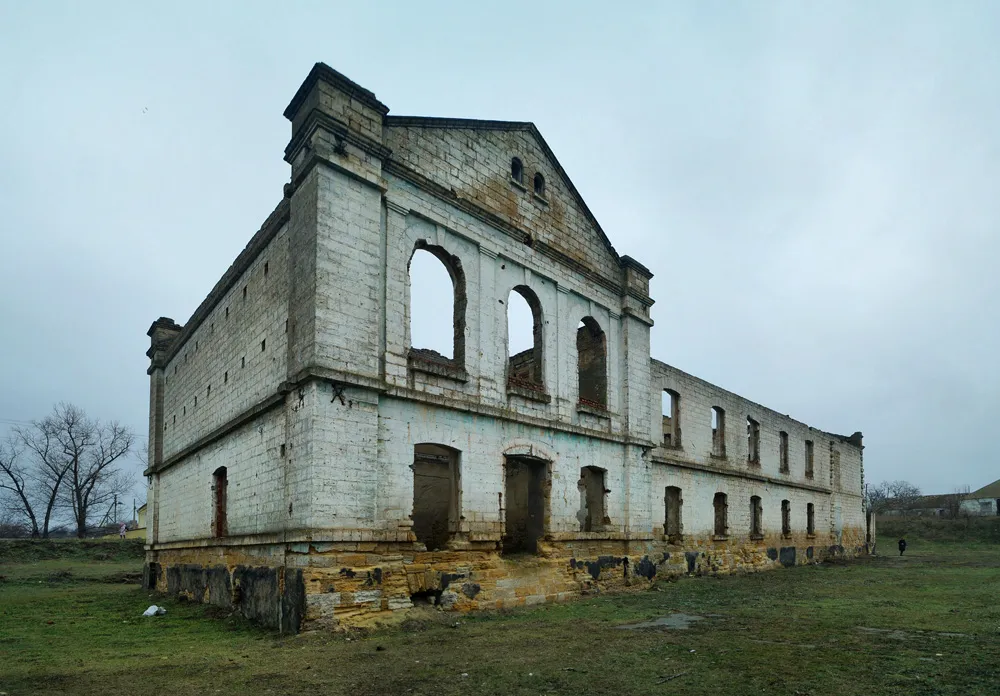
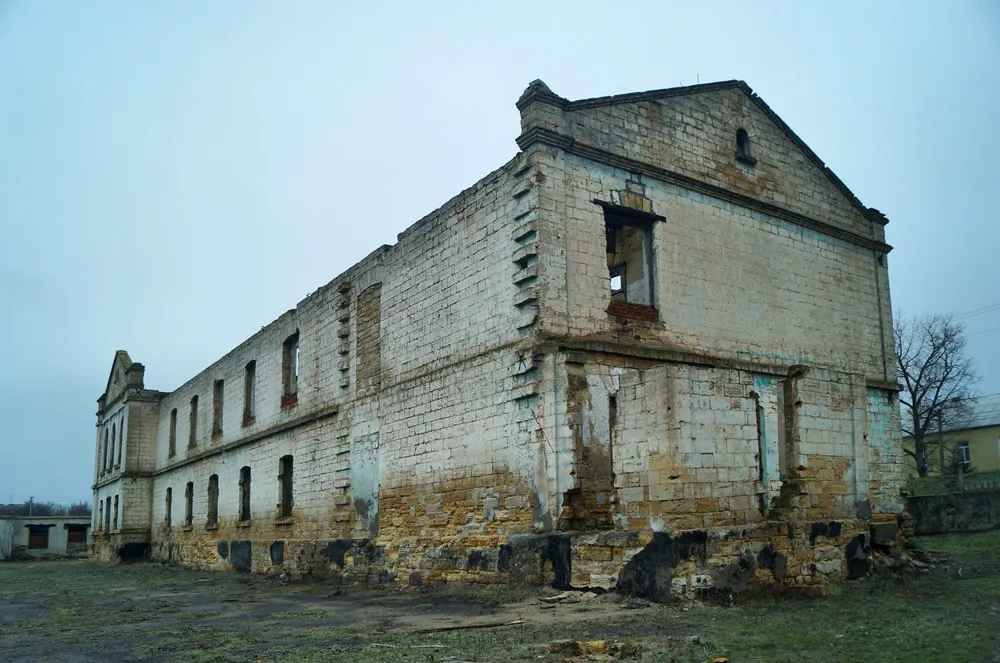
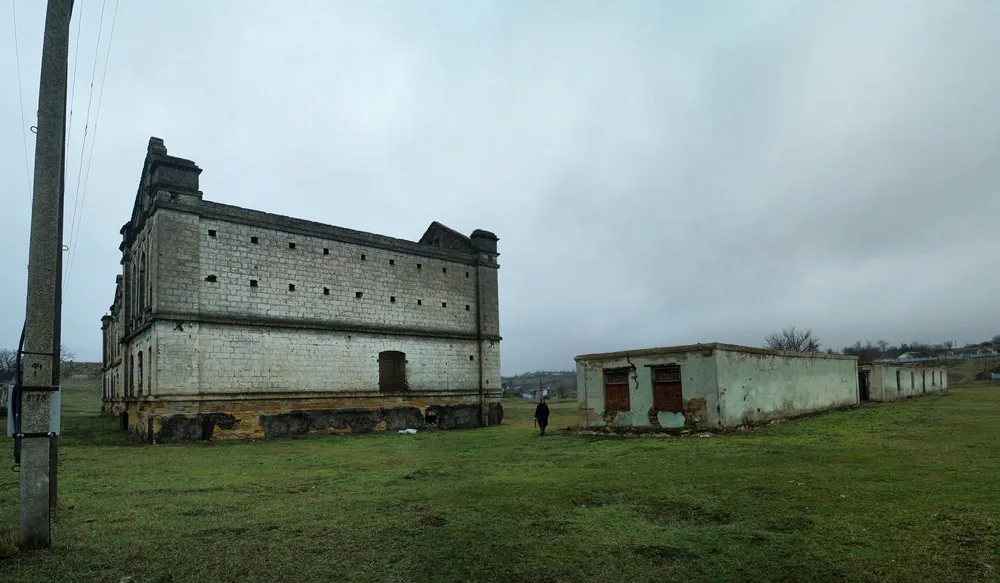
Boys’ gymnasium
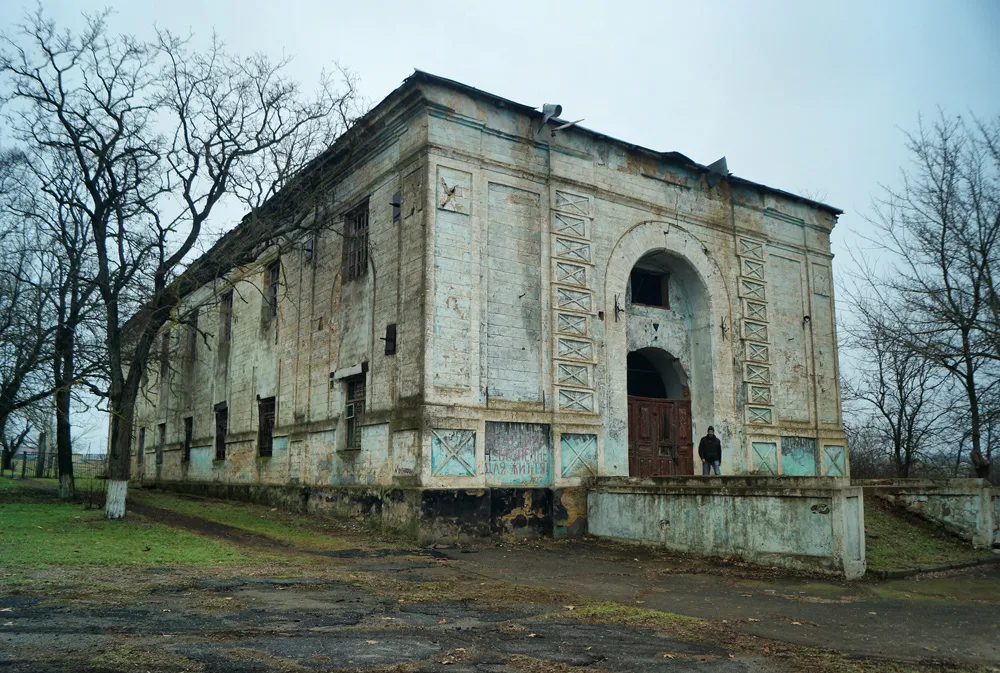
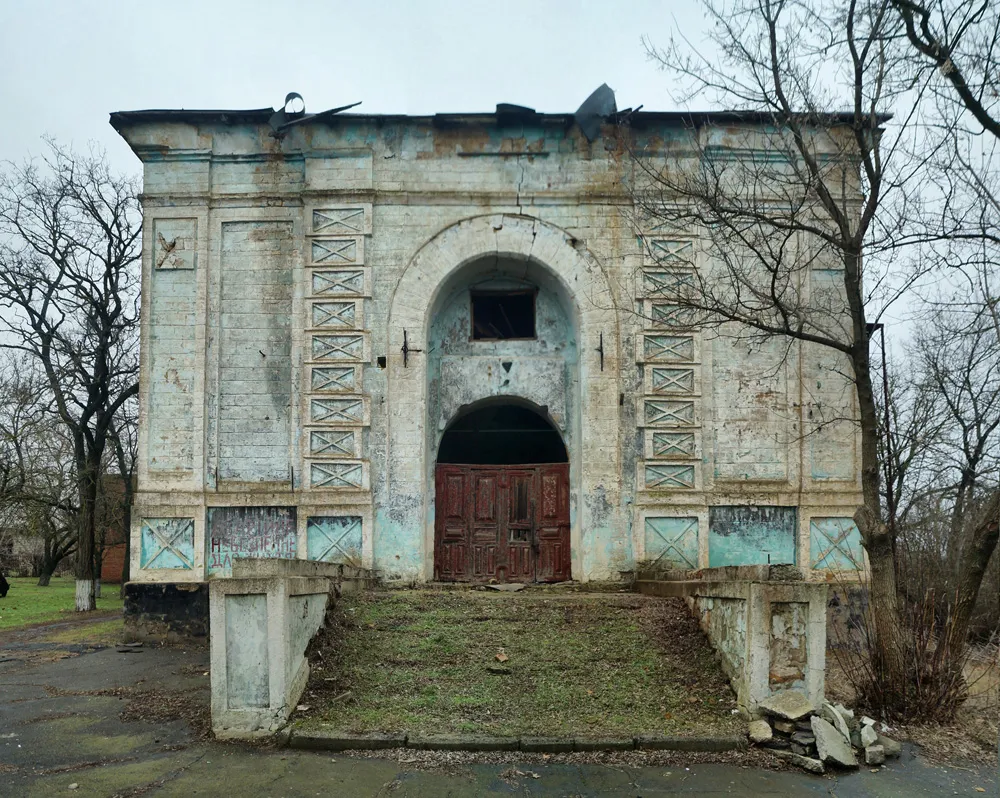
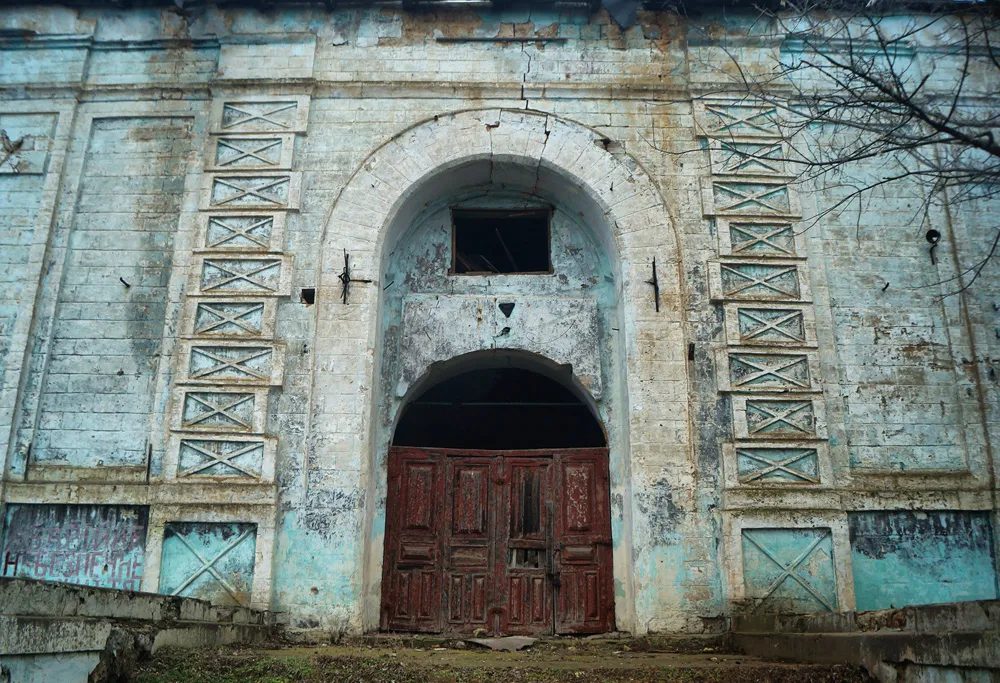
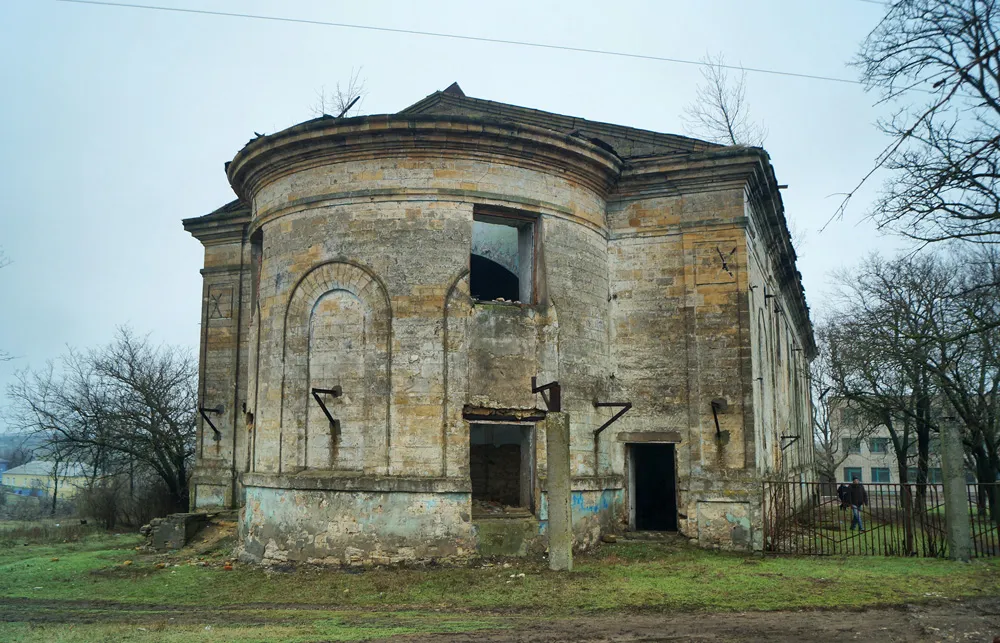
Roman Catholic church
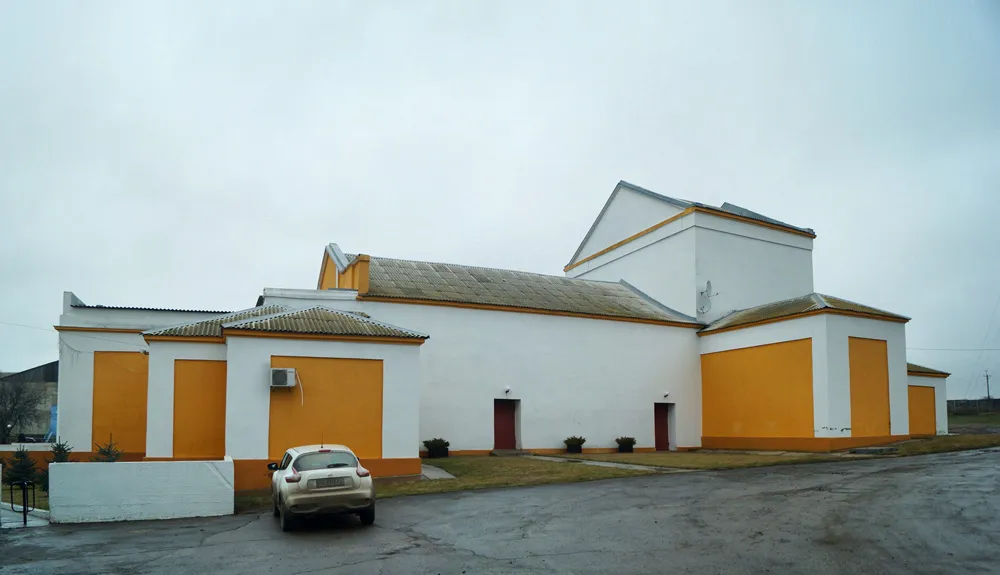
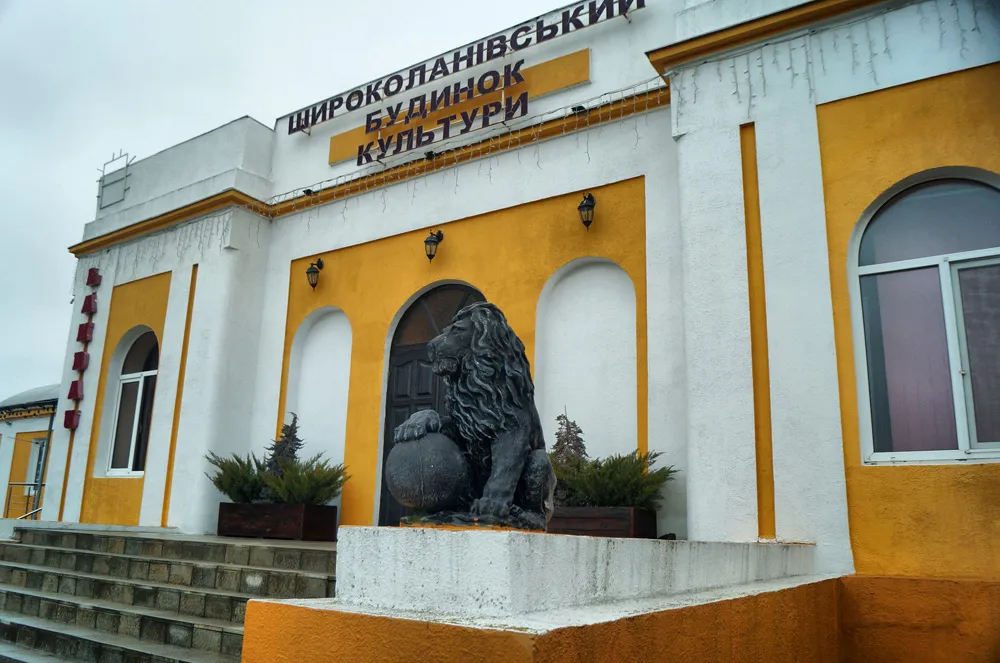
Club
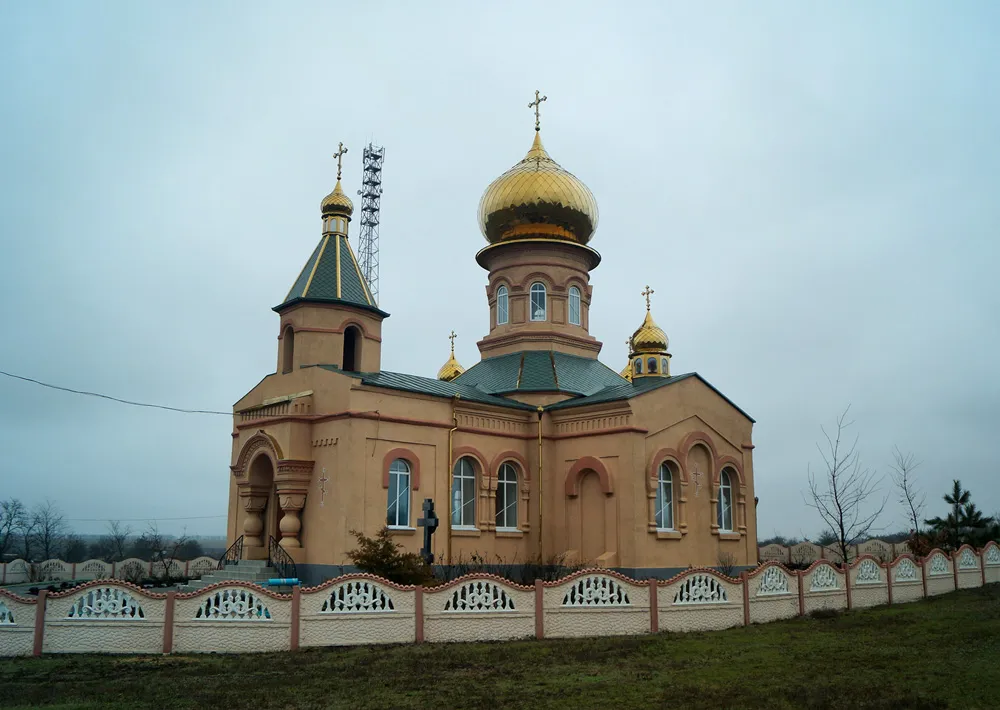
Church
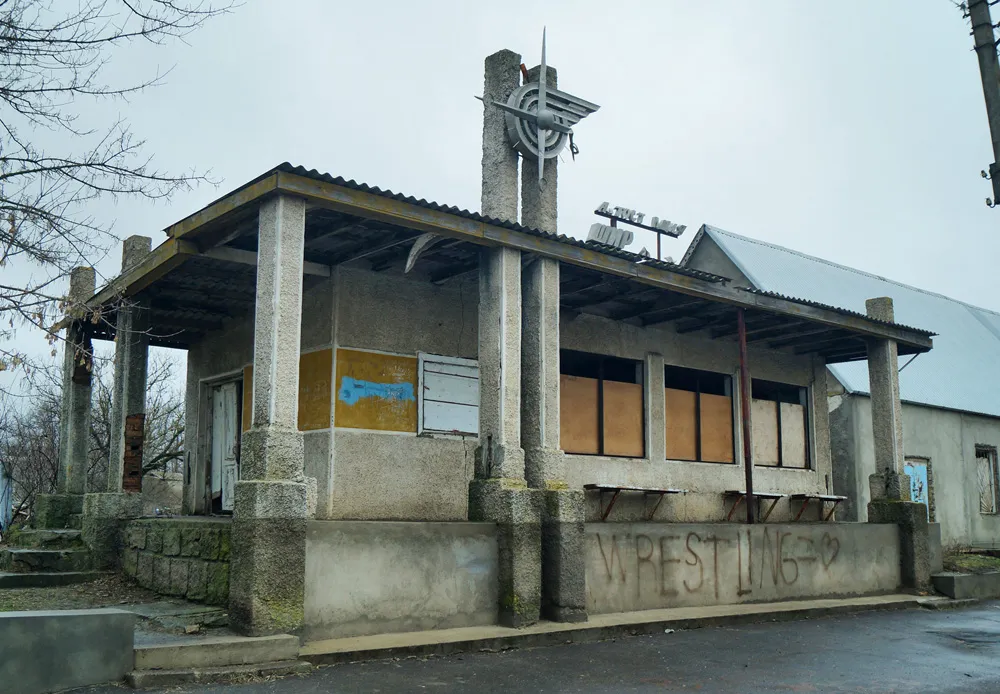
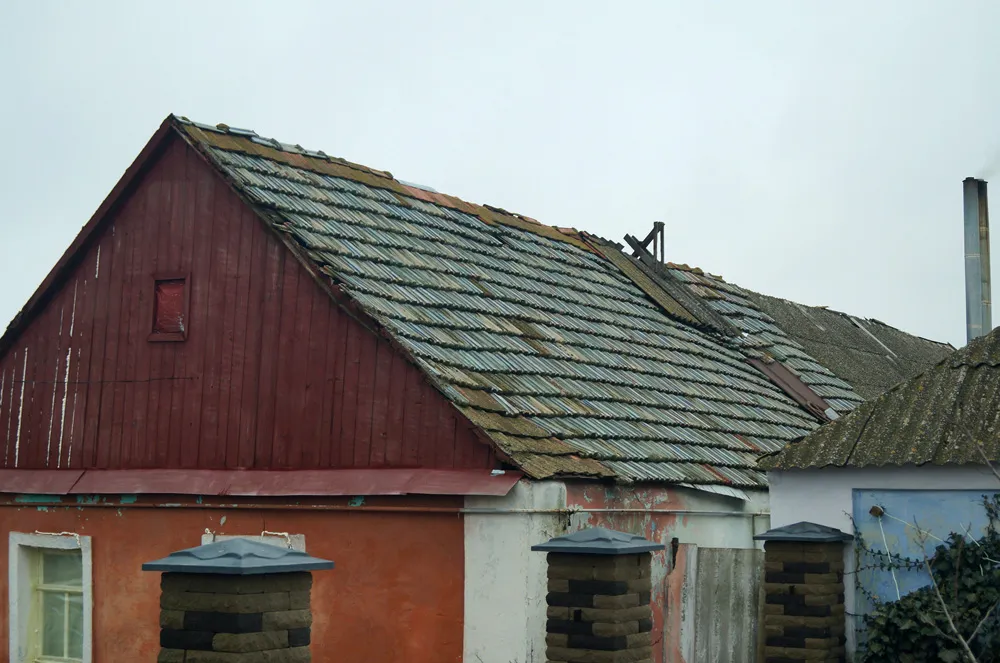
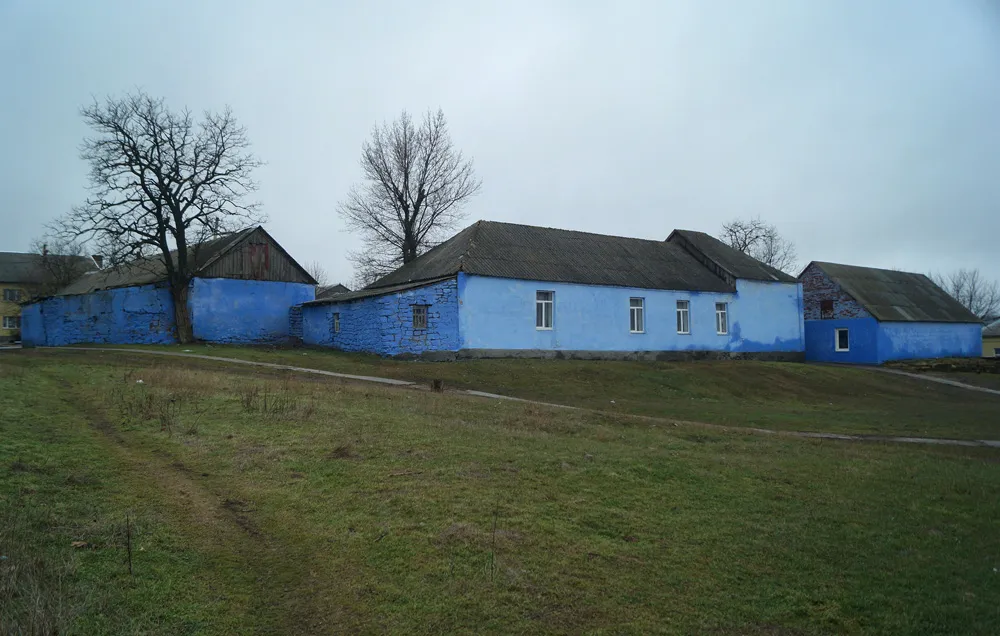
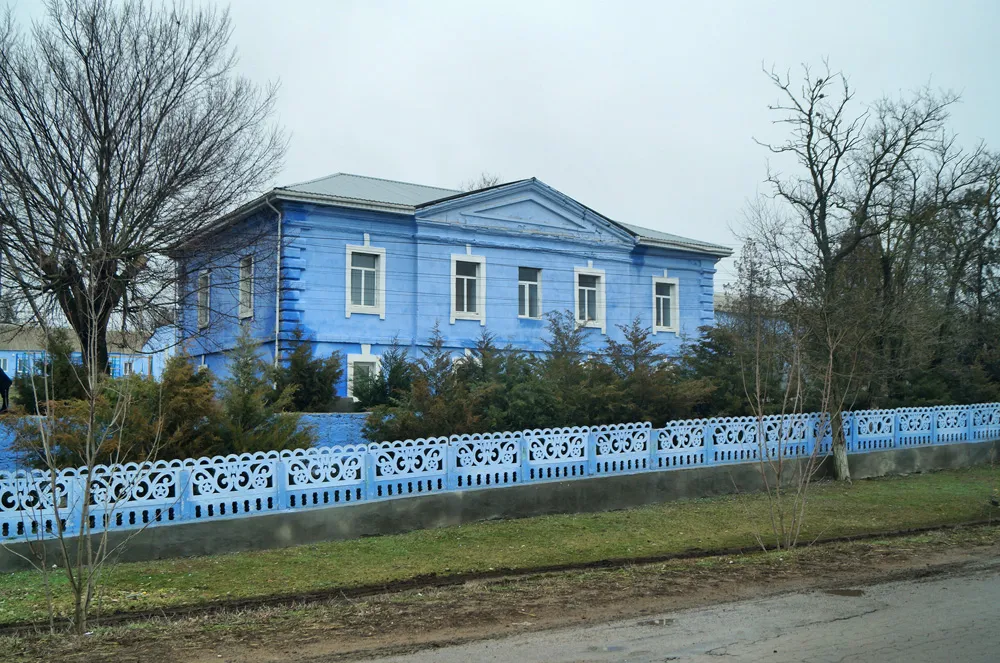
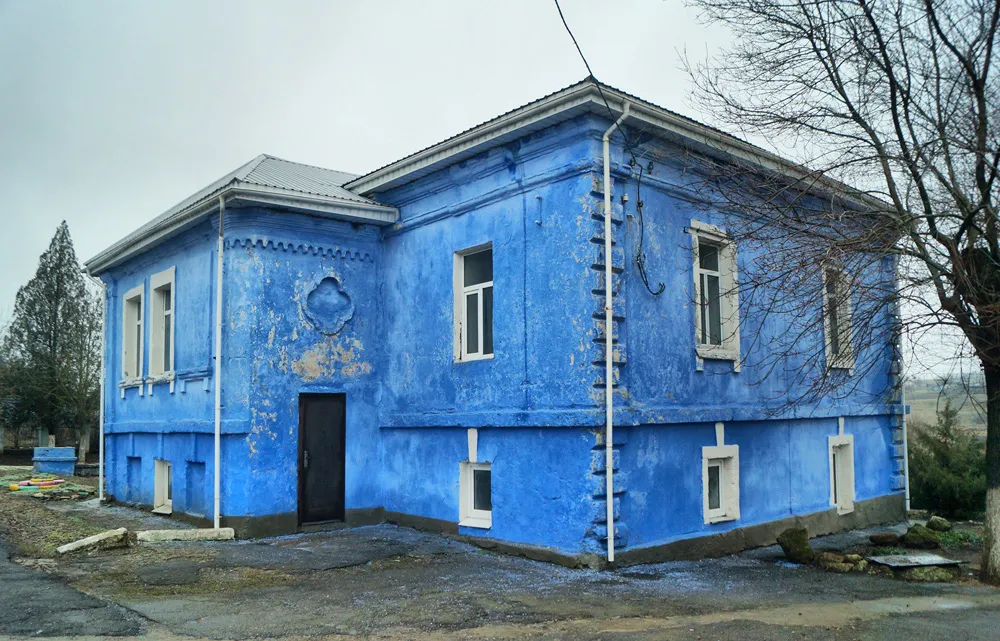
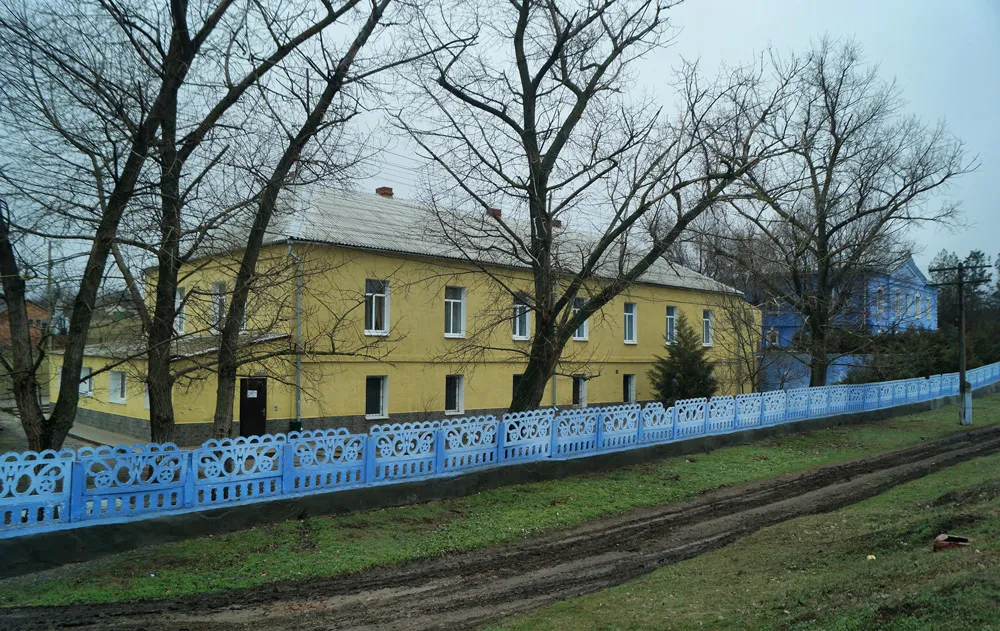
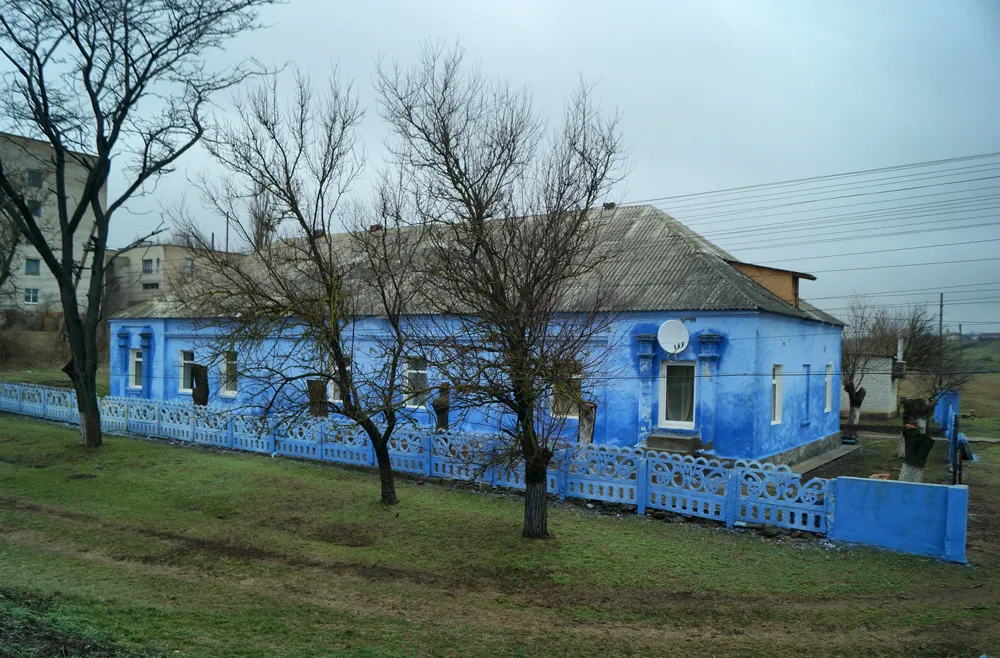
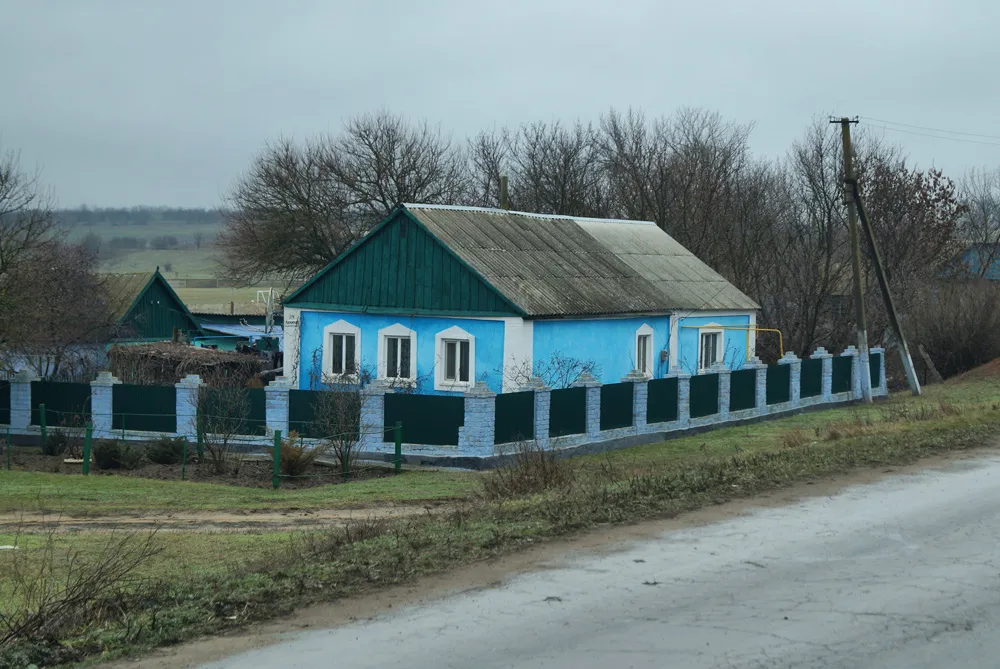
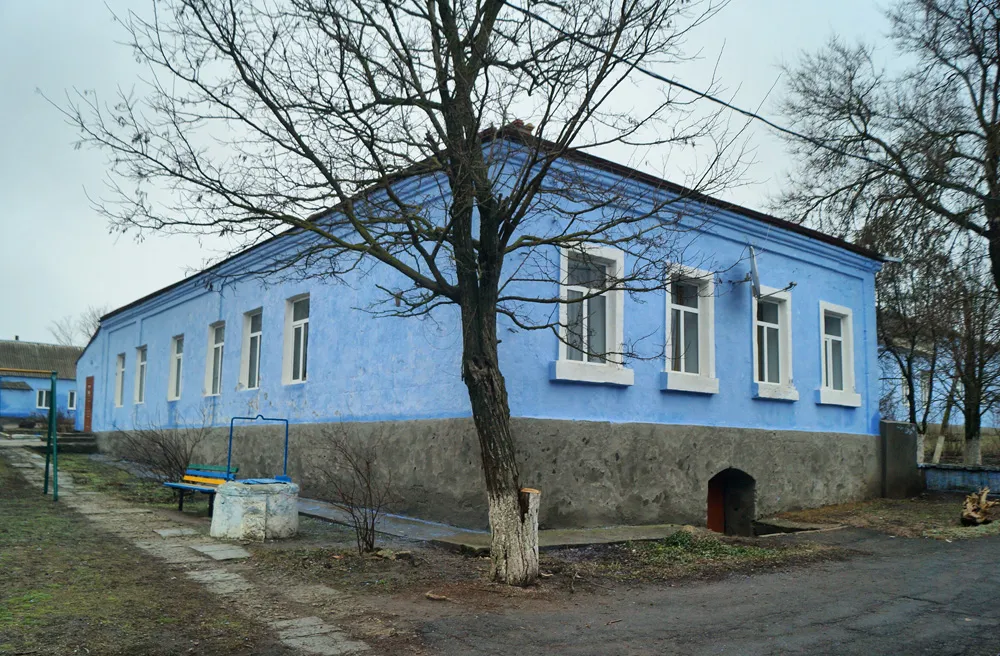
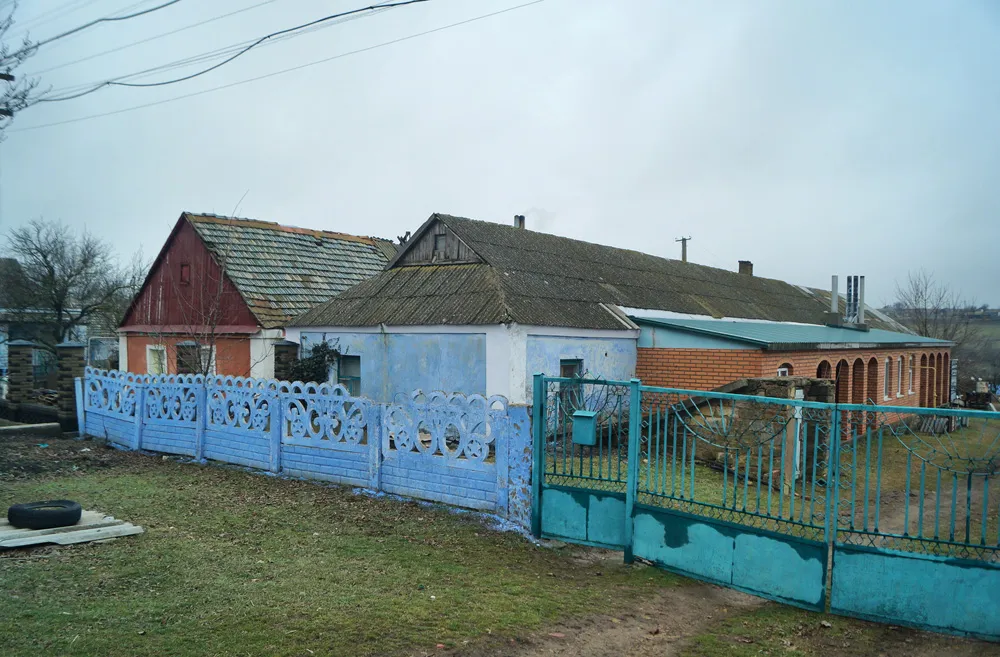
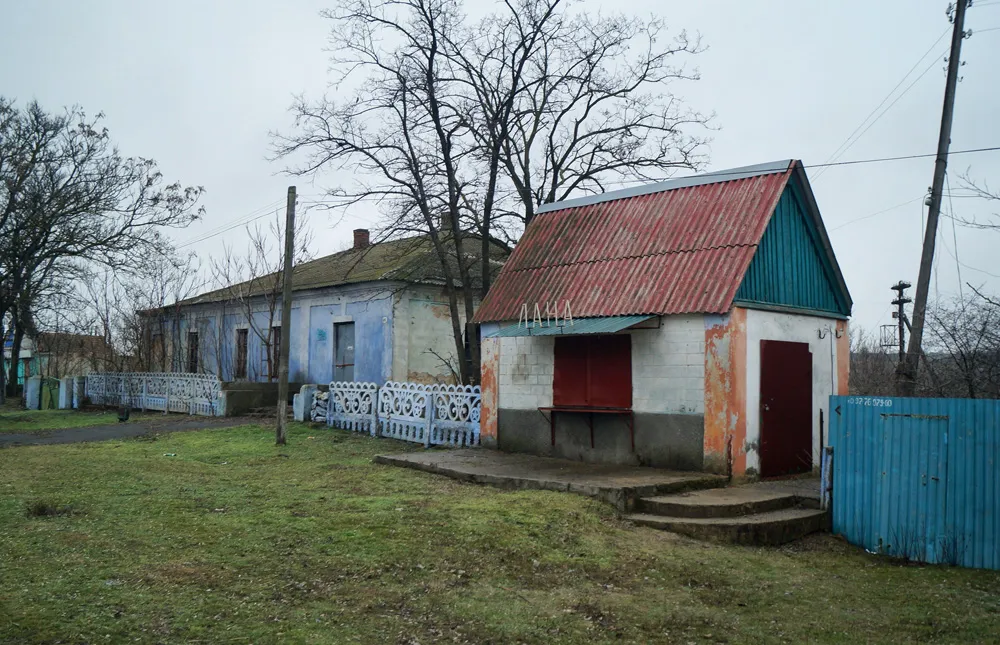
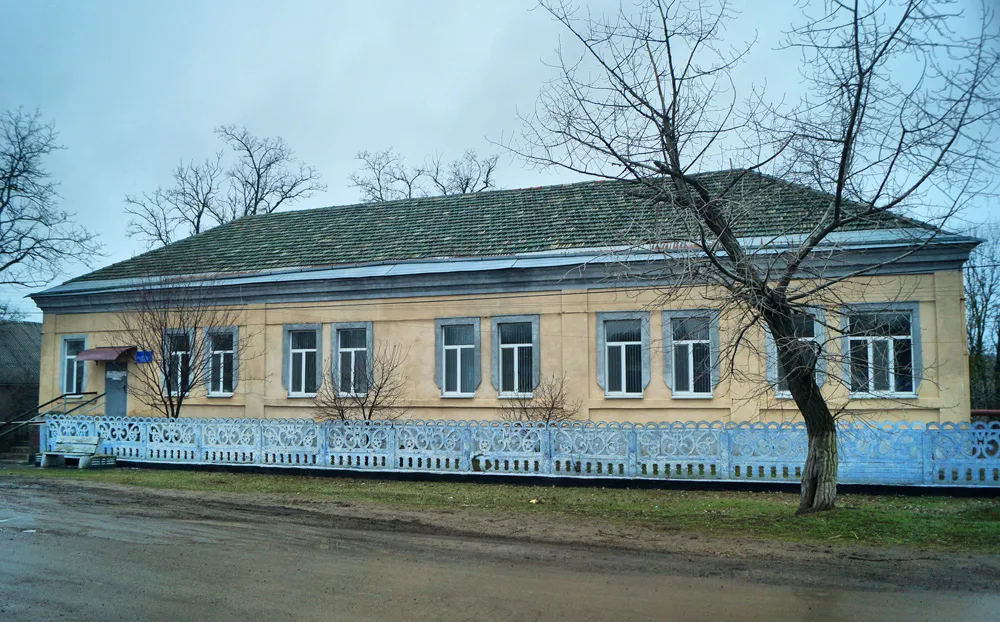
German buildings in Shyrokolanivka (the former German colony of Landau)