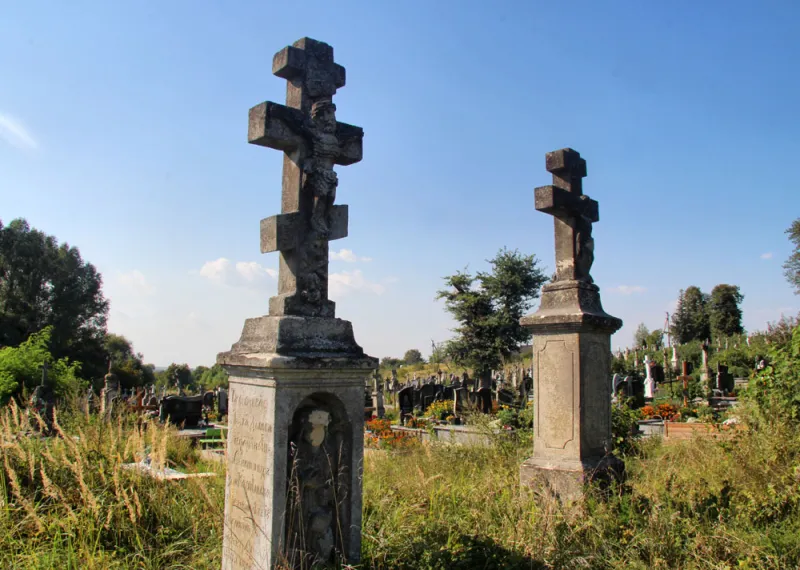
Yeremiivka. A German village with a Ukrainian cemetery

· 2 min read
Yeremiivka is first mentioned in written documents on 21 October 1793. It was the sloboda of an ensign named Yeremii Helesku – so writes Wikipedia, though it adds in the same place that the settlement was founded by German colonists from the Kuchurhan colonist district, who had three houses here. In the lists of settlements of the Russian Empire inhabited by Germans, this village is mentioned under the name Bischofsfeld.
In 1831 Yeremiivka (or Bischofsfeld – it is hard to trace when and how the name changed) belonged to Kostiantyn Bitsilia, who obtained for the settlement the status of a small town, where fairs were held four times a year. In 1859 it had 171 inhabitants and 26 households, a bazaar and an Orthodox church. By 1896 there were already 275 people – in forty years the population had grown by only a hundred.
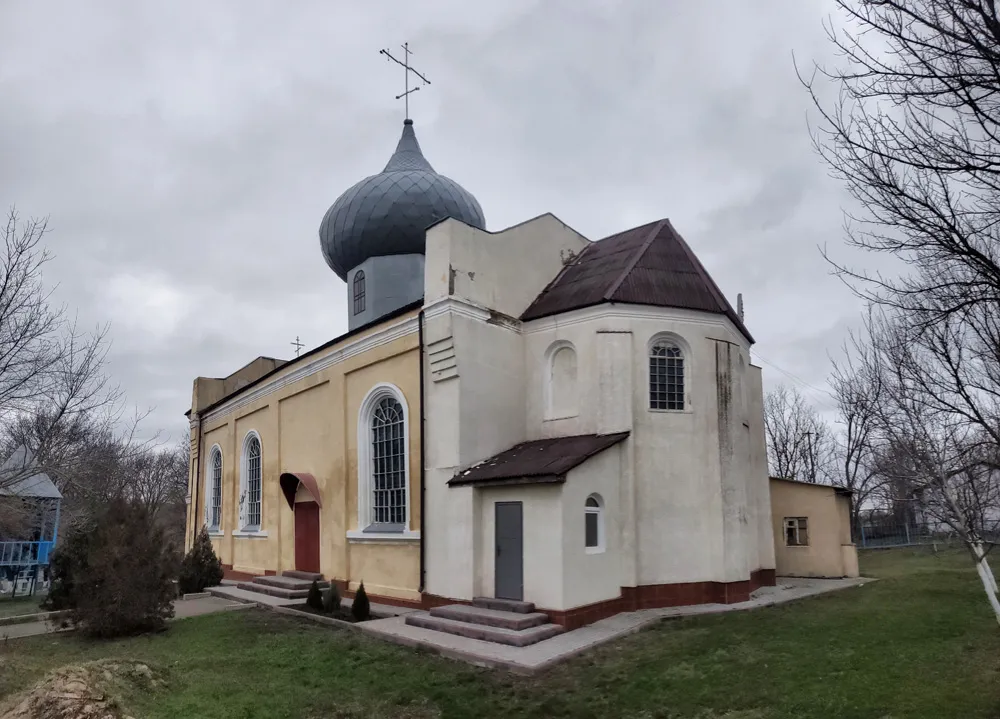
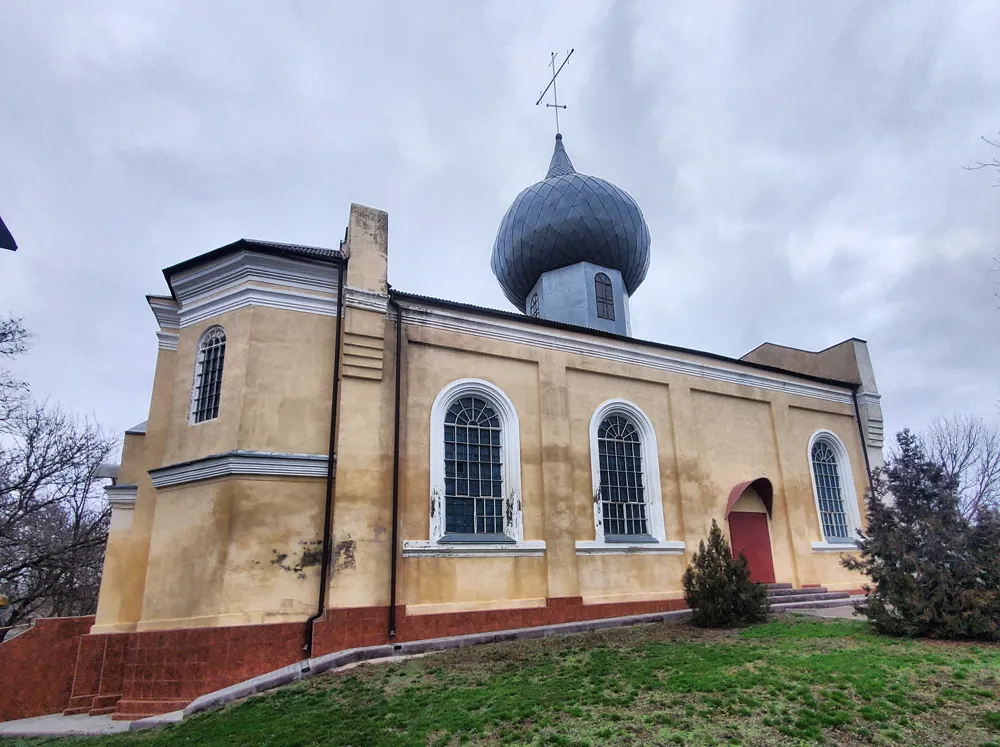
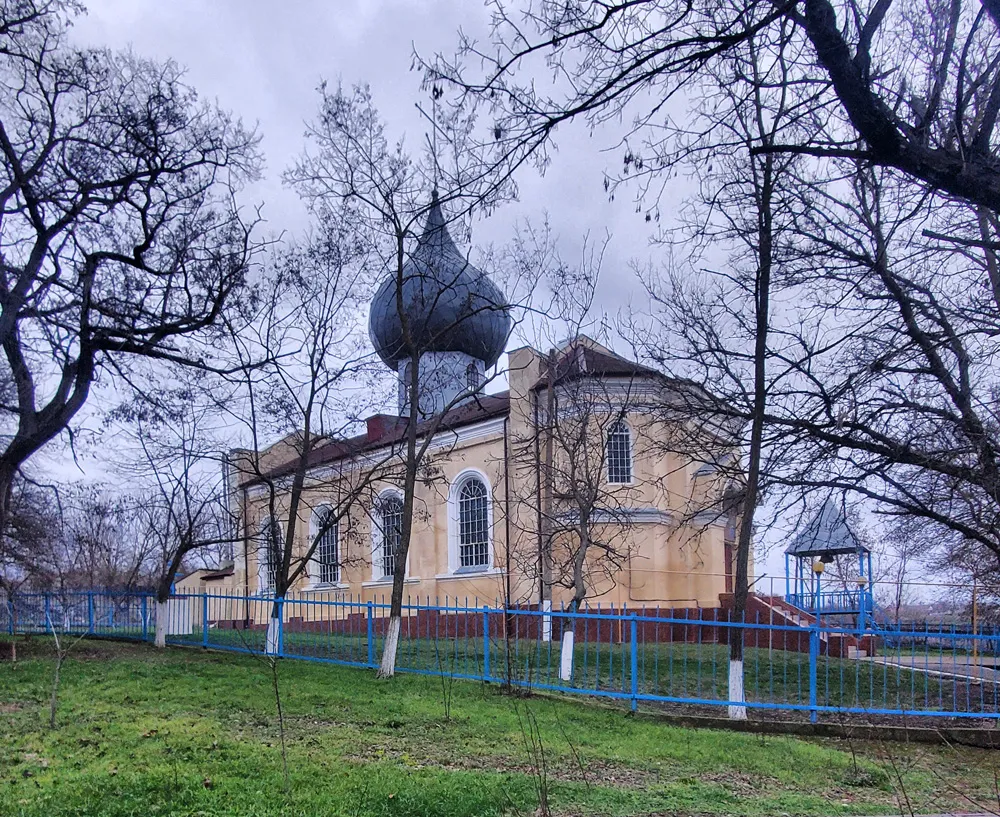
The former German Lutheran church, now a Moscow-patriarchate church
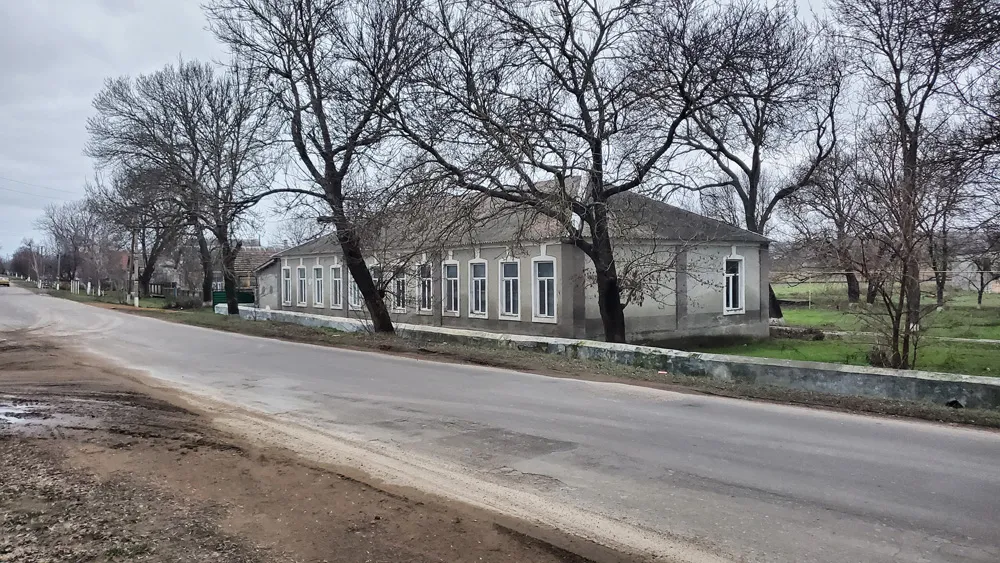
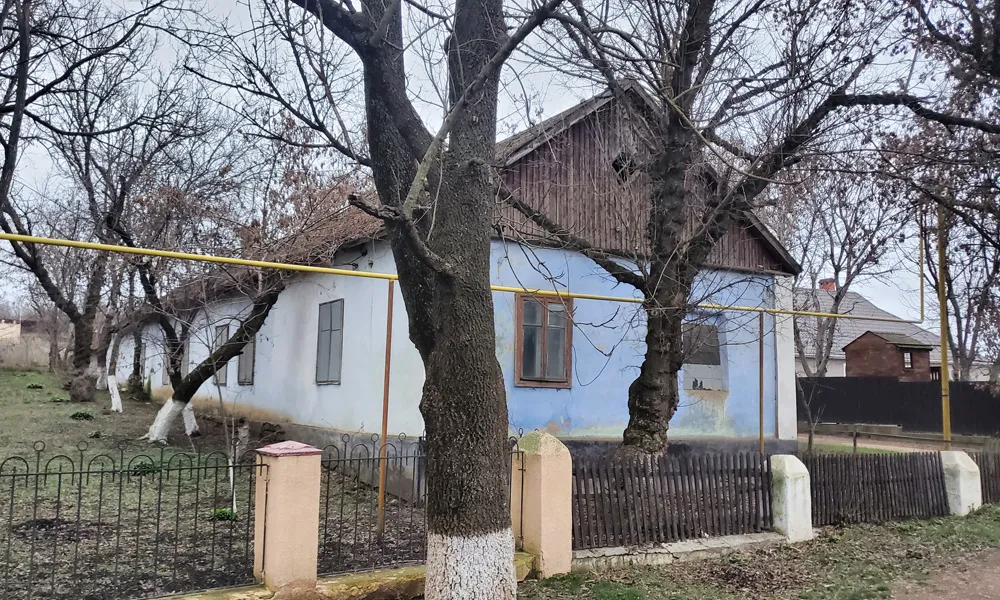
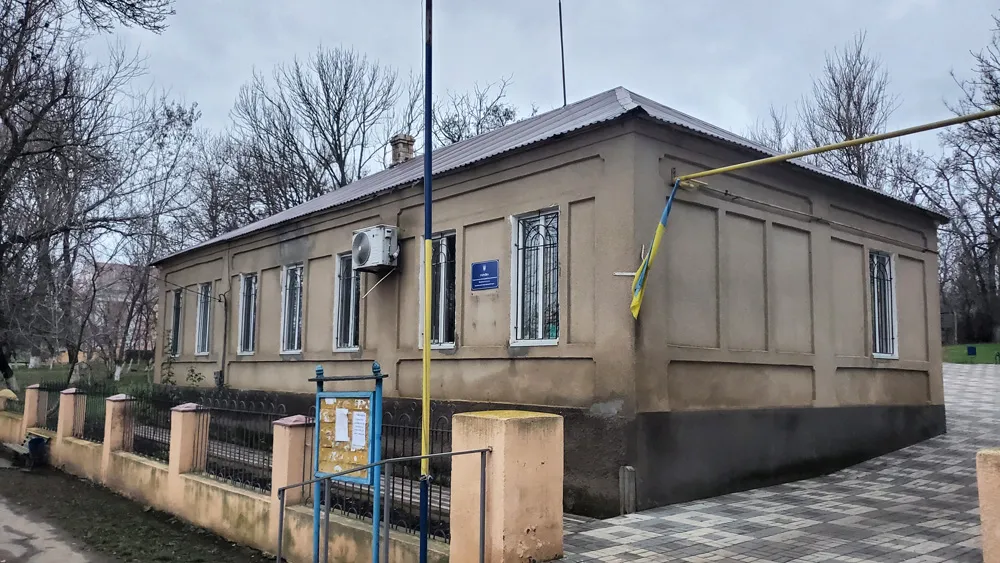
Old German buildings
Given the presence of an Orthodox church, we may assume that most of Yeremiivka’s population in the 19th century were Ukrainians, but there was also a German community, which began to grow rapidly at the beginning of the 20th century. An architectural ensemble of the centre of the German town has survived from that time, with residential and administrative buildings and a Lutheran church.
In 1916 Yeremiivka had 517 registered inhabitants, and in 1924, 690. Most of them were then Germans, so the Yaremiivka German village council was created here – there was a period when national village councils and even districts – German, Jewish, Polish – functioned in the Soviet Union.
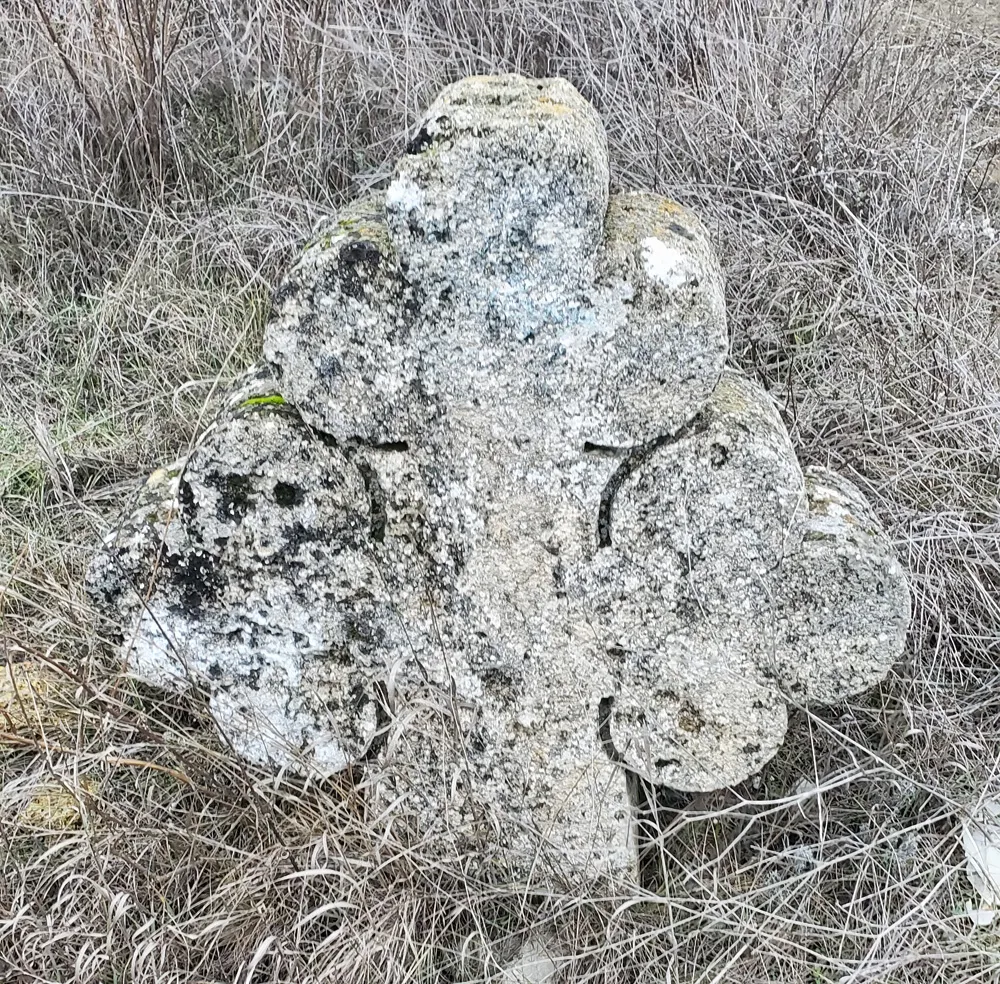
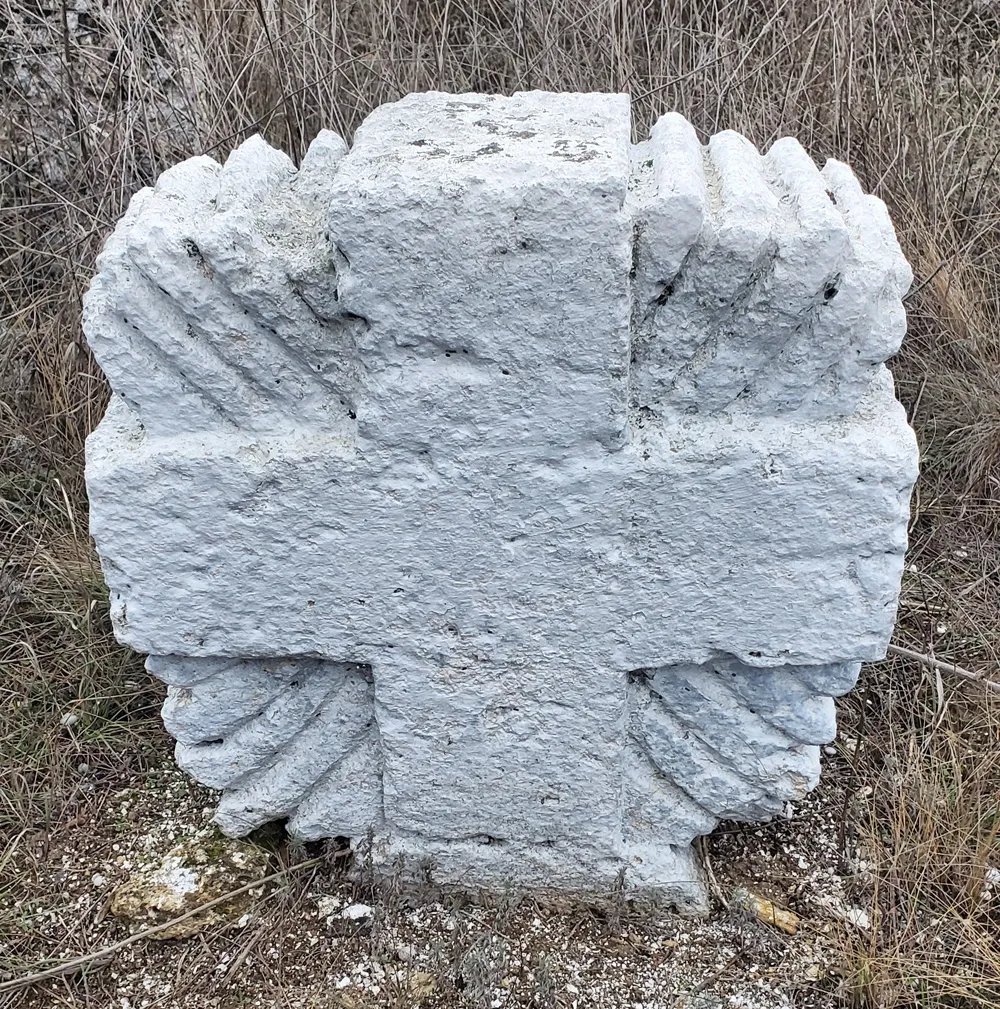
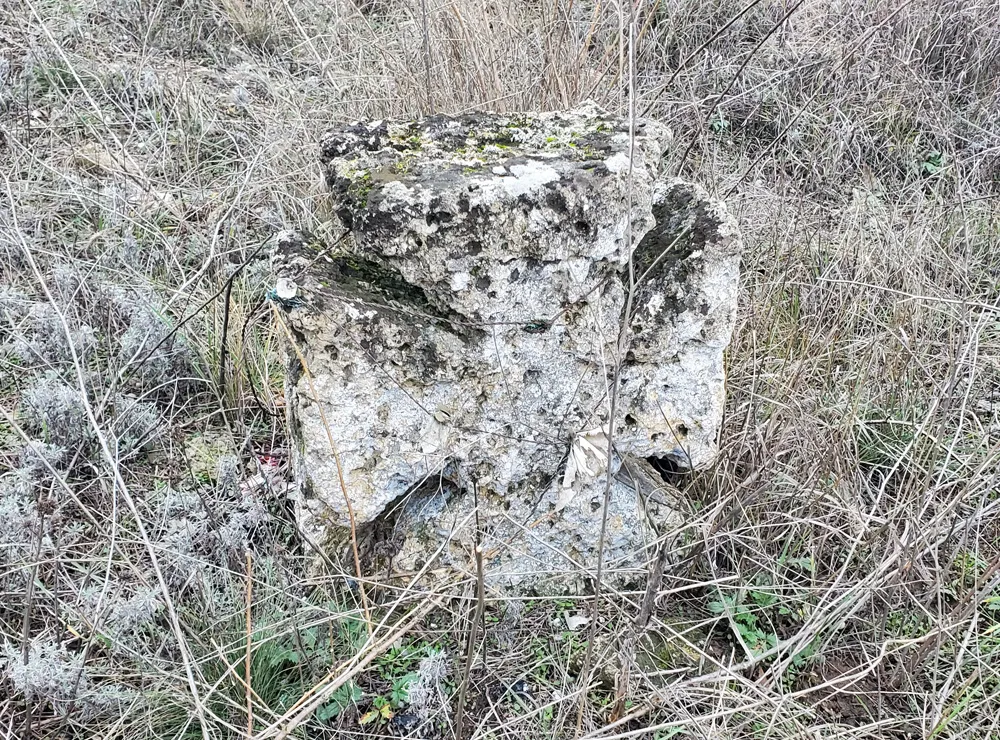
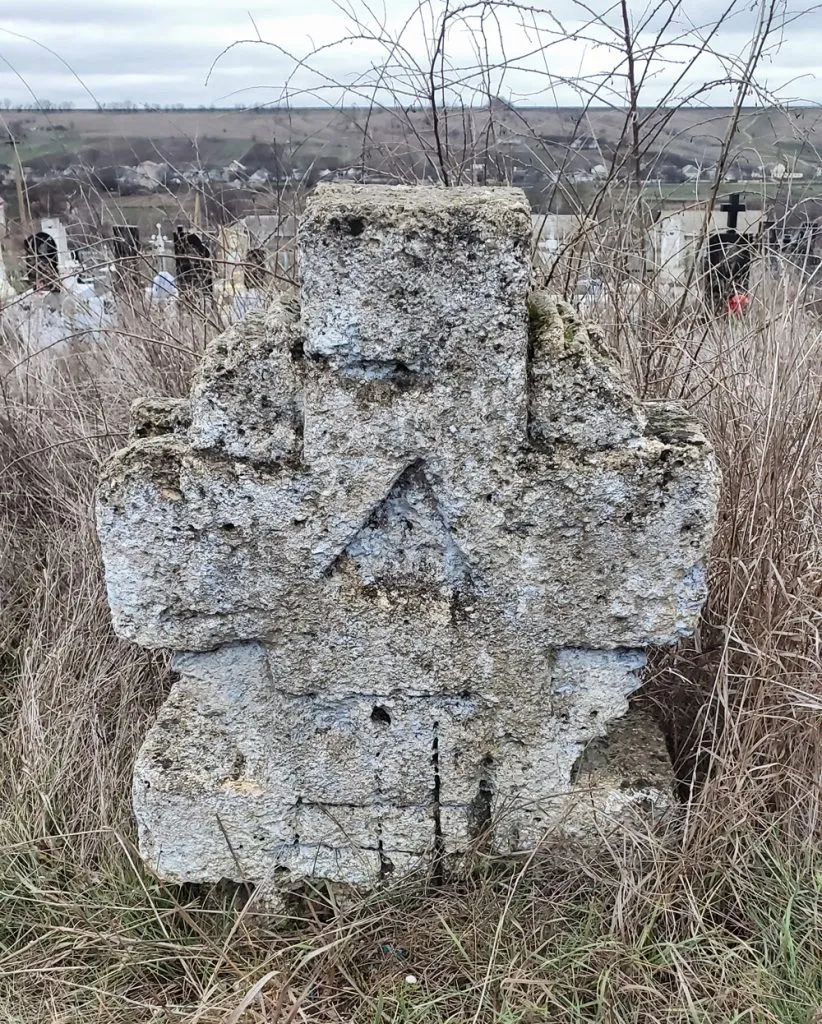
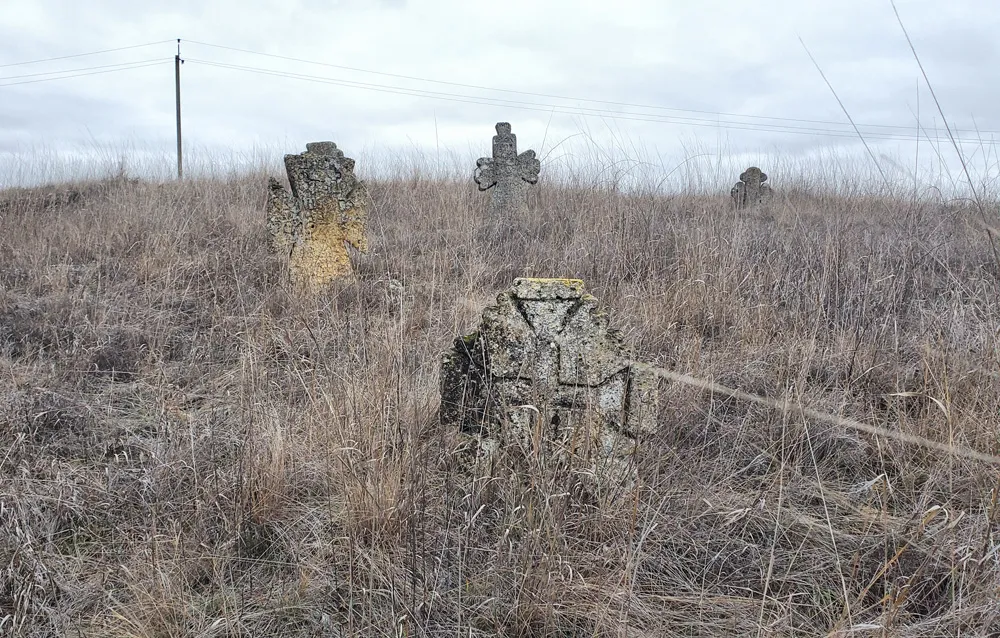
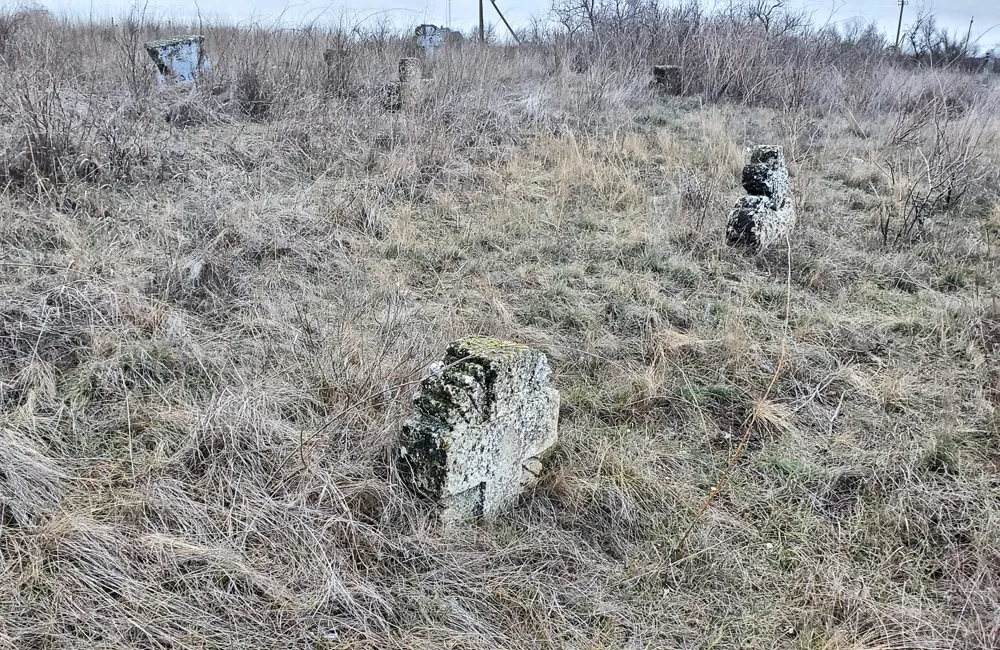
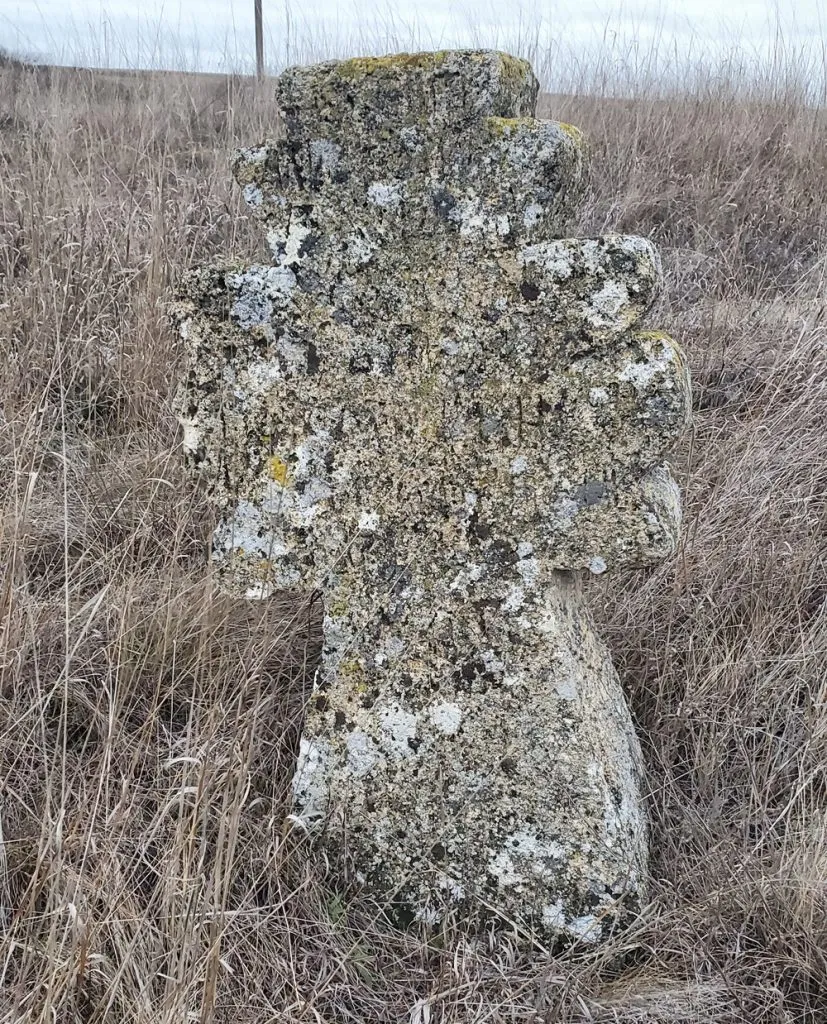
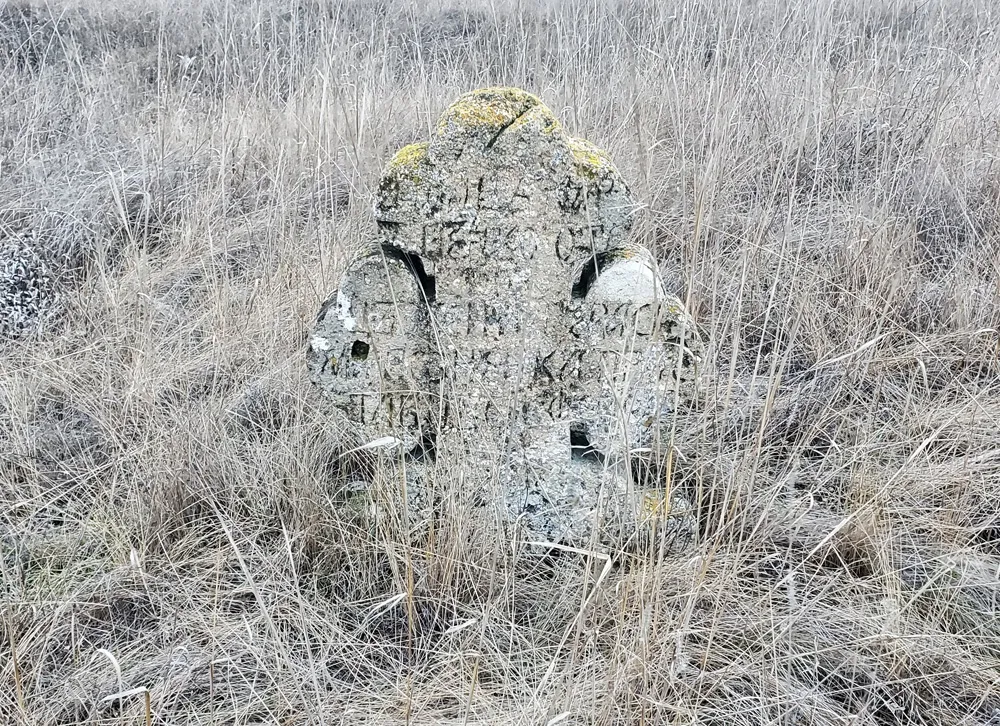
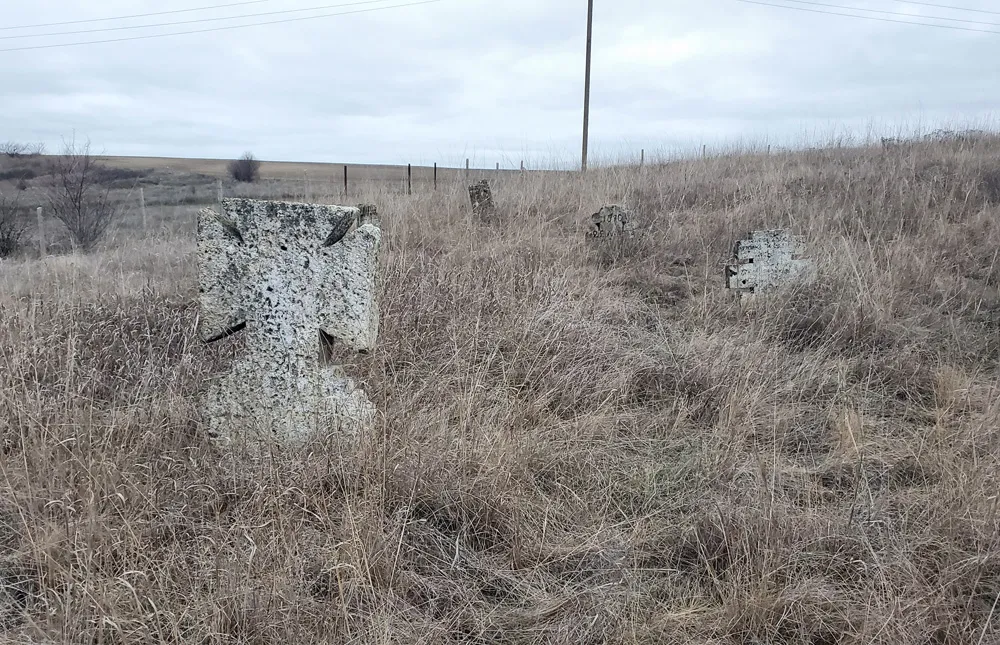
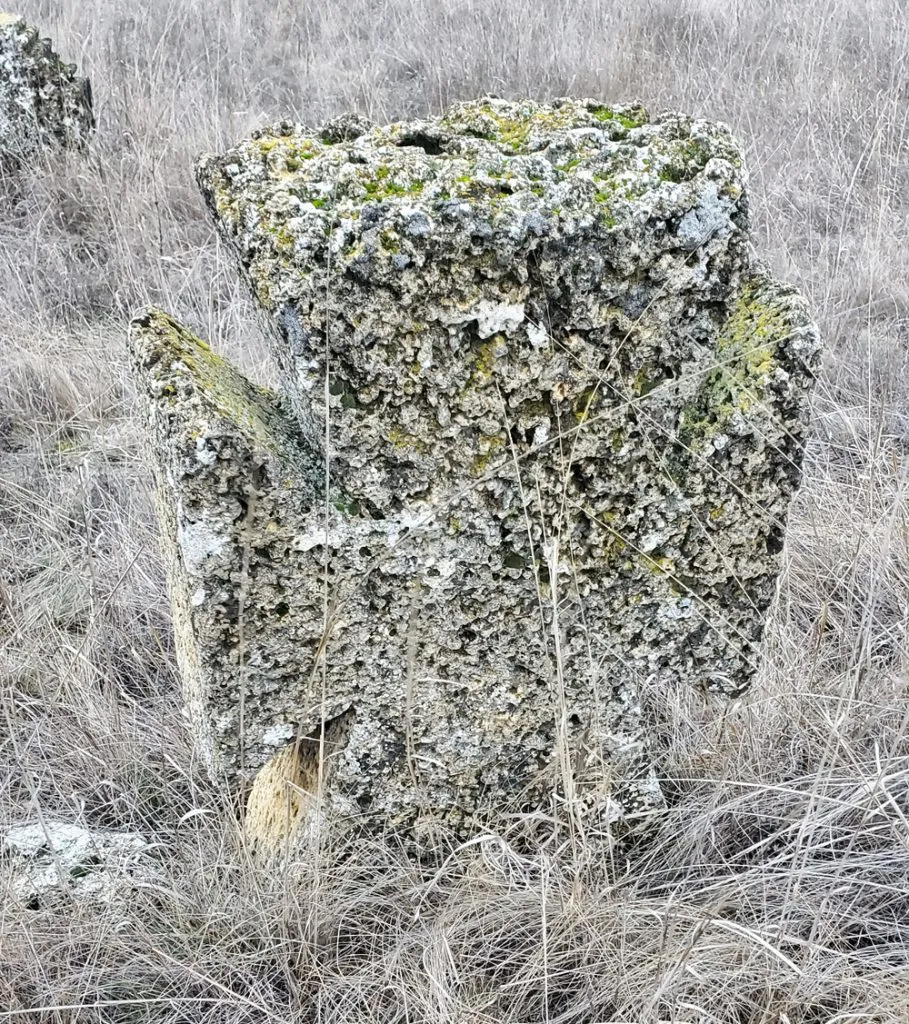
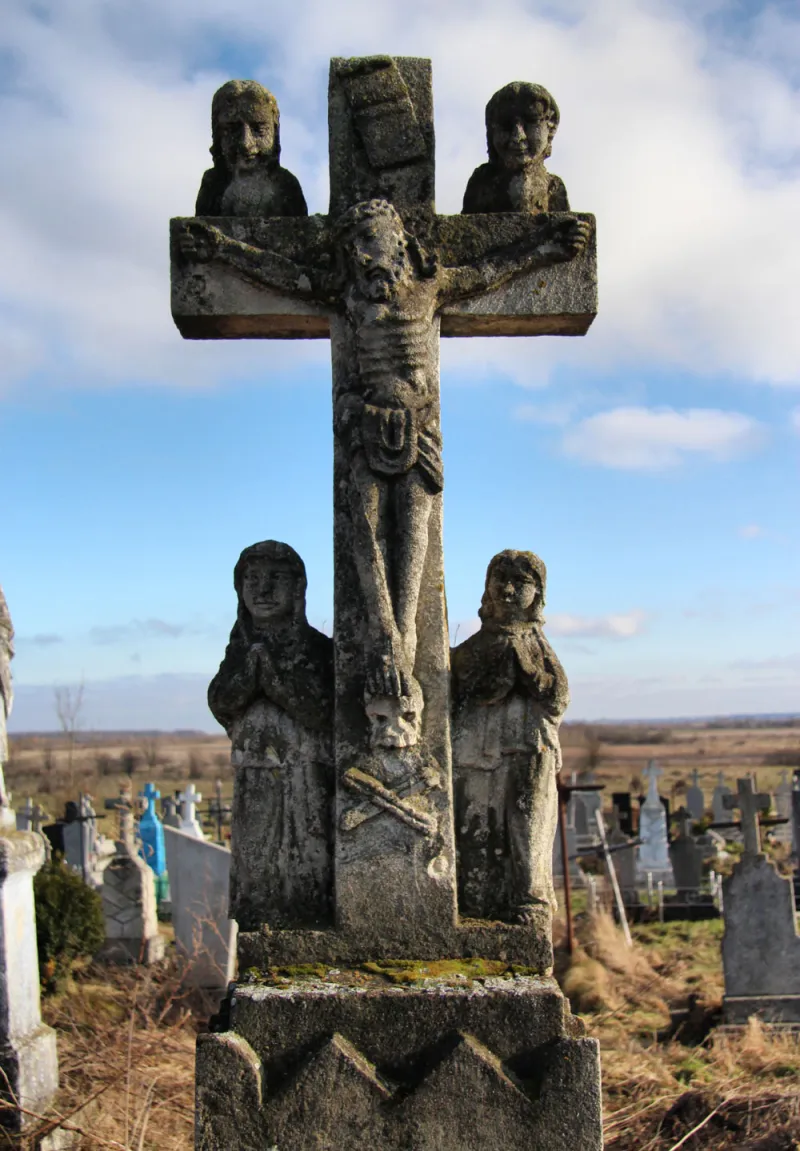
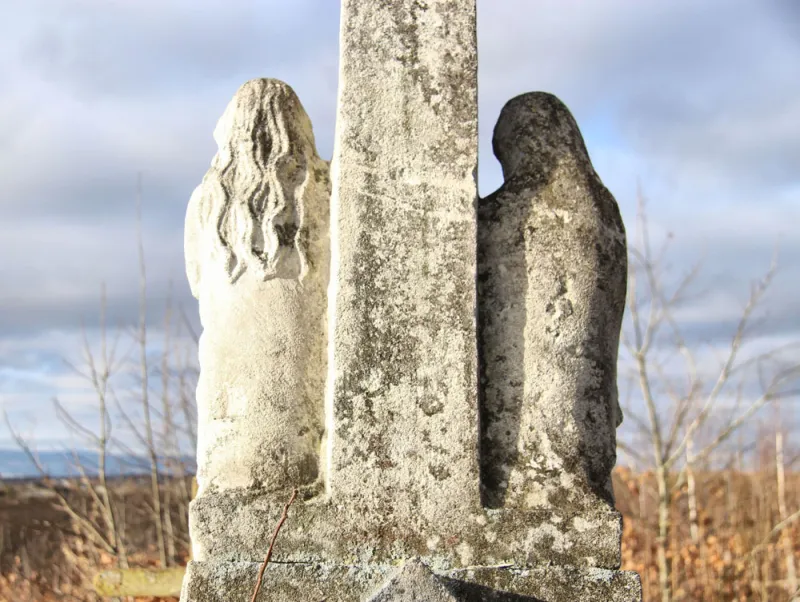
There are no Germans in Yeremiivka now – they vanished in the 1930s and 1940s. After the Second World War even the German cemetery was demolished. But the old Ukrainian cemetery has survived. It holds dozens of stone limestone crosses dating from the 19th century. The inscriptions on most of them have not survived. The cemetery bears witness to a powerful Ukrainian tradition of making stone crosses.
In 1951, 127 Boyko families from the village of Lobizva in the Nyzhnii Ustryky district of Drohobych Oblast, in present-day Poland, were deported to Yeremiivka. This was carried out as part of the “exchange of territories” between the USSR and Poland. This crime is recalled by a memorial plaque installed near the former German church (the Germans, after all, had not only Lutheran churches – almost half of them were Catholics). I found no information on the date it was built, but judging by the architectural forms I assume it is from the early last century. It is now a church of the UOC MP, apparently of the Kazan Icon of the Mother of God, with a terrifying enormous onion dome on the roof.
Text and photos by Roman Malenkov