Slovakia. Vlkolínec. The ideal mountain village

· 2 min read
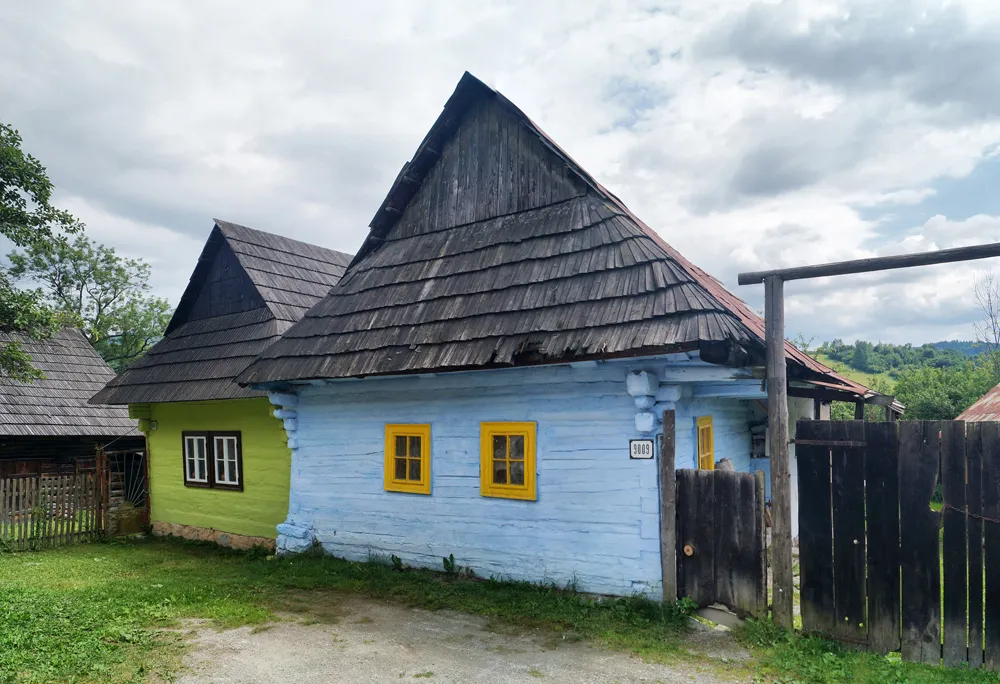
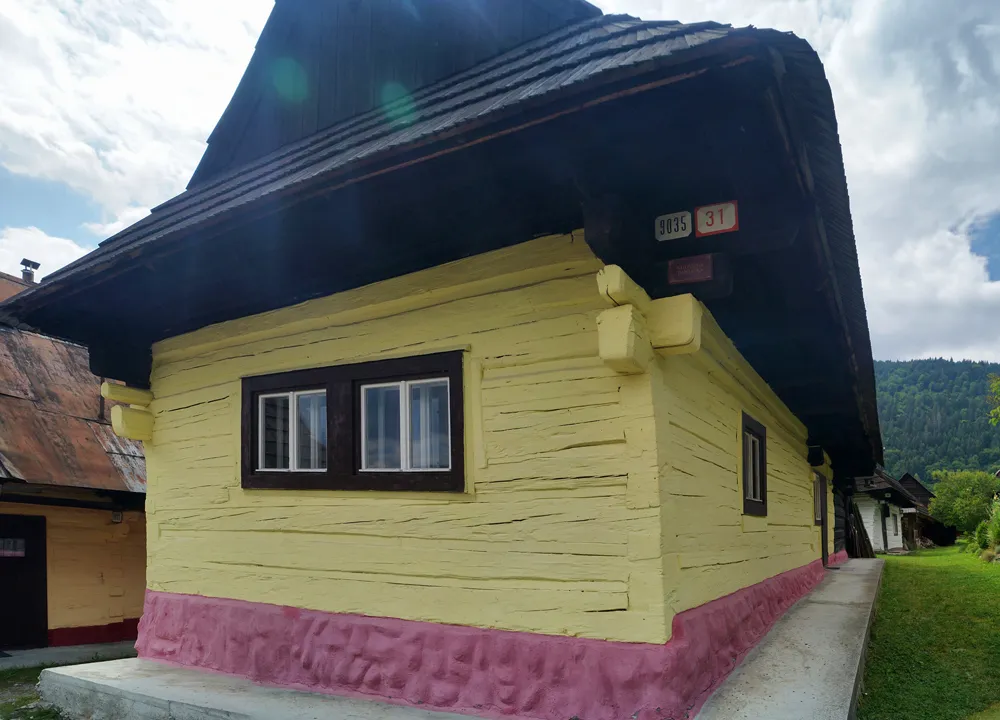
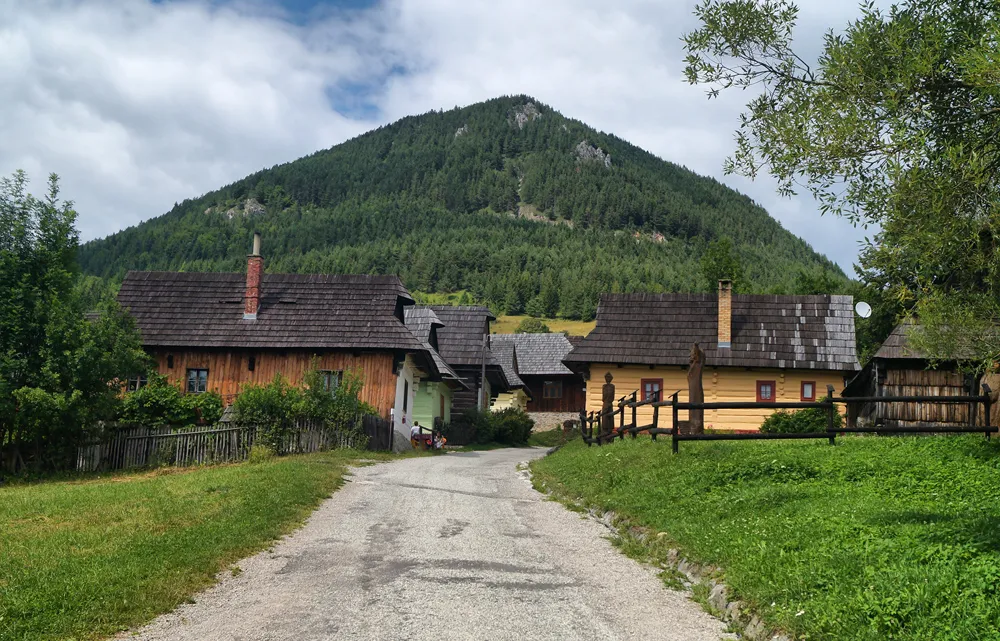
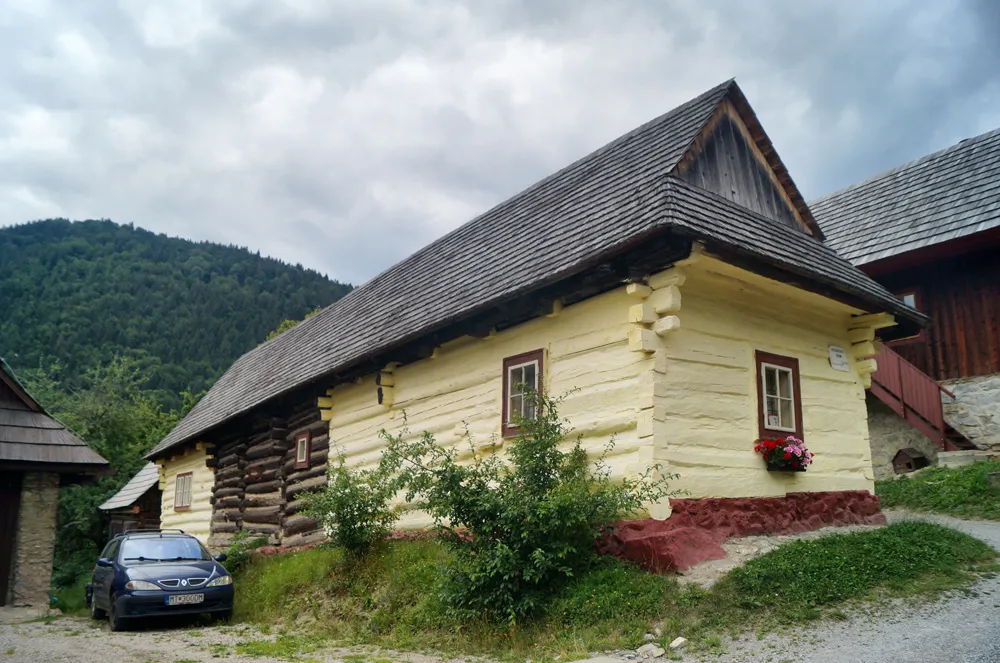
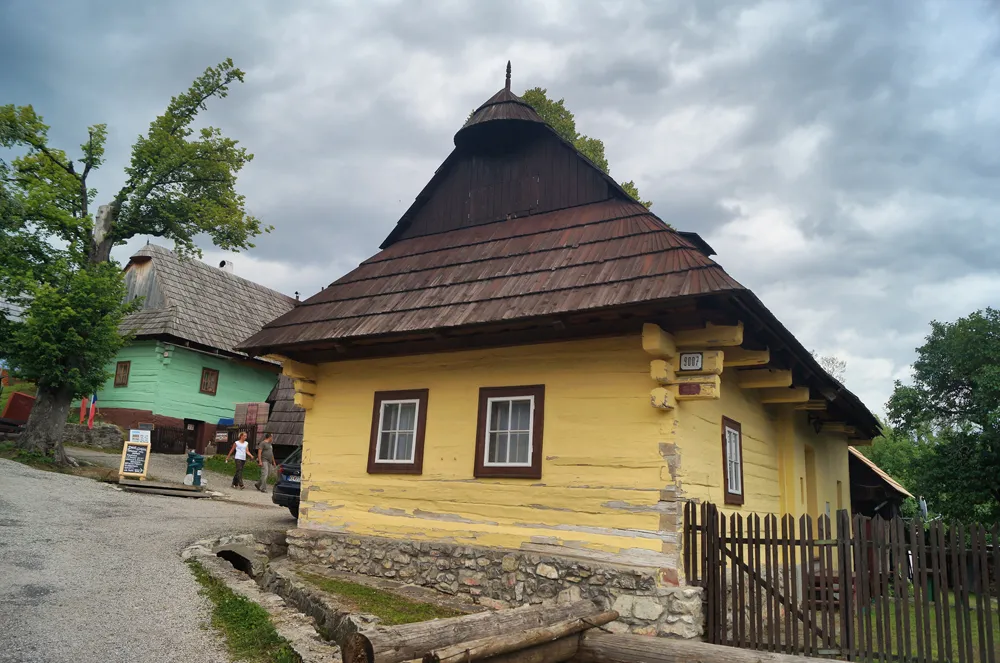
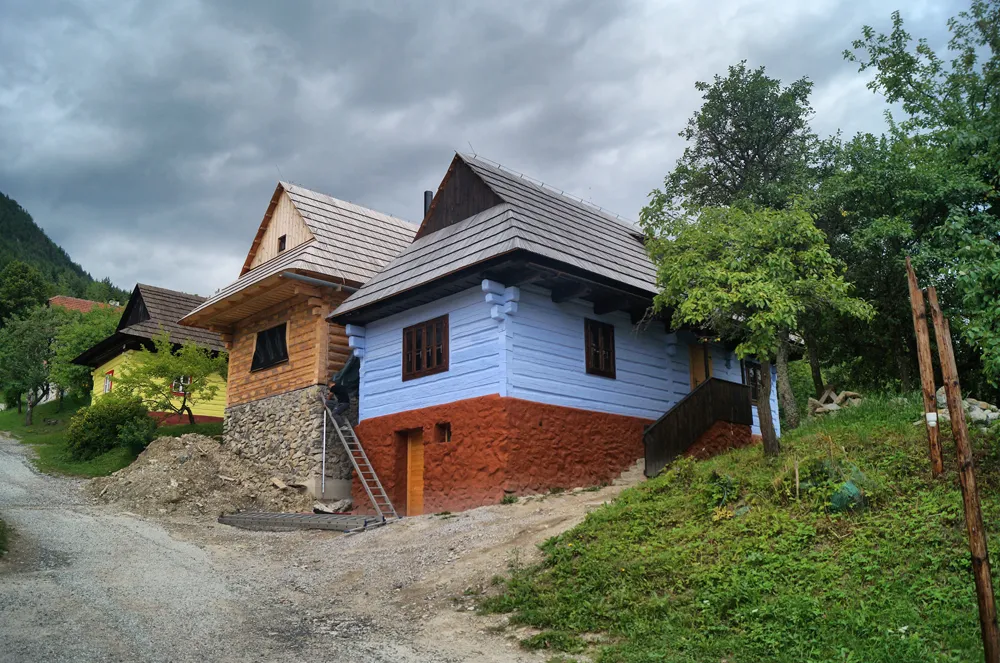
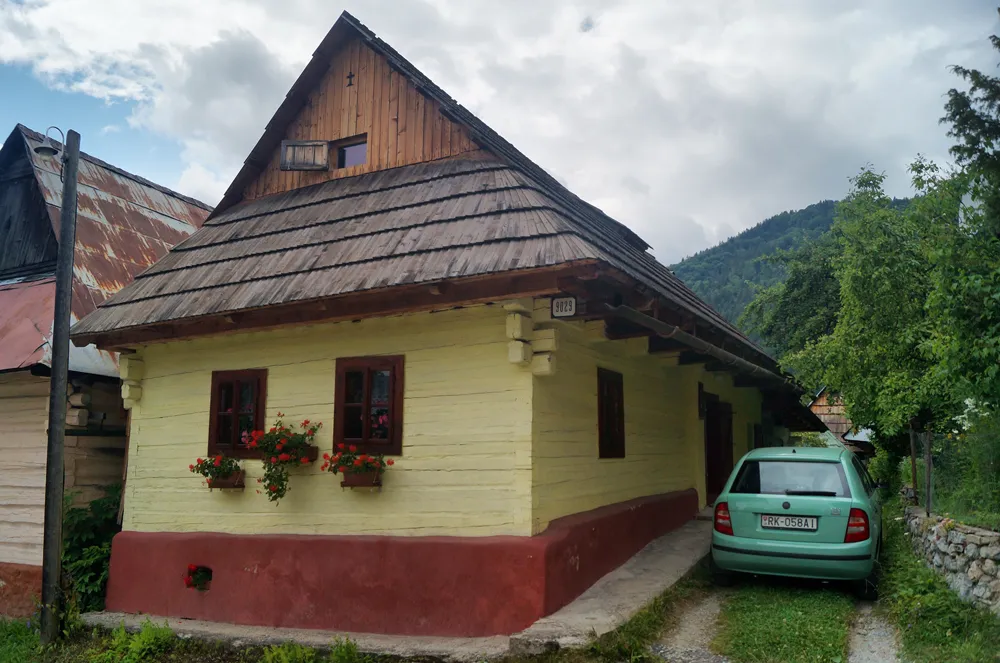
As late as the 1980s, most of Slovakia’s population lived in villages, preserving traditional ways of life and local colour. Here, even now, there are villages that seem to have stepped out of the pages of a book. For example, in the Žilina region, 5 km from Ružomberok, in the mountains, at an altitude of a little over 700 metres, lies the best-known village in Slovakia: Vlkolínec Vlkolínec. No wonder it is the best known, since back in 1993 it was made a UNESCO World Heritage Site. It is four dozen wooden log houses arranged along one street, with two short branches that are officially considered another street, and 13 officially registered residents. According to other data there are 35 residents in the village, and only 18 inhabited houses, the rest being museum exhibits.
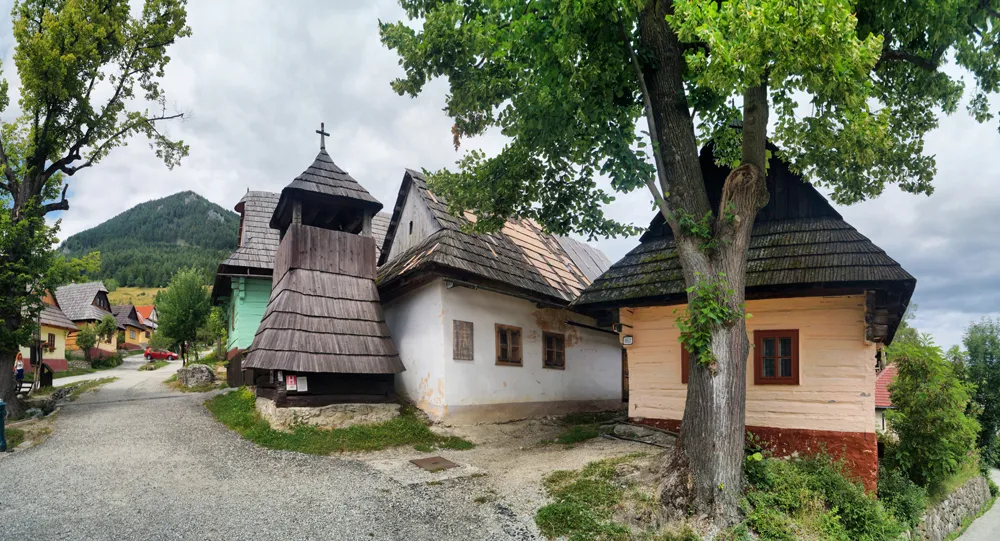
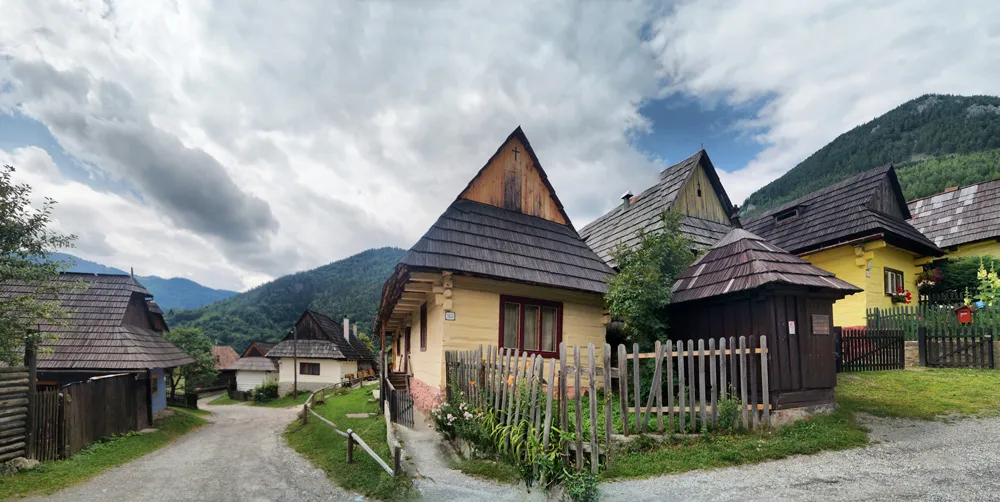
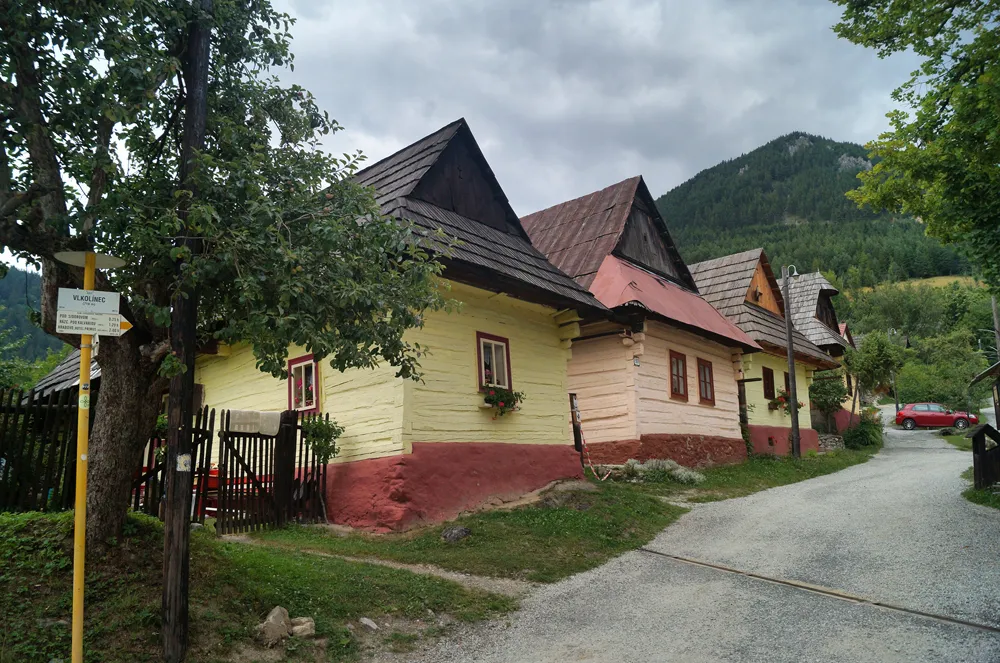
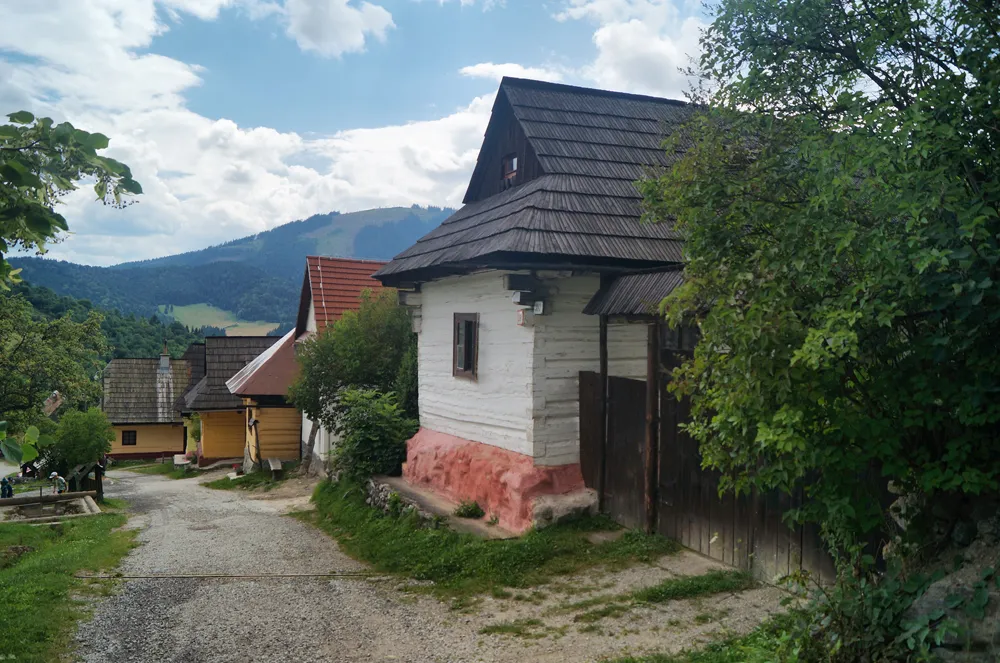
Vlkolínec is the benchmark of a rural settlement in the Northern Carpathians. The village has no modern buildings; it has remained untouched over the last century, and the shingle-roofed log houses carry you back in time. It is probably for this feeling that thousands of tourists come here. They stroll along the long two-row street, which ends in the hayfields of a steep slope. Some climb the hill to view the picturesque landscapes from above, and the shingle roofs of the toy-like little houses. Others return to the centre of the village, where in the beautiful, cheerful log houses painted in various shades of yellow, as well as blue and white, there are several museums, cafes and small restaurants. You can also rent accommodation here, to immerse yourself more deeply in the local colour of the Slovak highlanders.
Vlkolínec was founded in 1376. They say that the architecture in the village has not changed since then, not counting the Baroque-Classicist little church built in 1875, the water pumps and electricity. The name comes from the word “vlk” (probably an “o” is read though not written), which means “wolf”, and points to the considerable number of large predators with which the local woodcutters and shepherds had to contend in ancient times. Local residents say that even now wolves roam around Vlkolínec, but hardly so, since today there is little forest left: everything is divided by asphalt roads, and civilization is not to the wolves’ liking.
Text and photos by Roman Malenkov. From the book “10 countries after quarantine”