Supraśl. An unwelcoming Polish lavra

· 3 min read
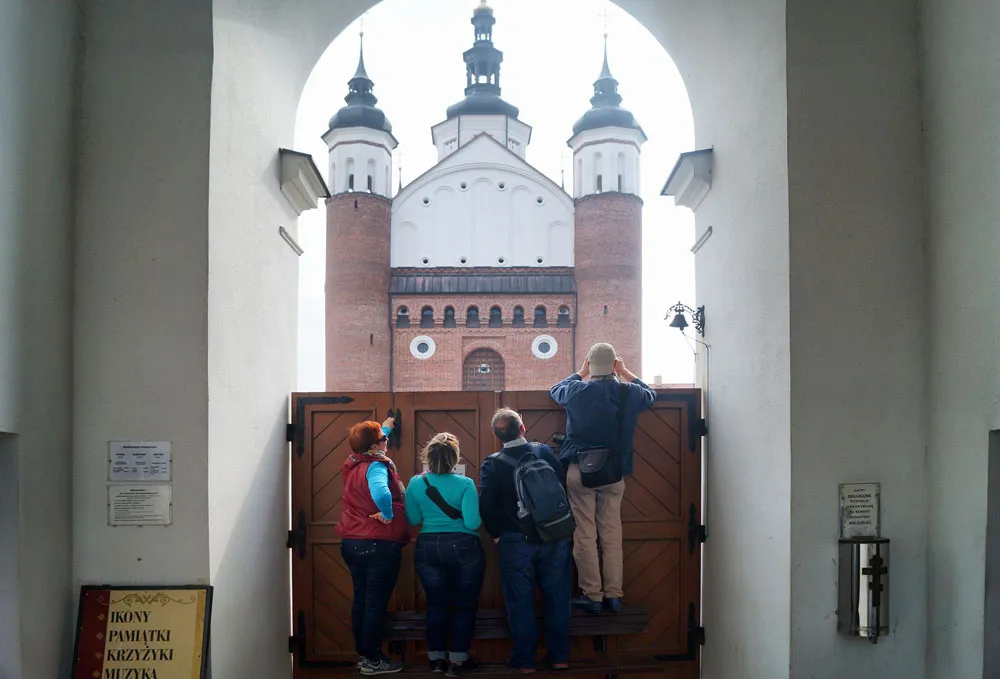
As soon as I learned about Supraśl, I wanted to see it. A legendary and unique monastery founded by monks of the Kyiv Pechersk Lavra, built in the Lithuanian defensive-sacral style called Lithuanian Gothic, supplemented with Baroque elements, a stronghold of Polish Orthodoxy, the Polish Lavra… I got to the monastery on Easter 2019. Well, “got to” is a strong word: I knocked on doors and peered in from a distance and through the railings. Everything was locked. An unwelcoming monk, in Russian with a strong accent, said there was no point loitering: devout people sit at home and celebrate Easter, and so do monks. In short, our small group was not let onto the grounds…
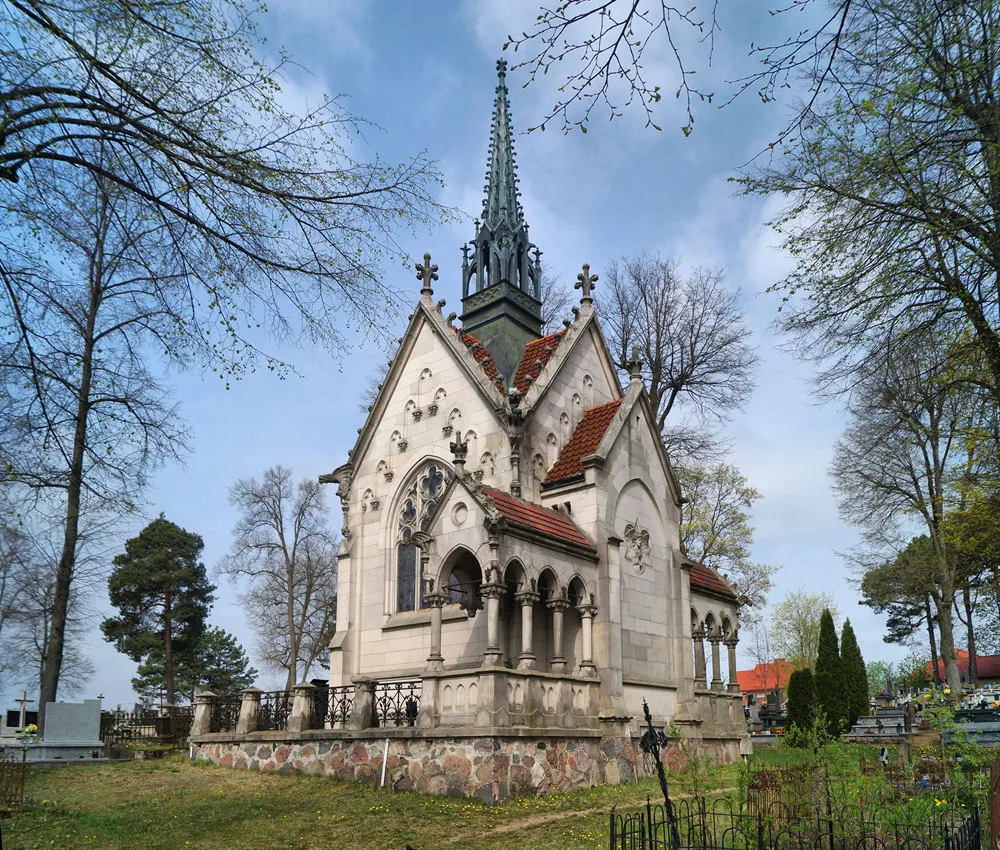
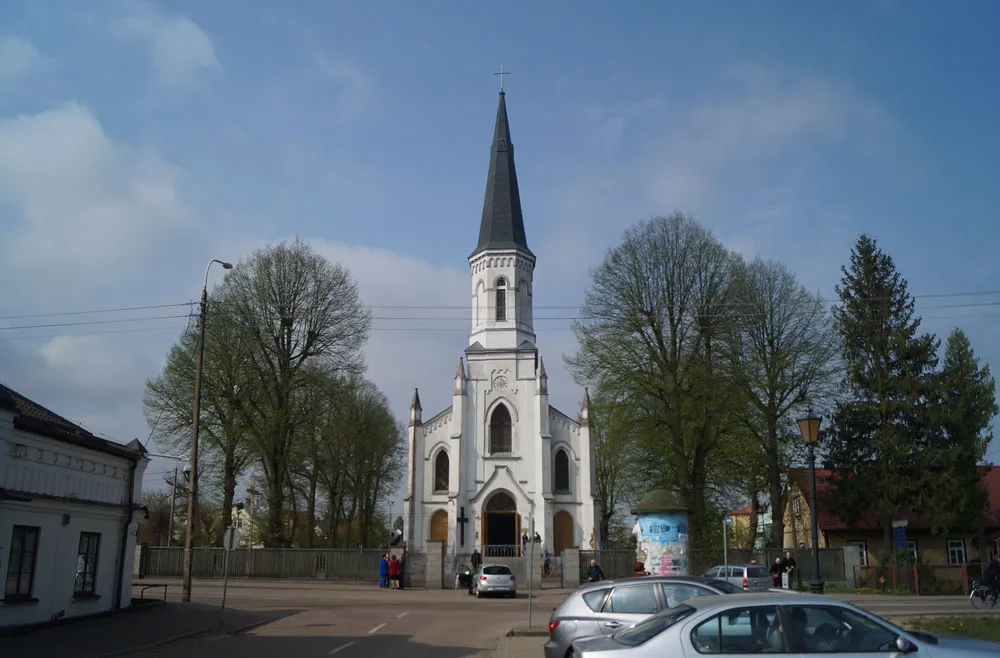
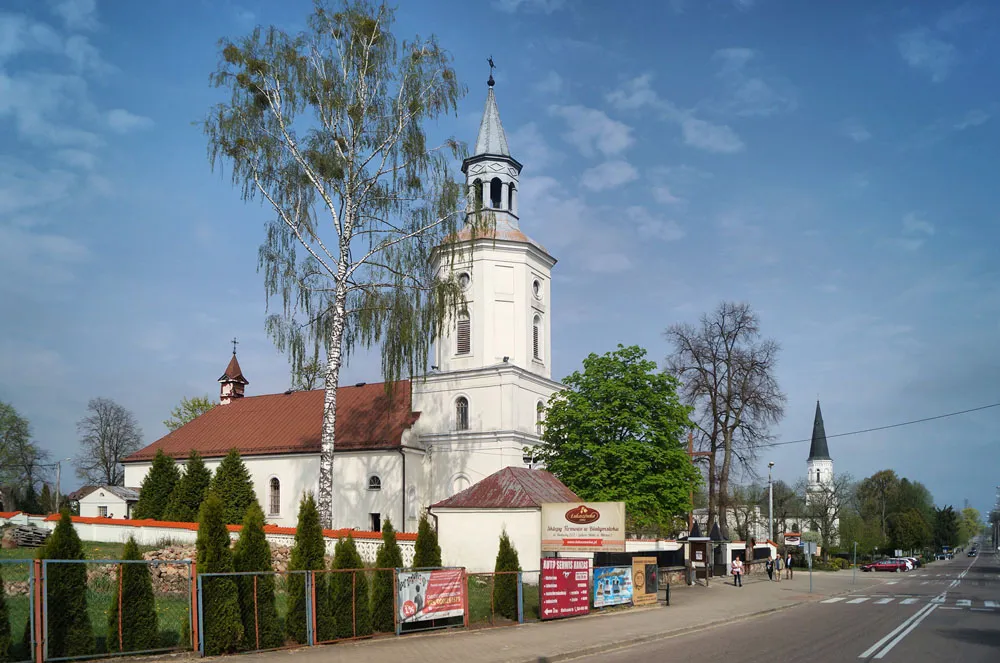
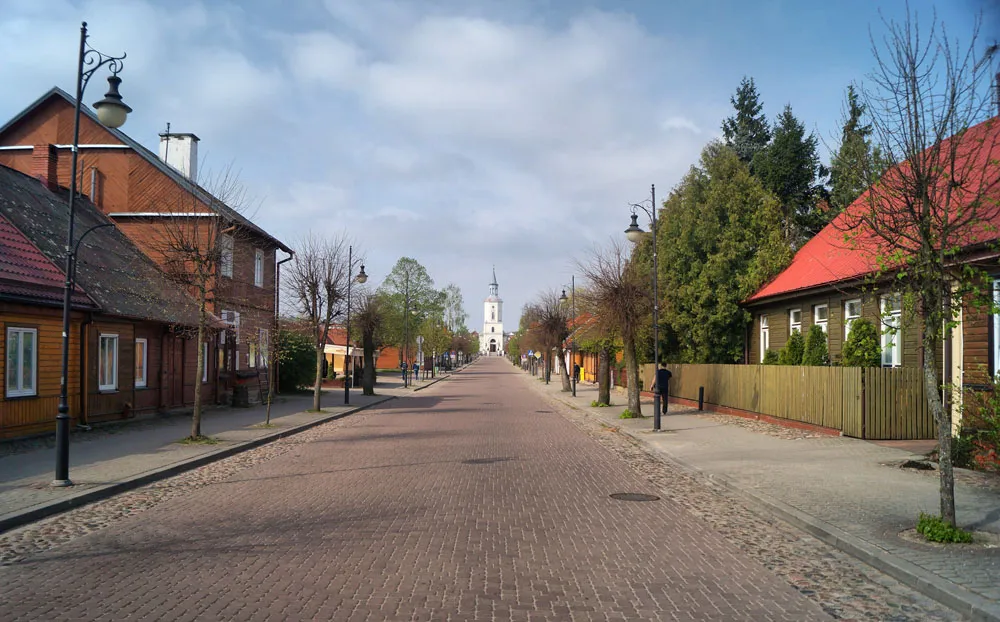
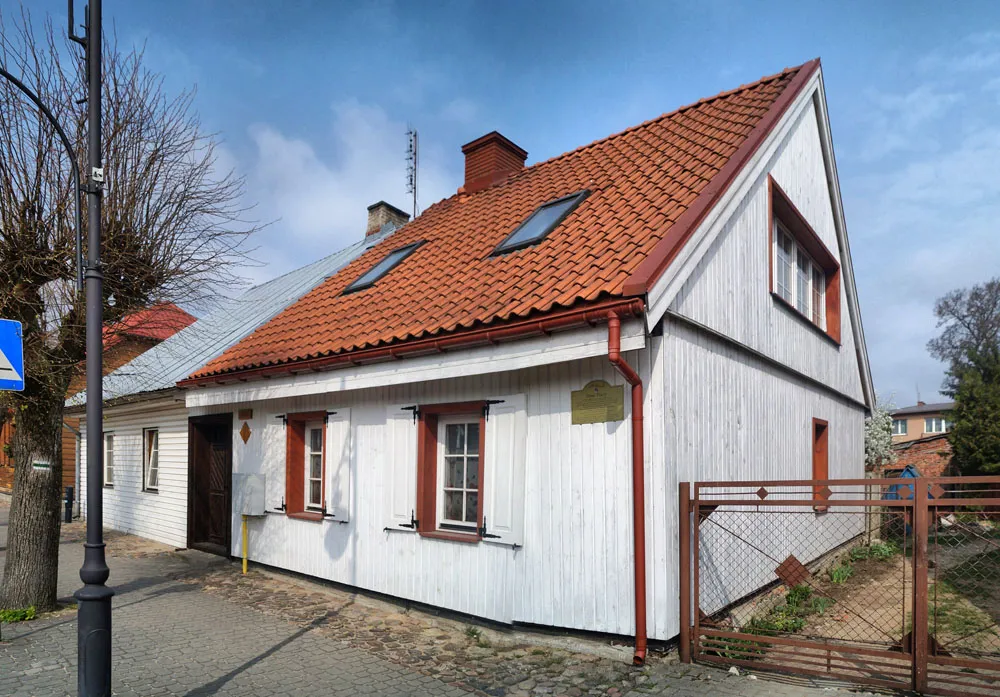
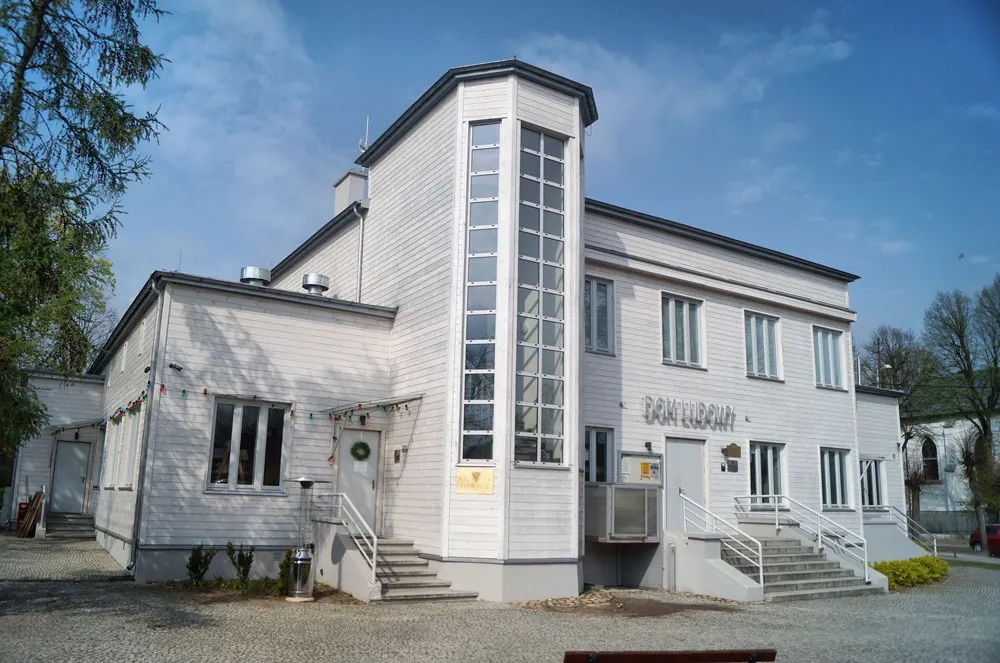
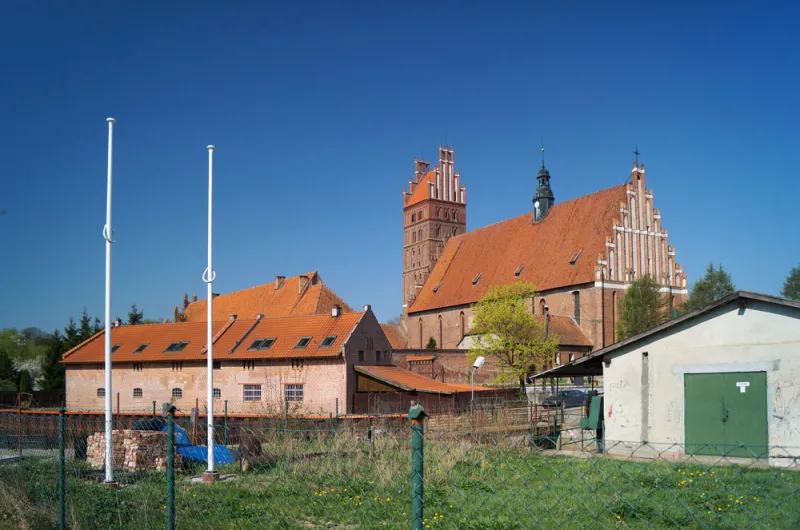
Supraśl is a small town in north-eastern Poland, 15 km from Białystok. It arose in the 16th century as a monastery village next to the monastery founded by Voivode Aleksander Chodkiewicz. Today the town has quite a few architectural monuments: two Roman Catholic churches, a complex of old weavers’ houses, the palace of the manufacturer Buchholtz, and a community house in the Constructivist style. I recommend seeing all of these, but the main landmark of Supraśl is the Orthodox Annunciation Monastery, one of the five Orthodox monasteries in Poland.
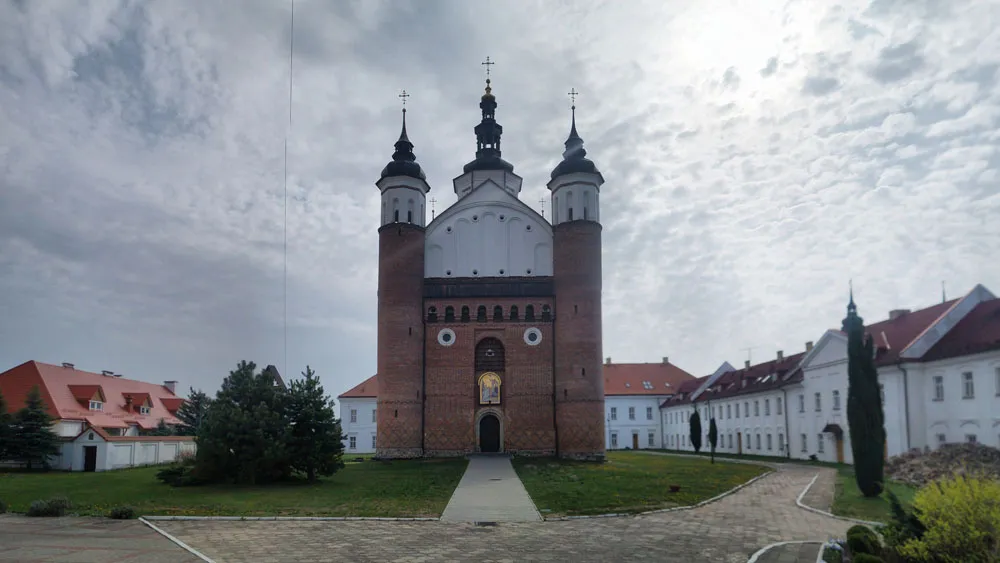
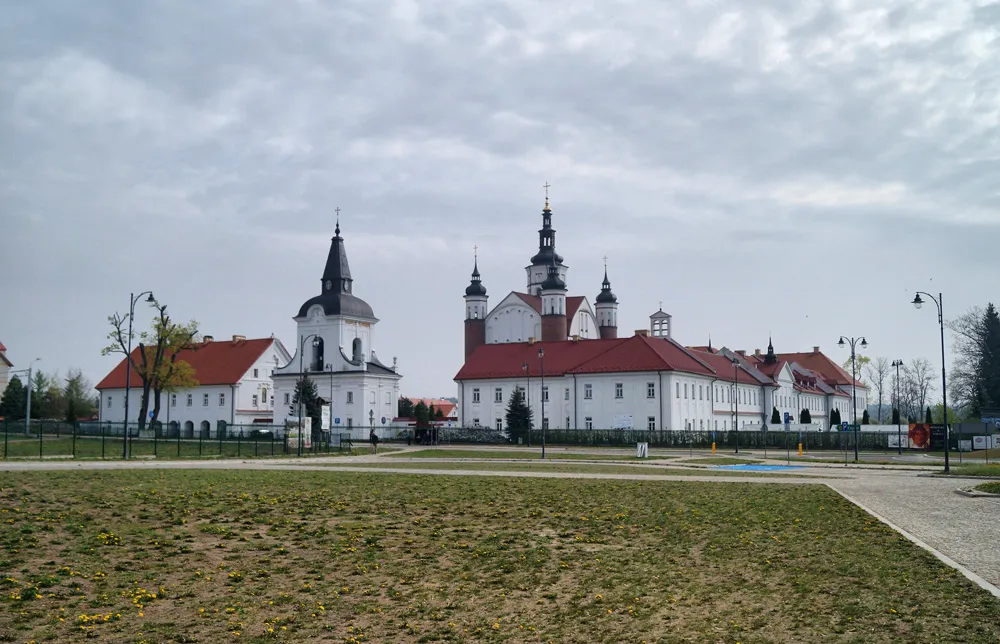
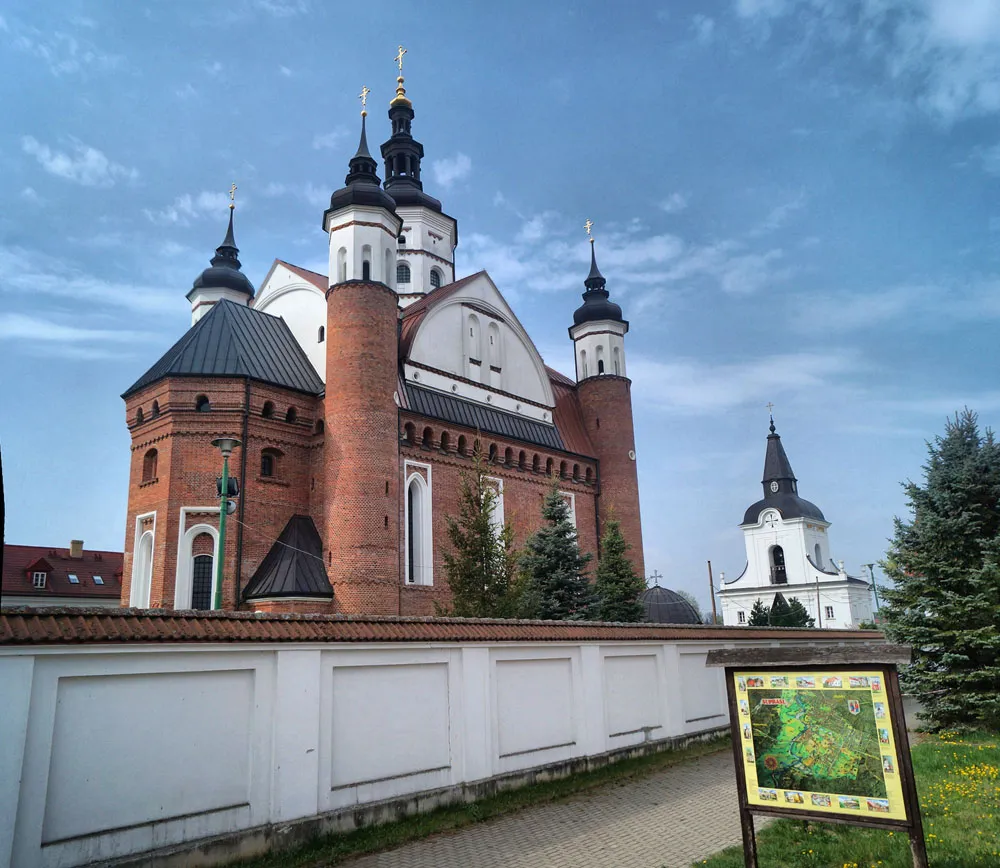
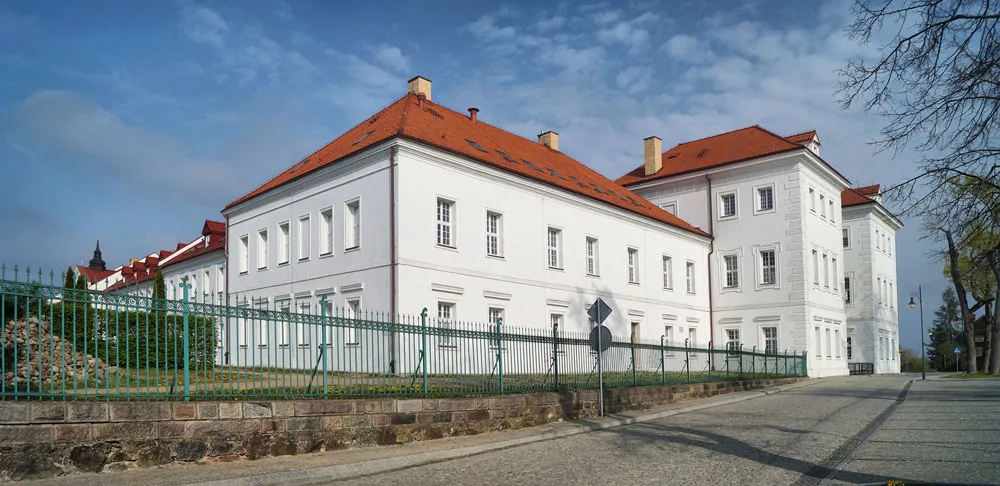
Supraśl Monastery
Aleksander Chodkiewicz, voivode of Navahrudak, was Orthodox; most magnates of the Grand Duchy of Lithuania professed Orthodoxy in those days. In 1501 he began the construction of a large monastery, and invited monks from the Kyiv Pechersk Lavra to organise it. The monastery became part of the Smolensk eparchy of the Kyiv Metropolitanate and became the largest in the region. It began to be called the Supraśl Lavra. A large library was created here, and the monks copied old manuscripts, including Rus’ chronicles. In the 19th century the Supraśl Chronicle was found here, a document regarded as an abridged version of the Kyiv Chronicle. Its account of historical events covers the period from the 9th to the 16th century.
In 1510 the construction of the main monastery church, the Annunciation Church, began. Its architecture recalls the churches of Vilnius, combining defensive and sacral functions. It is a synthesis of Byzantine and Gothic styles, with towers at the corners. A very similar church stands in Brochów, about which we have already written.
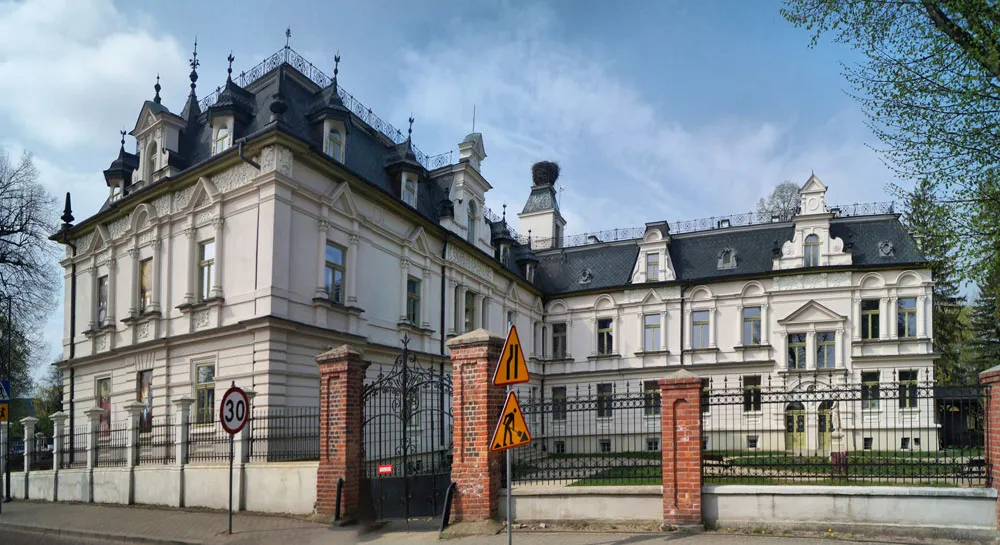
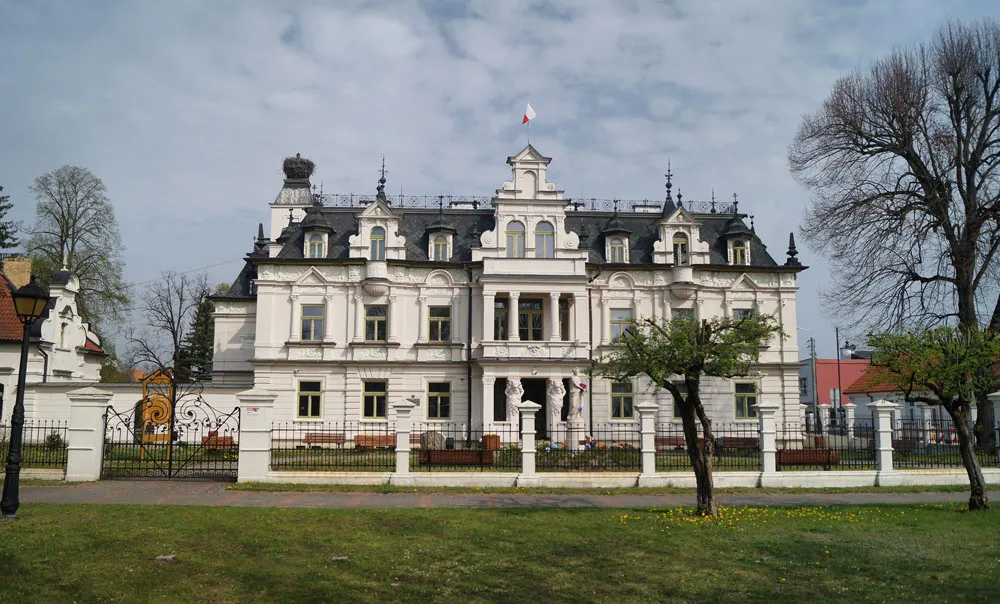
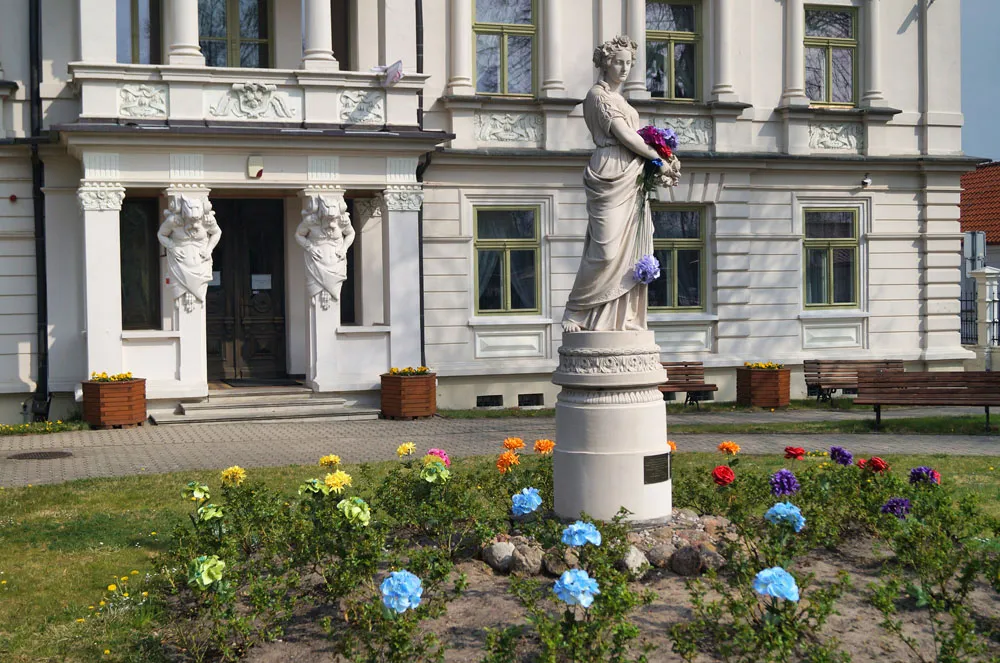
Buchholtz Palace
After most western Orthodox monasteries accepted the church union of 1596, Supraśl Monastery refused to convert to Greek Catholicism and remained Orthodox until 1635. Considerable pressure and lawsuits forced the monks to accept the union, and the monastery became Basilian, as it remained until 1824, when the Russian occupying authorities returned the monastery to Orthodoxy.
The 20th century was ambiguous for Supraśl. First, after the restoration of Poland, the monastery was handed over to Catholics, then closed altogether. It was badly damaged in the Second World War, then restored for a long time, and only in the 1980s did Orthodox monks return here. And now, they say, considerable financial help comes from the Moscow Patriarchate. I do not know whether that is true, but the monks’ behaviour strongly reminded me of that of their eastern brethren: an unwelcoming orthodoxy with very little sacredness in it. Still, the monastery complex looks very majestic, and even knowing that I would not be let inside, I would come here all the same.
Text and photos by Roman Malenkov.