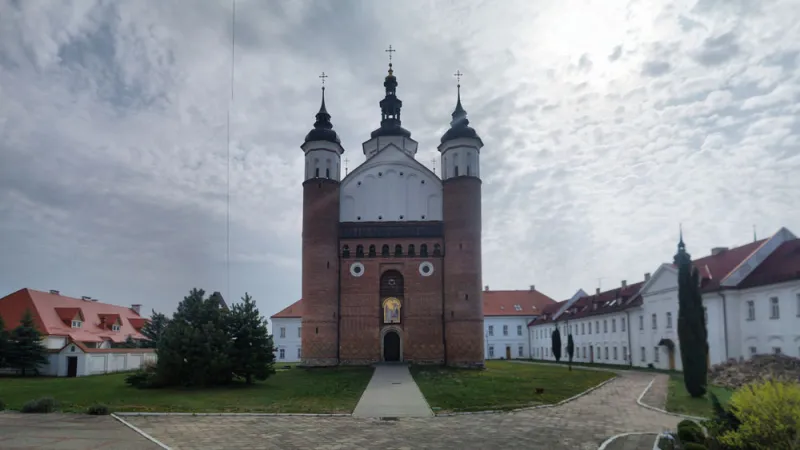
Poland. Dobre Miasto

· 2 min read
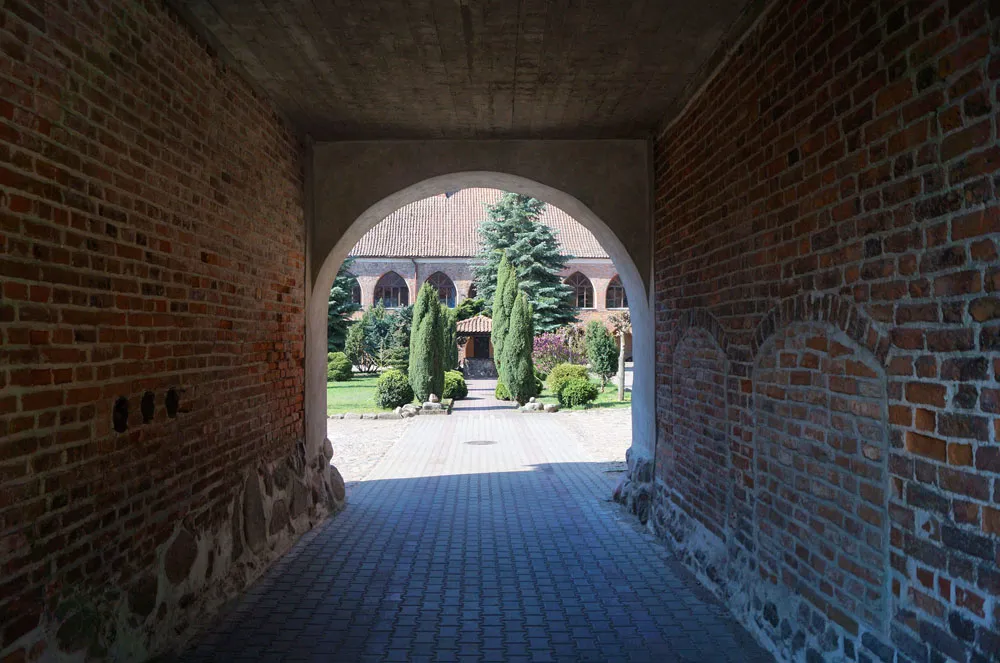
This small town in the Warmian-Masurian Voivodeship, on the road from Olsztyn to Lidzbark Warmiński, was a real surprise for us. We drove and drove, and suddenly – a huge Gothic church surrounded by high walls. And all around some more Gothic buildings, all on the bank of a lovely river. Superb.
Until 1945 Dobre Miasto was called Guttstadt and was part of Germany. You will have understood that Guttstadt in German is the same as Dobre Miasto in Polish. Earlier still the town was called Gudestat, from the Prussian word gudde – bush. Probably the territory of the Prussian hillfort on which the settlement was founded in 1325 was heavily overgrown with bushes.
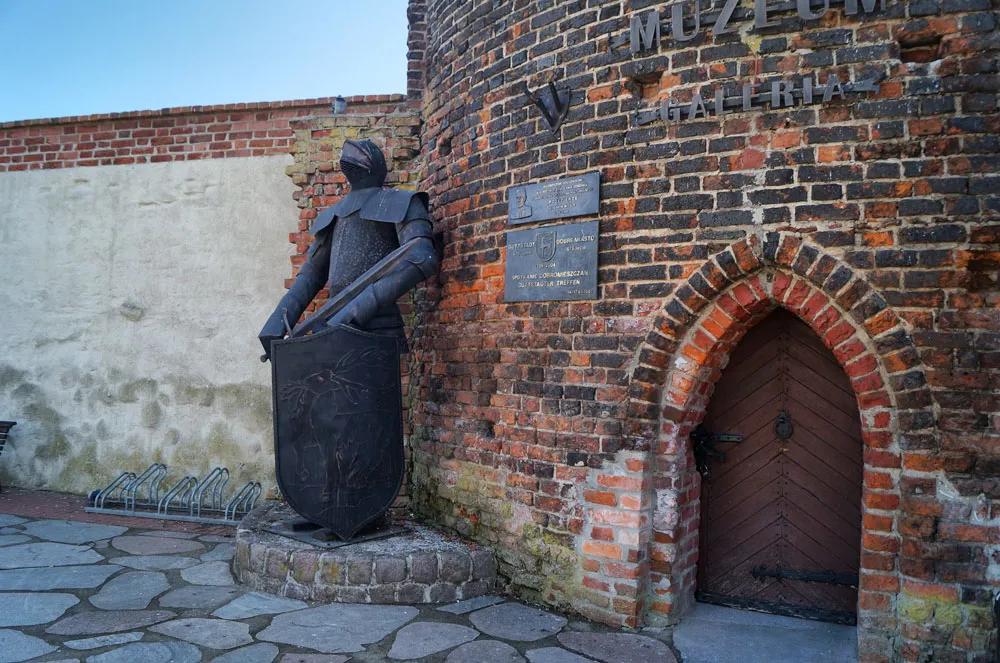
Gudestat was founded as an outpost on the Łyna River canal, and as early as 1329 it received town rights under Chełmno law. In 1347 the chapter of the bishops of Warmia was moved here (we have already written about them in the article on Frombork), and Gudestat became one of the episcopal residences. It was surrounded with walls and towers (some of which we can still see today), and in 1373–1396 a magnificent collegiate church was built – today’s adornment of Dobre Miasto – together with the chapter’s residential and service buildings.
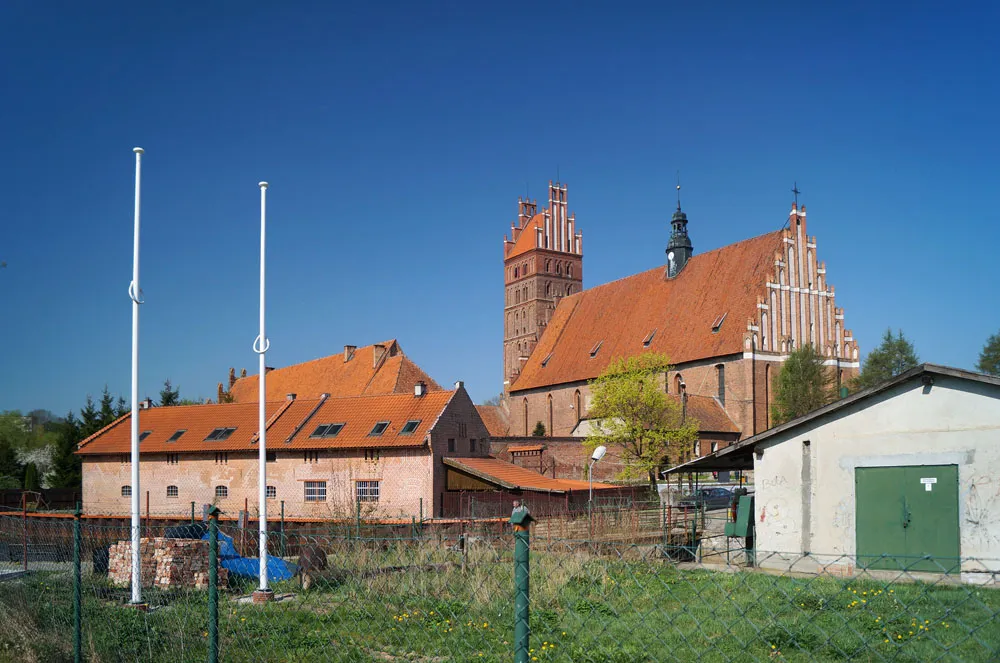
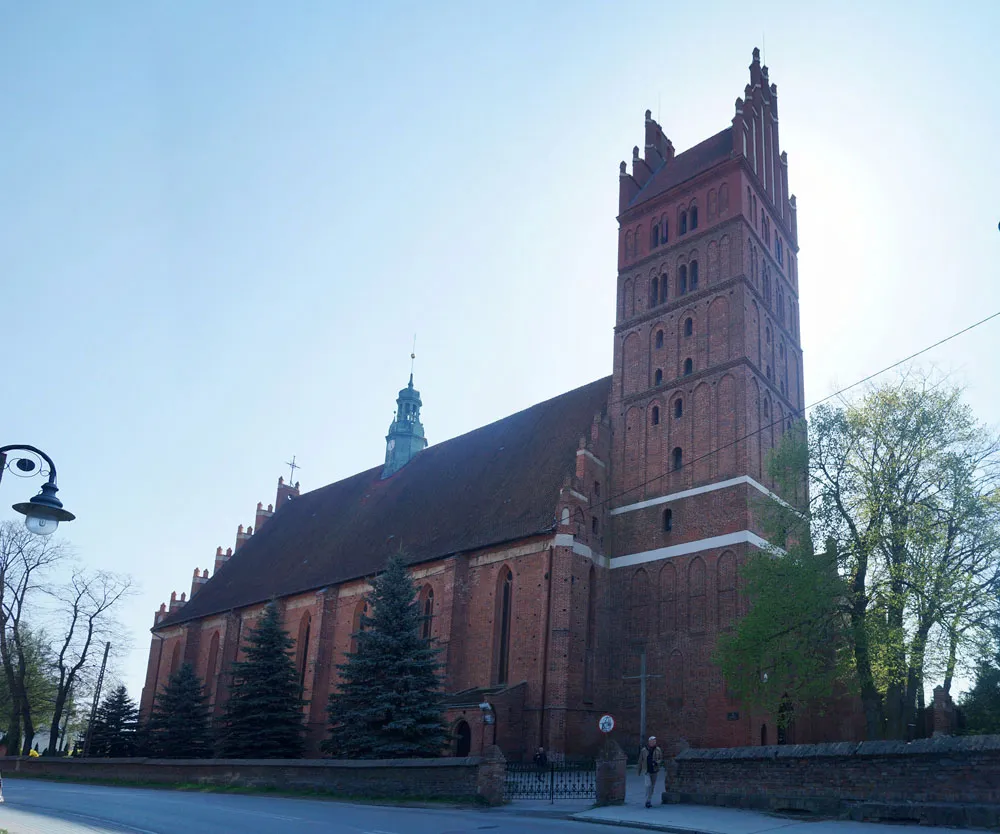
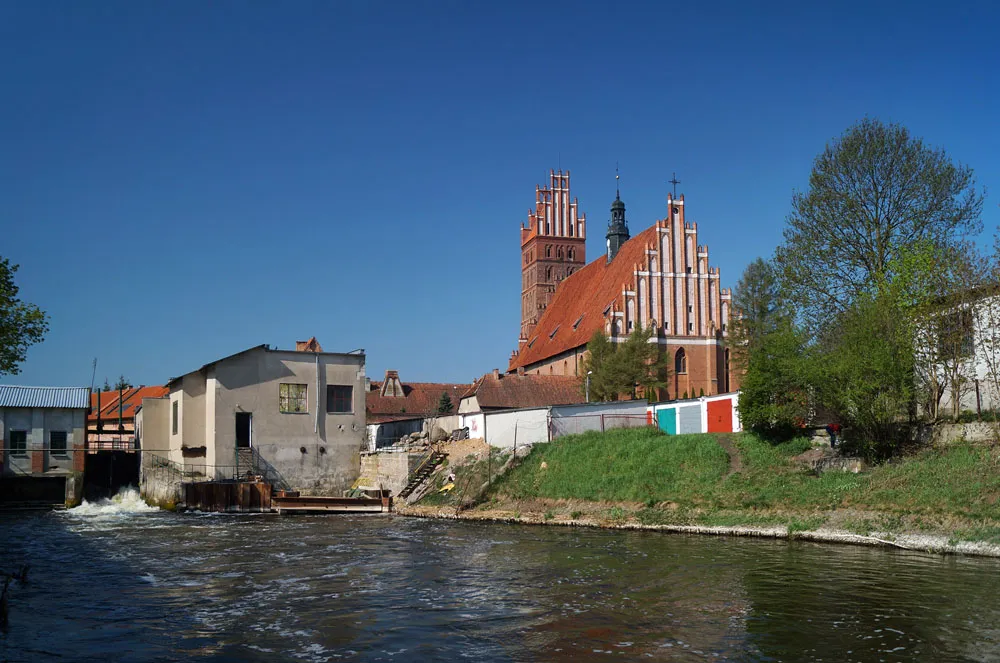
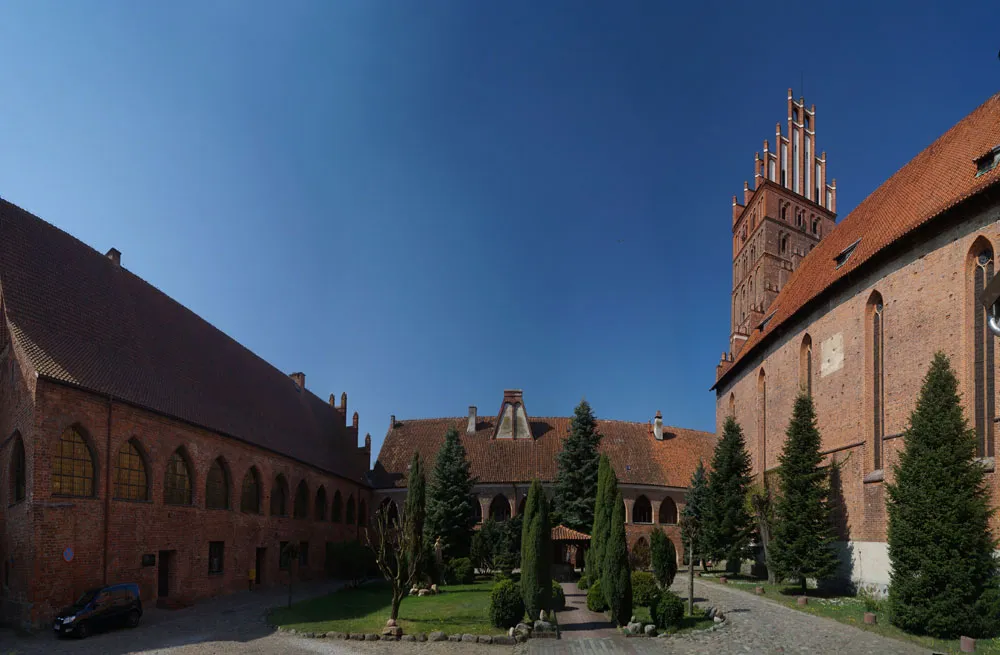
For centuries the town existed and developed as part of the autonomous theocratic state of Warmia. Crafts and trade made Gudestat a large and prosperous town. Until 1811 it was the seat of the bishops and had a collegium. But after 1772 the town was ruled by Prussia, which first narrowed the bishops’ rights and then abolished them altogether. Industrial development of the town began, and its name changed to Guttstadt.
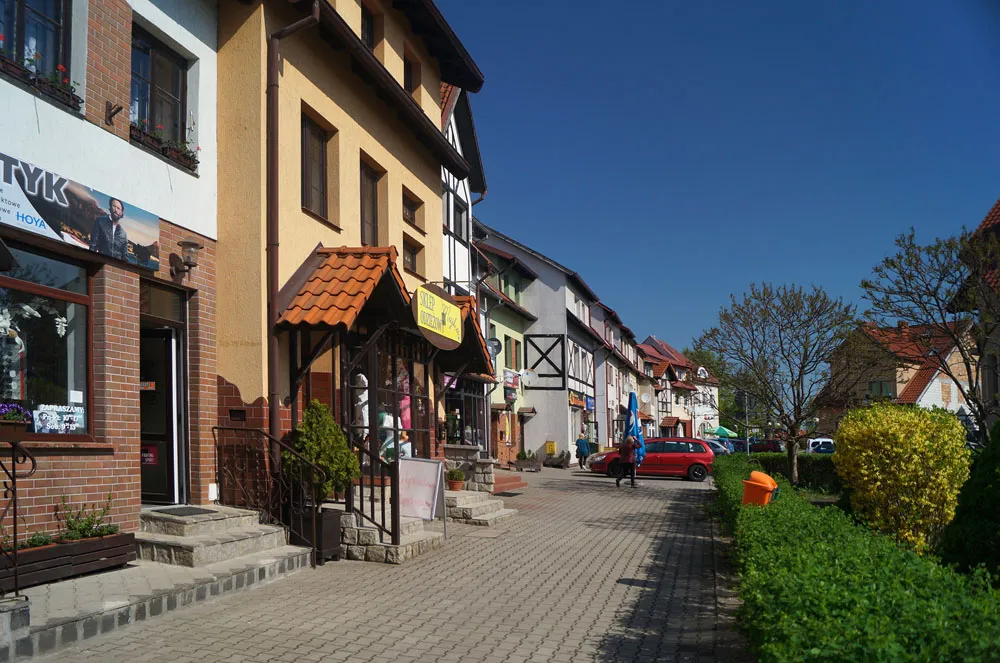
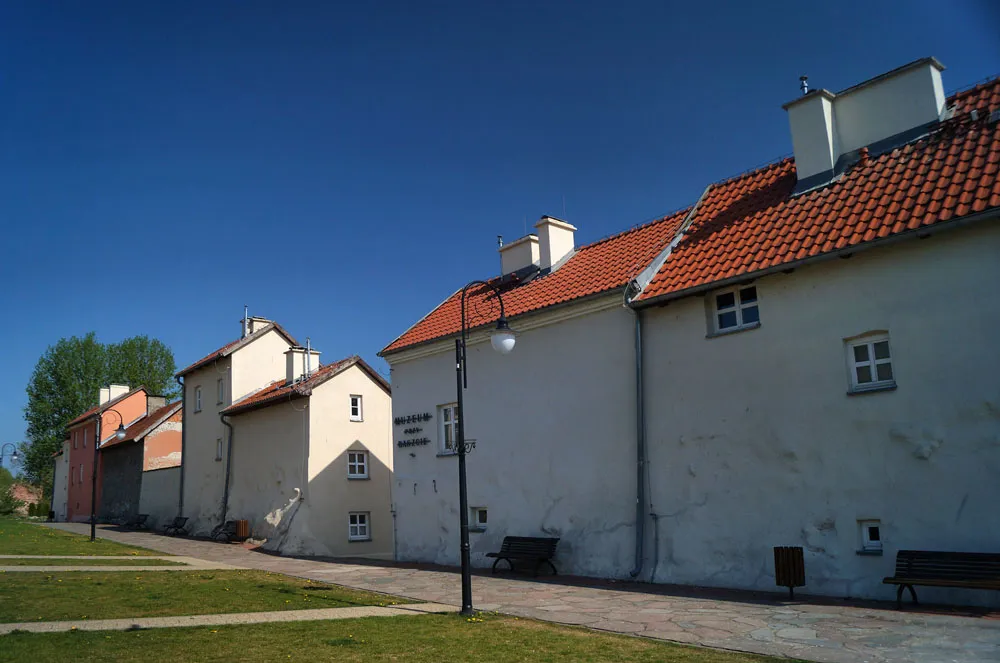
Protestant currents prevailed in Prussia, so the Catholic collegiate church was out of favour, but the town developed and was built up… In the Second World War 65% of the town’s buildings were destroyed by bombing. The Poles, who received these territories in 1945, did not rebuild the historic centre, so today tourists hardly know about Dobre Miasto. But one incredible collegiate church, with the chapter buildings, a powerful bell tower and walls, is worth coming here for. It is simply fairy-tale. Today it is the Basilica of the Saviour and All Saints. The town also has the Stork Tower – a remnant of the town fortifications – the former Evangelical church and a Ukrainian Greek Catholic church housed in a beautiful Baroque building of a large brick chapel built in 1740.
If you ever travel to the fairy-tale Gothic towns of Olsztyn and Lidzbark, be sure to visit the former Guttstadt – Dobre Miasto – too.
Text and photos by Roman Malenkov.
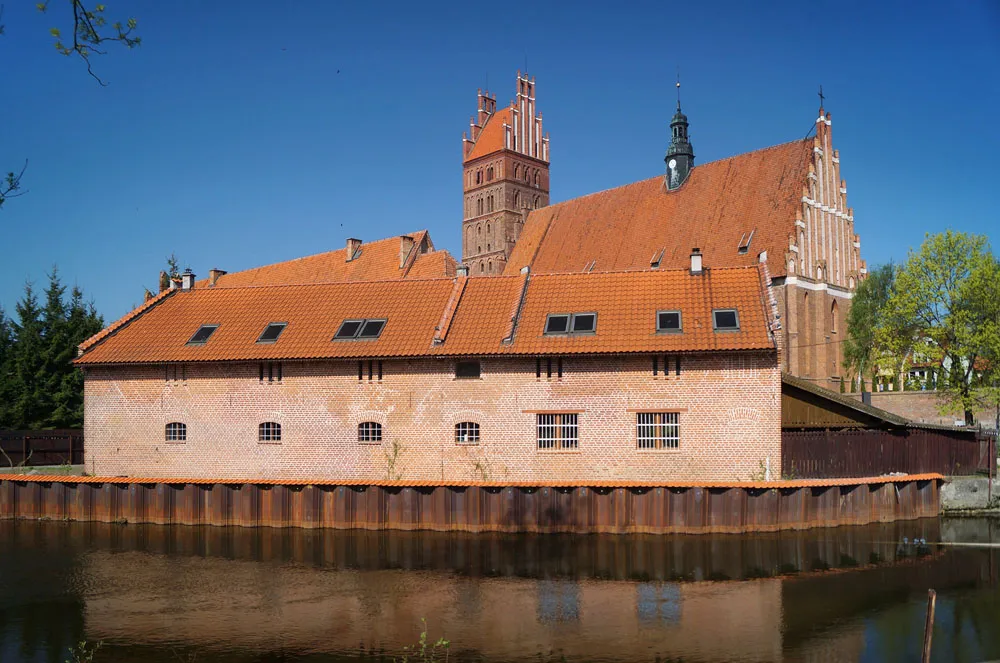
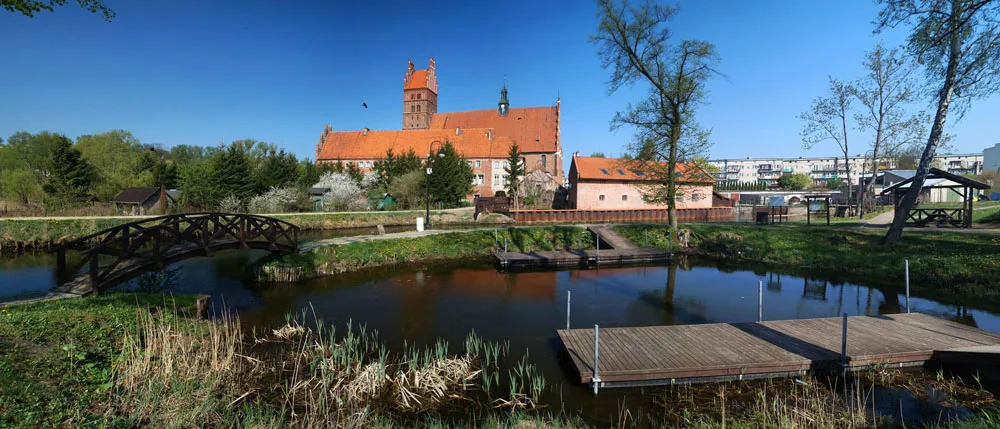
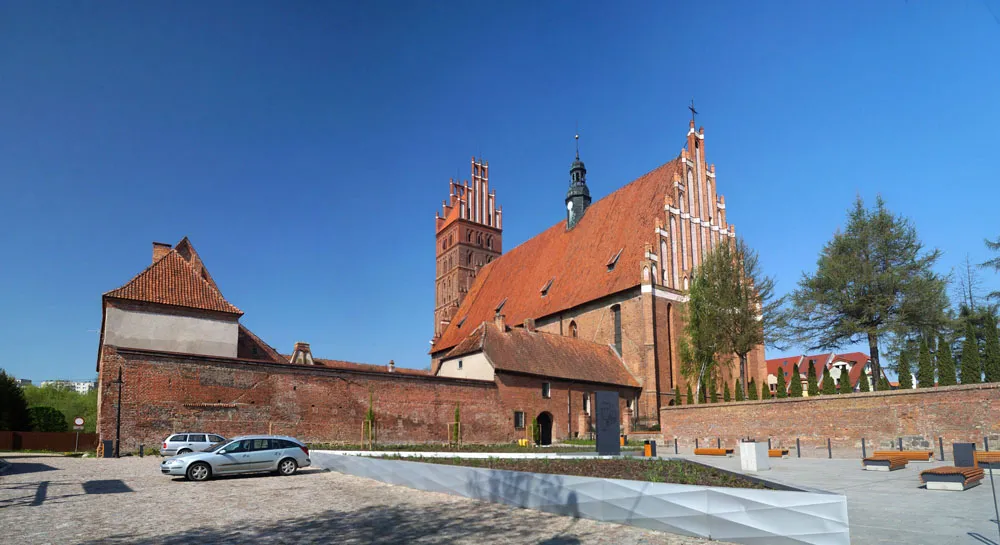
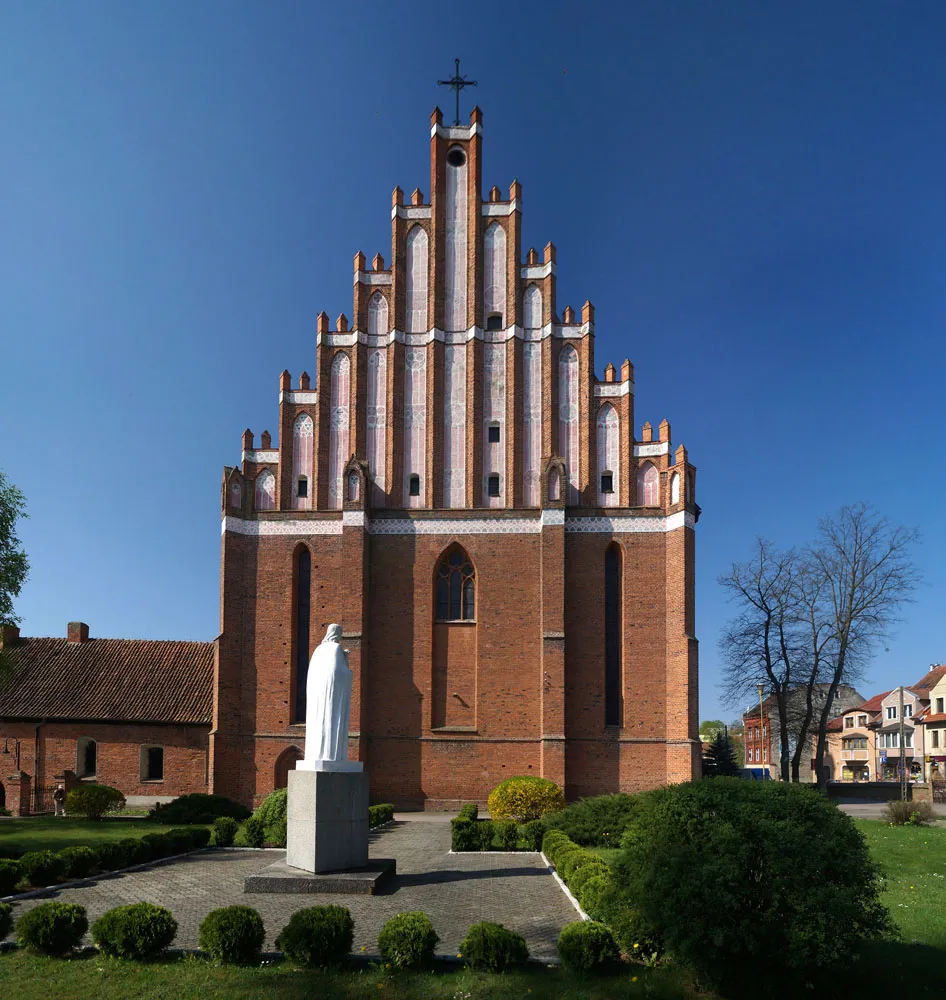
Basilica of the Saviour and All Saints
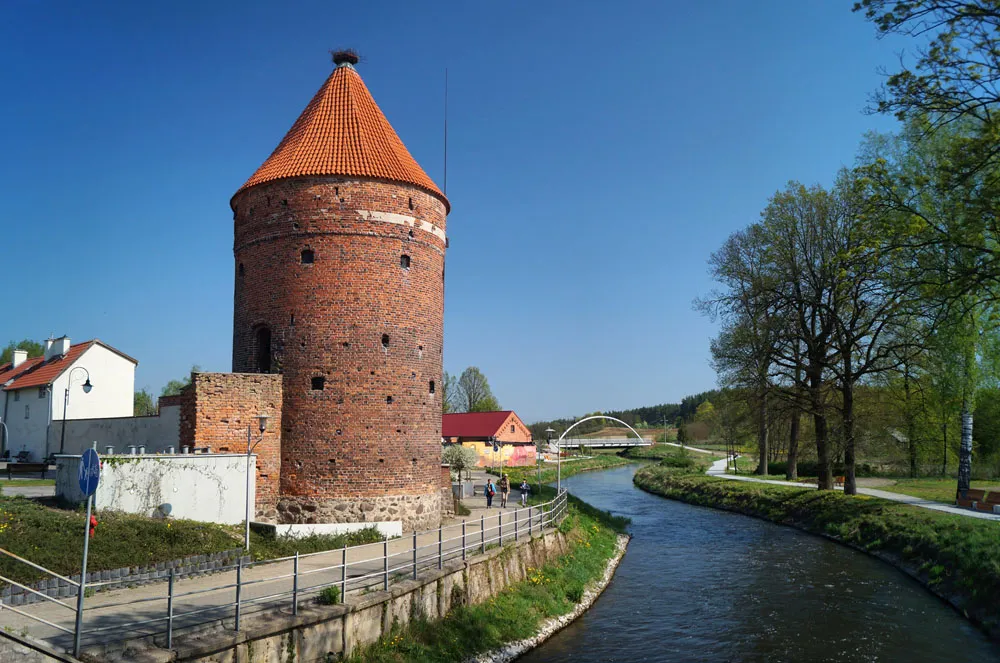
Stork Tower
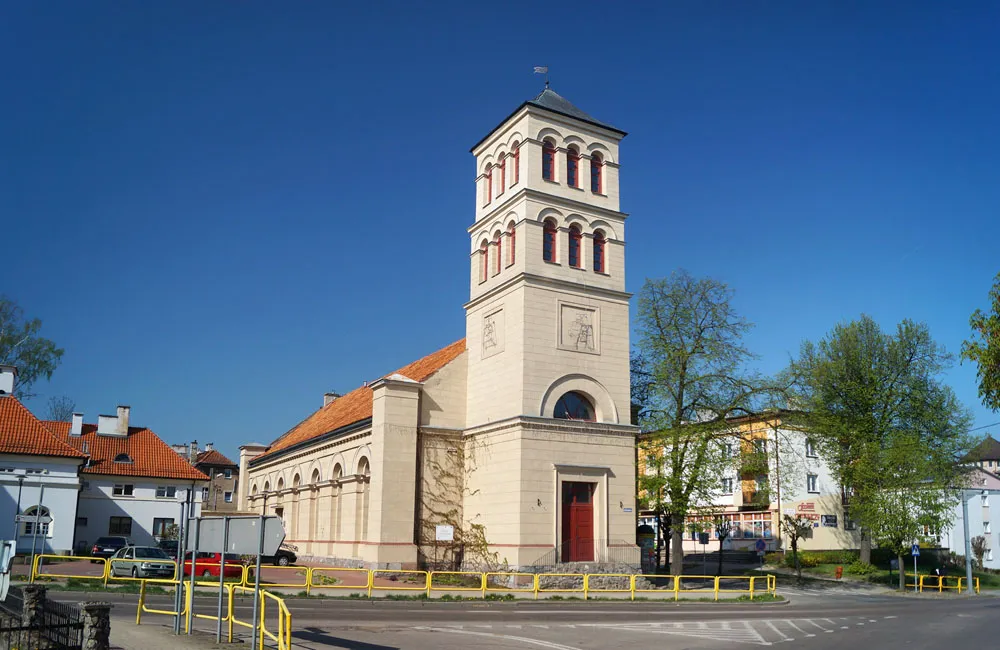
Evangelical church
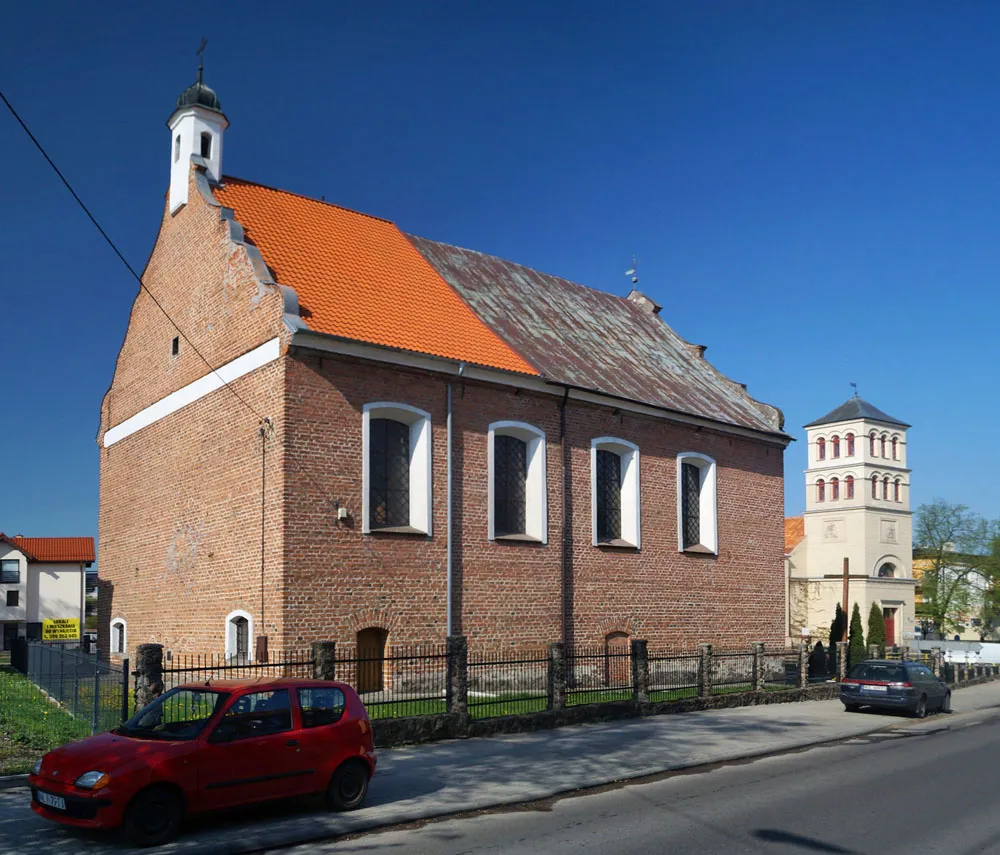
Greek Catholic church