

Tovste, a very interesting village in the shadow of its “famous” neighbours (photo travels)
The urban-type settlement of Tovste in Ternopil region is practically unknown to the average traveller, although considerable tourist traffic passes through it.
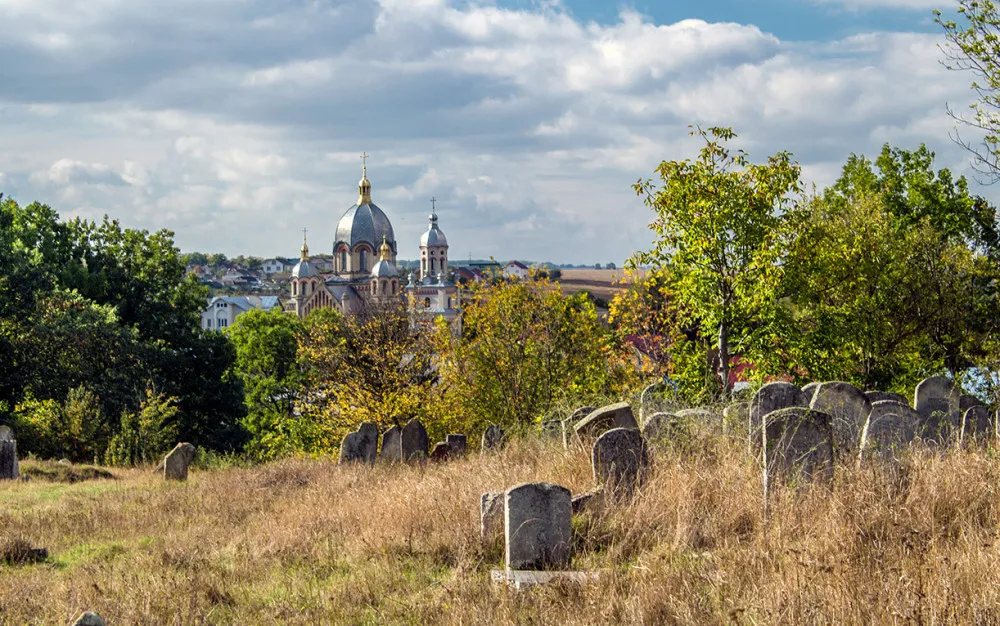
Tovste…
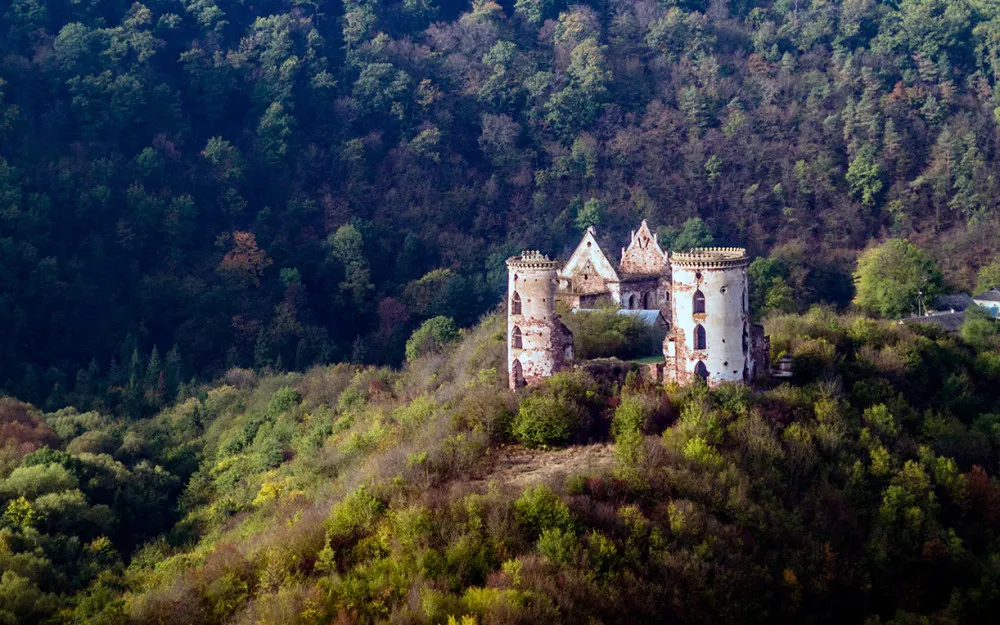
But everyone hurries to better-known destinations: Zalishchyky, Horodenka, Chortkiv, or the vanished town of Chervonohorod, a few kilometres away, with the romantic ruins of its castle and the picturesque Dzhuryn Waterfall. We hope that after this article many will want to stop here, because it is worth it.
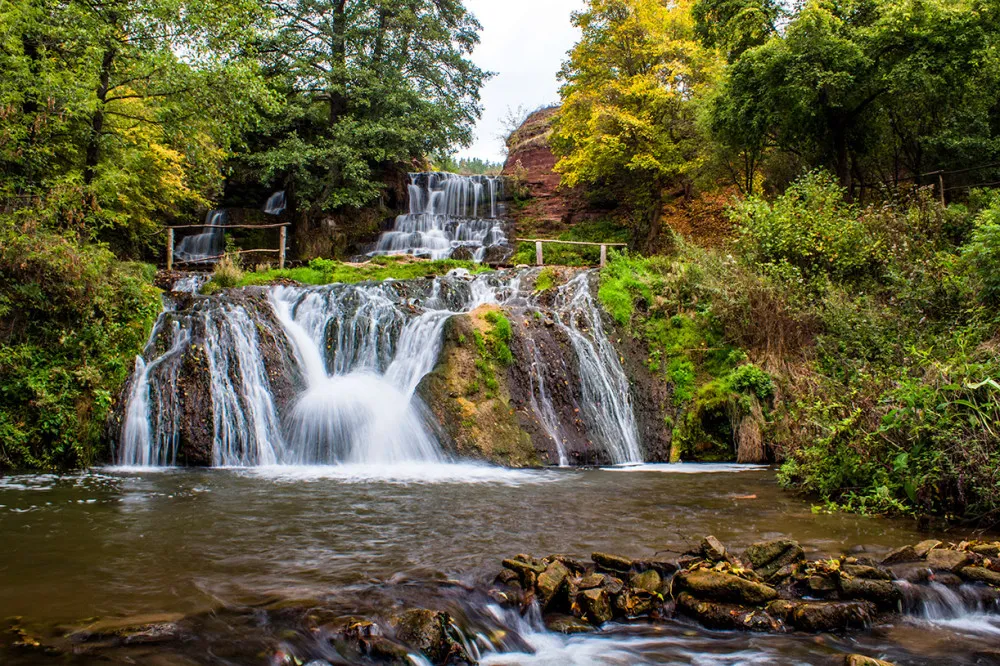
Dzhuryn Waterfall
The town owes its quirky name to the first owner of what was then still a village, the Galician boyar Viacheslav Tovstyi, who served King Roman Mstyslavych. This nobleman was probably indeed quite “portly”, hence the nickname. It is not the only place where the boyar left a mark in toponymy. In the former Husiatyn district of the same Ternopil Oblast, not far from Sataniv, there is also a village called Tovste.
The stout boyar left a considerable mark not only in toponymy but also in history. When in June 1205 King Roman died in Poland, his wife, Princess Anna, became regent for their young sons Danylo (the future King Danylo of Halych) and Vasylko. At that time the Galician boyars decided to free themselves from royal authority. Only the Volodymyr boyars, headed by Tovstyi, remained loyal to the family of Roman Mstyslavych. They helped their sovereign’s family return to Volodymyr-Volynskyi. But not for long. Within a year Princess Anna with her sons Danylo and Vasylko, accompanied by Viacheslav Tovstyi and his men, were forced to leave the city through a “hole in the wall” (that is, an underground passage) and flee to Hungary.
In 1434, taking advantage of the death of Grand Duke Vytautas of Lithuania (in 1430), the Poles took over power in Podillia, which until then had belonged to his governors. Under the new territorial and administrative division adopted in 1435, Tovste became part of the newly formed Czerwonogród county, centred on Chervonohorod. At that time Tovste turned into Tłuste (the same word, in Polish).
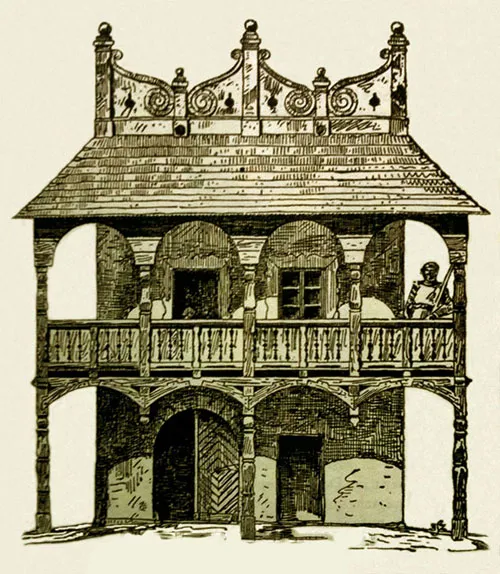
The castle gate of Tovste
From the mid-15th century Tovste/Tłuste acquired a certain strategic importance. A castle was built here that controlled the important trade route from Lviv to Wallachia. Its advantageous position on the highway turned Tovste into a major trading centre. In 1548 King Sigismund II Augustus granted the settlement Magdeburg Law.
Mykhailo Khmelnytskyi was a native of Tovste. Fiction or not?
In Tovste they like to say that their town is connected with the life of Mykhailo Khmelnytskyi, father of the famous hetman. We note at once that this episode of the elder Khmelnytskyi’s biography is solely a discovery of the Tovste local historians, in particular the director of the local museum Yaroslav Pavlyk. Other historians are silent about it. Accordingly, everything said below should be viewed with great scepticism, but the hypothesis is interesting and worth mentioning.
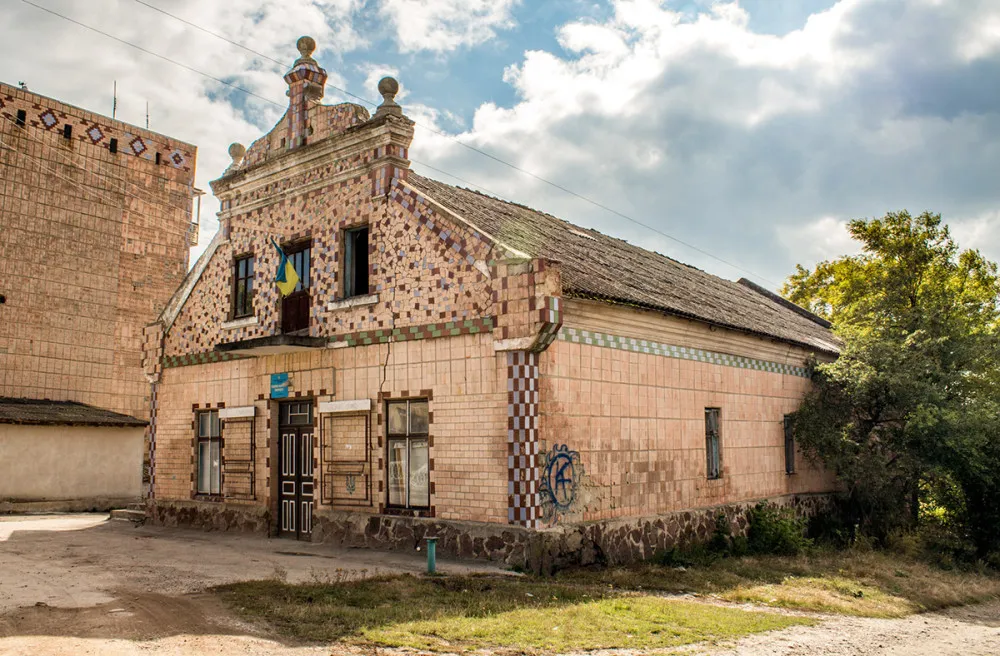
They say this is one of the 4 forts that once protected the town, built by M. Khmelnytskyi
It is believed that Mykhailo Khmelnytskyi was not only the sub-starosta of Chyhyryn but also the starosta of Tovste and Yazlovets. When exactly Mr Mykhailo settled in Tłuste, local historians have not yet established. The first mention of his estate in this town, supposedly, dates from 25 January 1579, and the very next year, 1580, Khmelnytskyi received from King Stephen Báthory a privilege to hold annual fairs and weekly markets in the town.
Mykhailo Khmelnytskyi managed Tłuste until 1594, until he committed a terrible crime (which one is unknown). For this he was subjected to banition (deprivation of all rights and noble honour), and Mr Mykhailo himself was forced to flee to Chyhyryn.
Hasidism was born here
In 1734 the founder of Hasidism, Israel ben Eliezer, settled in Tovste. It is believed that it was here that he received his second name, Baal Shem Tov (literally in Hebrew: Master of the Good Name, abbreviated Besht), and became known as a tzaddik and healer. In Hasidism this is called the “revelation of the Besht”, that is, the moment when he revealed to people his true face as a great tzaddik.
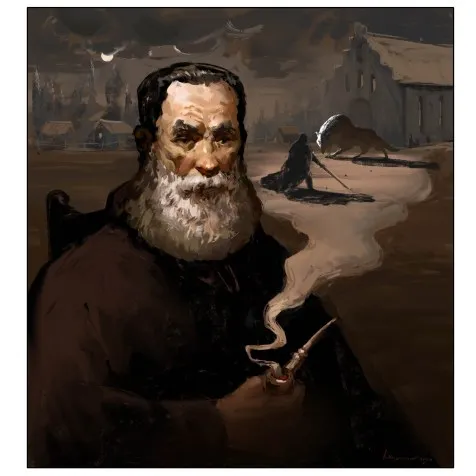
The Besht with a pipe, which according to Hasidic tradition was given to him by Oleksa Dovbush
Hasidic tradition tells of this as follows:
Then he [Israel ben Eliezer] settled in the holy community of Tłuste, where he was also a melamed (a teacher in a kheder, a religious school – author’s note), and could not gather a minyan at his home, but he received people at his house and prayed with them. He dressed in a tuzlik (a woollen salt sack – author’s note), and his toes stuck out of holes in his shoes, for he was very poor. He was accustomed to immersing himself in the mikveh even in the month of Tevet (which falls in December–January of the Gregorian calendar), and the sweat stood out on him in drops the size of peas. Then some people began to come to him, and he did not want to receive them. Once a madman or madwoman was brought to him, and he refused to let them in. At night it was told to him that he had reached the age of 36. In the morning he began to count and found that it was so. He received the madman, and healed him, and left the occupation of melamed, and took my father-in-law, of blessed memory, to himself as a sofer, and people began to come to him from various places.
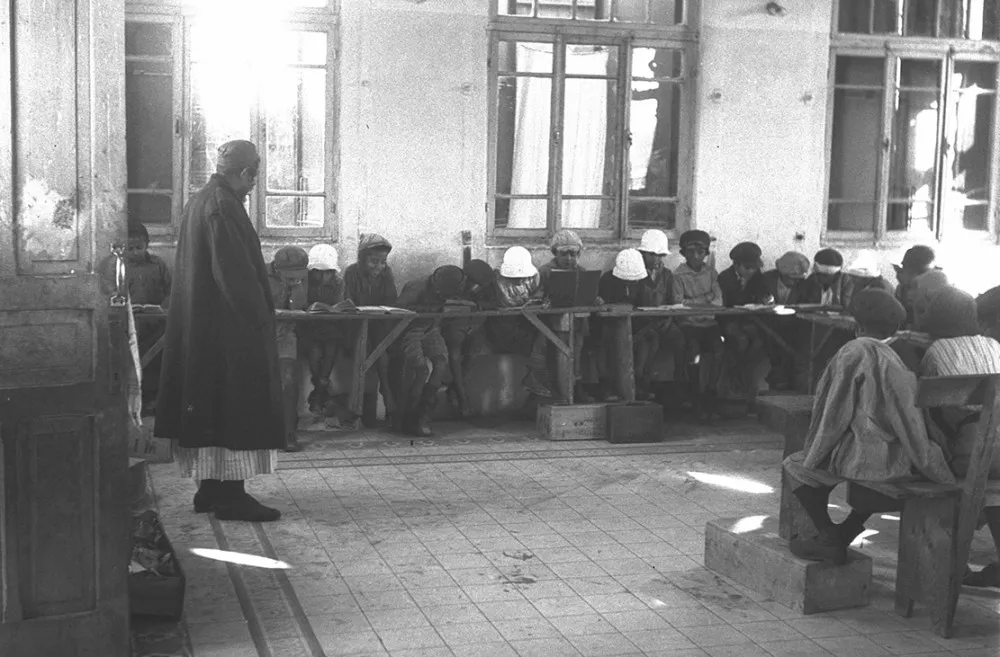
A melamed in a kheder
The Besht lived in Tłuste almost until his move to Medzhybizh.
Hasidic traditions, too, should be treated with great caution, for they contain much that is frankly fairy-tale as well as logical inconsistencies. But the fact remains: Hasidism, as a new religious movement, originated precisely in Tovste.
As of 1930 the local Jewish community numbered 2,600 people, more than two thirds of the entire population of the town. But by 1939 it had shrunk considerably, to 1,196 people.
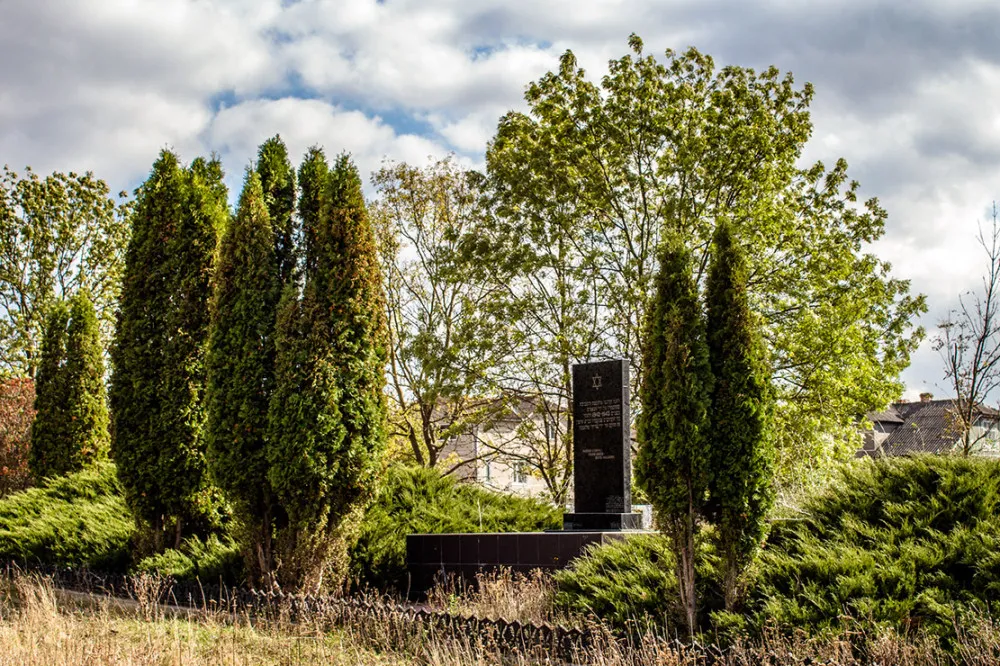
Grave of the shot Jews
The end of the history of the Jewish community of Tłuste was brought by the German occupation. The Nazis created a ghetto in the town, into which, besides locals, Jews were herded from neighbouring Zalishchyky, Horodenka, Yahilnytsia, Chortkiv and elsewhere. On 27 May and 6 June 1943, in two mass executions, the entire population of the ghetto was destroyed. Counting the executions of previous years, almost 5,000 people were tortured to death in the town in all.
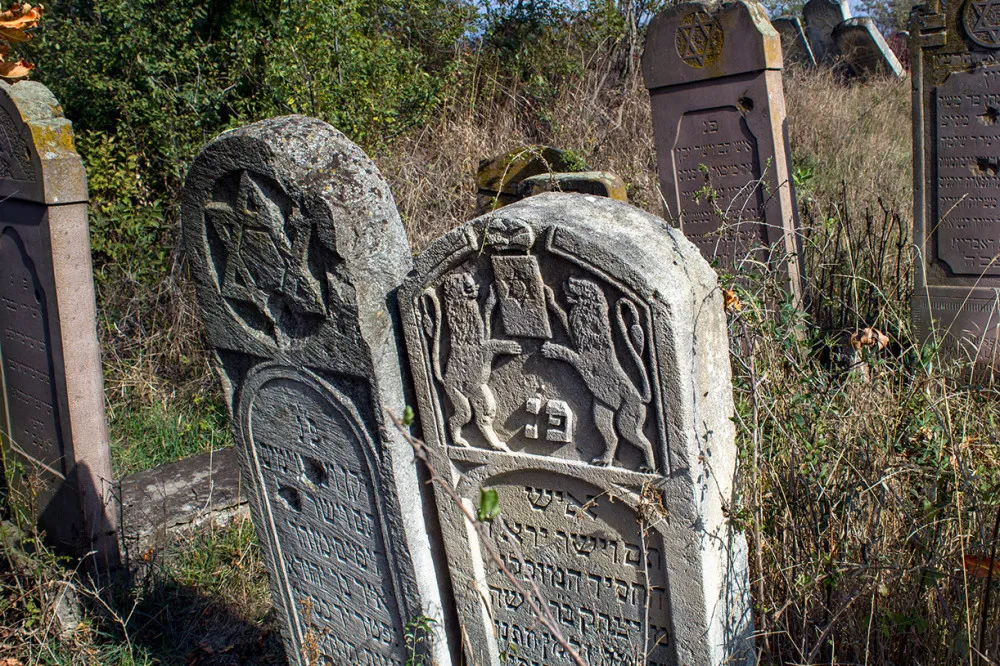
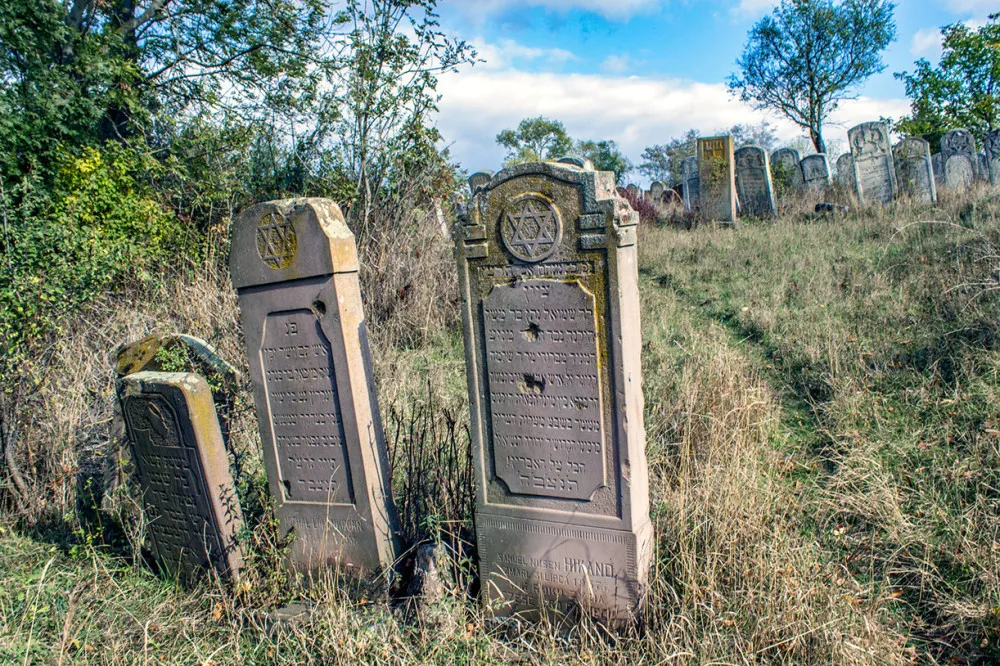
Matzevot with bullet marks
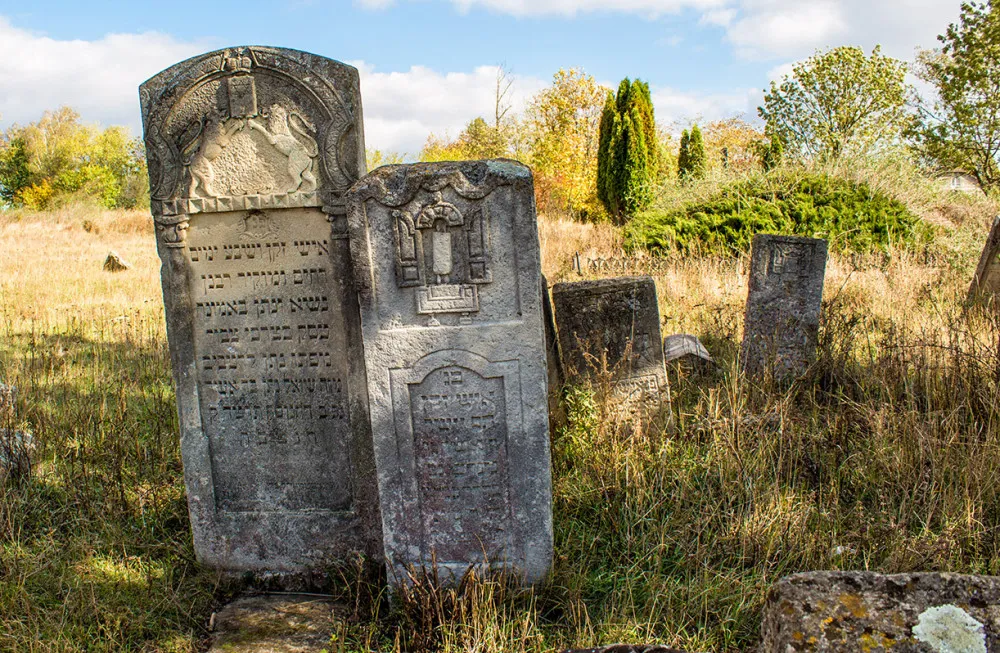
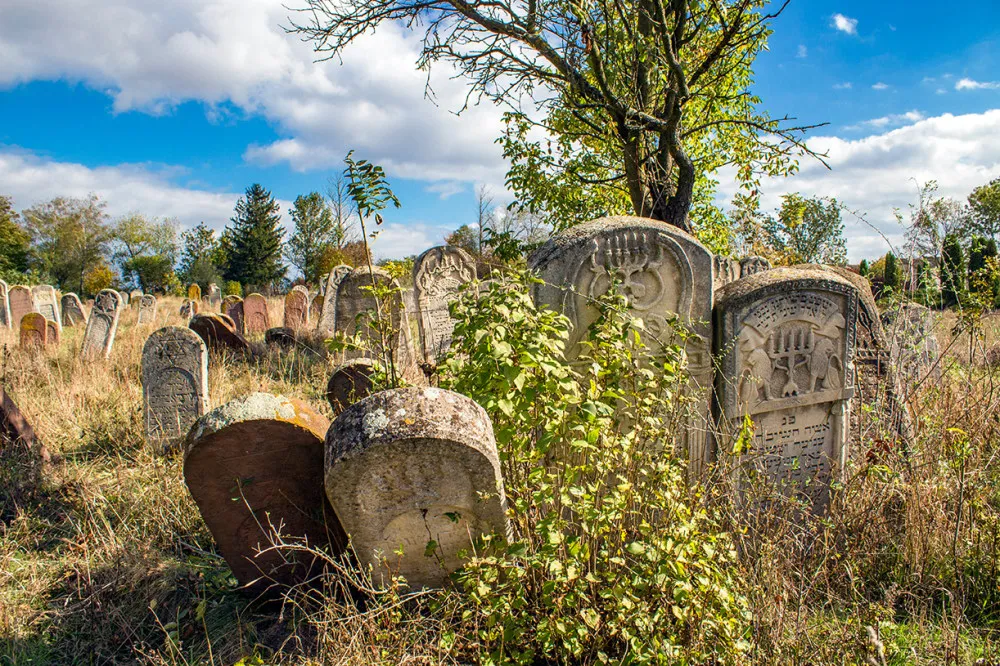
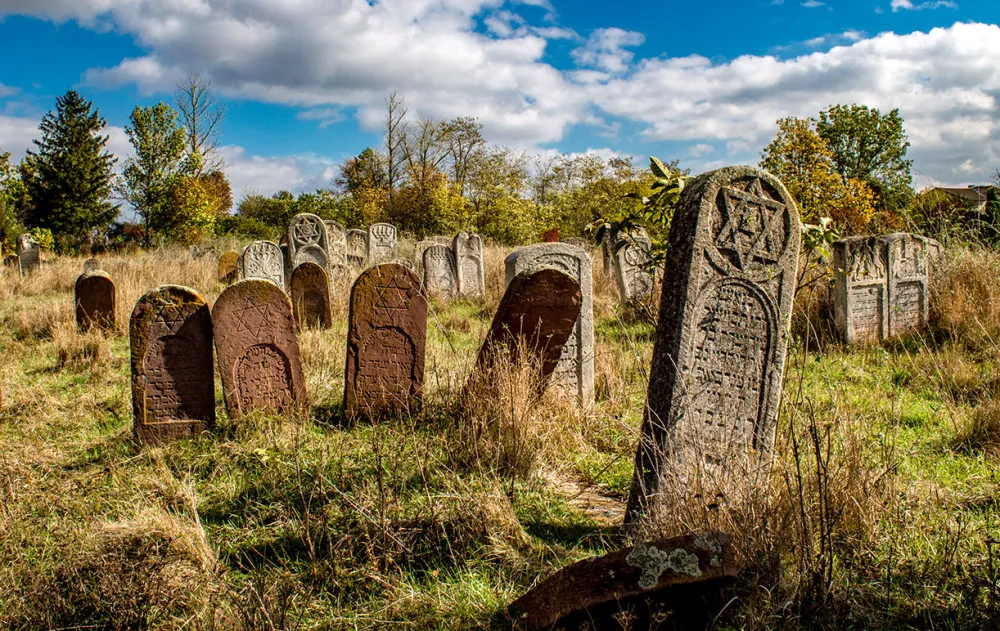
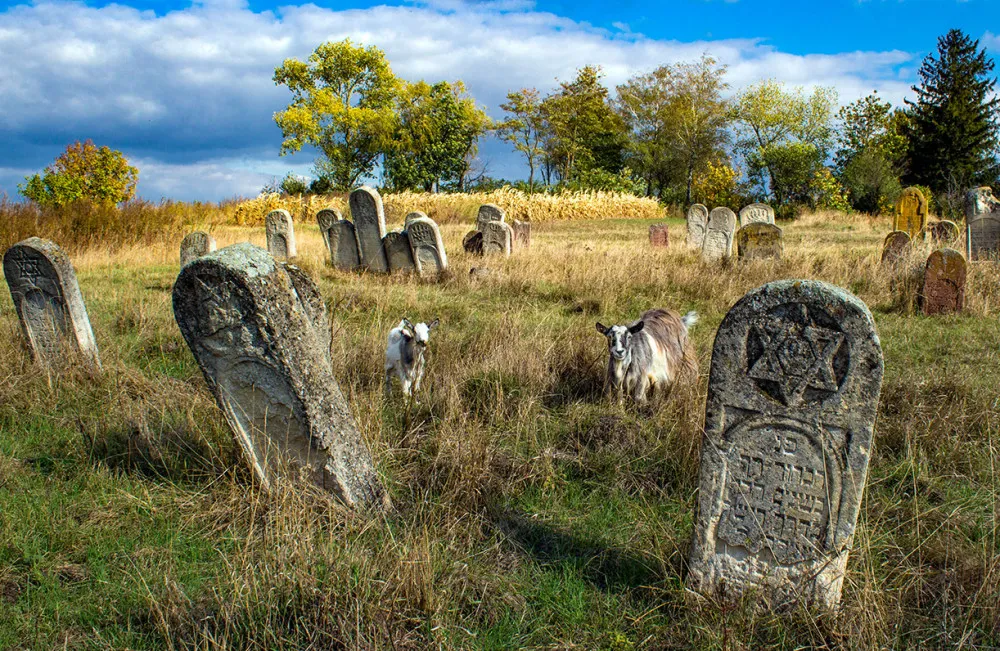
Traces of the tragedy can be seen at the old Jewish cemetery. Besides the mass graves of the murdered, one can see bullet marks on the matzevot gravestones.
At the same Jewish cemetery the mass grave of UPA soldiers also catches the eye.
From autumn 1948 until 7 May 1951 a powerful OUN printing press named after Yaroslav Starukh, “Styah” (from 1950 it was named after V. Mikhnovskyi), operated in Tovste (the town had regained its non-Polonized name in 1944). It was located in an underground hideout on the Motychko family’s homestead on Holovna Street.
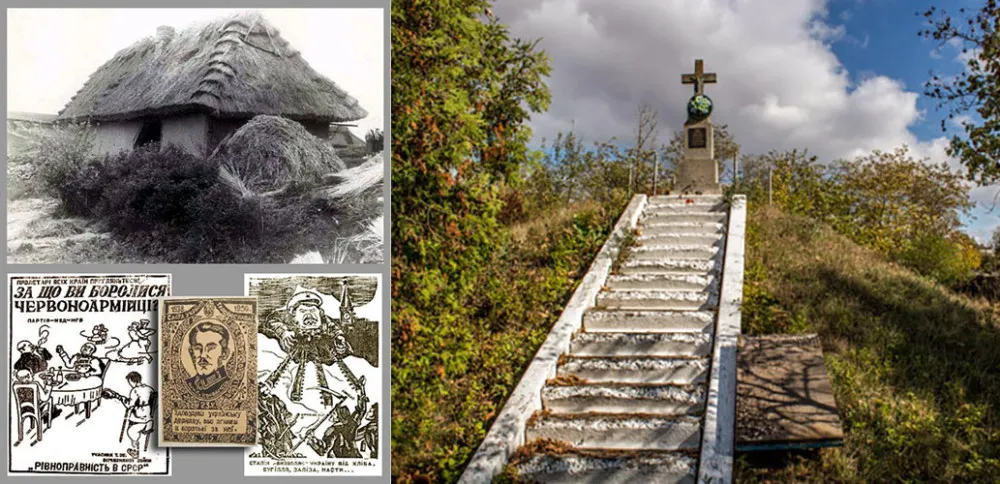
The house under which the hideout was, the press’s output, and the underground fighters’ grave
It was a cramped bunker about three metres wide and 4 m long. The equipment consisted of four ordinary typewriters and a primitive homemade press, similar to the one Gutenberg used. Besides the leaflets and proclamations traditional for the underground, the Tovste print shop produced the satirical magazines “Khrin” (Horseradish) and “Perets” (Pepper), and the journals “Do voli”, “Pidpilne slovo” and “Revolutsioner-propahandyst”.
In addition, the print shop produced “bofons” (short for “combat fund”), a kind of propaganda-and-money document of the UPA and OUN.
The output of the underground printing house was then distributed throughout Ukraine, from the Carpathians to the Donbas.
On 7 May 1951 an operational military group of the MGB found and opened the hideout. The underground fighters hiding in the bunker put up armed resistance when an attempt was made to seize them and, so as not to fall into enemy hands, shot themselves.
The Soviets buried the dead underground fighters at the Jewish cemetery, just a dozen metres from the burial of the victims of the Germans.
Churches
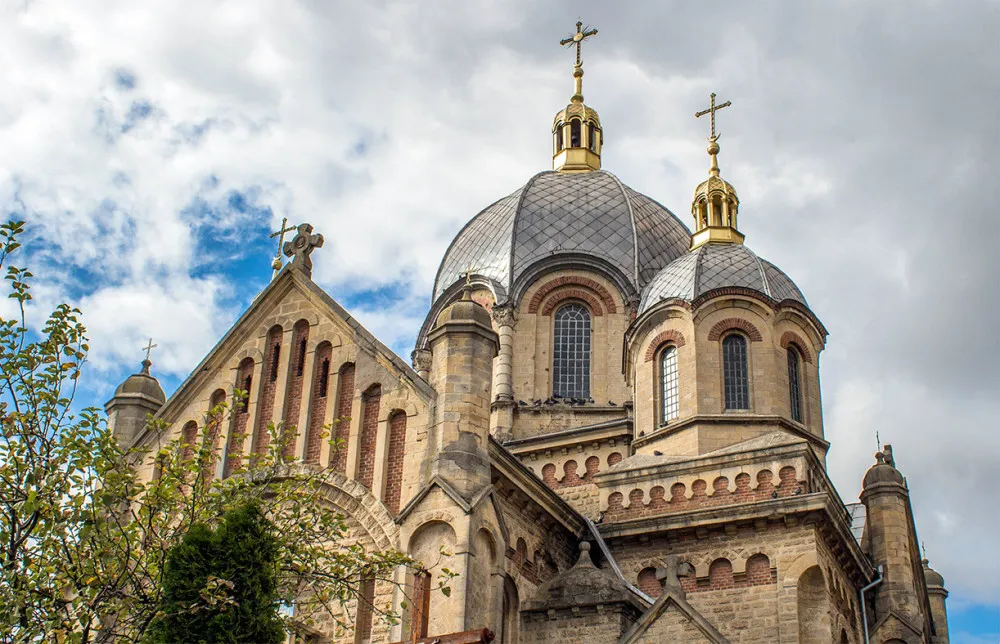
The first thing that catches the eye in Tovste is the majestic Church of the Archangel Michael with very original and interesting architecture. Here we have a harmonious combination of two mutually exclusive styles, Pseudo-Byzantine and Neo-Gothic. The church stands by the highway in the very centre of the settlement, and it is impossible not to notice it.
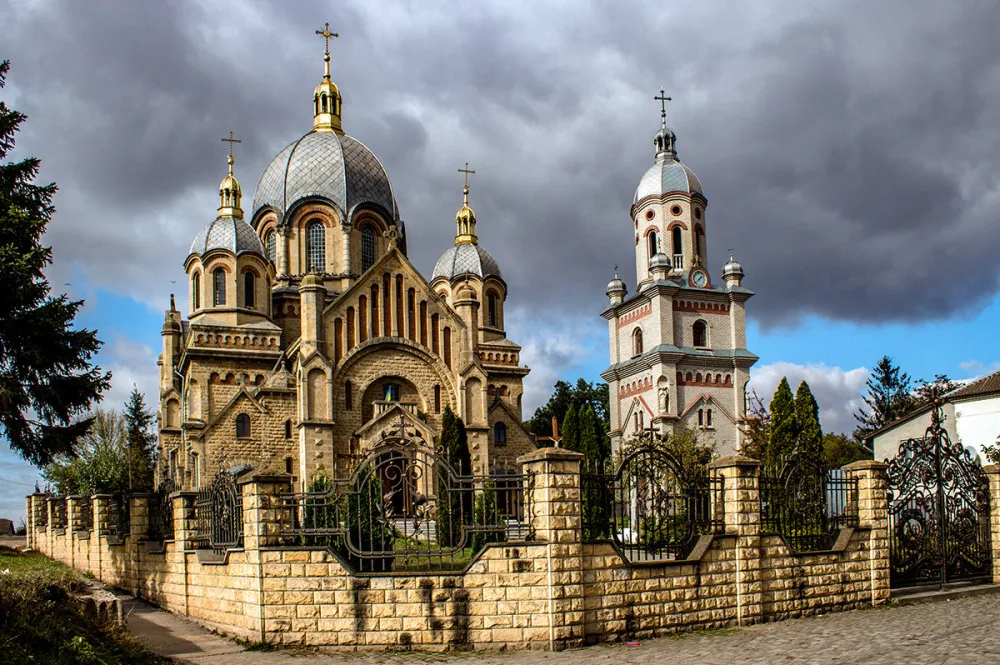
Church of the Archangel Michael
The church was built to a design by the local native Jan Karol Zubrzycki-Sas, a well-known architect and historian. It was to his design that the amazing Neo-Gothic Church of Our Lady of the Holy Rosary and St. Stanislaus was built in neighbouring Chortkiv, rightly the main symbol of that city and perhaps the brightest example of Neo-Gothic in Ukraine.
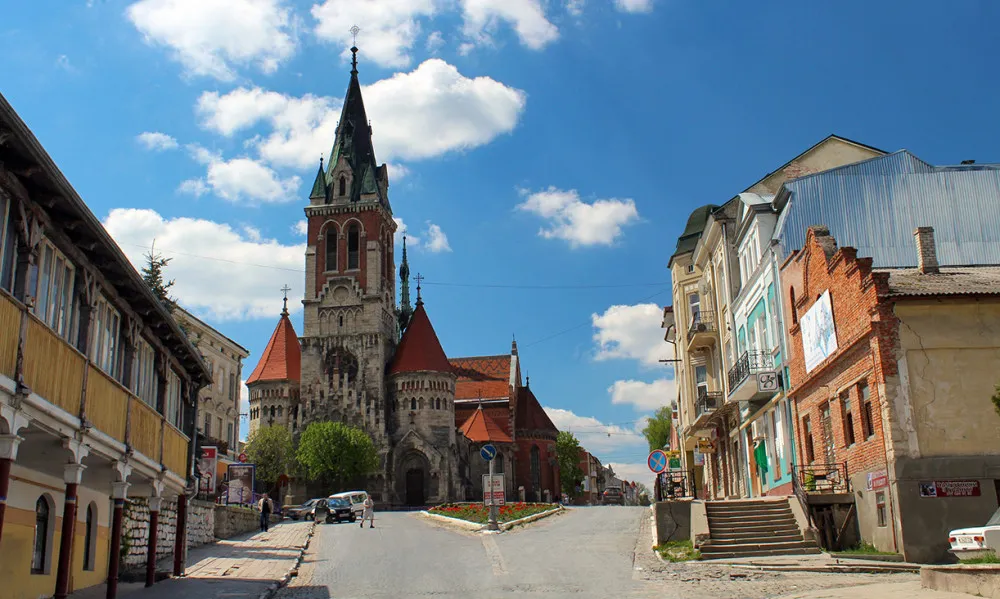
The church in Chortkiv
The church was built on the site of a wooden church of the same name dating from 1730. Construction lasted quite a long time, from 1912 to 1939. First the First World War got in the way. Then came post-war shortage of money. The church was completed only through the efforts of the parish priest Antin Navolskyi.
Father Antin was born in 1894 into a simple peasant family in the village of Zozulyntsi in Zalishchyky county. Despite his humble origins he graduated from the State Gymnasium in Kitsman. He wanted to become a veterinarian and entered the Lviv Veterinary Institute. But with the outbreak of the First World War he was conscripted into the army, where, as an educated man, he trained at an officers’ school, after which he fought heroically against the Russians.
After the collapse of Austria-Hungary and the proclamation of the West Ukrainian People’s Republic he joined the Ukrainian Galician Army as a volunteer and almost immediately, during the fighting for Lviv, was seriously wounded and taken prisoner. He remained in a Polish concentration camp until 1922. The Poles did not leave him in peace even after his release, all the more so since he never concealed his patriotic views. Soon Antin Navolskyi was arrested again and imprisoned in the Chortkiv prison. After his release from prison he was forced to hide for some time.
Already during the war the future priest came to God. After his release from the prison in Chortkiv, Mr Antin entered the Stanislaviv theological seminary and in 1930 was ordained a priest and received the parish in Tłuste.
Despite chronic shortage of money, the effective parish priest managed to bring the large-scale construction to completion. Funds for building the church were given not only by the residents of Tłuste but also by peasants from surrounding villages. Even… Jews helped! In particular, the timber for the roof and domes was donated by the local merchant Hersh Spitzer.
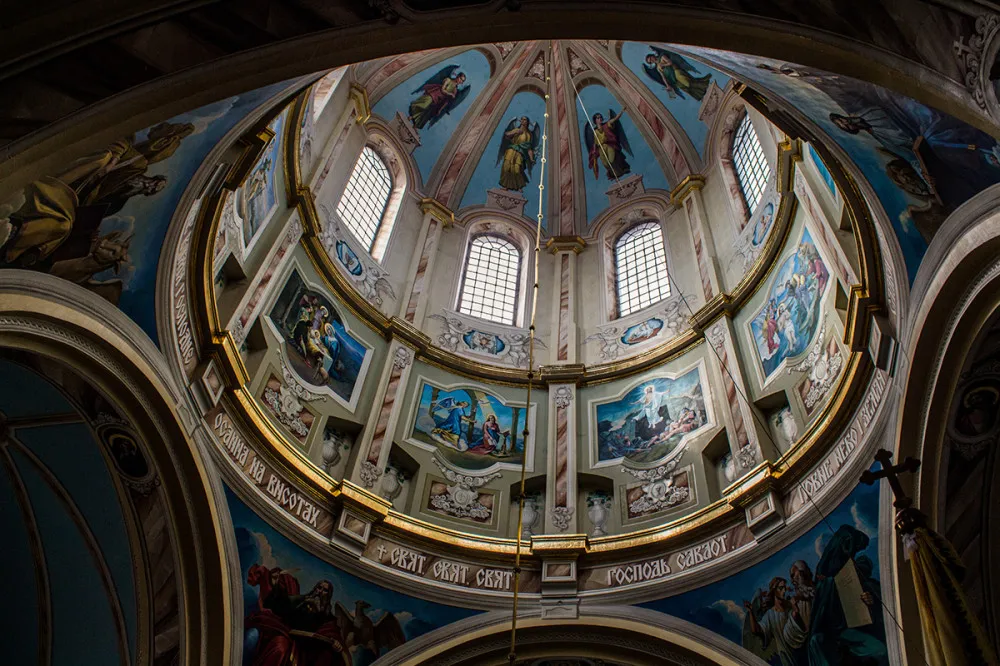
The church in Tovste is famous not only for its architecture but also for its interior decoration. Its walls were painted by the outstanding Galician artist Teodor Vatsyk.
Father Antin Navolskyi is also known as Righteous Among the Nations. He received this honorary title posthumously in 1993.
From the start the priest spoke out firmly in defence of the Jewish population. On 7 July 1941, in a period of lawlessness, when the Soviets had already fled and the Germans had not yet arrived, local criminals wanted to stage a pogrom. On learning of this, the priest instantly organized male parishioners, who prevented the disorder. The priest himself walked through the Jewish quarters all that day, supporting his Jewish neighbours in every way.
During the occupation Antin Navolskyi constantly warned the faithful in his sermons against any violence towards Jews. And whoever stained their hands with innocent blood, let them never come to church again. In particular, on 12 July 1941, the feast of the Apostles Peter and Paul, during his sermon the priest addressed his parishioners with these words: “If you want a truly independent Ukraine, you must win it with your own blood, not with the blood of Jews, as the Germans teach you!”
Fr Antin did not limit himself to calls for non-violence; he also urged the faithful to help their oppressed neighbours by all means. The priest himself saved five Jewish children from death and also helped six families escape, smuggling them out of the ghetto to peasants he knew.
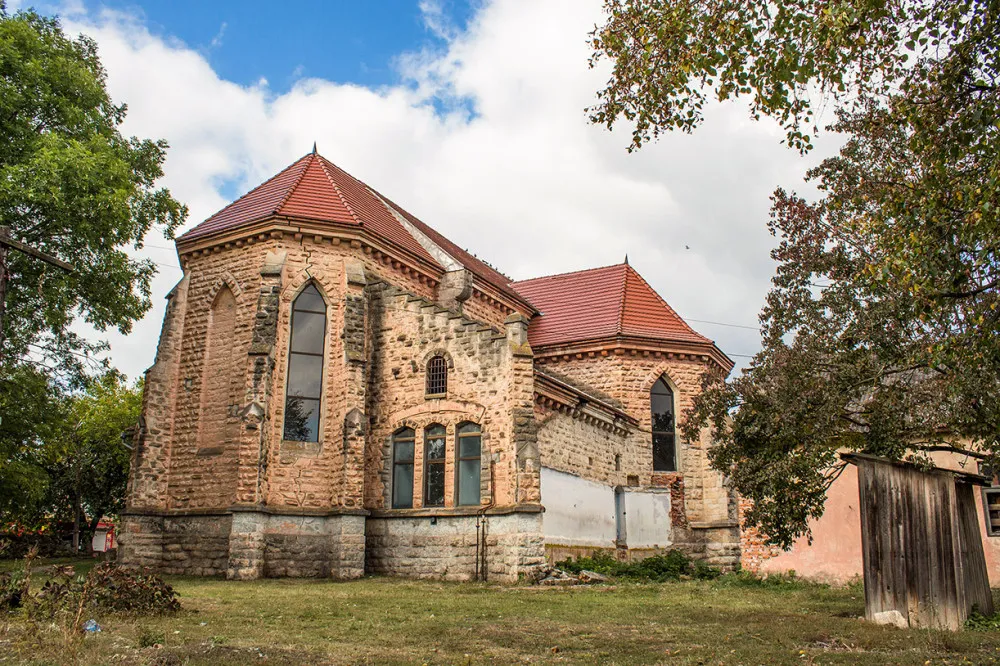
Not far from the Church of the Archangel Michael (across the road and a little to the side) stands the Church of St. Anne (1912), also built to a design by the already mentioned Jan Karol Zubrzycki-Sas
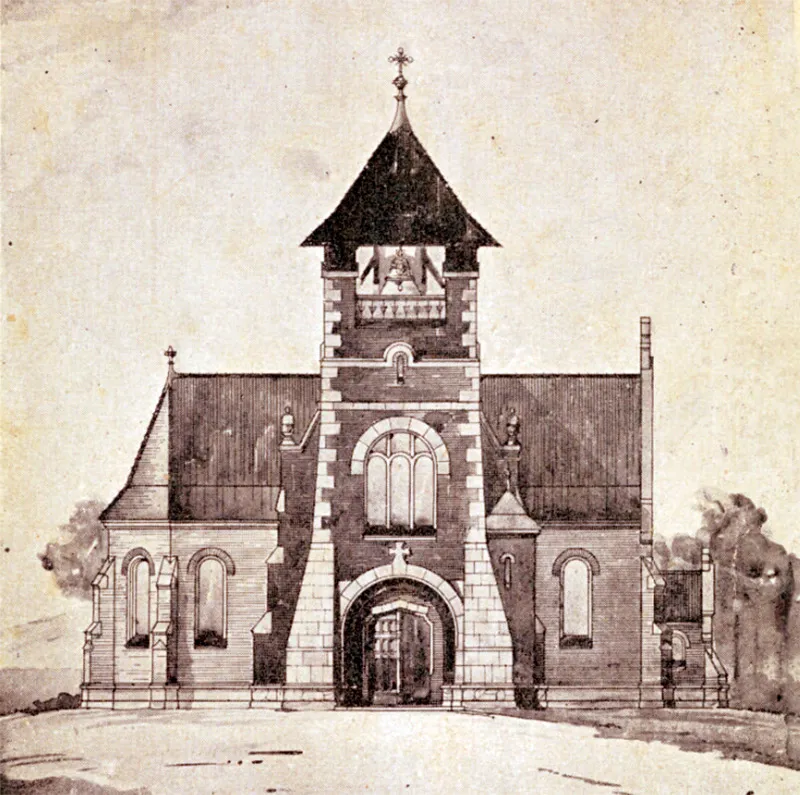
Design of the church
St. Anne’s in Tovste miraculously survived the Communists, although it lost its bell tower and spire.
During the occupation the local priest Stanisław Szkodziński also spoke out in defence of the Jews. In his sermons he repeatedly urged the Poles of Tovste not to stain their hands with the innocent blood of the unarmed and forbade them even to lay a finger on their neighbours’ property.
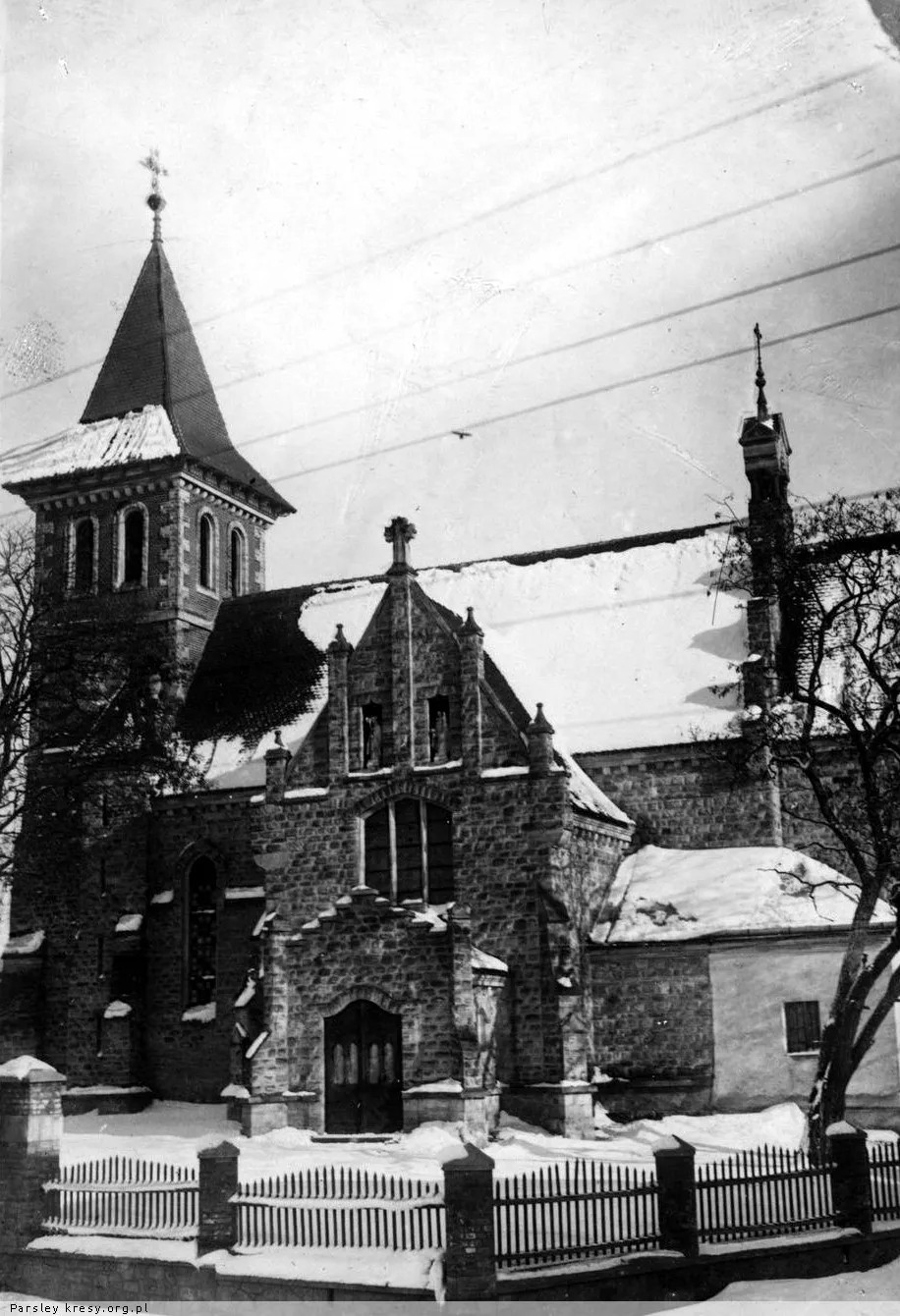
The church before its destruction. Photo: kresy.org.pl
In autumn 1943 Fr Stanisław was arrested by police and taken away from the town. His subsequent fate is unknown.
Opposite the church stands the old town hall building. On its wall one can see a rather strange memorial plaque. It states that from the balcony of this building on 30 June 1941 OUN leadership member Mykola Fredrak proclaimed the Act of Restoration of Ukrainian Independence and raised the blue-and-yellow flag. This looks rather strange, considering that at that time Tłuste-Tovste was not only under Soviet control but also packed with troops (an important strategic railway passes through the town). Most likely the event did take place, but later, on 7 or 8 July.
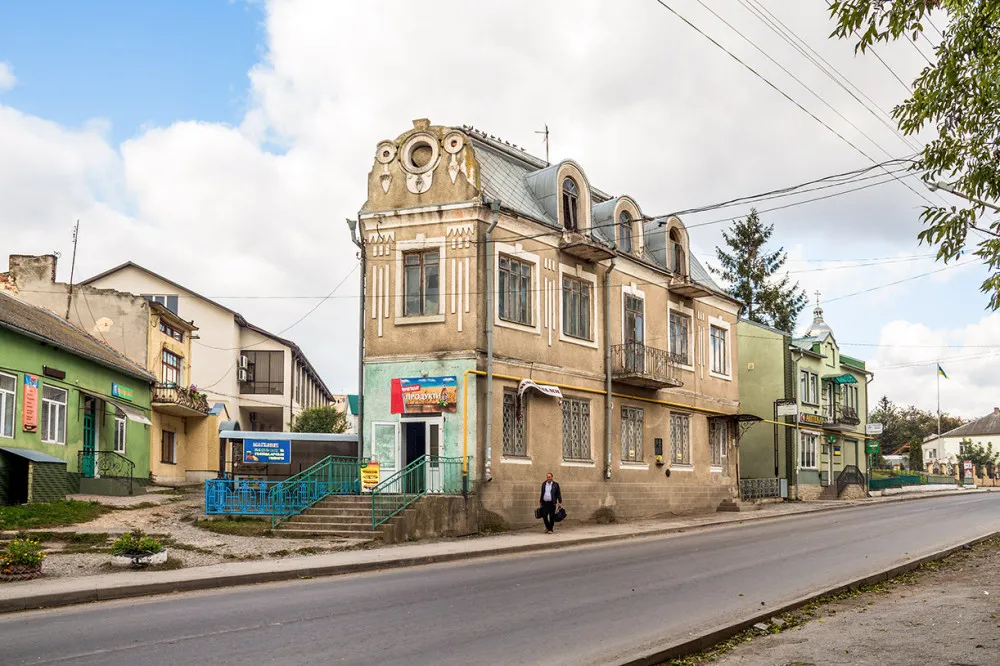
The former town hall. Tovste
Among architectural curiosities one should mention the local “House of Folk Art”. It is interesting because it is located in one of the four forts that once formed part of the town’s defensive system. They say it was built on the orders of Mykhailo Khmelnytskyi.
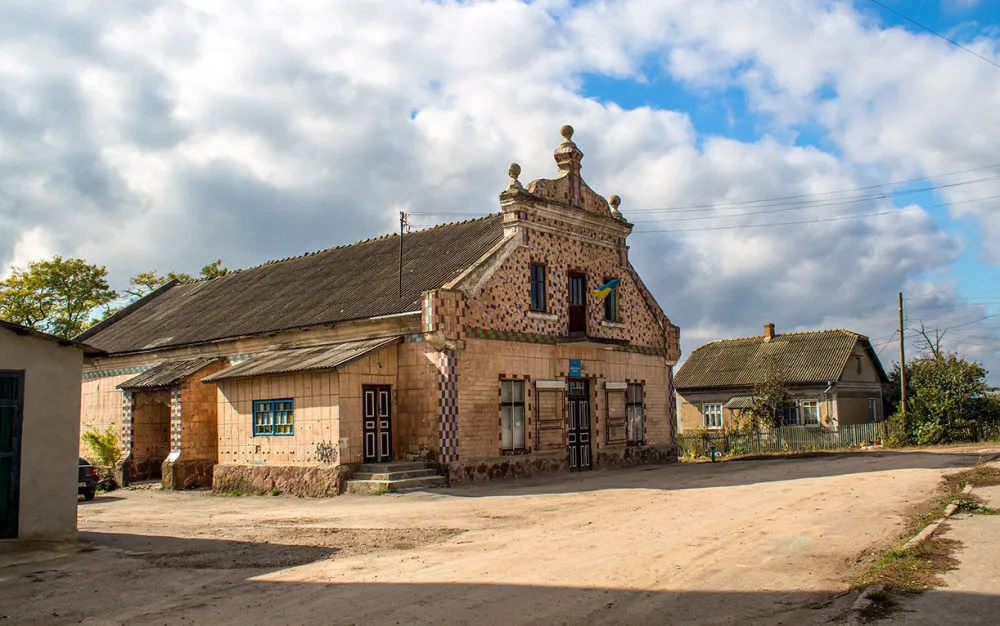
From the time of interwar Poland until about the early 2000s the former fort was used as a cinema. The fort is behind the Church of the Archangel Michael (you need to walk a little along the street to the left of the church).
In general, if you have time, it is worth taking at least a short stroll around Tovste. You can come across very charming old mansions here. Unfortunately there are not very many. Some of the houses were destroyed in 1943, when the Germans liquidated the ghetto (mostly typical “small-town” houses were demolished). After that Skalat suffered in May 1944 during a massive German air raid. Nazi bombs then smashed almost the entire centre of the town.
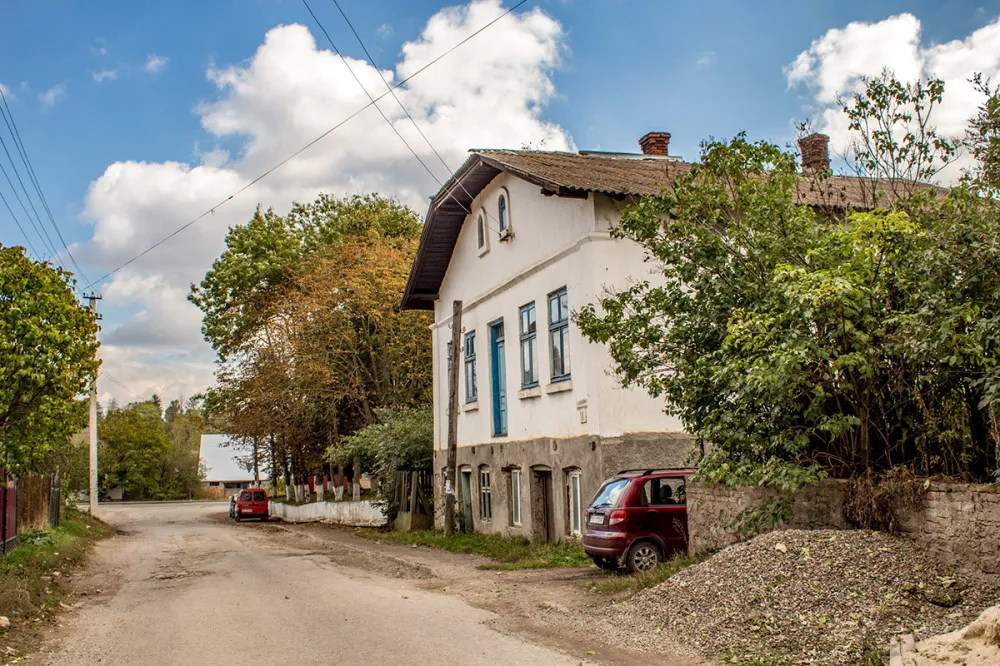
Jewish small-town buildings. Tovste
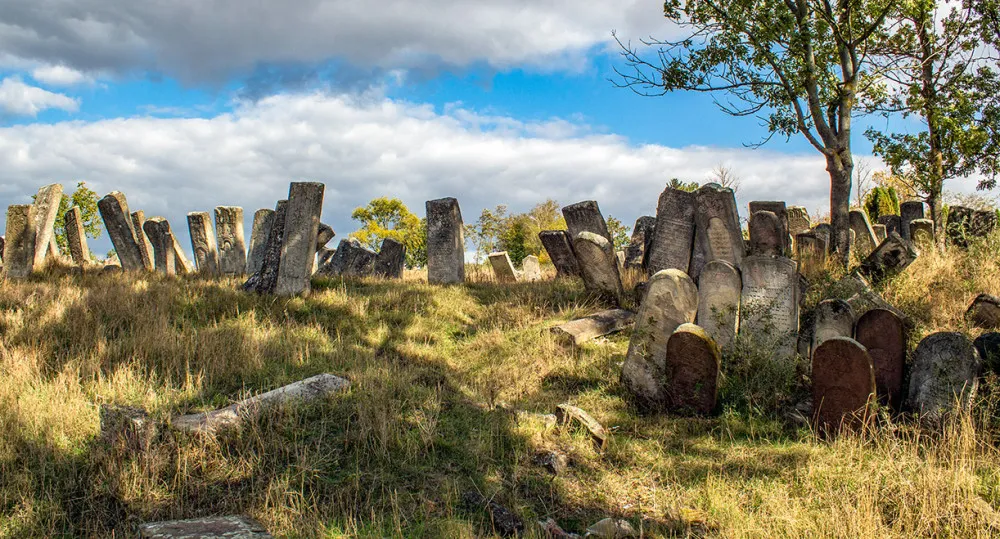
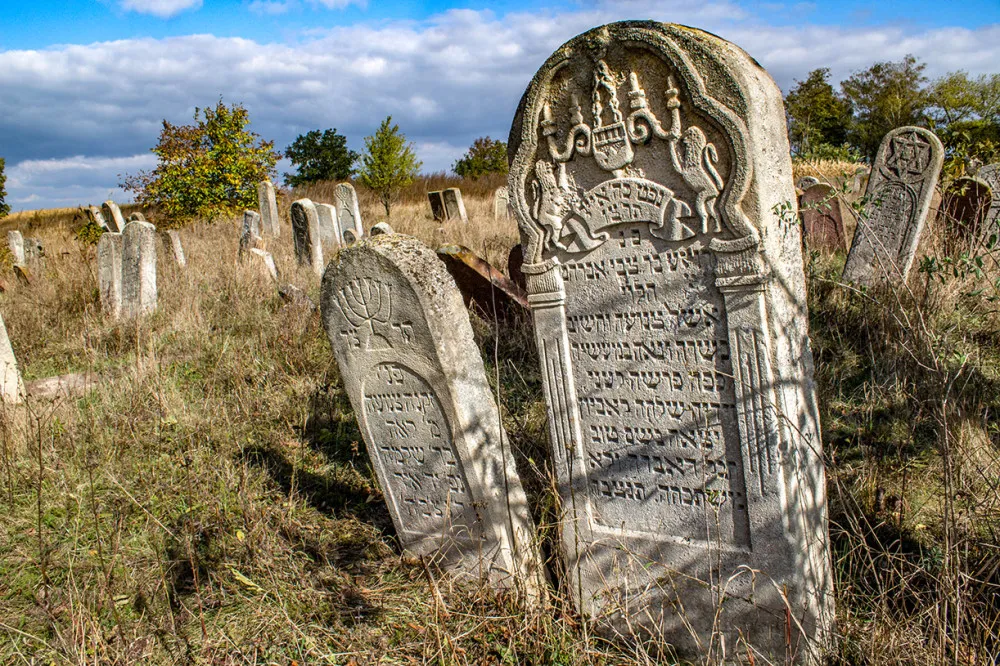
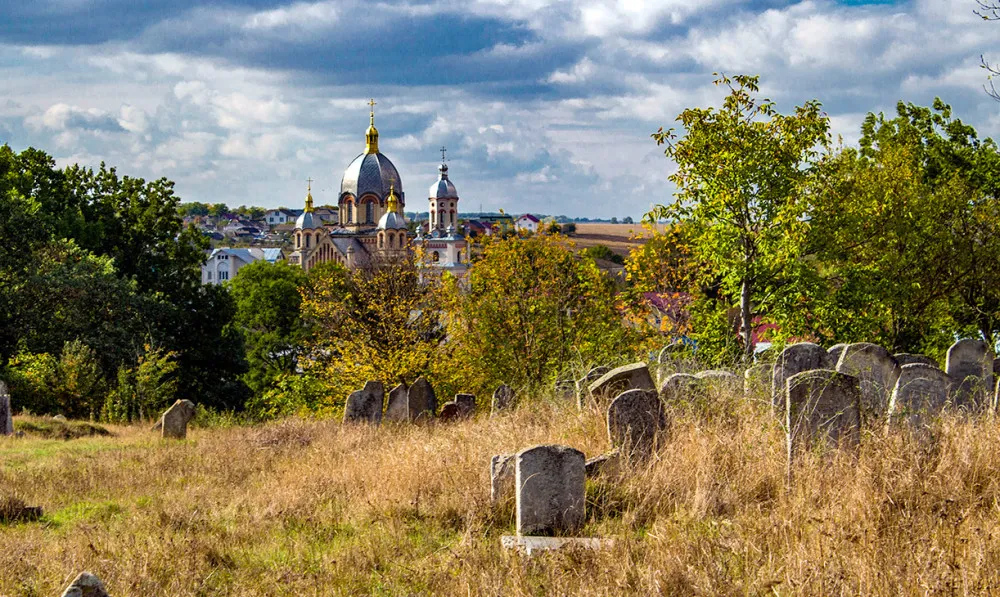
It is also worth visiting the old Jewish cemetery. There are many interesting matzevot gravestones decorated with highly artistic carving. In addition, from the cemetery hill there is a very beautiful panorama of Tovste. In general, in the subjective opinion of the author of these lines, Tovste today has only 2 monuments that are worth examining in detail: the Church of the Archangel Michael and the Jewish necropolis.
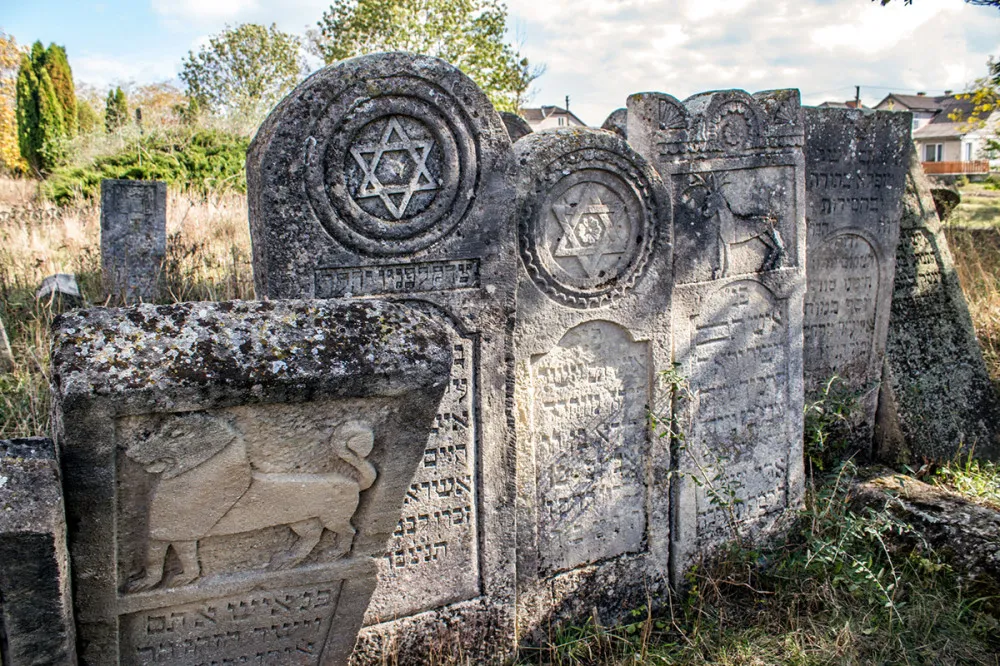
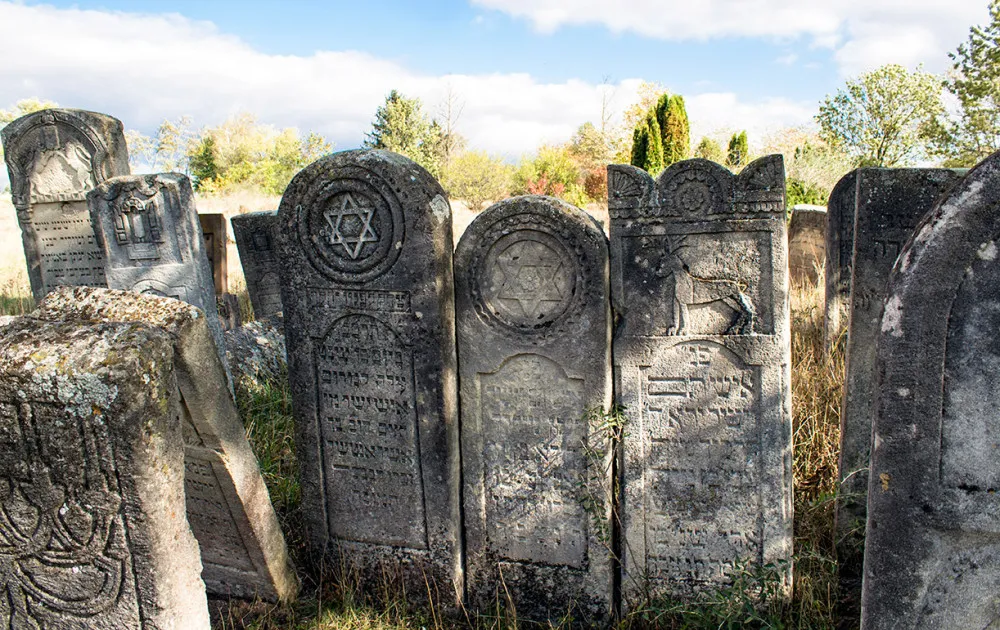
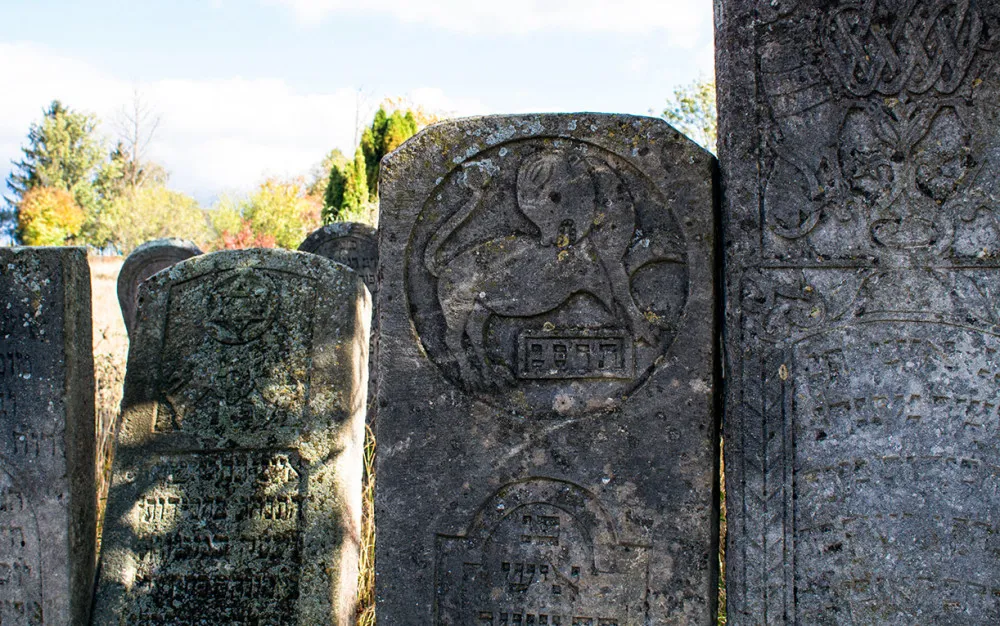
P.S. The photographs are archival, 3–4 years old. So something may have changed slightly by now.
Thank the author for his work by transferring a few hryvnias to a PrivatBank card 5168 7554 6511 0969. (Dmytro Poliukhovych)


