

Holy Trinity Church in Krasne, the last echo of the Baroque
The village of Krasne (Ternopil Oblast) stands on the Khmelnytskyi–Ternopil highway, between Sataniv and Skalat.
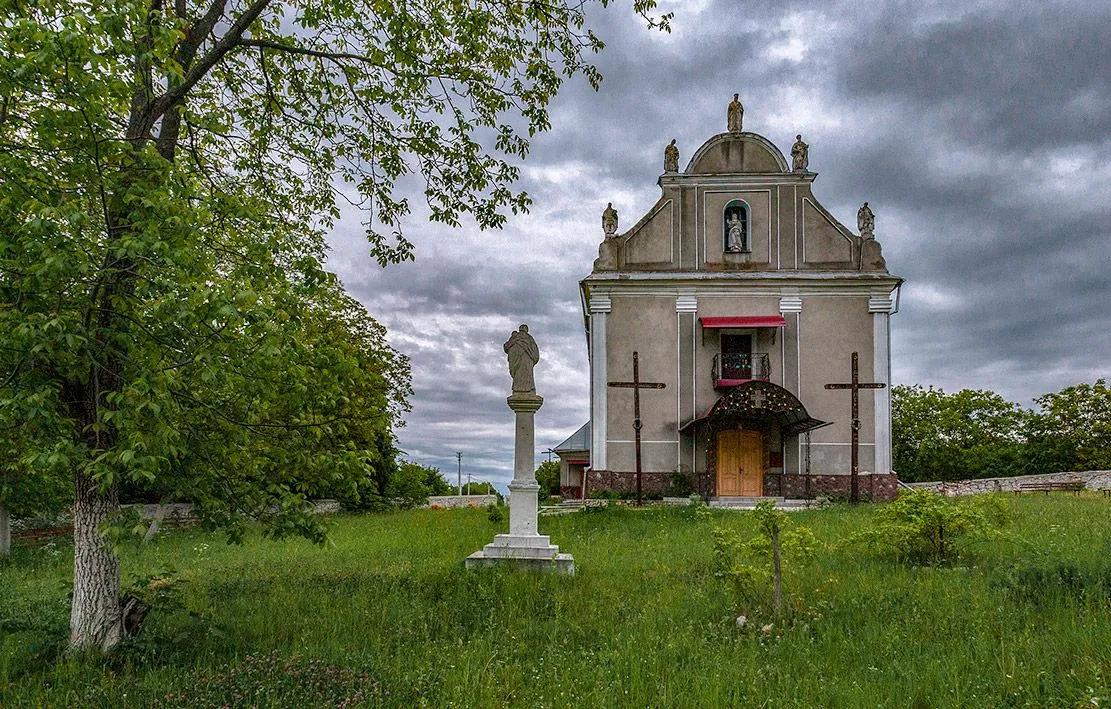
If you approach from the Khmelnytskyi side, a sizeable church right by the road catches the eye as soon as you enter the village. You might take it for a Roman Catholic church. Its architecture has none of the “Byzantine” domes typical of Greek Catholic sacred architecture in this region. Instead, it has an almost “church-like” ridge turret (a sanctus bell turret). But from the very beginning it has been a Uniate sacred building.
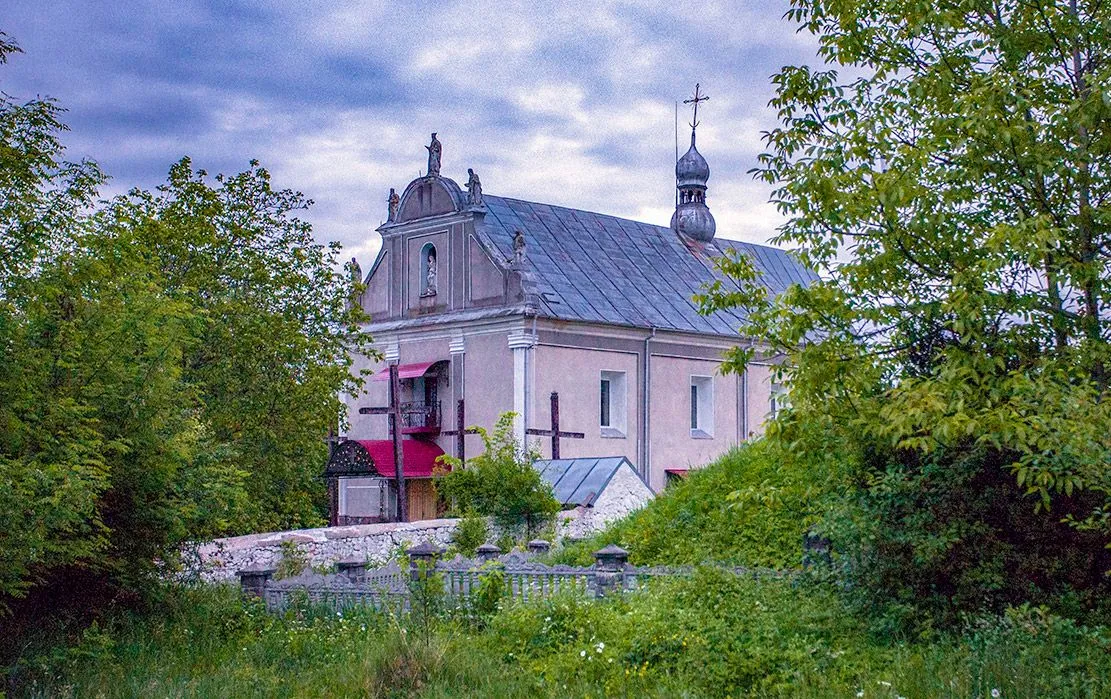
In many guidebooks and popular local-history publications the church is dated to the second half of the 18th century. The mistake arises from the distinctly Baroque elements in its architecture, since that style corresponds precisely to that time. In fact, this church is one of the youngest in which this style can be traced.
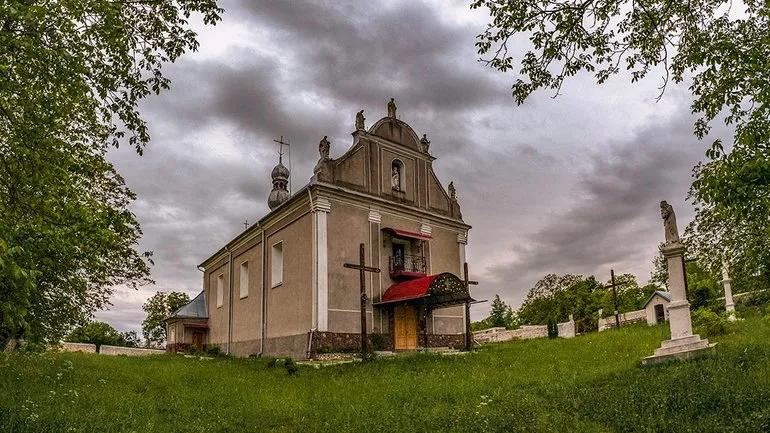
In reality the church was built at the very beginning of the 19th century, namely in 1806. It was erected at her own expense by Princess Izabela Lubomirska, née Czartoryska, the most famous woman of the 18th-century Polish–Lithuanian Commonwealth. Because of her considerable influence on political life, she was also called the “Polish Marquise de Pompadour”.
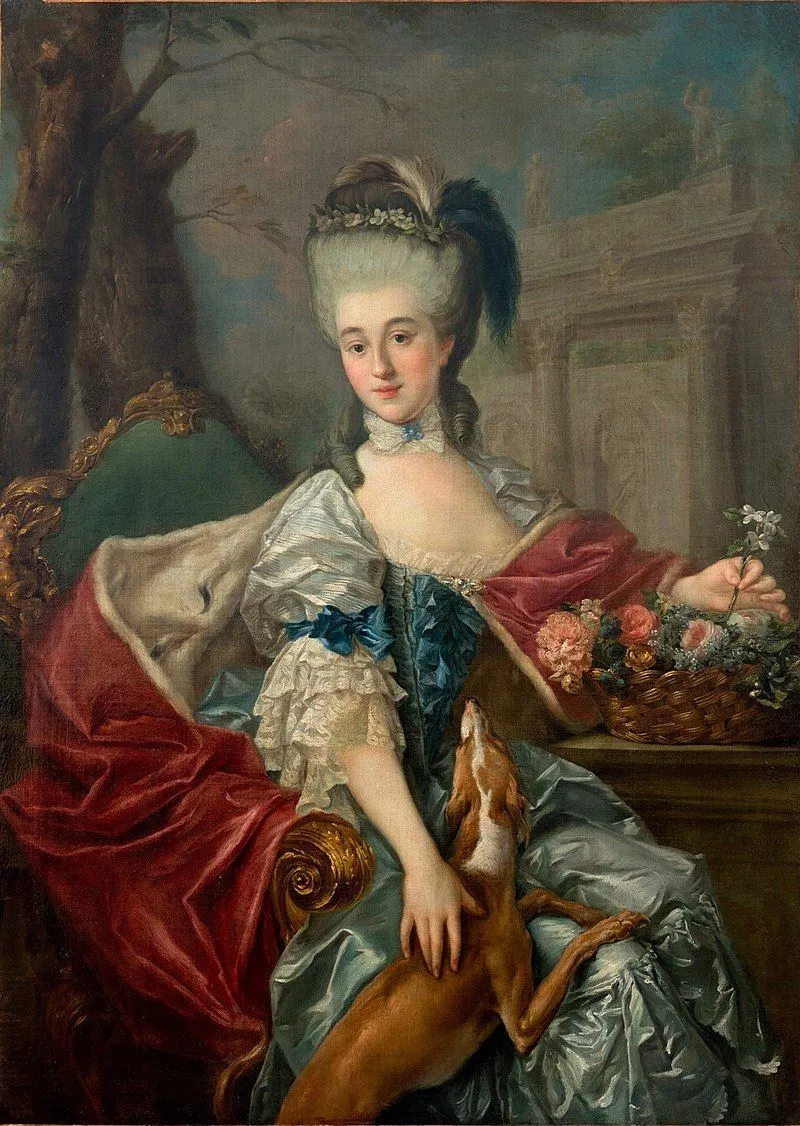
Izabela Lubomirska. Portrait by Marcello Bacciarelli
Izabela was the daughter of Prince Aleksander August Czartoryski, Voivode of Ruthenia, and Maria Zofia née Sieniawska. One of the Sieniawski residences was in neighbouring Sataniv.
The princess also became famous for having managed to quarrel with most of the aristocrats, yet she showed great care for peasants, building schools, hospitals, almshouses and churches for them. Churches in the neighbouring villages of Tovste, Hrymailiv and Mala Luka were also built at Lubomirska’s expense.
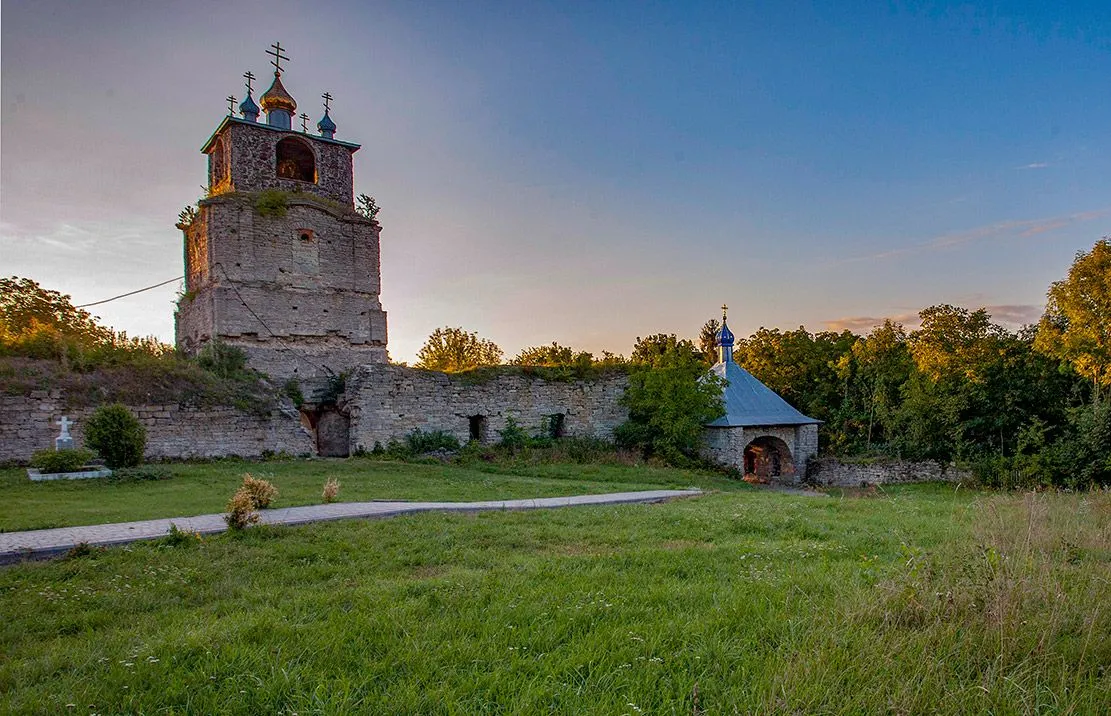
Sataniv Monastery. The Church of St. Nicholas was on the second tier of the bell tower
It is possible that the dedication of the church to the Holy Trinity is connected with the neighbouring Holy Trinity Monastery in Sataniv. In particular, local-history publications say that this church has long housed a miracle-working image of St. Nicholas, which the Basilians once took with them when the tsarist authorities expelled them from the monastery and handed it over to the Russian Church.
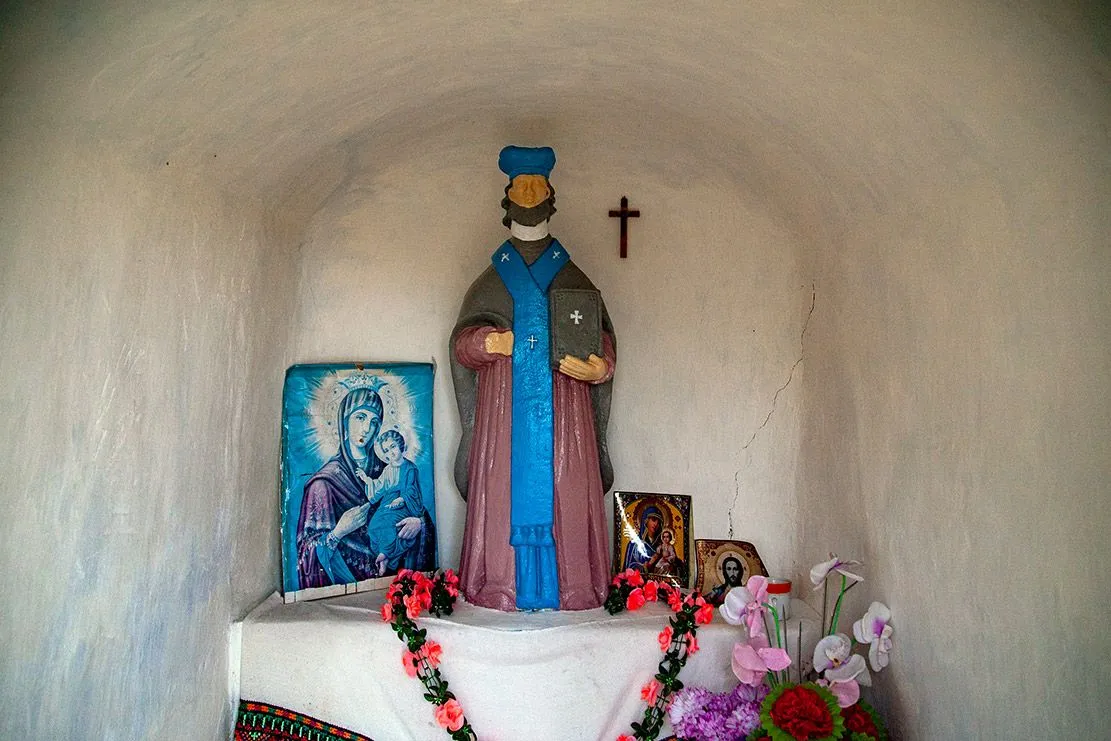
Figure of St. Nicholas in the chapel
The author of the text has been to Krasne several times, but each time the church was closed, so he cannot say anything about the image. Once he managed to meet some local women tidying up around the church (which was locked all the same). As it turned out, they were hearing for the first time about any miracle-working image of St. Nicholas in their church.
There is a suspicion that this refers not to an icon but to the sacred figure of St. Nicholas standing in a small chapel by the church gate. The figure is quite archaic and may date from the 16th–17th centuries.
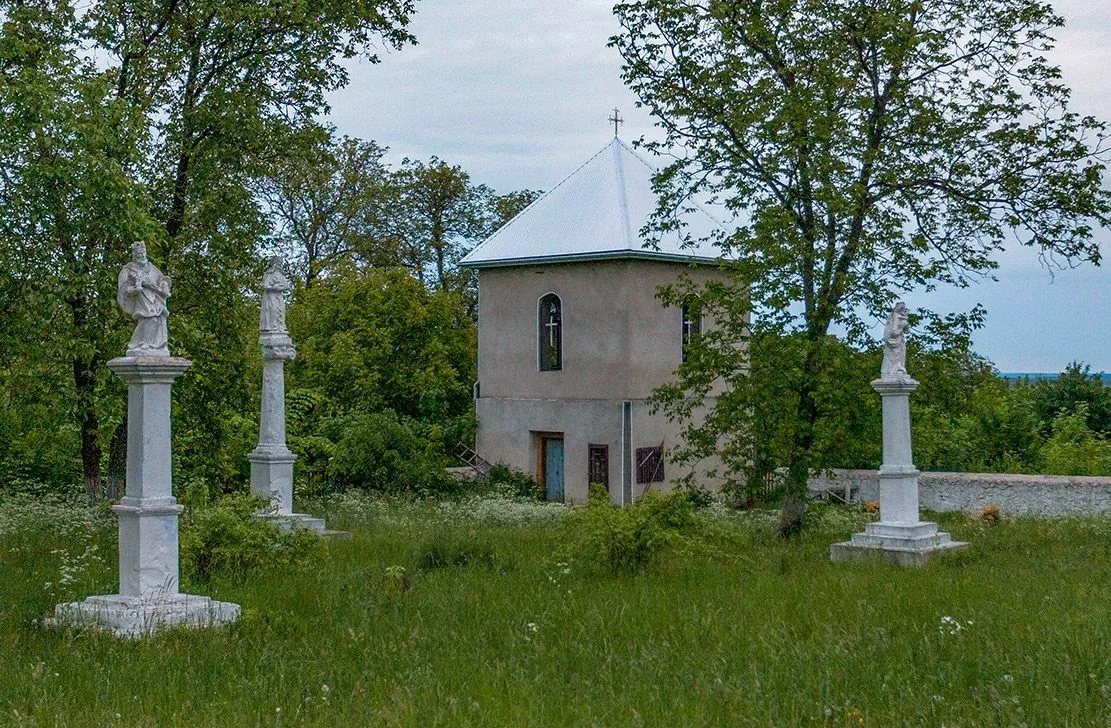
The façade of the building is adorned with as many as six highly artistic sculptures, which is a rarity for village churches. There are also three sacred figures standing in its yard. While the figures of St. John of Nepomuk and St. Joseph the Betrothed with the infant Jesus in his arms date from around the mid-19th century, the figure of Jesus Christ is the same age as the church, or perhaps even older and created as early as the 18th century.
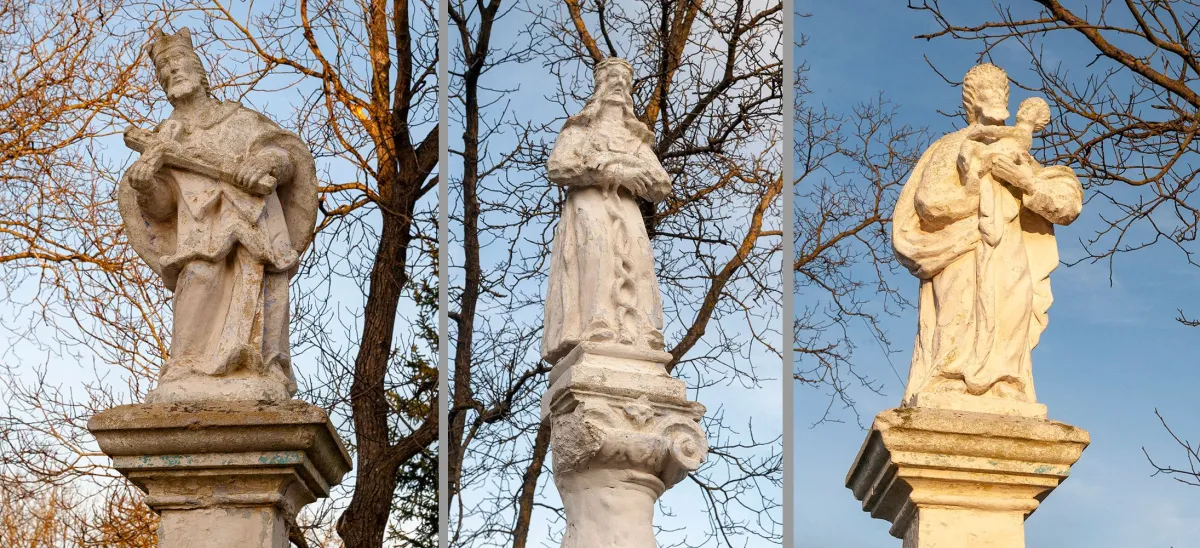
The figures once stood facing the gate with their backs to the church, so that the faithful, upon entering the churchyard, could pray to them. Later the central gate, which, let us note, is quite unusual in its architectural design, was walled up, this arrangement became pointless, and the figures were turned through 180 degrees.
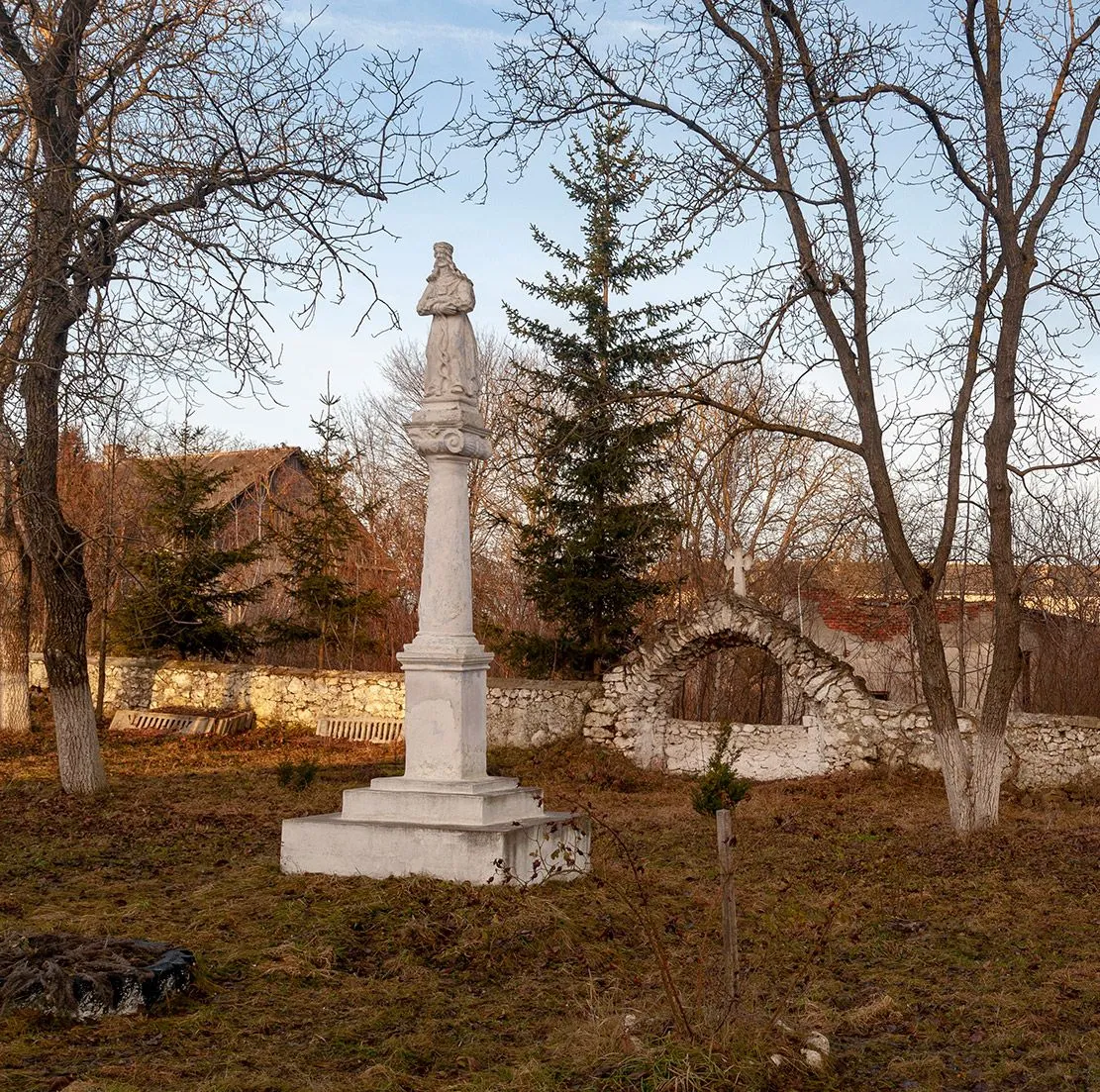
The walled-up gate
If you happen to pass along this road, be sure to stop here for at least 15–20 minutes. You will not regret it!
Text and photos: Dmytro Poliukhovych


