Tsekynivka. Old cemetery and a view of the fortress in Soroca

· 2 min read
We first visited Tsekynivka almost by accident: in Mohyliv-Podilskyi, border guards turned us back from the crossing into Moldova because the bus did not have all the necessary documents. They advised us: go to Tsekynivka, where a ferry goes straight to Soroca, right under the fortress; you will cross without the minibuses, look around and come back. So off we went.
I will tell the story of Soroca Fortress, the true “sister” of Khotyn Fortress, separately some day, as well as that of the main Gypsy city of Moldova and of the former Russian Empire and USSR. Soroca is a kind of Gypsy Mecca, and it is clearly visible from Tsekynivka. You can see Gypsy Hill, with the numerous palaces of the Roma aristocracy, clan leaders and the baron himself. But the greatest delight for the eyes is the Dniester and the toy-like castle, all that is left of the fortress once built by Stephen the Great.
The ferry at Tsekynivka is an interstate one, which means that only citizens of Ukraine and Moldova can cross the border on it. The ferry is archaic, without an engine, moving with the current along a metal cable. At the moment this ferry does not operate at all because of the war.
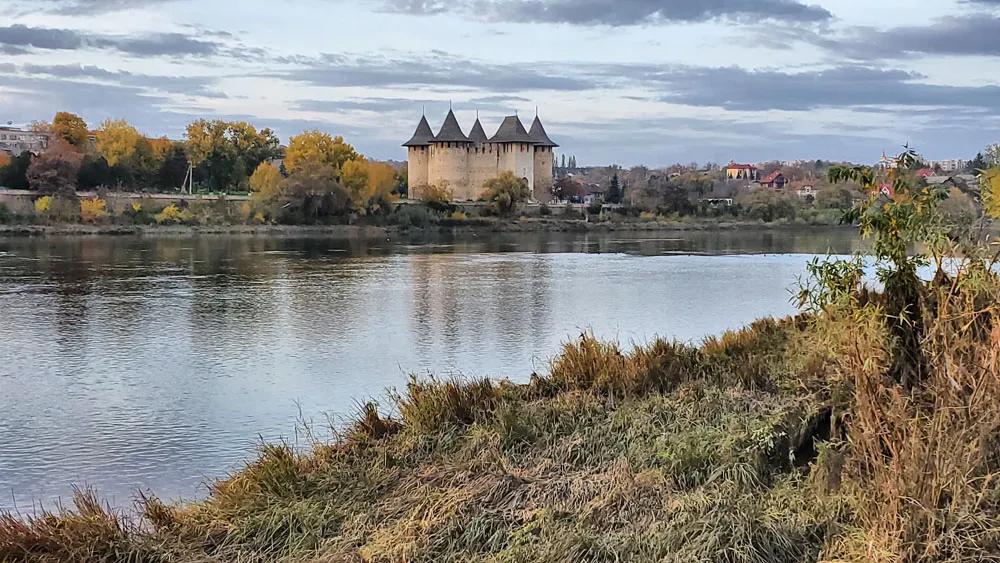
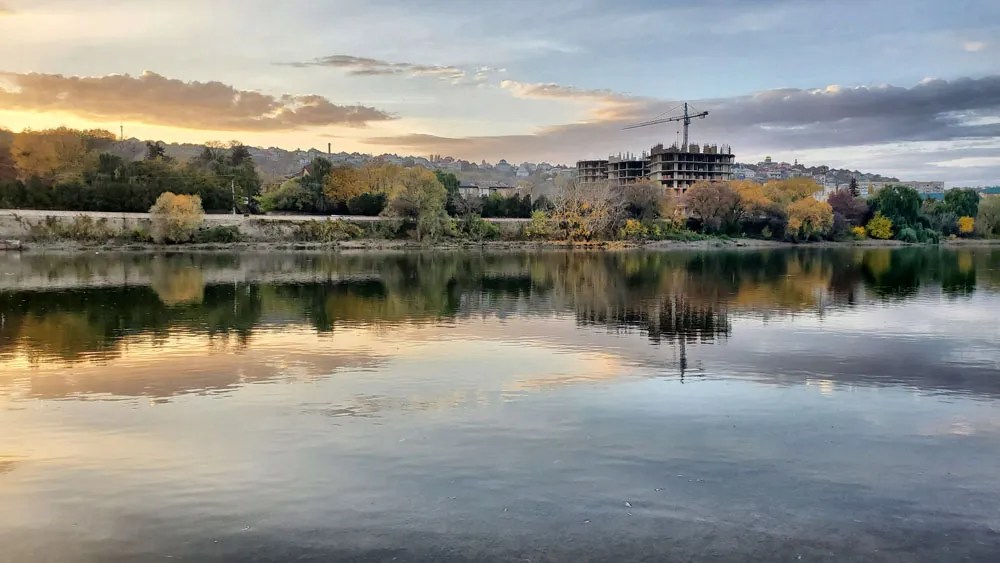
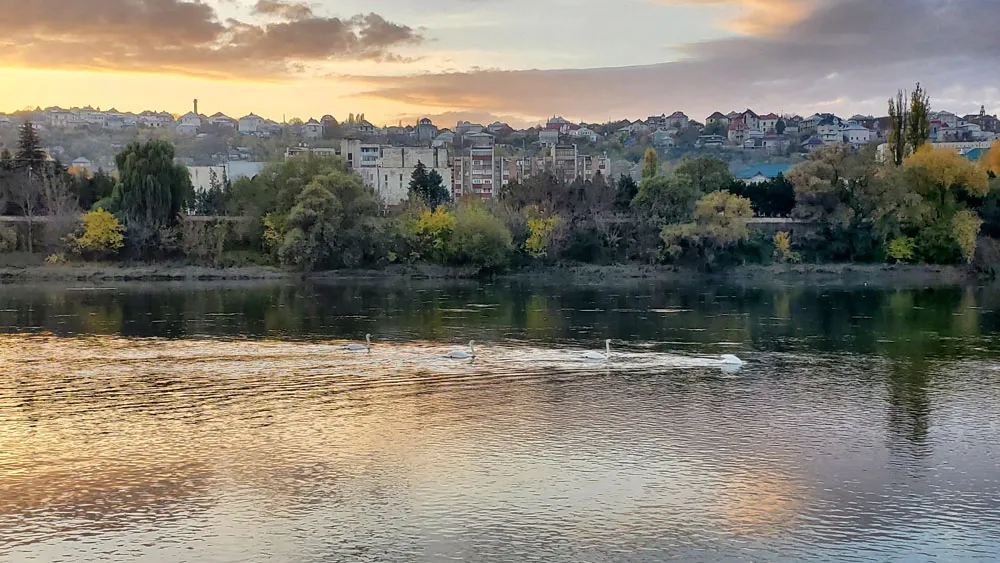
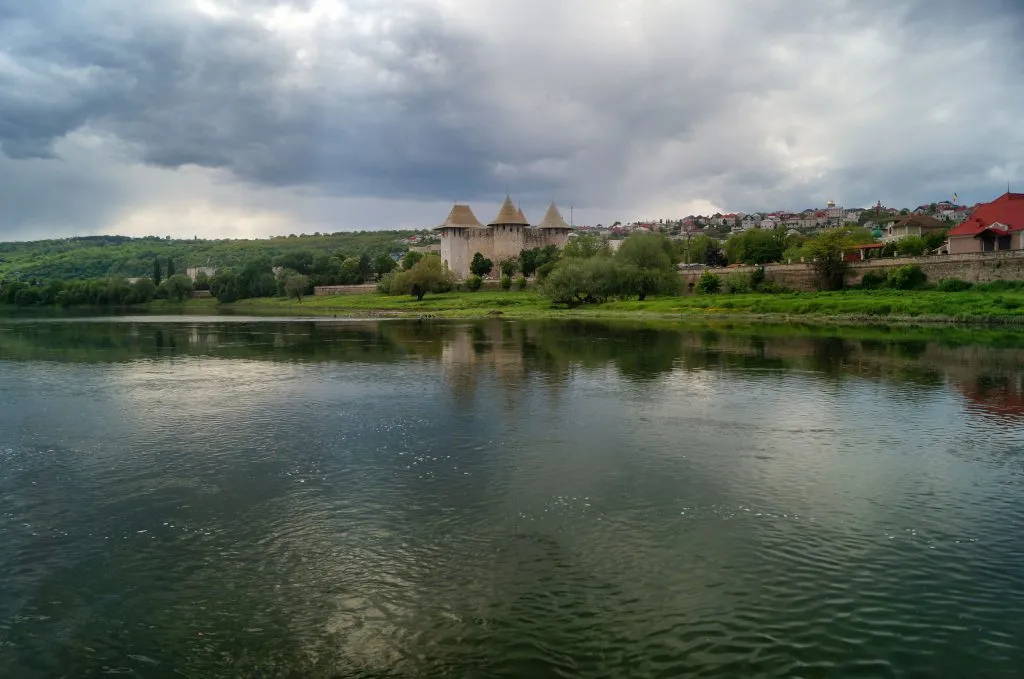
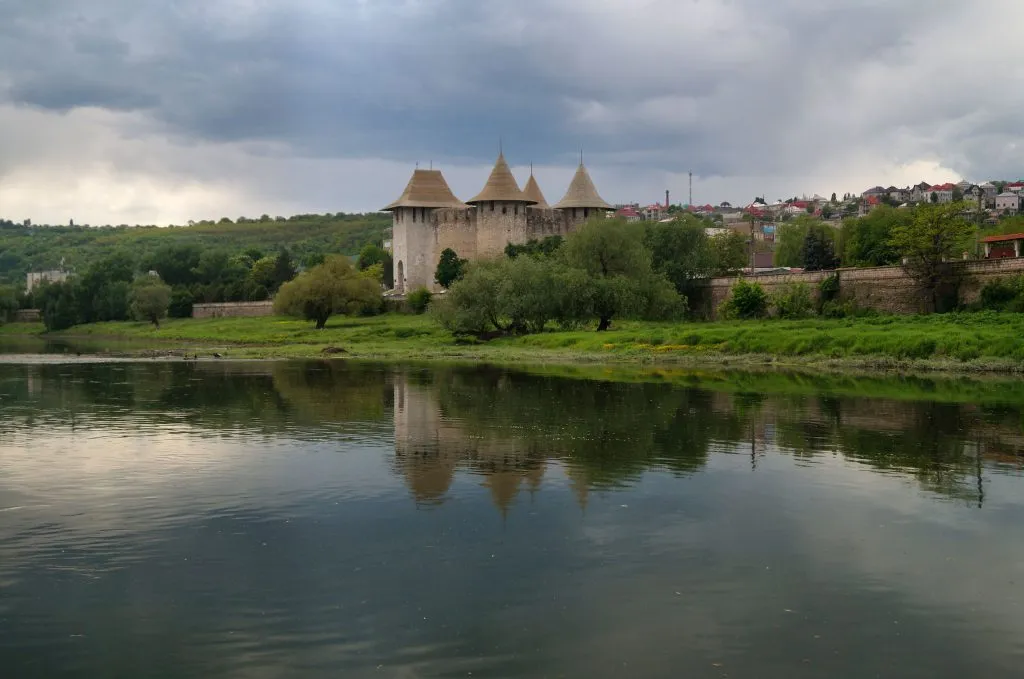
Tsekynivka lies on several above-floodplain terraces of the Dniester. The banks here are gentle, and the floodplain is quite wide and often flooded. When the water is low, you can walk to the very edge of the low floodplain and take wonderful photos of the Dniester and Soroca.
Tsekynivka was founded in 1700. The village is fairly large (about 1,800 people). Before the full-scale invasion, thanks to the ferry, residents were actively engaged in petty trade, or rather in exchanging goods with Moldova: some goods were taken from Tsekynivka to Soroca, such as beer, vodka and Roshen sweets, others the other way, from Soroca to Tsekynivka: wine and… I do not know what else, I did not investigate. But few people here go to the fortress or to Gypsy Hill. It seems strange, but it is like that everywhere with us: for people it is something banal, a view that has been ordinary and standard since childhood.
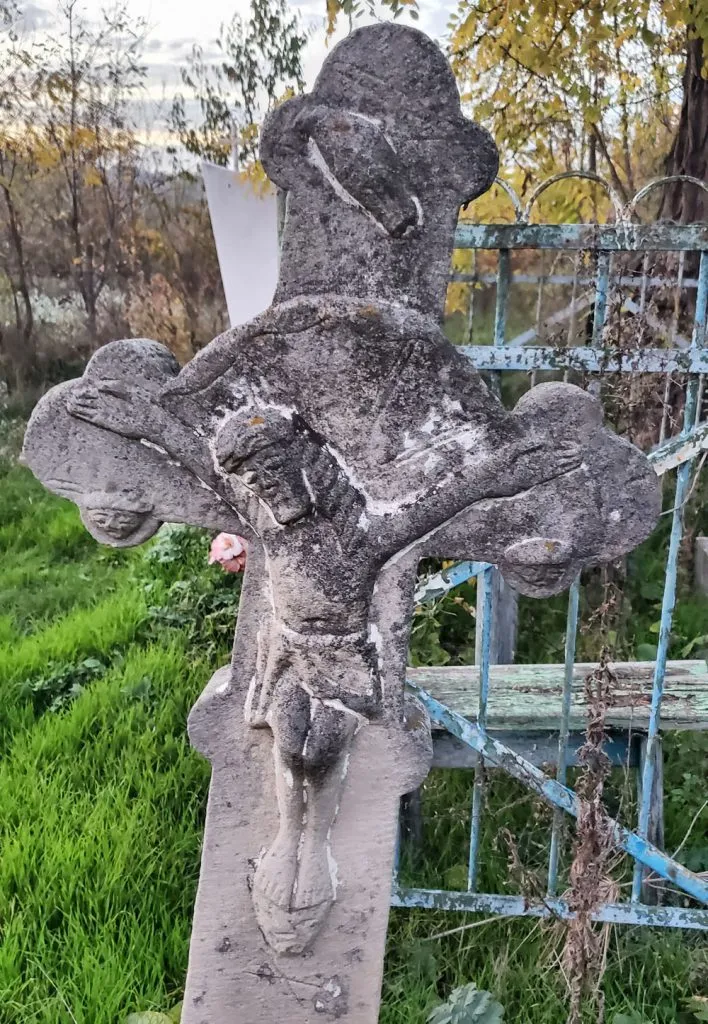
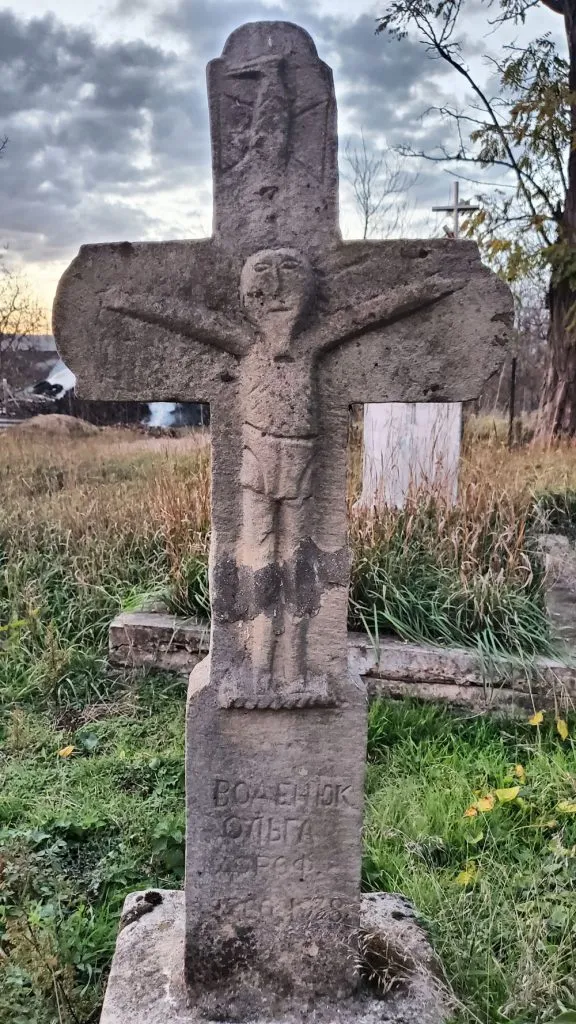
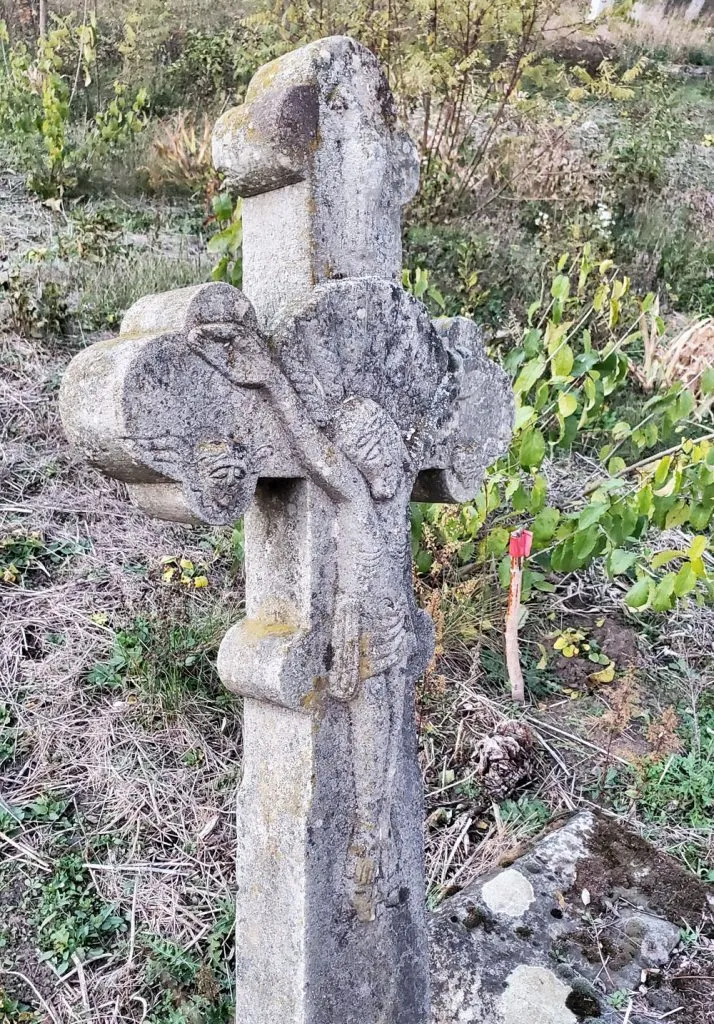
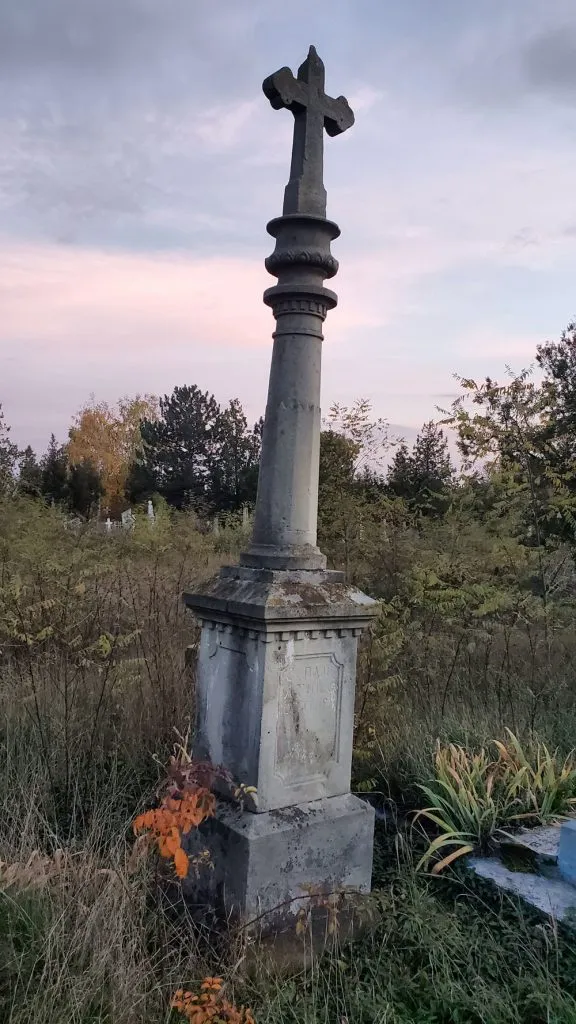
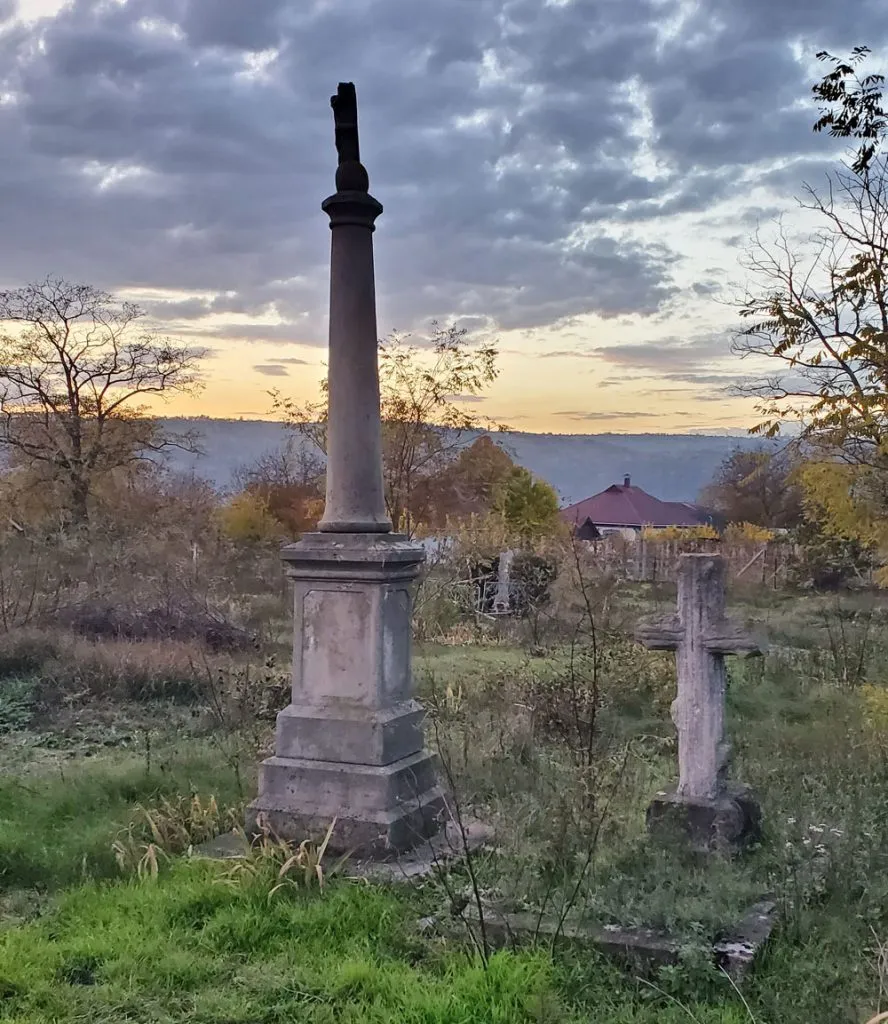
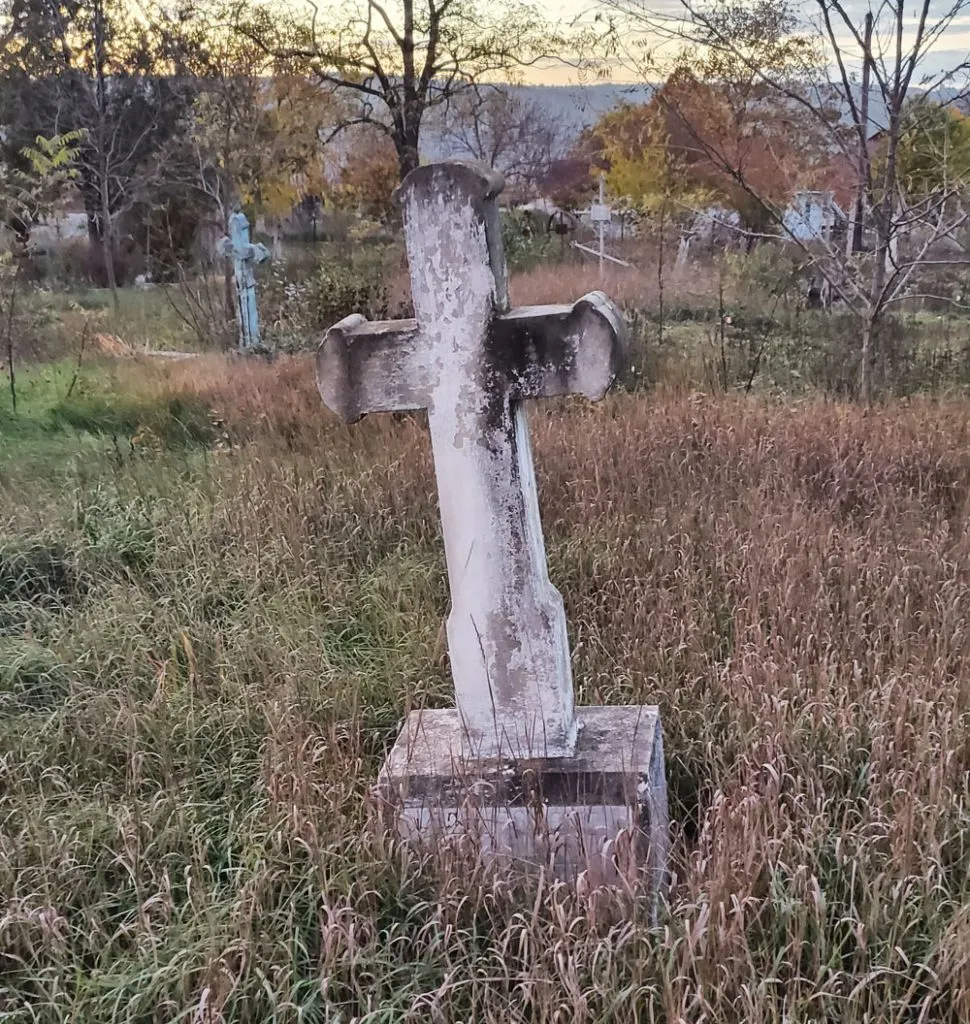
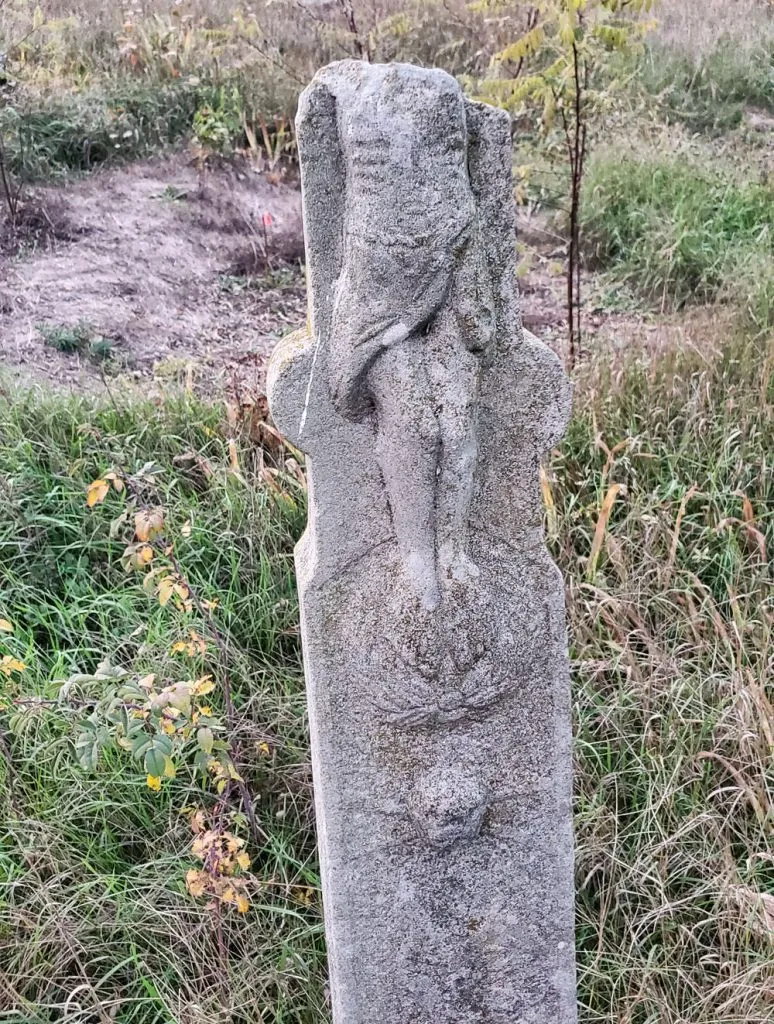
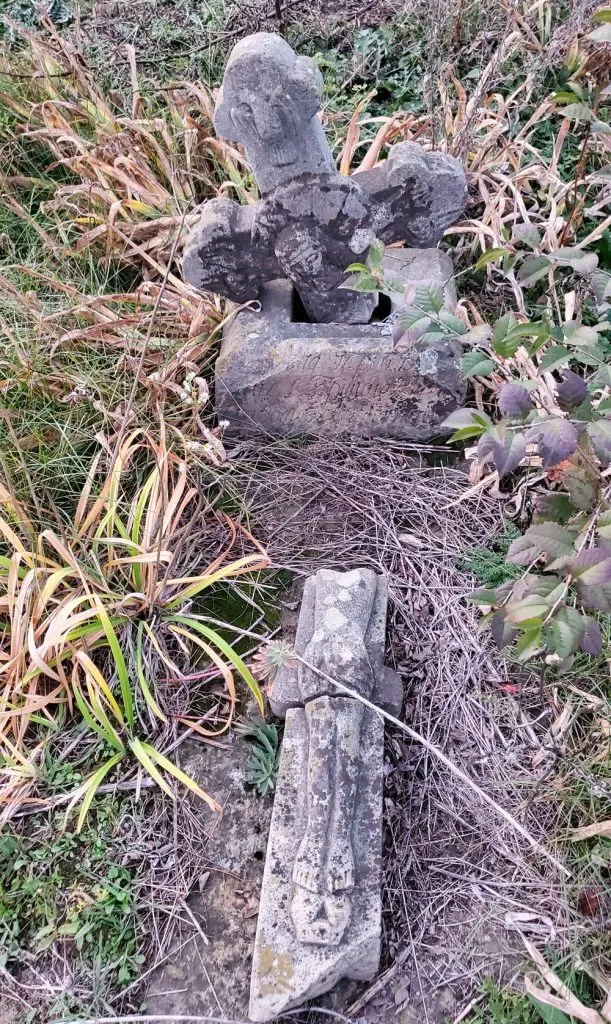
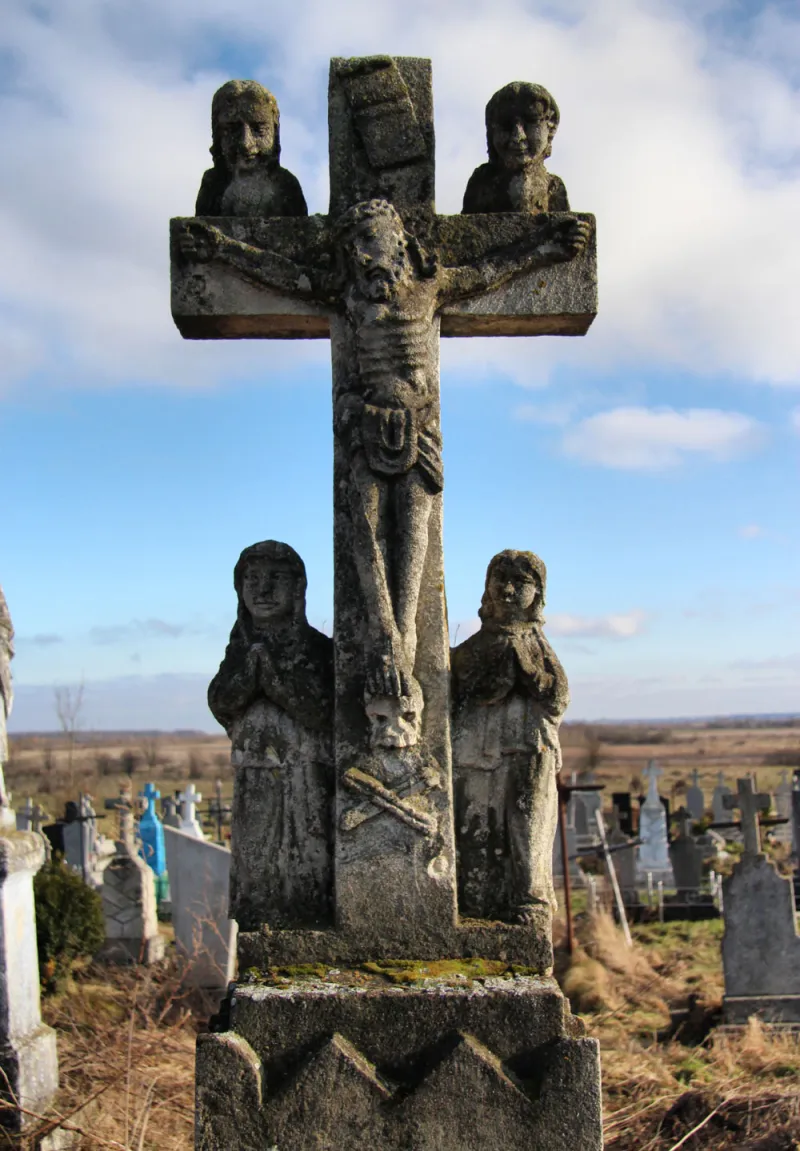
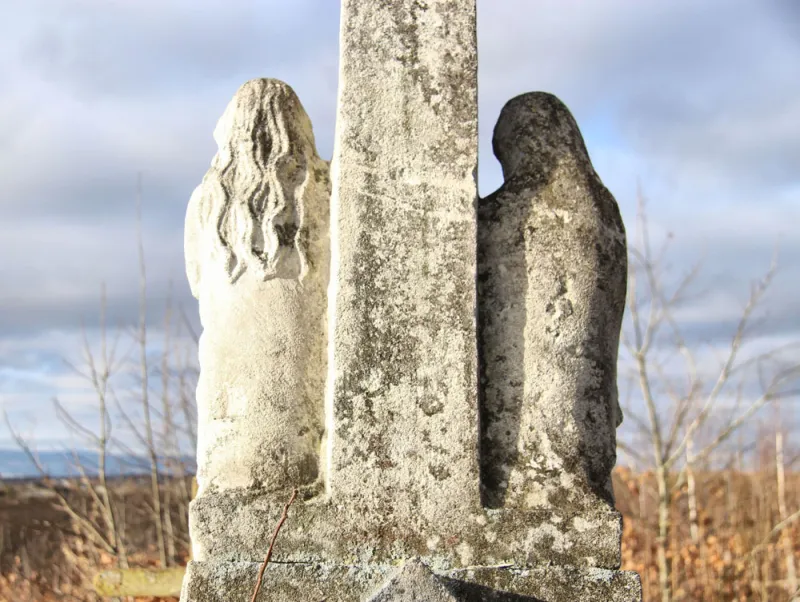
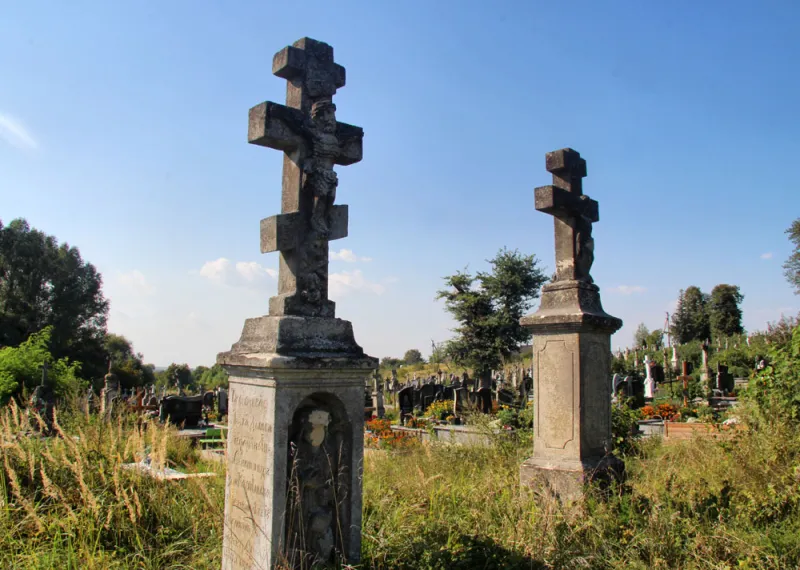
Tsekynivka, like most villages along the Dniester, has an old cemetery with Cossack crosses. The village once had quite a few stonecutters (cross-makers), since there was a stone quarry nearby, sandstone or limestone, I cannot say. The cemetery is fairly large. The old crosses and gravestones are made almost exclusively of stone. The crucifixes draw attention; they are quite typical of the south of Podillia.
Text and photos by Roman Malenkov.