

Velykyi Zhvanchyk: a palace, a tower, a goat and a ghost
Velykyi Zhvanchyk is a small village in the Dunaivtsi urban territorial community of Kamianets-Podilskyi district, Khmelnytskyi Oblast. Judging by the name, it ought to stand somewhere on the bank of the Zhvanchyk. There is such a tributary of the Dnister, which gave its name to the famous town of Zhvanets. But no river of that name can be seen here even on the horizon. Nor beyond the horizon… The village owes its name to the town of Zhvanets mentioned above. The latter was once a rather restless point on the map of Podillia. Owing to a number of circumstances it was constantly under attack from “good neighbours”. According to one version, some of the people of Zhvanets, sick of such a turbulent life, changed their “residence registration” in the 17th century or so for a calmer corner of the Oikoumene. Hence the name.
Incidentally, at first the village was called simply Zhvanchyk. Only from 1921 was the word “Velykyi” (Great) added to the toponym. The village really is sizeable – a population of one and a half thousand, and it covers an area of about 4 square kilometres!
Despite its size and its respectable and interesting history, Velykyi Zhvanchyk cannot boast a large number of interesting sights. The village has only one monument worthy of attention. But what a monument!
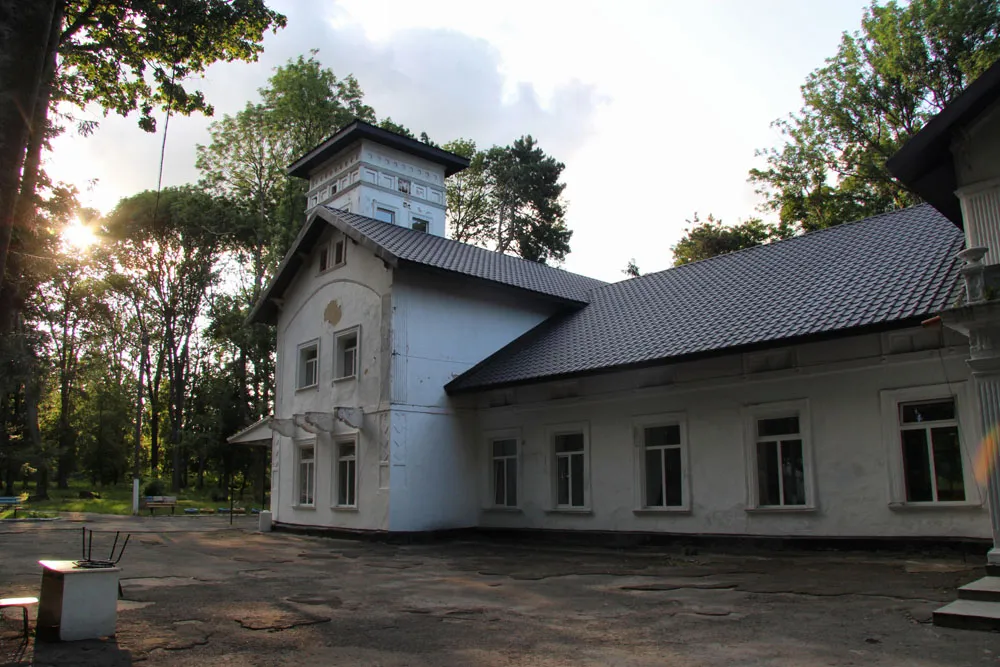
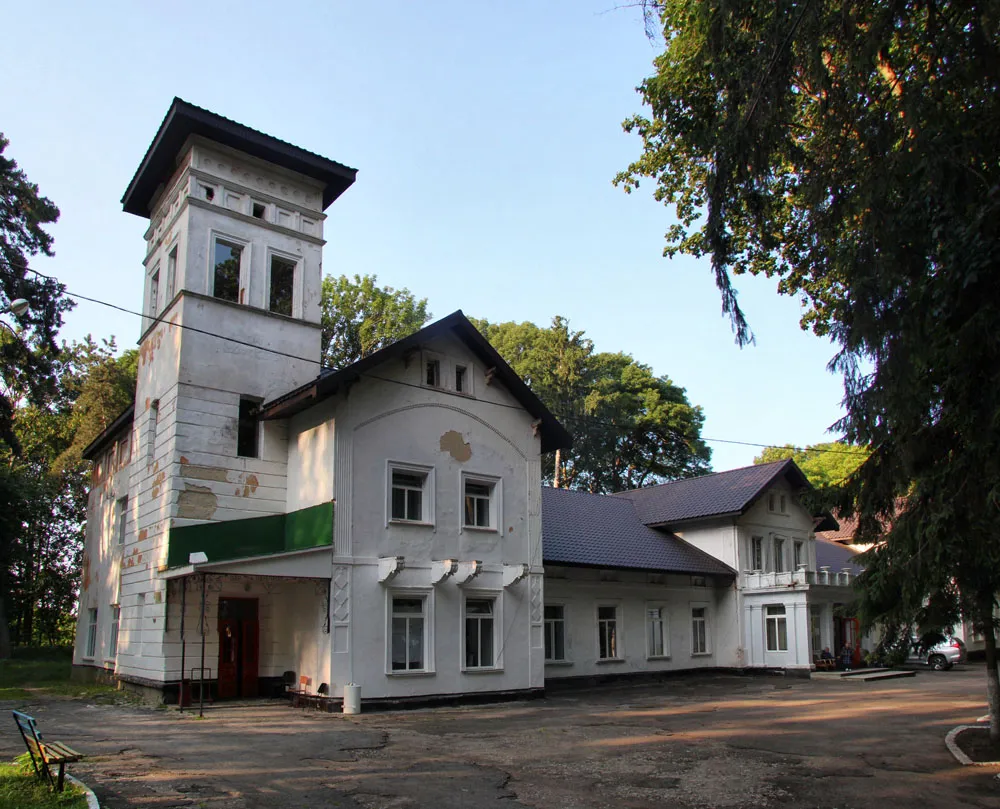
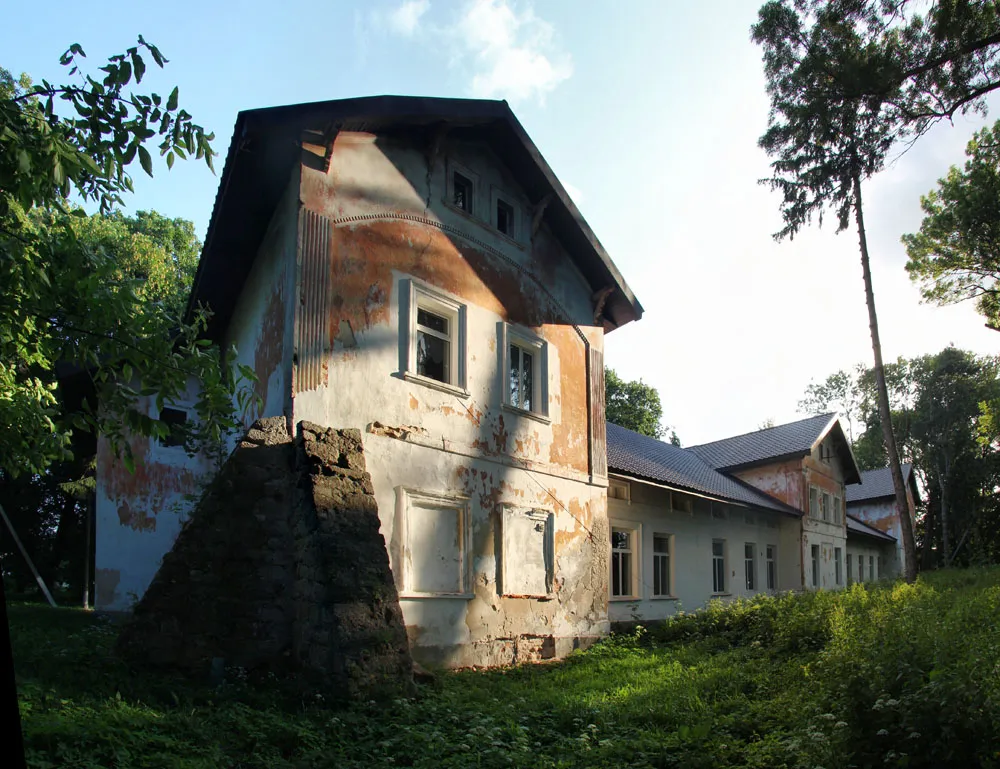
Here, amid the remains of an old park, stands the Chelminski palace. Its construction was begun by Ignacy Chelminski, who had previously become the owner of the village. Building the manor-residence complex took two decades, from 1868 to 1888. The palace was the first to appear, in the 1870s, since the landowner needed somewhere to live.
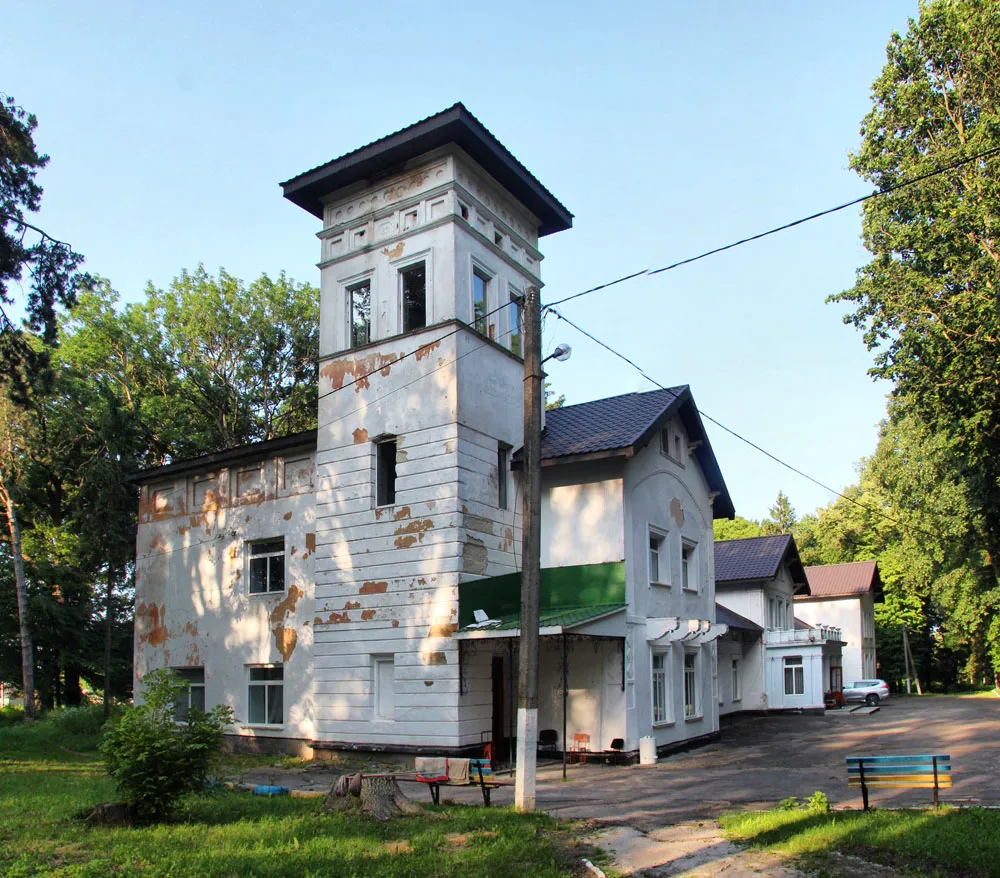
In 1881 a sizeable tower in the style of Italian villas was added to the palace. At that time such towers had become very fashionable, and a palace without a tower was rather the exception than the rule. Local tradition says that a bell once hung in that tower, which was rung when the landowner wanted to call the peasants to a meeting.
After Ignacy’s death the estate was inherited by his sons Zygmunt and Mateusz. Soon Zygmunt lost his share of the inheritance to a neighbouring landowner, Krupenski, whose palace (with a tower, of course!) stood in nearby Kryvchyk.
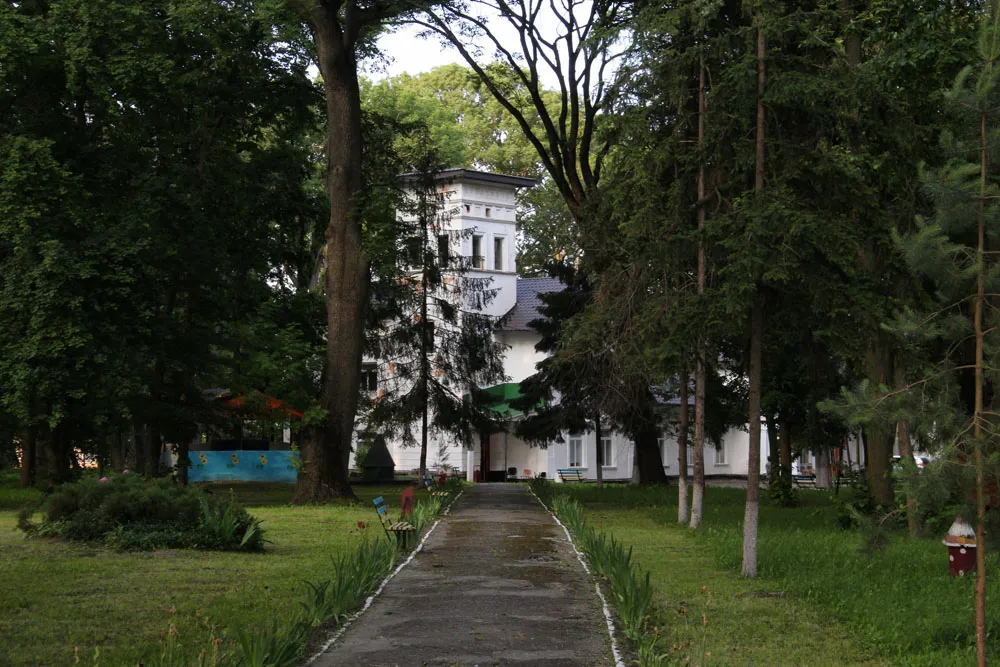
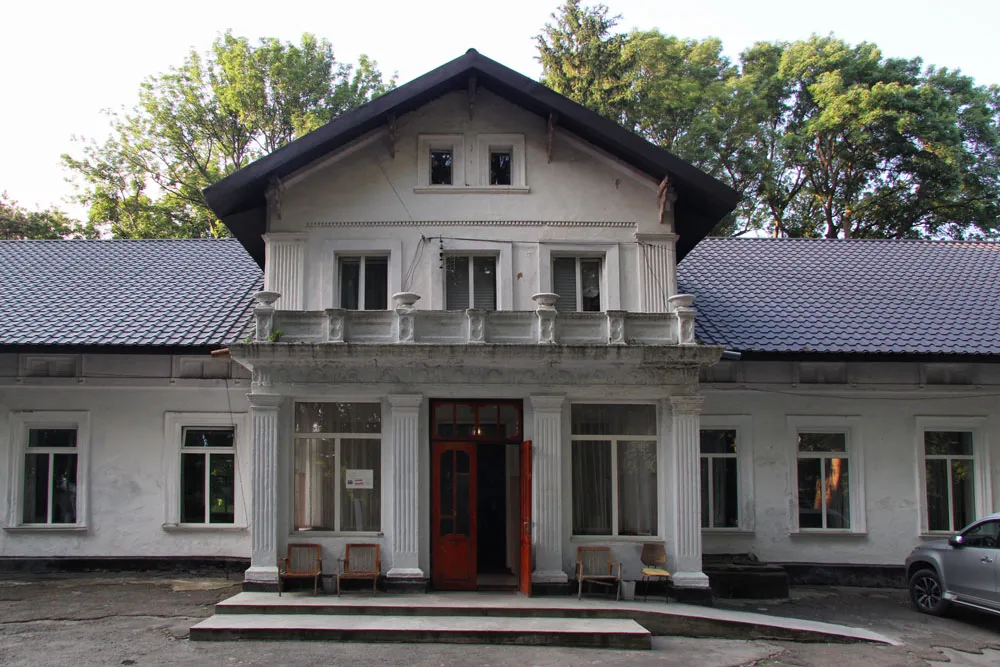
According to local legend, Zygmunt, who was also handsome, once seduced the daughter of a local blacksmith. When it turned out that the girl (by now rather a young woman) was pregnant, he promised to marry her and even set the day of the wedding. The naive peasant girl came dragging herself to the church, but instead of a dashing bridegroom she was met by a goat dressed in a tailcoat. The offended girl, they say, threw herself from the palace tower, and her soul turned into a ghost and began to haunt the young master. In order to be rid of the palace with its enraged ghost, he supposedly quickly gambled away the inheritance at cards…
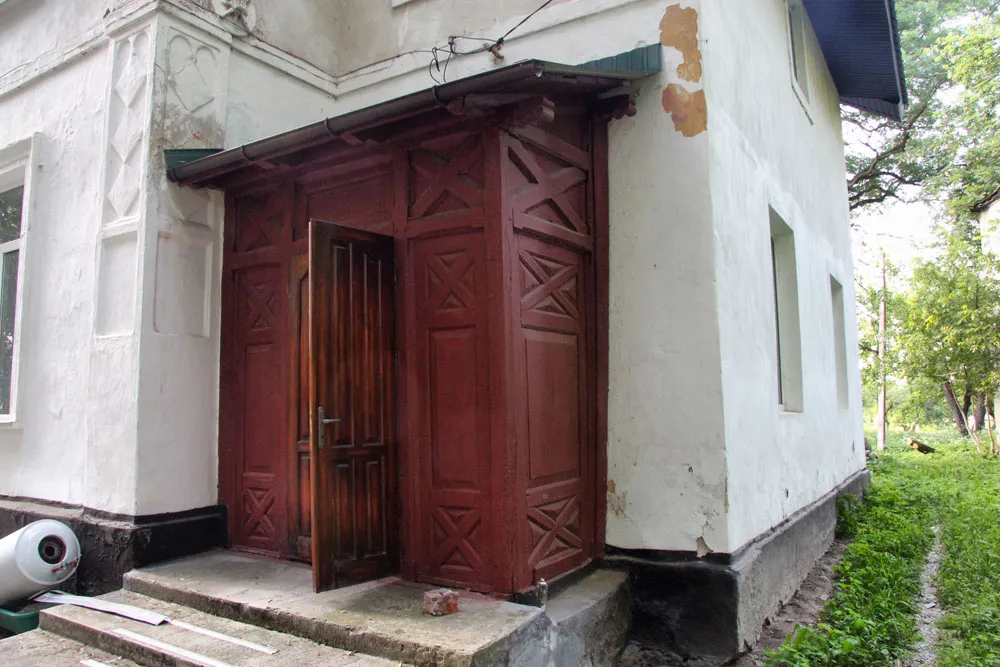
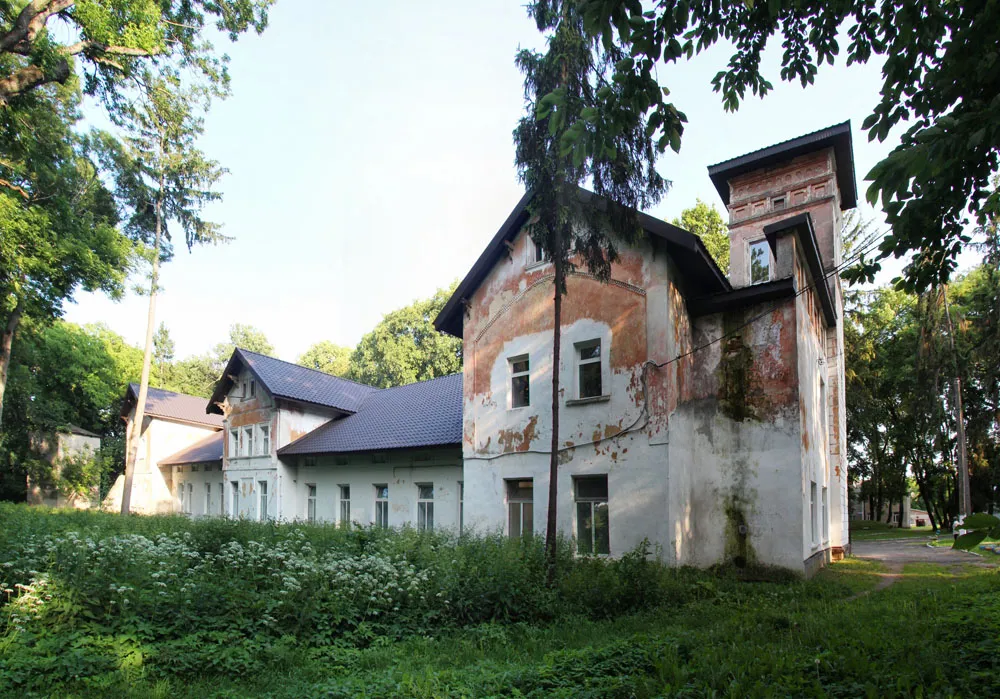
In 1902 Krupenski bought the other half of the inherited estate from Mateusz Chelminski and became the sole owner of the village.
In the post-revolutionary years the peasants thoroughly looted the palace and were already set on burning it to the ground, but the local priest stood in the way.
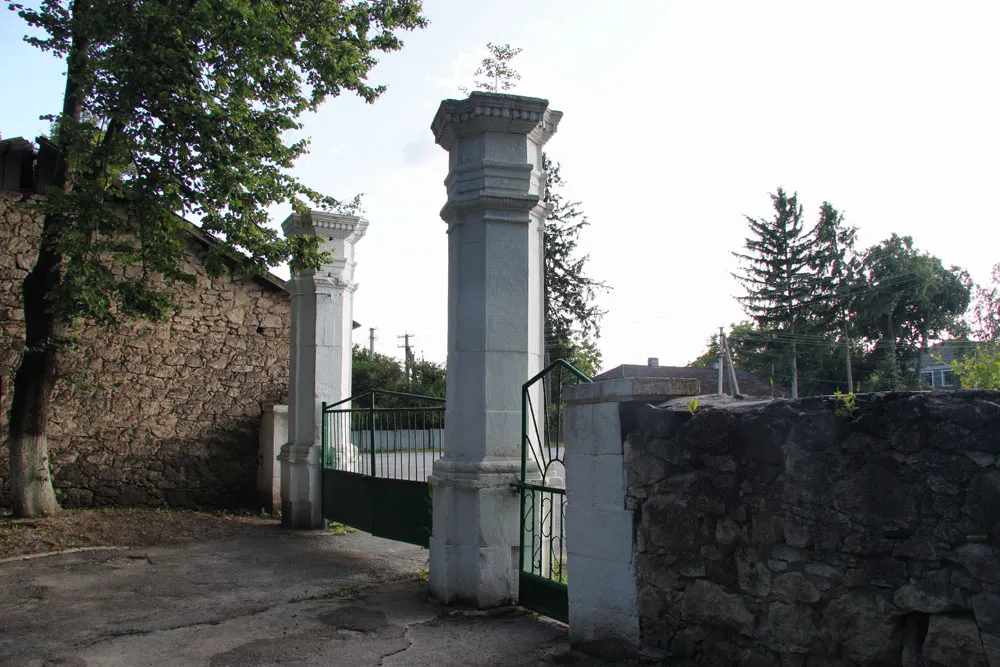
Interestingly, the Krupenski legacy, both in Velykyi Zhvanchyk and in Kryvchyk, is used by medical staff today. In the first case there is a pulmonological sanatorium, in the second a psychoneurological boarding home.
Photos by Roman Malenkov


