

Armenian church in Horodenka
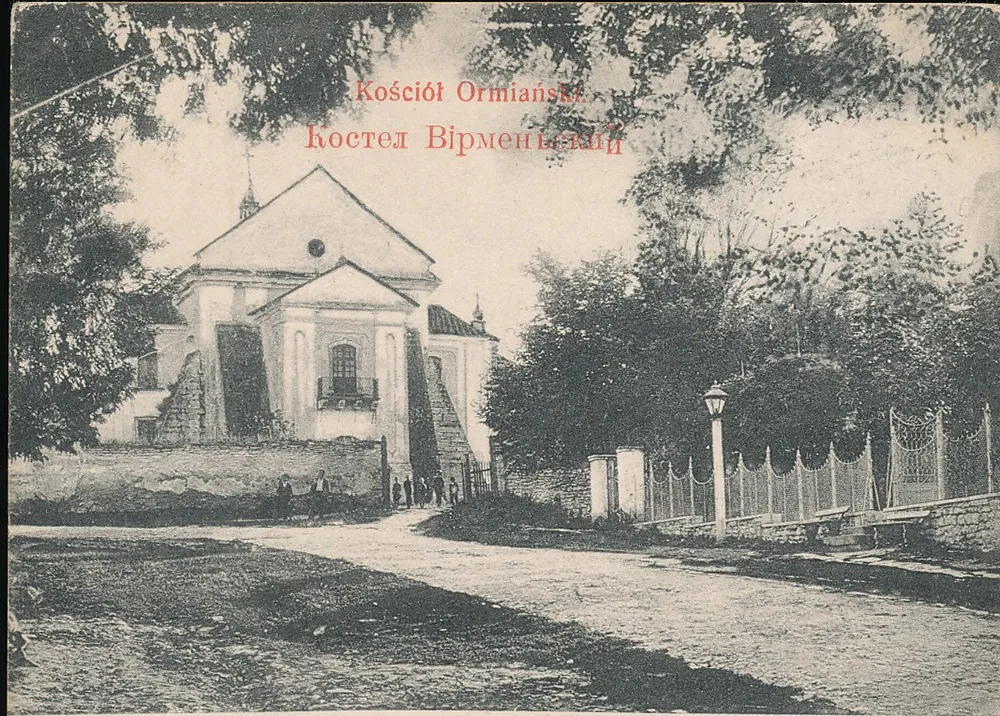
The first written mention of the Armenians of Horodenka (Ivano-Frankivsk Oblast) dates from 1670. The Armenian church was built in 1706. As in our earlier stories about Armenian churches in Zhvanets and Yazlovets, the question may arise again of why we call Armenian places of worship “kostels”. The explanation is simple: in 1630 the Armenian bishop Mykolai Torosovych signed a union with Rome. This is how the Armenian Catholic Church came into being; it survived until the arrival of the Muscovite “liberators” in 1939.
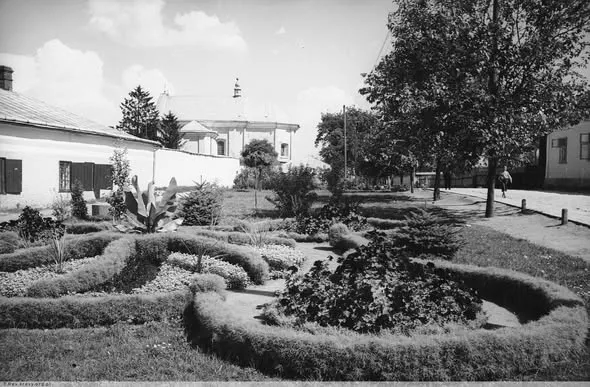
1930s
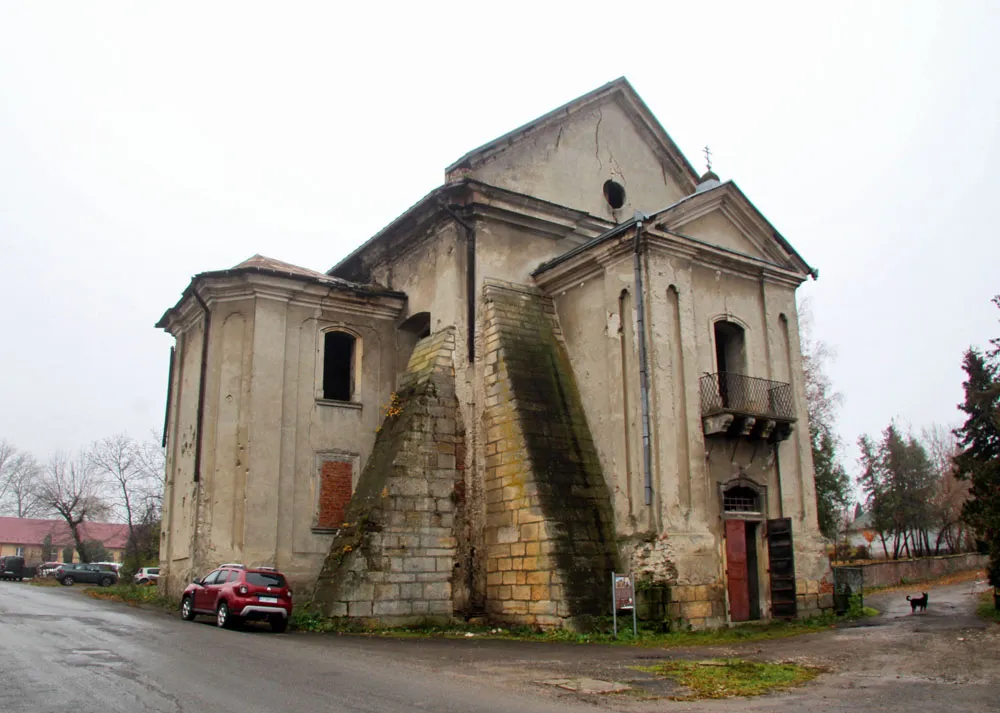
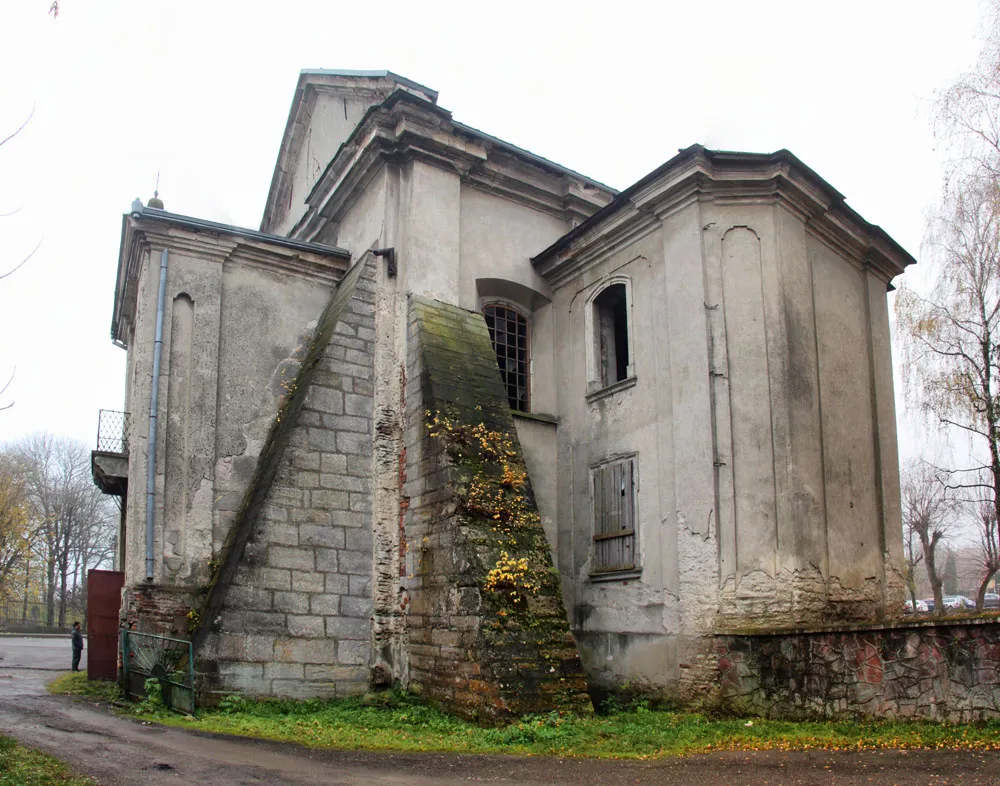
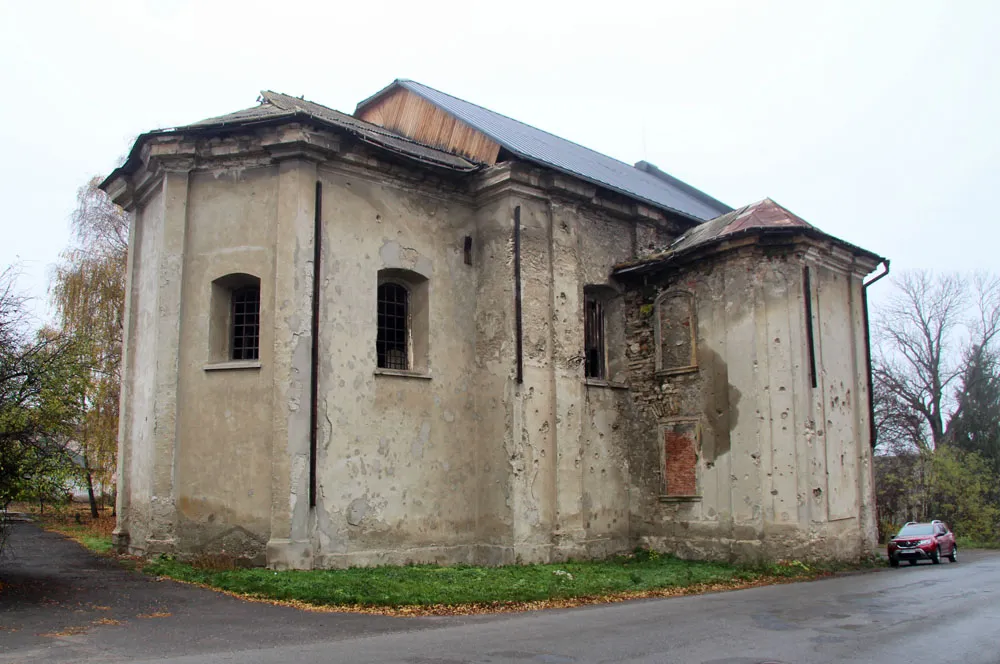
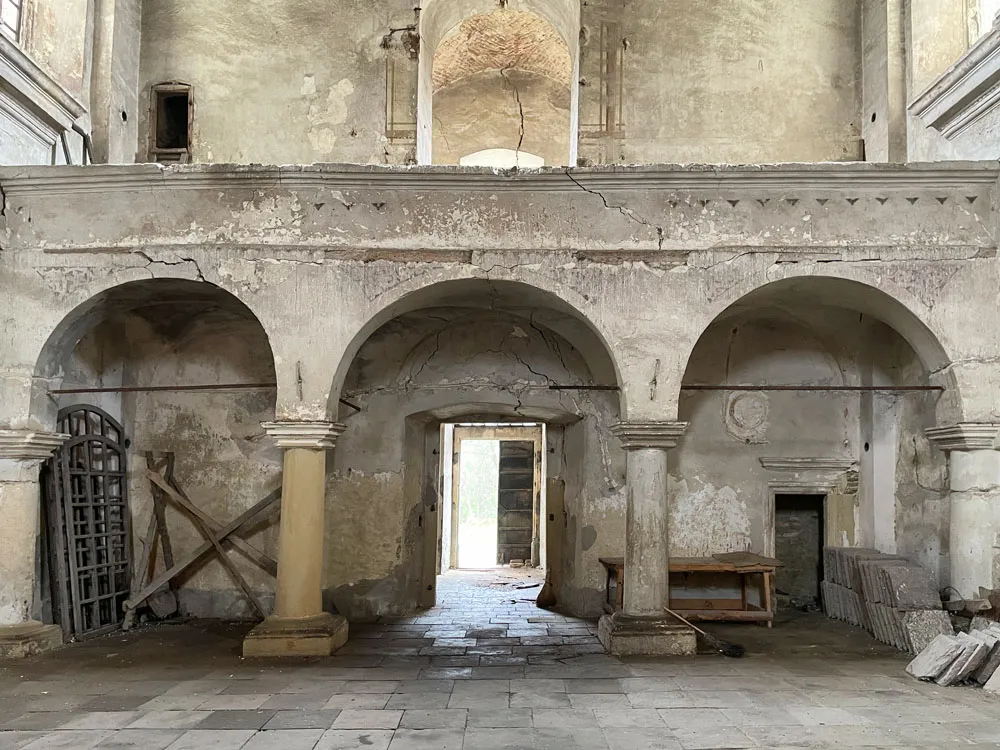
The church in Horodenka was rebuilt and reconstructed many times. Its oldest part is the sacristy, built around 1706. The side chapels, the choir loft and the windows were most likely added in 1743–1760. At that time the Church of the Immaculate Conception of the Virgin Mary was being built nearby, designed by Bernard Meretyn, court architect of Mikołaj Potocki.
Mikołaj Potocki was a generous patron who allocated funds for the construction of both Roman Catholic and Greek Catholic churches. He also gave generously to the Armenian ones.
The church held an icon of Our Lady of Częstochowa and one of St. Cajetan, famed for its miracles.
In 1779 the church was robbed so thoroughly that not even a chalice for celebrating Holy Mass survived.
On 16 July 1781 Pope Pius VI granted a plenary indulgence for all time to everyone who, on the Feast of the Assumption of the Virgin Mary, visited the Loreto Chapel at the Armenian church and prayed for harmony among Christians and for the spread of the glory of the Catholic Church.
In 1826 Father Grzegorz Bogdanowicz was installed as parish priest of Horodenka. For this occasion furnishings were bought for the church, which because of their splendour are mistakenly considered a gift from Mikołaj Potocki.
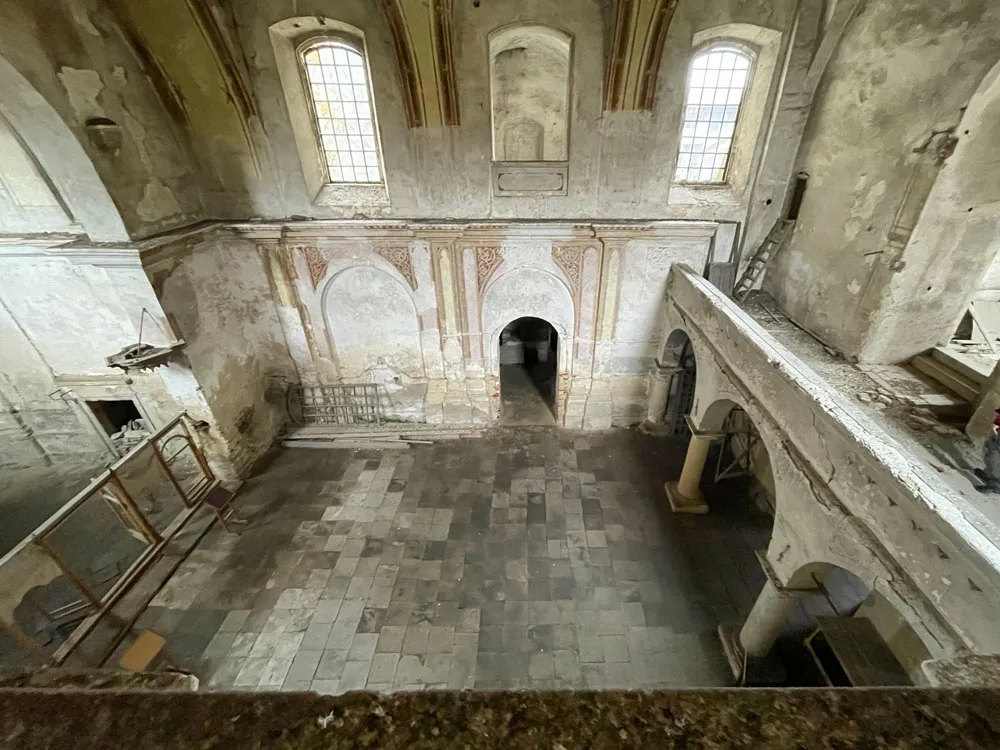
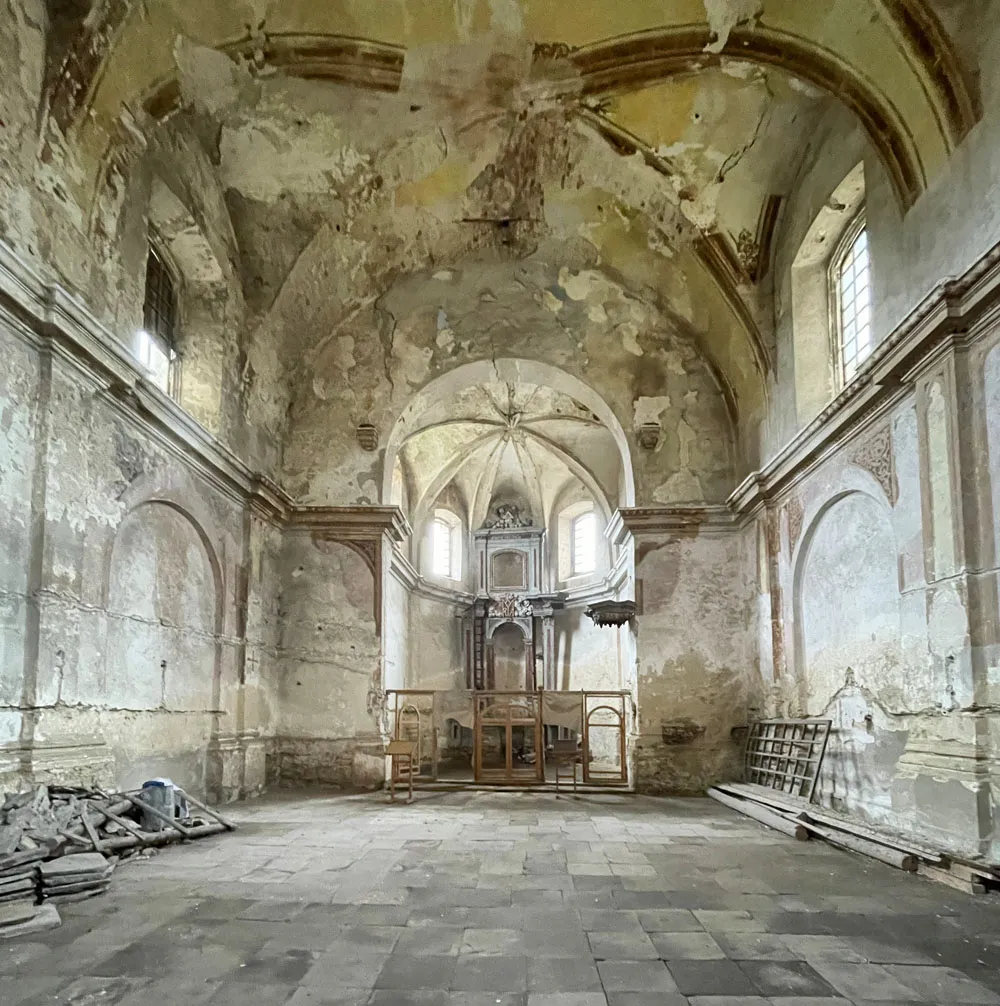
According to descriptions of the church, it was 14 fathoms long and 6.5 fathoms wide, with six windows and two chapels, of St. Gregory and St. Cajetan, each with four windows. The main altar bore an icon of the Immaculate Conception of the Virgin Mary painted on wood. On the right side was an icon of Our Lady of the Rosary, and on the left the Crucifixion of Christ.
The icons of St. George and St. Cajetan were also painted on wood. The Chapel of St. George housed an icon of Our Lady of Loreto, which had previously stood in the chapel beside the church.
The organ was donated to the church by Tadeusz Andrzejowski in 1811. The icon of the Mother of God once had silver vestments, and St. George a silver infula (mitre); both were surrendered to the imperial treasury in 1806.
A portrait of Mikołaj Potocki rose on the right side of the high altar.
In 1914 the parish in Horodenka included villages and towns with a total of 350 parishioners. Its priest was Father Karol Bogdanowicz, a canon of the metropolitan chapter and dean of Kuty. Prince Andrzej Lubomirski was also a patron of the church.
Besides the church in Horodenka, the parish included chapels in Pidvysoke (built by Abraham and Gertruda Abrahamowicz), in Bazar, Kosiv and Zhezhava (the latter consecrated in 1878).
The parish also included a private chapel in the cemetery in Chortkiv (built by Antoni Kostycki in 1888), a chapel in Zadubrivtsi (founded by Tomasz Piotrowicz in 1885, with the inscription: “For the vicar of the Armenian Catholic rite at the church in Horodenka”), and chapels in Kolinky and Honcharove.
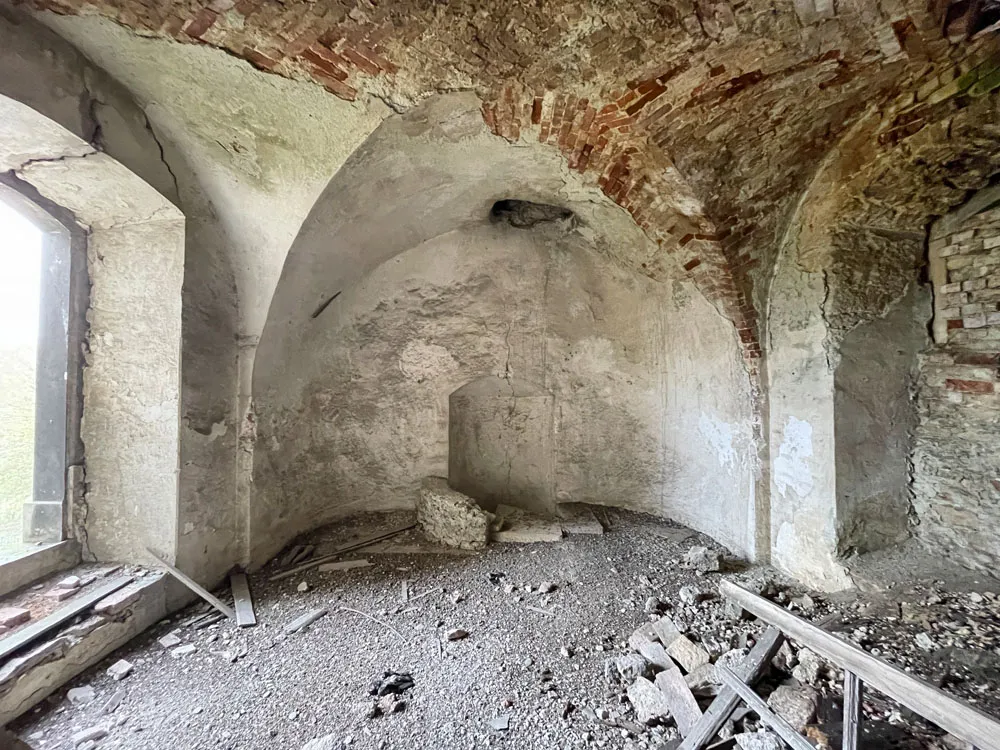
In Horodenka itself, beside the church, stood the Chapel of Our Lady of Loreto, where the sacraments were celebrated even before the church was built. In the first half of the 19th century it lay in ruins. In 1879 it was restored and roofed with shingles. It was renewed again in 1921 thanks to the efforts of the parish priest Karol Bogdanowicz.
In the 1920s the church began to decline for lack of parishioners. Several of the most valuable 18th-century chasubles belonging to the church were transferred to a museum in Lviv.
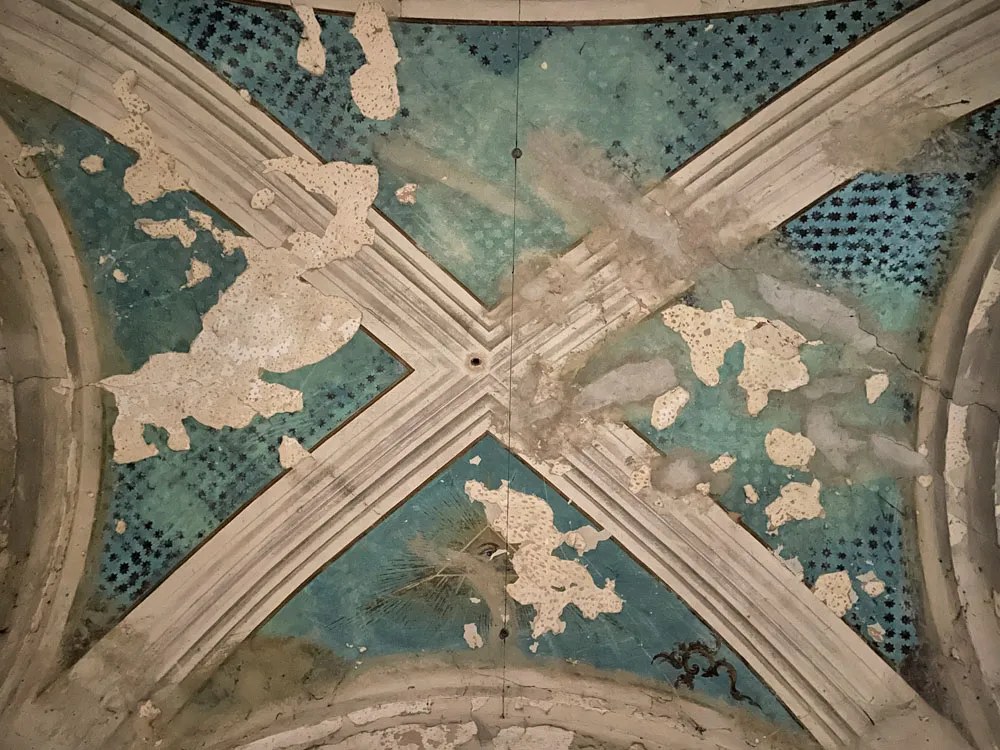
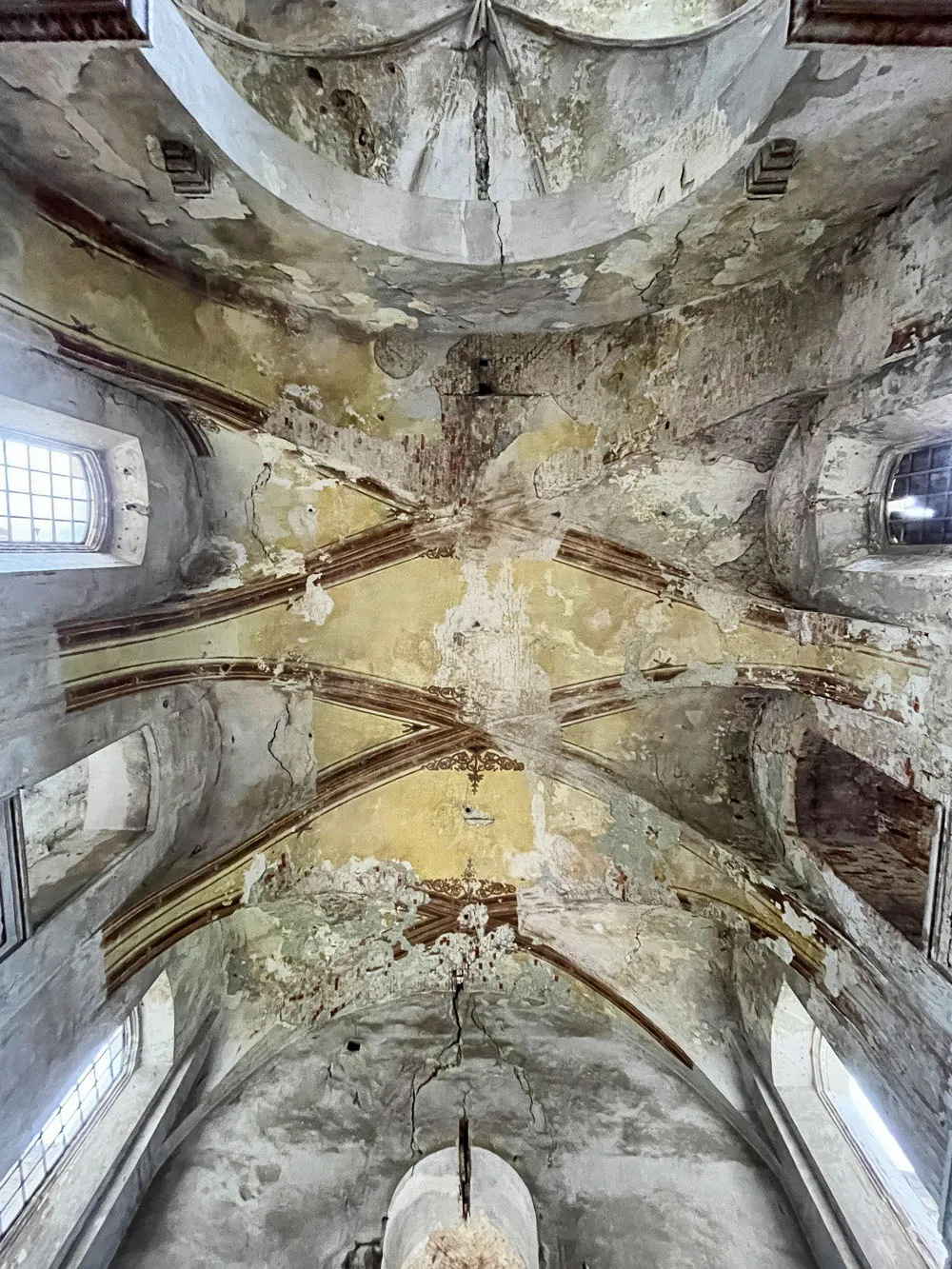
In 1928–1935 the administrator in Horodenka was Father Adam de Rosko Bogdanowicz. In 1931 he began a general renovation of the church: the walls were reinforced, gutters installed, lighting added, and fireplaces fitted for winter heating. The plan was to restore the interior of the church as well. The records mention that “the interior was very damp, the sacristy neglected, and the church furnishings poor.”
From 1935 the administrator was Father Walerian Bakowski, who died during the war, on 6 January 1941. After his death the parish was without a priest for half a year, and the Germans used the church as a warehouse for property looted from Jews.
In 1942 Father Kazimierz Michał Roszko became administrator; he reopened the church to the faithful and saved the chapel from destruction by repairing it.
After the war, in June 1945, Kazimierz left for Poland together with his parishioners, taking part of the church’s furnishings: a 17th-century icon of St. Cajetan, an icon of Our Lady of Częstochowa (founded by the Łukasiewicz family) and a wooden bas-relief of Our Lady of Loreto.
The Armenians of Horodenka settled first in Piskowice and later in Gliwice, where the local authorities gave them the old hospital church of the Holy Trinity.
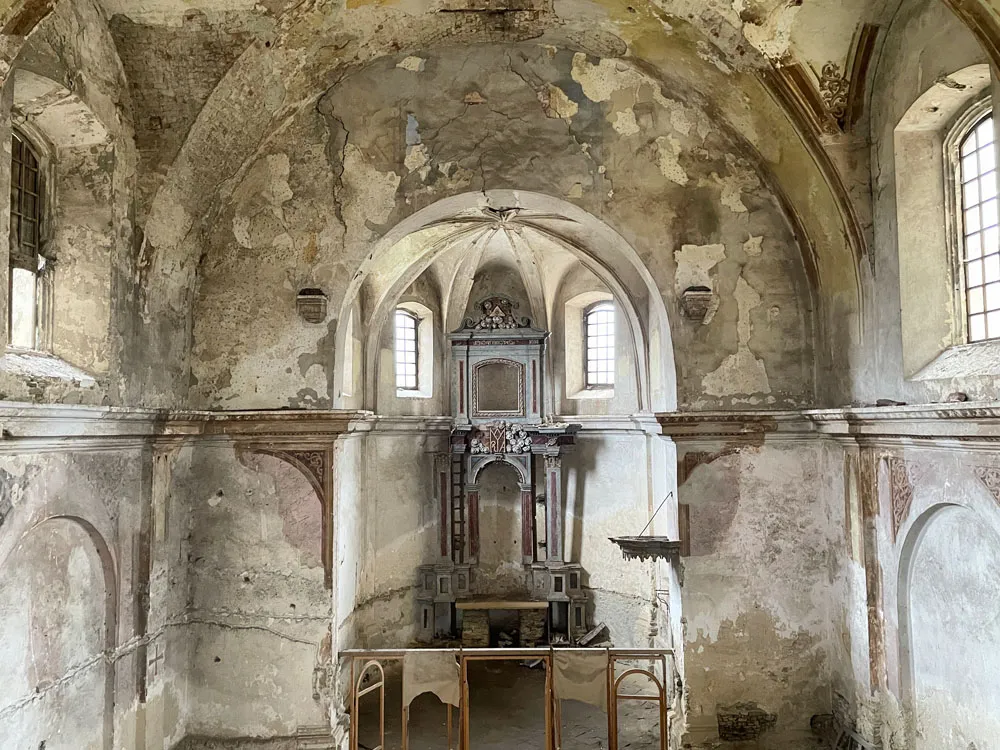
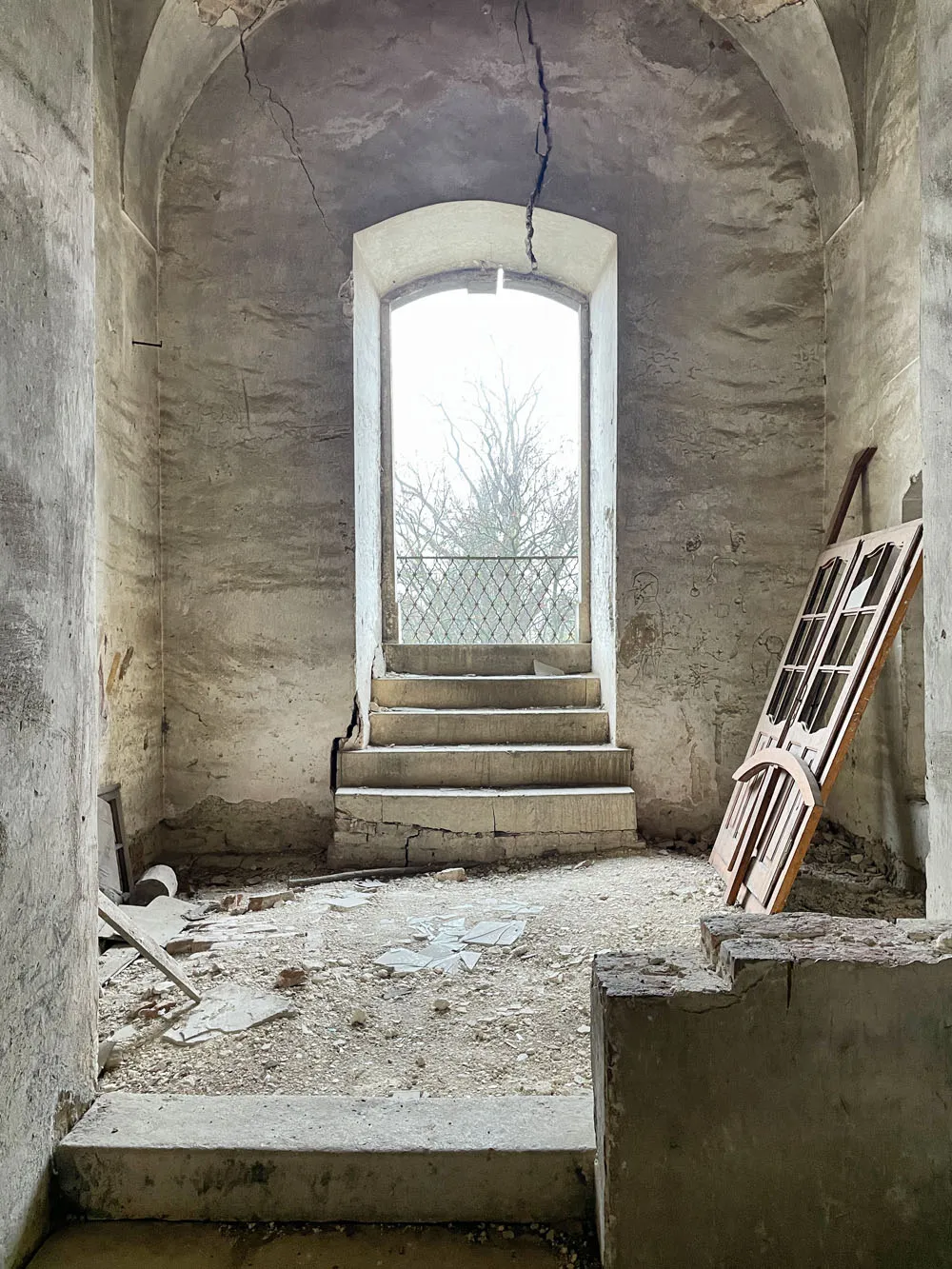
The parish house of the Armenian Catholics in Horodenka was destroyed at the end of the Second World War. Not far from the church lay an old park, where a Polish gymnasium stood. The Russians turned it into a military hospital, which the Germans bombed on 25 March 1944. After the building was destroyed, no trace of the gymnasium remained, and a crack appeared in the church wall.
Under the communist regime the church served as a warehouse.
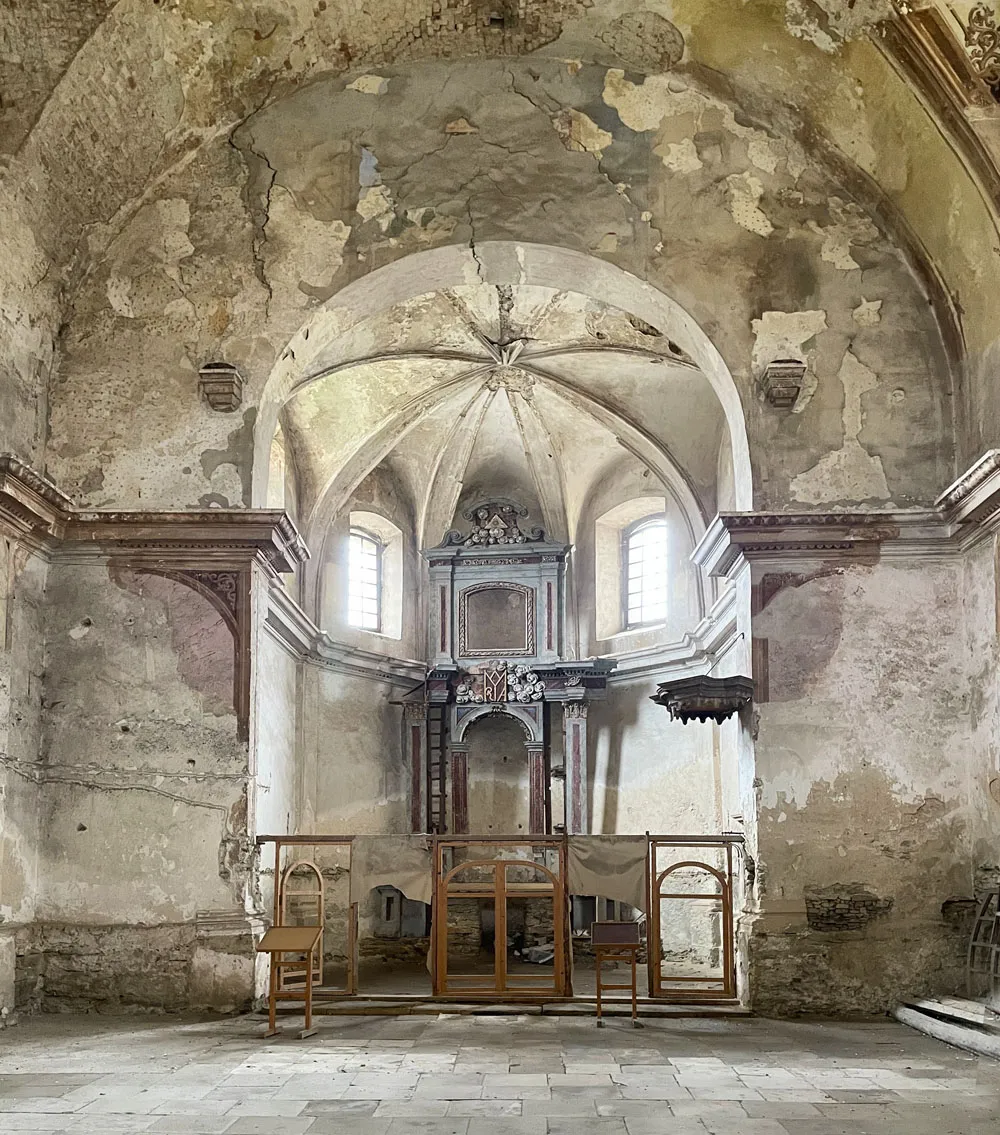
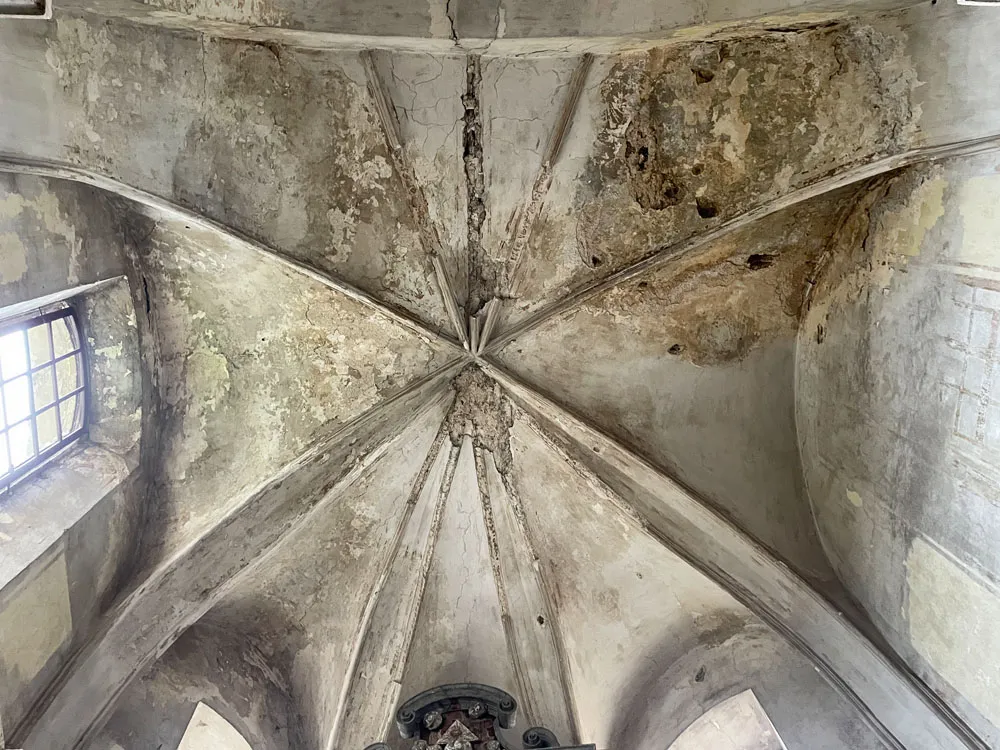
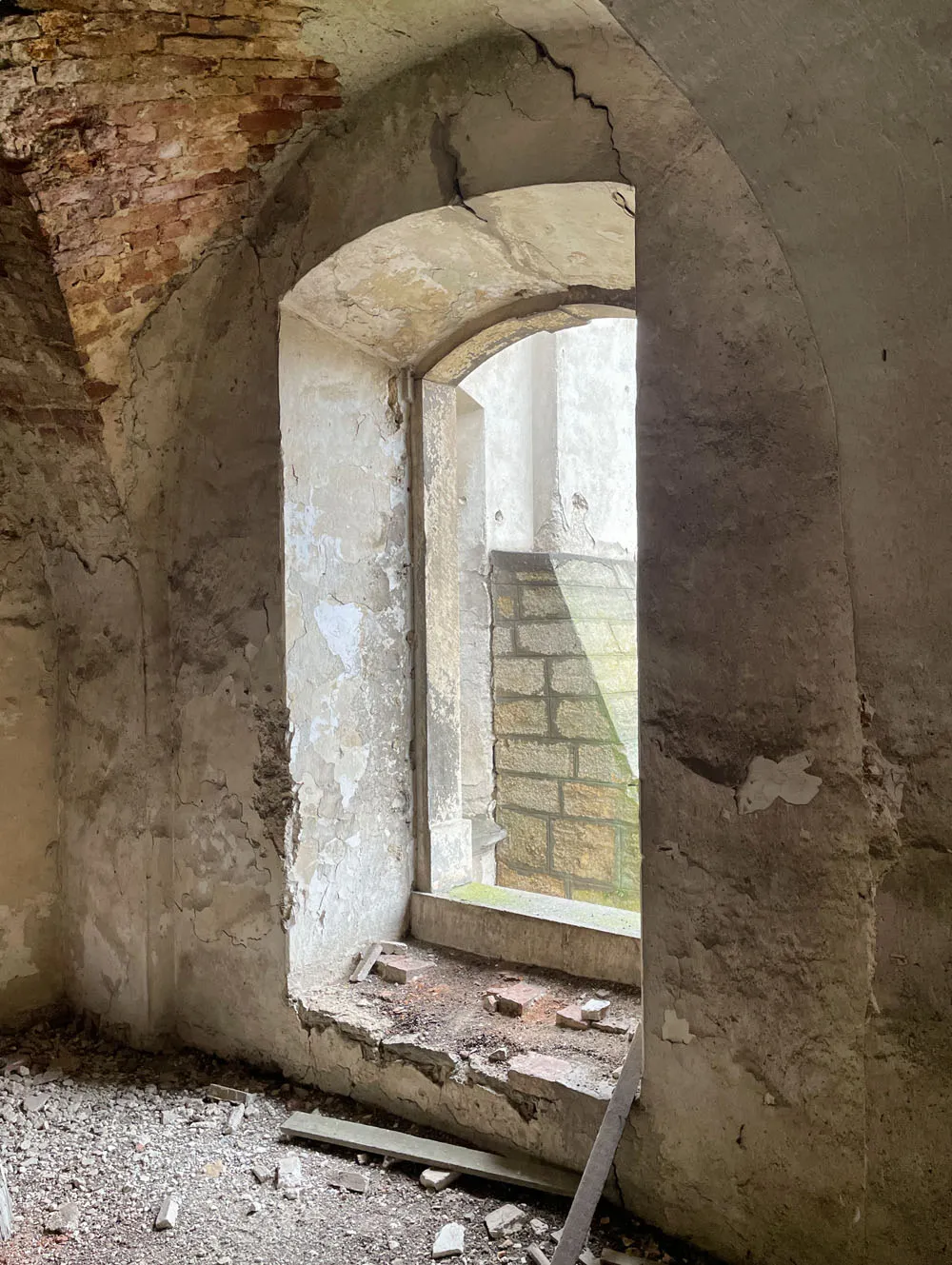
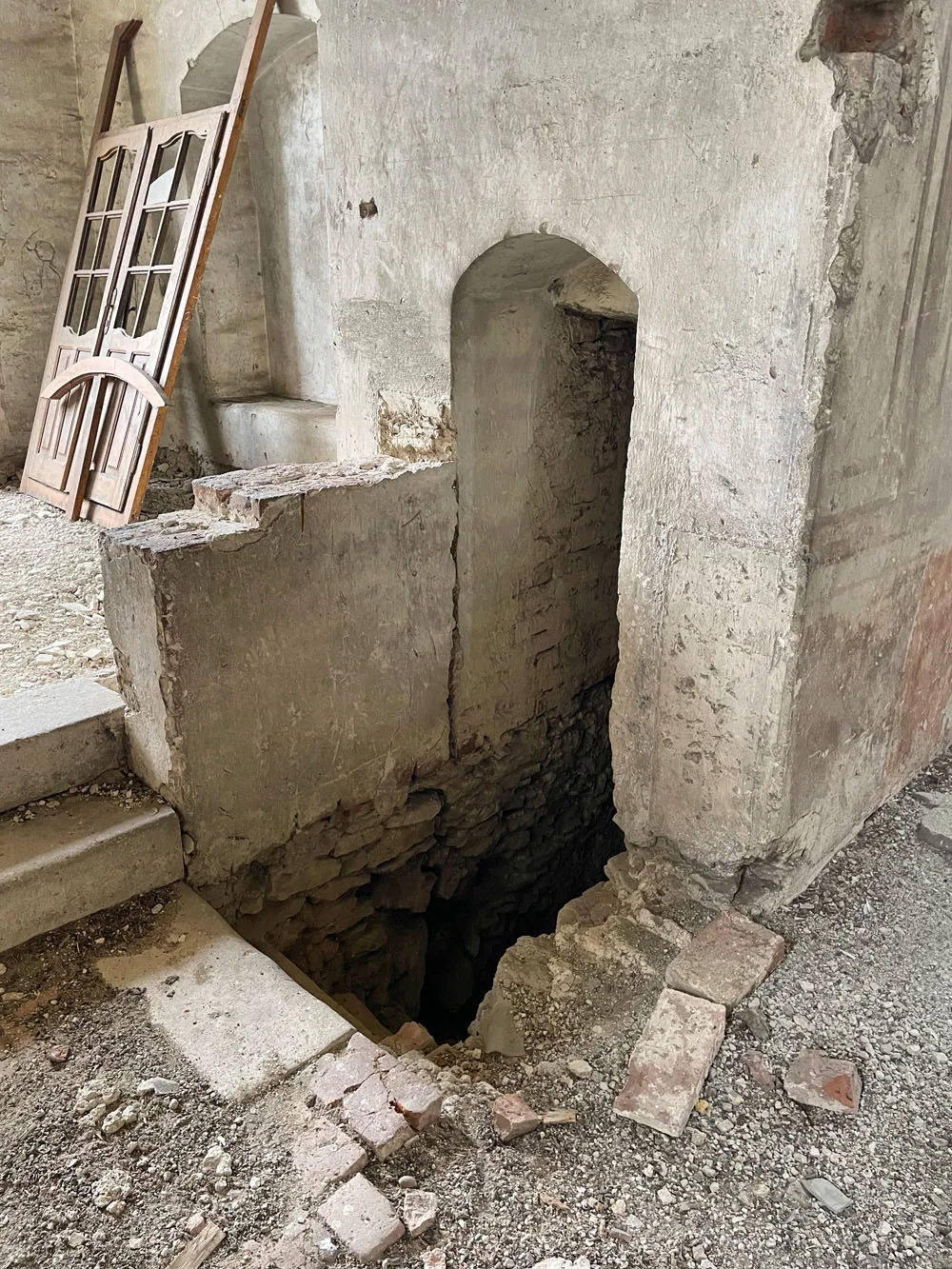
Now it is closed: the windows are barred, the walls are shabby, and the roof is falling apart.
There used to be an old Armenian cemetery beside the church. During later rebuilding of the church it was removed, and the gravestones were used as building material. On the one hand, a traditional Armenian gravestone, a rectangular slab, is a ready-made building block; on the other, there was a belief that if a monument was used for a church, it benefited the soul of the deceased.
A few years ago a fragment of the cornice collapsed. Volodymyr Burdeniuk, a historian from Horodenka, immediately examined the fallen stone block. It turned out to be an Armenian gravestone! The epitaph read: “21 March/May (the letter M may stand for the month marzec or maj) 1709. Here rest the body and bones of Shchesna Krzysztofowiczówna.”
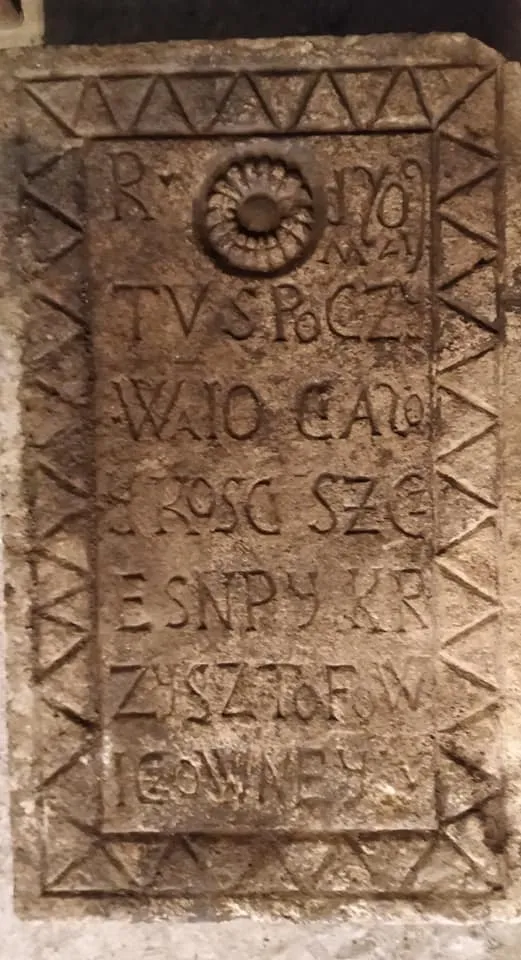
As Volodymyr Burdeniuk explained to Ukraine Incognita, the Krzysztofowicz family is a very well-known Armenian family. The historian does not rule out that this is the gravestone of one of the first Armenian burials in Horodenka.
We should note that this article about the church is also based on Mr. Volodymyr’s research.
Photos: Roman Malenkov


