

Vrublivtsi, the Ternava and the “Podillian fjords”
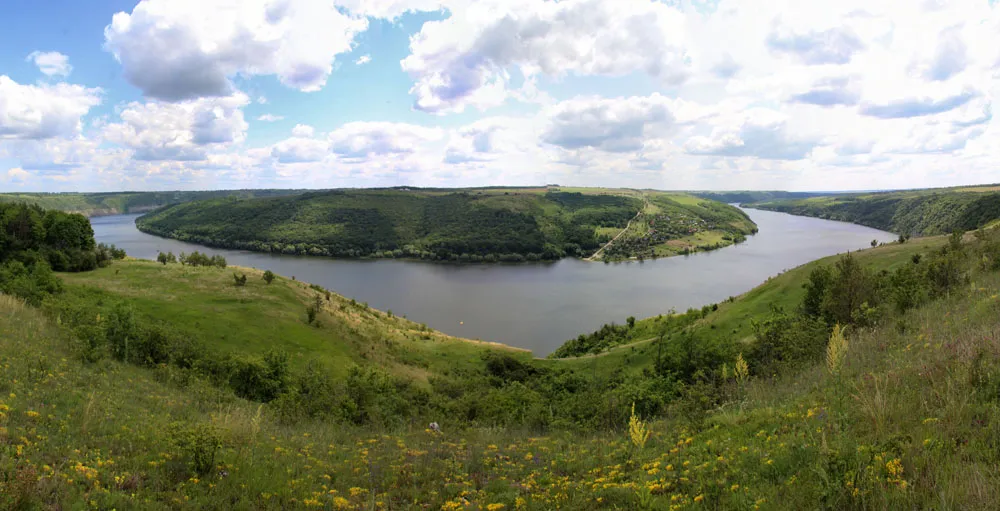
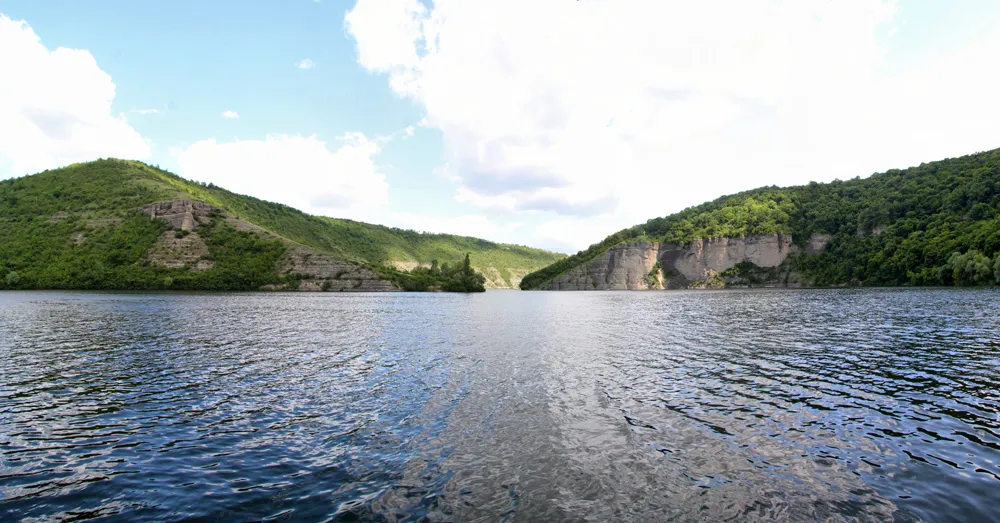
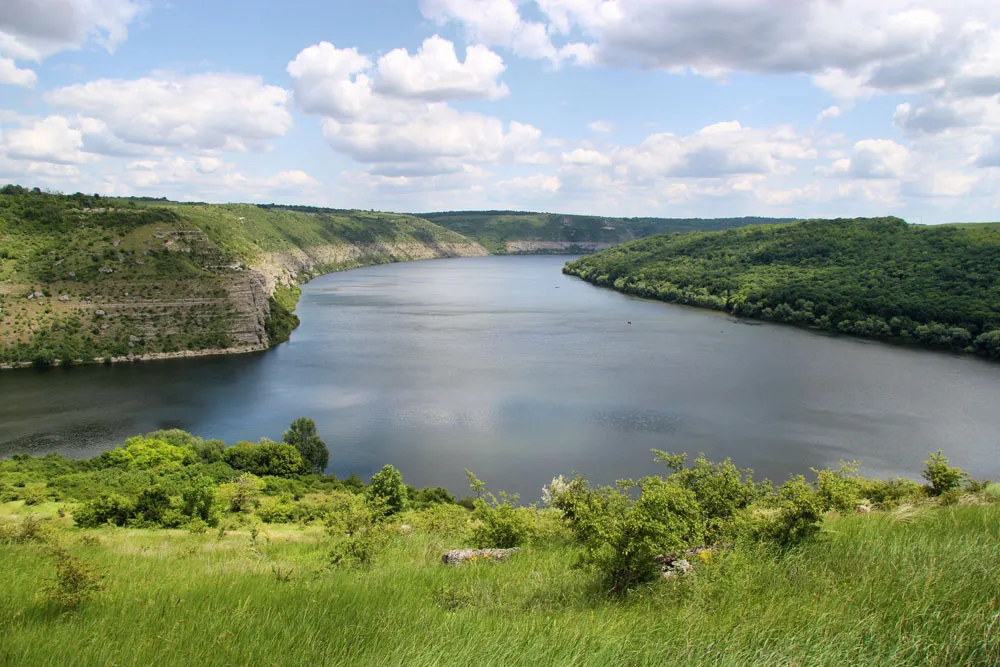
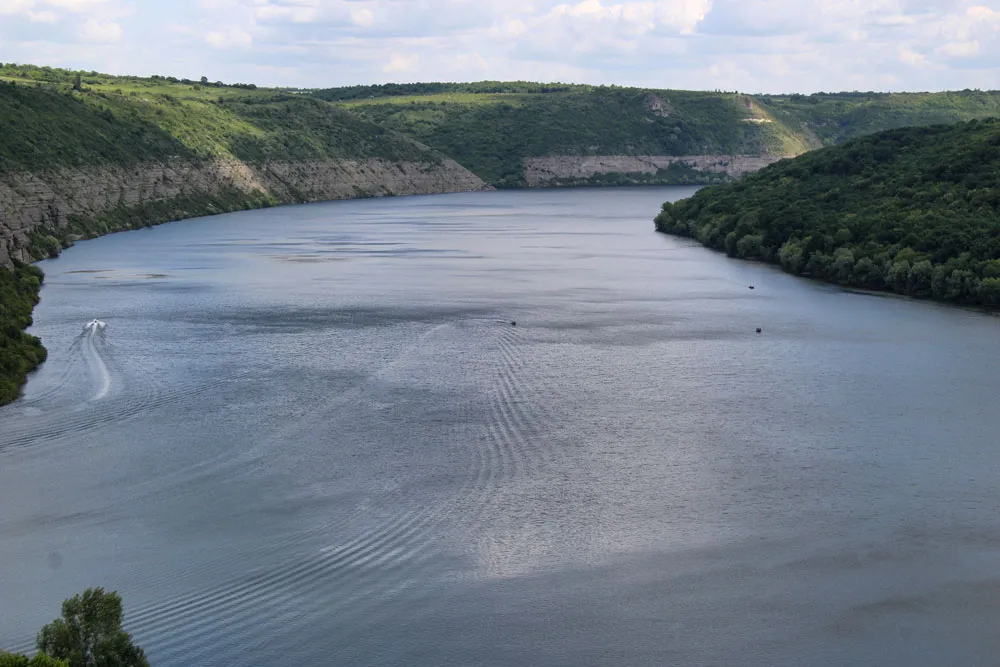
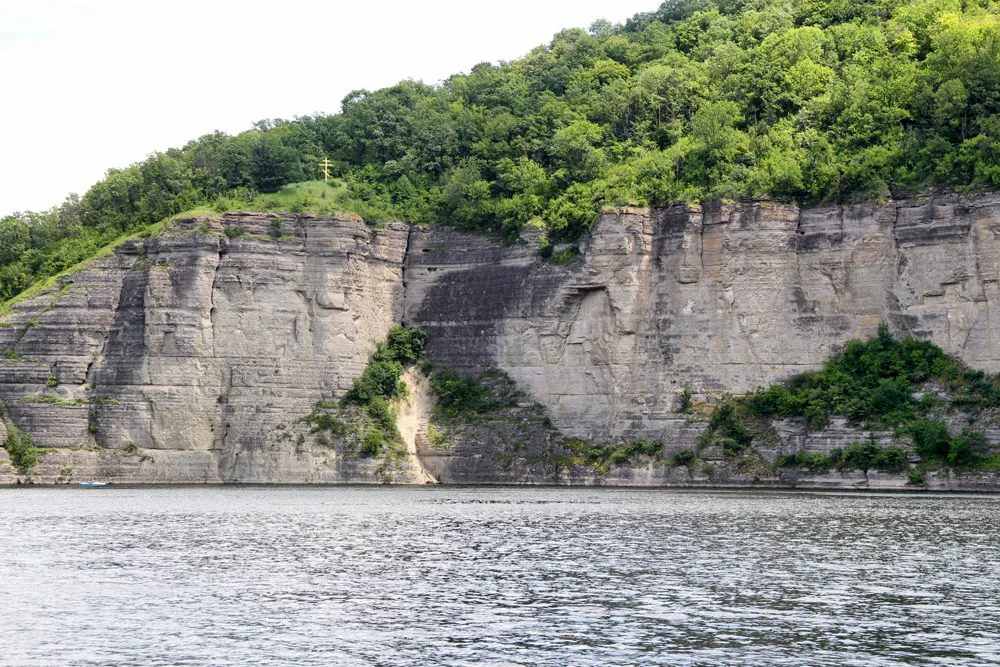
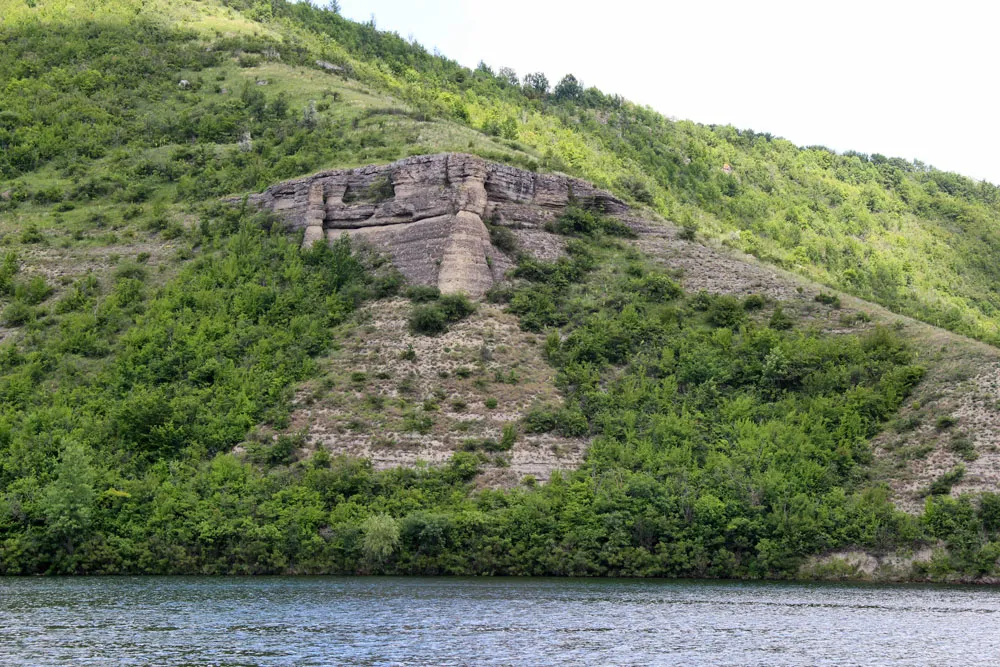
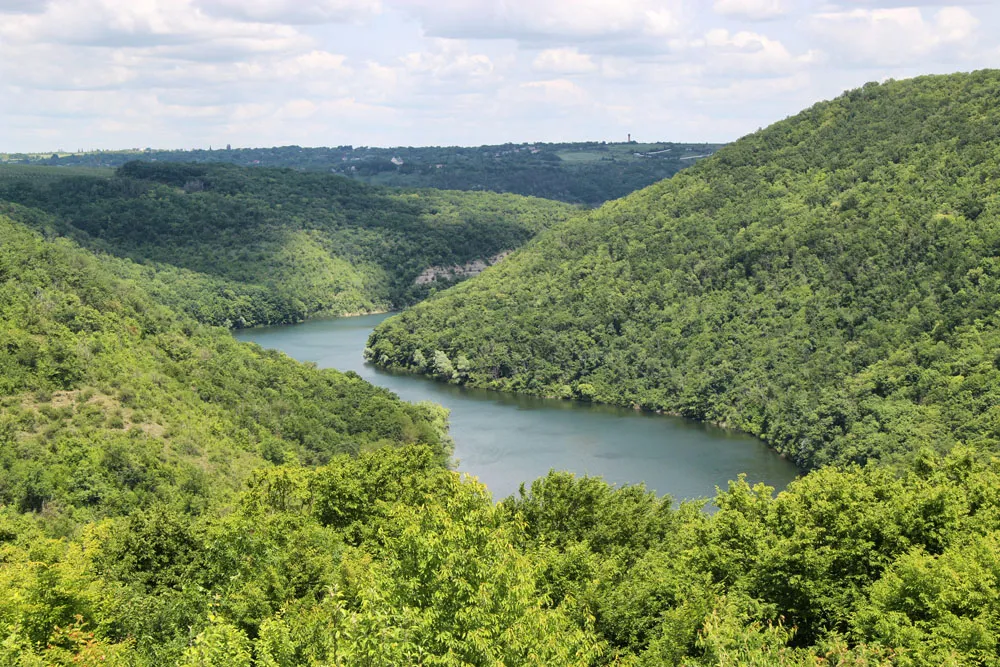
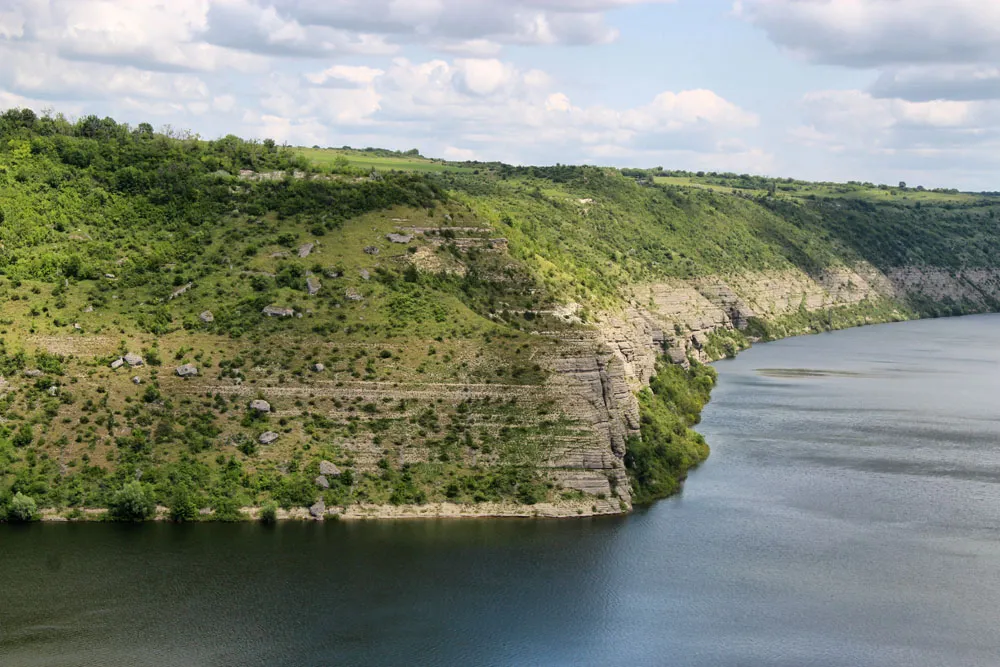
The village of Vrublivtsi lies by the Ternava River some 15–17 kilometres south-east of Kamianets-Podilskyi. It would seem that, being right next to one of the tourist capitals of Ukraine (and indeed of Central and Eastern Europe), there should be tourists here like ants in an anthill. For this village is famous for landscapes of incredible beauty. The kind where wherever you cast your eye, you want to cry out with delight. We will not describe them. There are photos: admire them and envy us for having seen it live!
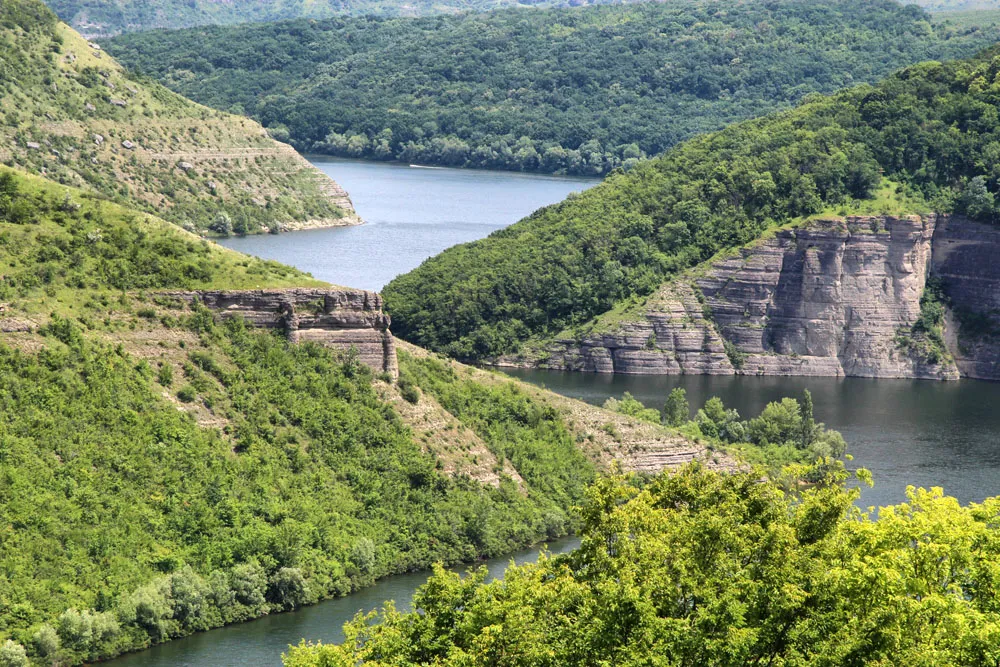
But these places are protected from an onslaught of tourists by their difficult accessibility. To get here you must want it VERY much. And it is not bad to have an off-road vehicle, too. The NGO “Ukraine Incognita” team always has more than enough desire to peek into some backwater and crawl into the wilds. And the off-road vehicle was quite appropriately provided by the partner of the expedition to Khmelnytskyi Oblast, Toyota Ukraine.
Besides landscapes and natural monuments, there is also no shortage of historical ones here. But mostly these are archaeological sites, and they are hidden from a casual eye. Although in fact what lies before you may be not just a hill but a camp of mammoth hunters or a settlement of the Trypillia culture… But all of that is deep in the ground.
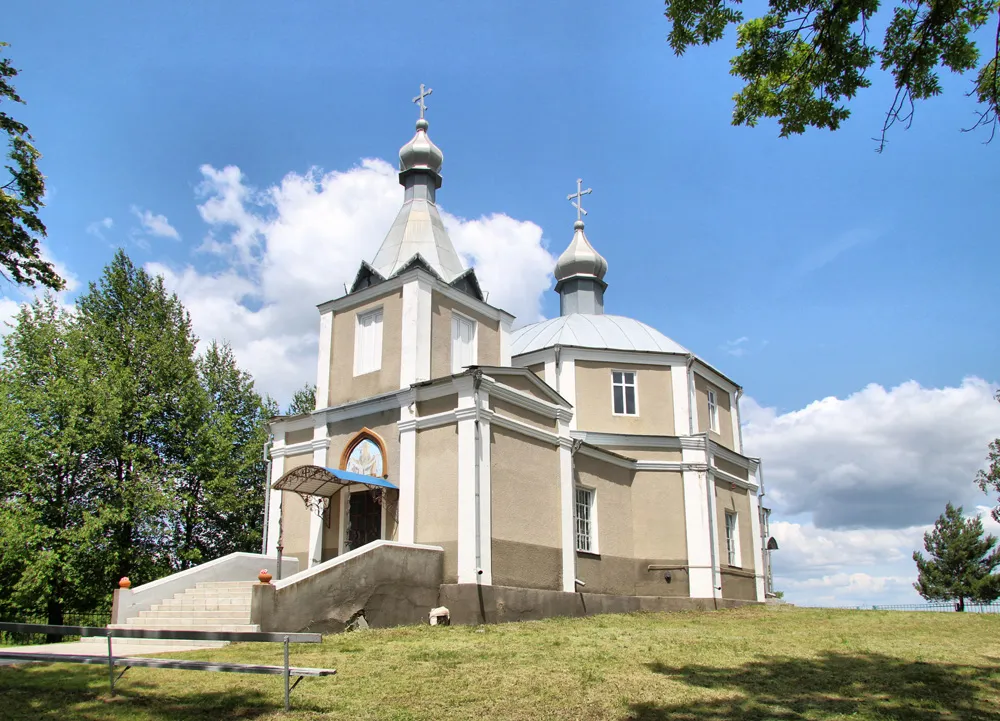
Of the monuments that can be seen, one should single out only the Church of the Intercession. The first Church of the Intercession was built here as early as the 1730s. It was wooden, with three domes, erected at the expense of parishioners under the direction of the former local Uniate priest Yevstafii Tysovych. In 1821 it was destroyed by fire. At that time construction of a new church began, carried out at the expense of parishioners and with the support of the landowner Maria Kryzhanivska. The church was placed in a new location, on a hill at the south-eastern edge of the village. It was consecrated in 1830 and was a small stone, round, single-domed building with a canopy on 12 columns of hewn stone around it.
In 1899 the church was rebuilt: extensions for the altar and the middle part were added to the round building at the expense of the local landowner General Yesaulov and parishioners. The iconostasis in the church was originally daubed with clay and whitewashed with lime. In 1842 a better iconostasis was made, which, in turn, was replaced by a new one in 1879.
But the main highlight of Vrublivtsi is still its natural landscapes. The deep canyon of the Ternava, surrounded by cliffs and flooded by the waters of the Dniester Reservoir, will leave no one indifferent!
Photos by Roman Malenkov


