

Yampil. The mystery of the cemetery
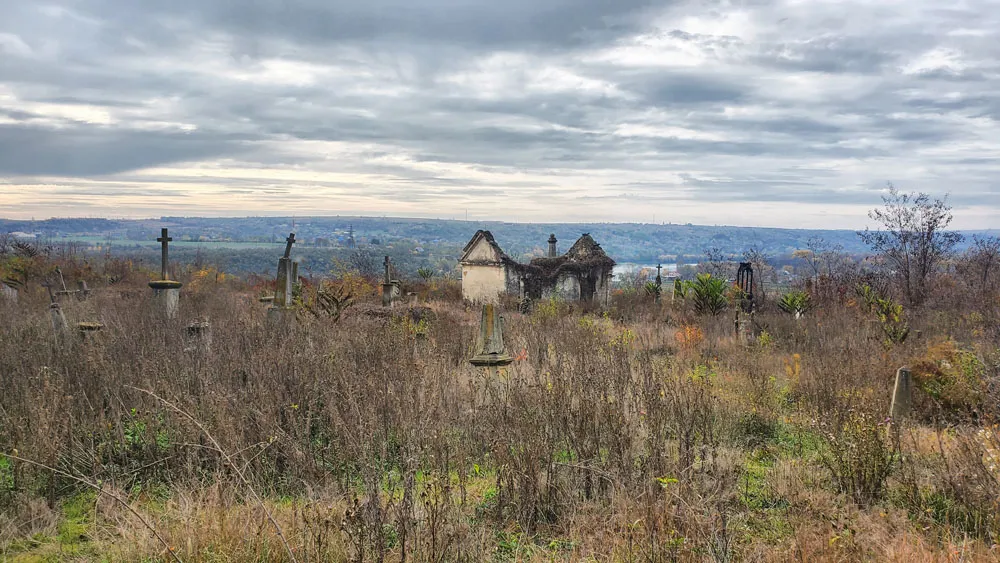
The sign and the mark on the map indicated that this cemetery was Polish. Zabytkowy polski cmentarz w Jampolu. That is how it showed itself to us right away: Polish gravestones that can be classed as factory-made, Polish epitaphs… Overall the cemetery turned out to be huge – we measured its area on Google Maps and it came to more than seven hectares.
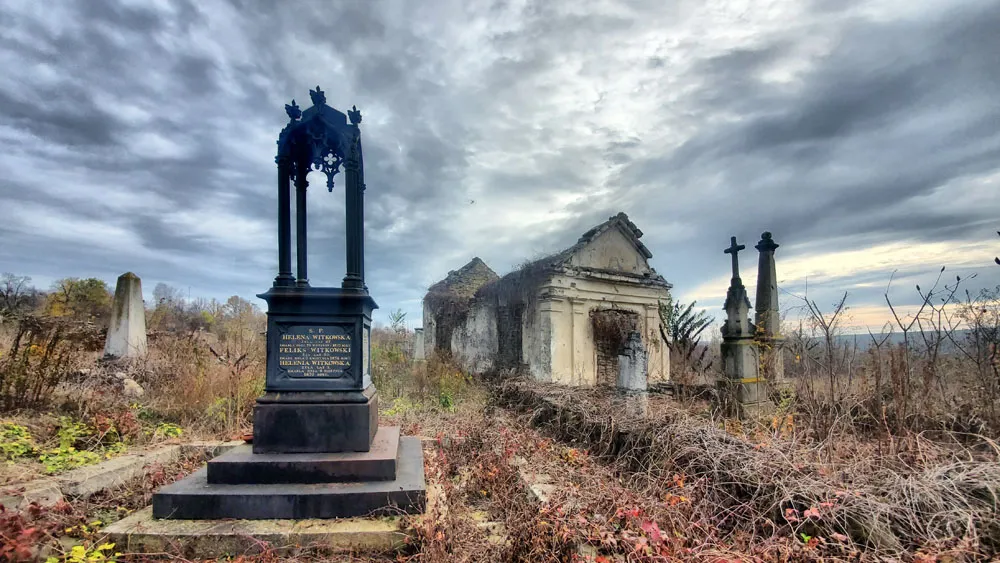
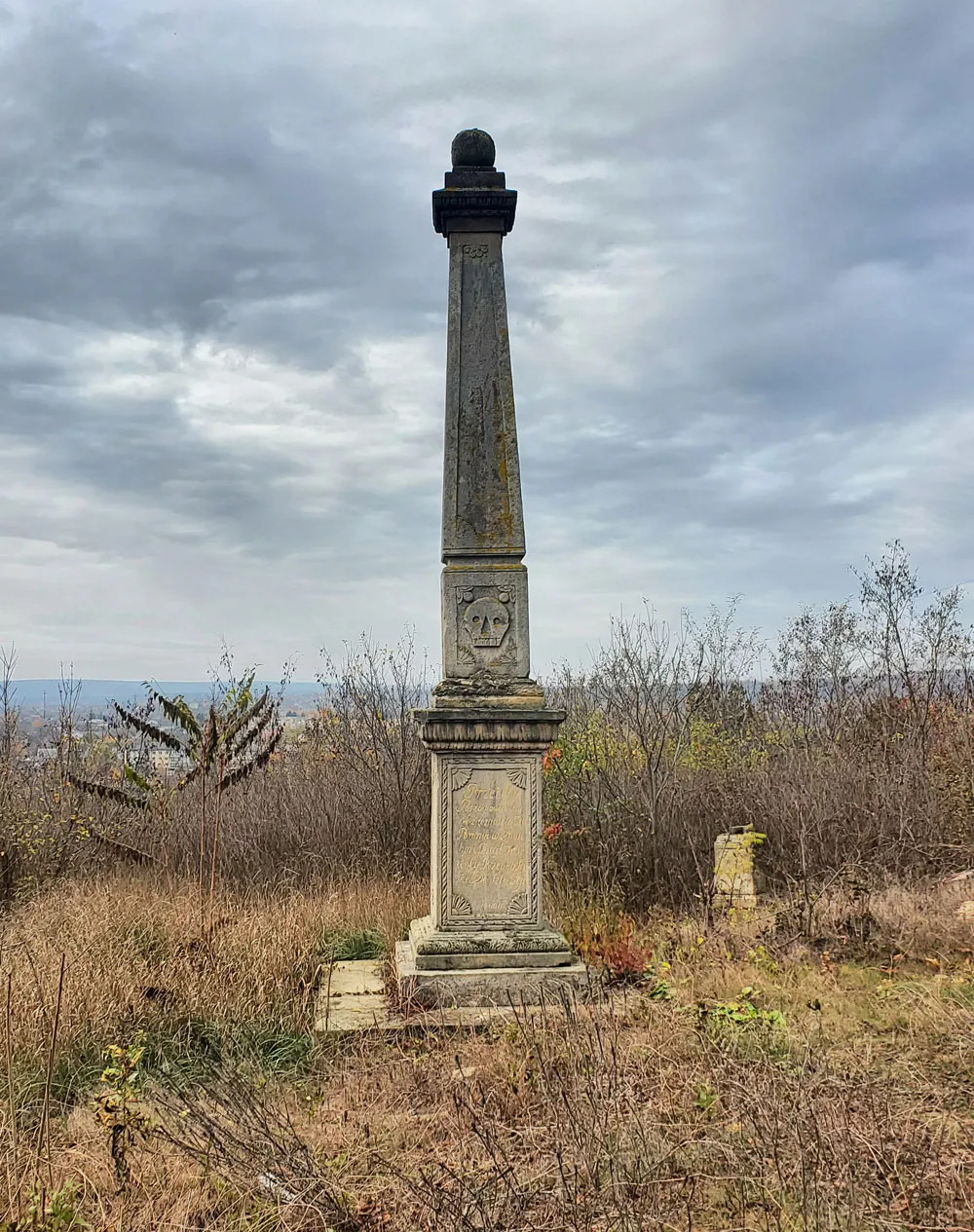
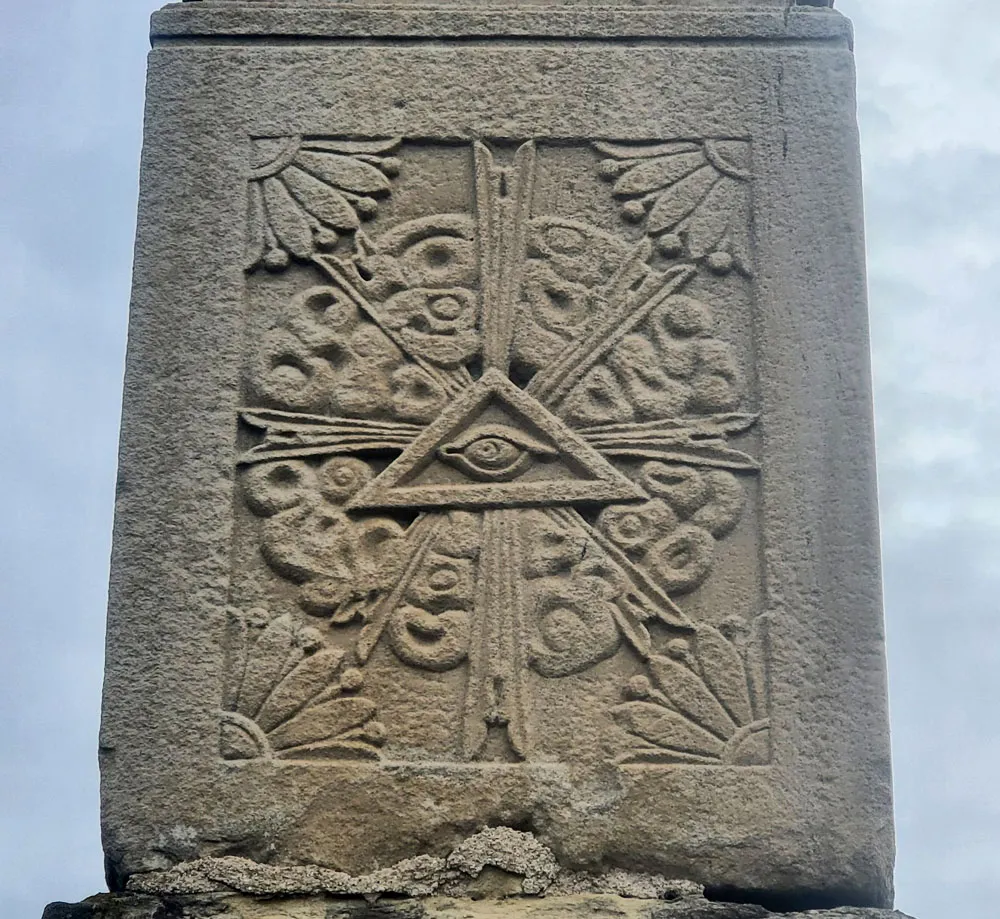
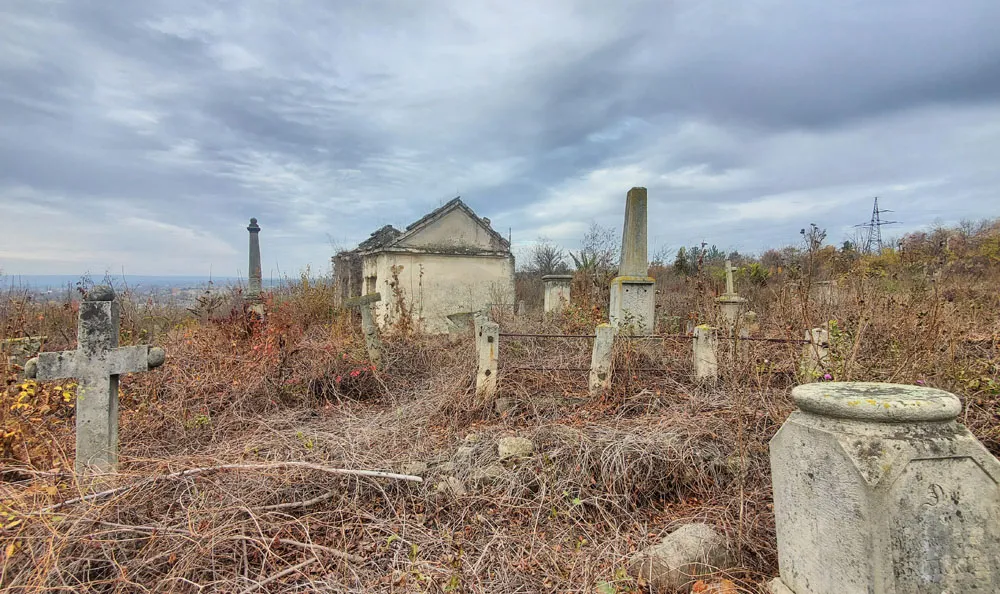
The first impression that this was an utterly ordinary Polish cemetery proved deceptive: its central part, quite large in area, is not ordinary at all. The dominant role here is played by a half-ruined chapel, a tall stele with Masonic symbols and several dozen Polish family tombs – everything looks so mystical and enigmatic that you feel as if you were in one of the parts of “The Omen” (the Hollywood film about the coming of the Antichrist).
The greatest mystery of the Polish cemetery in Yampil is not the Masonic symbolism, which, although not entirely usual for Polish cemeteries, is found fairly often. The greatest mystery is the dozens of Templar-type cross pattée crosses – crosses Cossack in form. Moreover, some bear epitaphs in the Latin alphabet, but quite a few have inscriptions in Cyrillic, both ordinary and Church Slavonic. What are they doing in a Polish heritage cemetery?
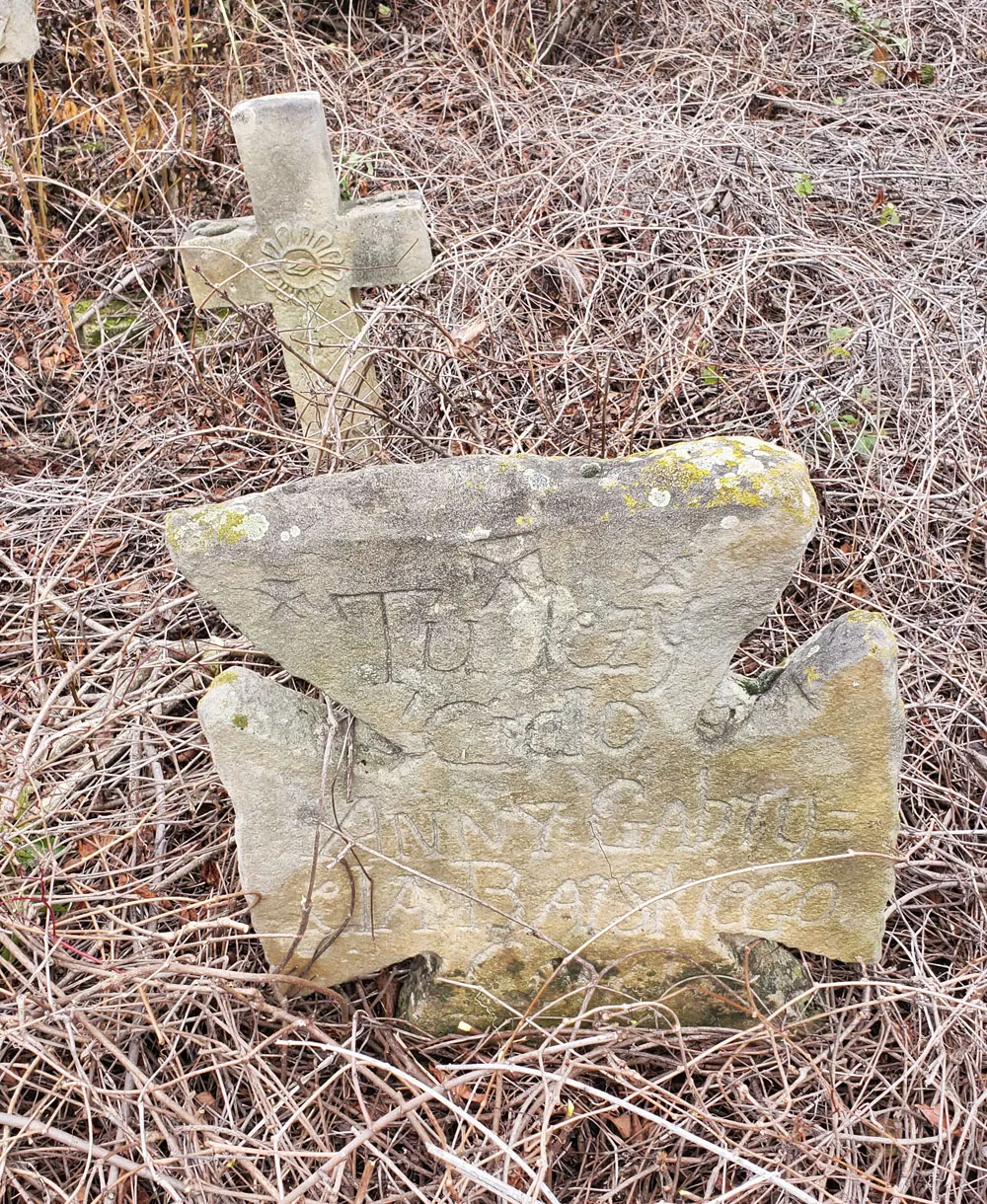
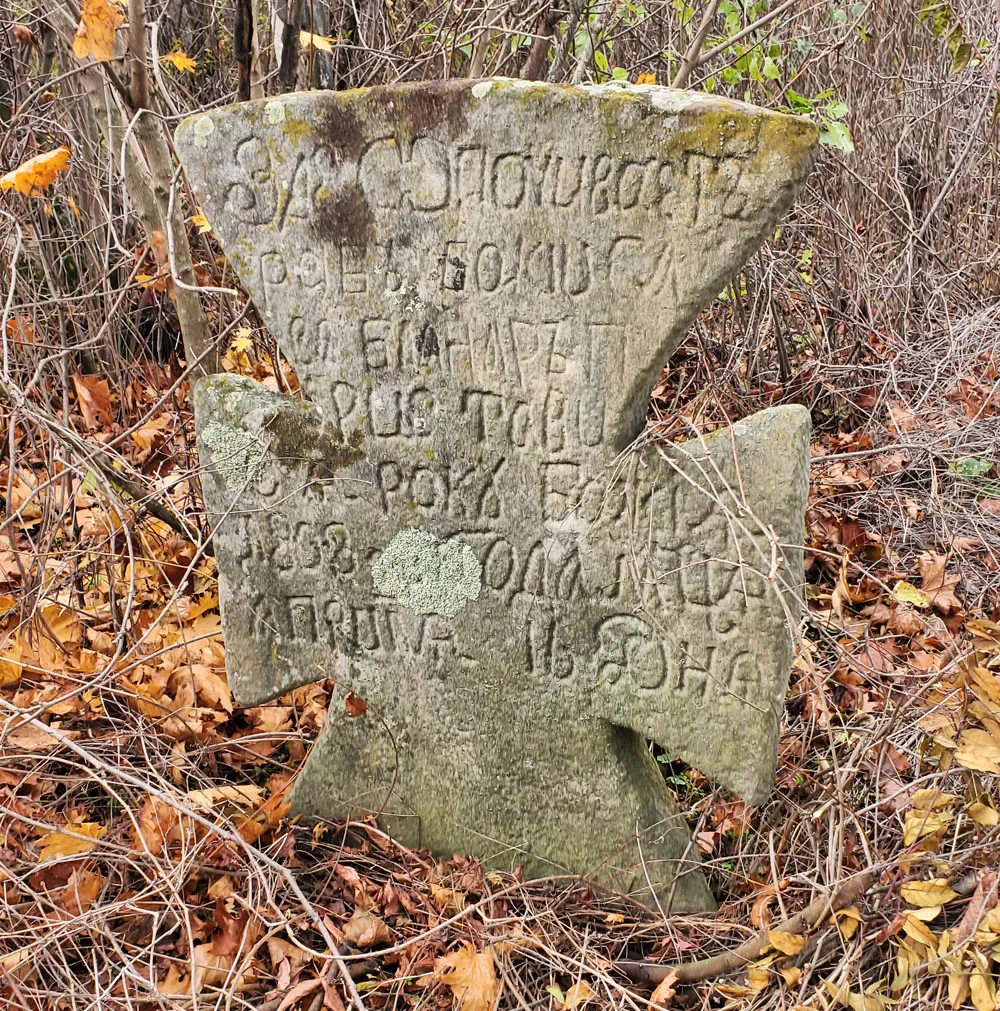
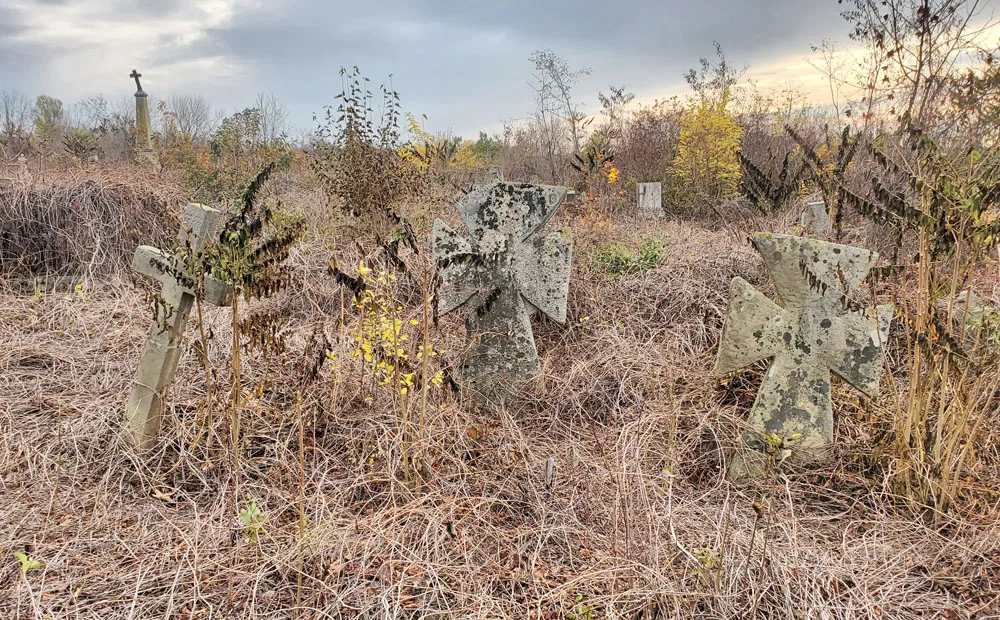
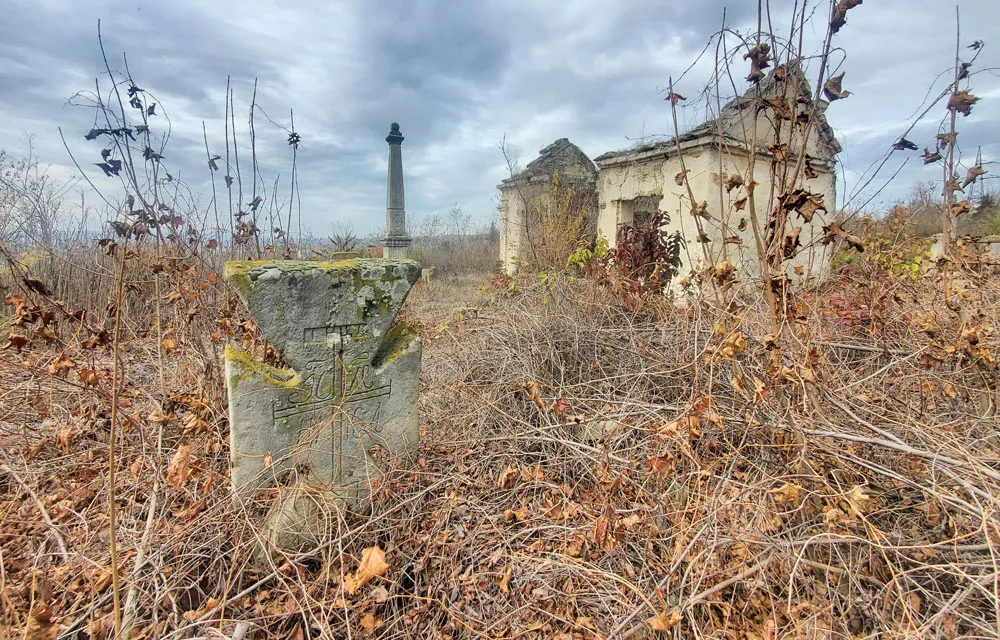
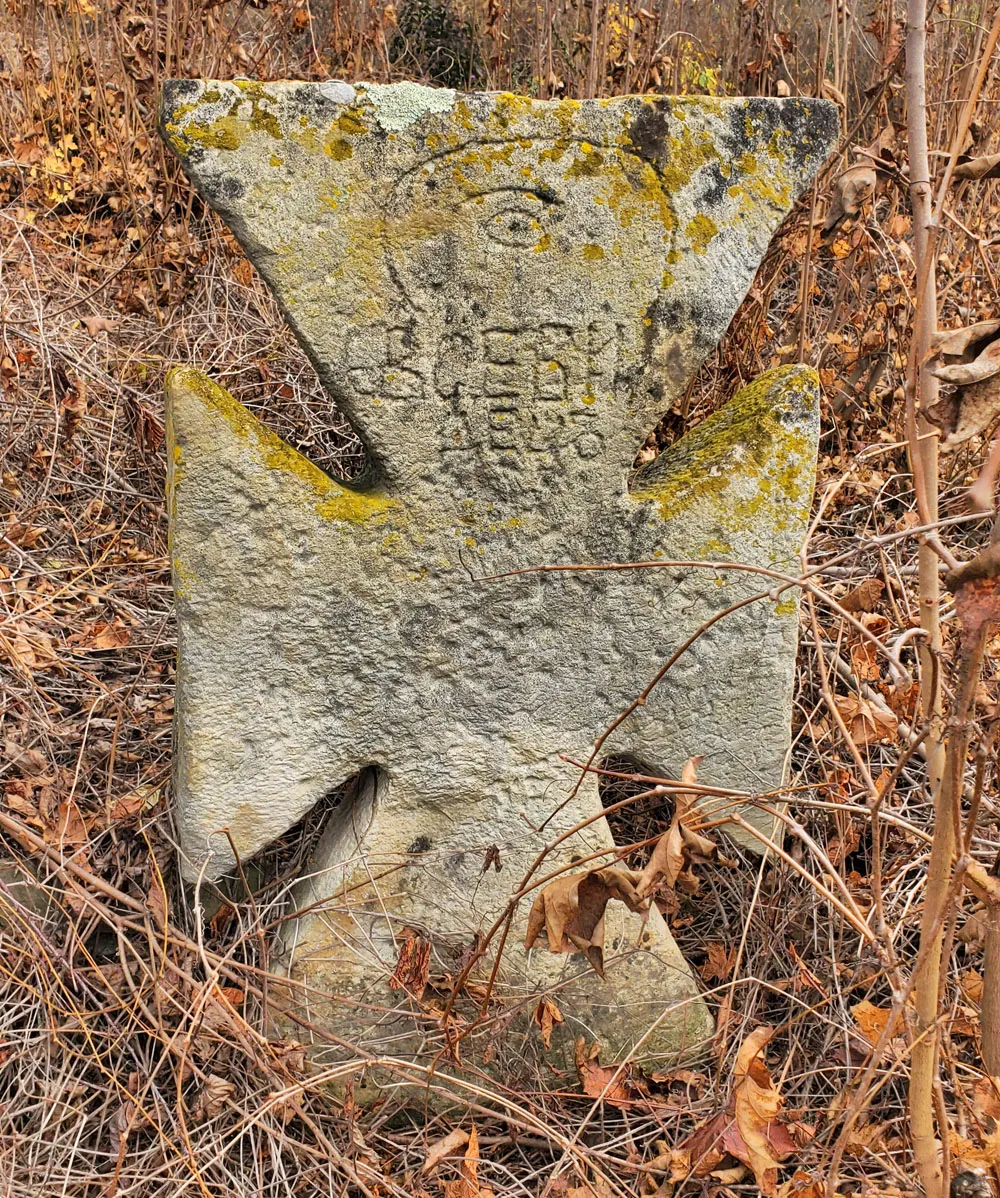
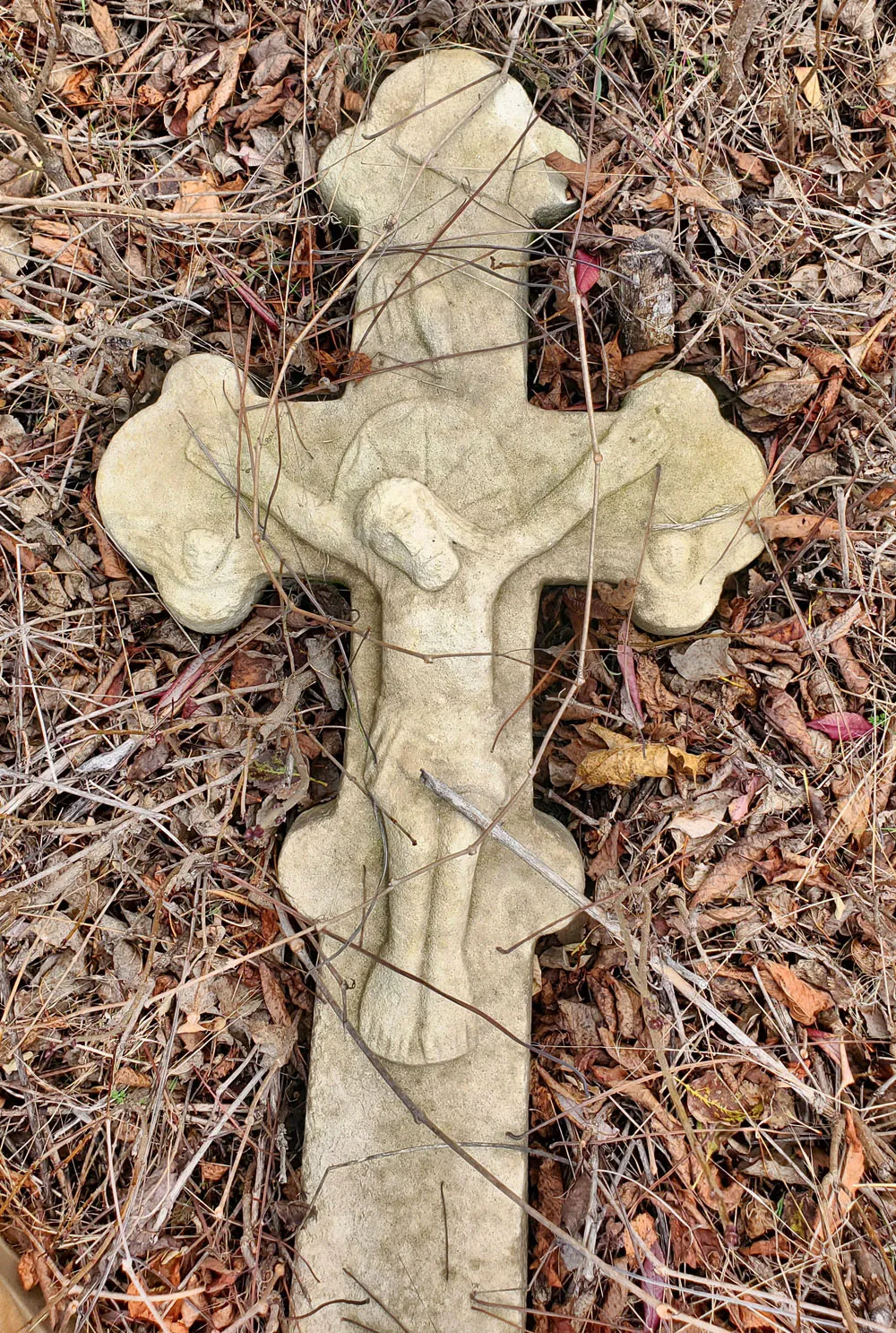
We asked our Polish friends and colleagues whether the cross pattée, the knightly cross, is common in cemeteries in Poland. The answer was that it is not found there at all. Its presence in the Polish cemetery of Yampil could be explained by the fact that the stone-carving workshops and masters in Podillia were Ukrainian, and so they offered the cross pattée to all Christians. Later, in the Ternopil region and the east of the Lviv region, we found plenty of confirmation of this assumption: we saw Cossack crosses on Polish graves in many settlements. But the cemeteries there are often mixed, with Greek Catholic and Roman Catholic graves frequently side by side. In Podillia the cemeteries are separate, so why did the one in Yampil turn out to be mixed?
Most of the gravestones with Cyrillic epitaphs date from the 1830s and later. It was then, after the Polish uprising, that the Greek Catholic Church was banned in the lands under Russian rule. Dioceses, parishes and churches were converted to Orthodoxy. Some Ukrainian Greek Catholics did not want to join the Muscovite church and registered themselves as Poles in the census, and accordingly received a place in the Polish cemetery. Even earlier, people did the same to avoid becoming serfs: Poles were not enserfed, so they registered as Poles, and Poles were Roman Catholics… It is all very tangled, but we see the confirmation in the cemetery that the people of Yampil consider Polish, as if somehow foreign. That is not quite so: a considerable number of the burials in it are Ukrainian.
Text and photos by Roman Malenkov.
See many more photos of the Yampil cemetery in our photo gallery


