Zaklików. Shadows of forgotten ancestors

· 4 min read
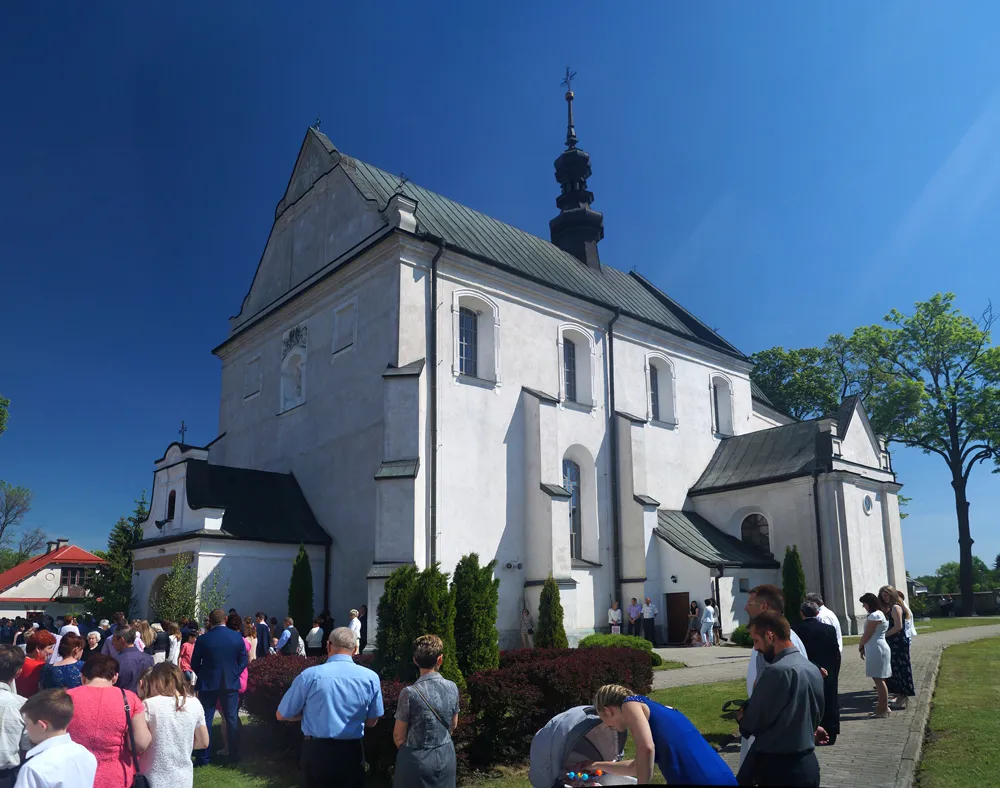
I would call Zaklików a model Polish small town: it has a Market Square, several churches, forests and marshes all around, lovely spotless ponds with places for fishing and picnics, with islets and gazebos, a few nice little hotels and a few pleasant restaurants. Such towns are calm and quiet on weekdays and come alive at weekends and holidays, when tourists and holidaymakers arrive from the big cities. For Zaklików that city is Lublin: the hotels work precisely for residents of the voivodeship capital. The restaurants, too, are mostly visited by tourists; locals go there only for weddings or funerals. But the locals’ life loses its sleepy, stagnant pace on Sunday, when all of Zaklików puts on its Sunday best early in the morning and goes to church. After the service people disperse to their homes to carry on celebrating, sometimes breaking their fast after Lent.
Fasting is a serious matter. Every Catholic must observe it, and serve guests lenten food. Our local friends, for example, treated us on a Friday, when they always fast, to cabbage with fried fish, from the local ponds at that. Delicious. There is also a fish restaurant here, where they advise ordering the local freshwater fish: carp, crucian carp, tench. Very tasty, and the cabbage too.
By the ponds there are several hotels, one of which, “Żabi Młyn” (the Frog Mill), has been developed from a genuine water mill, with the lower windows at water level. Cool: this is how to use antiquity, beautiful, colourful and profitable.
The Market Square is lined with two-storey buildings of the interwar period, in one of which lives an elderly lady we know. She is over eighty, the stepmother of our older friend, and came here from somewhere in the Lemko region. We once visited her on a friendly call and were pleasantly surprised by her good Ukrainian, her clear mind and a laptop with YouTube on, playing a programme with Karpachov. There are a few Ukrainians here, mostly those resettled during Operation Vistula. They have assimilated considerably, speak mostly Polish and no longer remember their ancestors very well. They have forgotten. Though not all. For example, the organiser of the local judo club, who has his own training hall and a little house on an island, speaks Ukrainian, visits relatives in Ukraine, somewhere in the Ternopil region, and even follows our political situation. Others, by contrast, have turned into “native” Poles and admit to no one their Ukrainian roots.
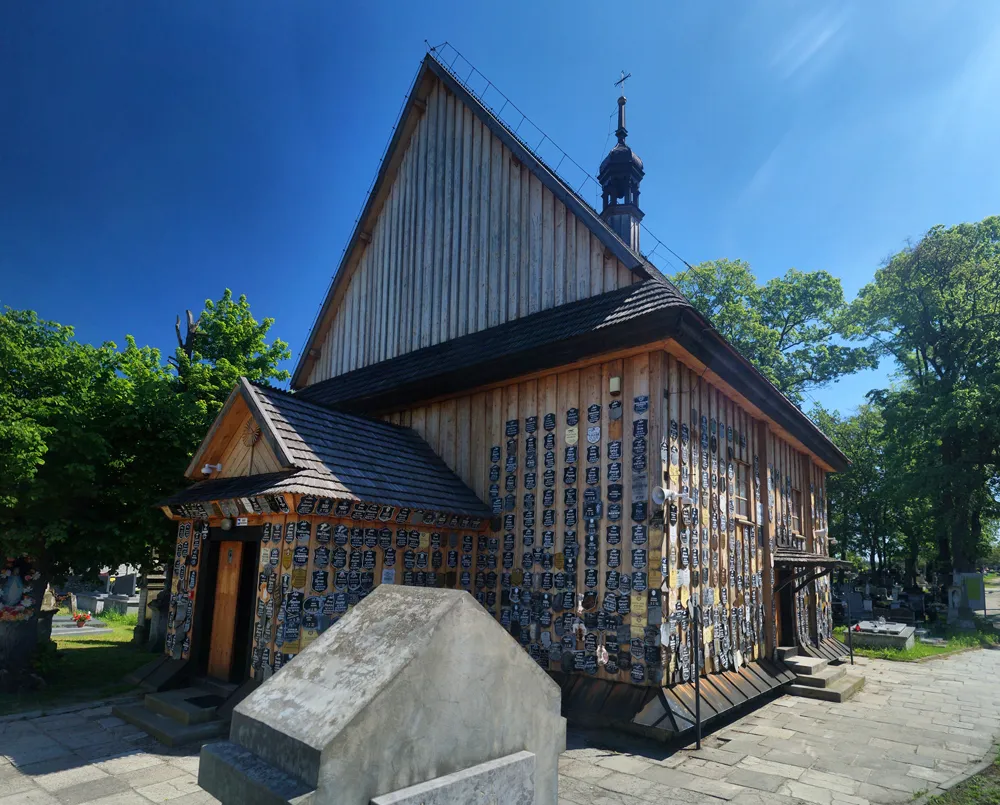
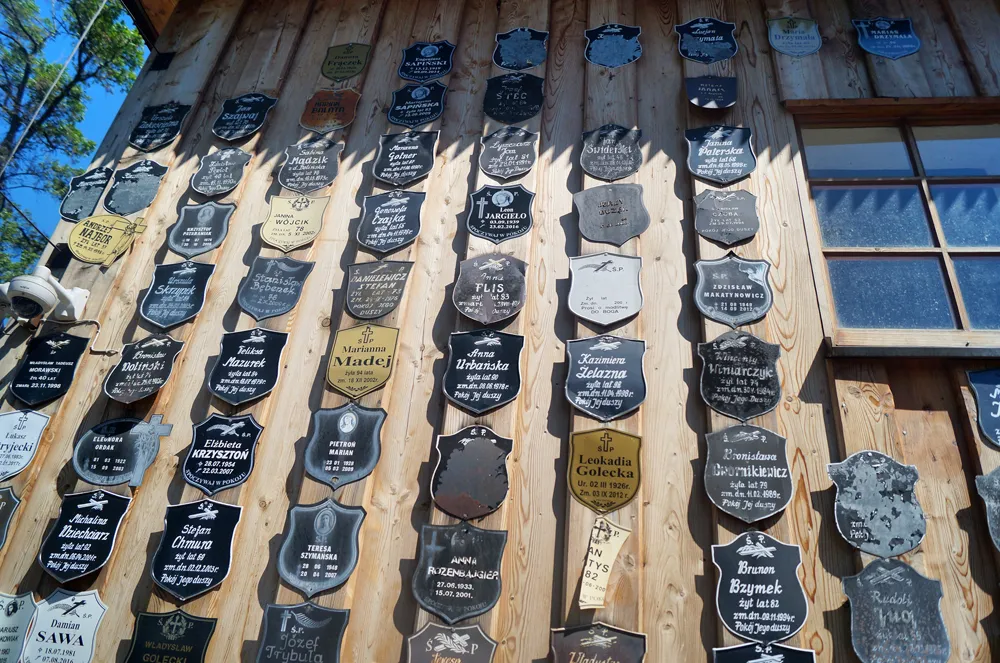
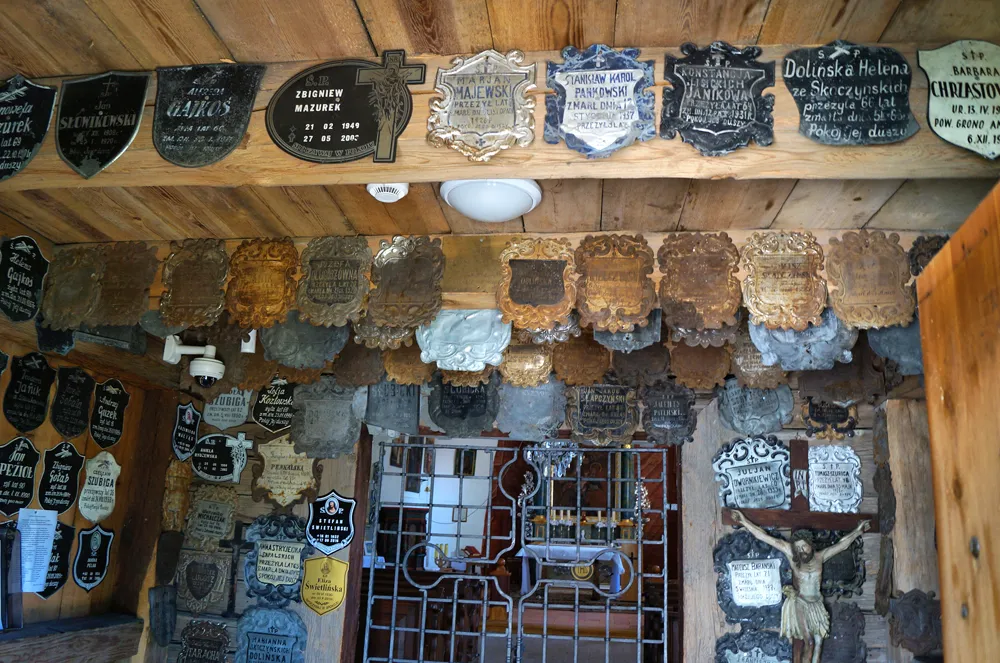
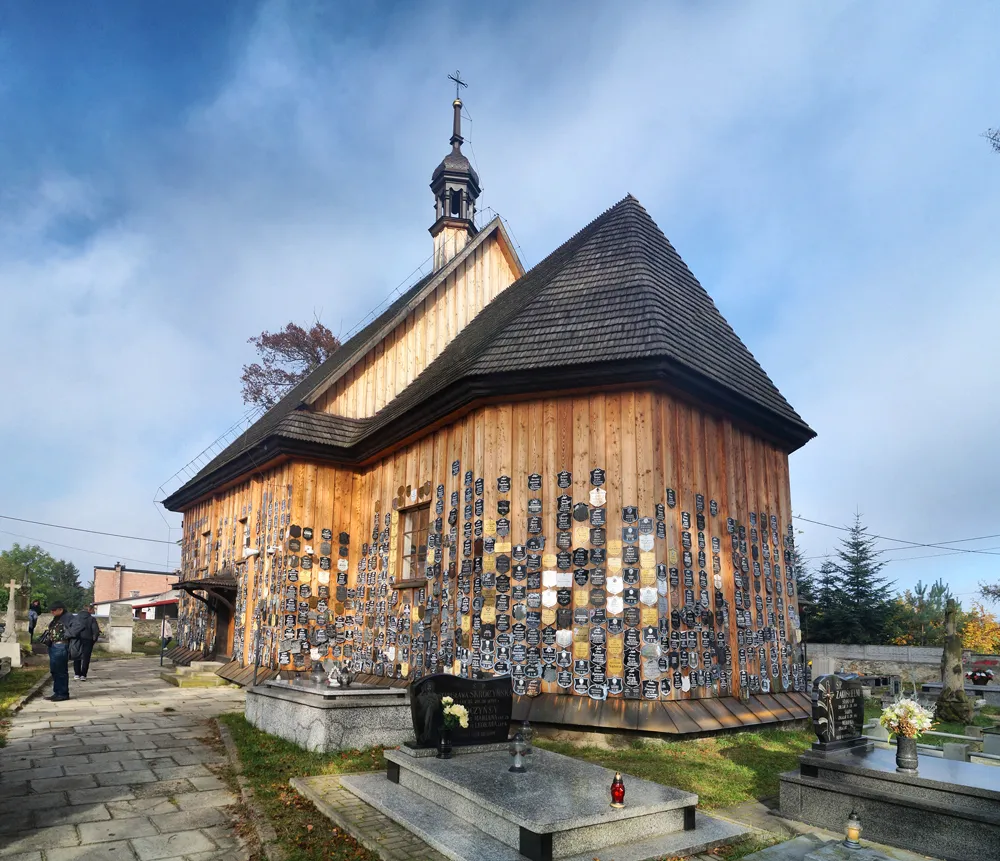
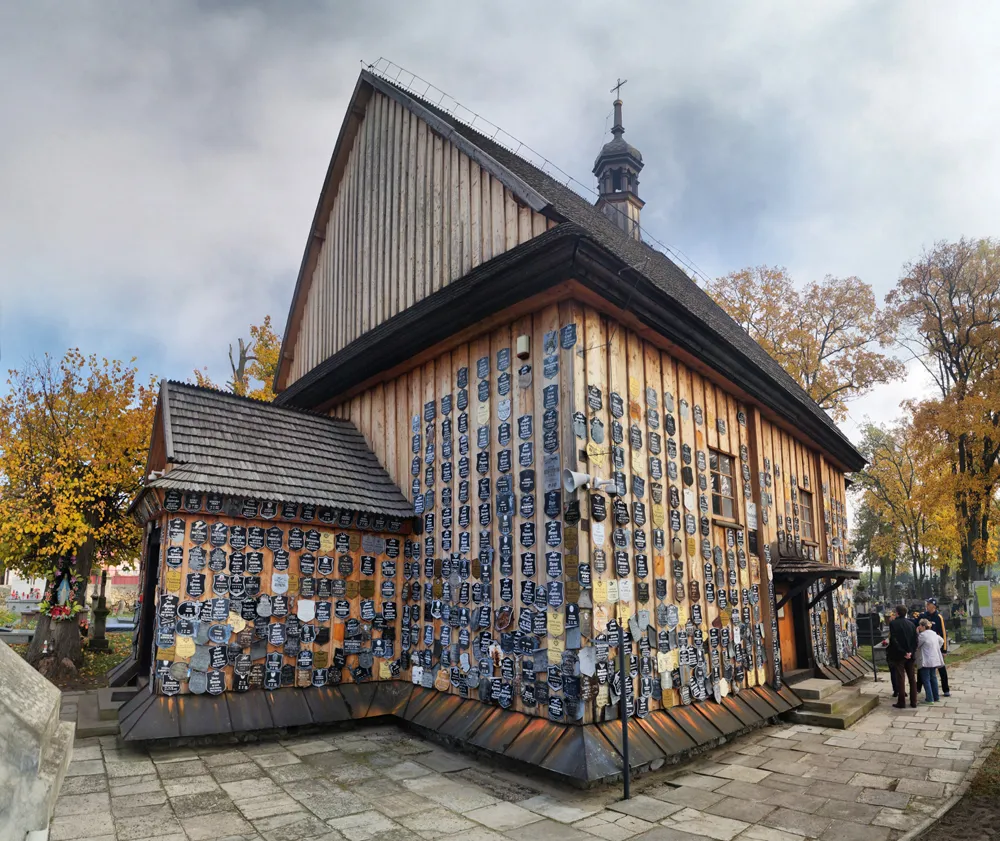
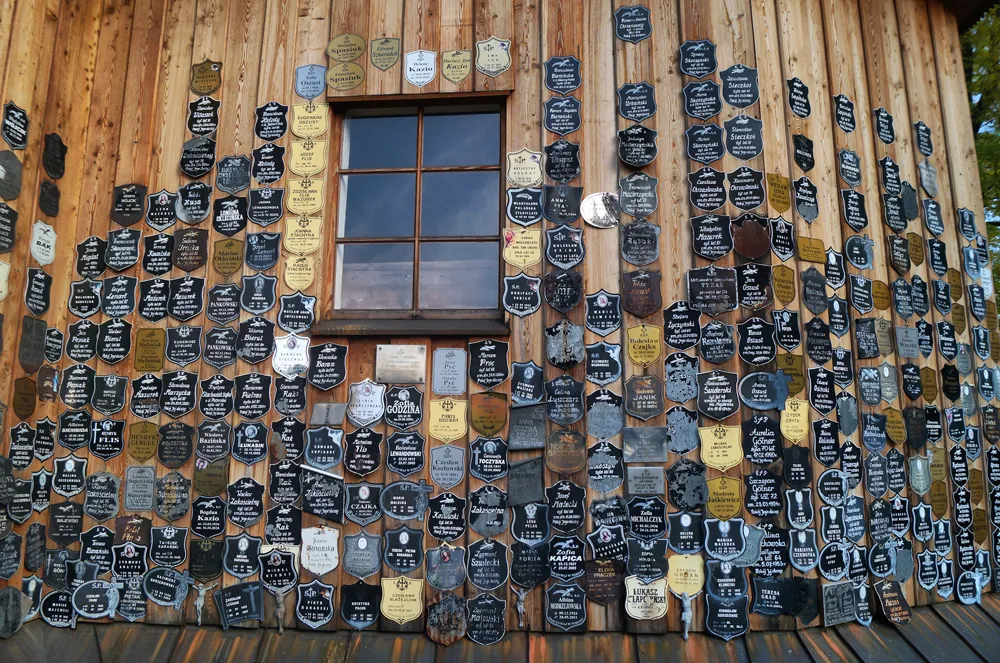
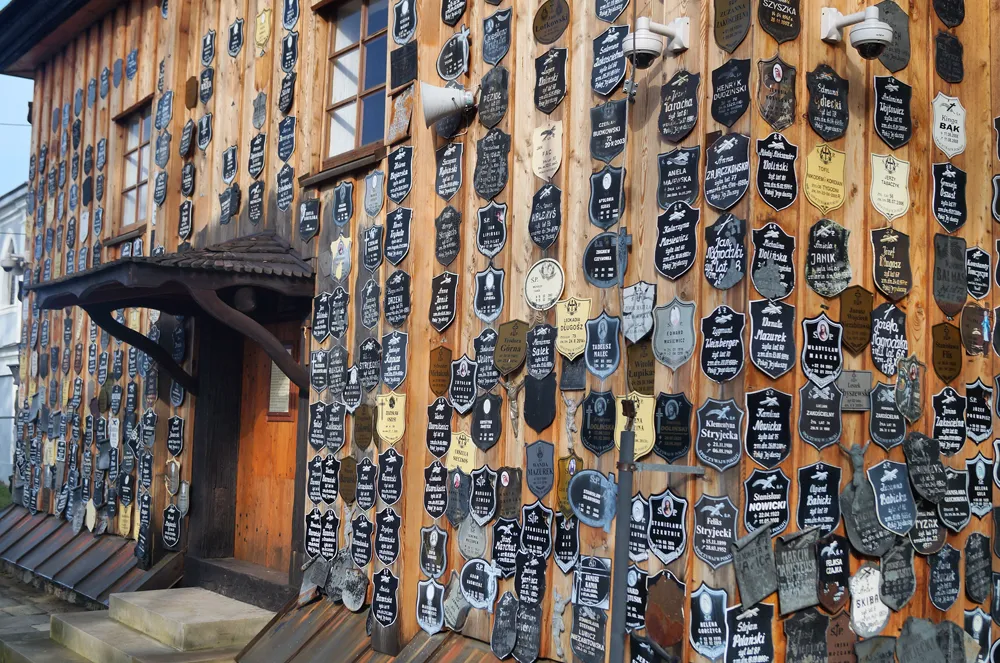
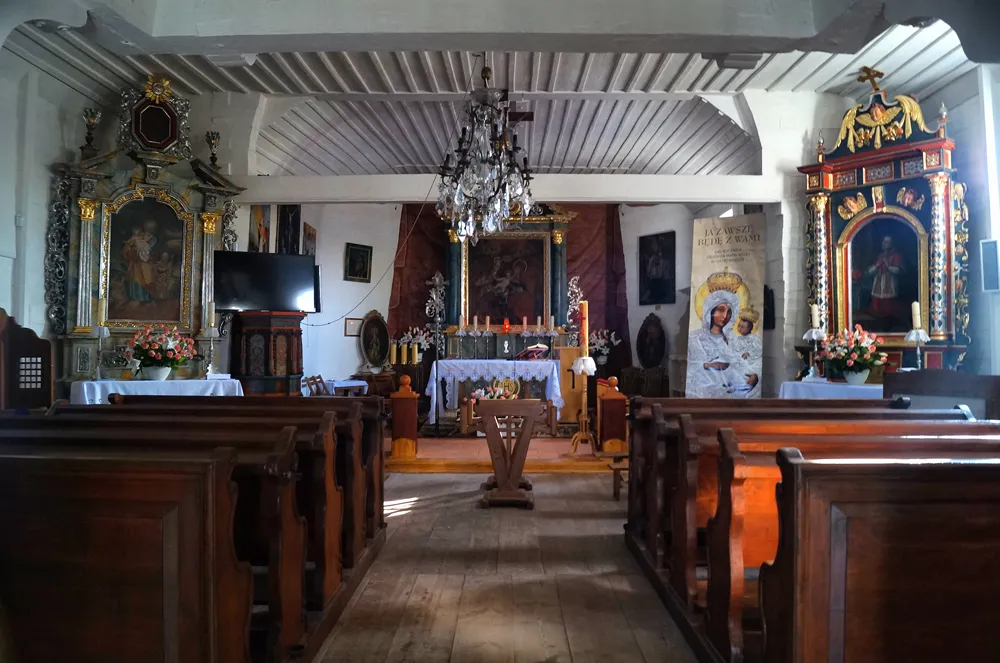
It seems that Ukraine is far, far away from here and that Ukrainians never lived in this foreign land. Ask any of the local residents and anyone will say that Ukrainians, or rather Rusyns, never lived here. But ask them why the old wooden church is covered from head to toe, outside and inside, with metal plaques from gravestones, and no one will give a clear answer. It is a tradition, they say, and where it comes from, who knows. But we found out where from…
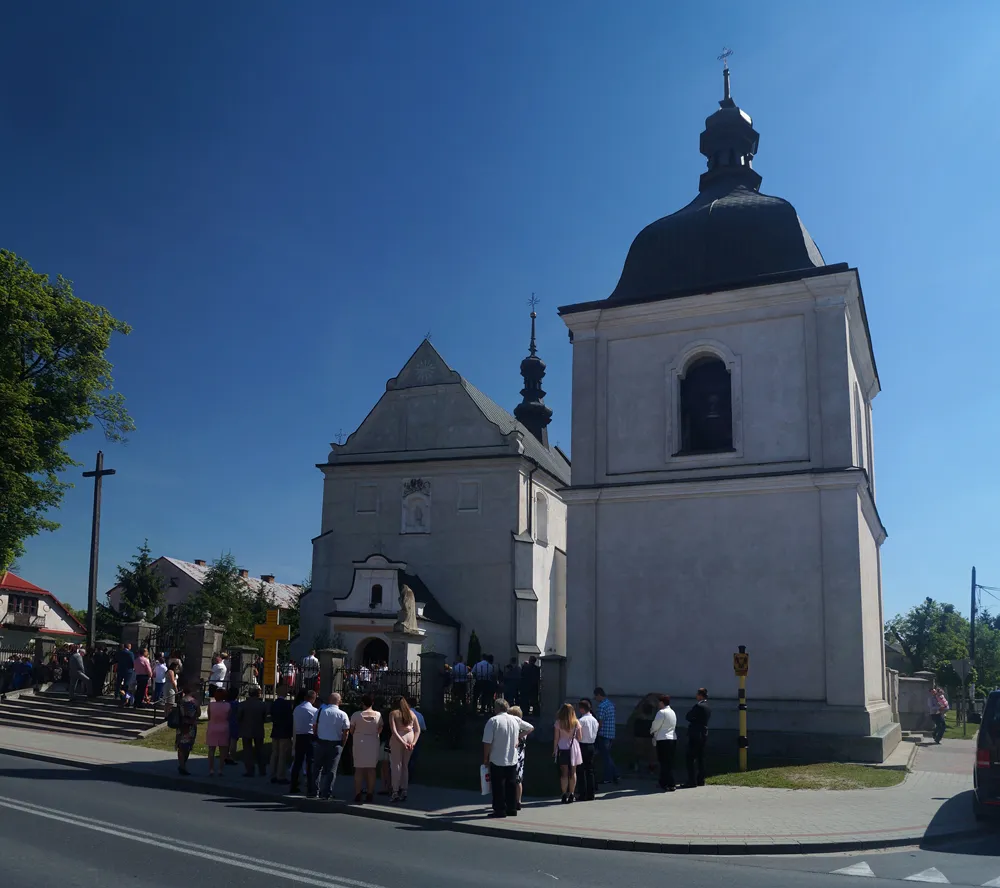
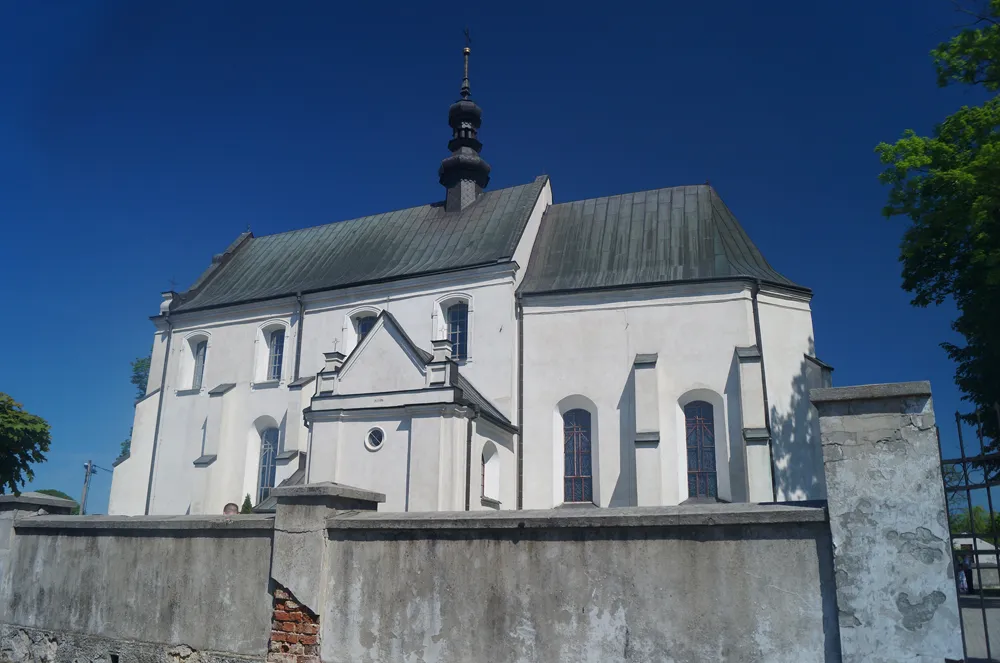
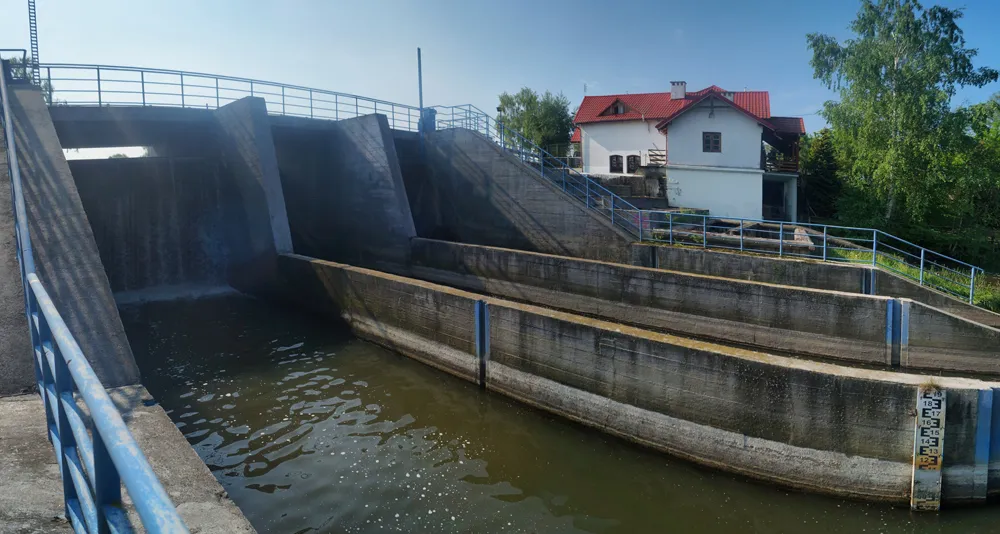
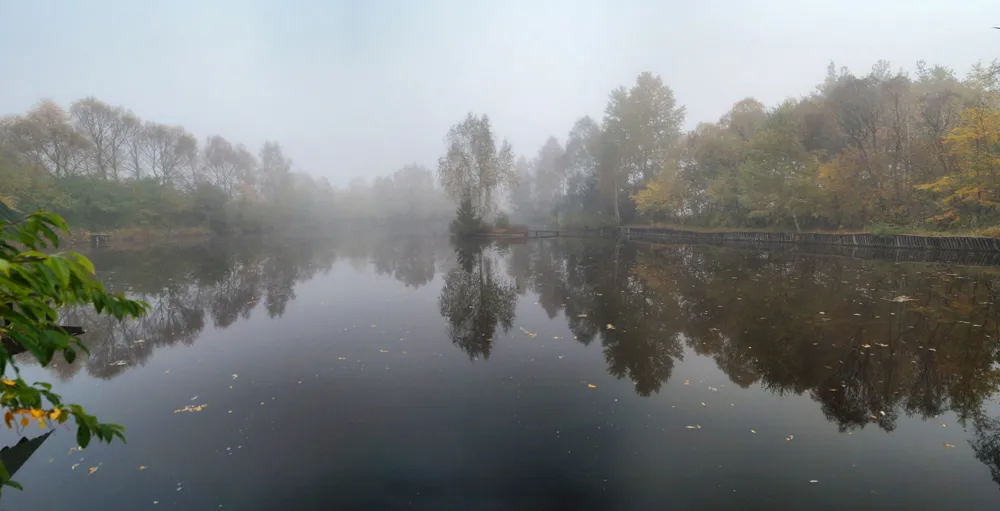
In the old days, probably before the Khmelnytskyi era, Poles and Rusyns lived peacefully together in Zaklików. They probably did not even differ ethnically, only by confession: Catholics and Orthodox. Whether they prayed in the same church, or the Rusyns had a separate church of their own, can no longer be established, but the dead were buried in the same cemetery until the priest forbade it. Schismatics had no place in a Roman Catholic cemetery: let them bury their dead elsewhere. The Orthodox had no land of their own (one cannot bury the dead in a vegetable garden), so they began asking the lord for land. He gave it, in the forest. That is how the Orthodox cemetery appeared. But in protest against the discrimination, the Rusyns began nailing gravestone plaques to the cemetery’s wooden church. The priest seethed, but none of the Catholic villagers either wished or dared to tear these plaques off.
Centuries passed. The Rusyn-Ukrainians vanished from Zaklików long ago: they left, converted to Catholicism, assimilated, but the tradition of plaques on the church did not break. Of course, these are no longer Orthodox: the plaques bear the names and dates of birth and death of Catholic Poles, residents of Zaklików. Their relatives or friends, whoever fixes those plaques there, do not know or remember who started it and when. They long ago forgot those ancestors who first nailed plaques to the church walls. So our ancestors were probably from among the Boikos too, and mine are, because my great-grandfather’s surname was Boiko, and his father or grandfather came to Bila Tserkva from somewhere in the West, from the Boiko region. Or perhaps from Zaklików? Perhaps they too nailed the gravestone plaques of their dead to a wooden church?
Zaklików lies on the western edge of the Rusyn range. Modern Ukrainian historians suppose that Ukrainian ethnic lands reached this far in the 17th century, which is why many villages had quarters of Rusyn-Ukrainians. They vanished long ago. Only a shadow remains: those plaques on the church.
Roman Malenkov, an excerpt from the book. Photos by Roman Malenkov