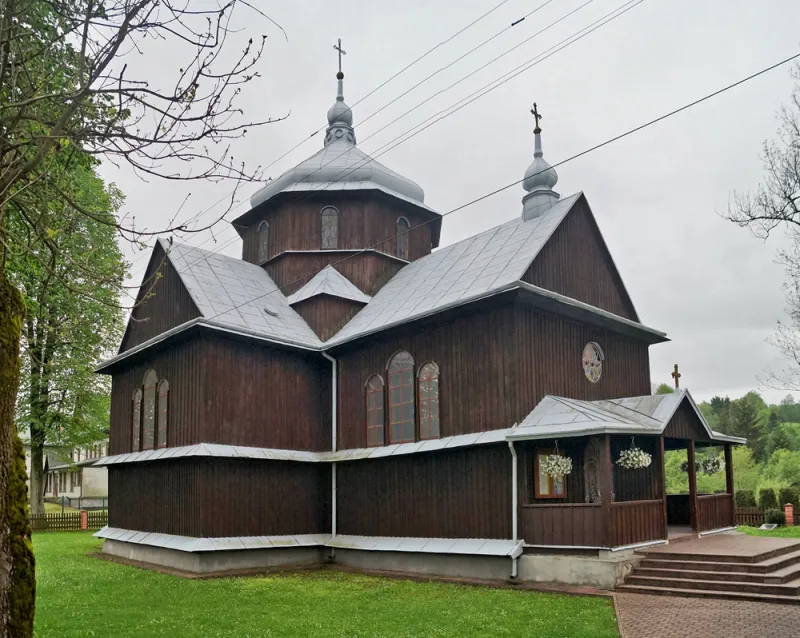
Poland. Krościenko (Krosno)

· 1 min read
Krościenko has been known since the 14th century. It was founded by a certain Hrytsko Rozputovskyi, and later these lands were owned by the famous magnate families of Zborowski, Mniszech and Szydłowski. The village belonged to the Przemyśl Land of the Ruthenian Voivodeship of the Polish–Lithuanian Commonwealth, and after its partition it fell within the Dobromil county of Galicia and Lodomeria.
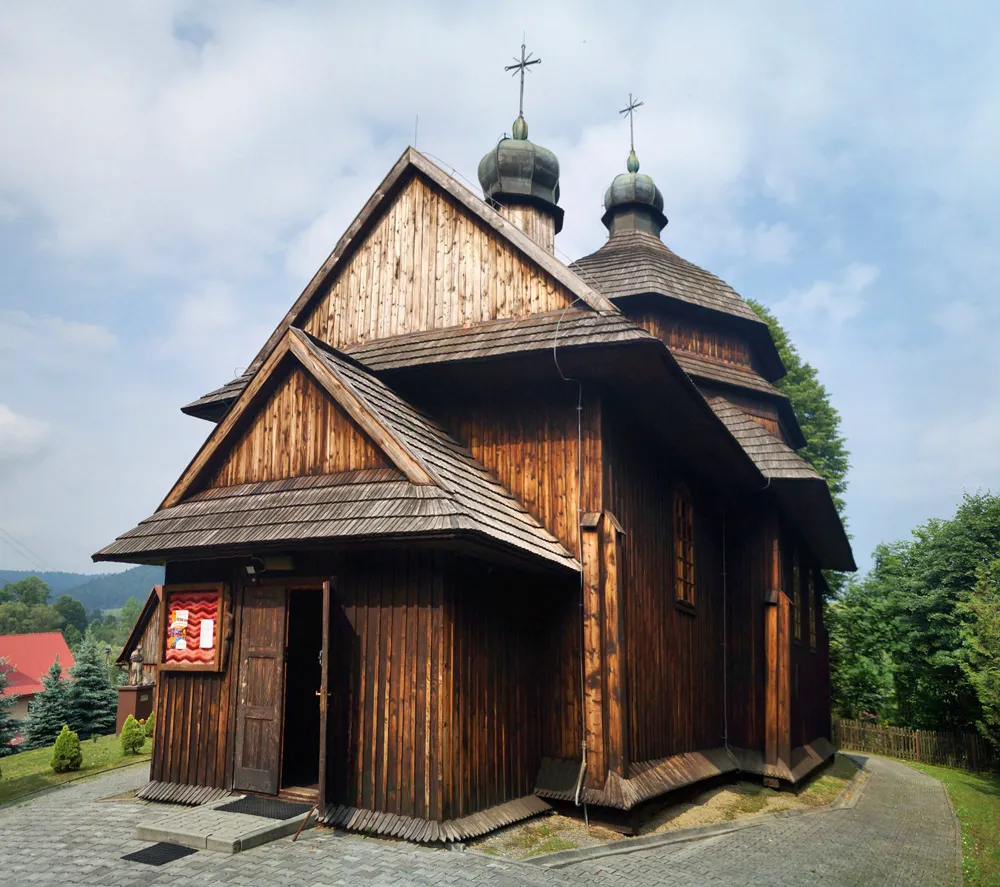
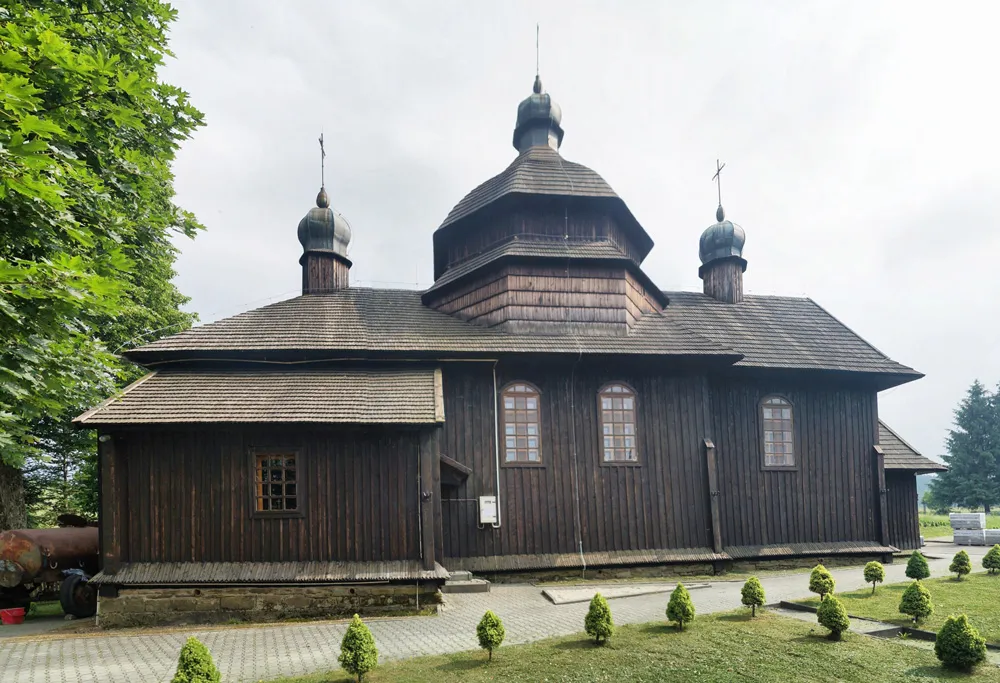
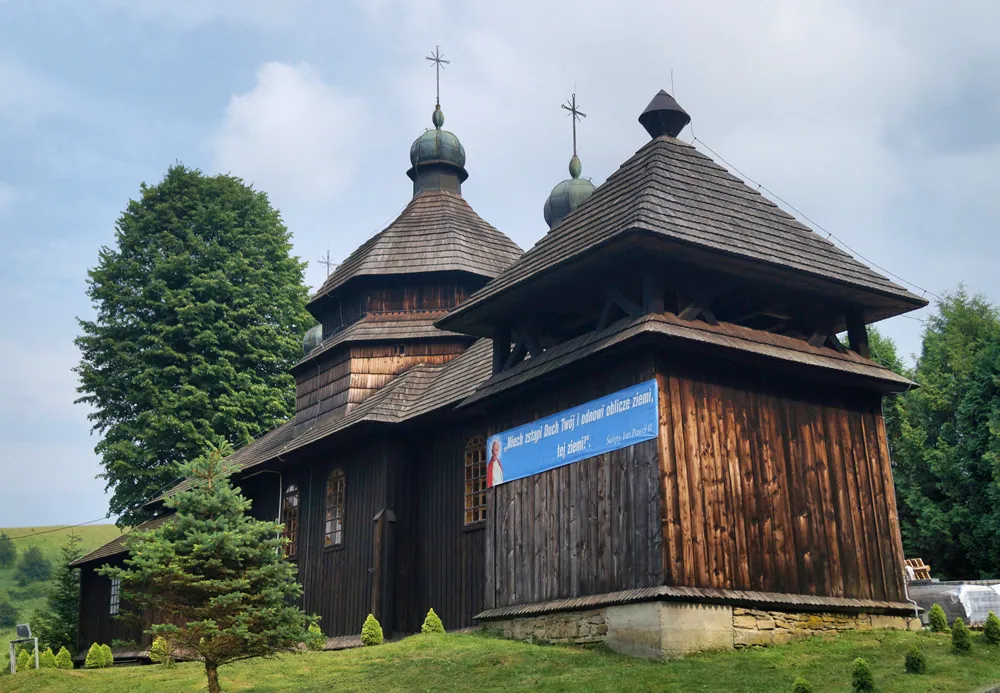
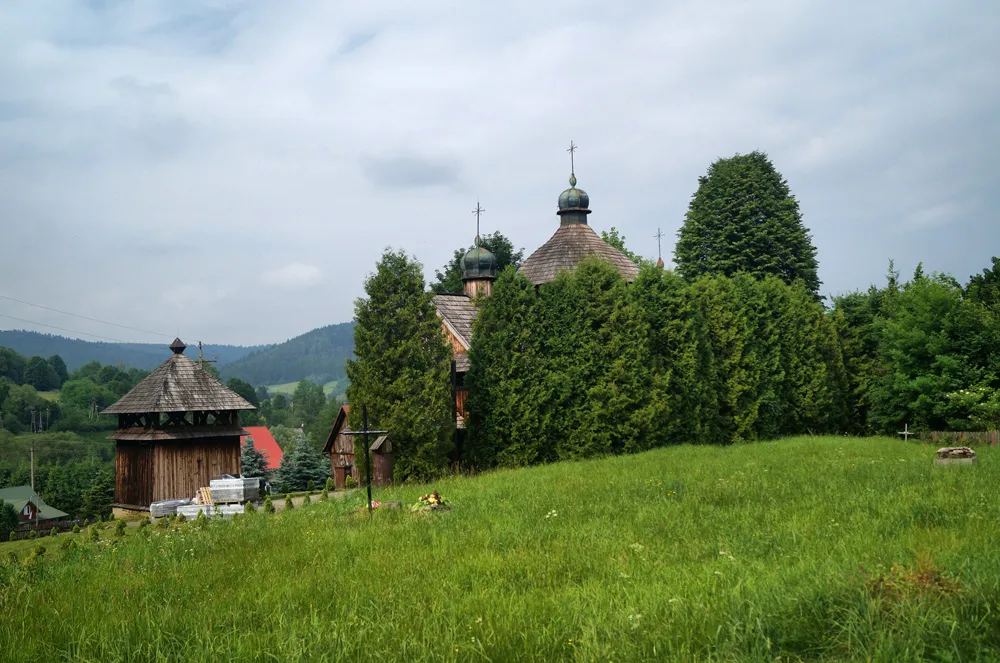
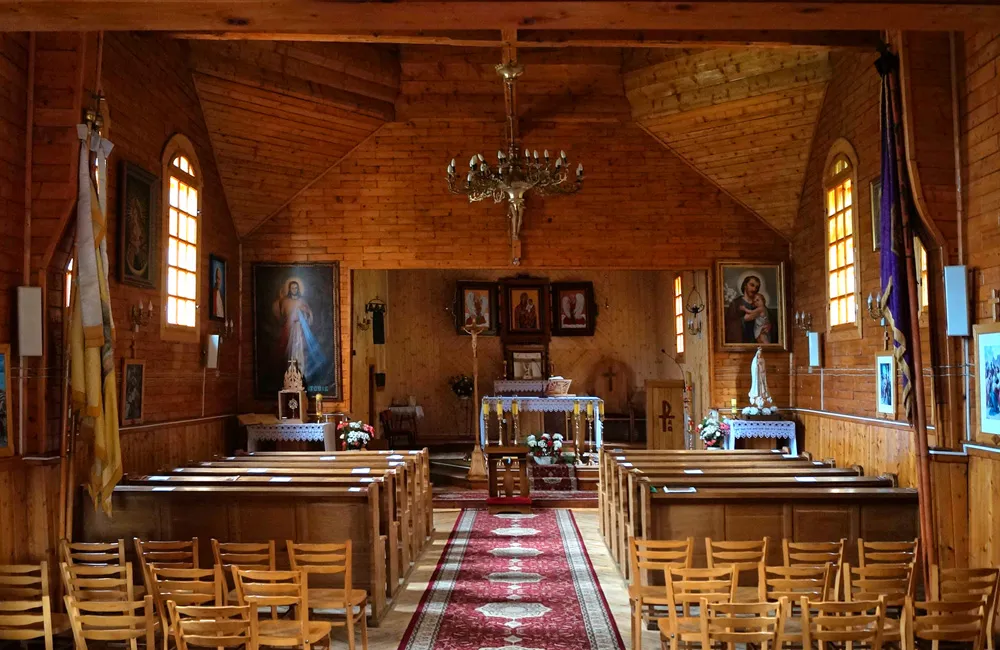
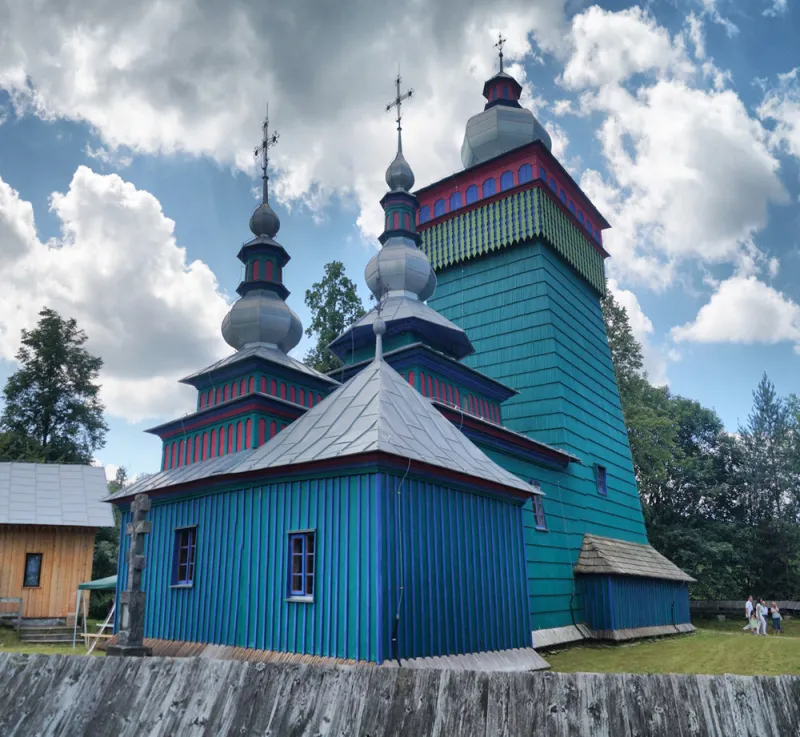
To the south and north of Krościenko lies Boikivshchyna, an ethnic Ukrainian land. The village has preserved a Ukrainian church built in 1794 as a Greek Catholic one – the Church of the Nativity of the Mother of God. It is very picturesque, wooden, three-log, in the typical Boyko folk architecture. The church was closed after the communists arrived. In 1951 the village found itself within Poland again. The church was turned into a sheepfold and a storeroom. Naturally, all the interior fittings were destroyed and looted; even the floor disappeared. In 1971 Krościenko, by then entirely Polish, decided to restore the building’s status as a church. It was given to the Roman Catholics, and since then it has been a church of that rite. In excellent condition, with fine weatherboard cladding and a shingle roof, this monument certainly deserves attention. A splendid example of Boyko architecture, preserved and restored more than once by the Poles, it is a revered church and a good excursion site – the first clear Ukrainian trace in this region of present-day Poland.
Text and photos by Roman Malenkov.