

Zinkiv Castle – a stronghold destroyed by greed
The village of Zinkiv in Khmelnytskyi Oblast is today known above all for its branded “black” sausage. Yet it was once the unofficial capital of a sizeable part of Podillia. It was in Zinkiv that the main residence of the uncrowned kings of the region, the Sieniawski magnates, stood.
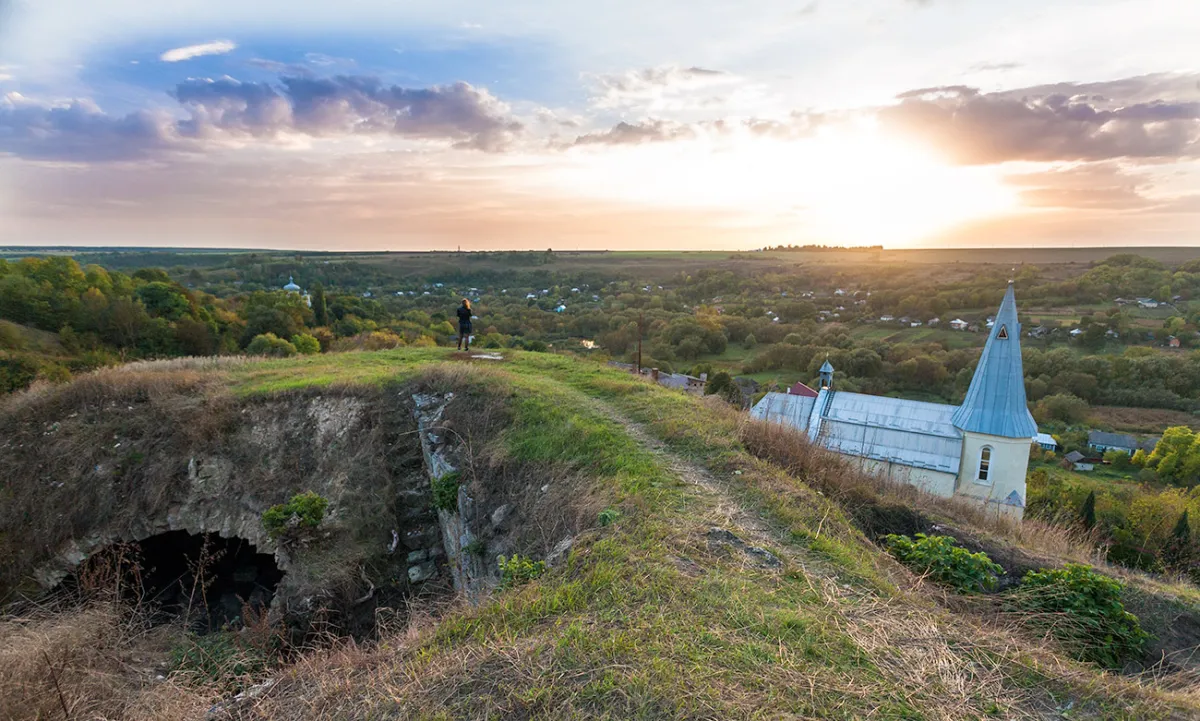
The pitiful but still majestic remains of the castle-residence can be seen here even today.
The “first castle”, to protect the population from Tatar raids, was built in 1458 by the Ruthenian voivode Andrzej Odrowąż. That same year, with the permission of King Casimir IV Jagiellon, he granted Zinkiv Magdeburg law (the king confirmed it in 1466). From the mid-15th to the early 16th century Zinkiv was the centre of the Zinkiv district, which stretched to the Dniester as far as the villages of Liadava (Liadova) and Nemiia. Not bad at all!
Soon the heirs of the Odrowąż estates in Podillia became the already mentioned Sieniawskis, who owned vast holdings that, besides Zinkiv and numerous villages, included such significant towns as Sataniv, Medzhybizh and Mykulyn (now Mykulyntsi). Zinkiv became the “capital” of the Sieniawskis’ Podillian “kingdom” and their main residence.
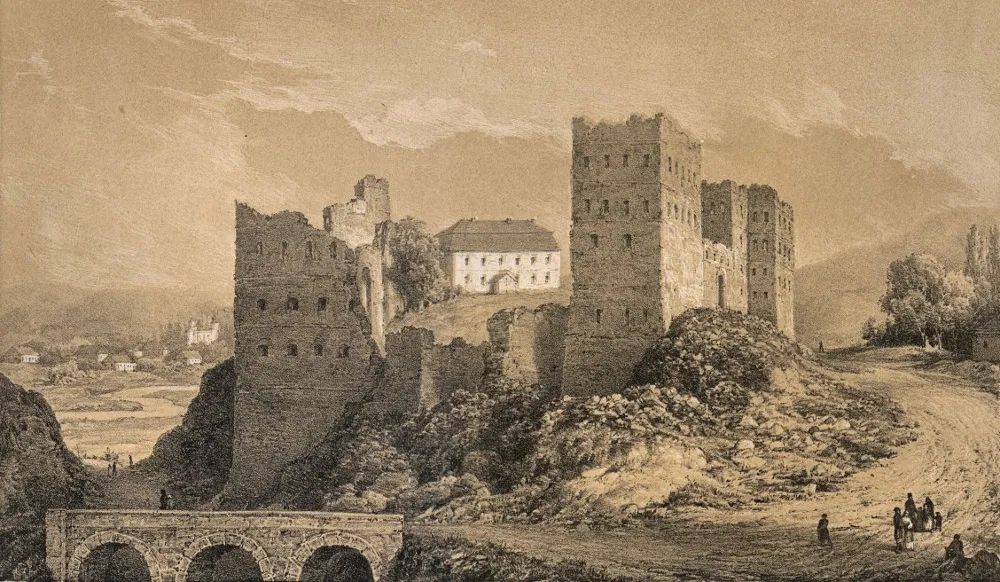
Under the Sieniawskis the castle was expanded and became one of the largest in the region.
It stood on a steep-sided promontory rising above the Ushytsia River and was triangular in plan, with three hexagonal towers at the corners. The main one had four storeys, and the other two three. The entrance was in the middle of the south-eastern wall.
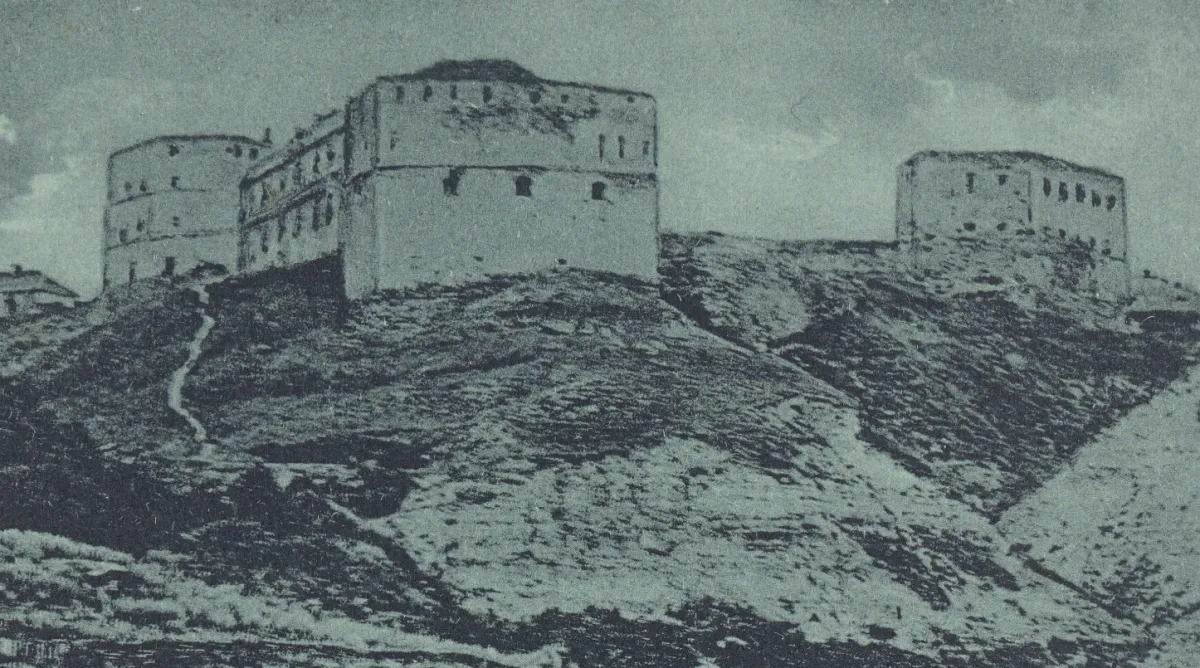
In 1524 the Turks and Tatars devastated Podillia, burned the town of Zinkiv and besieged the castle, but could not take it.
The castle also suffered during the uprising led by Bohdan Khmelnytskyi.
In 1672–1699, in the Kamianets Eyalet, the Ottomans repaired the stronghold, ruined during the War of Liberation, and placed a garrison there.
In 1768 Zinkiv Castle became one of the main strongholds of the Bar Confederation in Podillia.
After the Second Partition of the Polish–Lithuanian Commonwealth, Podillia passed to the Russian Empire, within which Zinkiv received the status of a district town. But already in 1796 the Zinkiv district was merged into the Letychiv district.
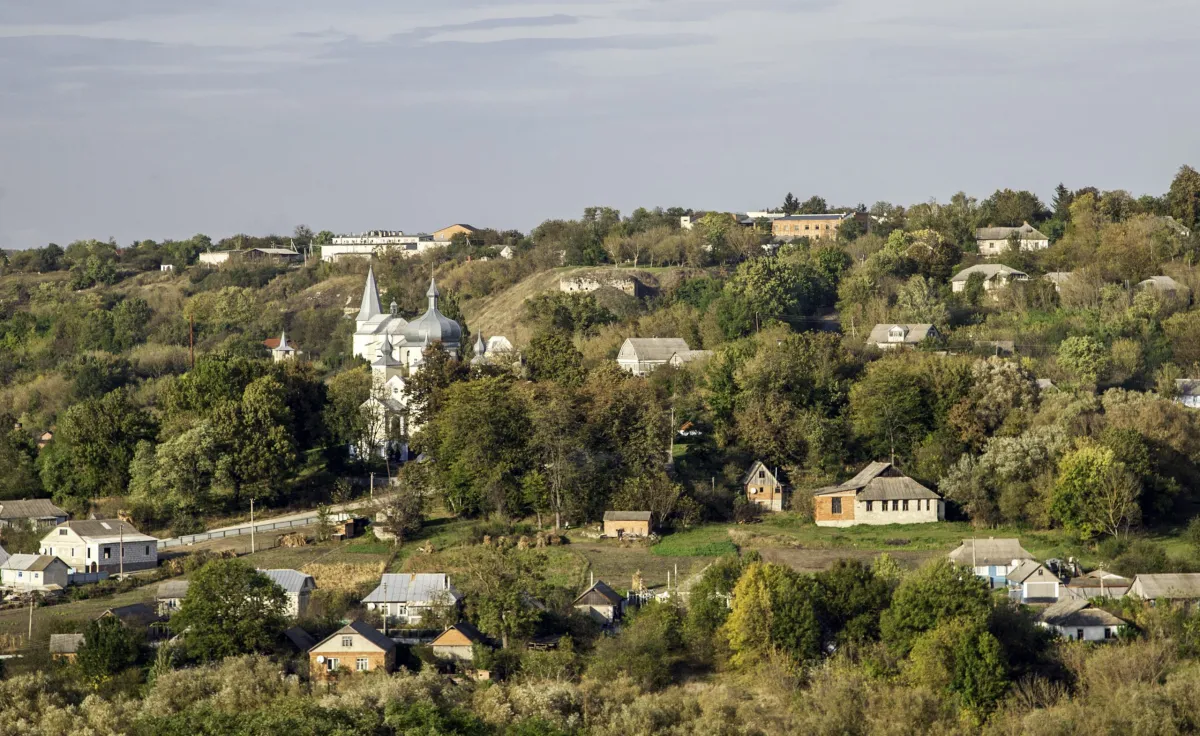
The defensive hub of Zinkiv began to lose its importance as early as the start of the 18th century, and with Russia’s annexation of Moldavia and part of Bukovina the town’s significance for the defence of Podillia was lost completely. The last owner of Zinkiv was August Friedrich Eberhard, Prince of Württemberg, who in 1843 sold the town and the castle to the state treasury.
In 1872 the entirely intact fortification was handed over to the local “village community”. In the 1880s the castle housed the so-called “district police quarters” – the office of the district police officer and the residence where he lived with his family. Meanwhile most of the castle was not used at all.
The thrifty Podillians quickly realized that such a pile of building materials was going to waste. A pretext was immediately found to turn the castle into a quarry. The old fortification, they said, might at any moment collapse onto the Catholic church and the townspeople’s homesteads below the hill.

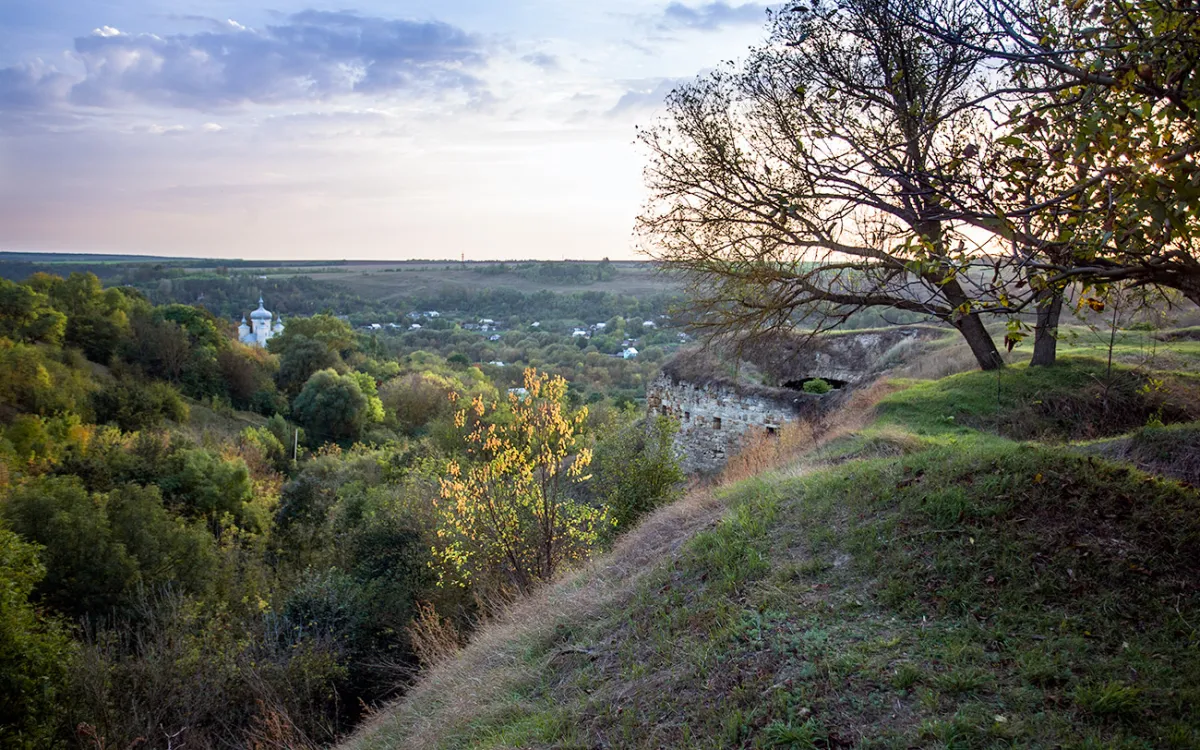
Within a few years one of the largest fortifications in Podillia was dismantled almost to the ground. Of the once majestic castle only the ruins of the first tier of the southern tower and four casemates remain today. At the turn of the 19th and 20th centuries, after the castle had already been destroyed, local Jewish shopkeepers fitted out ice cellars in the casemates, where they stored perishable food.
Text and photos: Dmytro Poliukhovych


