

Bohdanivka. Cossacks, Hard and a death camp

· 4 min read
Once, during an expedition in which I was studying landscapes, we were taking water samples of the Southern Buh near the ferry crossing in the village of Kostiantynivka, near Pivdennoukrainsk. I was surprised that ferries still exist in our time, especially a large one that carried cars and worked on “manual traction”: the drivers themselves moved the winch lever along a cable stretched from one side of the river to the other. To the left of the ferry’s route I noticed a large island; I was told it was Velykyi Hard, one of the historic Cossack centres.
On the other side of the river a yellow “Bohdan” minibus stood waiting for the ferry. It turned out to be a shuttle bus running from Bohdanivka, a village on the other side, to Pivdennoukrainsk. The road from there is so bad that the ferry is a real salvation. And it was then that I wanted to get to Bohdanivka. I managed to do so about a year later; we crossed by passenger motorboat.
Bohdanivka is probably the oldest village in Mykolaiv Oblast. A legendary village disguised under a banal name. It was founded by Cossacks in the distant 16th century and was the centre of the Buh-Hard palanka, and for some time was even effectively a single settlement with the island of Velykyi Hard. In the 18th century the village began to be called Hardove. By the way, hards are some kind of fishing devices that the Cossacks built in their time between the bank and the island, hence the name.
Until the end of the 18th century Hard was an important strategic site in the defence against the Tatars. Up to three hundred Cossacks were on permanent duty here, and here was the most important ferry crossing on the Southern Buh. Then the Sich was destroyed, and a little later Crimea was occupied; the need for defence of the area disappeared and the Cossack settlement on the island declined. And the village of Hardove was received in 1799 as property from the tsar by the French émigré nobleman de Polignac. But the Frenchman did not own Hardove for long: in 1801 he lost it at cards to the landowner Akatsatov. His family owned the village for a long time, and it was renamed Shchedre. Only in the 1880s was it bought from the descendants of Akatsatov by the landowner Bazdyriev, who built three water mills on the river. Today only very meagre ruins remain of the mills, and on the site of one of them there is a hydroelectric power station.
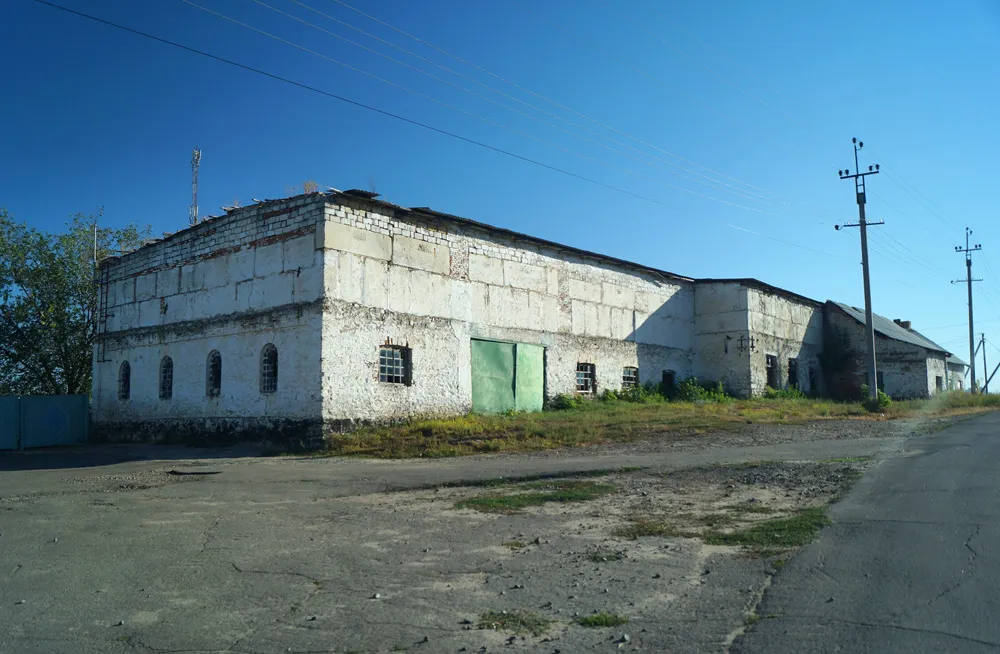
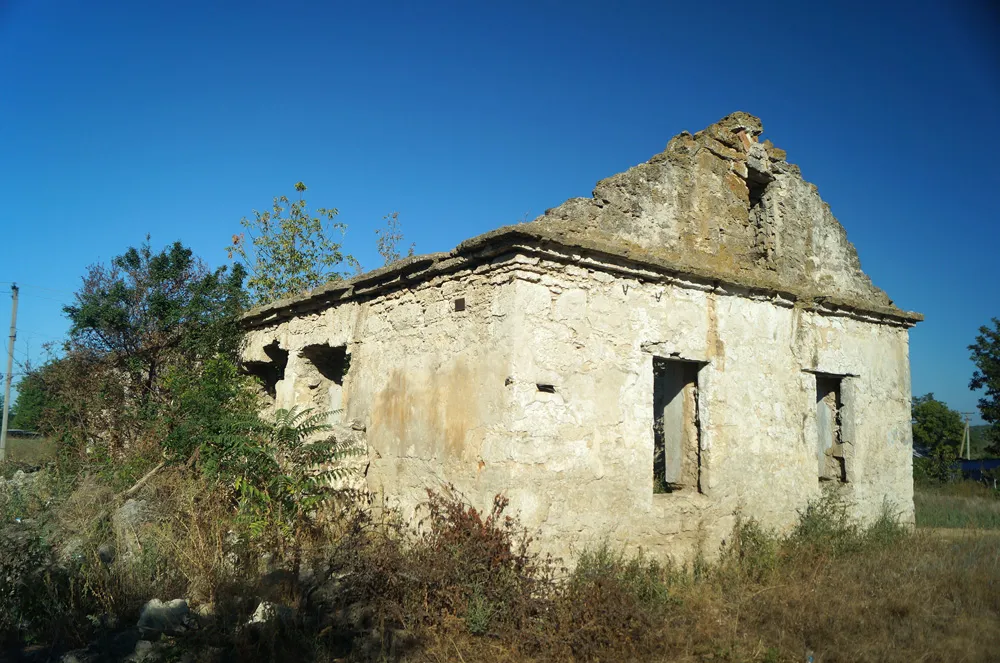
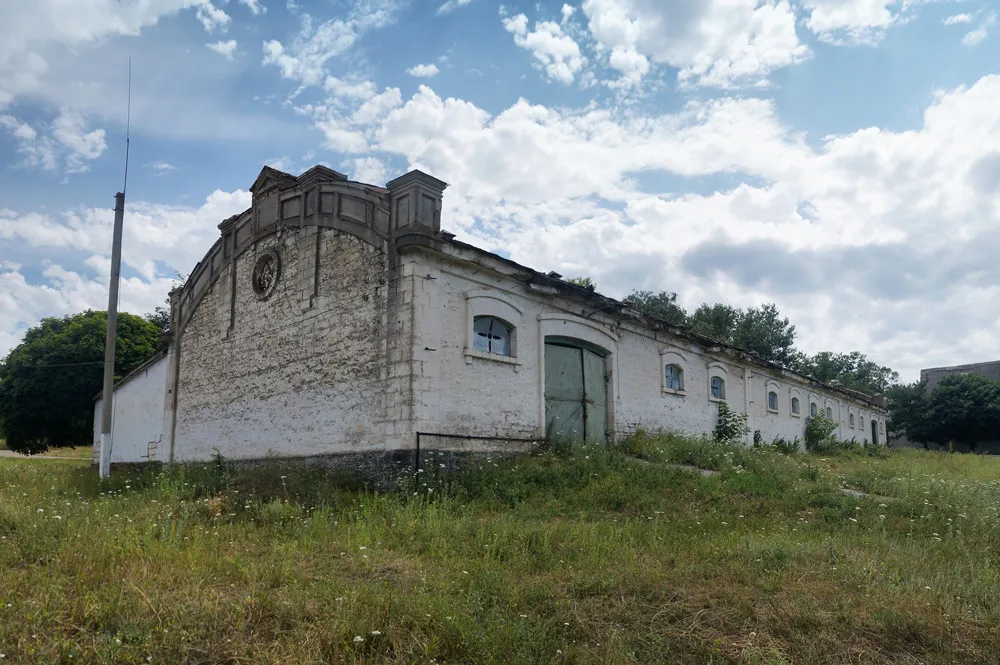
In Bohdanivka the Bazdyriev manor house has survived, though in a cement “fur coat”. There are also old farm buildings and a bridge over a stream made from the bottom of a German tank.
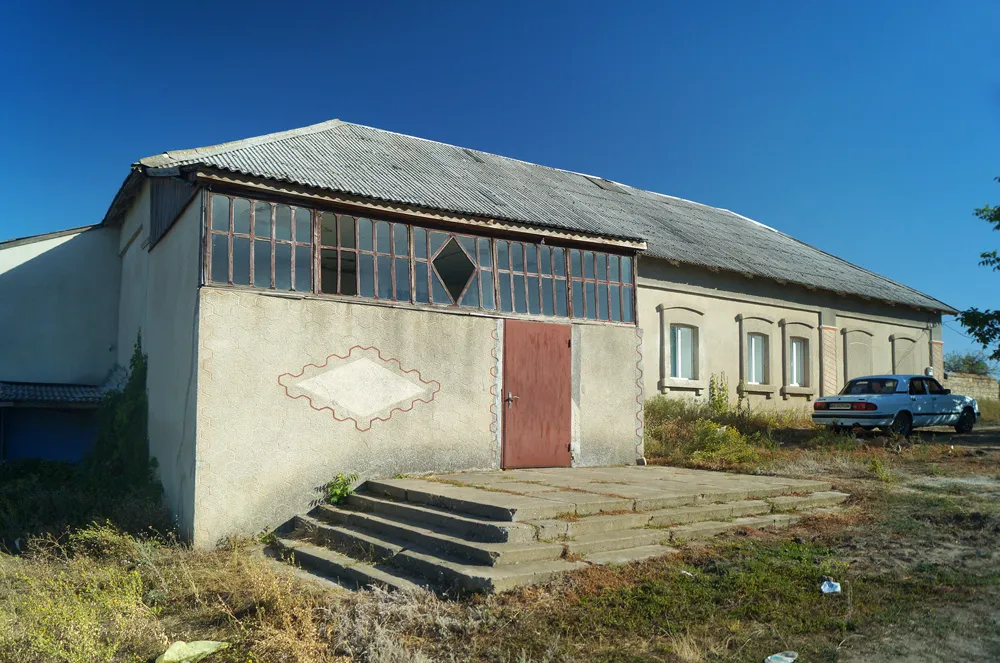
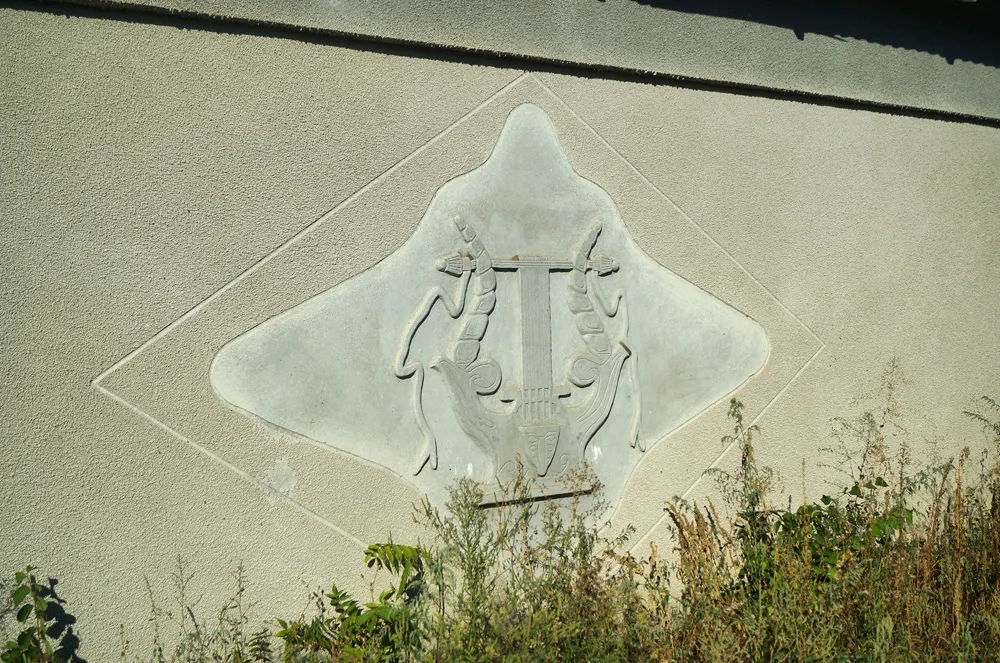
The manor house
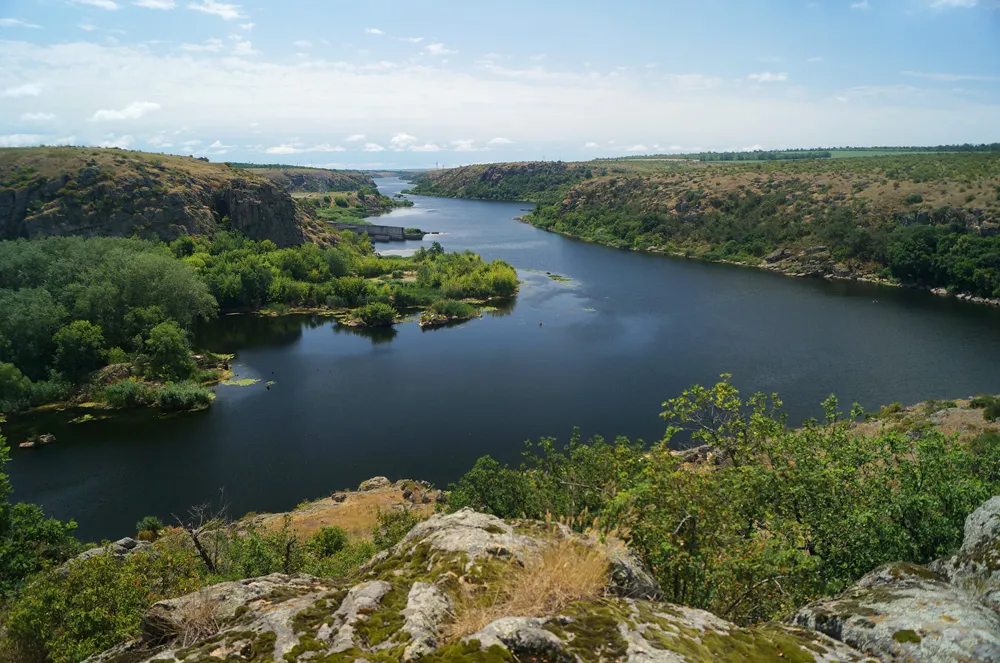
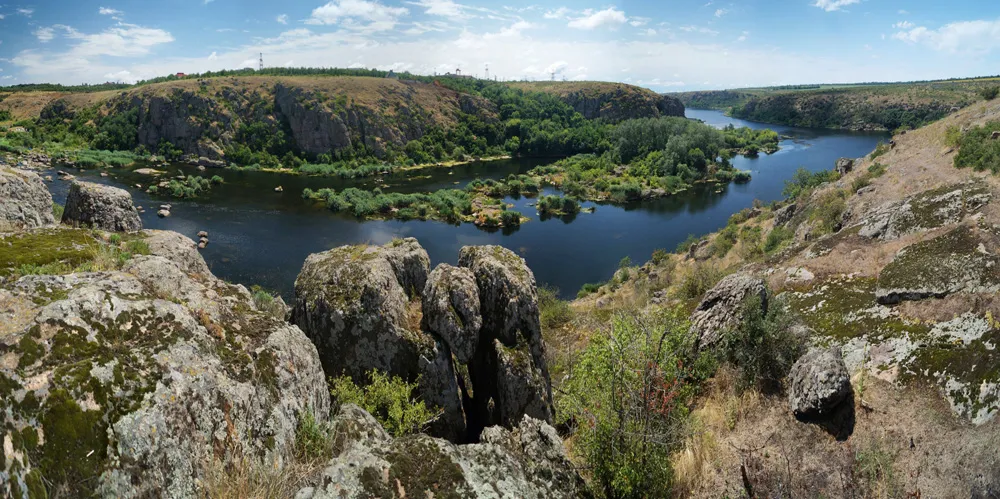
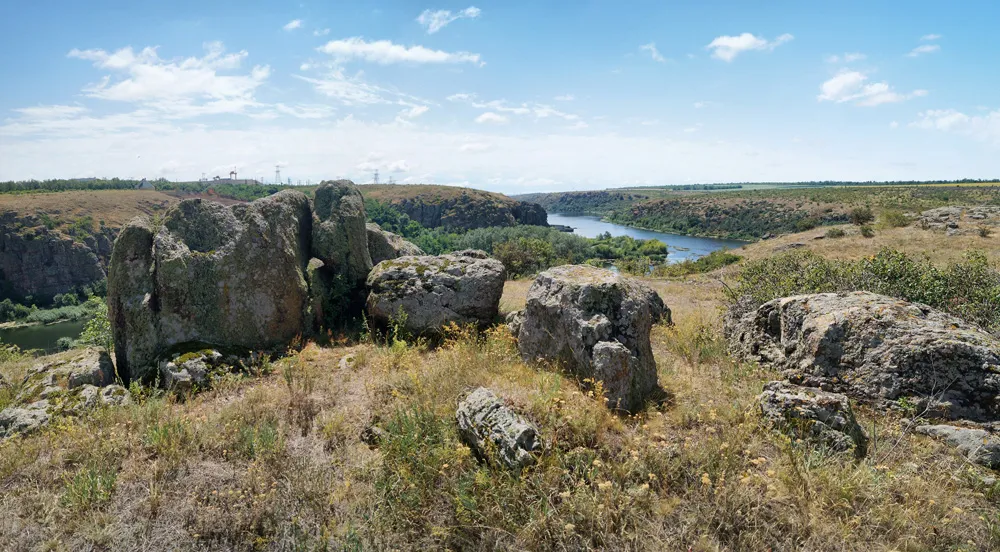
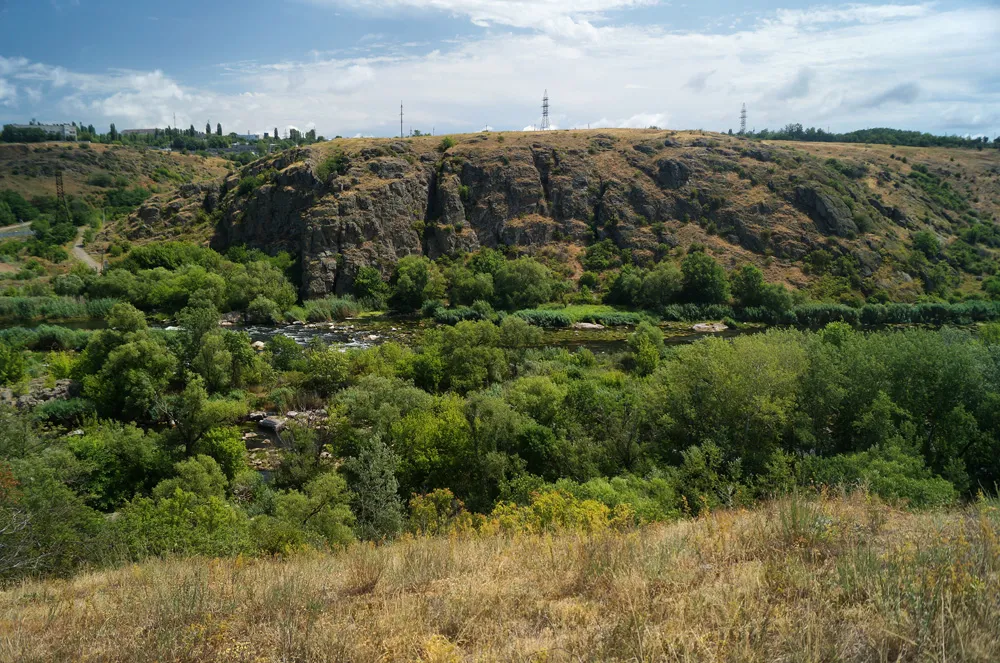
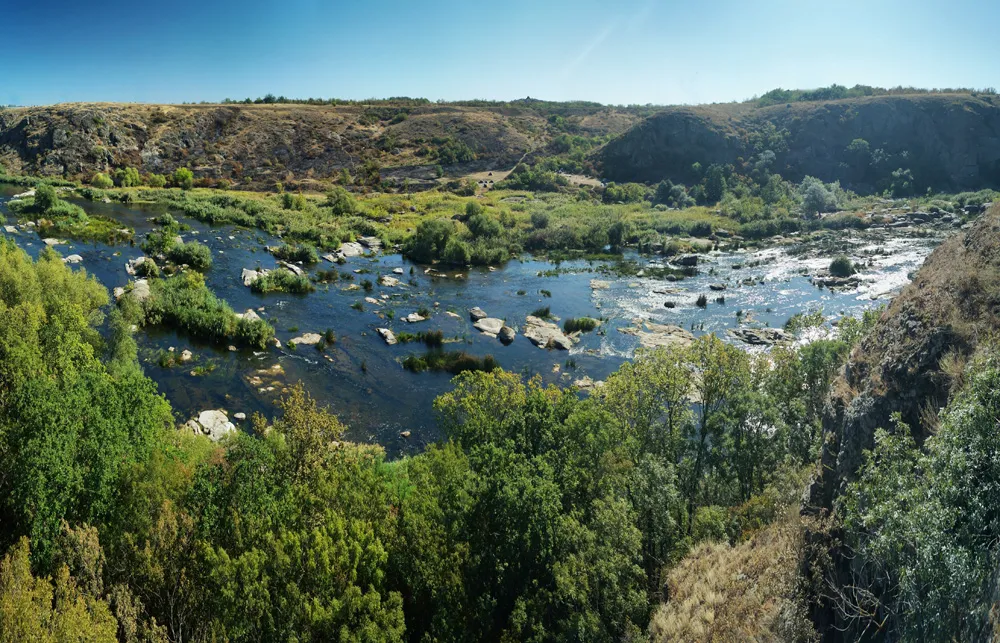
To the south of Bohdanivka stretches the high terrace of the Southern Buh valley. It is incredibly beautiful: you will walk and take photographs every minute. Somewhere two kilometres from the village, beyond the islands, the straight channel of the Buh opens up, visible for many kilometres ahead. This landscape can safely be counted among the finest river landscapes of the country. Walk to it and you will not regret it.
Bohdanivka is a village known not only in Ukraine but far beyond its borders. During the Second World War there was a large death camp here. I had known about this for a long time, but had no idea how large. A small monument told me that 55 thousand people were killed here. It is hard to believe, as it is hard to believe that this place is known to few; even Jews seem to have no concern for it, only the descendants of the victims, and only a few of them. The Poles would have set up a big memorial…
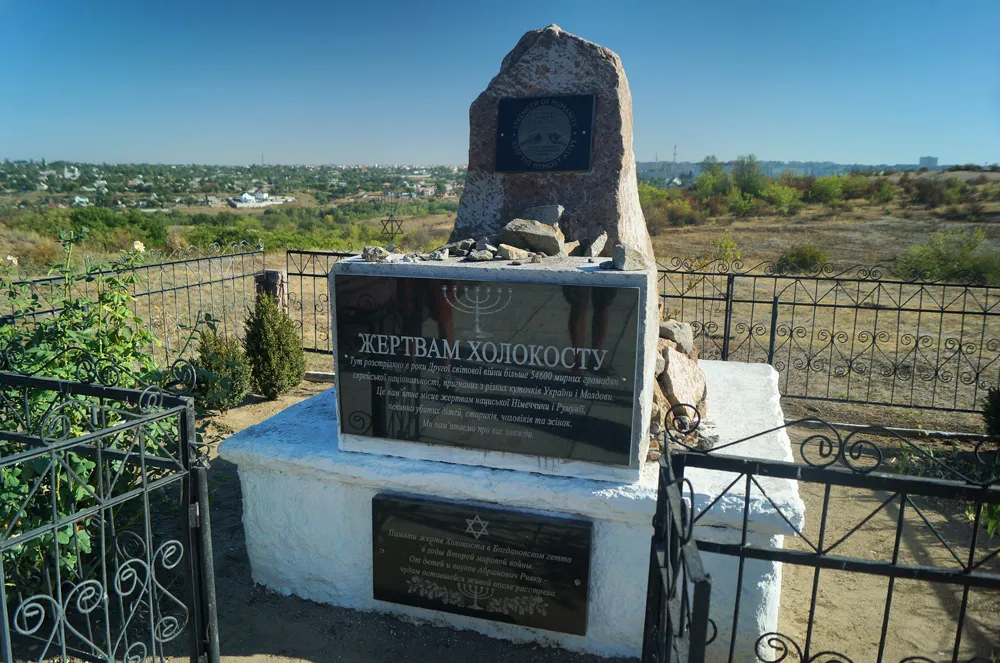
Monument to the 55 thousand murdered Jews
During the Second World War Bohdanivka was in the Romanian occupation zone. The Romanians did not carry out mass shootings of Jews, but in Bohdanivka something came over them, in particular over the camp leadership, which, researchers say, acted under pressure from the German command.
Prisoners in Bohdanivka were held in pigsties. Typhus broke out among them, and the Romanians destroyed them all, supposedly in a single night. They burned them in those same pigsties on stalin’s birthday. This atrocity was called a “gift to stalin”. After the war the camp leaders were sentenced to death, but the sentence was later commuted to life imprisonment.
Text and photos by Roman Malenkov.
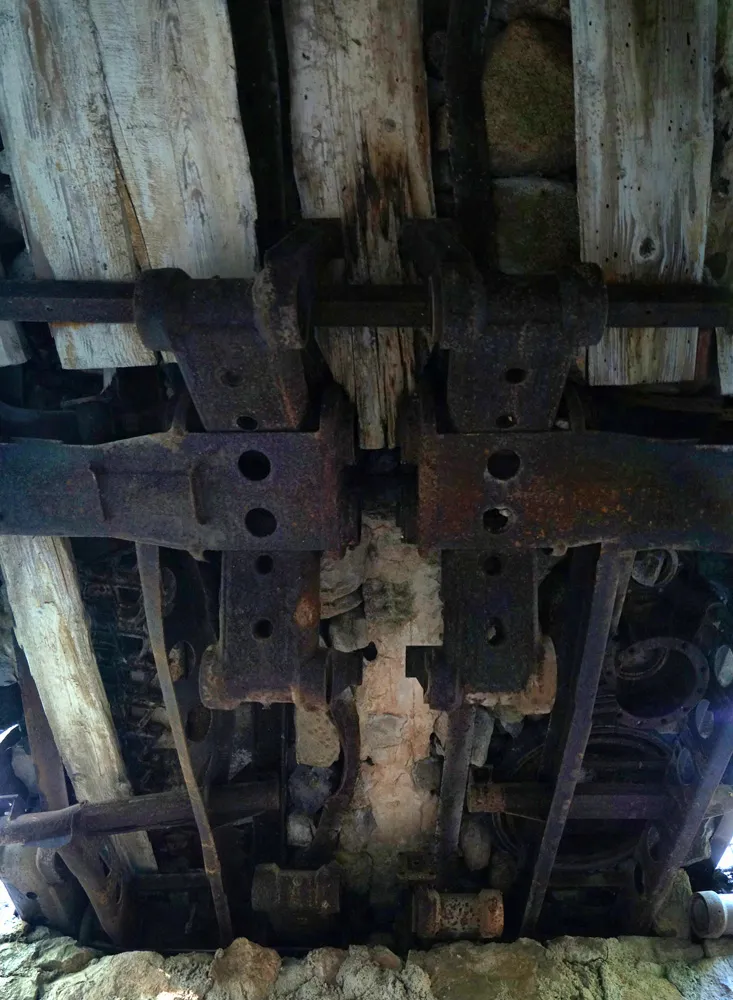
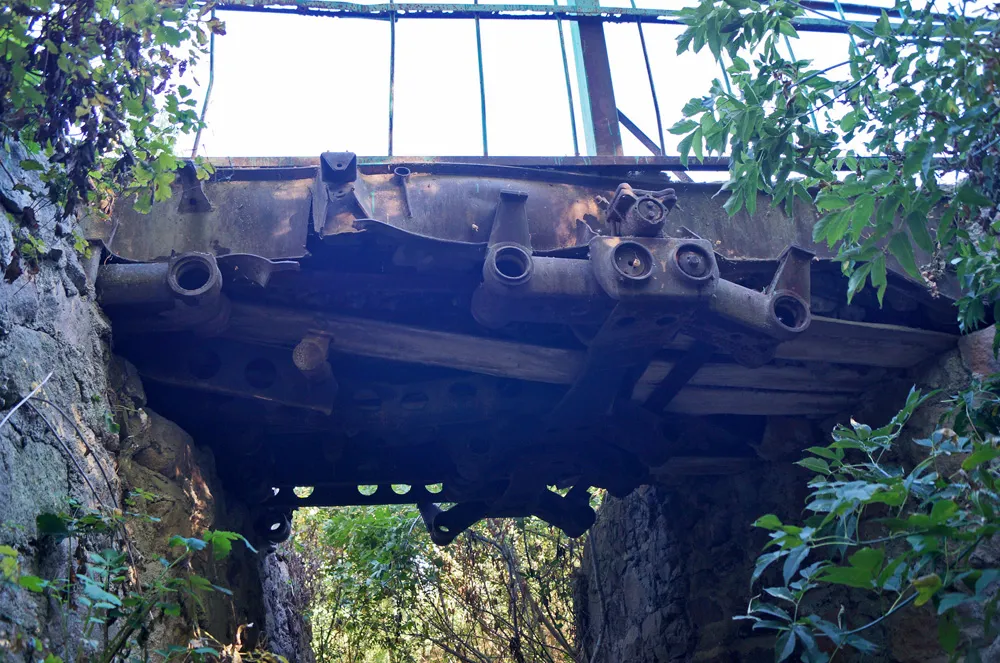
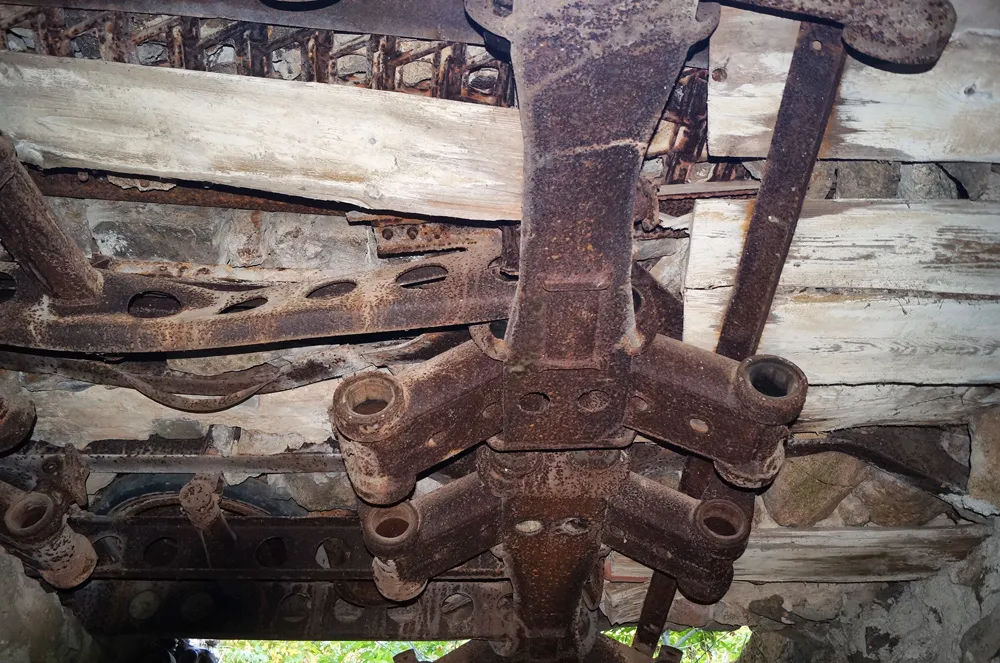
A little bridge made from a tank bottom


