

Mostove. The Erdeli manor

· 7 min read
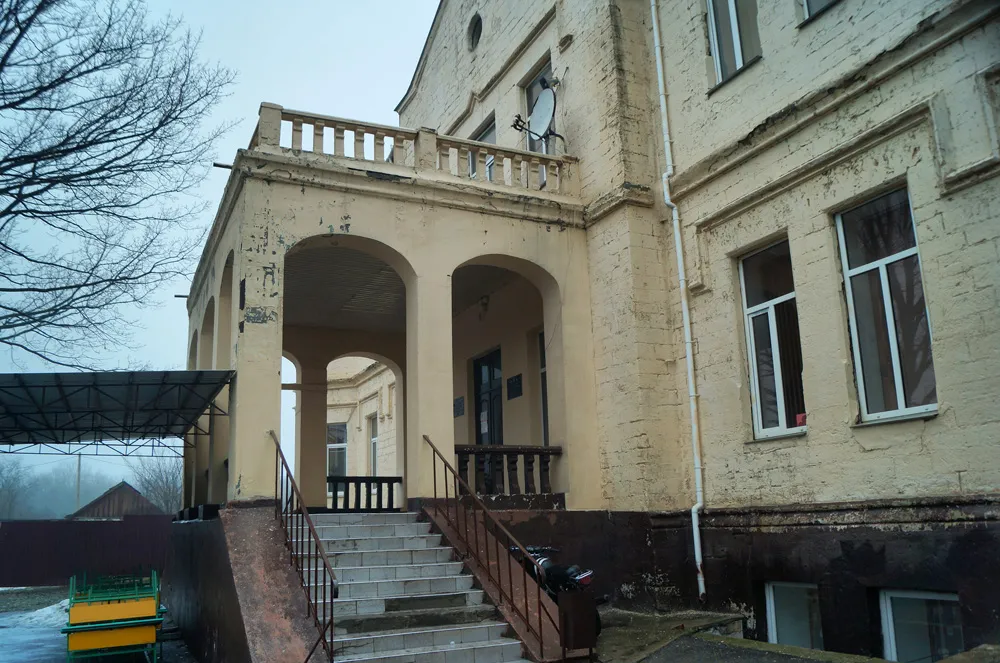
A large manor built by representatives of the great noble family of Erdeli has survived in Mostove. This surname translates from Hungarian as “Transylvanian”. Strange: a Transylvanian family building a palace in the Ukrainian steppes… The Erdeli family entered the service of the Russian monarchs in 1755, and since then they have been a Russian noble family. In 1880-1881 they built a new eclectic palace, around which a very large park was laid out. Both the palace and the park have survived to our time and, unlike the terrible road, are in good condition.
We explored Mostove during an expedition organised with the support of Lexus. You can read a more detailed account of this expedition on our website here.
Text and photos by Roman Malenkov.
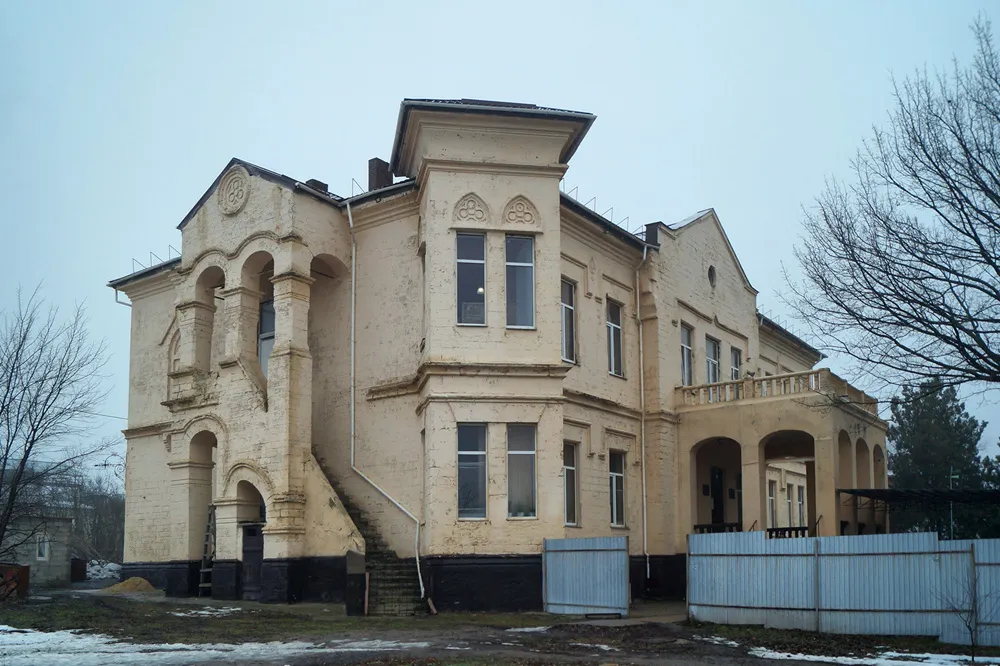
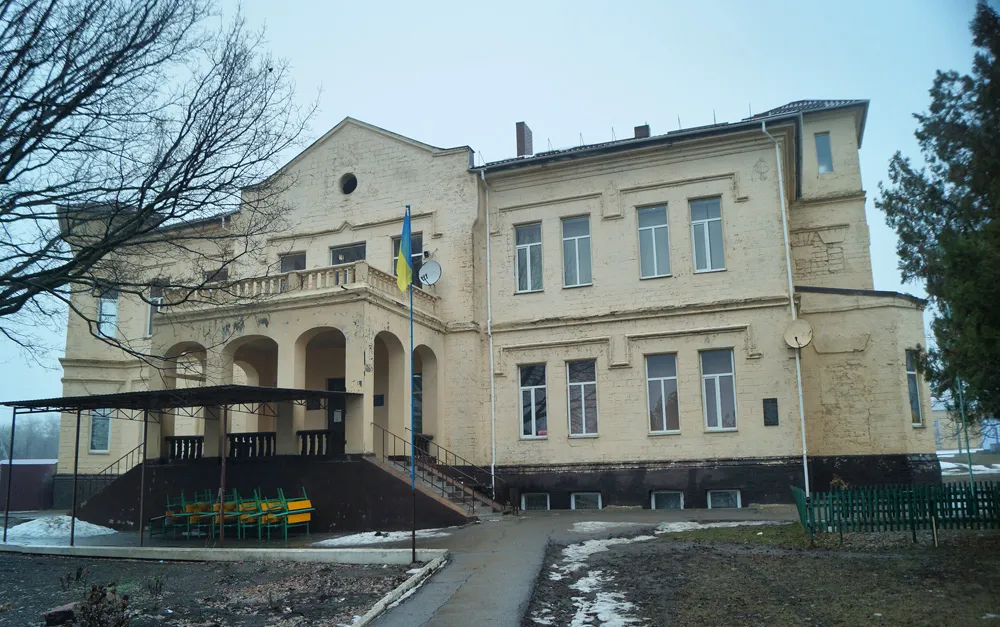
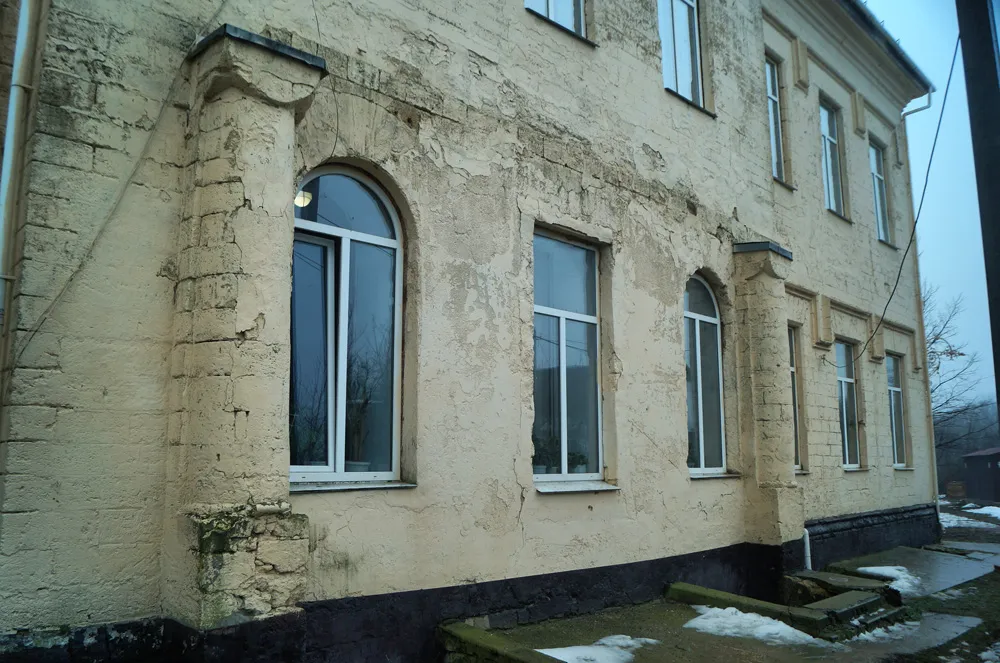
The Erdeli Palace in Mostove.
Below is text from Wikipedia about the history of Mostove.
As a result of the latest Russo-Turkish war of 1787-1792, and under the terms of the Treaty of Jassy, a large territory between the Southern Buh and the Dniester passed to the Russian Empire. To defend and develop it, it had to be settled, so the so-called “land grants” were given free of charge to people of various ranks on certain conditions.
In 1792 a land grant in the valley of the Chychykleia river, on an ancient trade route to the Black Sea, in a place known among the chumaks as Liakhova Mohyla (the Pole’s Grave), was received by the court councillor Fedir Hryhorovych Paskevych (1757-1832), a nobleman and landowner of Katerynoslav and Mohilev governorates. At the time of receiving the land allotment he served as a councillor in the Katerynoslav Chamber of Criminal Court. In 1797 he received another class rank, that of collegiate councillor. Latterly he served in the Little Russian Collegium under the administration of Field Marshal Count P. Rumiantsev-Zadunaiskyi. He was the father of Ivan Fedorovych Paskevych, known as Field Marshal Prince Ivan Fedorovych of Warsaw, Count Paskevych-Erivanskyi, the imperial viceroy in the Caucasus and in the Kingdom of Poland.
In accordance with the existing conditions, F. H. Paskevych relocated part of his serfs here, as a result of which a settlement formed on the left bank of the Chychykleia, which received the official name of the village of Pryvilne, belonging to the Olviopol uezd of Katerynoslav Governorate (viceroyalty). Thus the village, later renamed Mostove, was founded in 1792.
Between 1793 and 1797 the land allotment, by then in the form of the proprietary estate “Pryvilne”, was sold to Varvara Milashevych, about whom there is no information. According to the results of the 5th revision (1794), the village had 65 households; 320 souls were registered under the landowner, including 178 male and 142 female. New land grants and settlements arose in its vicinity: Zmonchylovka, the Terzeman farmstead, the Dvorianka farmstead, the Tomenko farmstead and others. All of them later fell within the orbit of attraction of the village of Mostove.
In the first decade of the 19th century the court councillor Ivan Matviiovych Borovskyi became the owner of the estate. Approximately in 1808 the village of Pryvilne was renamed the village of Mostove, although it also had another, unofficial name, “Liakhove” (after the name of the place, “Liakhova Mohyla”), which was used for a long time in some documents and on maps of the time, and in common speech almost until the very end of the 20th century.
In 1806 the Orthodox residents of the village opened a prayer house in the name of St. John the Theologian. In December 1808 the owner of the estate, Ivan Matviiovych Borovskyi, applied to the eparchial authorities asking for permission to build an Orthodox church. In September 1809 permission was received from the Holy Synod, and in October-December 1812 a new church was built and consecrated in the name of St. Nicholas the Wonderworker.
At about the same year, 1812, having retired from military service, a new owner legally appeared in Mostove: the Russian nobleman of Hungarian origin, Lieutenant Yakiv Pavlovych Erdeli, whose ancestral nest was in the Yelisavetgrad uezd of Kherson Governorate. According to the will of Ya. P. Erdeli, the village of Mostove passed into the hereditary possession of his son, the retired artillery lieutenant colonel Volodymyr Yakovych, who entered into the inheritance after his father’s death in 1821. From this moment Mostove acquired the status of the Erdeli family estate.
Practically the entire social and trade infrastructure of Mostove was created during the time of this landowner (it is still in use today). The village had well-organised shop and market trade, crafts and trades flourished, there was an Orthodox church and a Jewish synagogue, and the construction of a Hostynyi Dvir (merchants’ arcade) had begun. The development of the village reached a level that allowed V. Ya. Erdeli to petition the Kherson Governorate Administration in October 1826 for the village of Mostove to be granted the status of a small town. The petition was granted, and this status was conferred in 1827, but because of bureaucratic delays and official irresponsibility the procedure dragged on for 23 years and was legally completed only in 1850. Nevertheless, throughout all 23 years the new status was used in official legal relations and documents and was indicated on the maps of the time.
During this period the territorial-administrative subordination of Mostove changed. In connection with the abolition of the Olviopol uezd in 1828, part of its territory, together with the small town of Mostove, passed to the Tyraspol uezd. In 1834 a new uezd, Ananiv, was formed from part of the Tyraspol uezd, and Mostove entered it in the new status of a volost town. This status was preserved right up to the territorial-administrative reforms of Soviet times.
Simultaneously with the beginning of the zemstvo reforms in the 1860s, progressive changes began in the Ananiv uezd in rural medicine and public education. In 1866 a medical station was founded in Mostove, and in the following year (1867) the Mostove zemstvo inter-volost medical district No. 4 with a hospital of 8 beds, where a district doctor and two paramedics worked. From 1876 the district was headed by the remarkable doctor Serhii Afanasiiovych Ihnatovskyi, born in 1823, a graduate, probably, of the medical faculty of the Imperial St. Vladimir University of Kyiv. He lived in the town of Mostove and left behind a resounding and good reputation. Patients came to Doctor Ihnatovskyi not only from the regular volosts but also from other volosts and even governorates. A doctor of such fame would appear only in post-war 20th-century Mostove: Serhii Vasyliovych Kolpenskyi, a universal specialist and an extraordinary personality.
In 1868 a zemstvo school opened in Mostove, or, as it was officially called, a zemstvo primary public school. The school was at first looked after by Serafyma Petrivna, the widow of V. Ya. Erdeli, and later by her son Mykola Volodymyrovych, the official trustee from the zemstvo and a voluntary financial sponsor. From 1894 a parish school also began to operate in the town, run and teaching Scripture by the local priest F. Zelnytskyi, with literacy taught by the teacher I. Bortovska; in the 1895/1896 school year 14 boys and 10 girls studied there.
Everything that present-day Mostove can be proud of was created by representatives of the Mostove branch of the Erdeli family: from its founder Yakiv Pavlovych to his great-grandson Borys Mykolaiovych. The son of Volodymyr Yakovych, Mykola Volodymyrovych Erdeli, a hereditary nobleman and native of Mostove, donated the first family manor with land and service and farm buildings in 1882 for the needs of the Mostove zemstvo hospital, which the residents of the villages of the Mostove village council still use today.
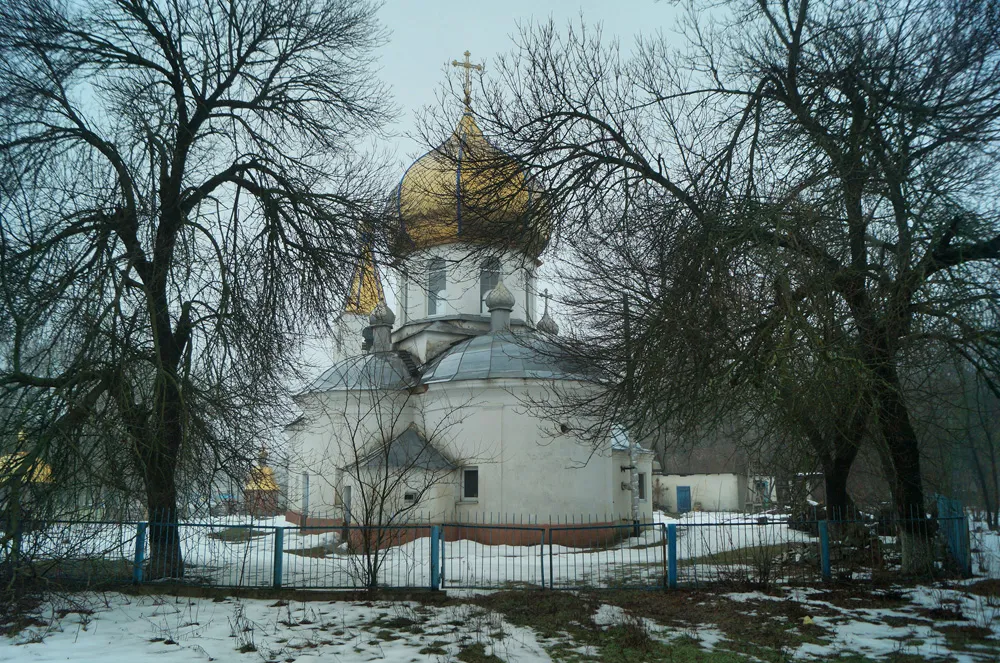
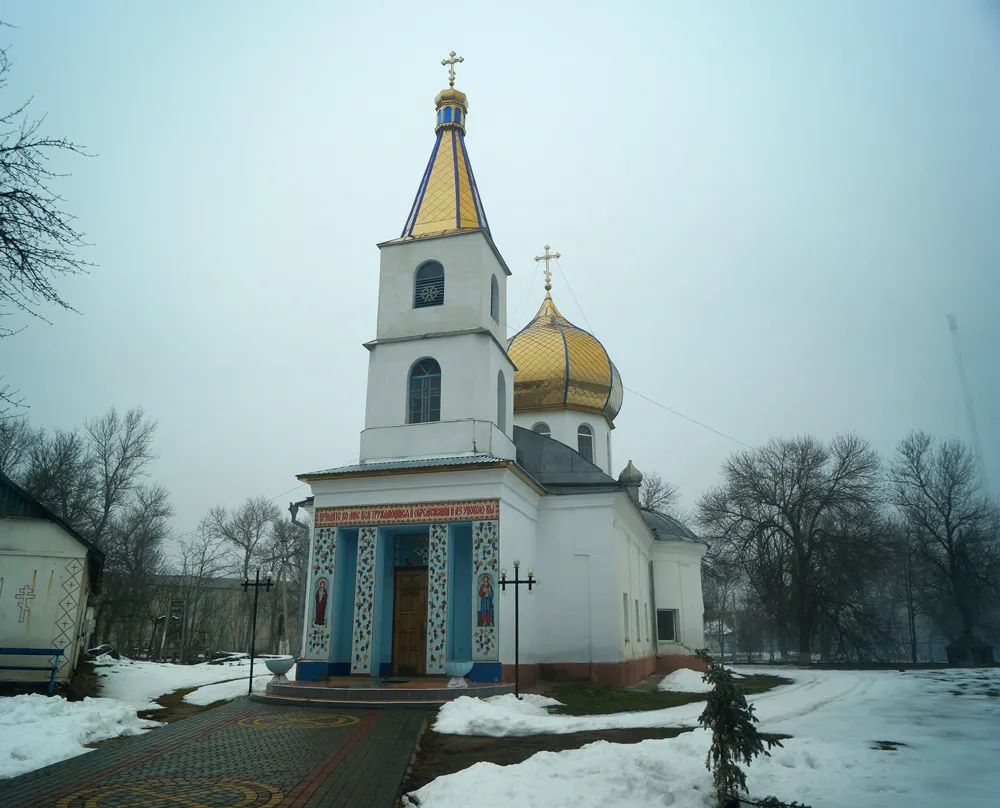
The new church
It is customary to consider that in the same year, 1882, Mykola Volodymyrovych laid out a large manor park, the “Mostove Park”, which for 130 years has been an adornment of the village, and lately also an object of green tourism. By a resolution of the Council of Ministers of the Ukrainian SSR of 29 January 1960, No. 105, it was granted the status of a “Park-monument of landscape garden art”. The park is also an object of the State Nature Reserve Fund of Ukraine. By Order No. 1243 of 31.10.2011 of the Ministry of Education, Science, Youth and Sports of Ukraine, it is recommended to schools as a site for student nature excursions in Mykolaiv Oblast.
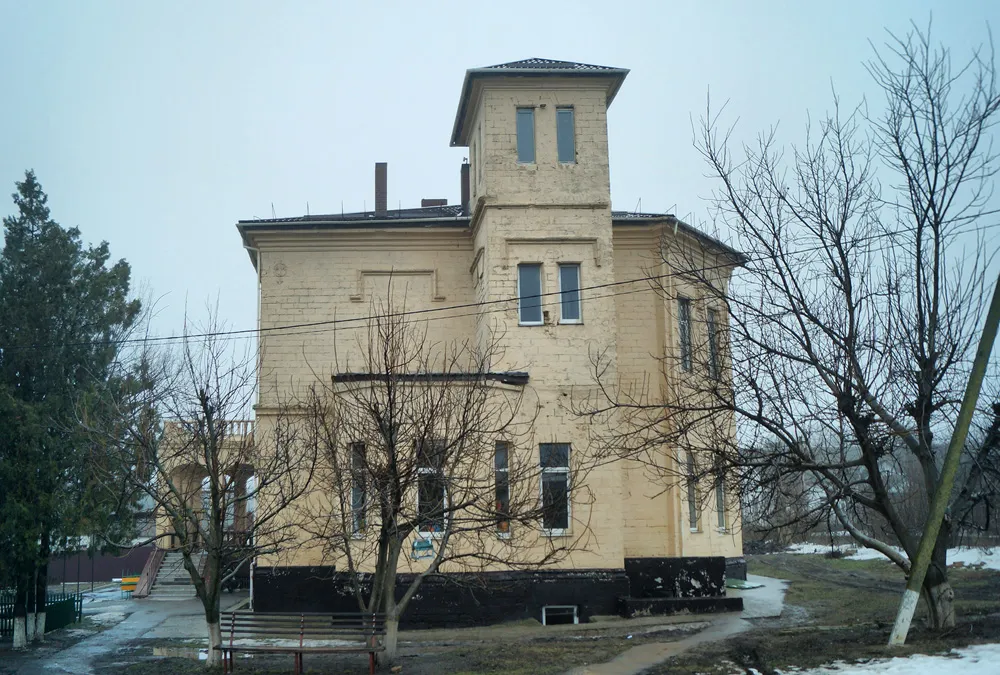
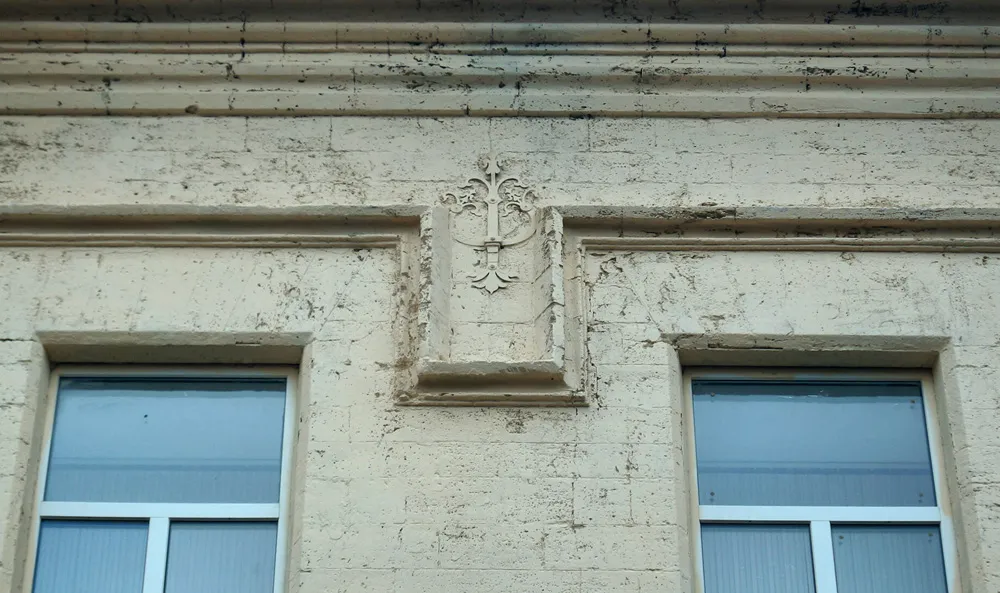
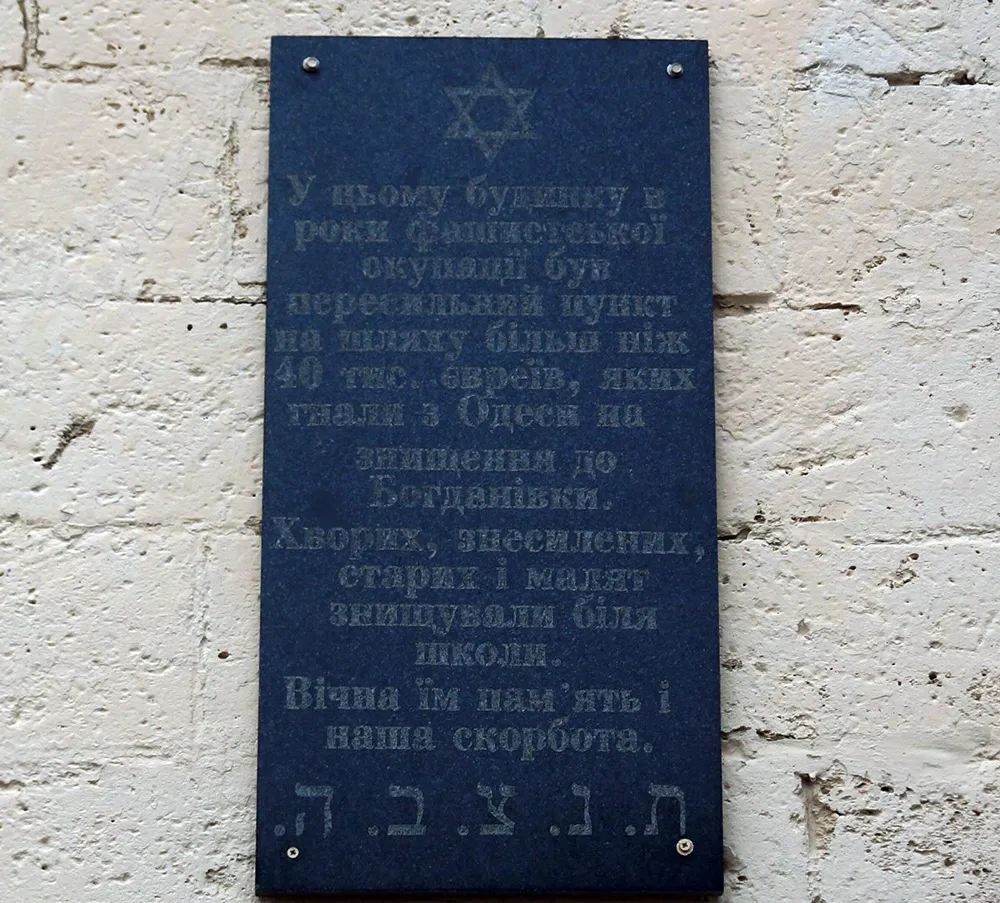
In the period 1880-1881 the construction of a new manor with a large three-level palace was completed. After the October coup of 1917 it was used for various needs of the local authorities, and since 1952 it has been the main building of the Mostove general secondary school.


