Usatove. The Great Cossack cemetery

· 3 min read
Usatove is a very large village with about 8,000 inhabitants. It is located on the north-western outskirts of Odesa.
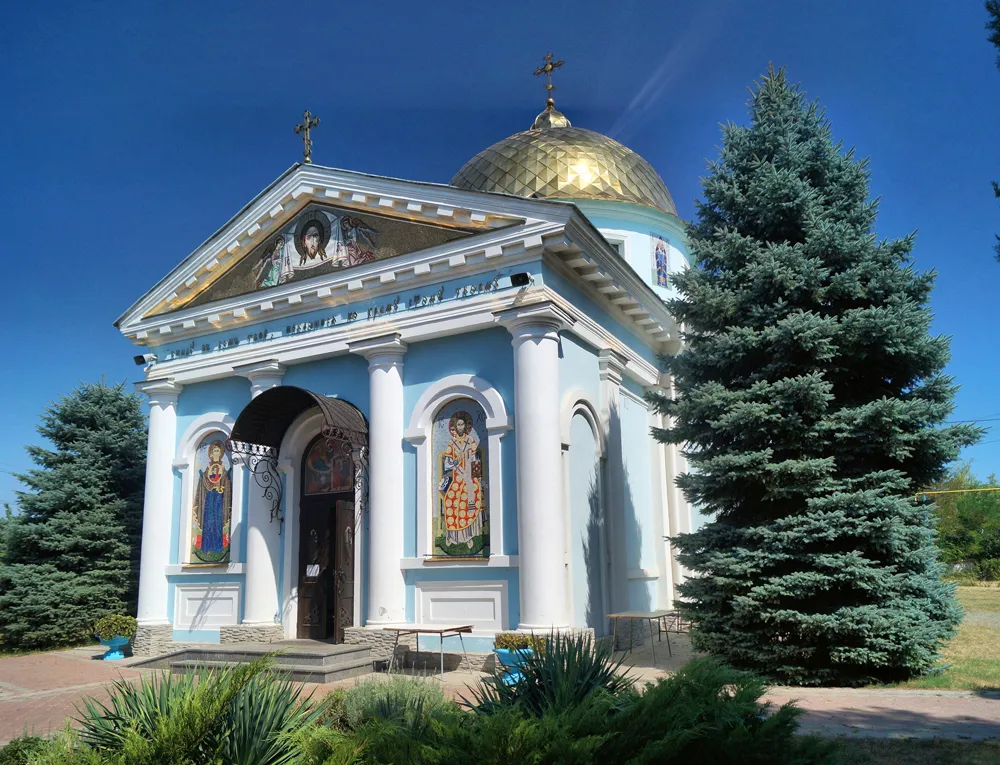
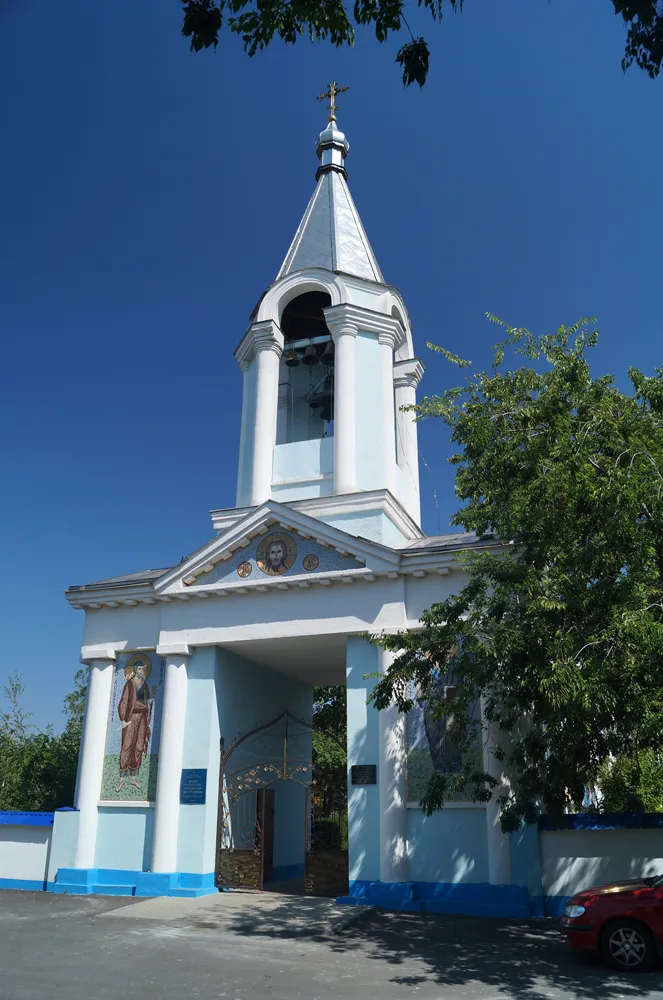
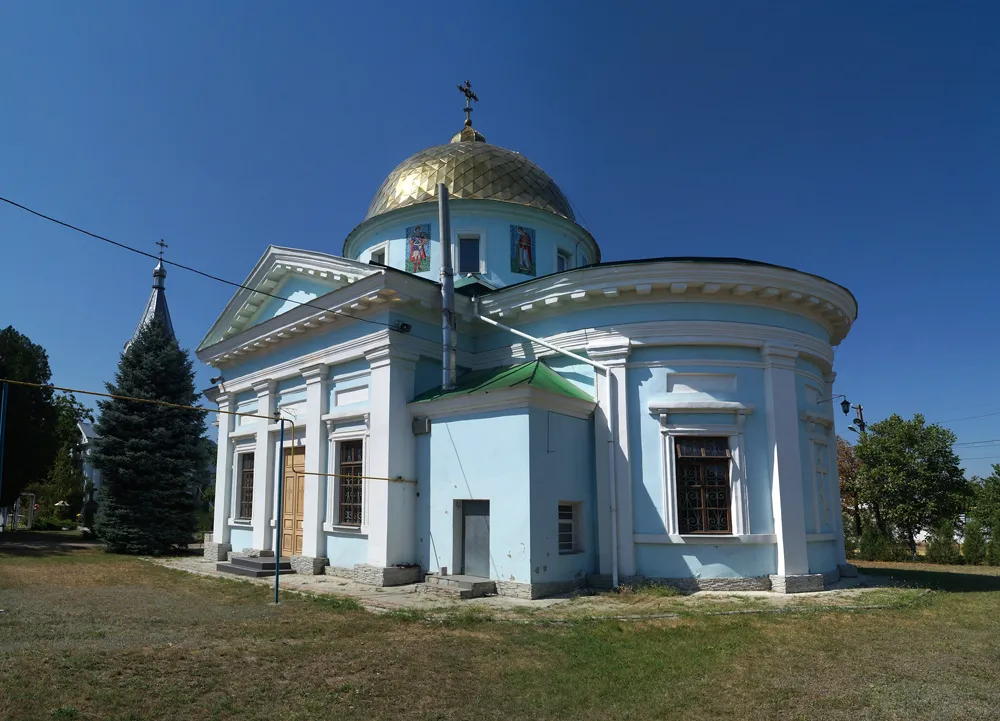
The village was founded by Zaporozhian Cossacks in 1775 under the name Usativski Khutory. On 21 September 1822 the Church of the Nativity of the Virgin was consecrated here, and since then 21 September (the Feast of the Nativity of the Virgin) has been considered the village’s day.
The Church of the Nativity of the Most Holy Mother of God is built in the Classical style from limestone blocks. It is cross-domed, with four piers, a semicircular apse and rectangular annexes connected to it. The central part is covered by a dome with a hemispherical cupola on a round drum resting on pendentives supported by semicircular arches. The northern, southern and western façades are finished with high triangular pediments. Within the church fence there is an ancient well, similar to the ancient wells in Odesa.
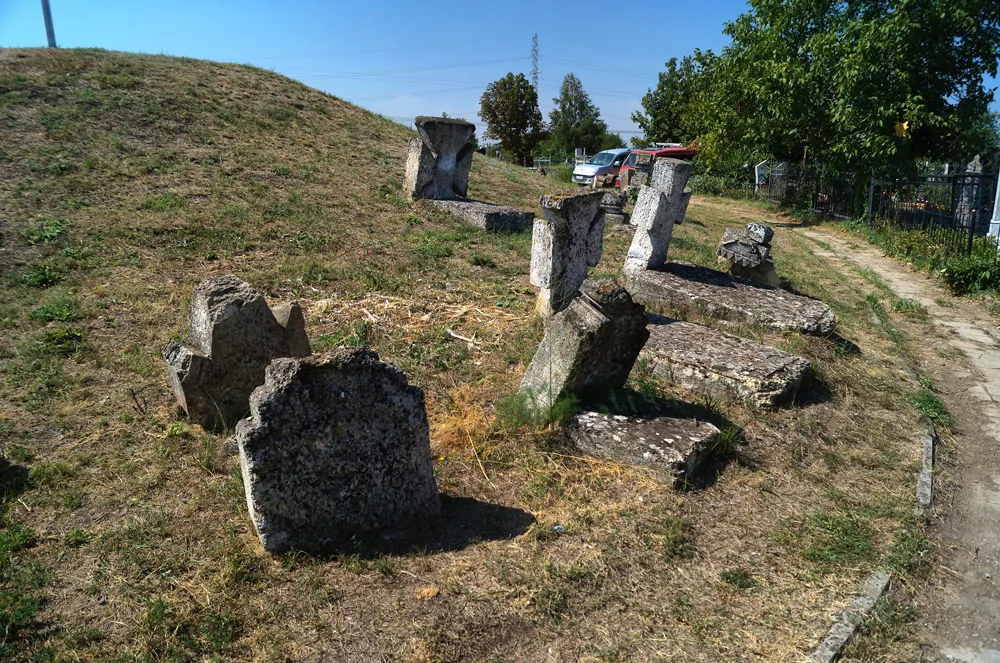
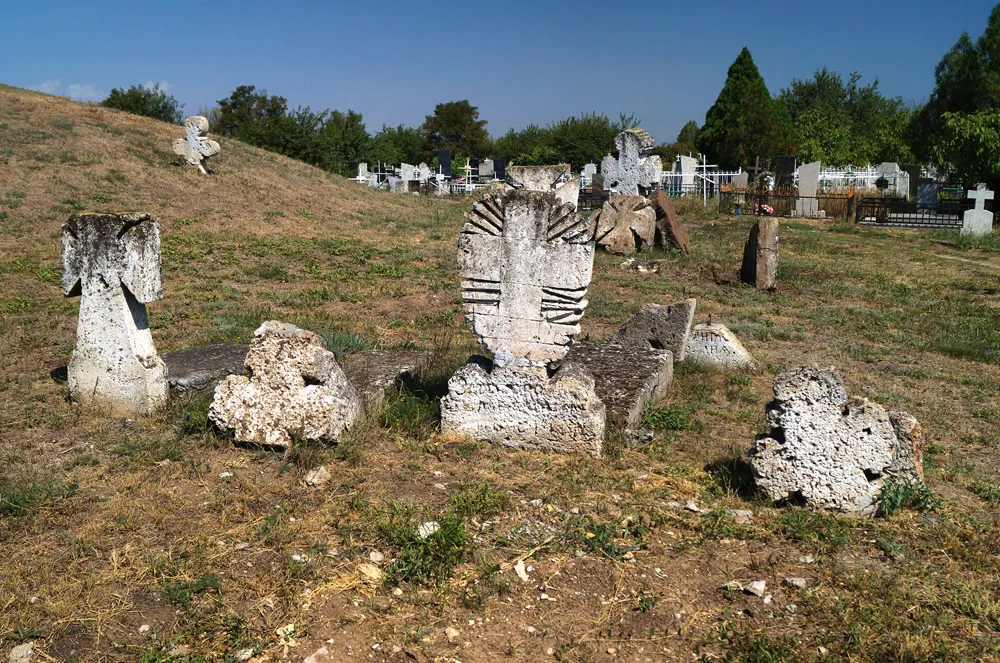
The main landmark of Usatove is the Great Usatove Cossack Cemetery. It is a historic necropolis located in the village of Usatove, Odesa district, Odesa Oblast. In the centre of the cemetery there is a burial mound listed among archaeological monuments. Around the mound there are numerous Cossack burials. This cemetery, like the Kuialnyk cemetery on the slope of Shkodova Hora, was first recorded in the early 1920s, during archaeological research of sites of the Usatove culture.
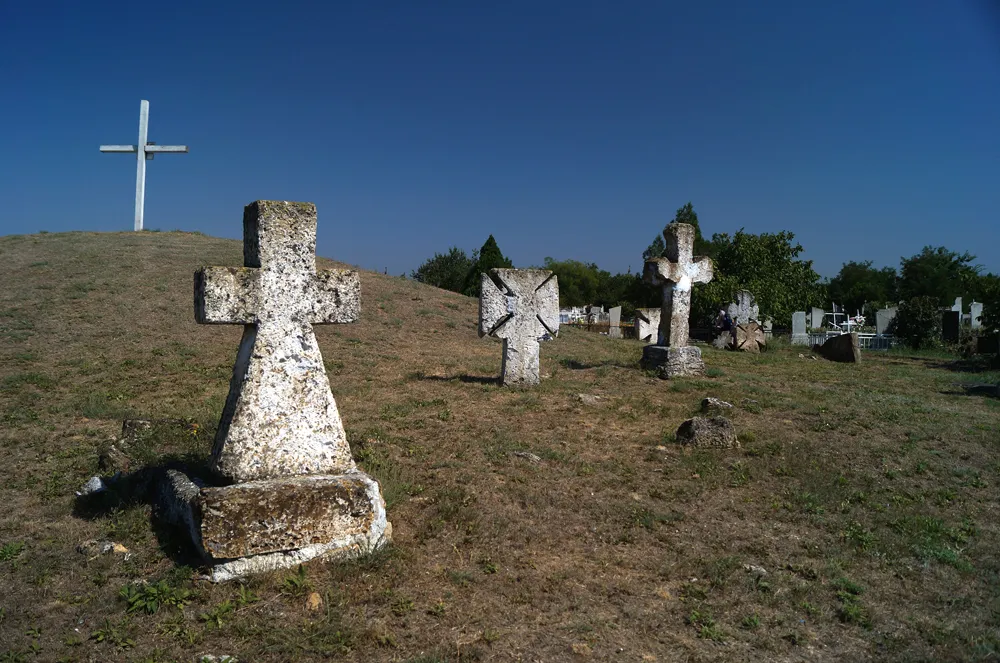
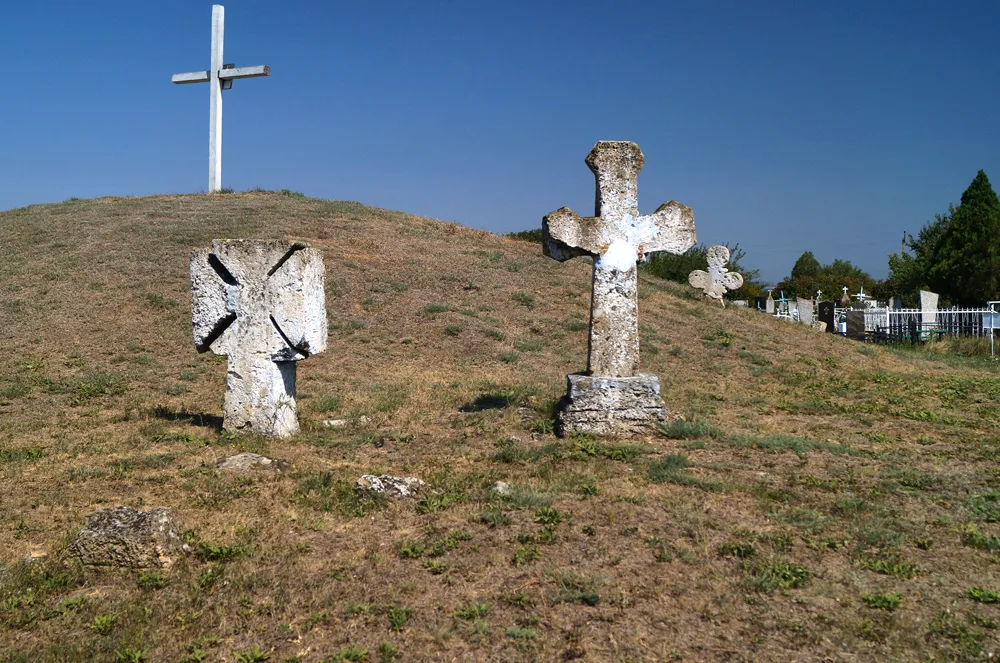
The cemetery is located on the top of Shkodova Hora, which is the centre of origin of the Usatove culture. On the hill and in its surroundings 18 burial mounds with cromlechs and two flat burial grounds have been excavated. A distinctive feature of the burial rite was placing the dead in pits in a crouched position on the left side. In the central graves under the mound, clan leaders were buried. Copper daggers, axes, awls and clay vessels were found in the burials. Thus, the first burials here appeared as early as 2400–2000 BC.
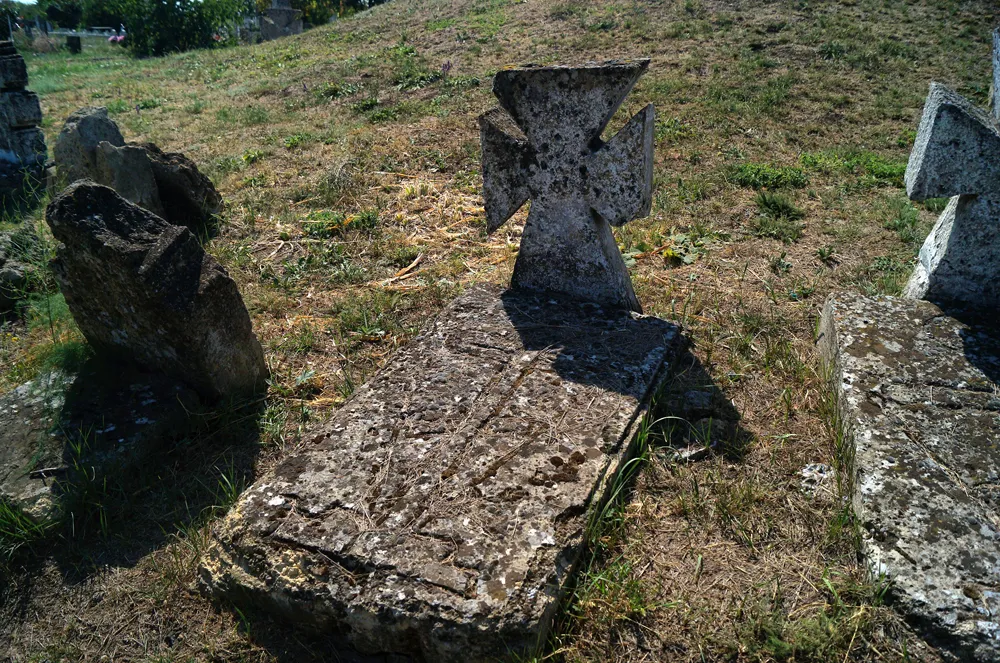
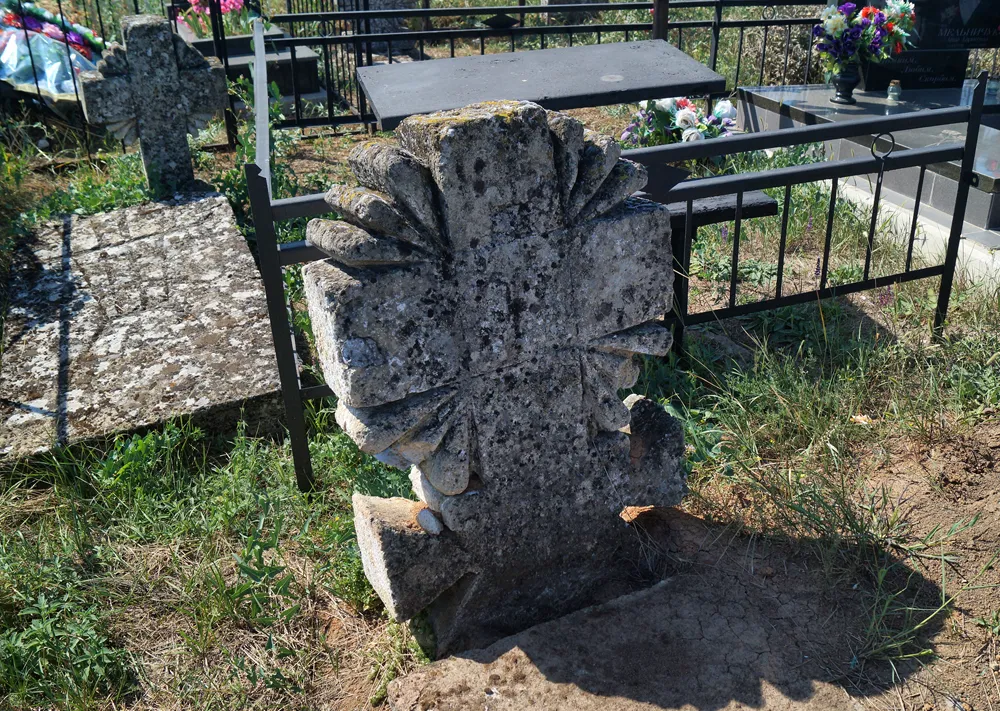
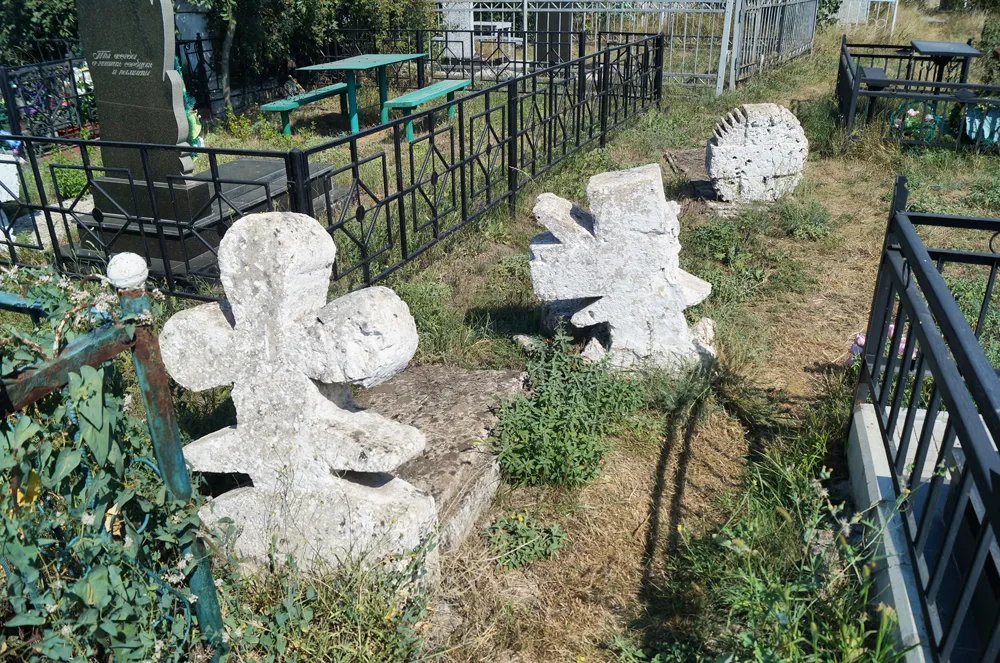
In the 1670s Zaporozhian Cossacks moved to this region and founded the stanytsia of Usatove. That is when the present cemetery actually appeared, where natives of the Zaporozhian Sich, and later the Black Sea Cossacks and their descendants, buried their dead. Typical Cossack gravestones are stone crosses, among which scholars distinguish 32 types, by which the social status of the buried person can be determined.
For a long time the cemetery remained unstudied. Interest in this necropolis arose in the late 1980s, when society began to pay attention to historical and cultural heritage. In addition to the already existing “Archaeological monument” sign, a stone was installed at the cemetery as a Cossack memorial.
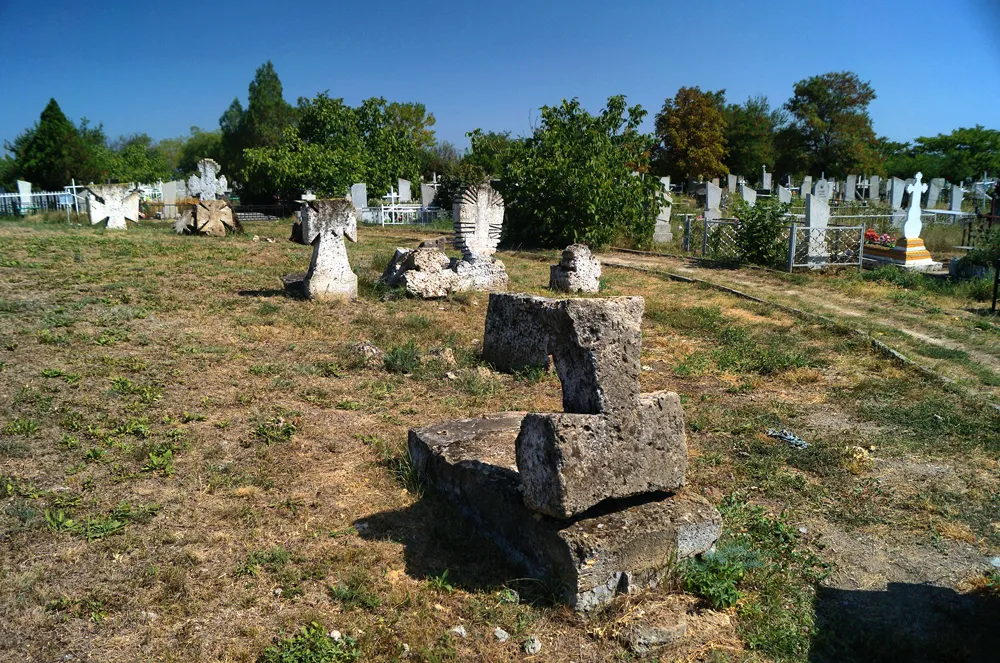
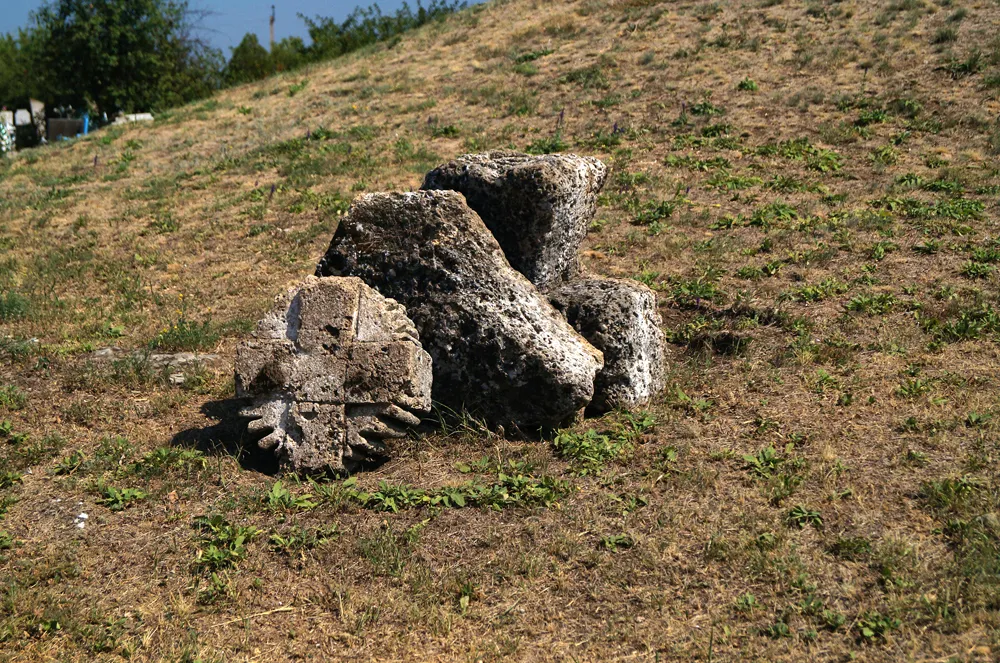
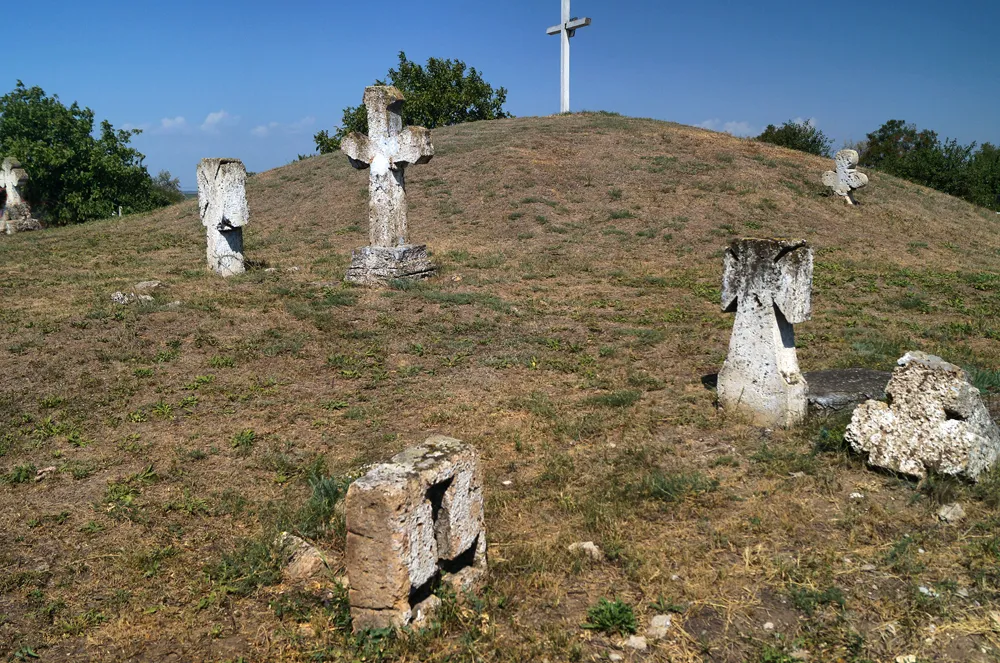
Only about fifty intact stone Cossack crosses remain at the cemetery. The crosses are increasingly being destroyed, mostly by external influence. Many crosses have been toppled and bear numerous traces of damage. Between 1994 and 2001 some steps were taken to slow the destruction of the historic necropolis. The cemetery was looked after mainly by Cossack organizations. However, besides the positive influence, there were also negative changes. Thus, to strengthen the Ukrainian character of the gravestone crosses, “tridents” were scratched on some of them.
But in recent years the attention from Cossack communities has ceased, and the local authorities are also not interested in preserving the monument. In October 2011 the Odesa regional organization of the All-Ukrainian Union “Svoboda” appealed to the President of Ukraine with a demand to include the cemetery in the register of cultural heritage monuments and take it under state protection.
Text from Wikipedia, photos by Roman Malenkov.