

Orlivka. Kartal

· 3 min read
The village of Orlivka lies in the marshy, reed-overgrown low floodplain of the Danube, between lakes. The old name of the village is Kartal; it was called that until 1946. This word is Tatar and means “eagle”, hence the Soviet name Orlivka. But there are no Tatars in the village: 95% of the population (of almost 3 thousand people) name Moldovan (read: Romanian) as their native language. It is 2 km to Romania (ethnic Moldova), and 25 km to present-day Moldova. Until 1940 this was Romanian territory. Historical Moldova lies for the most part in Romania, and the Romanian and Moldovan languages are identical, which is why Google Translate does not single out Moldovan at all. It would be more logical to call the residents of Orlivka ethnic Romanians rather than Moldovans. In the village school teaching is conducted in Romanian (alongside Ukrainian), and there is also a folklore ensemble, “Opincuța”.
On the outskirts of Orlivka is the Kamiana Hora (Stone Mountain) tract, where significant archaeological research is under way. This was the site of a camp of one of the Roman legions, but scholars say the site is multilayered and that artefacts of many cultures can be found here, in particular of the Celts, who had their fortified camp Aliobrix here. We walked around the hill, from which there is a fine view of the lakes, and looked about; for a non-specialist there is nothing especially interesting here, unlike the “Kartal” eco-park created to the south-east of Orlivka. It is a huge Danube floodplain covered with cane and reeds, over which a wooden walkway has been laid. You walk as if sailing in a green sea of almost untouched floodplain nature. There are masses of birds, and buffaloes were also brought here from Transcarpathia, which, they say, can be seen. We did not see any. Local residents told us that most of the time the buffaloes are kept in enclosures and are let out only “for tourists”. Who knows whether that is really so.
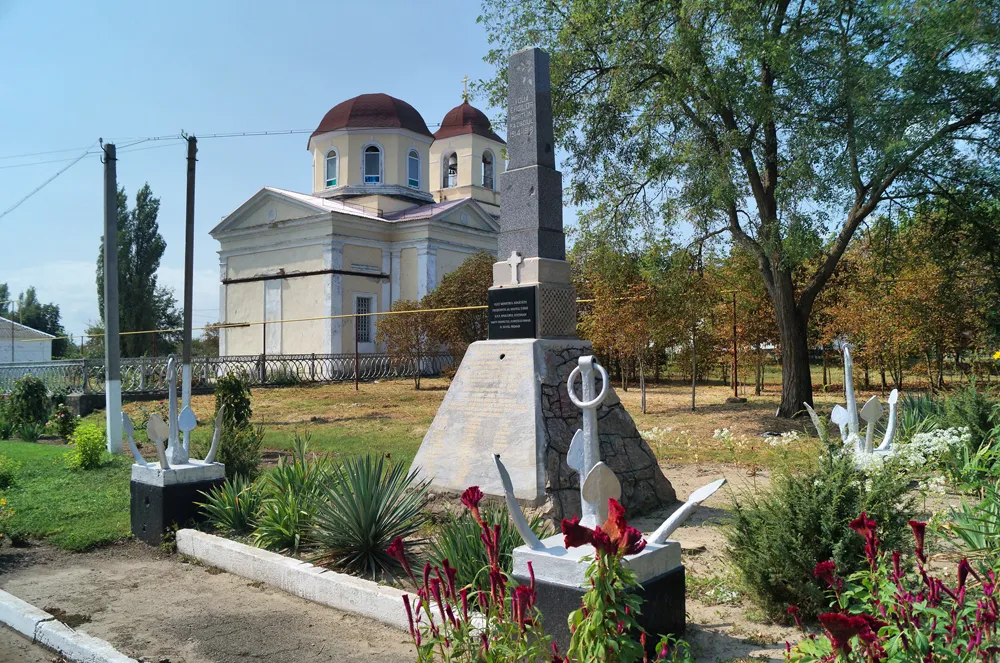
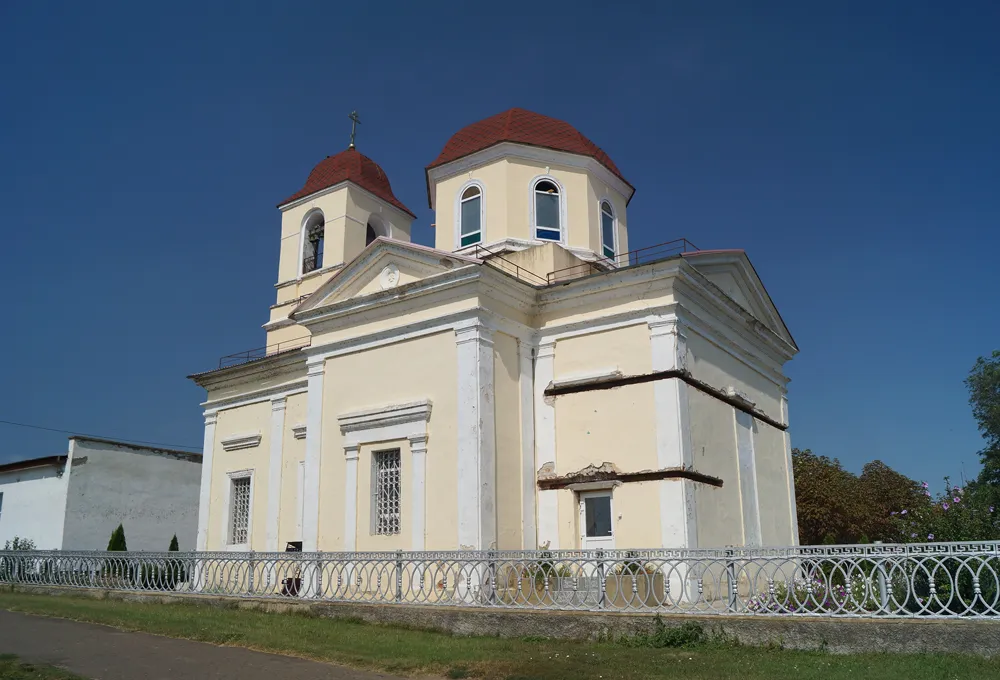
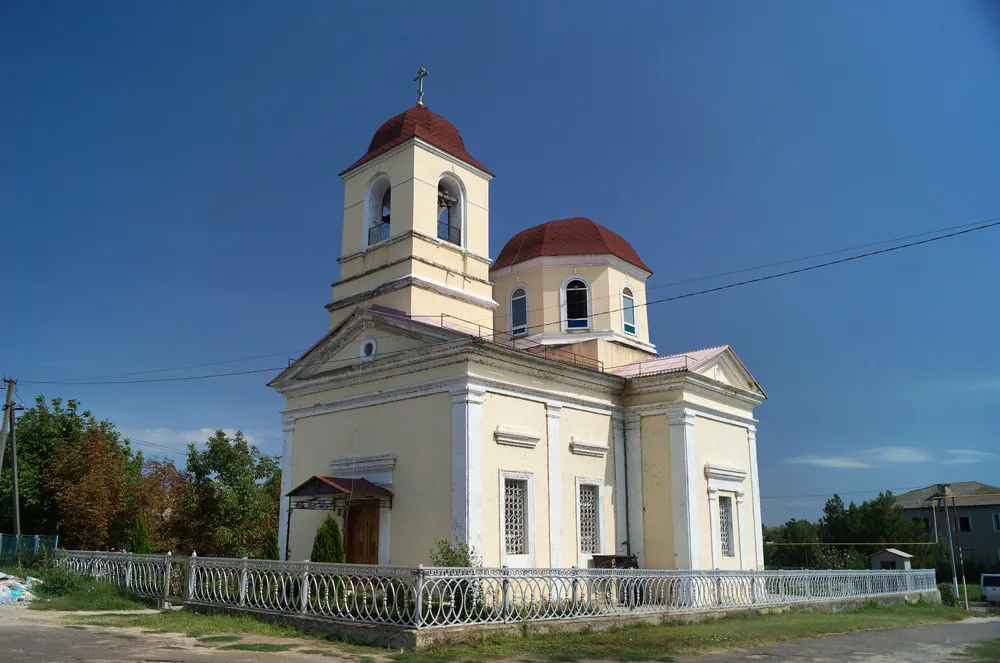
St. Nicholas Church.
In 2020 a ferry crossing over the Danube to Romania was opened in Orlivka. But, given the covid pandemic, it hardly operated.
The main architectural monument of Orlivka is St. Nicholas Church, which was built, probably, in the second half of the 19th century. We could not find any information about the construction of the church; it is not included in the register of architectural monuments. Local residents told us that in 1946 the church was closed and turned into a warehouse for lime and cement, and later vegetables were stored here. In 1992 the building was repaired and there were plans to place a village museum in it, but after two years of appeals by the faithful it was nevertheless handed over to the village community. They say that services are held in Romanian.
In front of the church stands a monument to fellow villagers who died during the First World War. The inscriptions are all in Romanian, since it was erected in the interwar period.
Text and photos by Roman Malenkov and Serhii Shcherbii.
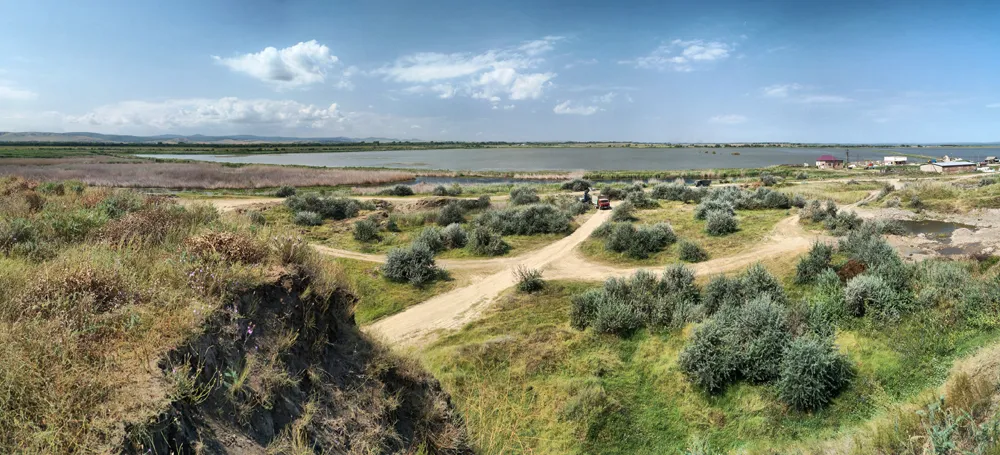
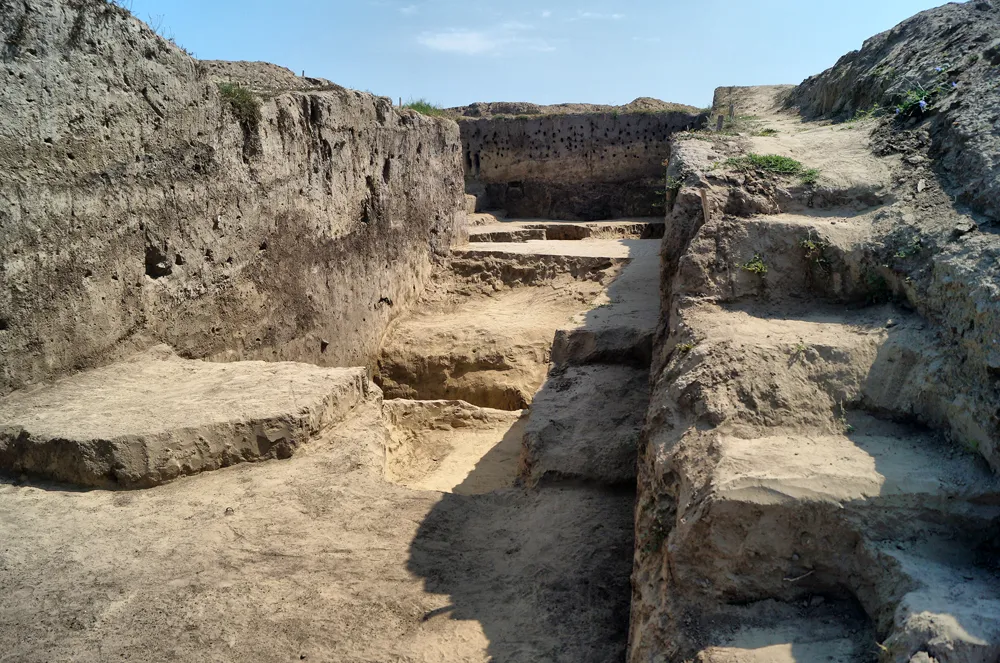
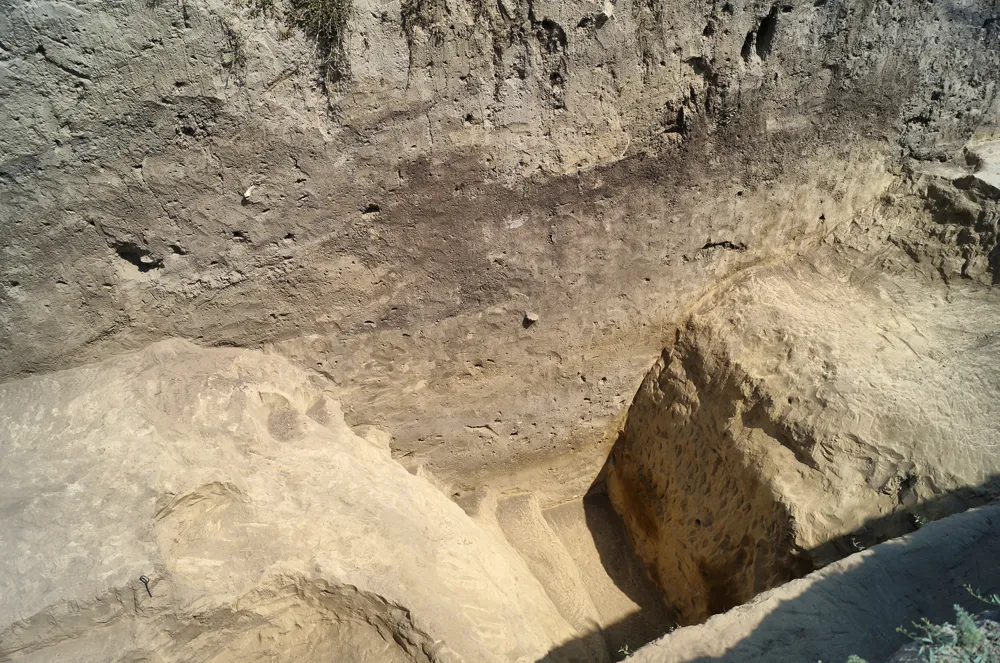
Kamiana Hora. Archaeological excavations.
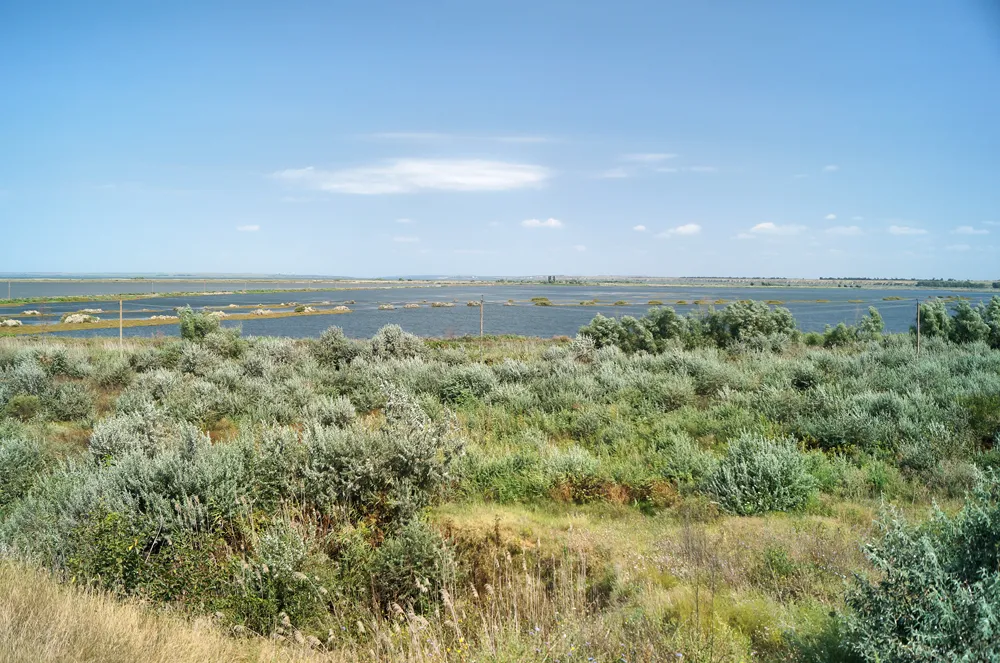
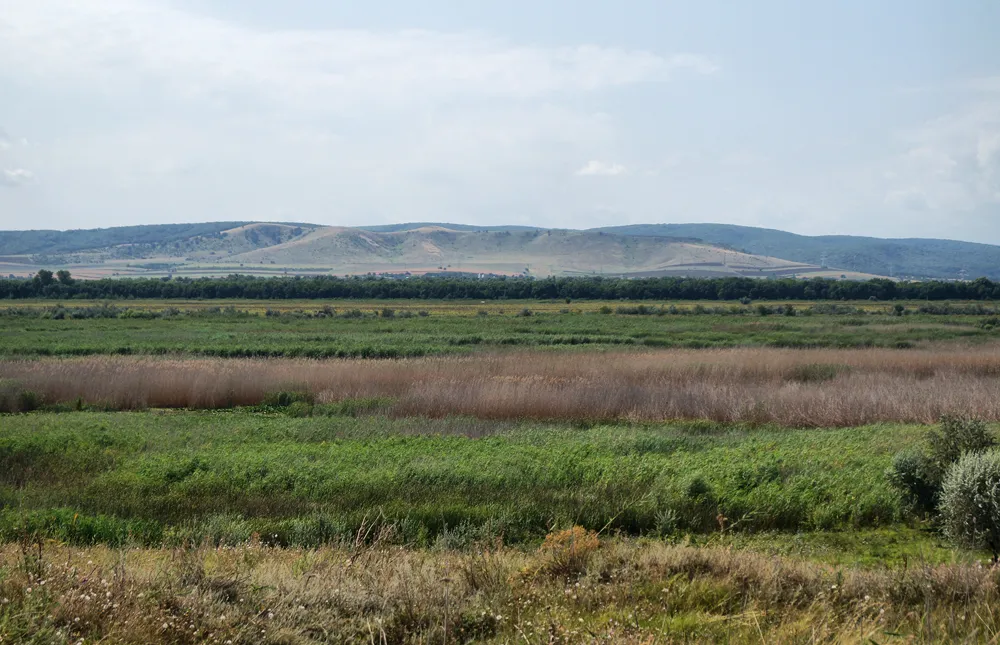
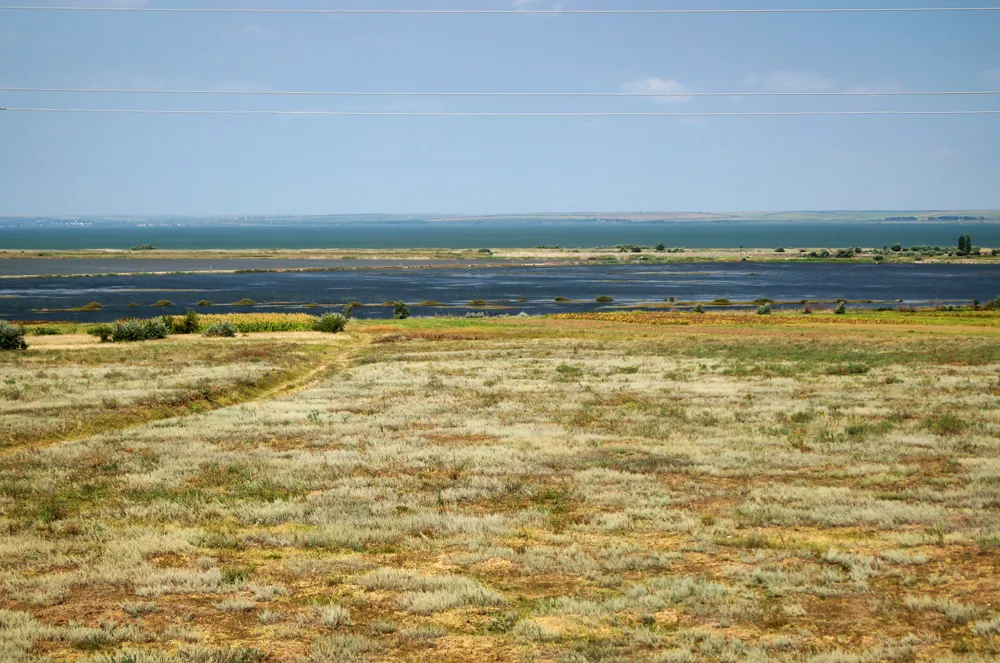
Views around Orlivka.
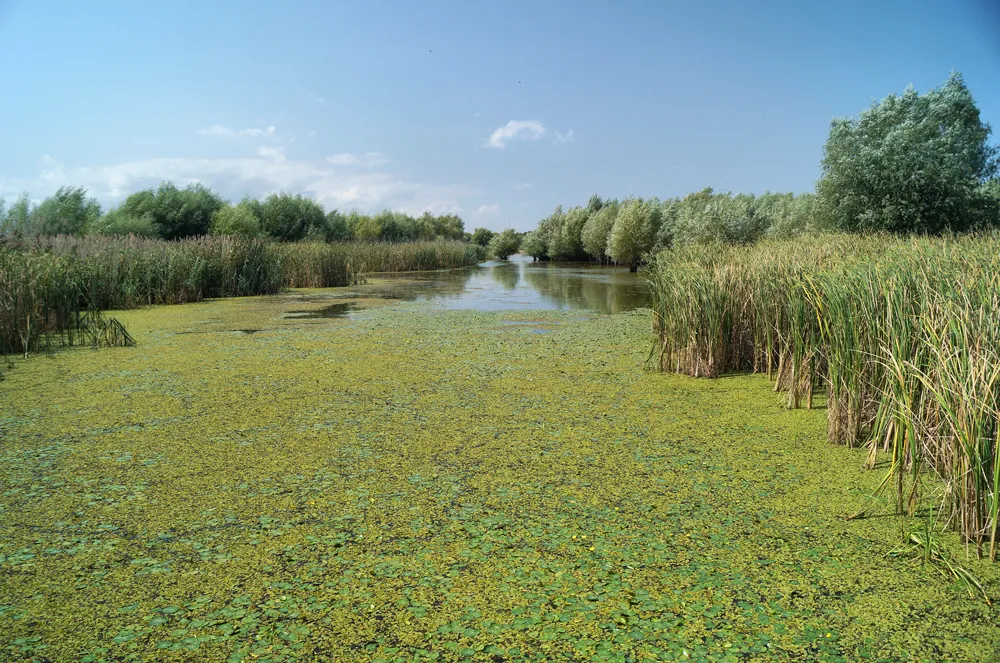
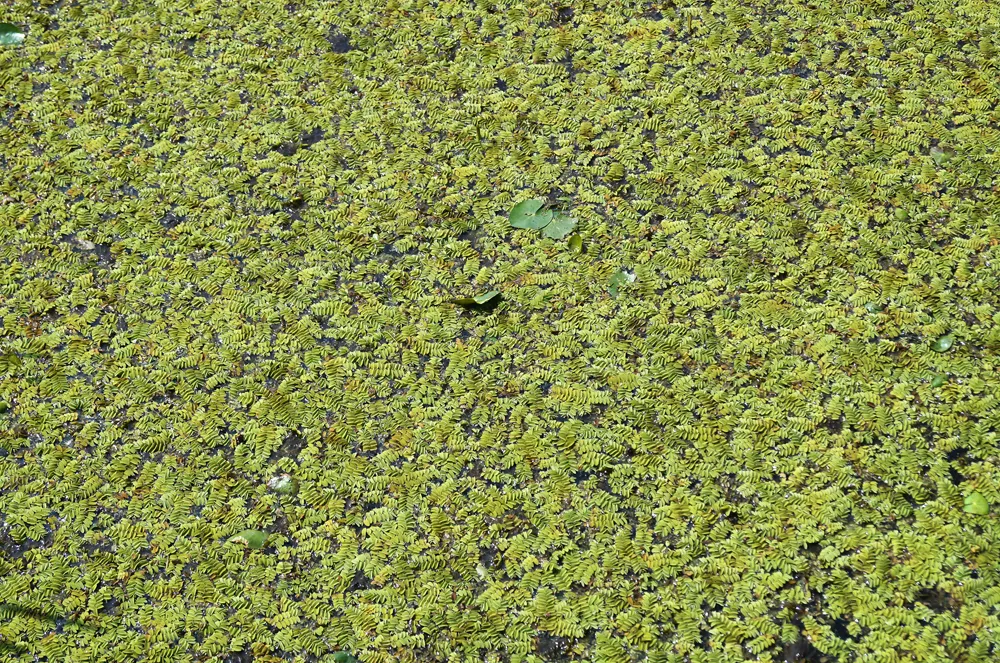
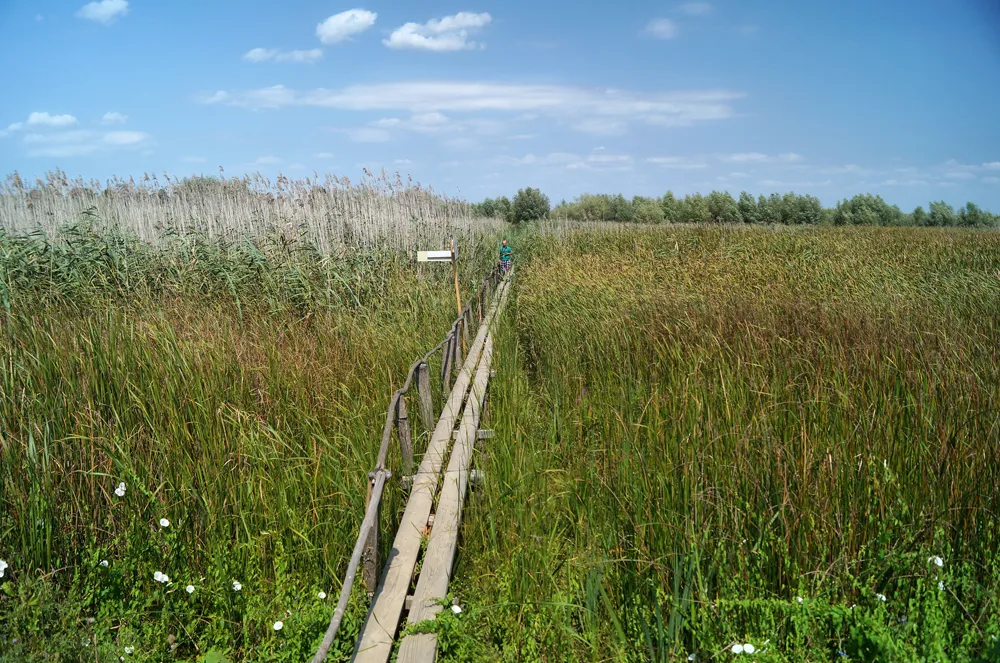
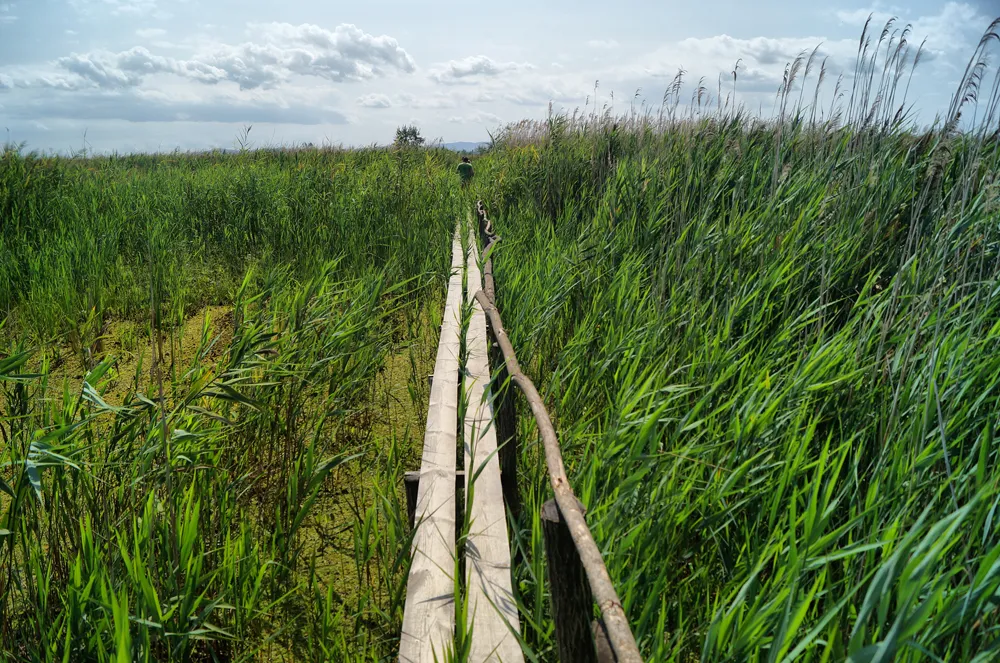
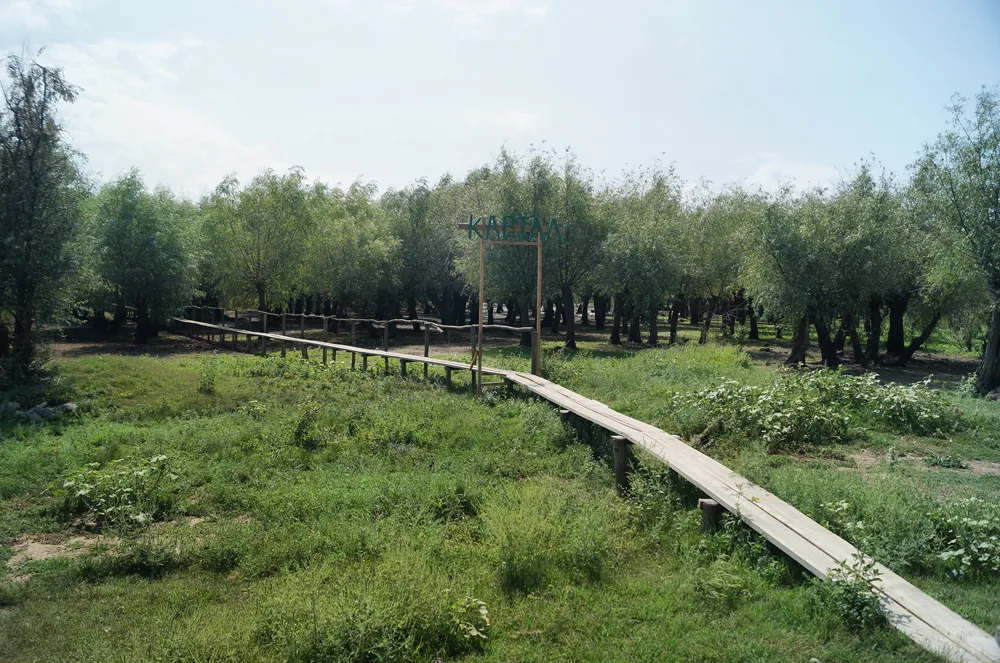
“Kartal” ecological park.


