

Poloshky. The village of Pavlo Skoropadskyi

· 2 min read
The Cossack Fedir Skoropadskyi, who took part in the Battle of Zhovti Vody, probably never thought that one of his descendants would become a hetman. But no. They did, and not just one. First his grandson Ivan became hetman (1708-1722), who was only two years old when his grandfather died, and several generations later another great-great… (and so 6 times)… grandson, Pavlo, became Hetman of Ukraine in 1918. And it was in the village of Poloshky in the Sumy region that the family of the last hetman, Pavlo Petrovych Skoropadskyi, lived.
Countless books, biographies and studies of his life and work have been written about him. His biography is covered quite fully on Wikipedia, and we recommend reading it, as it describes both his political and state-building activity and the tragic pages of his family’s emigration. And although Pavlo Skoropadskyi spent his childhood years in the family nest in Trostianets, having inherited from his grandfather and father large estates in Poltava and Chernihiv governorates (Trostianets, Poloshky, Yaroshivka, Voskovtsi, Dunaiets, Kubarov), the manor in Poloshky is also considered a family one.
Over three centuries the Skoropadskyi family was closely intertwined through marriages with other well-known Ukrainian officer-noble and hetman families: the Apostols, Zakrevskyis, Kochubeis, Lyzohubs, Miloradovyches, Polubotoks, Rozumovskyis, Tarnavskyis and Markevychs.
How do you like such company? Even in neighbouring villages, together with the Markovyches, the Skoropadskyis had separate estates, for example in the village of Dunaiets and in Poloshky itself. In Poloshky the Markovyches owned deposits of especially high-quality kaolin clay, which was used to make porcelain and was even exported abroad.
As for the village, it has been known since the second half of the 16th century. Archives contain data that the farmstead of Poloshky was founded by Cossack officers.
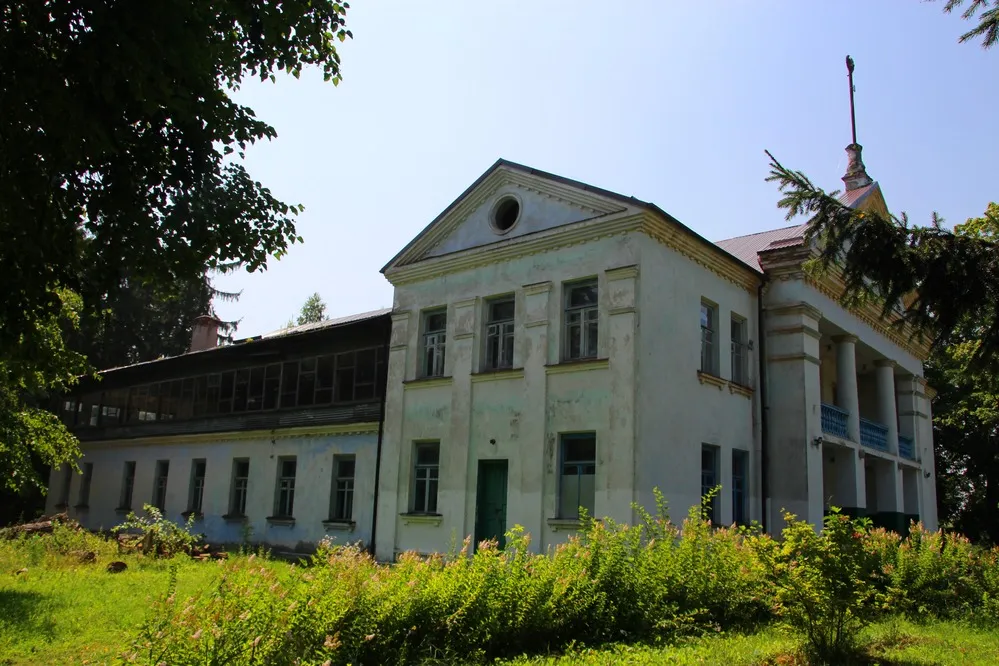
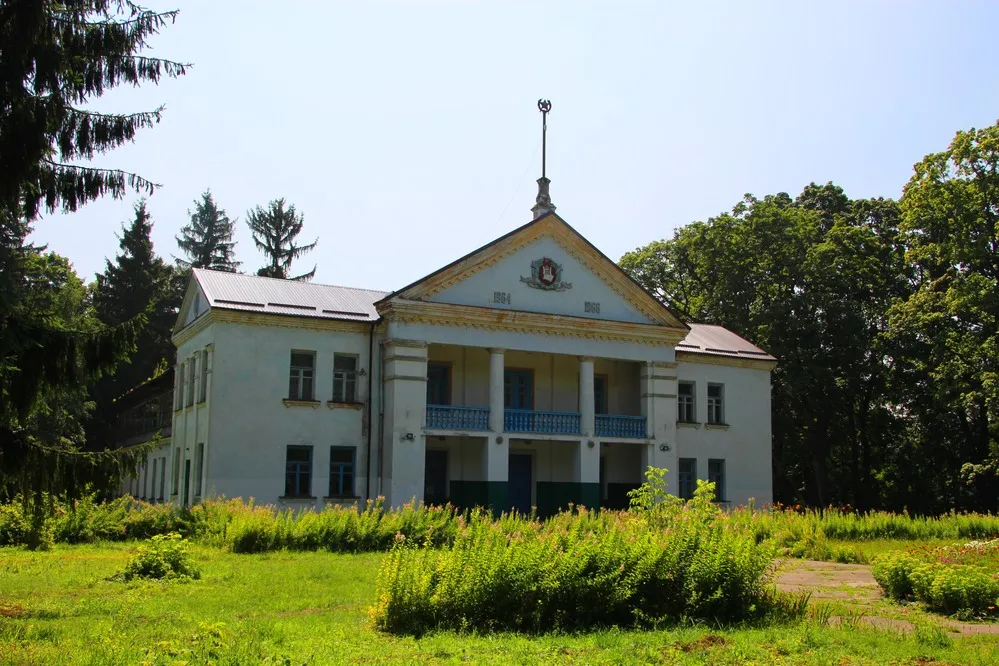
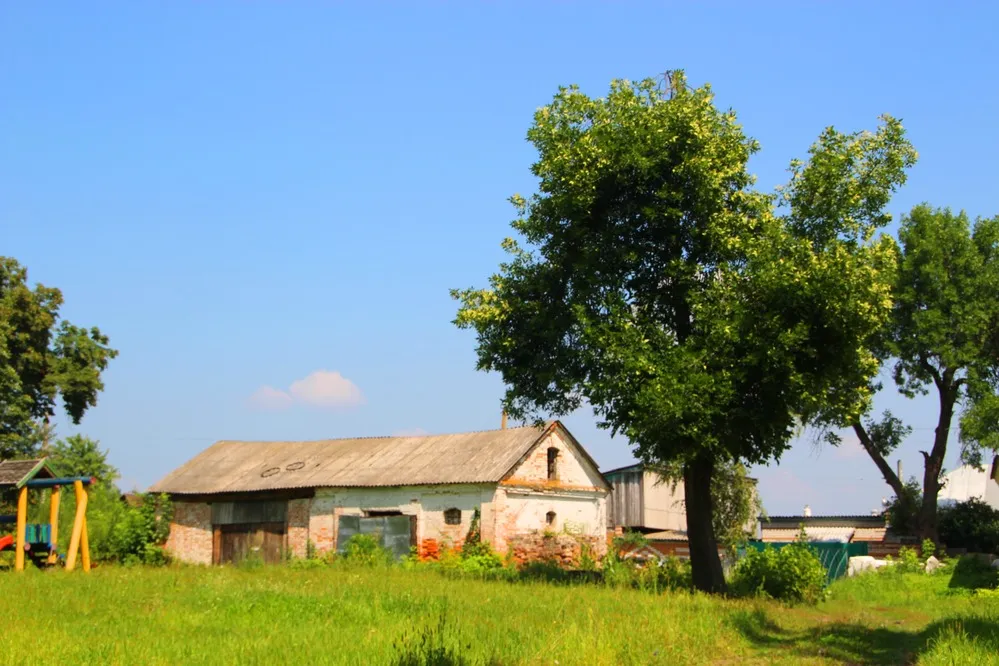
Poloshky has the Skoropadskyi Park, laid out by Pavlo Skoropadskyi’s grandfather, Ivan Mykhailovych, a great lover of nature. Just the Trostianets Park founded by him is worth a lot. But of the truly majestic manor itself only the main gate, the ruins of the stables and a well have survived. On the site where the palace once stood, a club was built in 1964-1966.
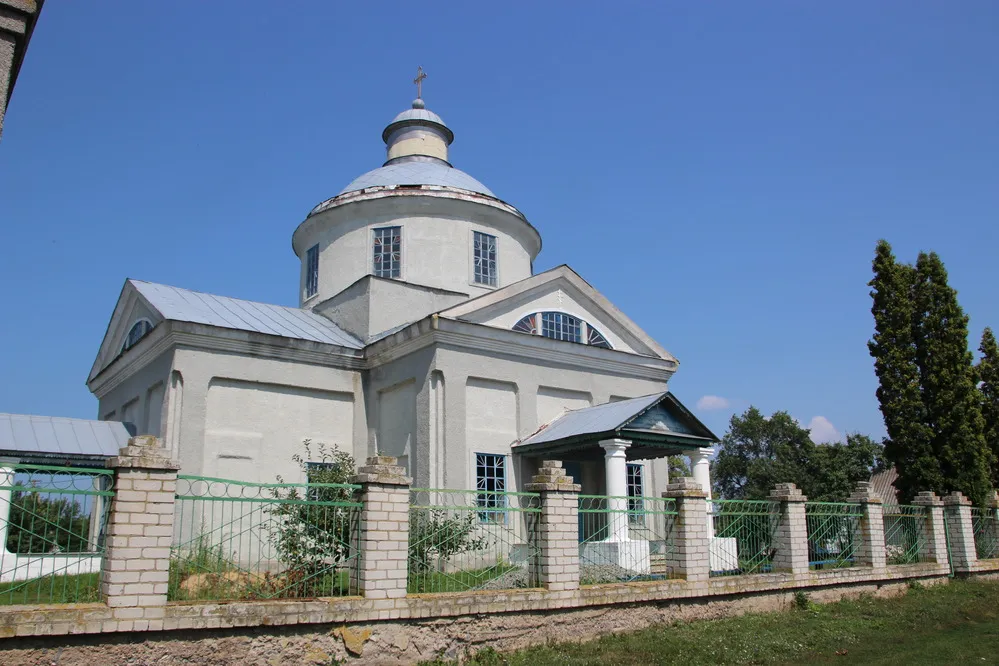
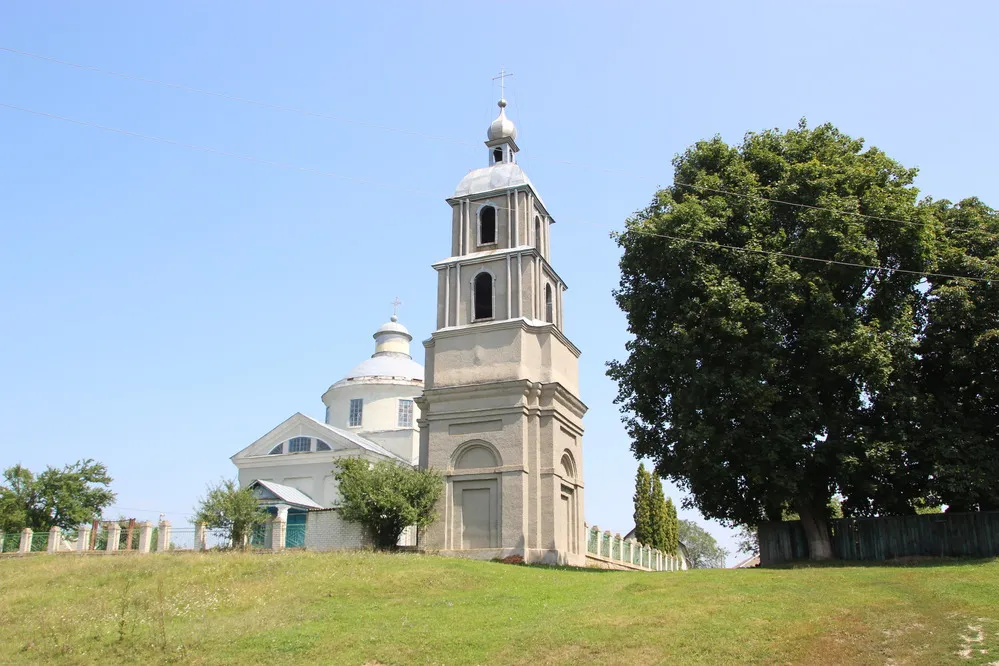
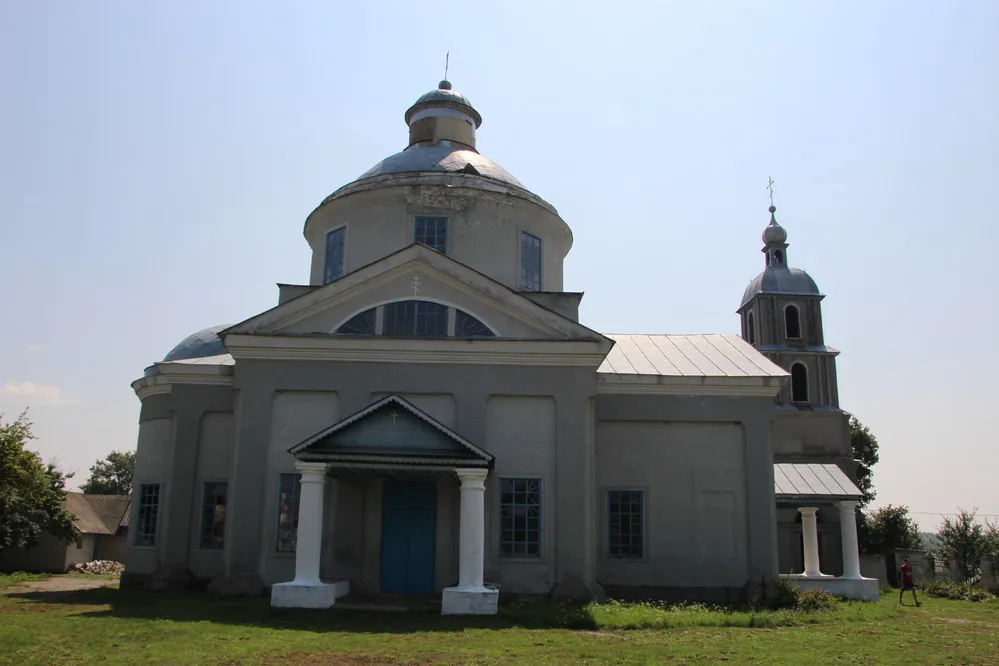
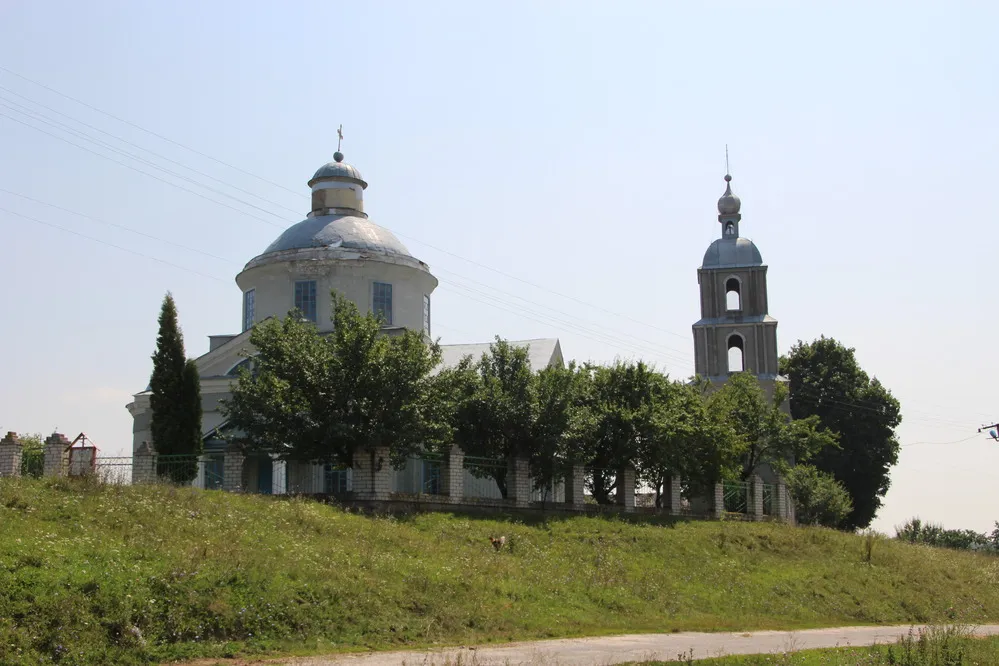
The true ornament of the village is St. Nicholas Church (1796). It was built in the Late Classicism style with funds from the Metropolitan of Kyiv Samuil Myslavskyi, a native of Poloshky. His mother and father, the priest Hryhorii, are buried near the church. Together with the church a three-tier bell tower with a large dome was built. In the 20th century the bell tower was partly destroyed and restored by the community.
Text and photos by Ihor Dorozhko, Oleh Hodyna and Maksym Nazarenko.


