Hadiach. Another capital and a centre of Hasidism

· 4 min read
Hadiach is the capital of Ukraine. A former one. Yes, such a claim has been heard more than once. Capital or not, for five years it was the residence of Hetman Ivan Briukhovetskyi, and it might really have turned into a true capital had Briukhovetskyi not been killed. After that Hadiach was considered one of the largest hetman estates on the Left Bank – all the hetmans owned it, up to Rozumovskyi. From the latter the town was bought into state ownership. Since then Jews began to settle in the town – a lively development of trade and crafts began.
Hadiach entered Ukrainian history as the town where the famous Treaty of Hadiach was signed – Ivan Vyhovskyi agreed with the Polish–Lithuanian Commonwealth on the creation of an equal Principality of Rus, although the agreements remained only on paper.
From 1781 Hadiach was a county centre. One could not call it a big town – in the mid-19th century about five thousand inhabitants lived here, and there were 4 churches, 2 synagogues, a hospital, 2 schools, 4 factories and a post station. Every year the town held 5 fairs, and there was a weekly market.
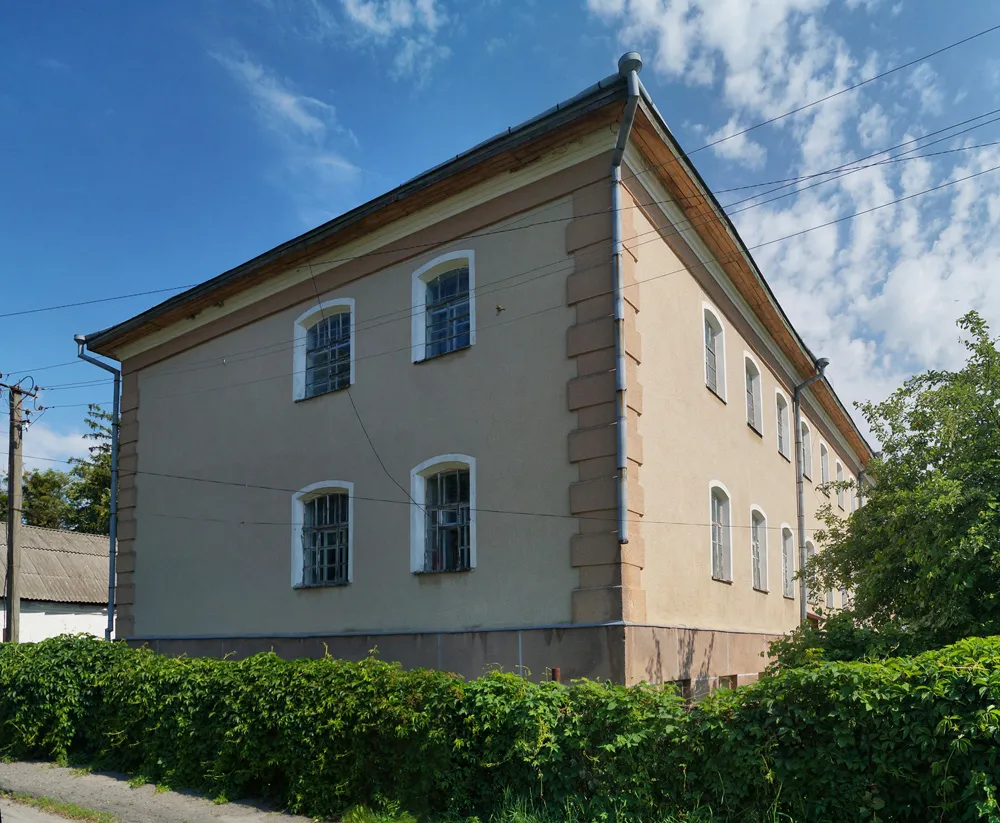
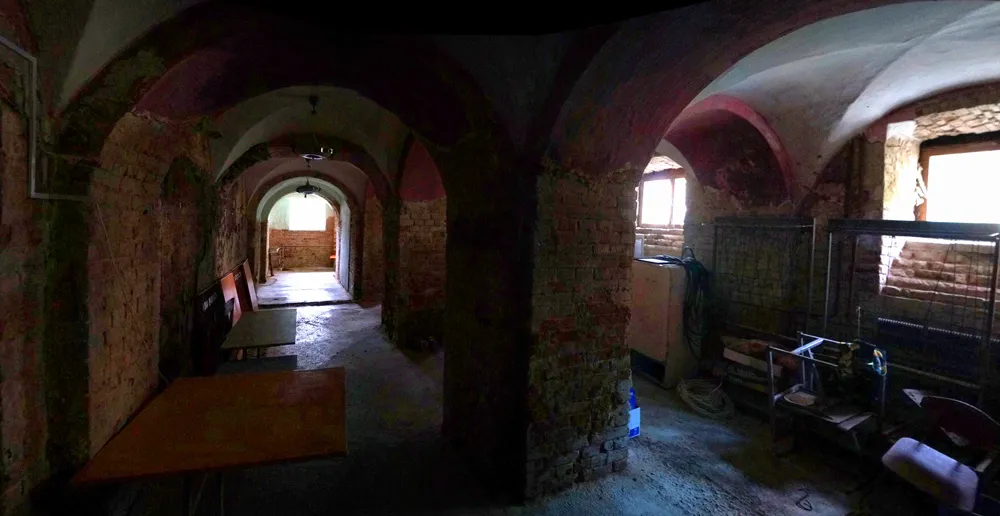
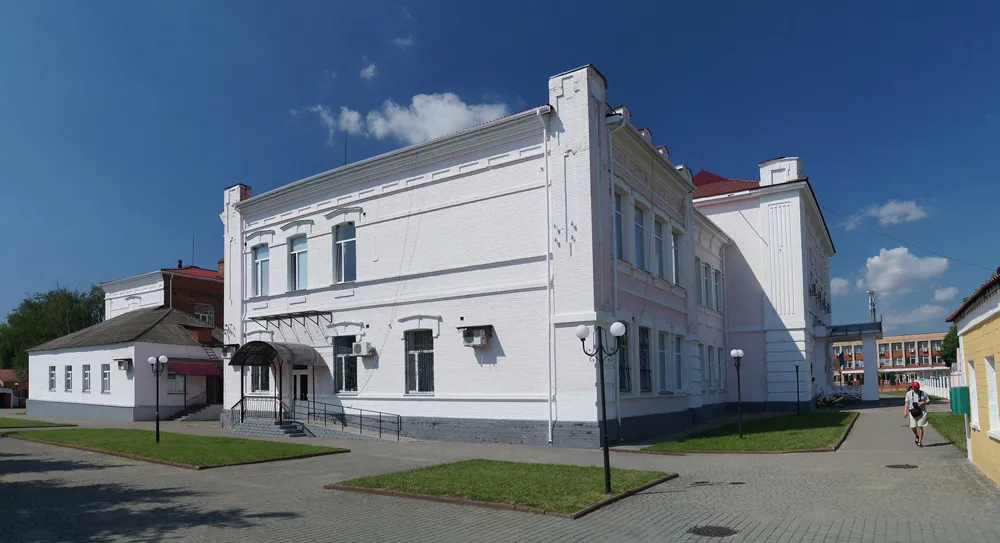
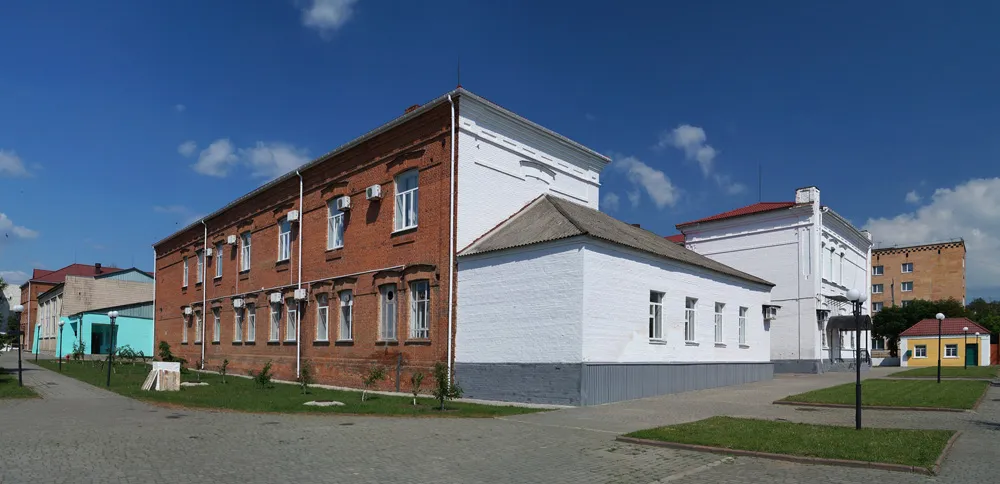
The former prison
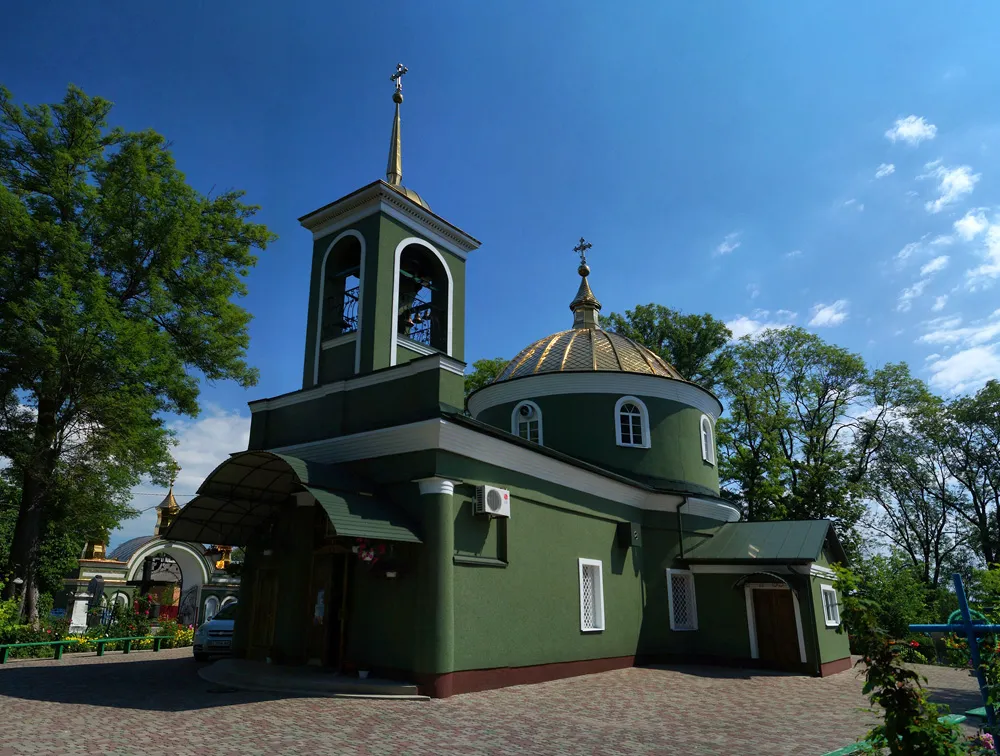
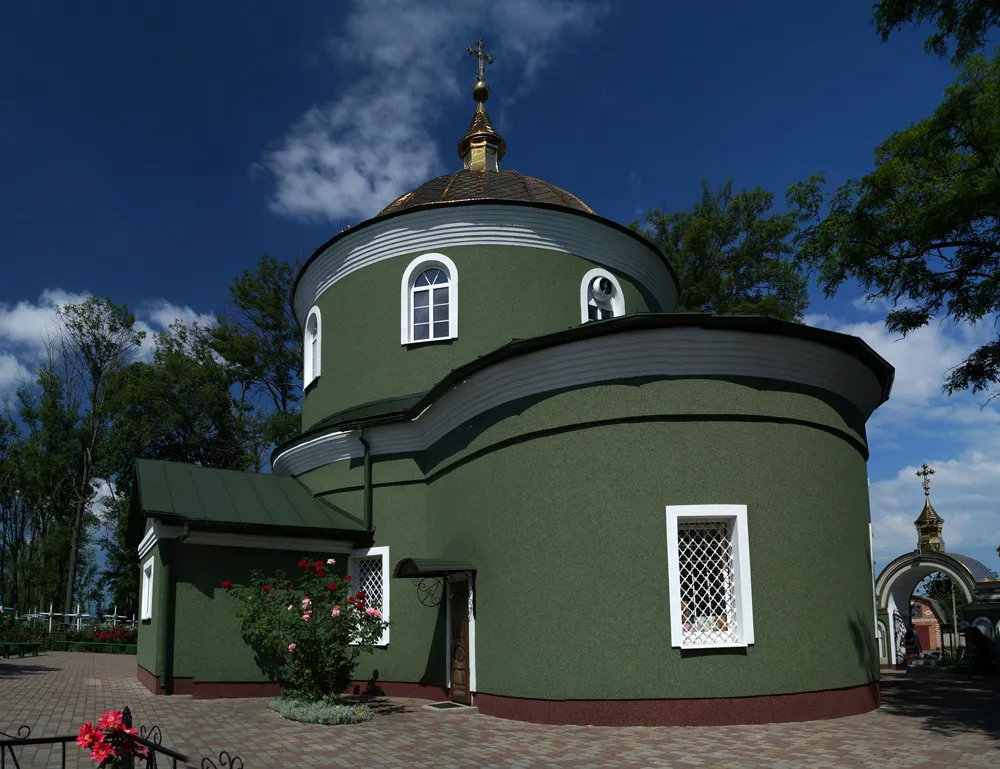
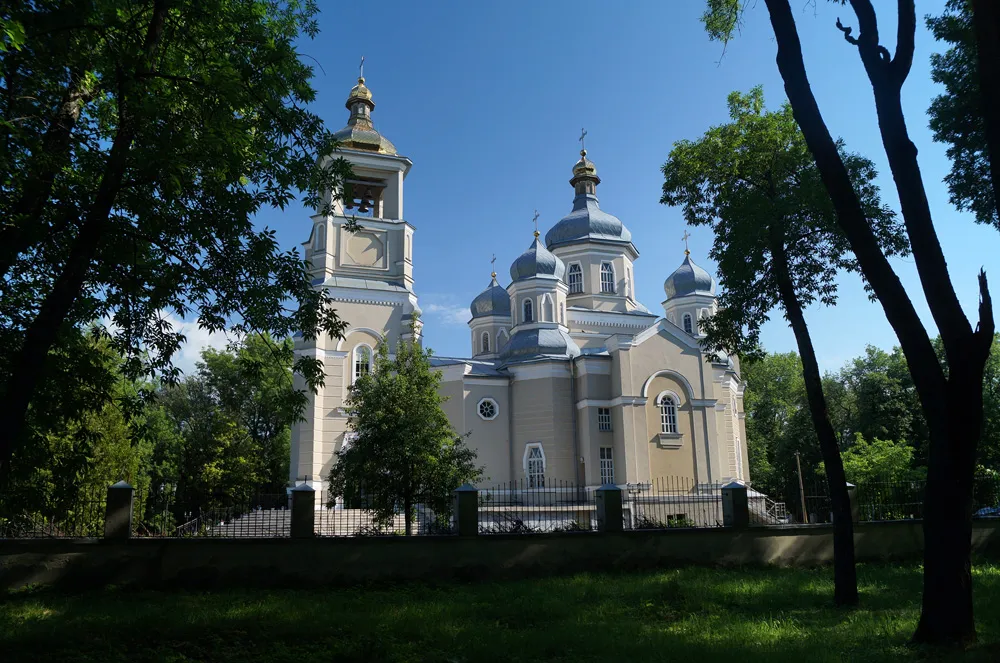
All Saints Church
In the second half of the 19th century Hadiach became a kind of centre of Ukrainian culture – here, in the family of the not-wealthy noble Drahomanovs, Mykhailo Drahomanov and Olena Pchilka were born. The latter bought a considerable piece of land on the outskirts of Hadiach and built a large dacha here – the Zelenyi Hai farmstead. Lesia Ukrainka lived and worked at the farmstead for a long time. Olha Kobylianska and Mykhailo Kotsiubynskyi often came here as guests. In the 1920s the Bolsheviks almost destroyed the farmstead. Today there is a cosy park here – the Zelenyi Hai tract.
Panas Myrnyi visited Hadiach – first, his sister lived here and the house has survived, and second, he studied here at the county school. Today there are plans to create museums connected with Panas Myrnyi in Hadiach, while the Museum of the Drahomanov Family has been operating since 1995.
On the outskirts of Hadiach, by the Psel River, there is another site that can be considered a tourist one – the Hasidism centre “Admor Hazaken”. It is known all over the world and is one of the nine obligatory places to visit for Hasidim. It was built with the money of patrons next to the old Jewish cemetery. The cemetery is the burial place of the outstanding tzaddik Alter Rebbe (Shneur Zalman of Liady), the founder of the Chabad movement. Many people from all over the world come to the tzaddik’s grave – mostly wealthy (sometimes very wealthy) Jews. There is a special new building here – either a hotel or simply a cultural centre – and security guards who looked very askance at us when we photographed the site. And the cars parked by the centre were very expensive. There is even a helipad.
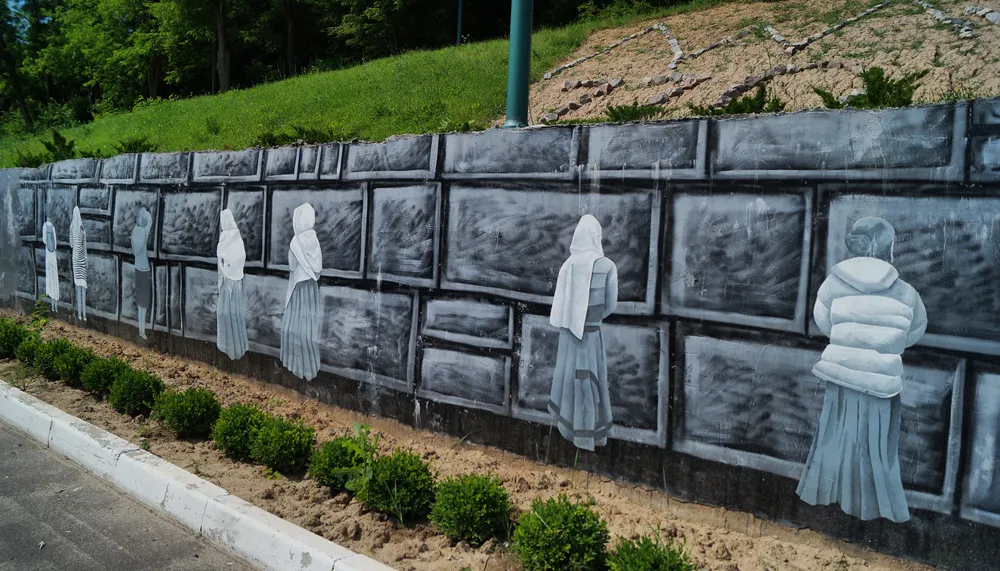
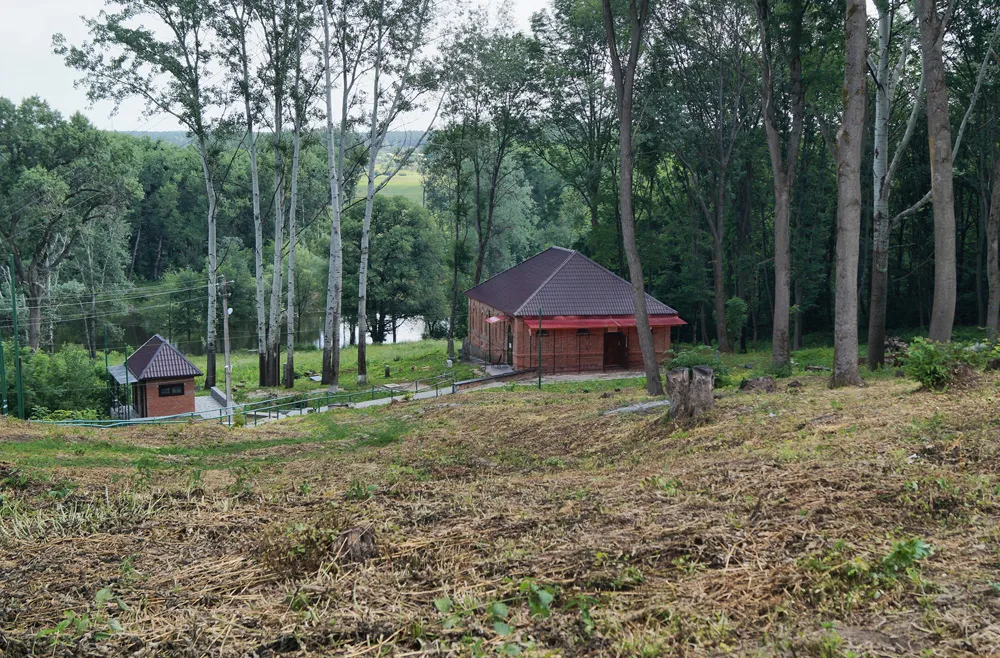
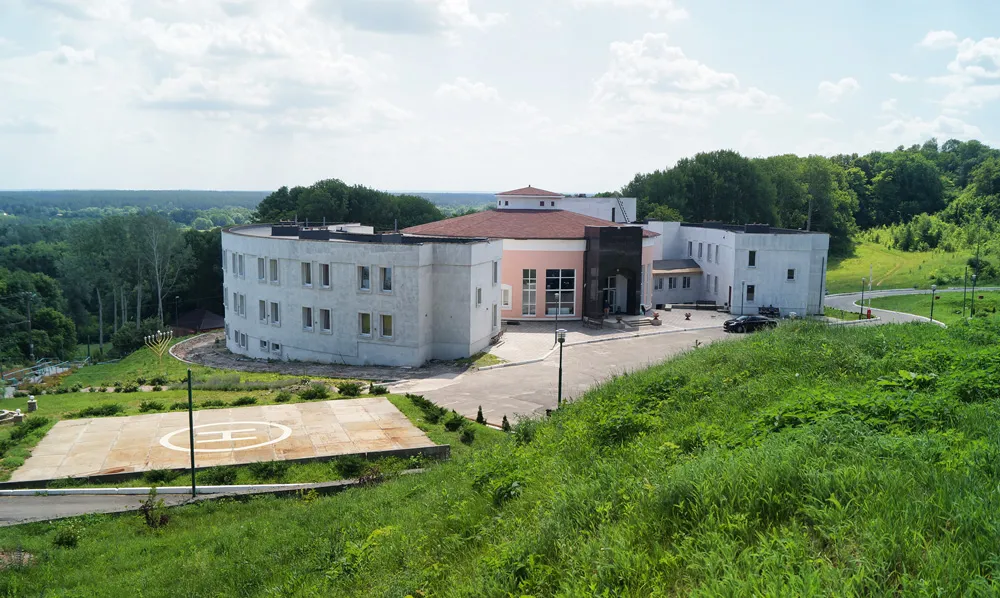
The Hasidism centre “Admor Hazaken”
In the centre of Hadiach some underground passages and rooms have survived. The tourist route “Underground of Hadiach” is in operation.
So Hadiach seems to have plenty of everything, but almost no interesting architecture. In my view the most interesting building is the former prison, which now houses an agricultural school – it is the only building left from the Hadiach fortress. It is often mistakenly called the hetman’s palace. I have not found the year of construction anywhere, but the architecture and the vaults in the basements point to the 18th century. Or maybe even earlier. The prison-school is located on Zamkova Street.
The Hadiach fortress, Briukhovetskyi’s residence, was an earth-and-timber one. It was demolished as early as the 18th century.
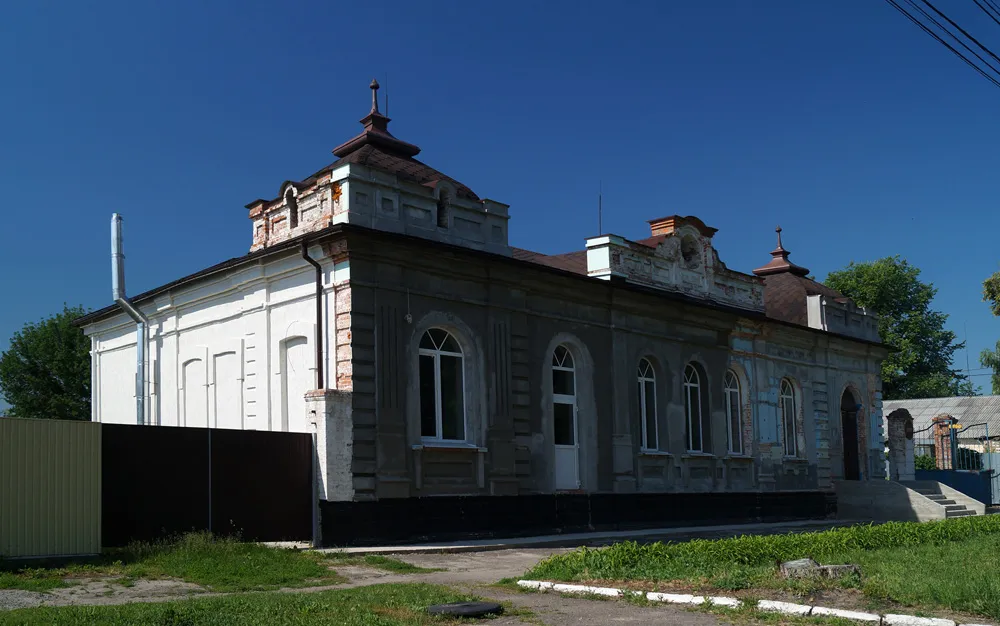
The oldest church in Hadiach is the All Saints Church, built in 1830–1836 in the town cemetery. The style of the church is Classicism. It is small and squat, though not without charm. But the Dormition Cathedral, located on Soborna Square in the centre of Hadiach, is a new building.
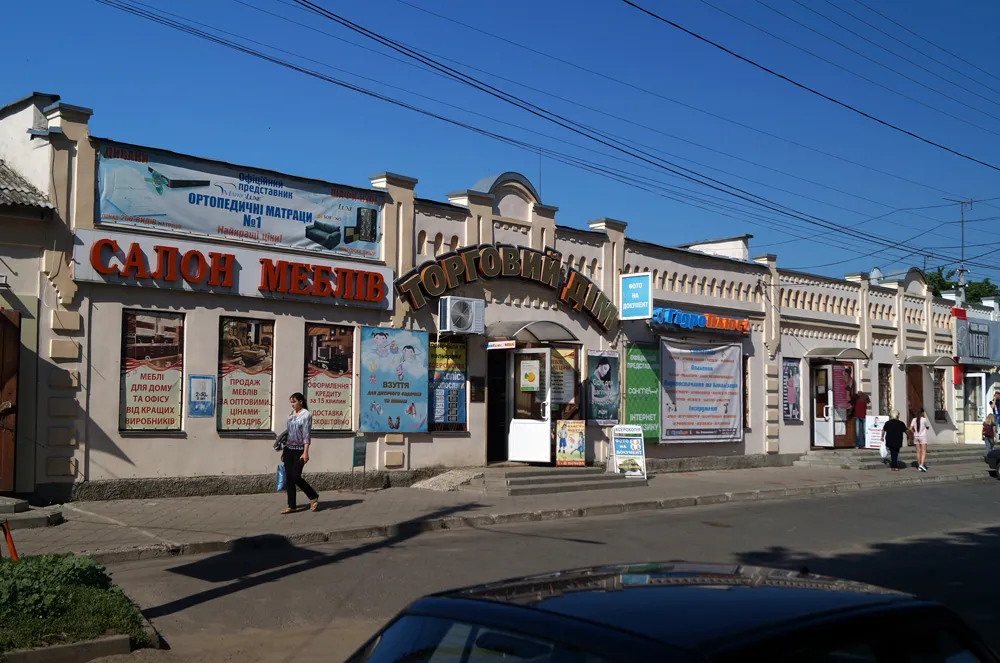
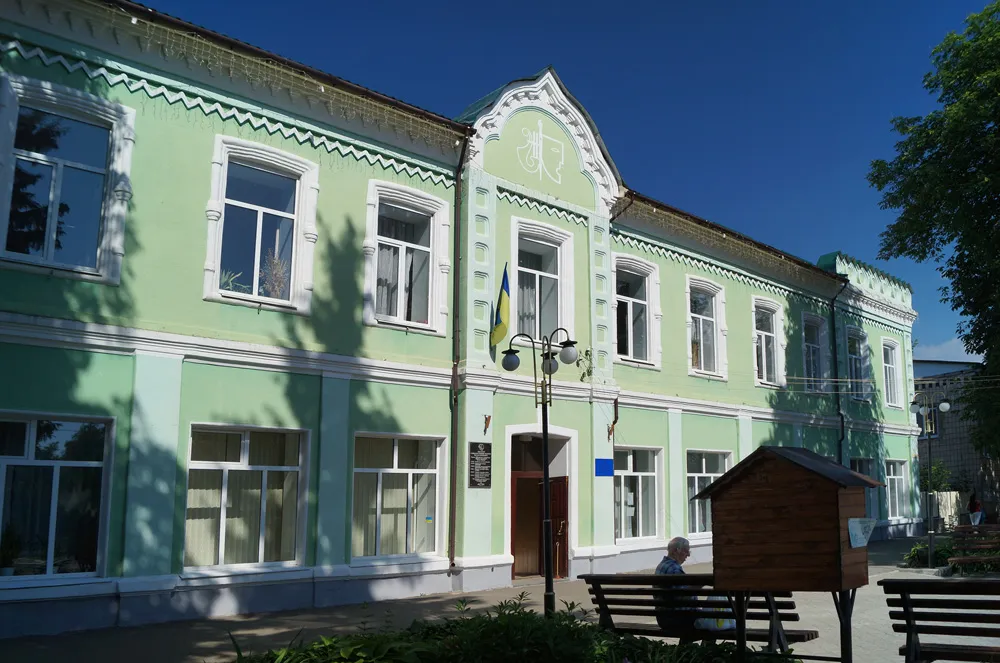
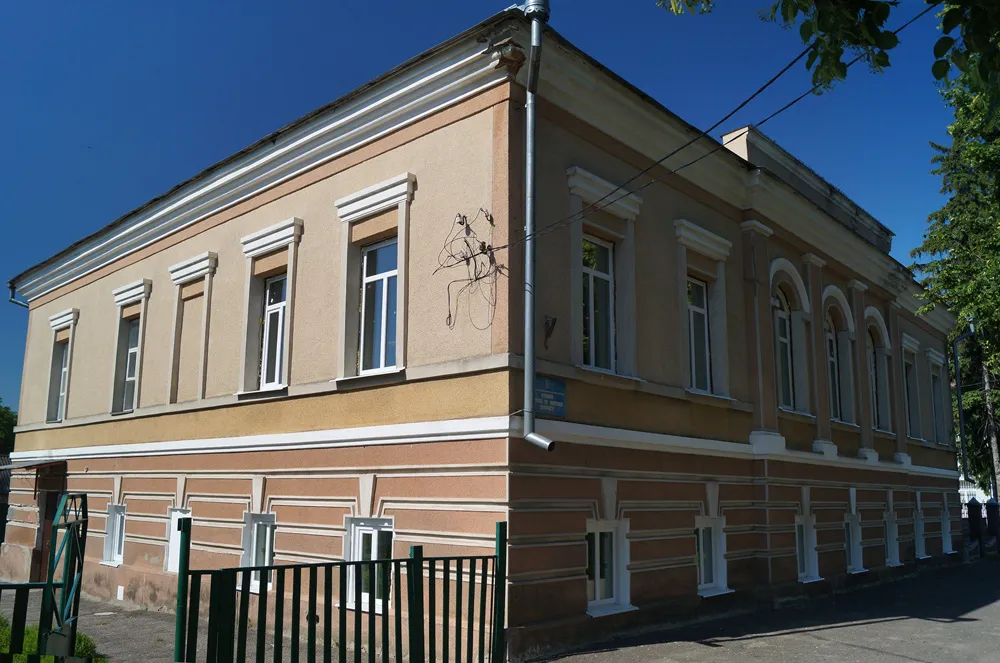
It is worth saying that at the beginning of the 19th century Hadiach was laid out as a county town – the streets were made straight so that they cross at right angles. This street structure has been preserved, and it is worth strolling along them. The provincial cosiness of a county centre survives here, with a great many old buildings considerably diluted by faceless Soviet boxes. I paid attention to the former county school (school No. 2), the women’s gymnasium (the school of culture), the former bathhouse and the county court building.
Text and photos by Roman Malenkov.