

Velyki Budyshcha

· 2 min read
Between Dykanka and Opishnia, now in the Poltava district, although it used to be the Dykanka district, lies the village of Velyki Budyshcha. Buda, Budka, Budyshche – these names are linked to smelting metal from bog ore, or to producing saltpetre, potash, charcoal or tar, and Budyshcha, too, once engaged in such crafts. The village was founded as early as the 16th century, when these were Polish lands. An earthen fortress was built in Velyki Budyshcha, meant to stand in the way of nomads coming from the steppe. In the 17th century it was already a small town, which joined the Poltava regiment in the time of Khmelnytskyi, and in 1660 a Cossack company was stationed here.
In 1709 Velyki Budyshcha housed the headquarters of the Swedish king Charles XII, whom Ivan Mazepa visited several times. Several agreements were signed here.
In the 19th century Velyki Budyshcha was the centre of a volost. About 3,500 people lived here, fairs were held, a saltpetre works and craft workshops operated, and there were 6 churches, several schools and a vocational school. Most of the town’s lands belonged first to the landowners Miloradovych and then to the Masolovs. Their large manor stood here.
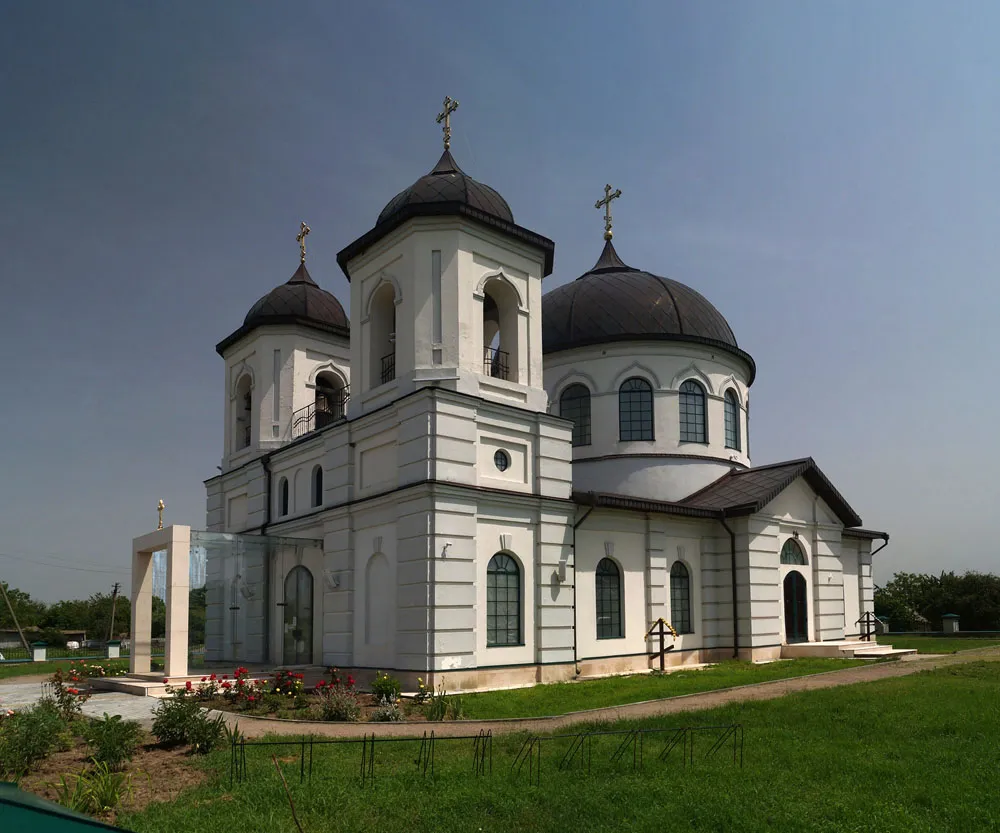
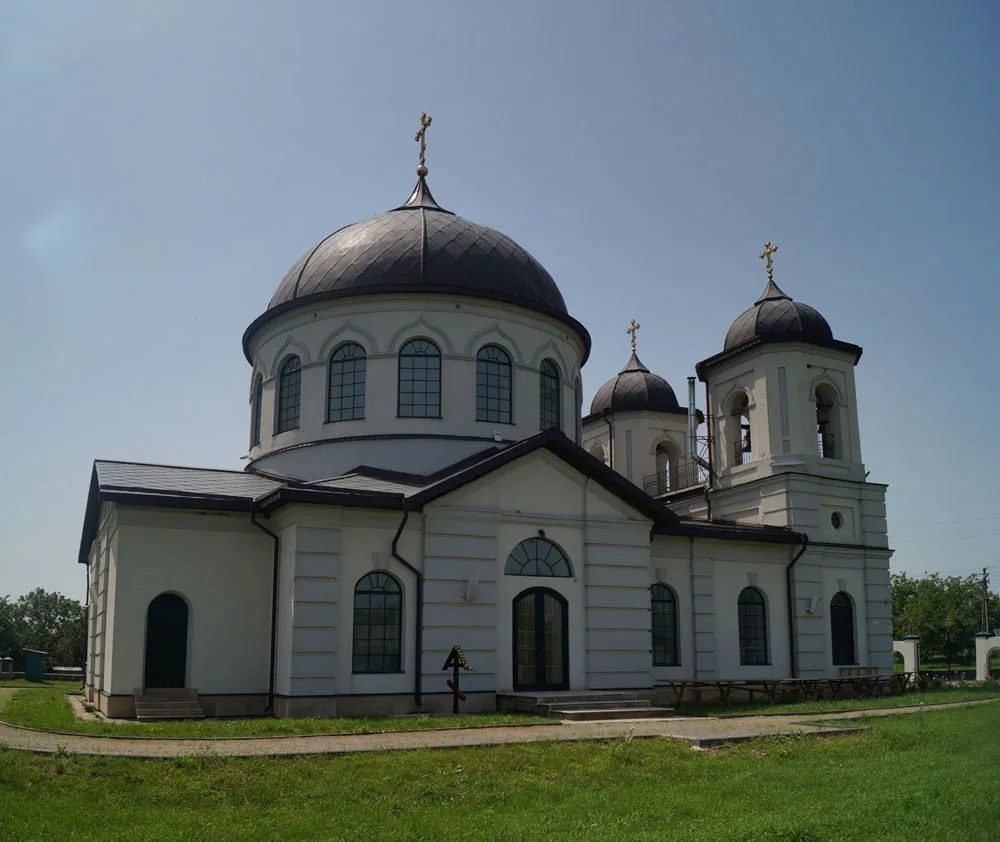
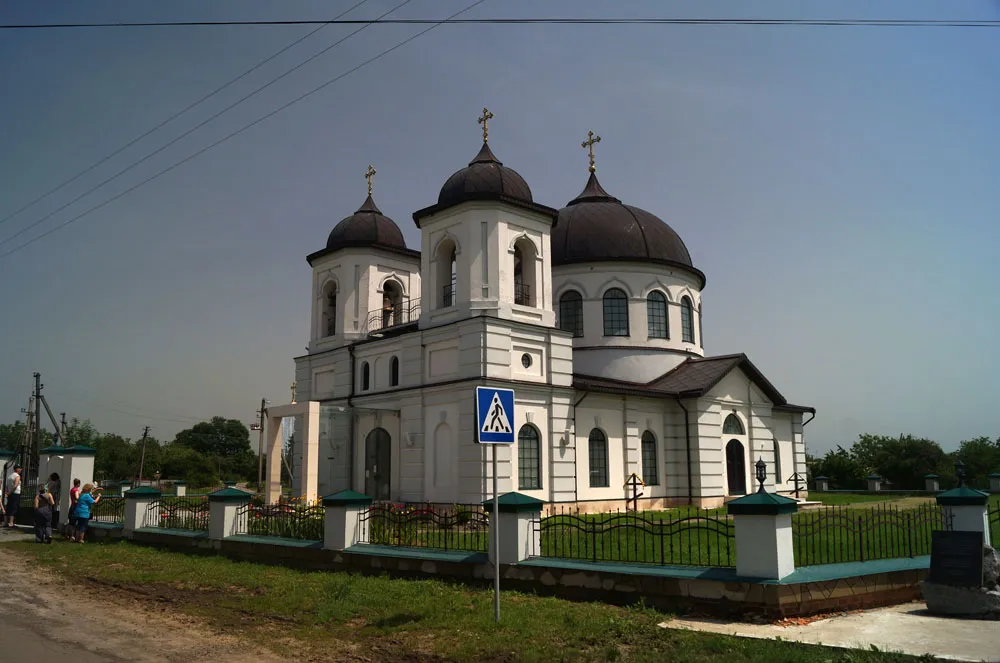
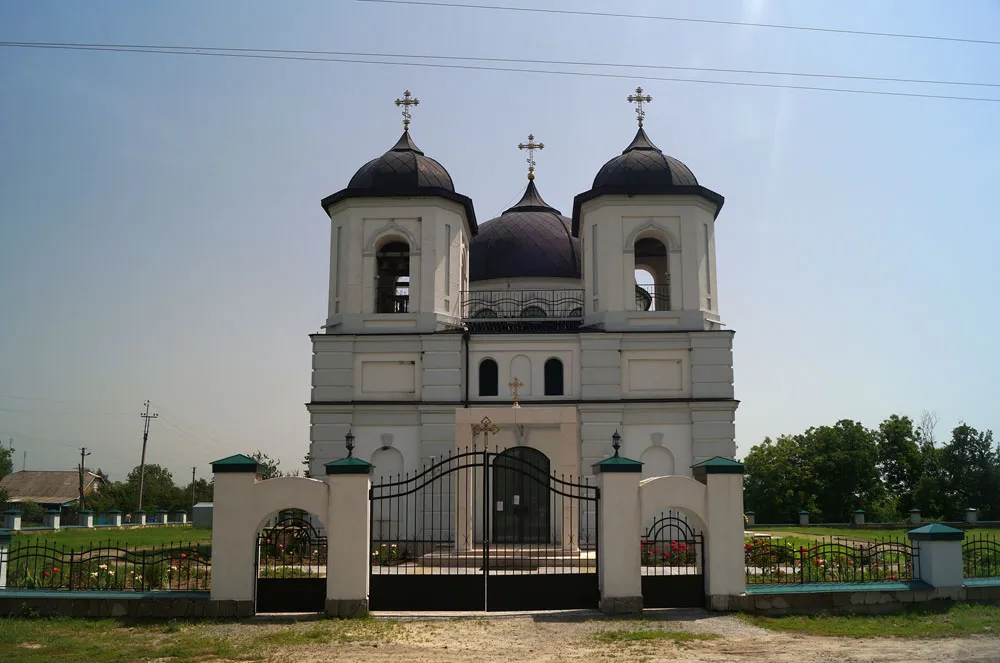
From the 17th century a women’s Transfiguration Monastery operated in the town. Later a skete appeared at it, but only one church, the Trinity Church, survived the period of Soviet occupation in Velyki Budyshcha – the manor, the churches and the monastery were all destroyed by the Russians and their henchmen. This is what Wikipedia writes about the Trinity Church:
In the company town of Velyki Budyshcha of the Poltava regiment, a wooden church in honour of the Nativity of the Most Holy Mother of God was built first. The time of its construction is unknown. It was mentioned in documents on the delimitation of the Kyiv and Sloviansk dioceses (10.10.1776).
In 1806 the wooden church was dismantled and construction of a masonry one began. Construction was completed in 1819.
In 1866 the old wooden Church of the Holy Trinity was assigned to this church.
After the church was rebuilt, begun in 1873, it was re-consecrated in 1876 on the pretext of preserving the memory of the ancient Holy Trinity Church. From then on the church had new heavenly patrons and received a new name in honour of the Holy Trinity.
Also, in Velyki Budyshcha, in the club, there is the Museum of the Ukrainian Wedding, quite popular and well visited by tourists. It was opened in 2008.
Text and photos by Roman Malenkov.


