

Prytulivka, an open-air museum of stone
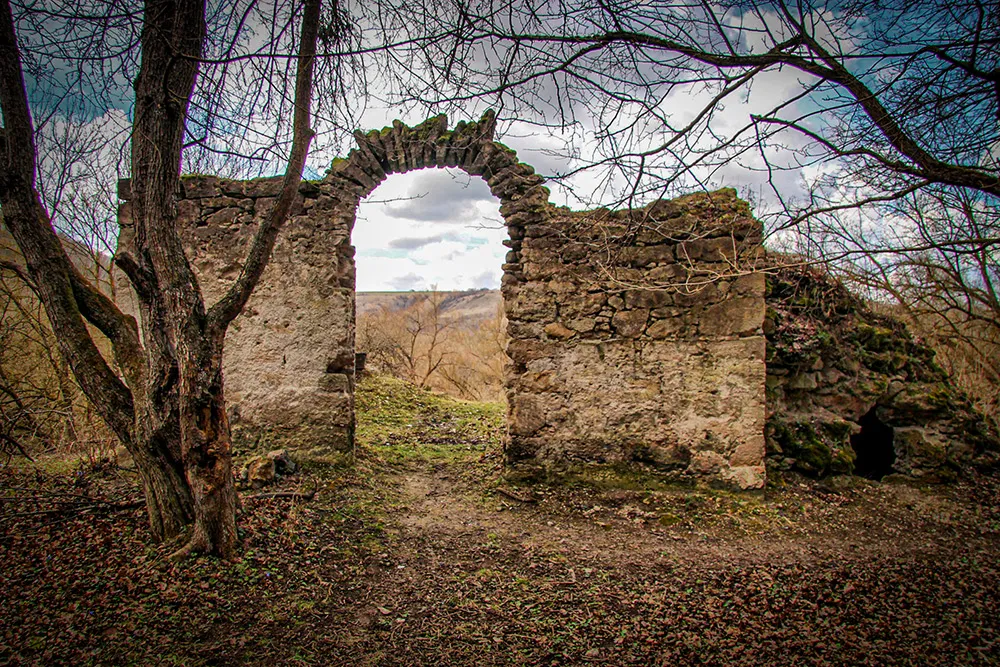
We continue our travels through the villages of the former “Mynkivtsi State” — a self-proclaimed quasi-state formation created on the basis of his own estates by the eccentric reformer Count Ignacy Scibor-Marchocki (1749–1827), owner of the Mynkivtsi estate in what was then the Ushytsia county of the Podolia Governorate. As a reminder: within his “state” Marchocki introduced quite progressive laws and regulations, proclaimed a constitution, granted broad rights to his subjects, and so on.
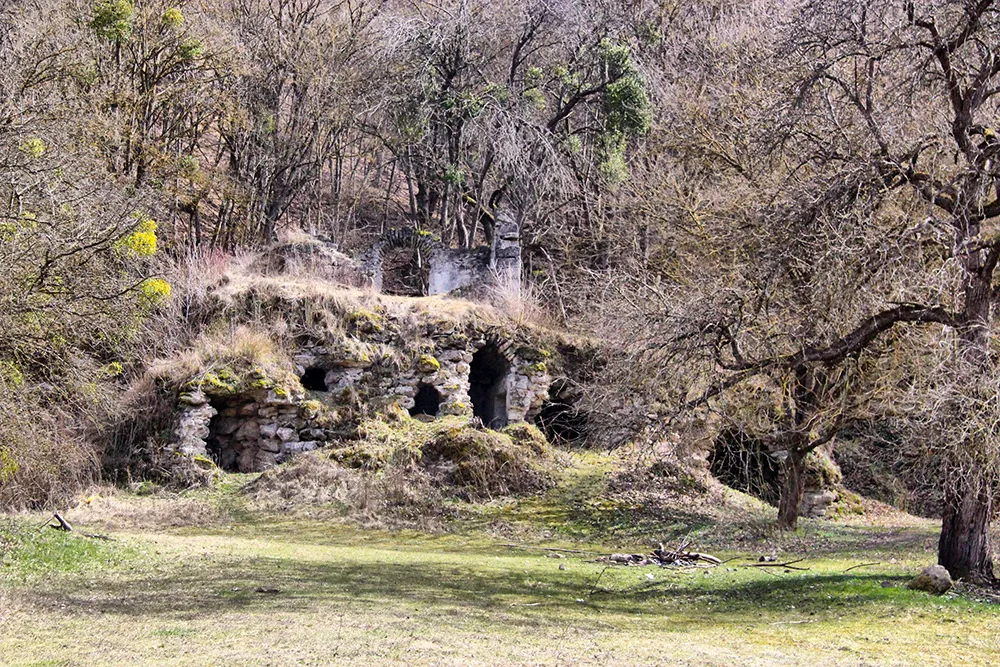
The grottoes
Our stop today is the village of Prytulivka, spread out in the picturesque canyon of the Ushytsia River.
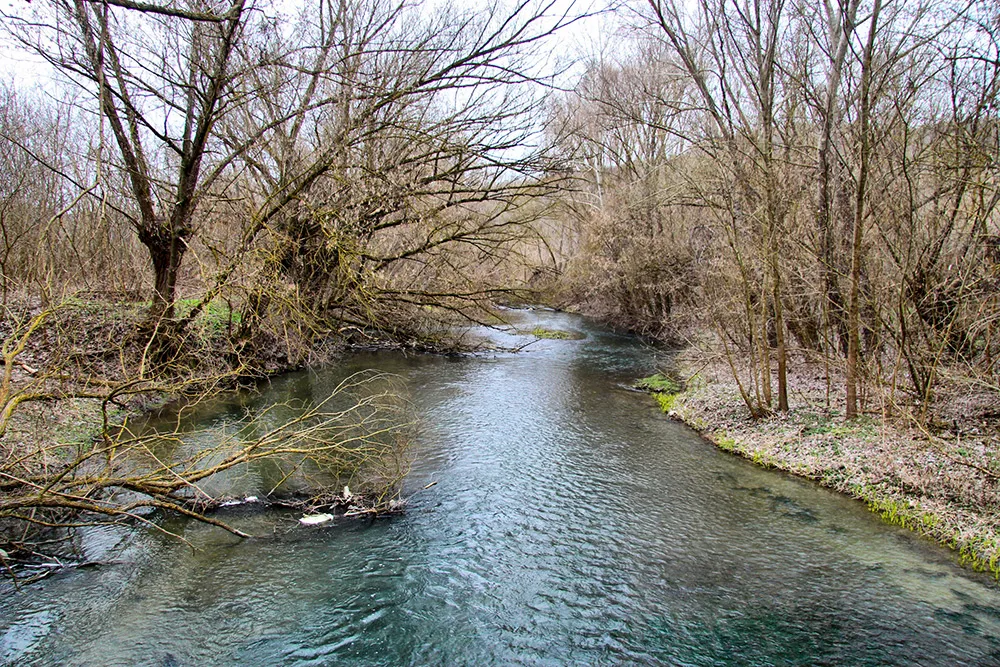
The Ushytsia
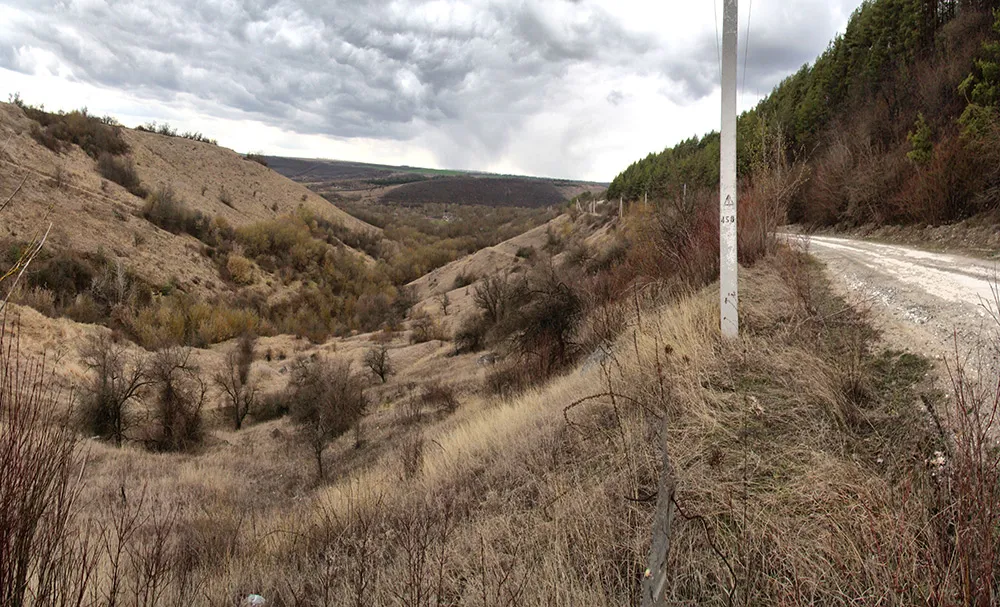
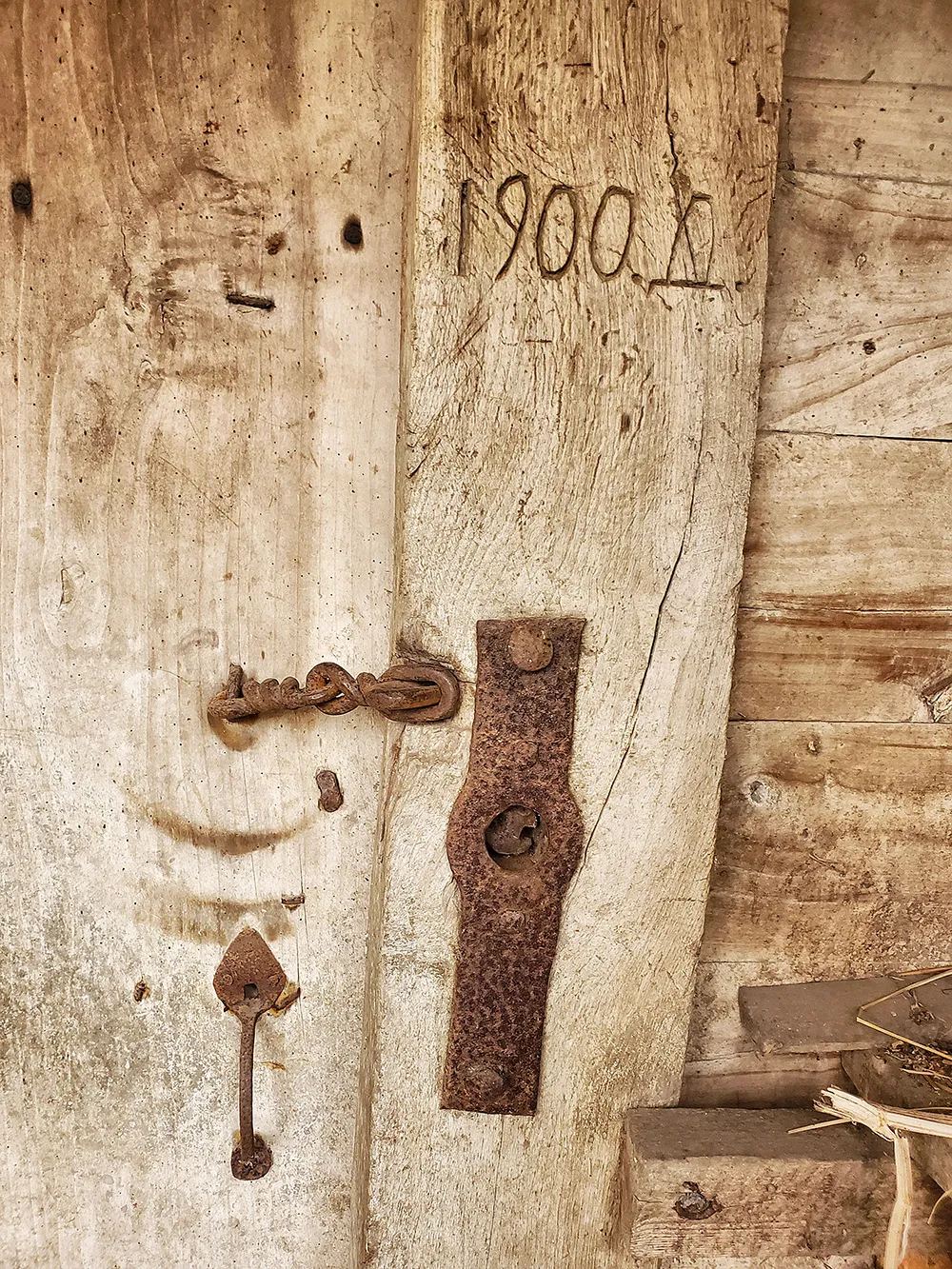
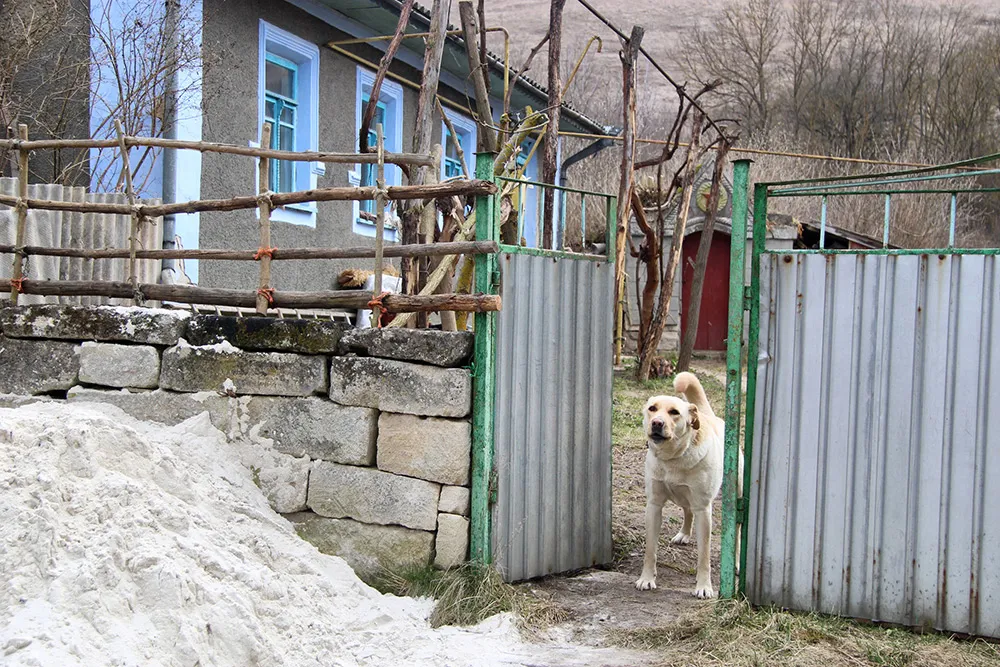
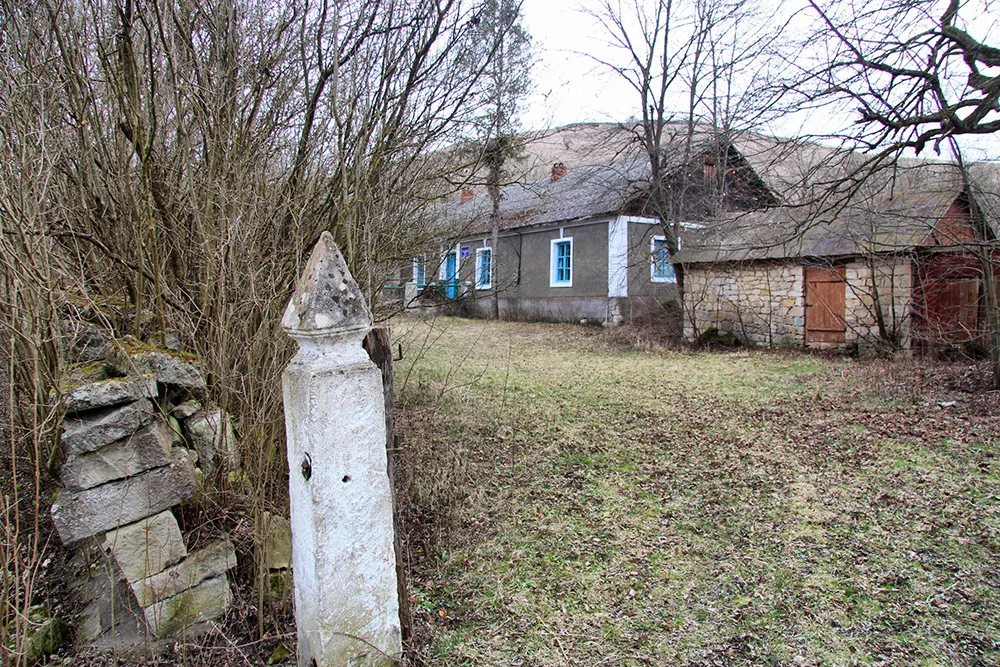
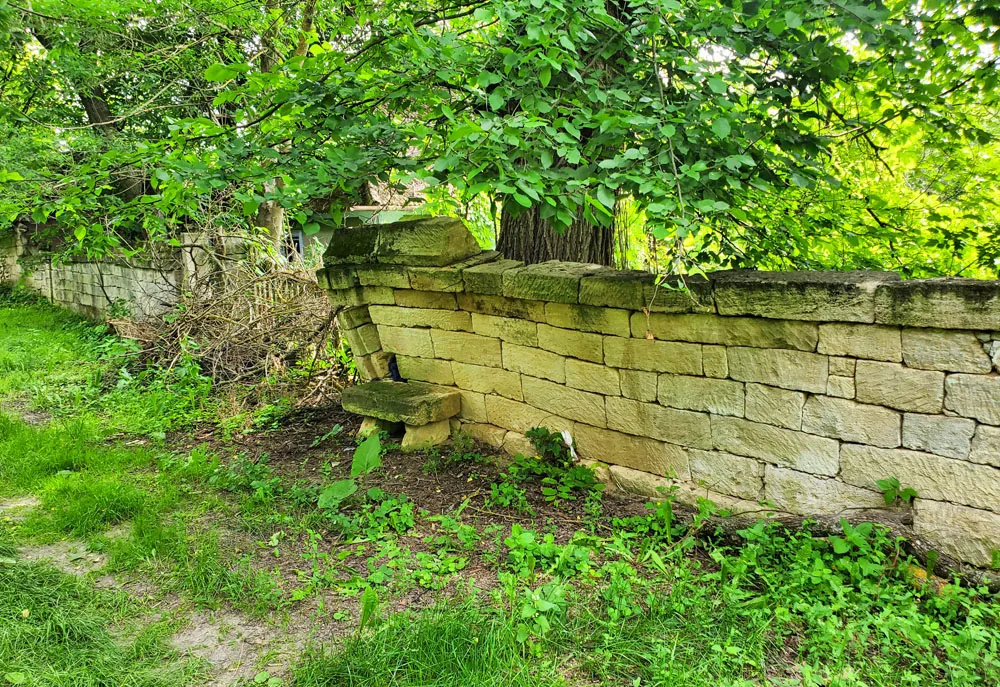
Prytulivka is a genuine skansen (an open-air museum of architecture and everyday life). Here we see sturdy cottages built of hewn limestone blocks, typical only of this micro-region, authentic stone cellars with decorated portal entrances, distinctive stone fences with posts of limestone blocks, and more.
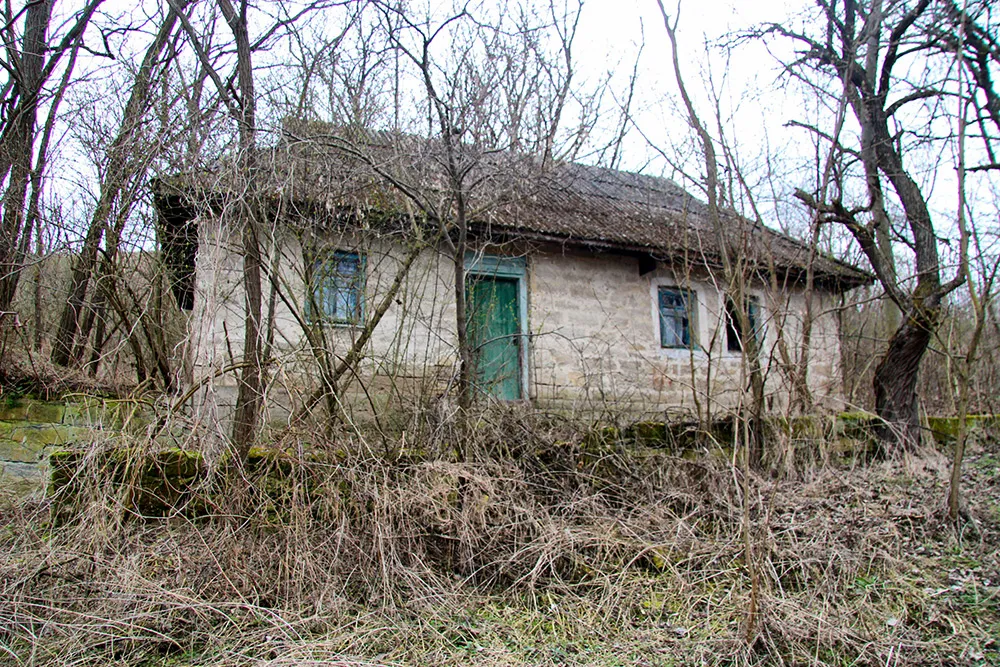
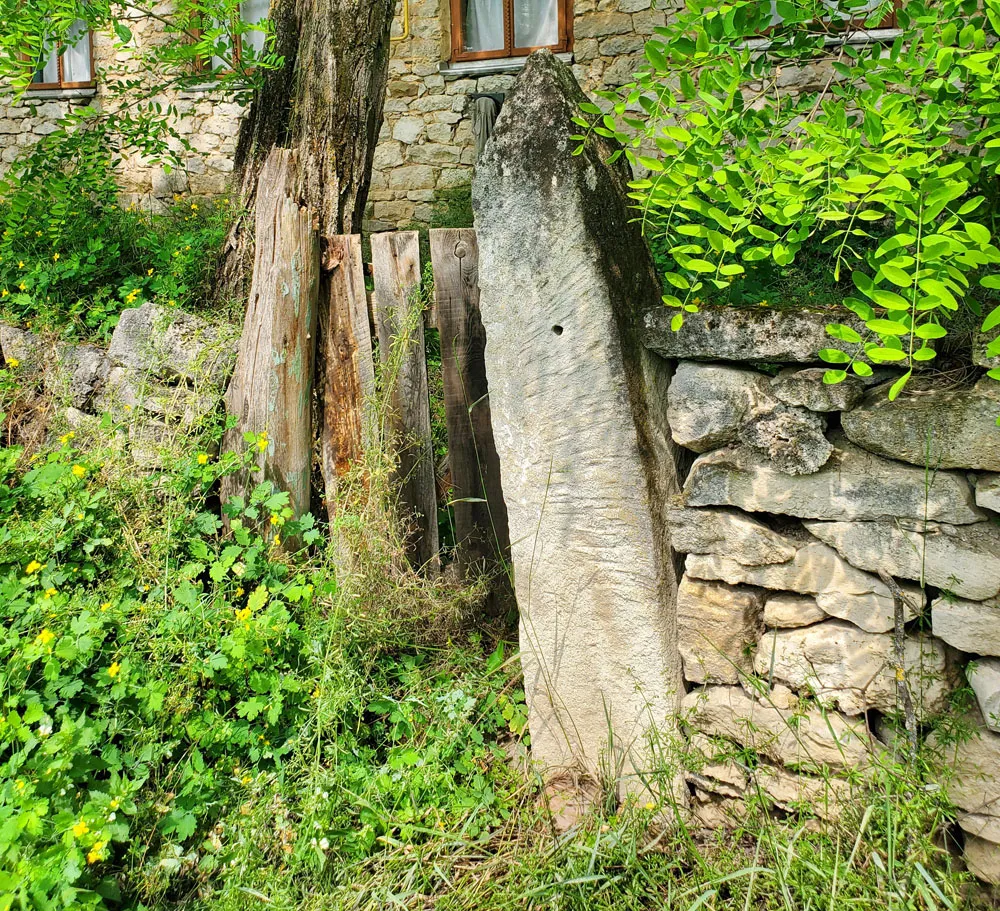
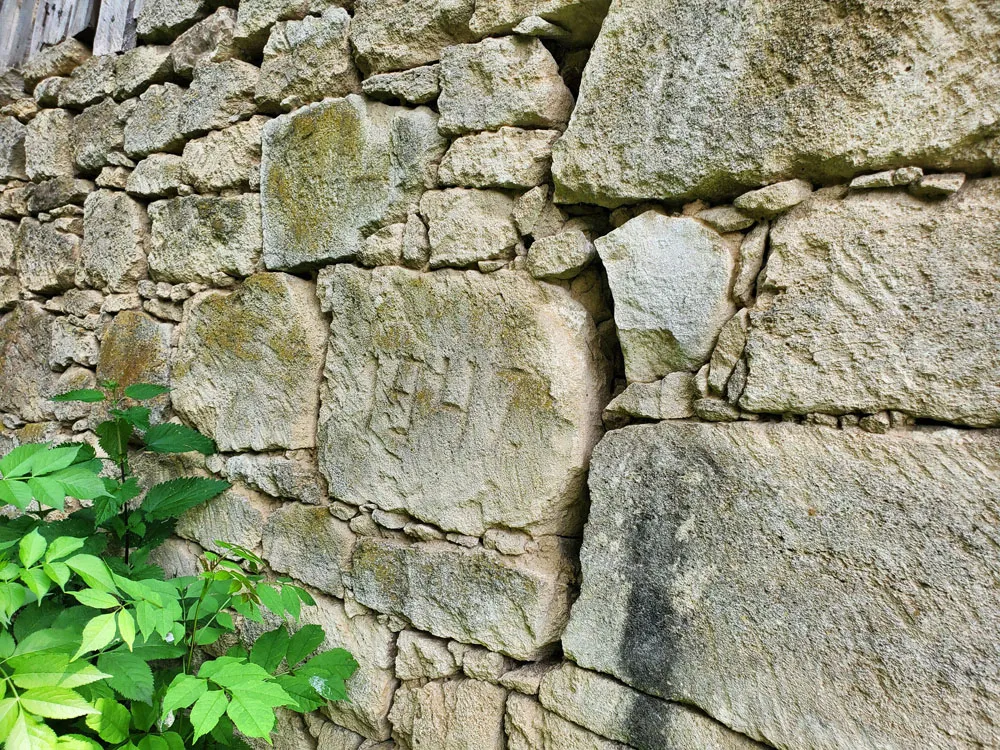
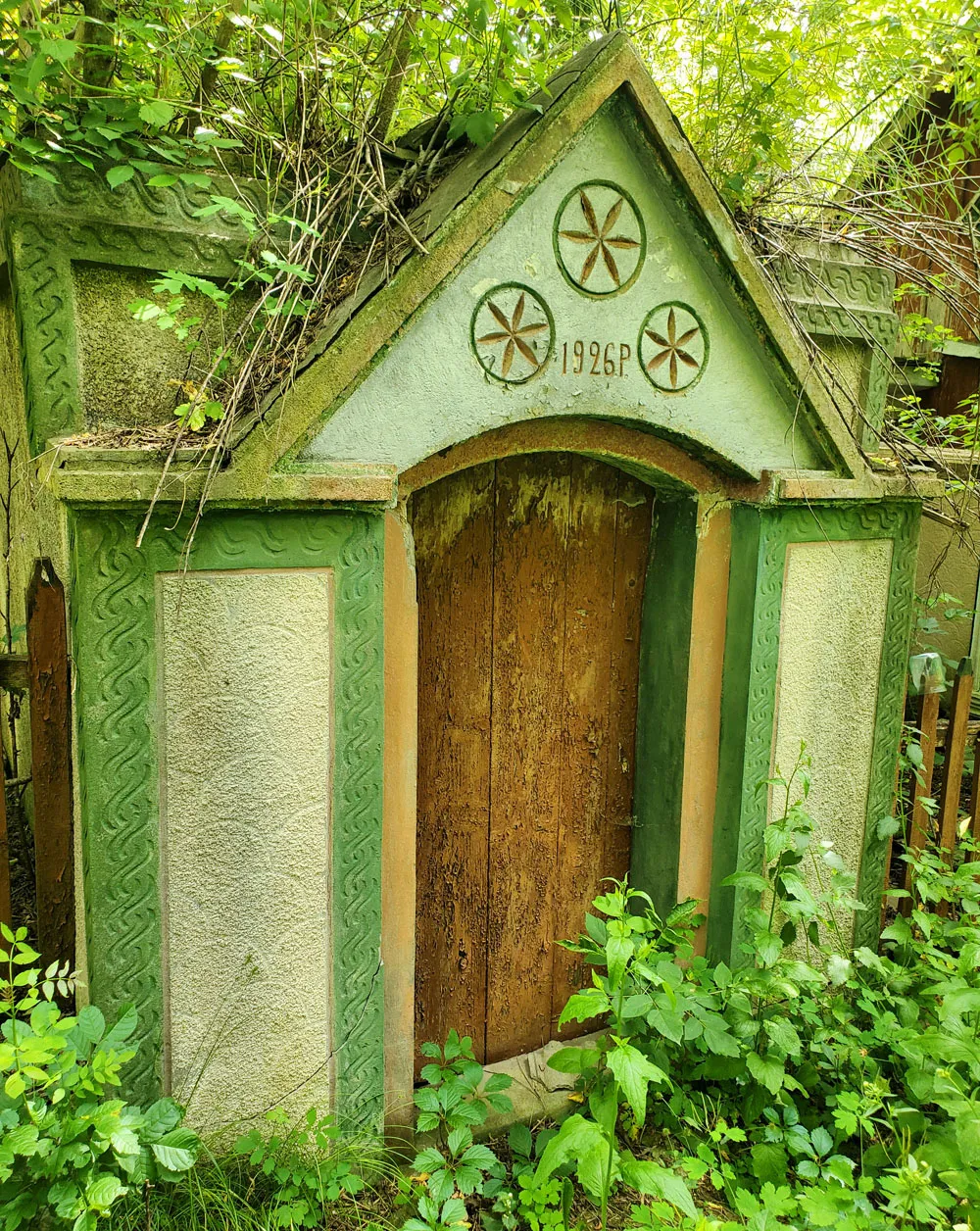
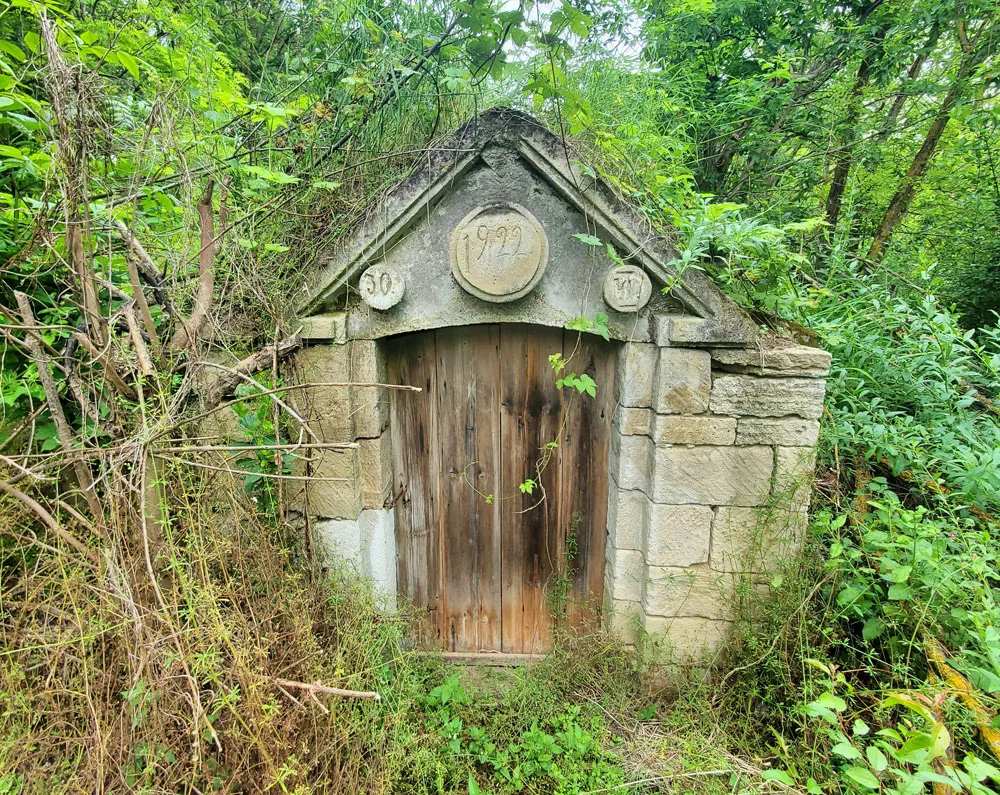
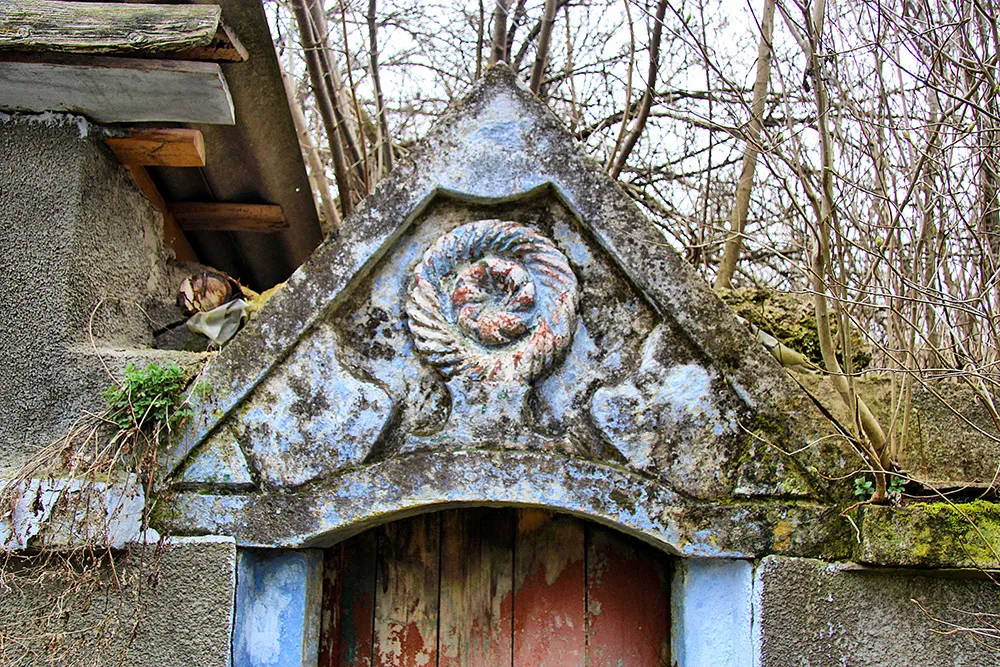
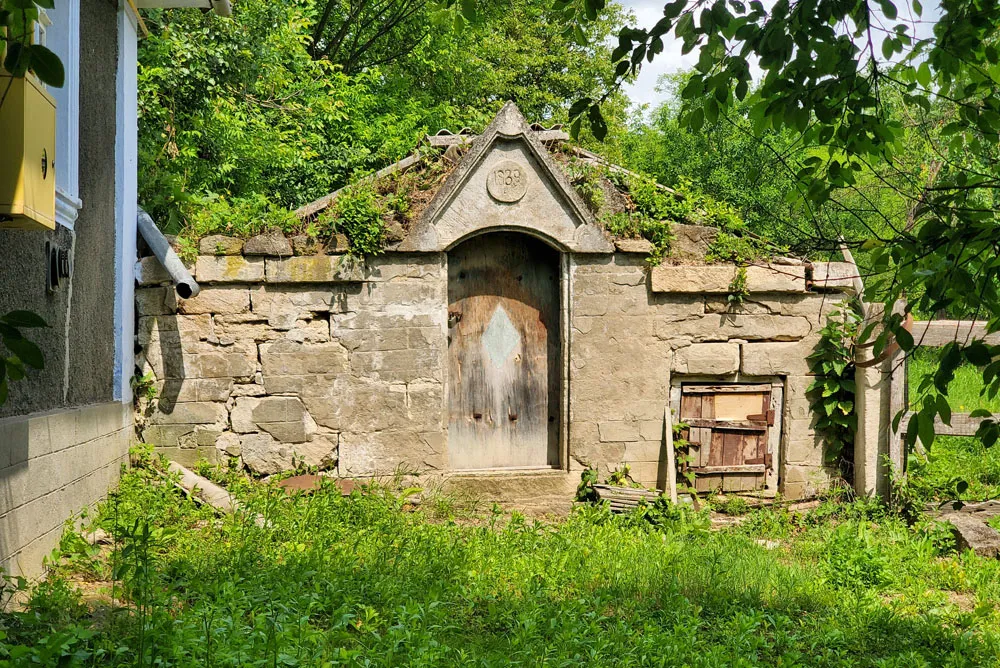
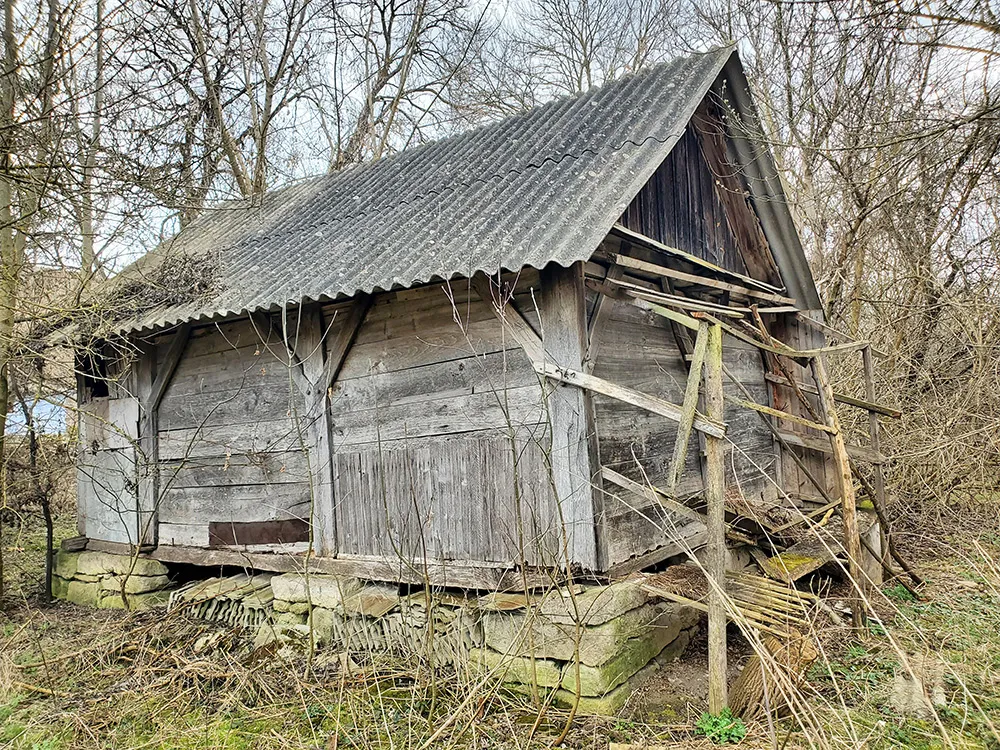
Sadly, the village is dying out: almost 70% of the homesteads stand abandoned.
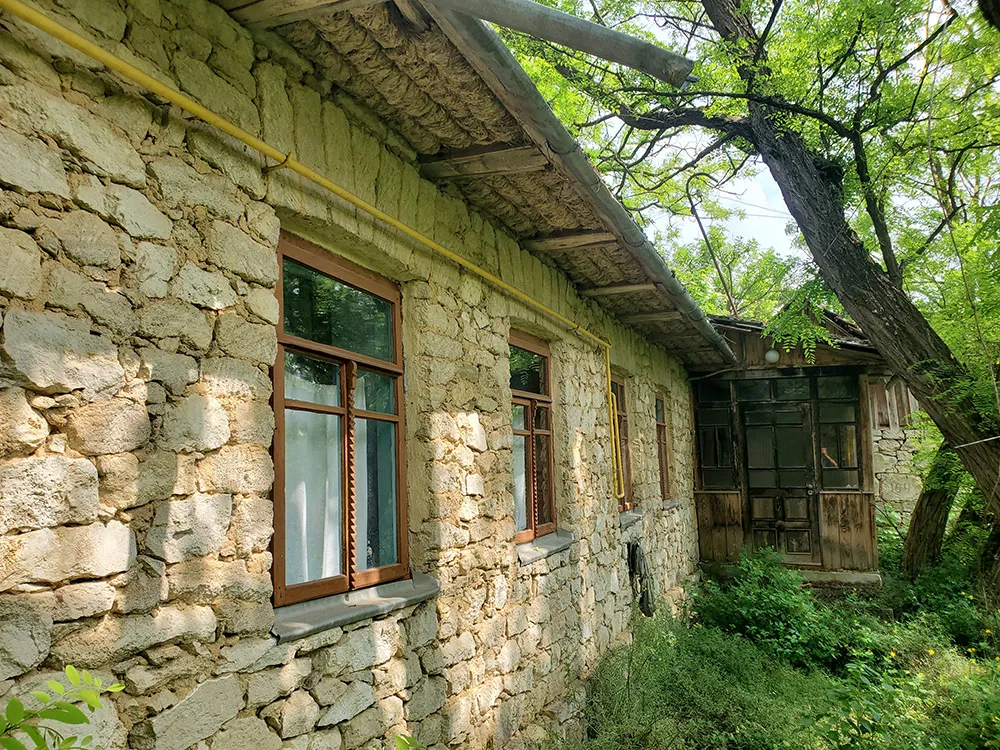 Local history sources date the village’s origin to the late 16th century, but without any references. So the village’s age remains an open question. It can be stated with certainty that it already existed in the 18th century.
From the beginning it was known as “Prytulia”, “Green Prytulia”, “Stone Prytulia”. The toponym is derived from the word “prytulok” (shelter). Supposedly, people hid in this place during one of the plague epidemics that swept through Podillia with enviable regularity in the 18th century. However, it is hard to say how true this legend is. According to another version, peasants found refuge here hiding from Polish punitive troops during the Liberation War led by Bohdan Khmelnytskyi.
Note that people have liked this cosy place to live for a long time. Artifacts of the Trypillia culture and the early Iron Age have repeatedly been found in the village and its surroundings. However, they have no direct connection to the village itself.
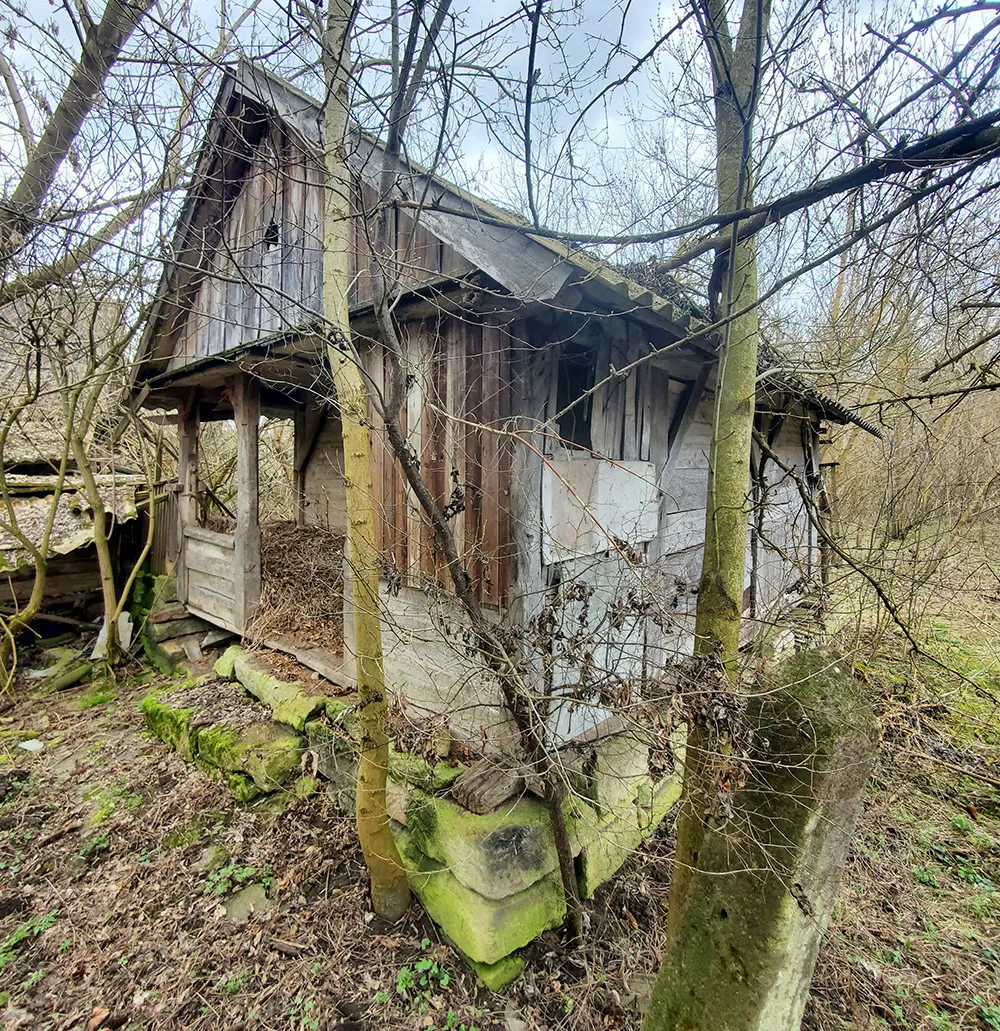
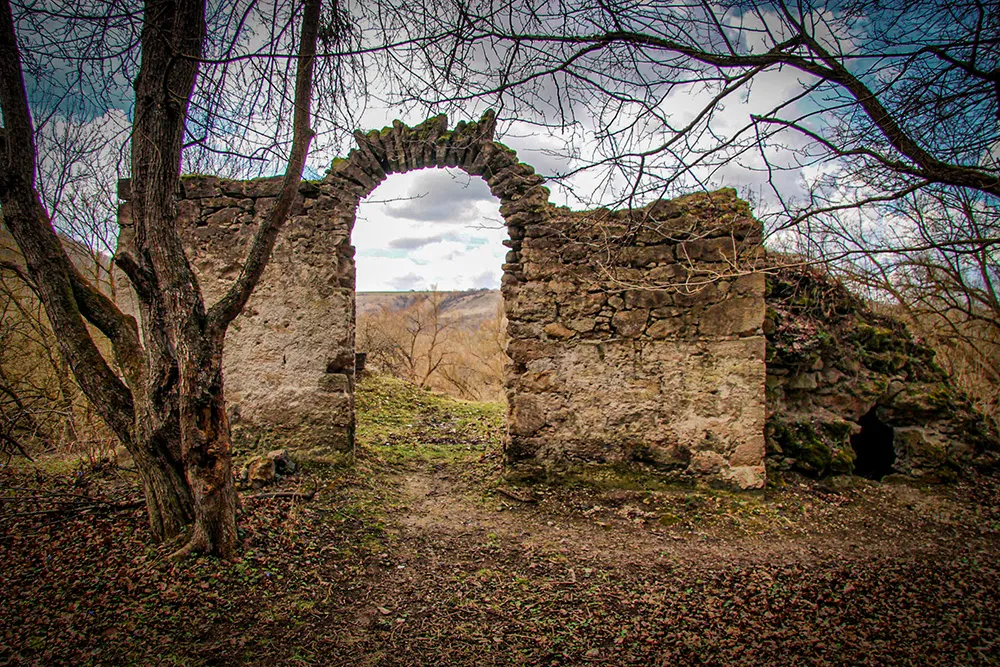
In the time of the Mynkivtsi State, the picturesque Prytulivka was the summer residence of Ignacy Scibor-Marchocki. But nothing remains of the palace — it was dismantled for stone by thrifty Podolians. Quite a traditional fate for old aristocratic nests.
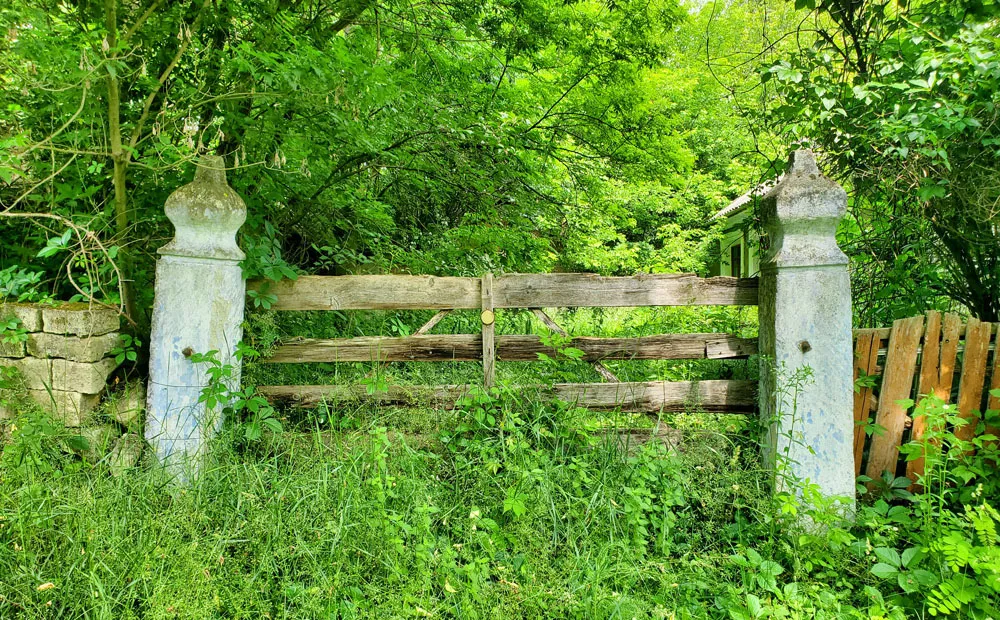
The palace stood on one of the hills. Marchocki turned the valley along the Ushytsia into a huge landscape park with decorative cascades and picturesque little bridges. Its main ornament was the grottoes, extremely fashionable at the time. These artificial park grottoes (upper and lower), created at the end of the 18th century, have survived to this day.
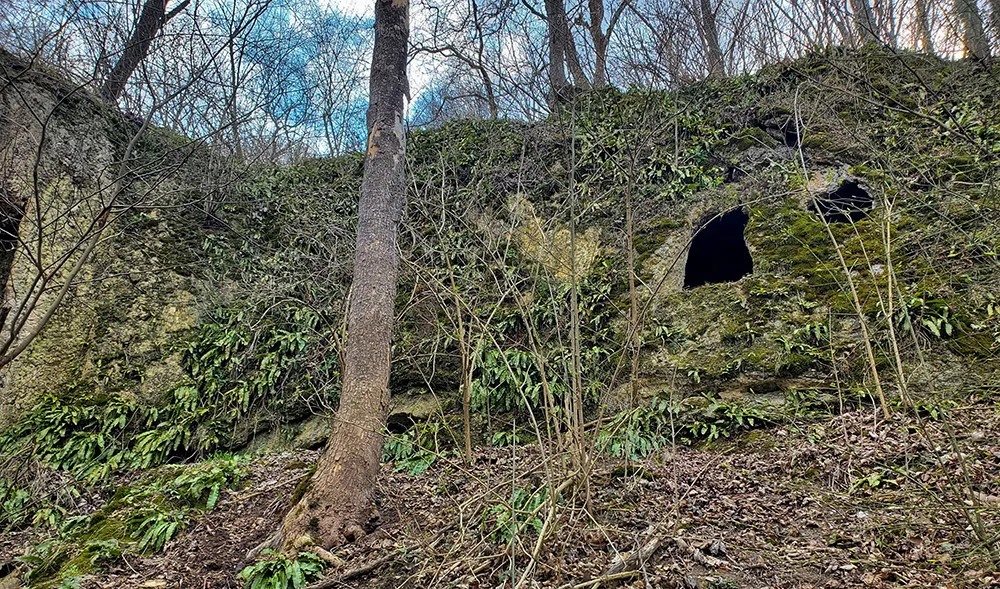
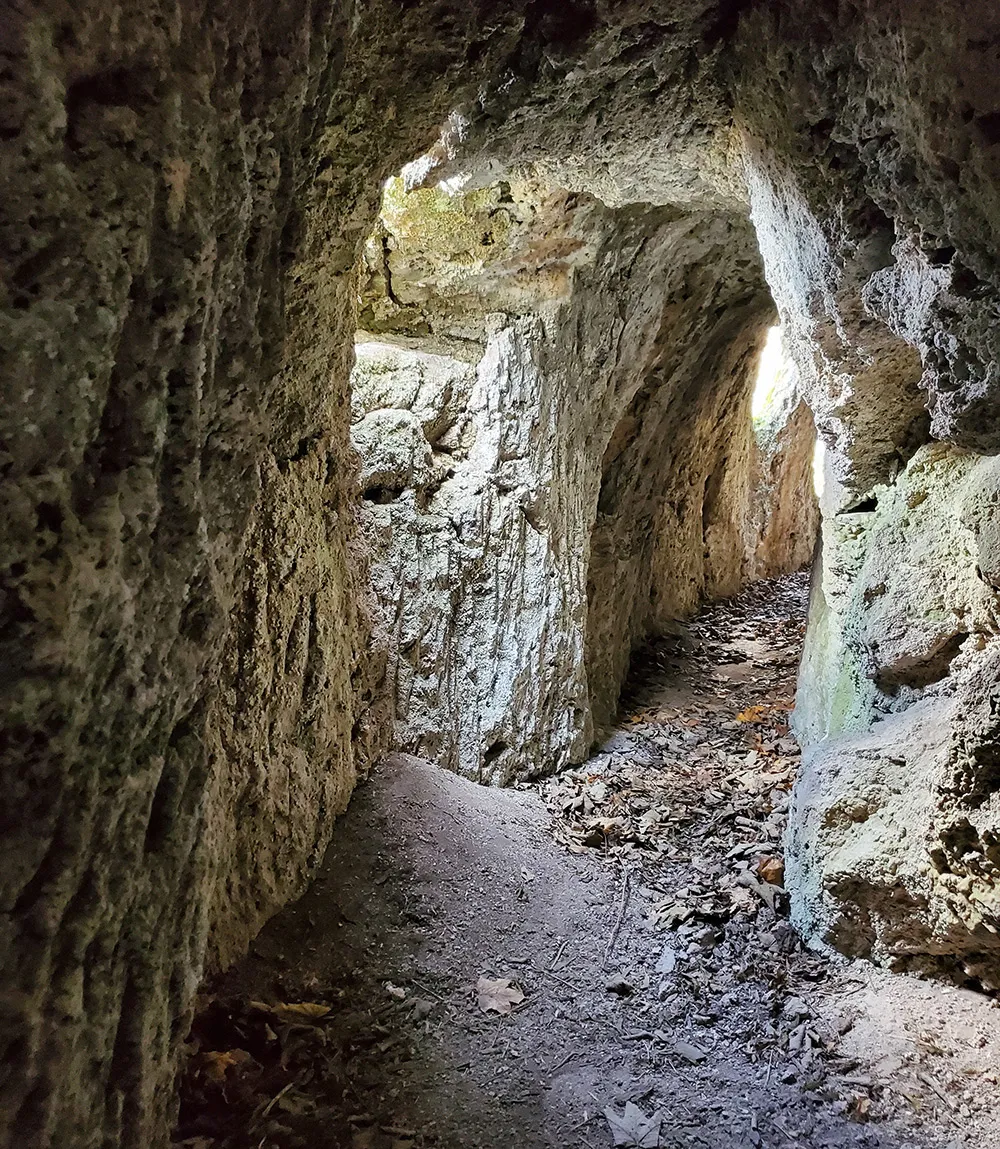
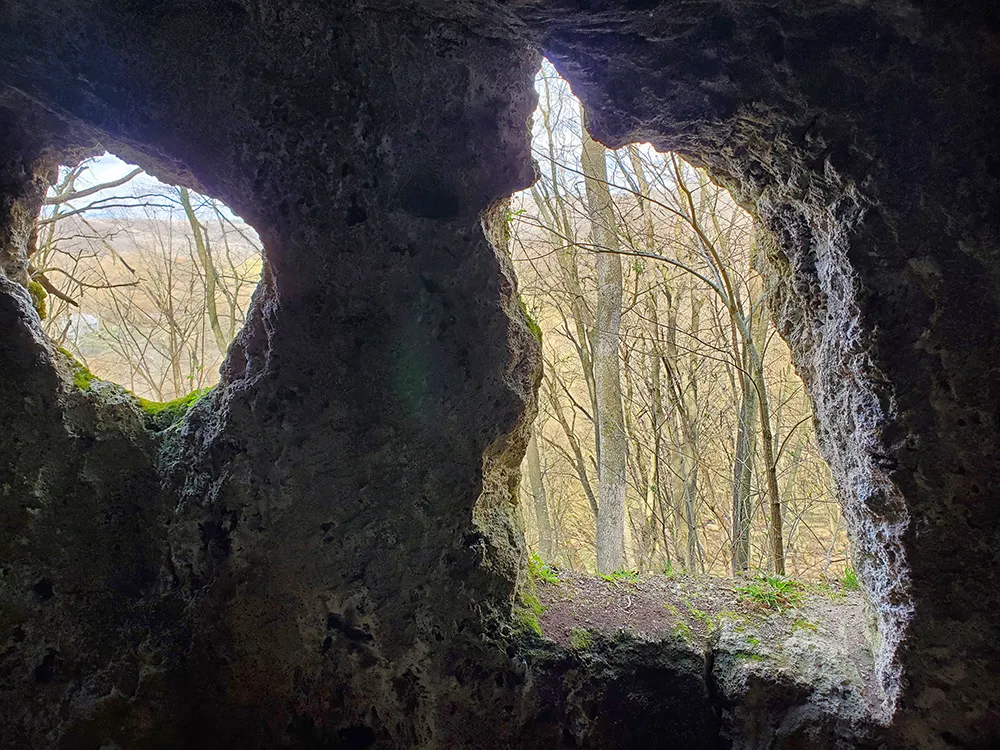
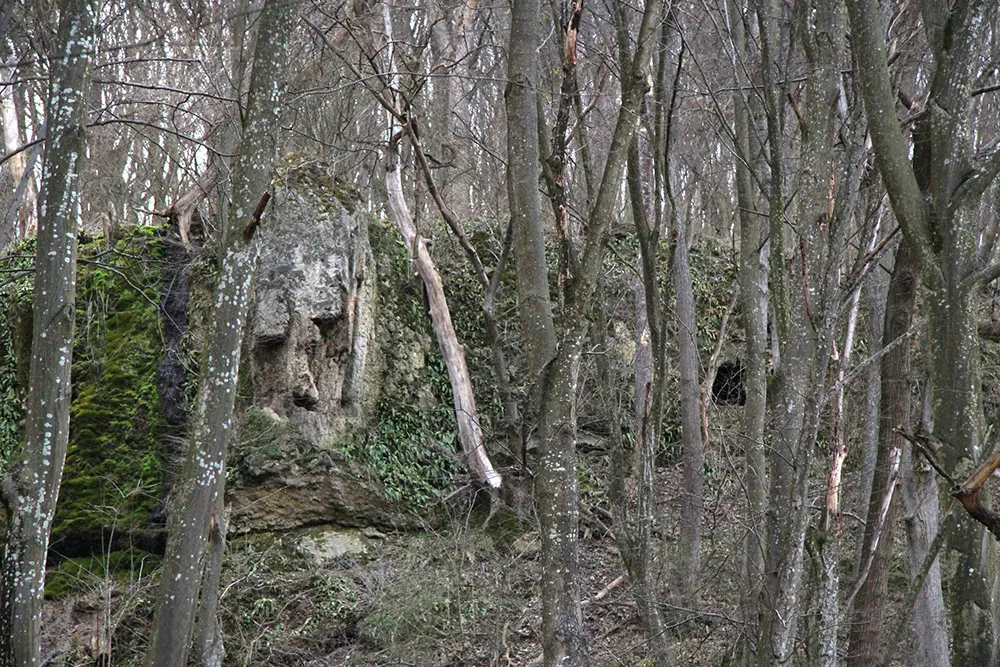
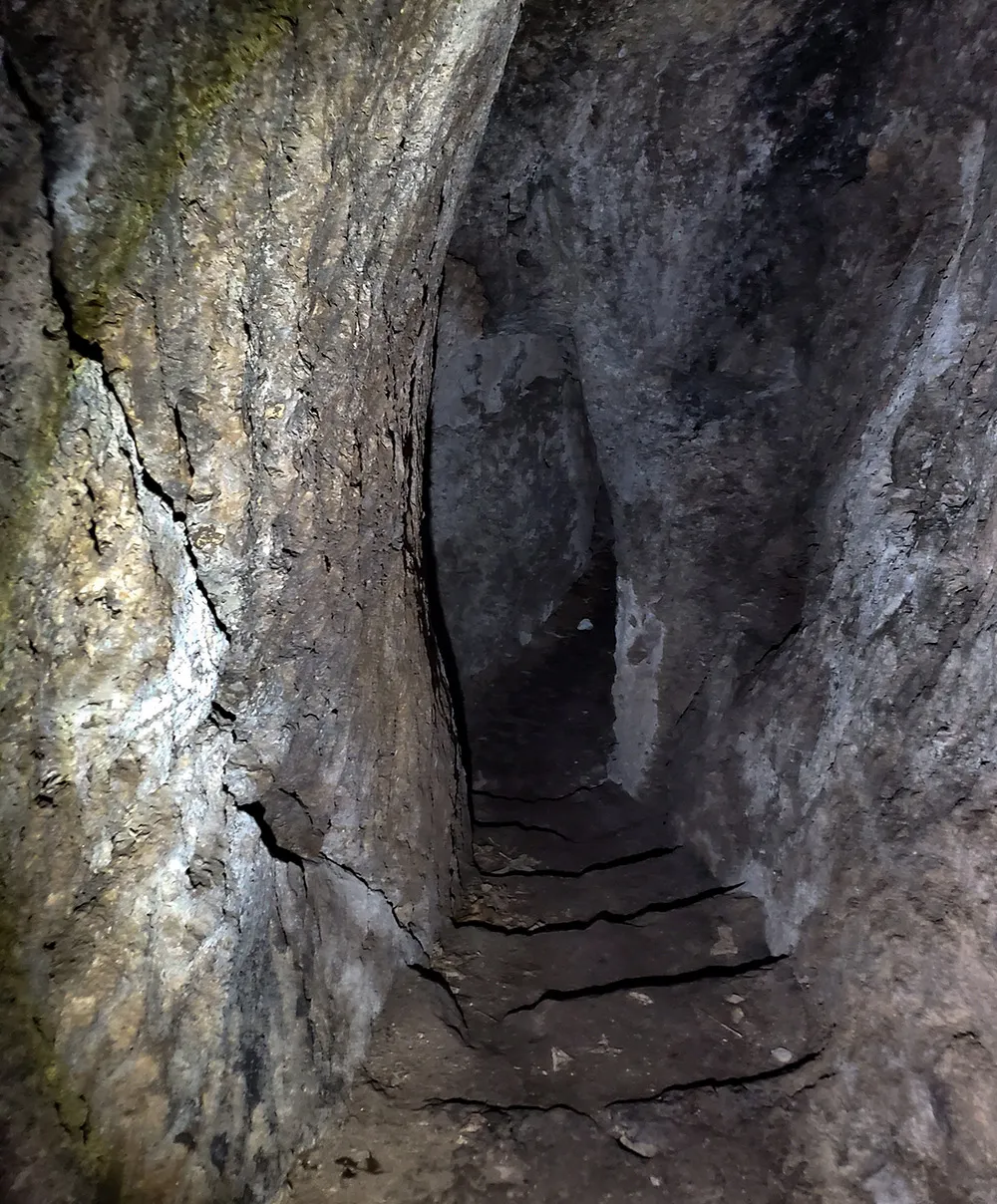
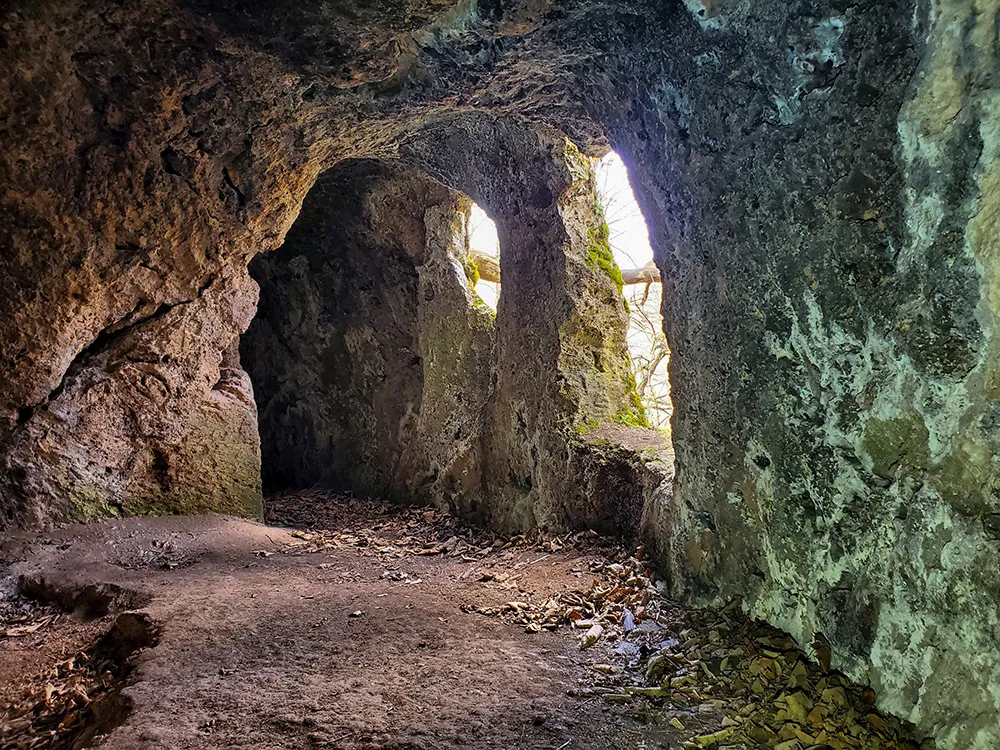
The grottoes are located at the foot of a steep amphitheatre-like slope on the bank of the Ushytsia. The lower tier is hollowed out of the limestone rock.
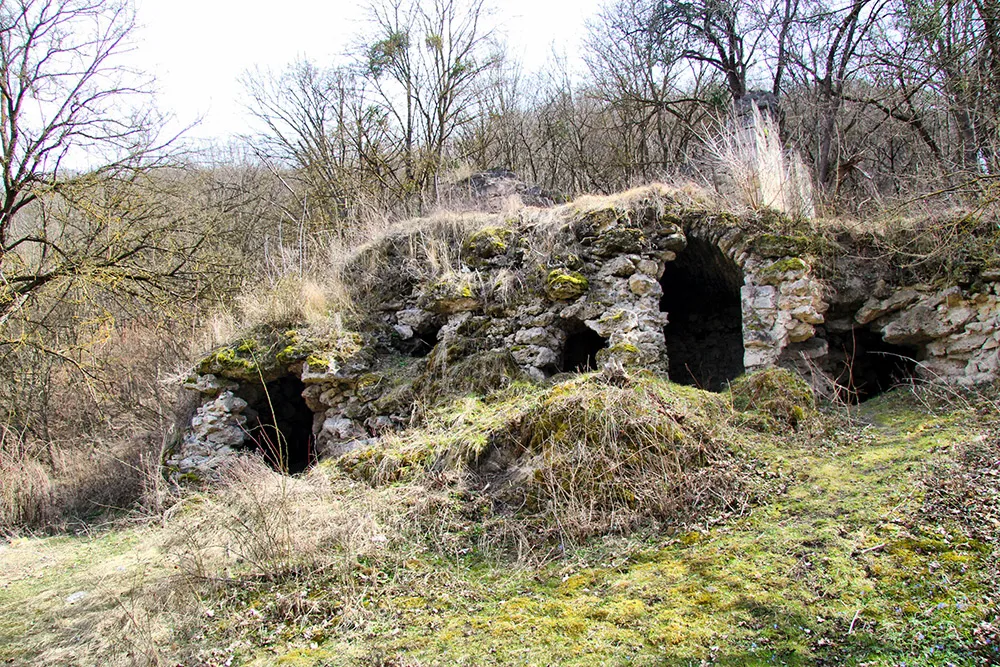
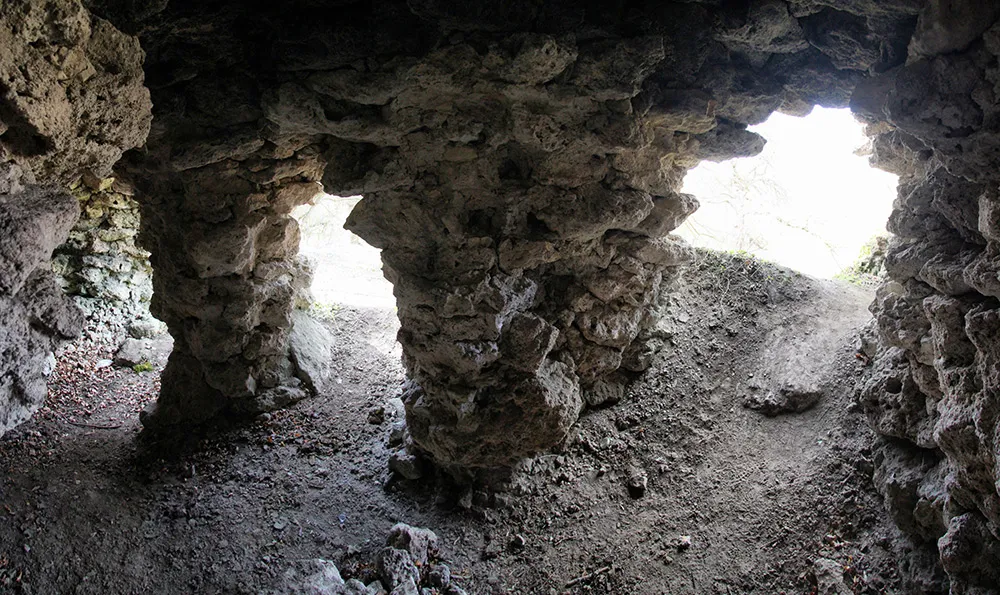
The upper one was made in the form of a park gazebo, and its walls were adorned with frescoes. It is said that one of the exits of the lower grotto was once covered by a natural mini-waterfall (almost like in Maliivtsi), formed by a stream flowing down the slope. However, nowadays that stream barely trickles, and slightly off to the side.
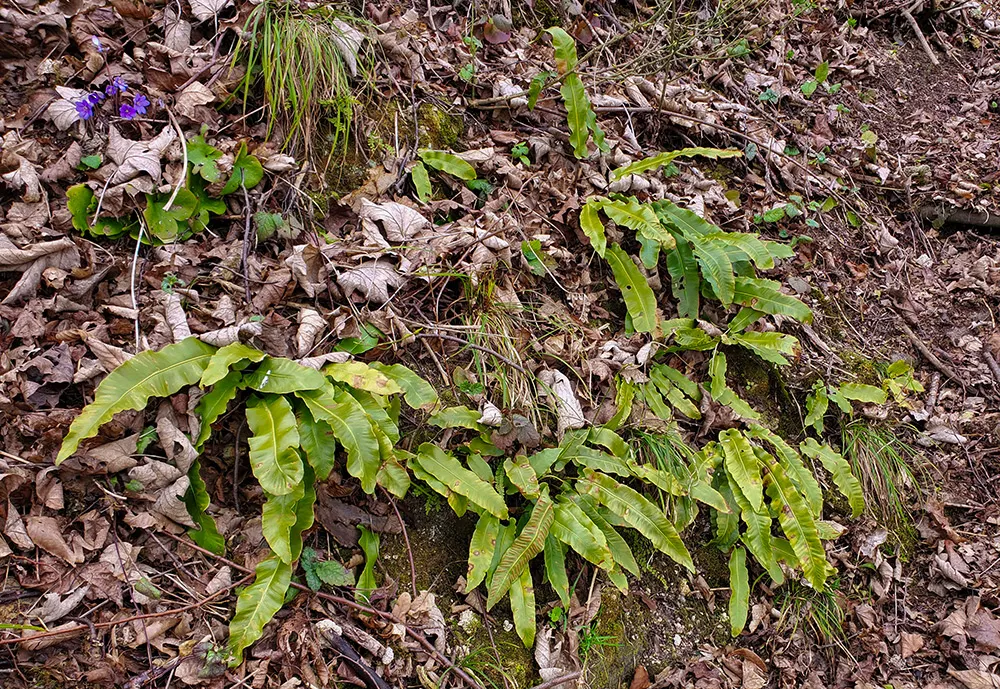
A biological curiosity: on the rocks near the grottoes one can see the hart’s-tongue fern (Asplenium scolopendrium), a perennial fern of the spleenwort family. Its solid leathery fronds are impossible not to notice. It is an extremely rare plant for Podillia. Across the whole Khmelnytskyi Oblast about a dozen places where it grows are known, one of them near Prytulivka.
Near the palace there once also stood the Marchockis’ family tomb with marble sarcophagi. Like the palace, the mausoleum did not survive the 20th century.
The greatest monument of Prytulivka is a huge mill. Guidebooks link it with Count Ignacy Scibor-Marchocki and even claim it was one of the pillars of the Mynkivtsi State. But architecturally it dates from the mid-19th century. Moreover, it is practically a twin of the mill in neighbouring Kruzhkivtsi, built in 1848.
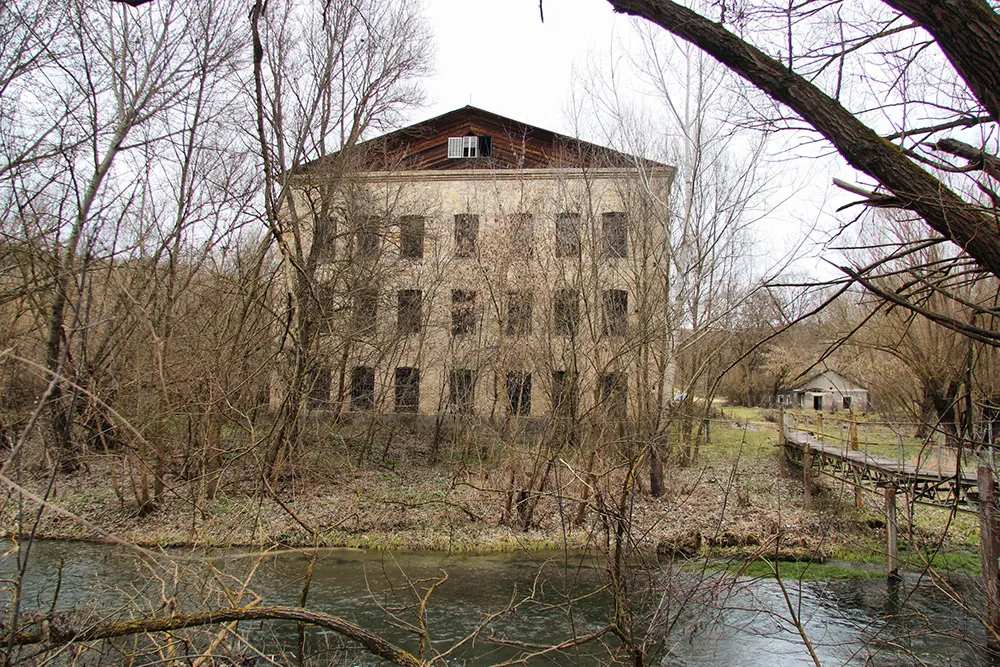
However, it is possible that the mill was built on the site of an earlier predecessor. For example, in Satanivi the mid-19th-century mill stands exactly on the site of an early 18th-century mill.
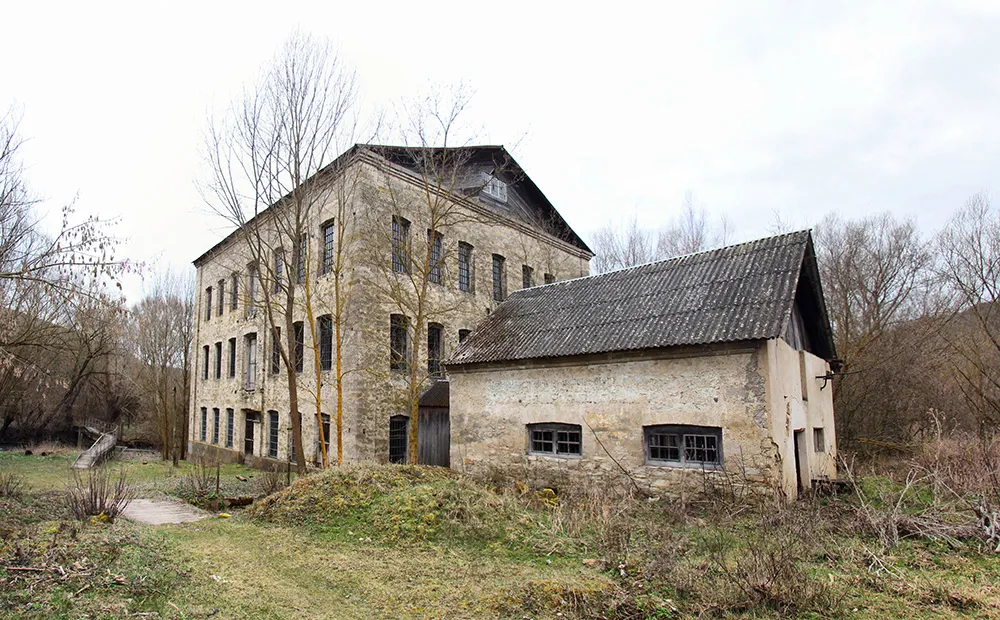
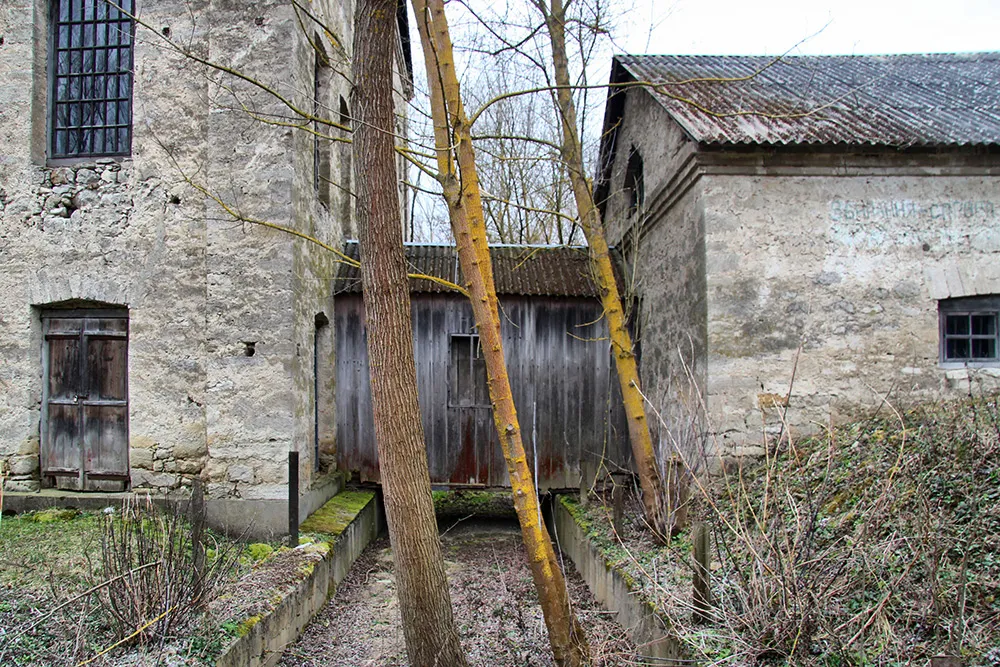
Some fifteen years ago the mill housed the Museum of Architectural Heritage. It is no longer there, and the premises are neglected. The museum kept a label that used to be glued onto flour sacks (photo: andy-travel.com.ua).
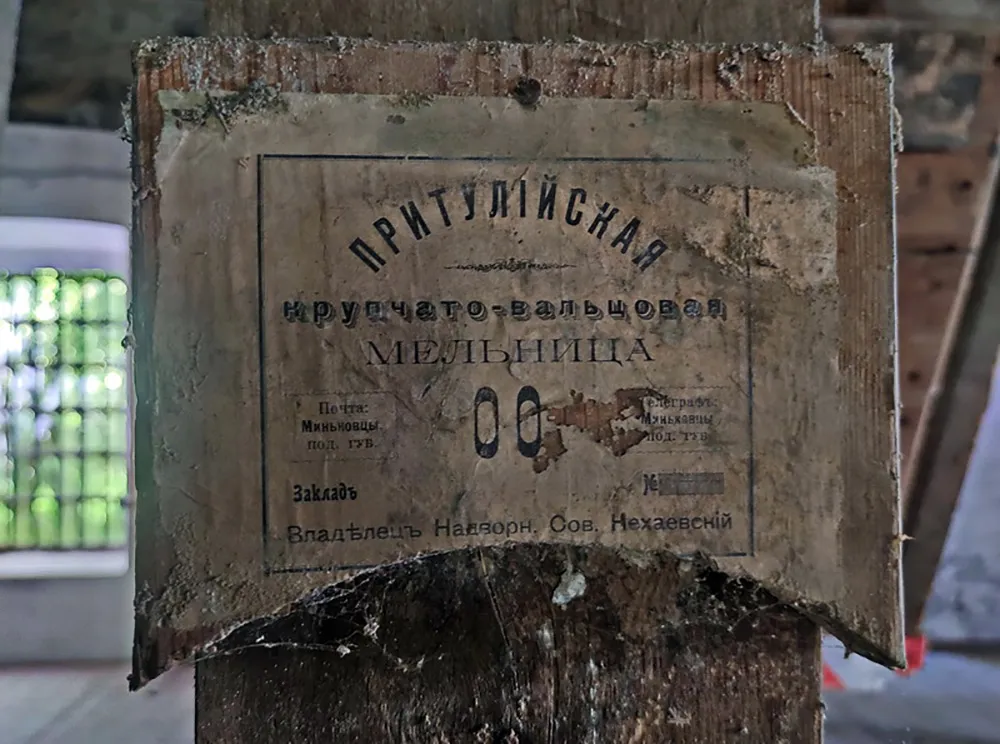
Few people know what the “00” in the centre means. In the Russian Empire, zeros denoted the quality of flour. The most common was “00” — good flour for bread, dumplings and rich baked goods. “000” was a higher grade for confectionery. The proudest flour was marked with four zeros. “0000” products were supplied to the imperial table. In Podillia, it seems that only the mill in Satanivi had the right to put “0000”.
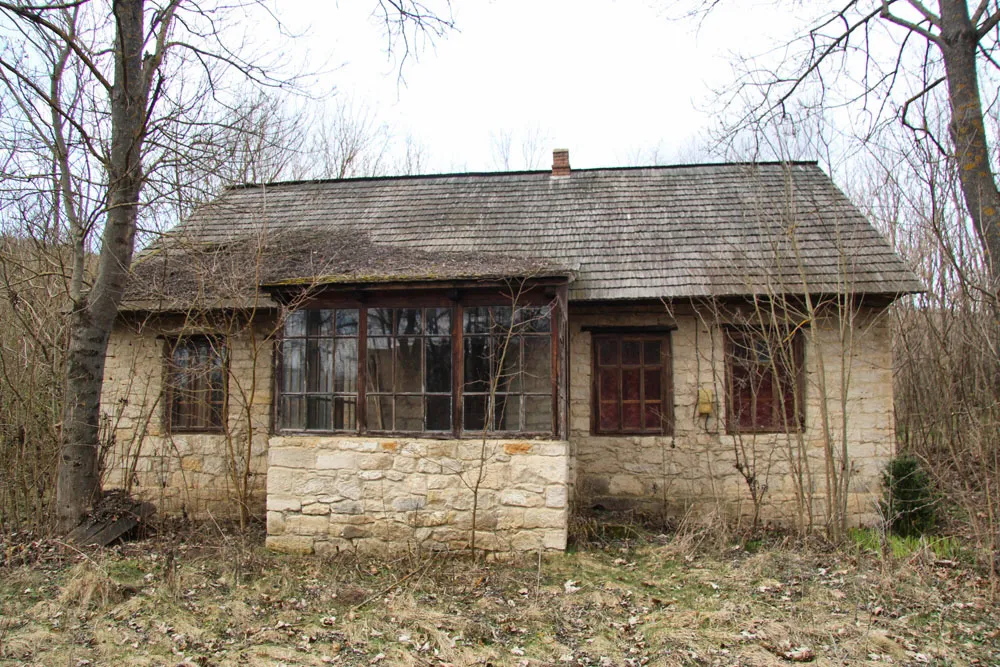
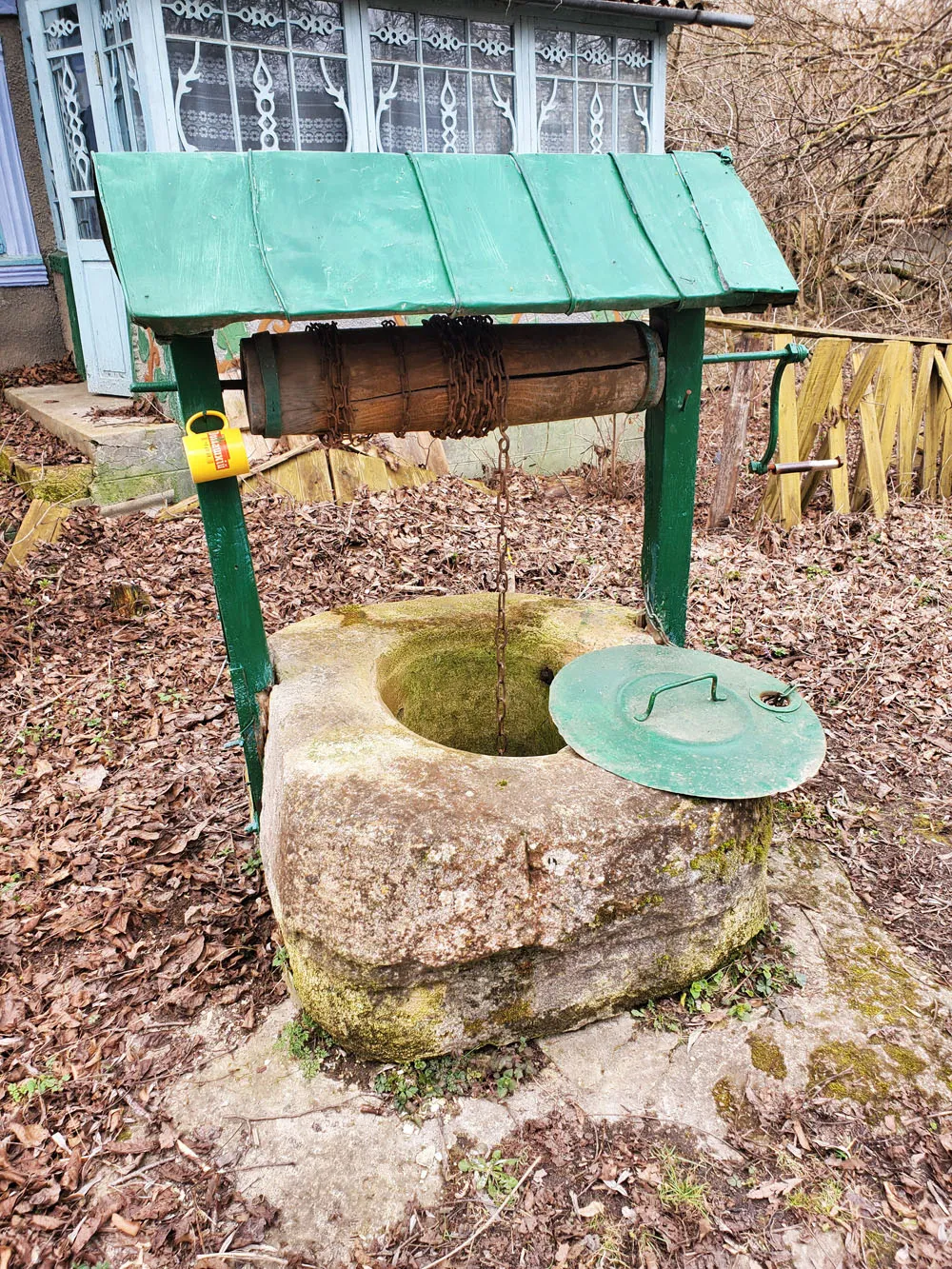
The gems of Prytulivka are the old houses made of evenly hewn limestone and fences made of the same blocks. Here we also see wells typical of the micro-region, with monolithic stone curbs, and carved cellar portals.
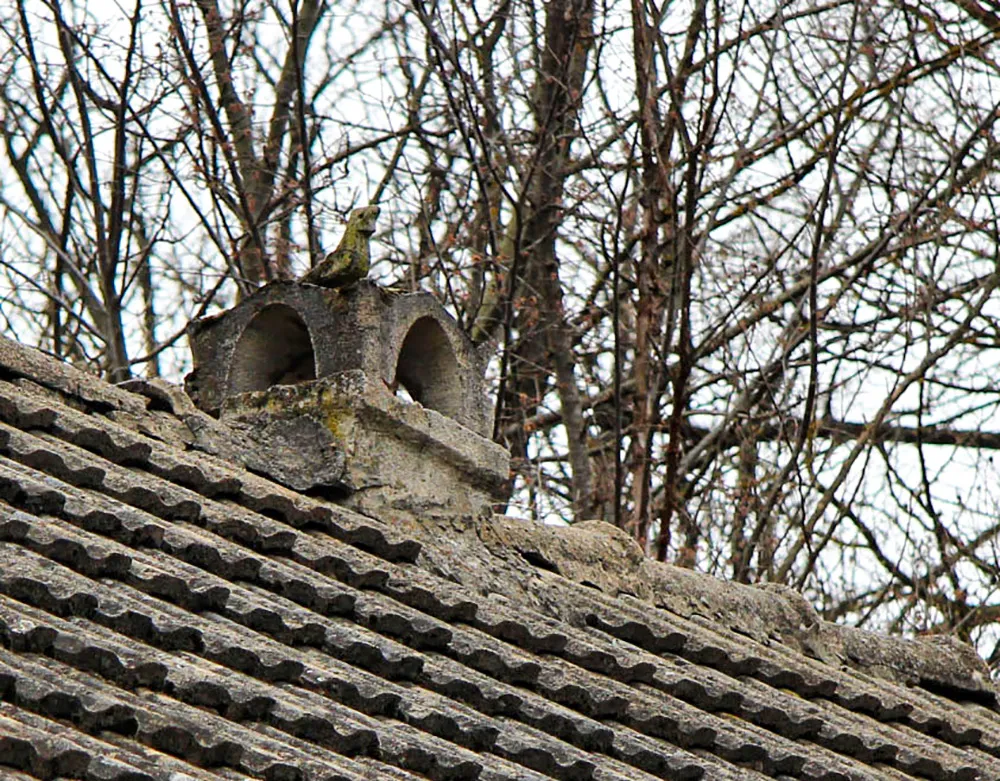
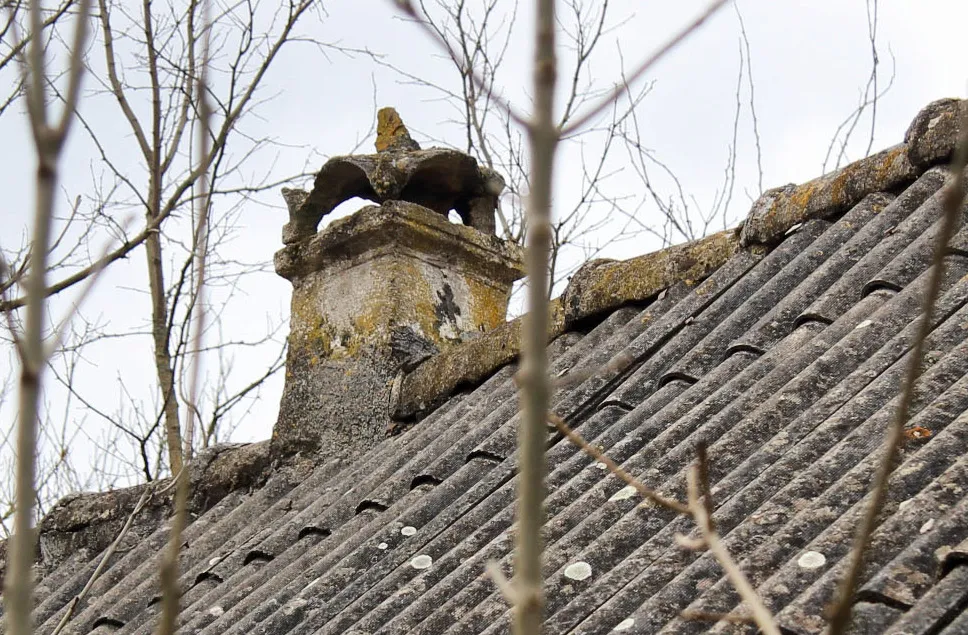
In general, Prytulivka can also be called a “Museum of Stone”. Accordingly, there are unique chimney caps here. A chimney cap is a metal or ceramic attachment with a little roof on the top of a chimney, meant to protect it from rain, snow and foreign objects. In traditional Ukrainian houses it also served as a decorative element and improved the draught in the stove flue. So, across all of Podillia the chimney caps are ceramic, while in Prytulivka they are stone! Even the traditional little roosters that crown them are made of stone.
Even the traditional benches by the fences are made of stone…
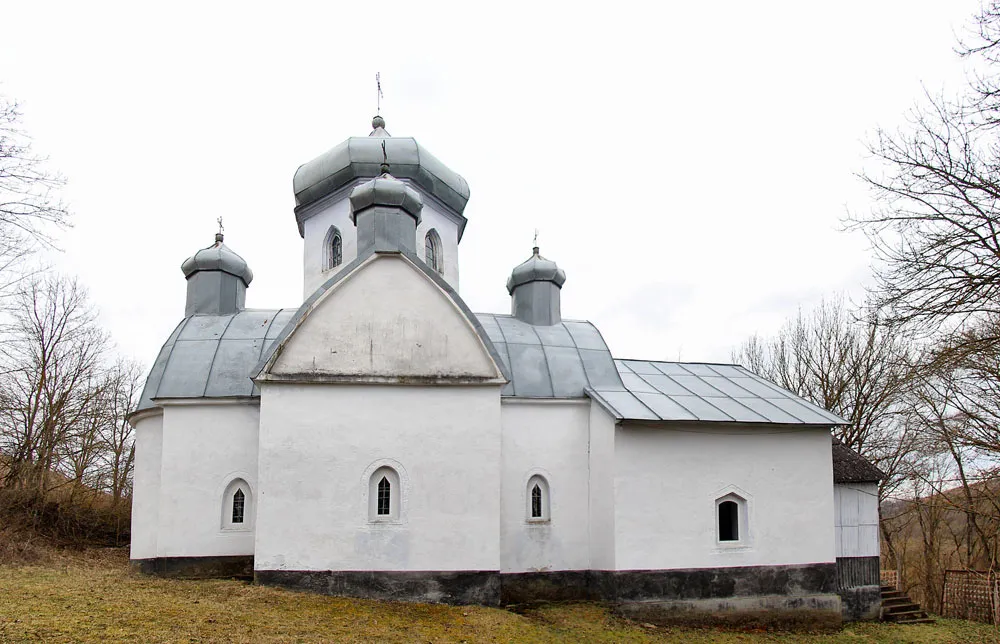
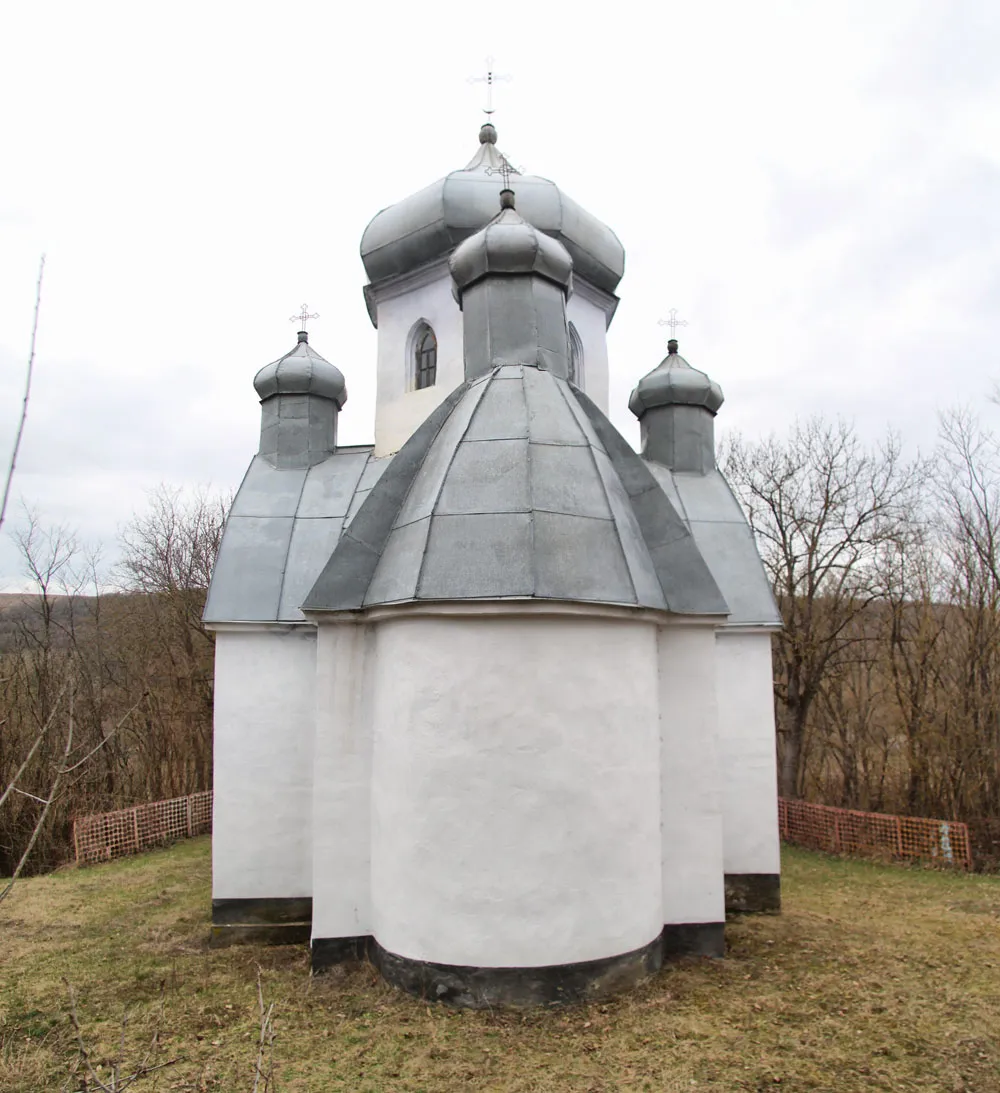
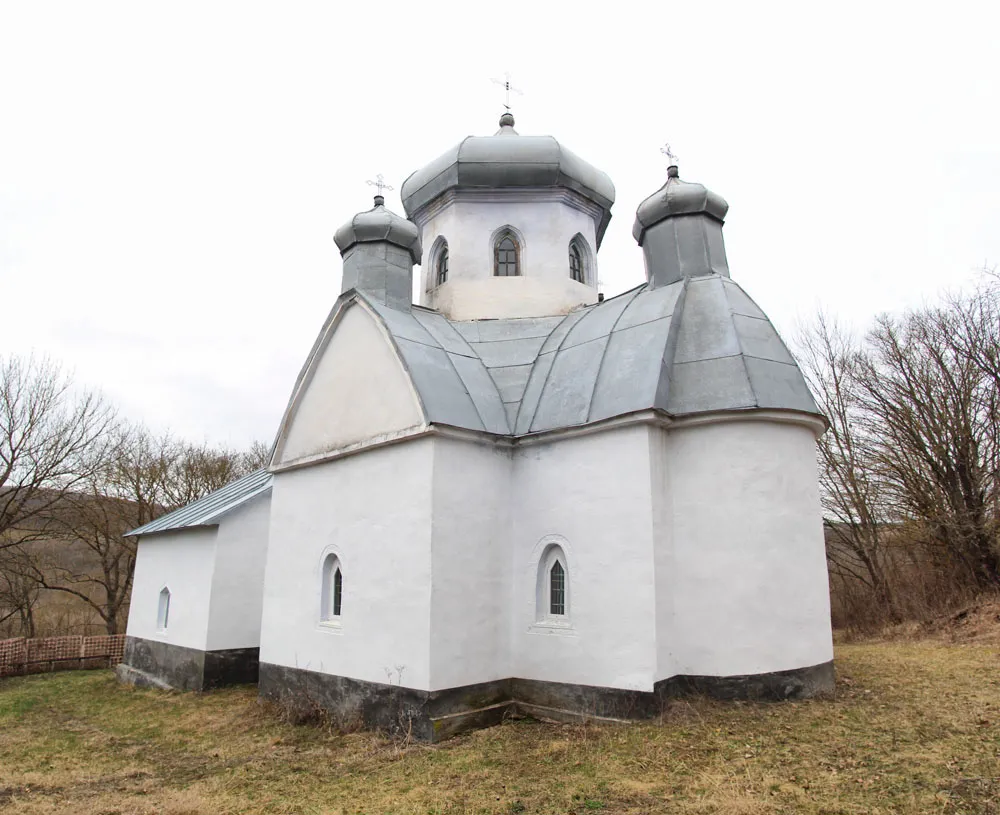
The Church of the Conception of St. Anne is interesting. From the outside it resembles the defensive churches of the 16th–17th centuries, but the building is relatively “young” — it was built only in 1895.
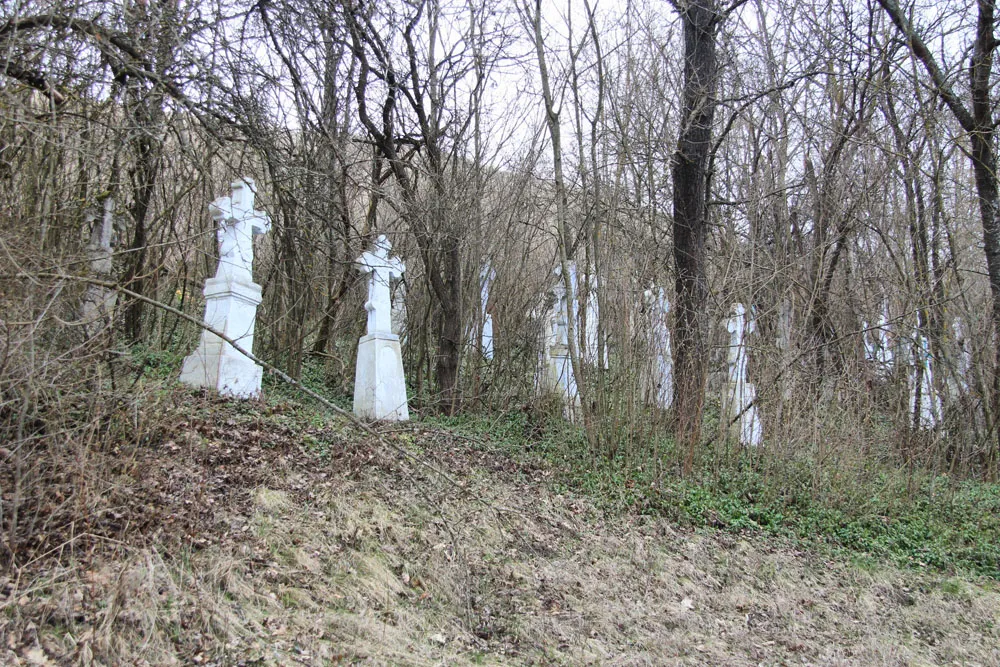
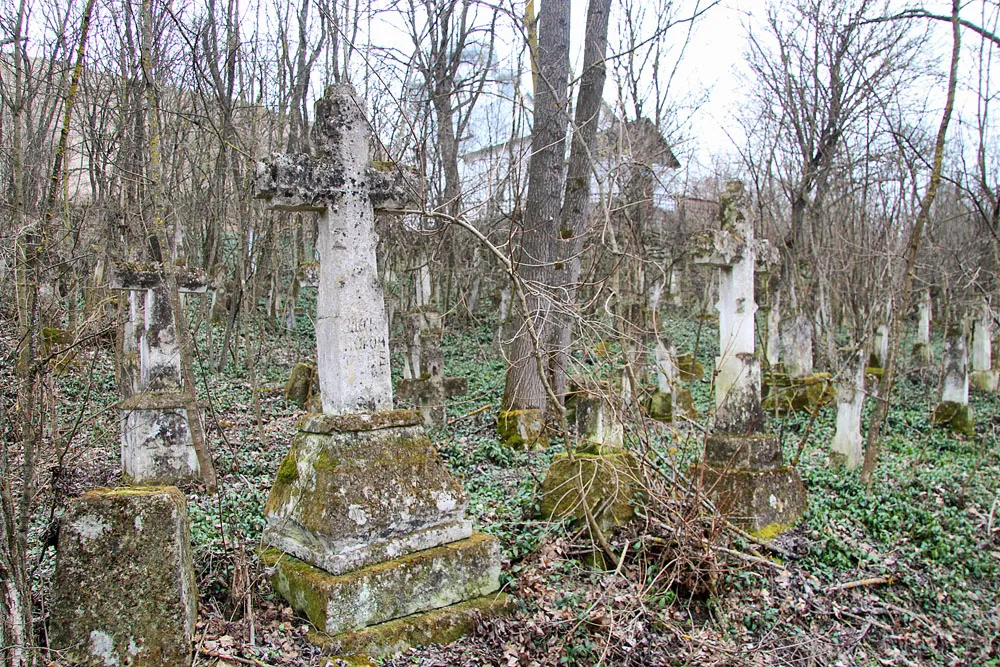
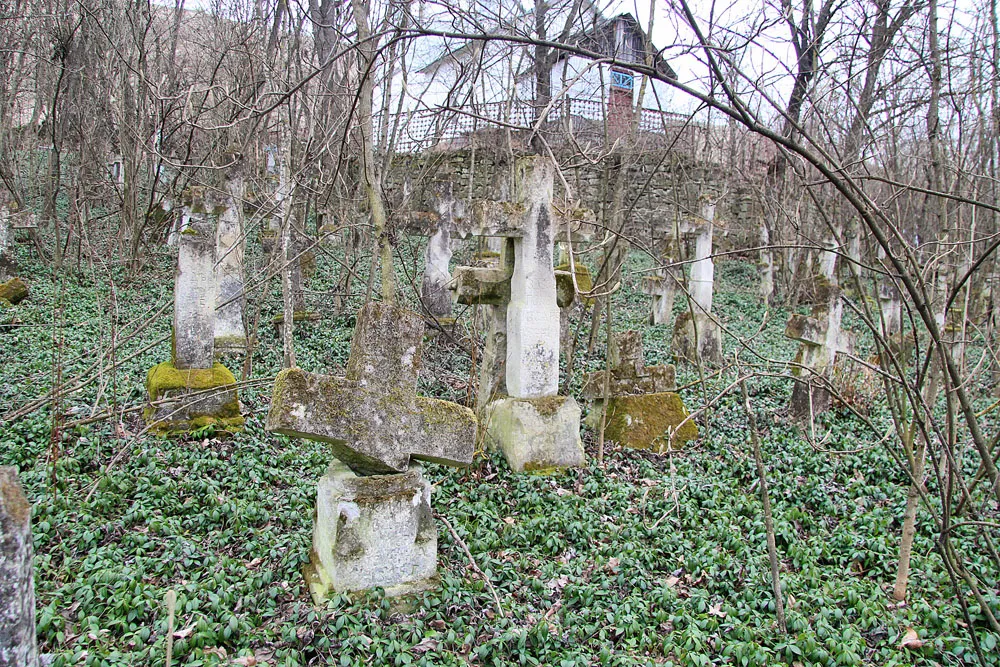
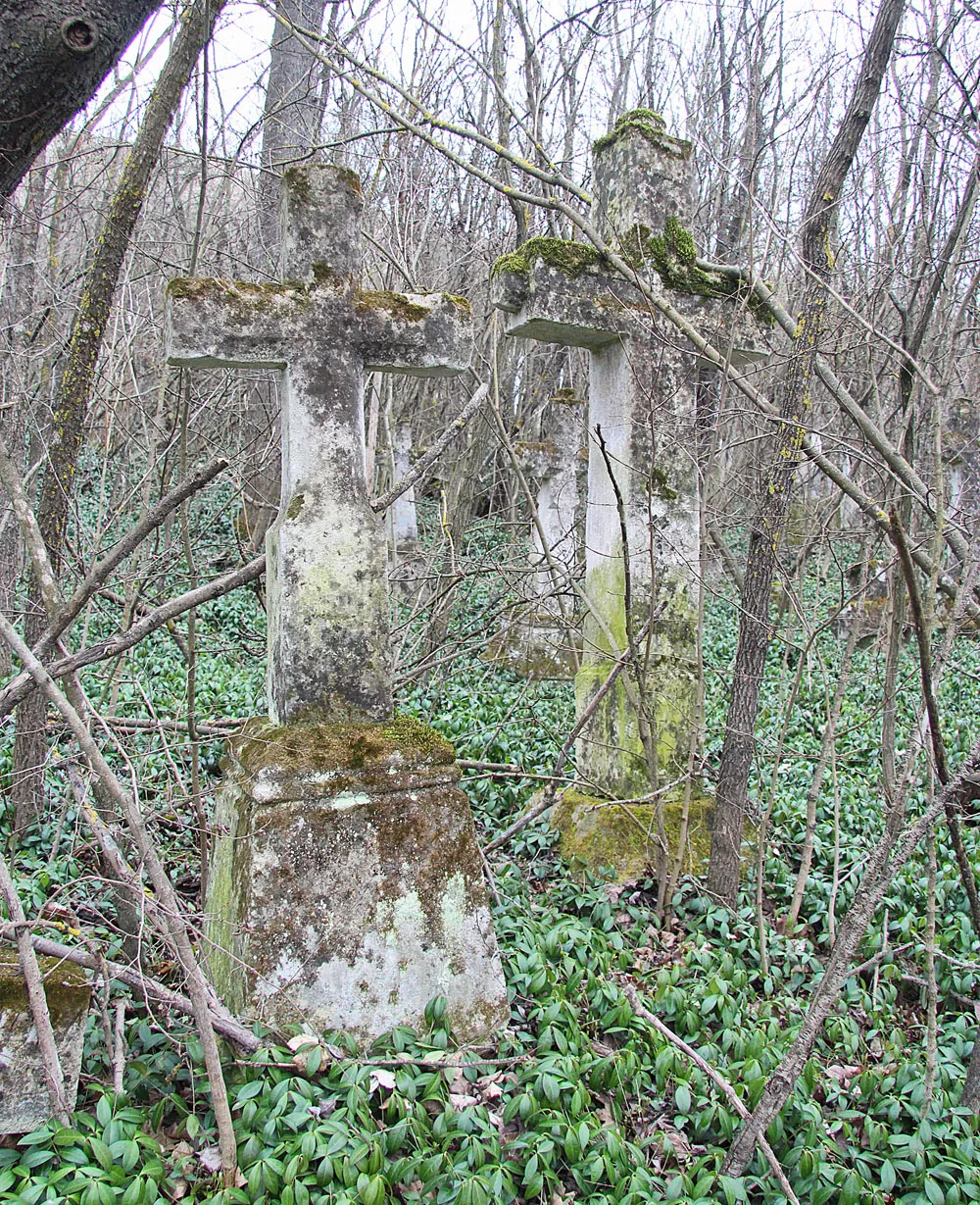
Beside the church is an old necropolis with stone crosses of quite interesting shapes.
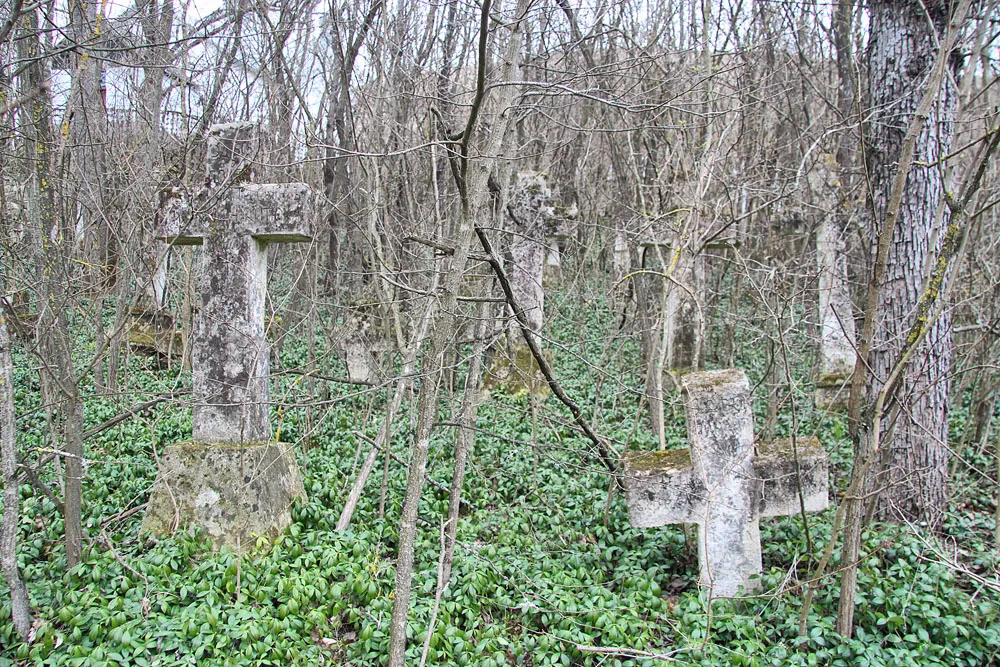
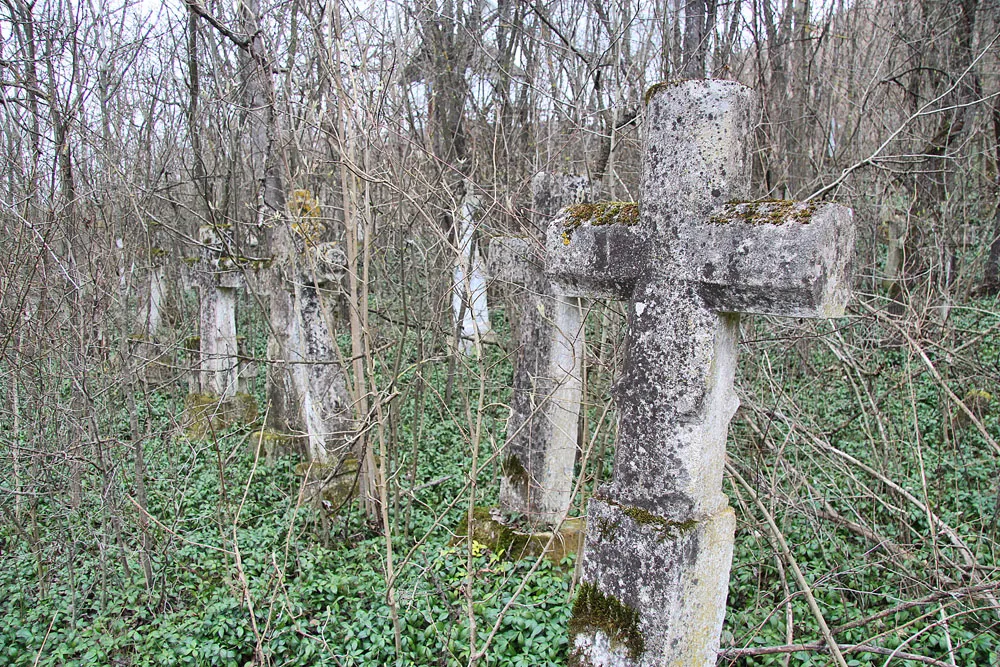
However, the most unique cross can be seen in another, “new” cemetery of this village. It is a tall (over 2 m), skilfully carved cross. It is not an ordinary gravestone but a cenotaph cross, erected in memory of fellow villagers who died on the fronts of the Great War, later called the First World War. It was discovered by the historian Yevhenii Levinzon.
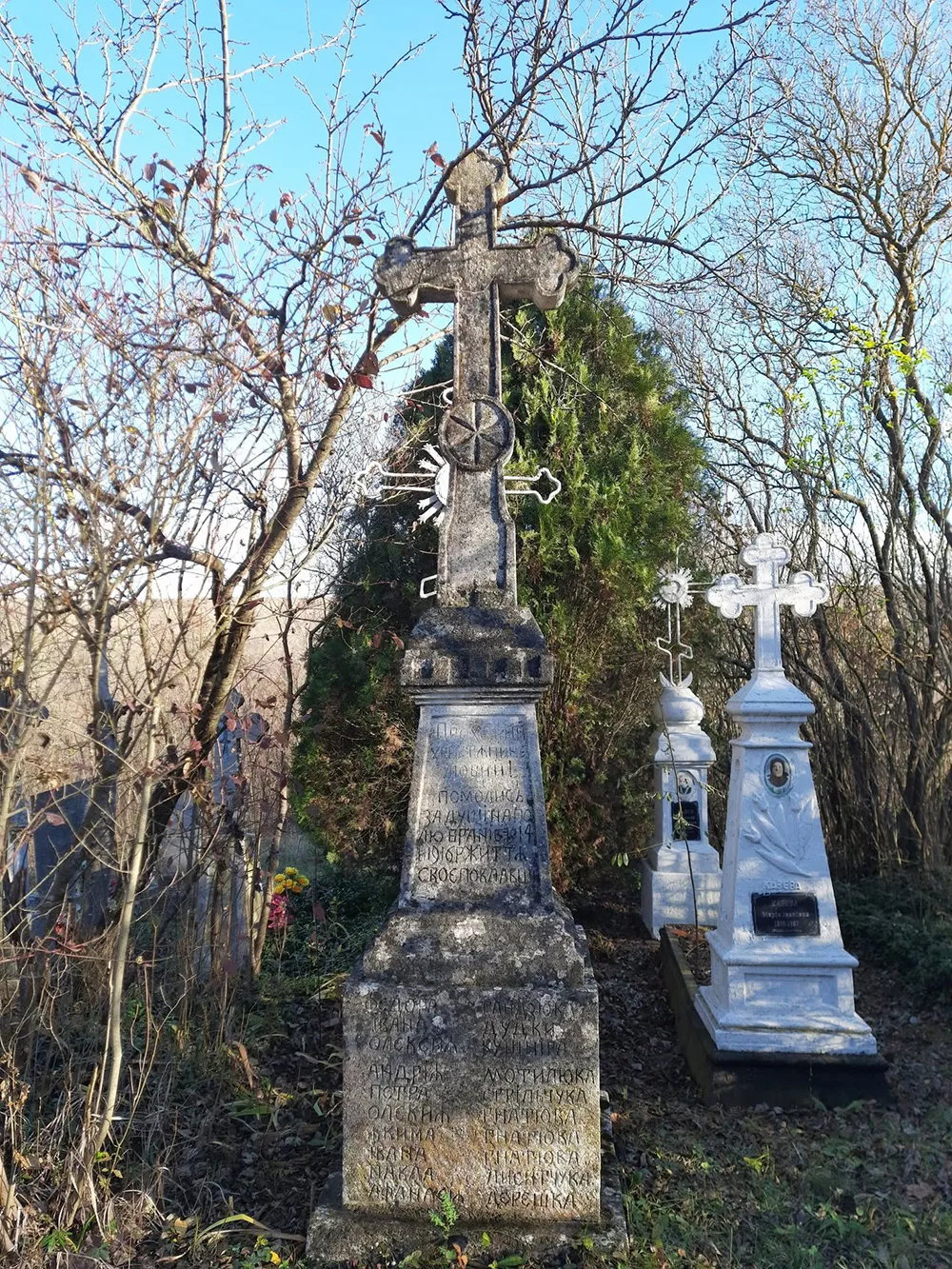
The cenotaph cross. Photo: Yevhenii Levinzon
The dedication is written in a mixture of Church Slavonic and colloquial Ukrainian, followed by a list of the fallen:
“Dear Christian passer-by! Pray for the souls of those who laid down their lives on the field of battle in 1914 and 1916.
Fedir Handziuk, Ivan Dudka, Oleksii Kushnir, Andrii Motyliuk, Petro Strilchuk, Oleksii Hnatiuk, Yakym Hnatiuk, Ivan Hnatiuk, Pavlo Lysytchuk, Afanasii Dereshko, Prokopii Tsymbaliuk, Mykyta Kaziuk, Iustyn Hohol, Pavlo Motyliuk, Leontii Zendruk.”
An extremely rare type of monument!
Recall that a similar cenotaph cross was discovered in its day by the “Ukraine Incognita” expedition in the cemetery of the village of Radkovytsia, Horodok community (also in Khmelnytskyi Oblast). It was erected in 1919. On one face of the pedestal was written: “This cross was erected in 1919 by Anna Nikifora of the village, in memory of her three sons Stefan, 35, Konstantin, 24, and Nikolai, 20.” On the adjacent face the inscription continues: “Fallen on the field of battle in the Russo-Austro-German war in 1914–1916.”
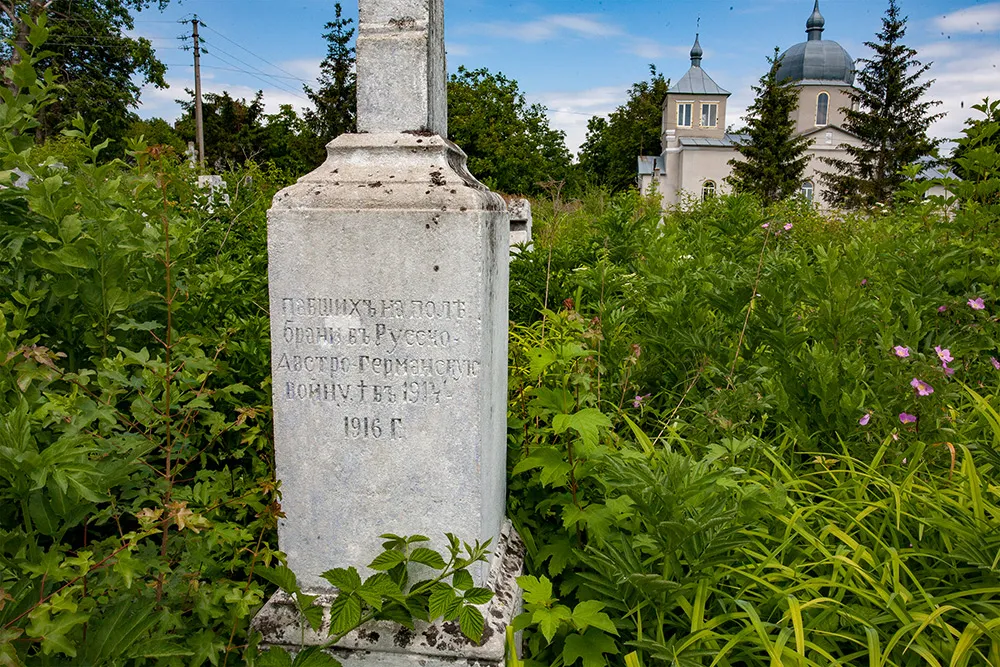
The cenotaph from Radkovytsia. Photo: Dmytro Poliukhovych
On the whole, the village of Prytulivka is more than interesting, but it is shielded from crowds of tourists by its difficult accessibility.
IMPORTANT! You can learn more about the reformer count and the history of the Mynkivtsi State and the surrounding villages at the Memorial Museum of the Reformer Ignacy Marchocki in Mynkivtsi.
Photos: Roman Malenkov
Text: Dmytro Poliukhovych


