Diadkovychi. Ukrainian Art Nouveau in a diocesan shell

· 2 min read
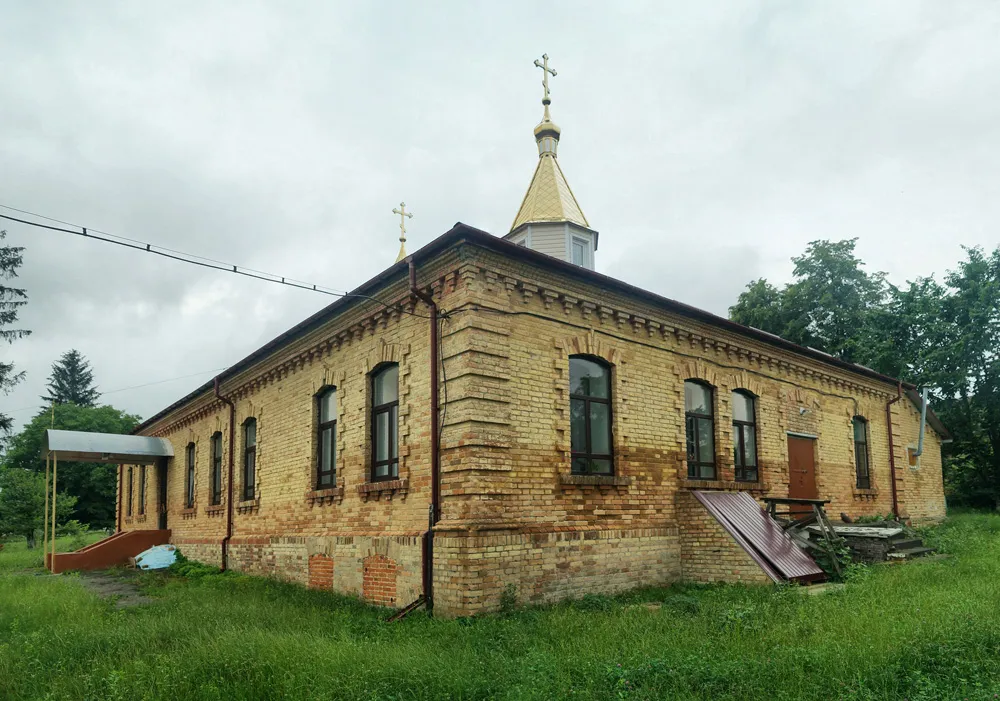
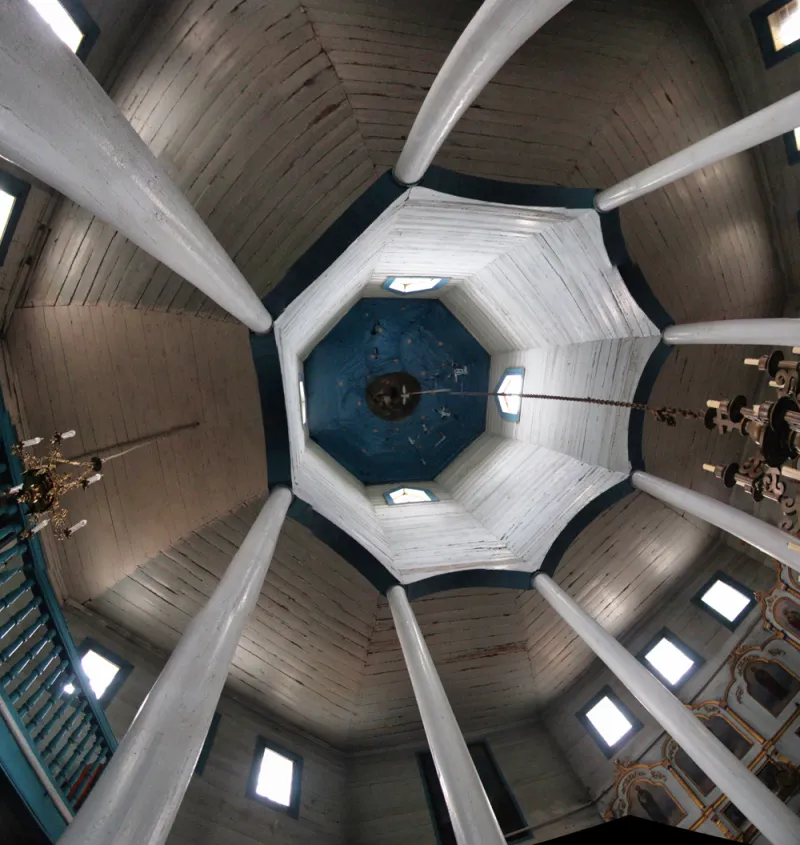
We went to Diadkovychi to see an ordinary wooden church built in the diocesan-synodal style, and came across a real church museum, assembled by the rector of the Church of St. Paraskeva, Archpriest Oleksandr Kulyk. Objects of village antiquity, books, old photographs and postcards – there is everything in the wonderful exhibition that the priest displays in one of the church’s rooms. And the church itself is no ordinary “diocesan” building: besides the standard design, it has some non-standard features – for example clear signs of Ukrainian Art Nouveau: the windows on the outside, and inside the vault breaks, doorways and murals. Seeing the church from afar, I would never have said it was so interesting inside.
The history of the village of Diadkovychi and the origin of its name are described quite well on Wikipedia – I will not repeat it.
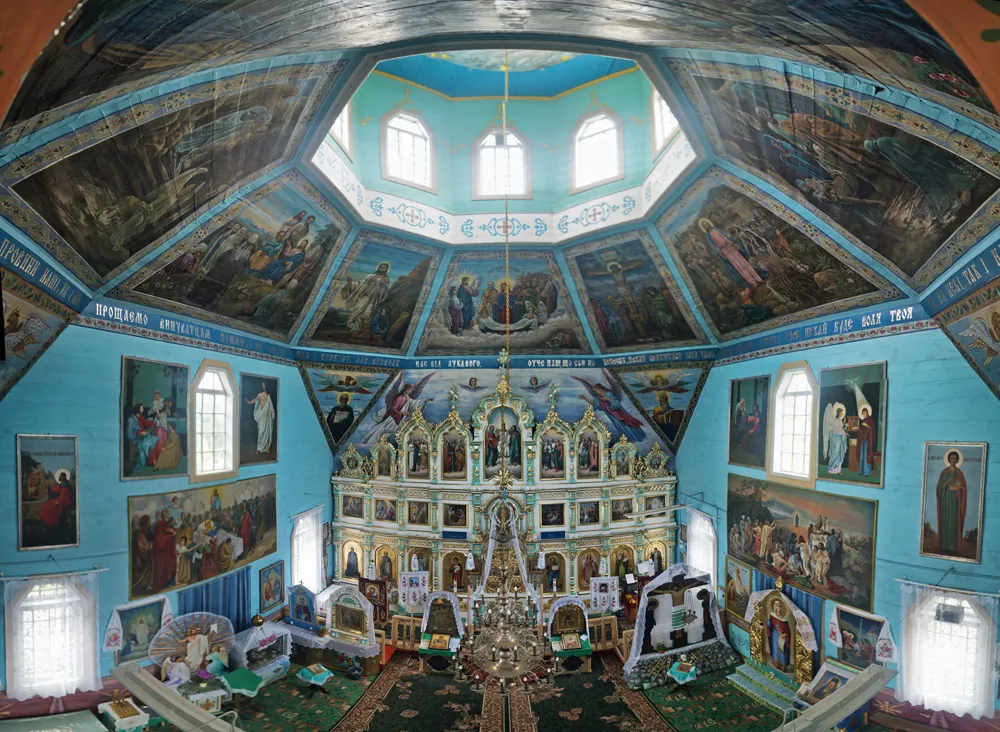
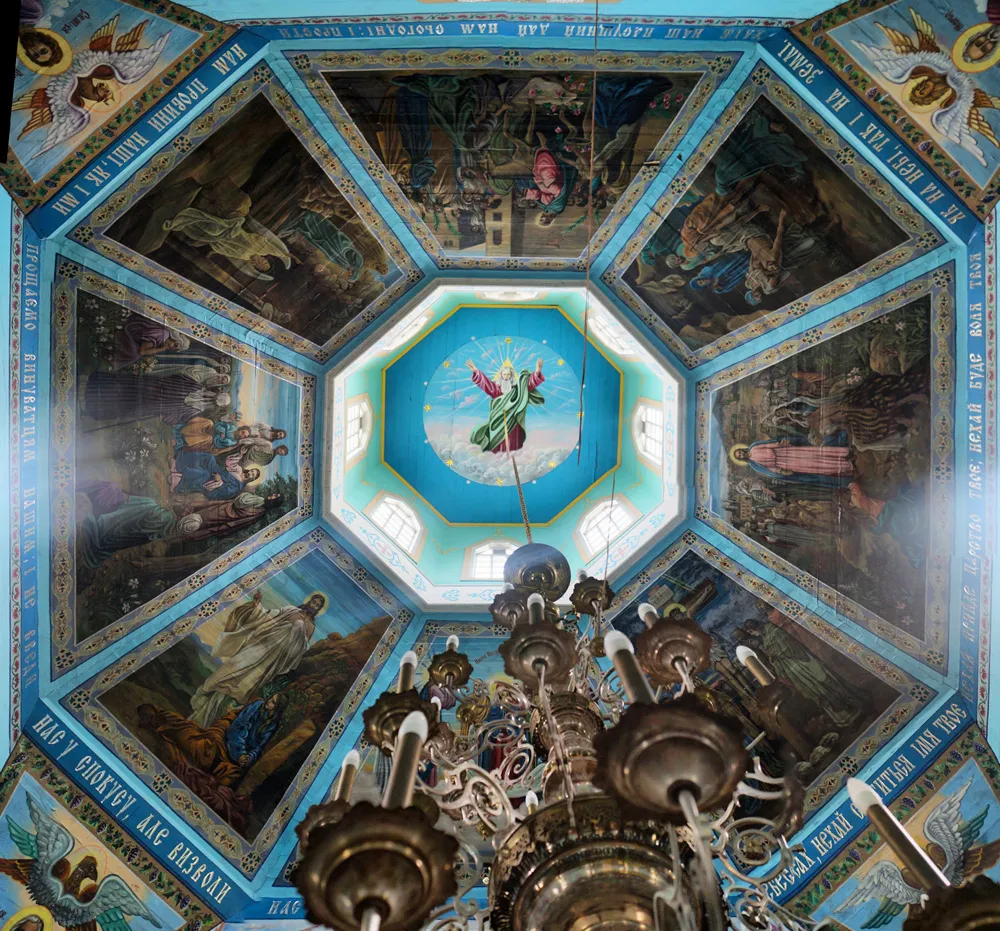
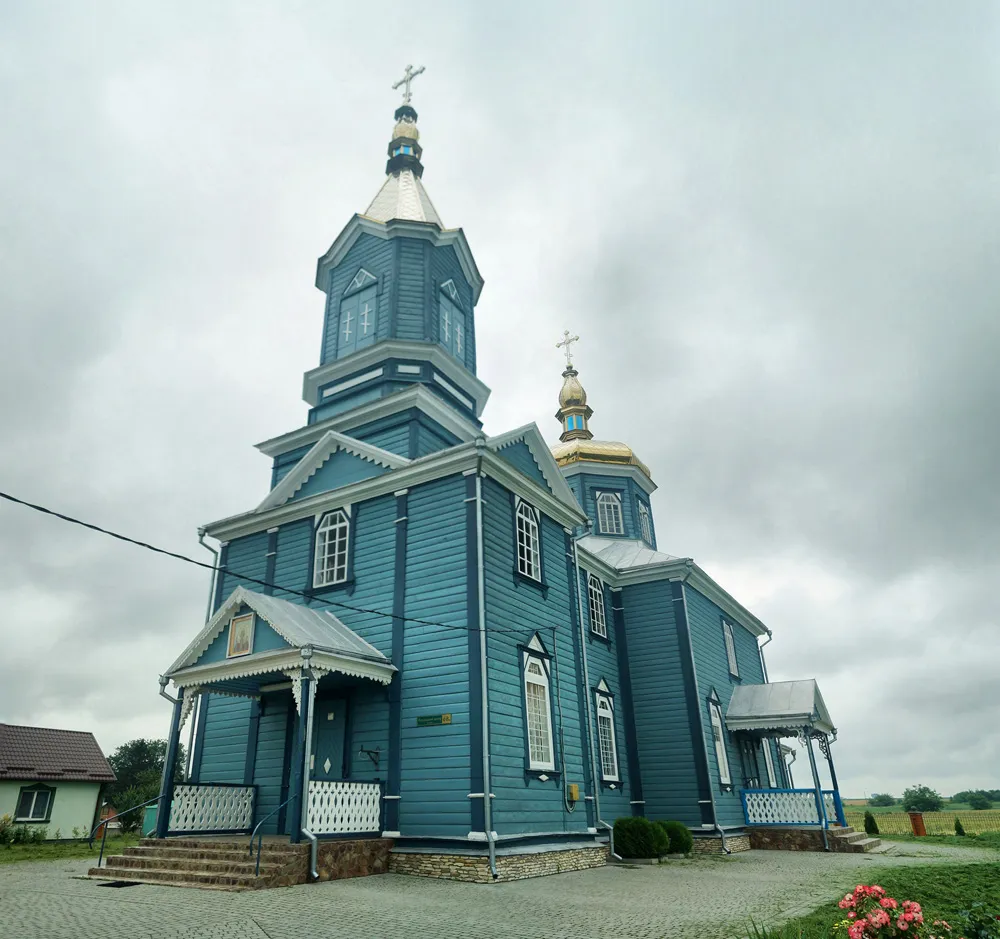
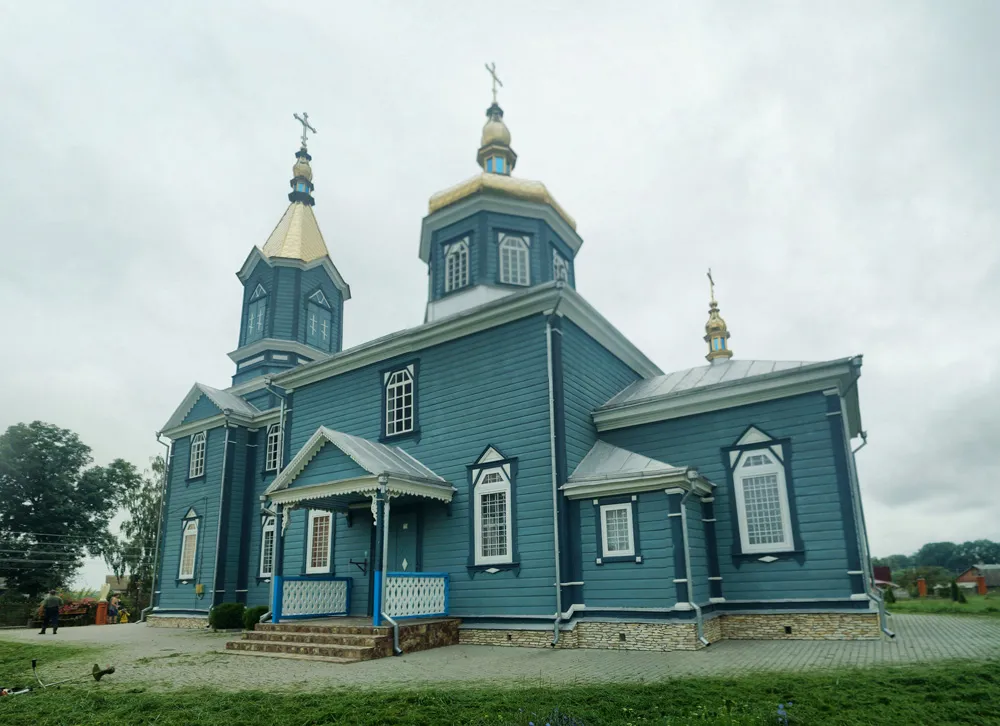
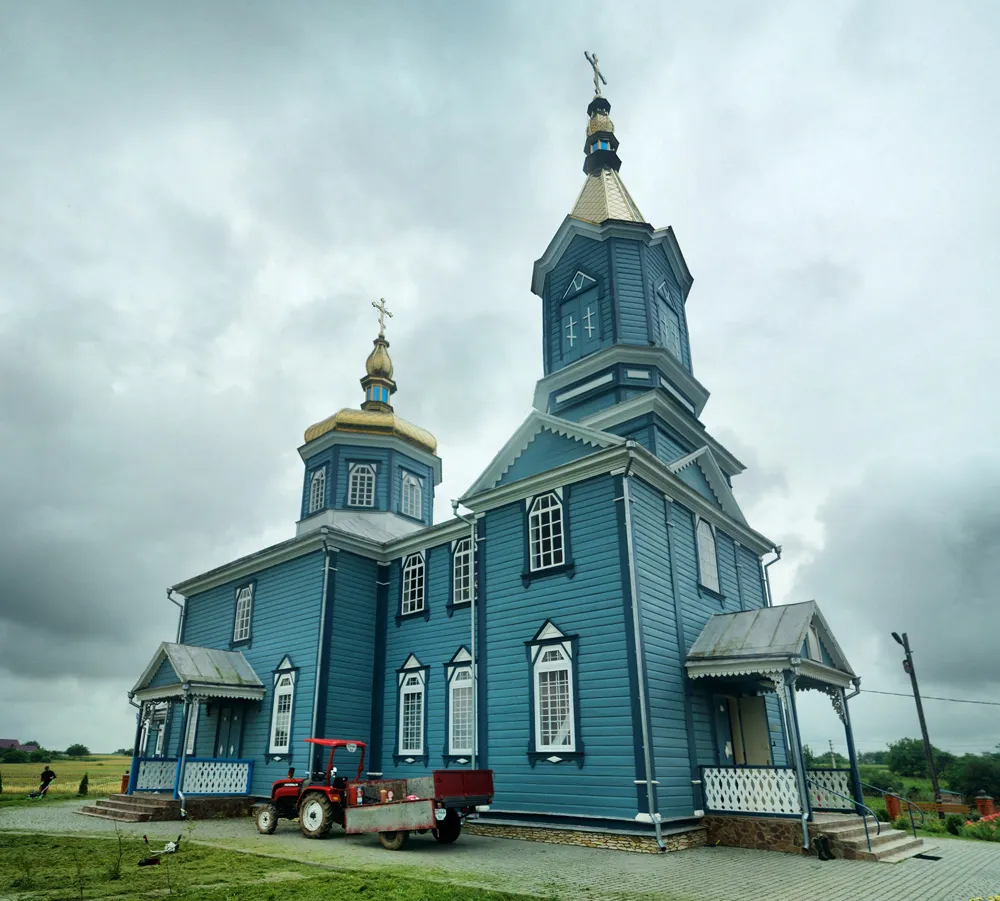
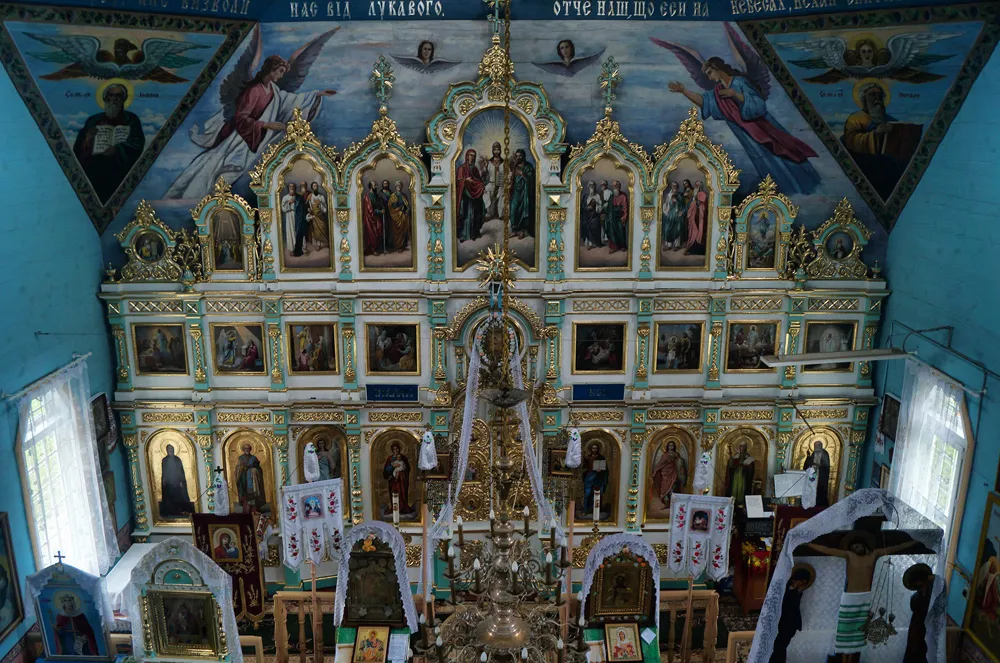
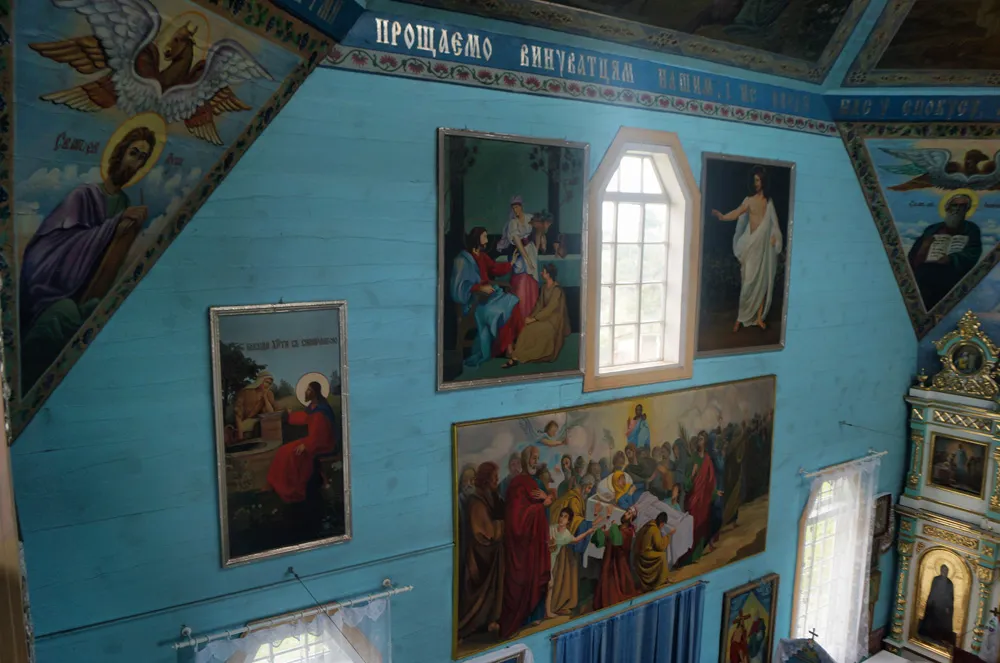
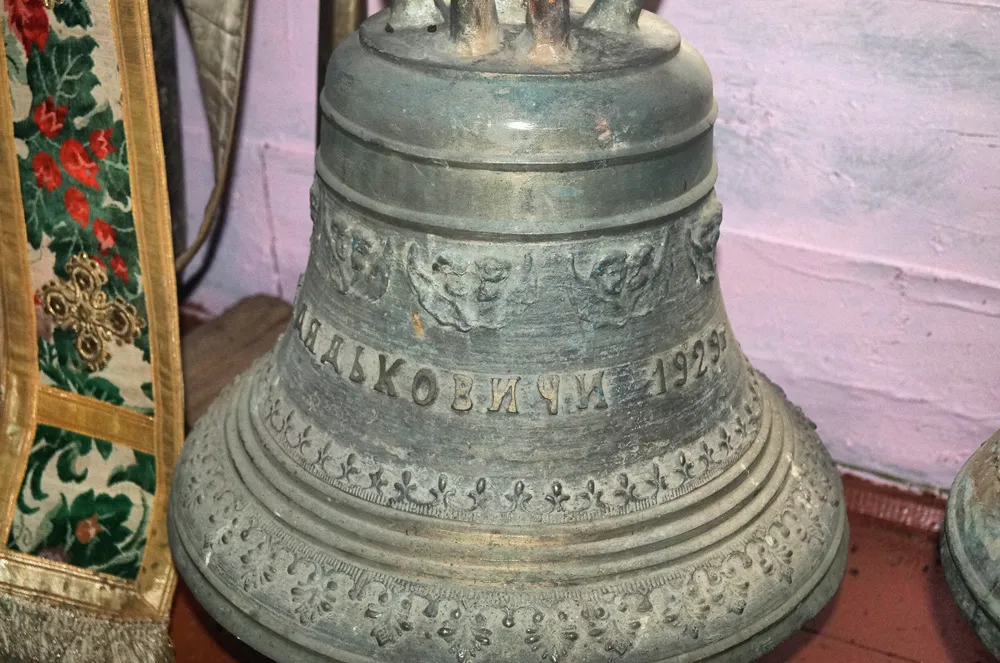
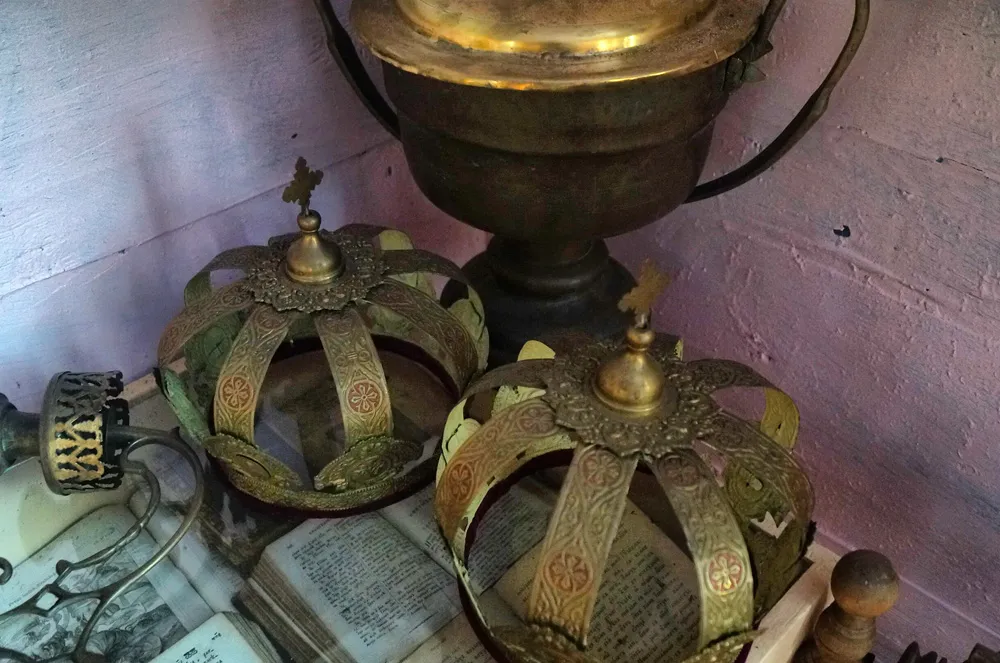
The first Church of St. Paraskeva in Diadkovychi was surely built as early as the 17th century. In 1767 a new (for that time) wooden church was built, which stood until 1910, when it was dismantled for building materials and sold to raise funds for completing the present church, which in turn was laid down in 1907 and consecrated in 1912. The design, as I have already said, is standard; who carried it out, and the Art Nouveau elements in particular, is unknown. Today, thanks to the efforts of the archpriest, the church is in good condition. It belongs to the OCU.
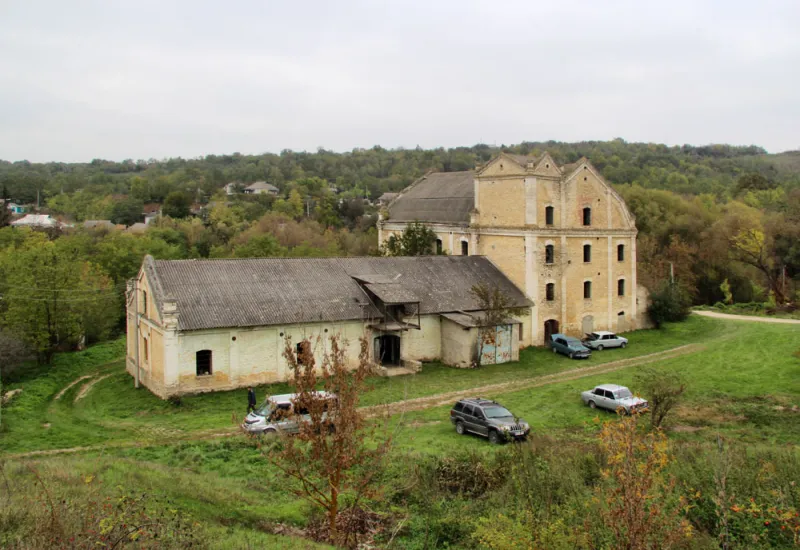
As early as the 19th century Czech colonists appeared in Diadkovychi, as in many villages of Volyn. The sheer number of Czech colonies at the time was a revelation to me – about 30,000 Czech colonists lived within Volyn Governorate – and an even greater revelation was the legacy of these colonies: residential and farm buildings. Among Diadkovychi’s main Czech landmarks is the mill built by the Czech Viktor Yurin in 1936. Until 2005 it performed its original function. Today it is a warehouse.
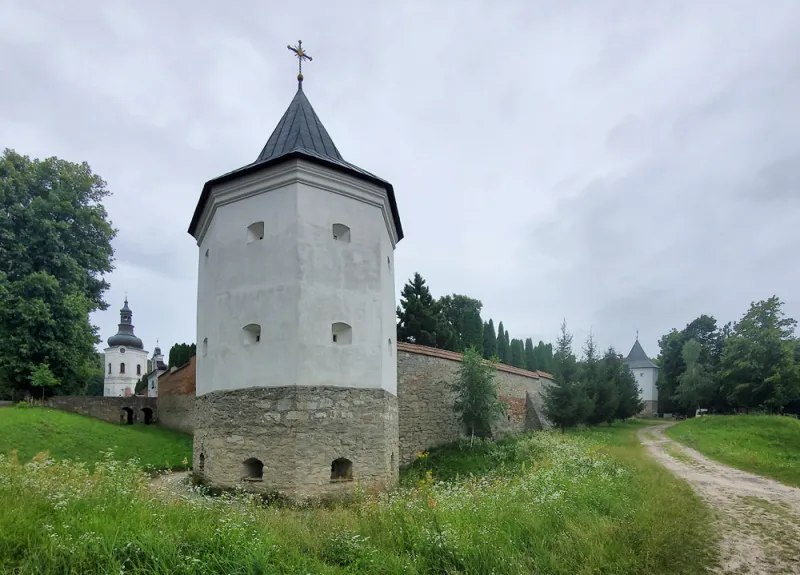
There are other old buildings in the village too.
Text and photos by Roman Malenkov.
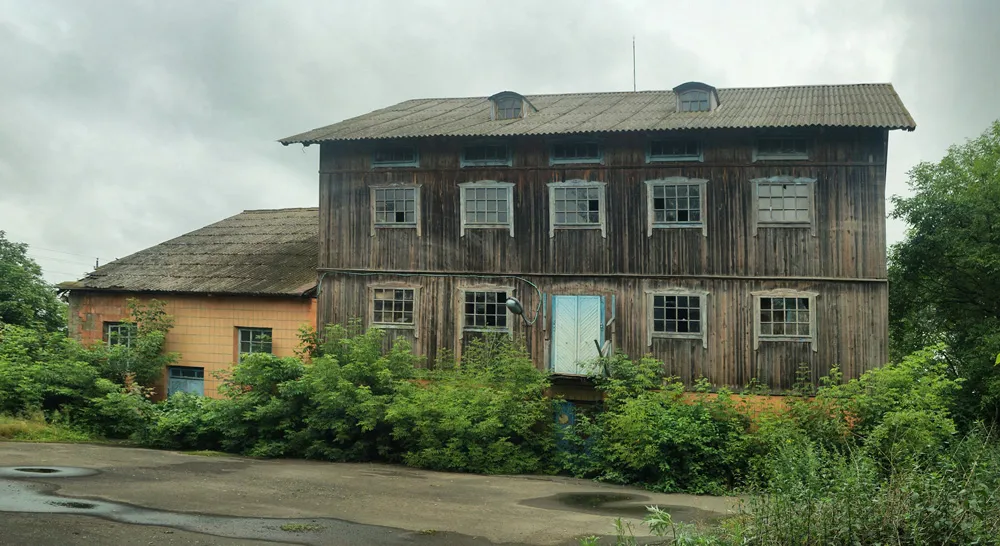
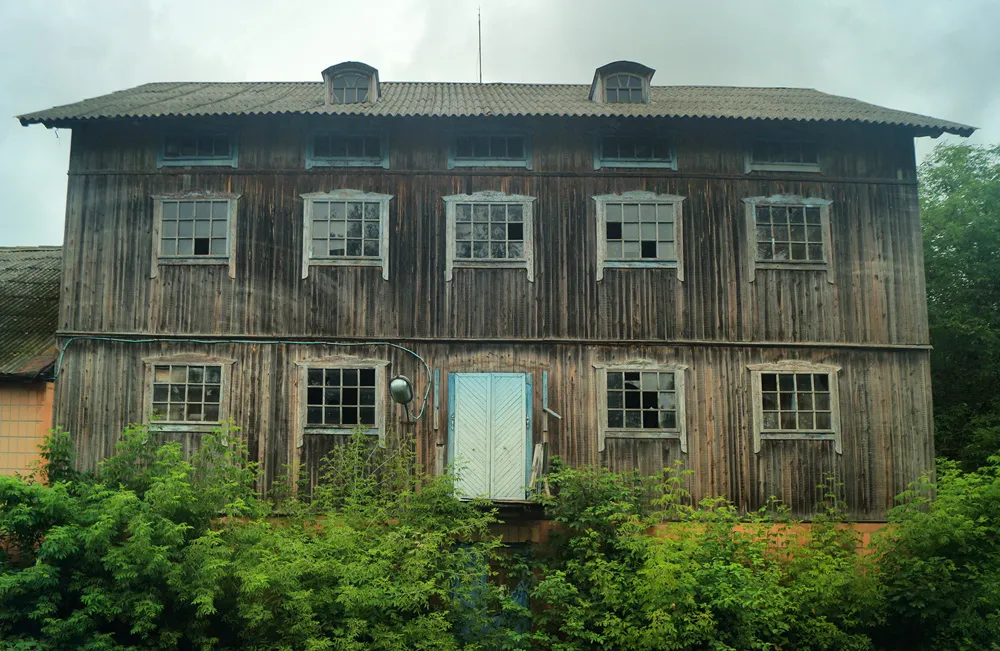
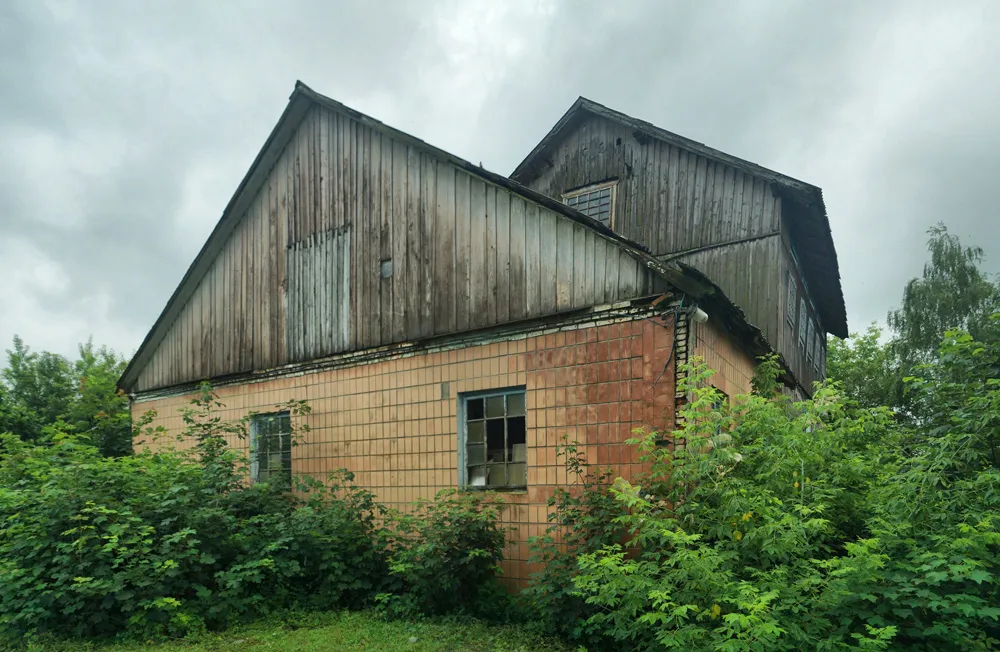
Czech mill