Horodok. St. Nicholas Monastery

· 2 min read
According to Wikipedia there are 12 settlements in Ukraine called Horodok. They are all old settlements whose name has ancient Slavic origin. There is such a settlement in the Rivne region too – the village of Horodok, located 13 kilometres from Rivne. It is first mentioned in 1463. Then Horodok belonged to the Zbarazki princes and later passed to the Soltan princes, who built a castle on an island in the Ustia River. At the beginning of the 16th century the village became the property of Anastasiia Holshanska, who gave it to the Kyiv Pechersk Lavra. From then on a skete of the Lavra existed here, and later a monastery, which served as the residence of local bishops and constantly conducted disputes over the surrounding land plots with local landowners.
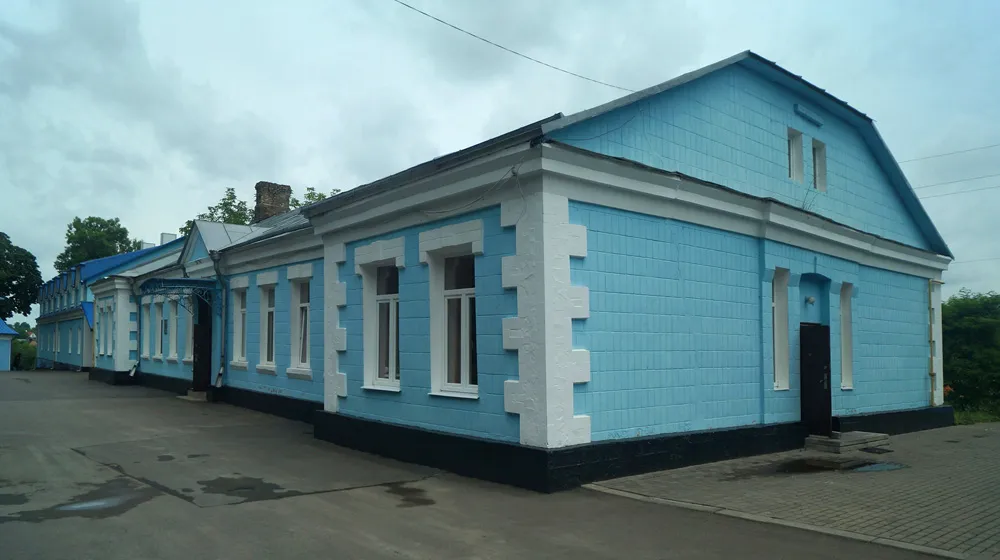
In 1730 the owner of the monastery and the lands around it became the Greek Catholic Metropolitan Atanasii Sheptytskyi, who transferred the monastery to his own church (denomination). For over half a century the monastery was Uniate, and at the end of the century, after Russia’s seizure of Volhynia, Catherine II abolished the monastery altogether, and its lands were given to the Esterházy family, emigrants from Hungary. The latter built their estate on the island, and its manor house (palace) is one of the buildings of St. Nicholas Monastery.
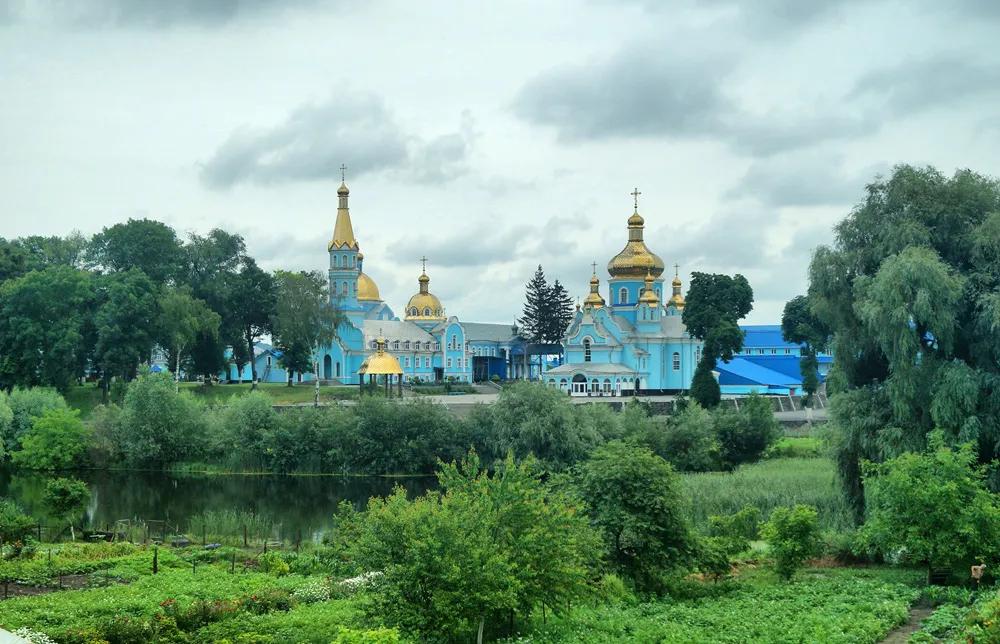
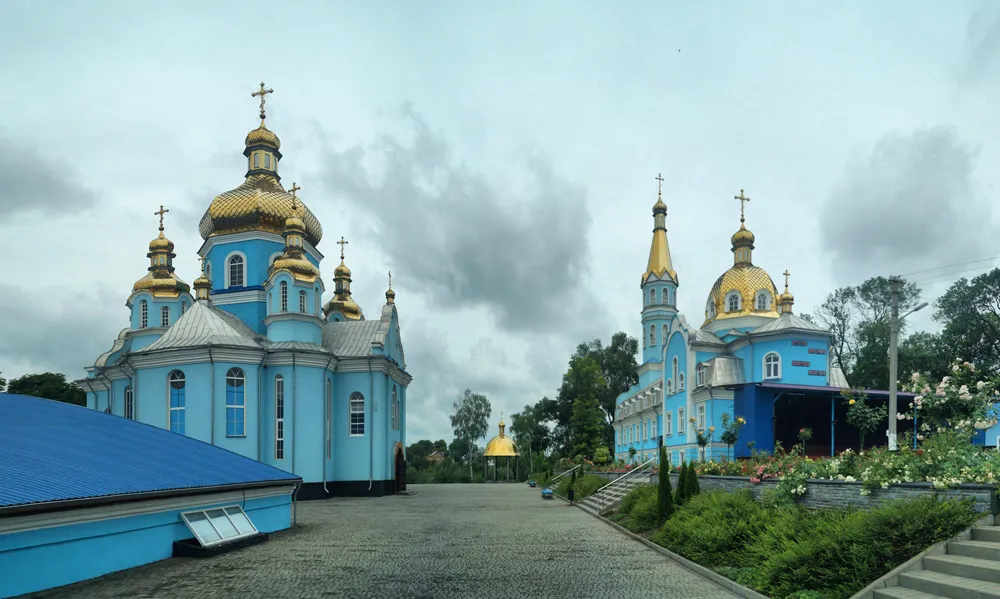
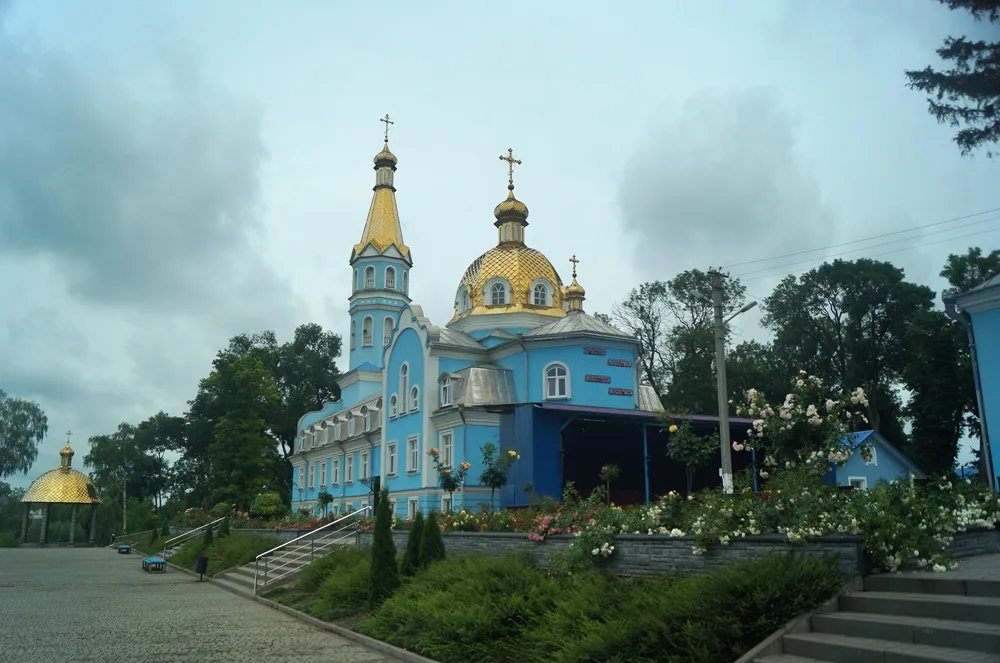
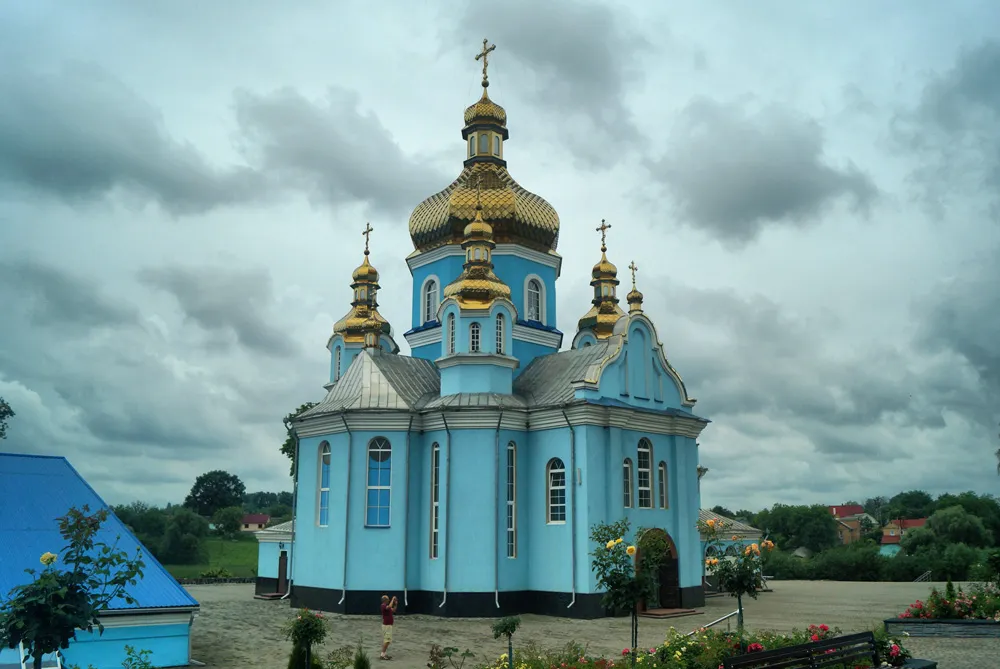
New buildings of the monastery
In the Soviet period the Esterházy estates on the island housed a regional tuberculosis sanatorium, and in 1991 the buildings were handed over to the Orthodox Church, which actively took up developing the monastery, now one of the largest in the Rivne region.
There is already an article about Horodok Monastery on our website, and the history of the monastery is nicely described on Wikipedia
The monastery is in good condition and well kept. The only thing is that I somehow did not understand how a parish church, St. Nicholas, of the Orthodox Church of Ukraine functions on the territory of a monastery of the Moscow Patriarchate. How do they get along on one island?
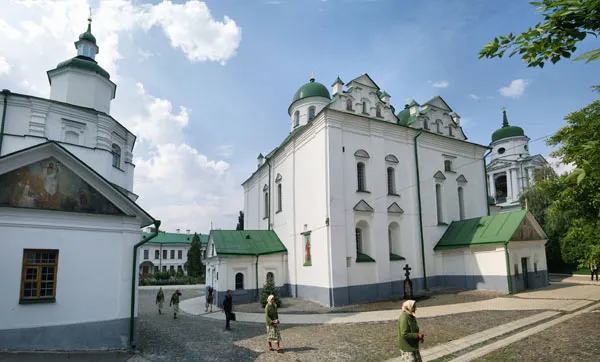
Overall the monastery in Horodok leaves a pleasant impression, although most of the buildings are new; the only architectural monuments are St. Nicholas Church, built in 1740 by Atanasii Sheptytskyi in the Baroque style (it is the one that belongs to the OCU), and the Esterházy Palace, built in the 19th century in the Classical style.
Text and photos by Roman Malenkov.
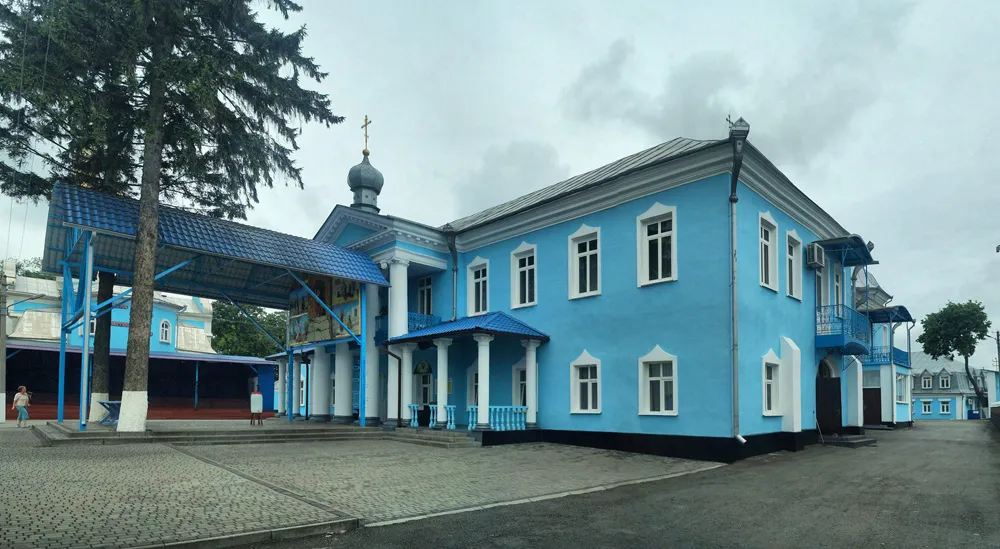
The Esterházy Palace
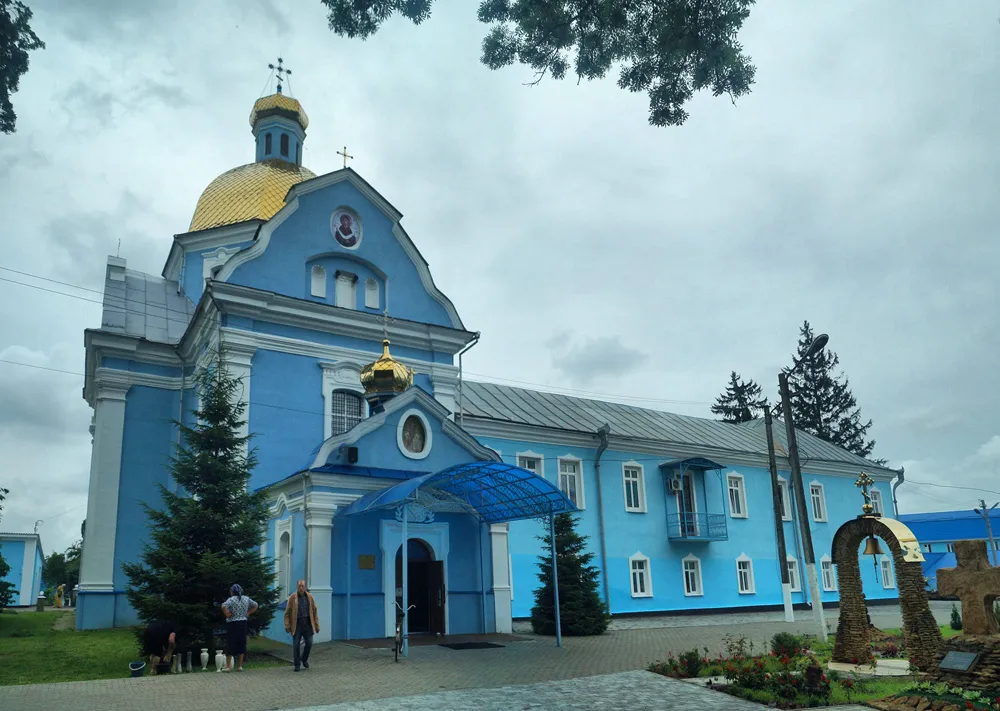
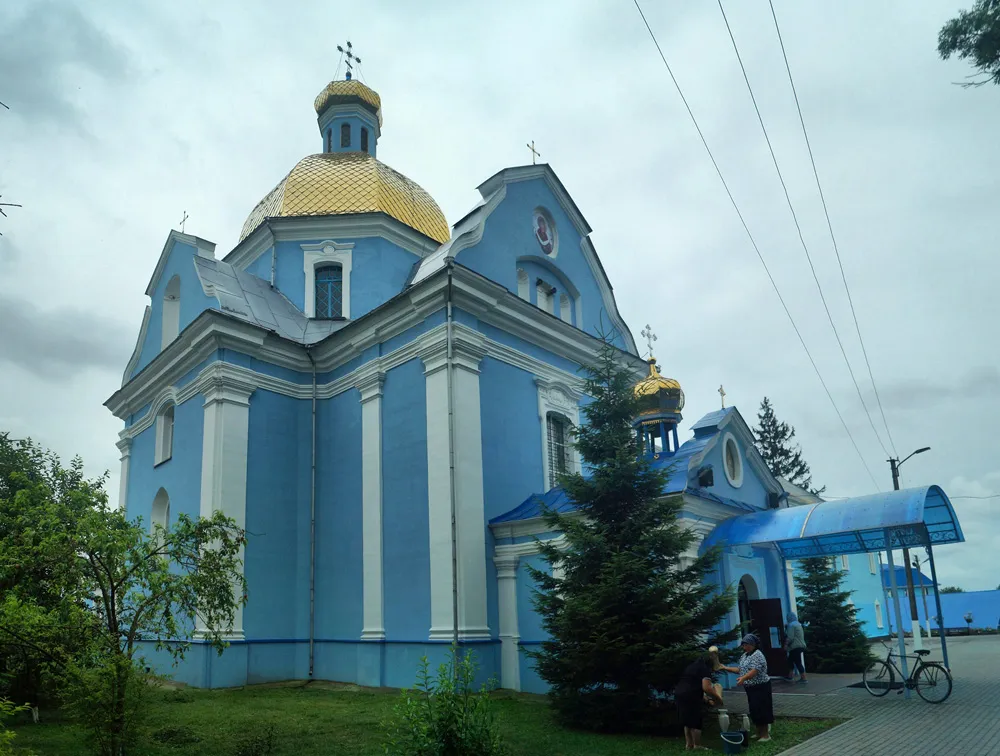
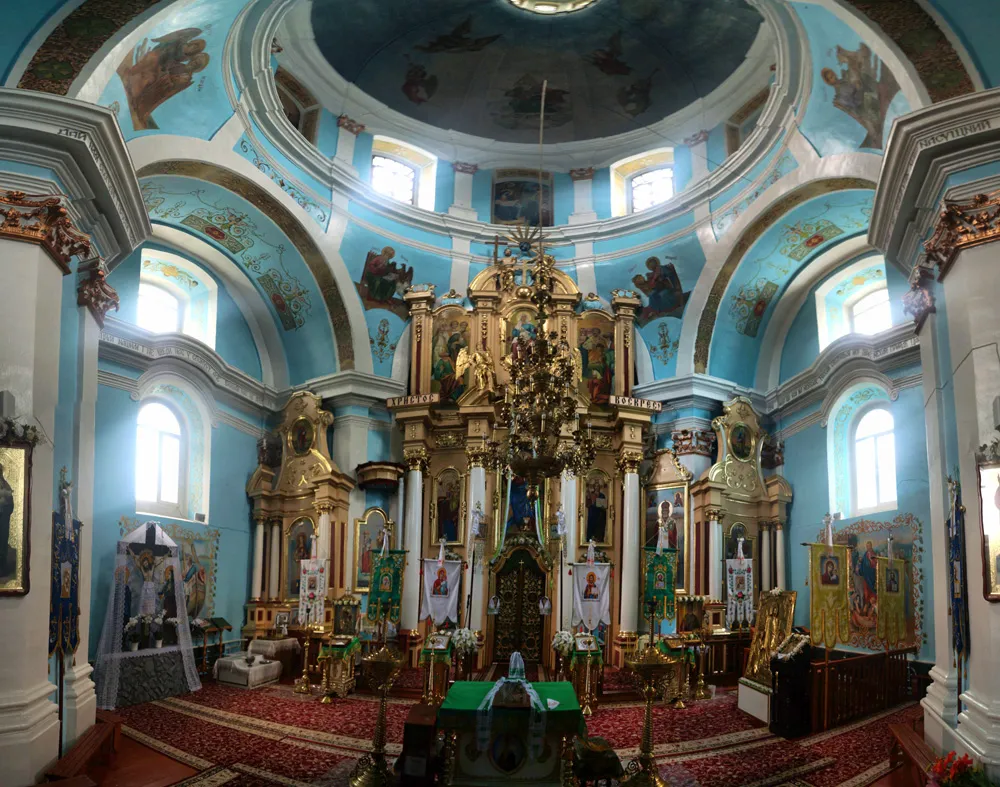
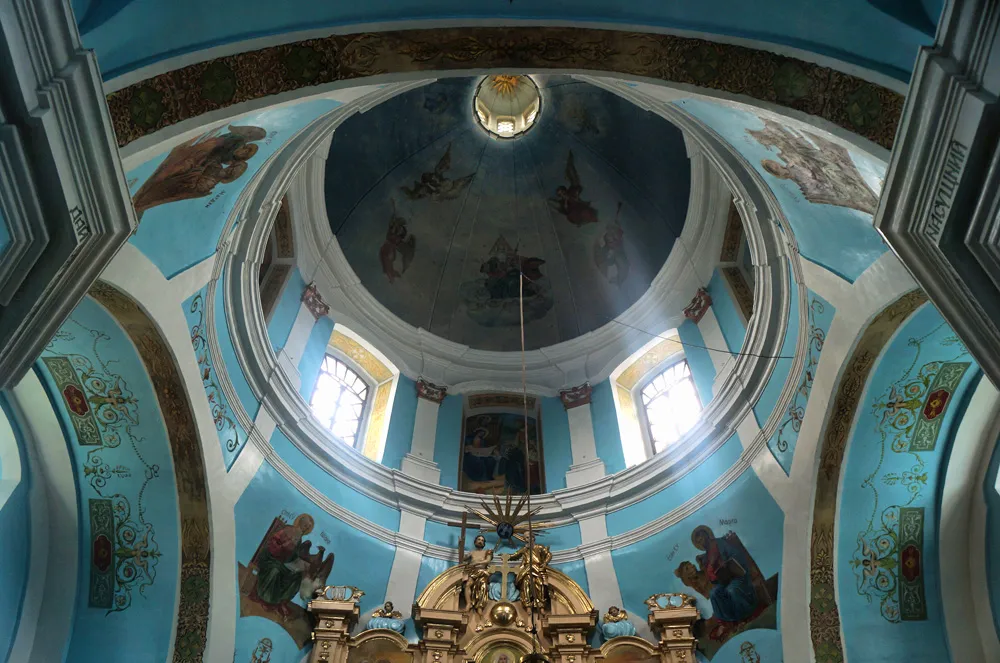
St. Nicholas Church, built by Atanasii Sheptytskyi in the Baroque style