

The village of Hirchychna: no mustard, but plenty of hills
The village of Hirchychna, in the Dunaivtsi area (Khmelnytskyi Oblast), fits the concept of “Unknown Ukraine” (Ukraine Incognita) like few others. Hardly anyone even in Podillia suspects it exists, and a tourist’s foot has almost never trodden here. Which is a pity: this place is interesting, beautiful and exceptionally picturesque.
The village is spread along the banks of the Studenytsia River in hilly terrain cut in several places by deep ravines. It is those hills, in fact, that give the place name its origin (hory means “hills”). In Soviet local-history writing, however, the name was derived from mustard (hirchytsia). The landlords, so the story went, tormented their serfs so cruelly that their lives were as bitter as mustard. A textbook theme. In local-history essays of the “Soviet” era, the thesis about landlord exploiters and other oppressors always ran through the text like a red thread. The reason is clear: the authorities looked rather askance at people who studied the history of Ukraine, suspecting “Ukrainian bourgeois nationalism” somewhere in it. So researchers were forced to prove constantly their loyalty and fidelity to the party line.
In historical documents Hirchychna is mentioned from the first half of the 16th century as a royal estate granted on long-term lease to Stanisław Jarmoliński (1518). It then belonged to the Sutkowski family (a branch of the Jarmolińskis) and eventually formed a separate starostvo, the Hirchychna starostvo.
The village is probably much older. There is evidence that in the late 19th and early 20th centuries some ancient ramparts could still be traced here.
By the early 18th century the village was practically uninhabited, which was typical of Podillia. As a result of a series of unceasing wars that engulfed the region in the second half of the 17th century, Podillia had turned into a wasteland.
Accordingly, to restore the demographic situation, landowners sent “matchmakers” to every corner of the Polish–Lithuanian Commonwealth, promising settlers various privileges. A considerable share of the settlers probably came from Galicia. In confirmation of this, the north-eastern part of the village is still called “Halitsiia” (Galicia). Among the settlers there were also petty nobles who were no different from peasants: like the commoners, they worked the land, but besides calluses they also had a coat of arms and considerable pride. They settled apart from the “serfs”, so the south-eastern outskirts of the village still bear the name “Shliakhetchyna” (the nobles’ quarter) today.
After Podillia was annexed to the Russian Empire in 1795, Empress Catherine II gave the village to Second Major Stepan Kacherin. Among the later owners we should single out Teresa Grabianka, née Stadnicka (1749–1826), widow of the famous “king of the Illuminati” Tadeusz Grabianka, who bought the village in 1813. Her grandson Feliks Grabianka sold Hirchychna to Wilhelm Zaleski. The Zaleskis were the lords of Hirchychna until 1917.
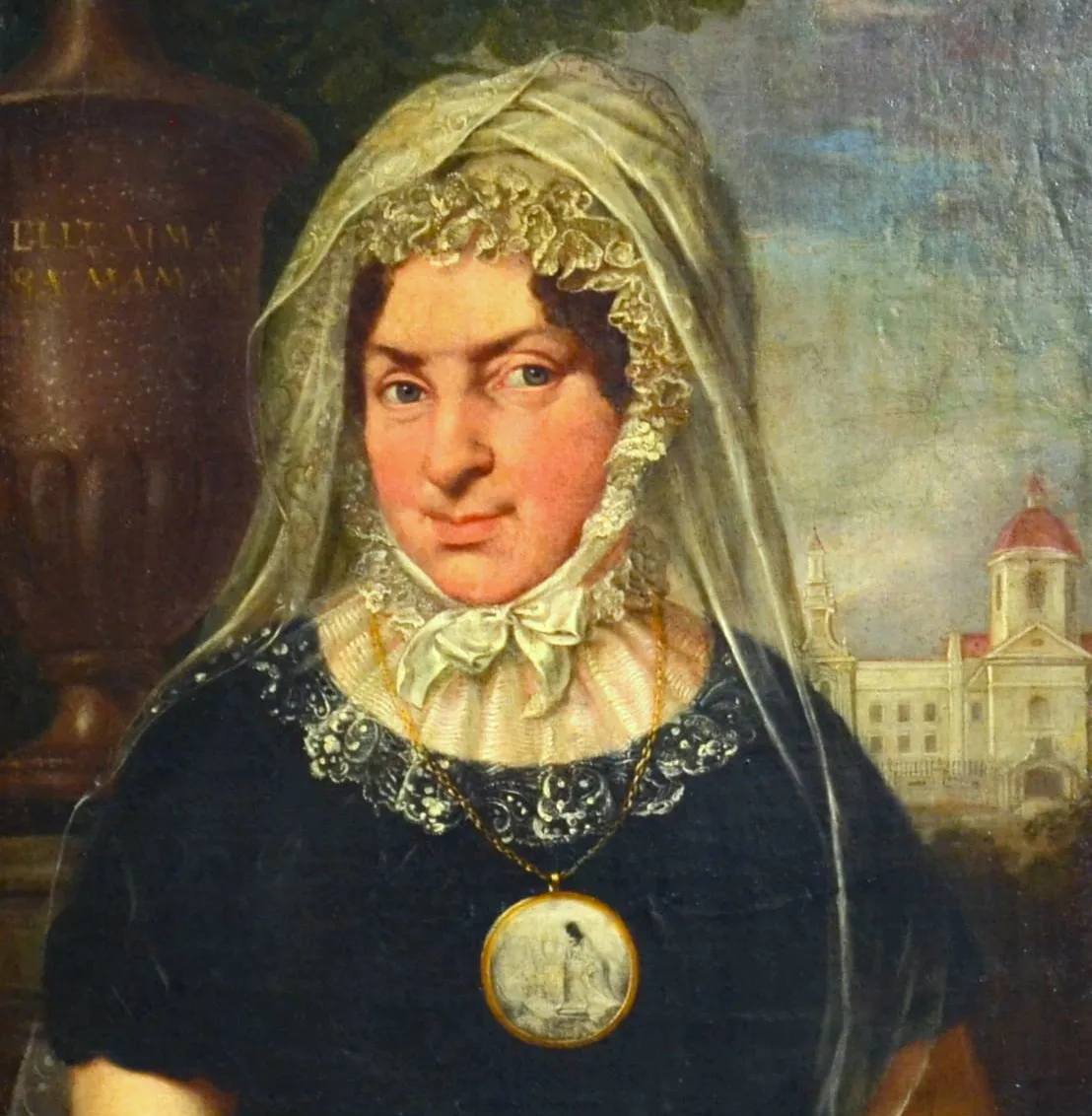
Teresa Grabianka, née Stadnicka
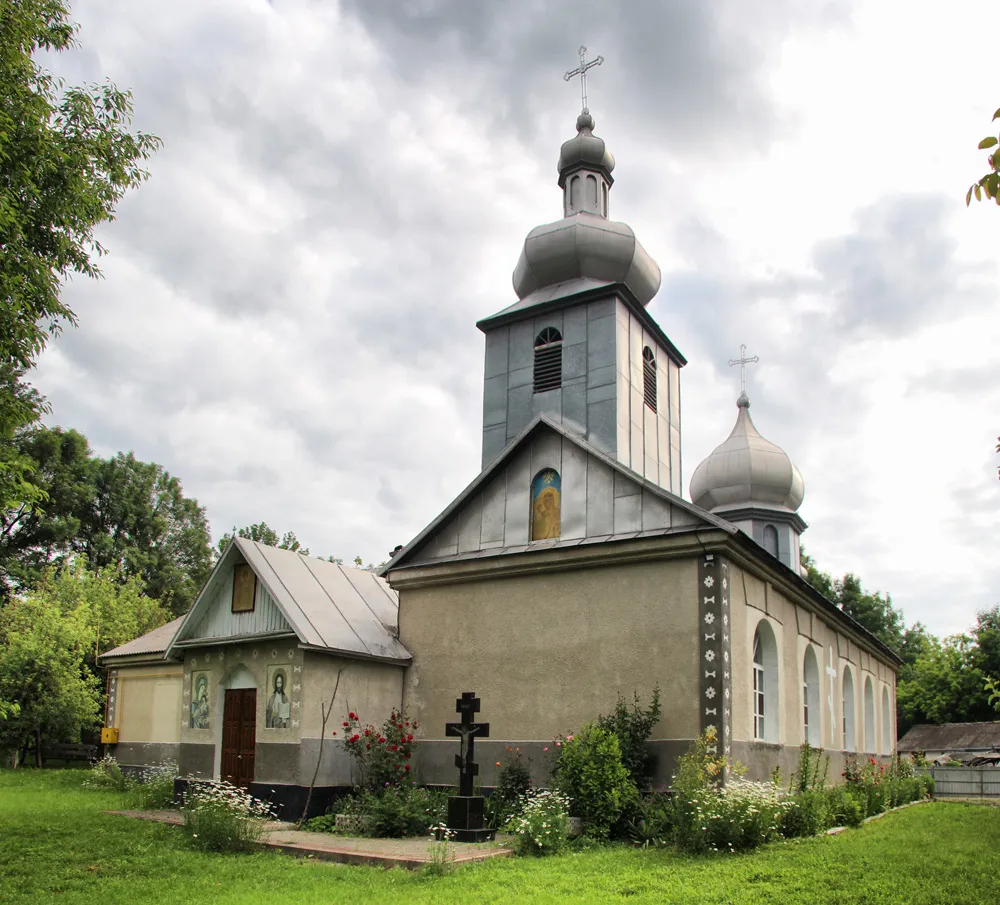
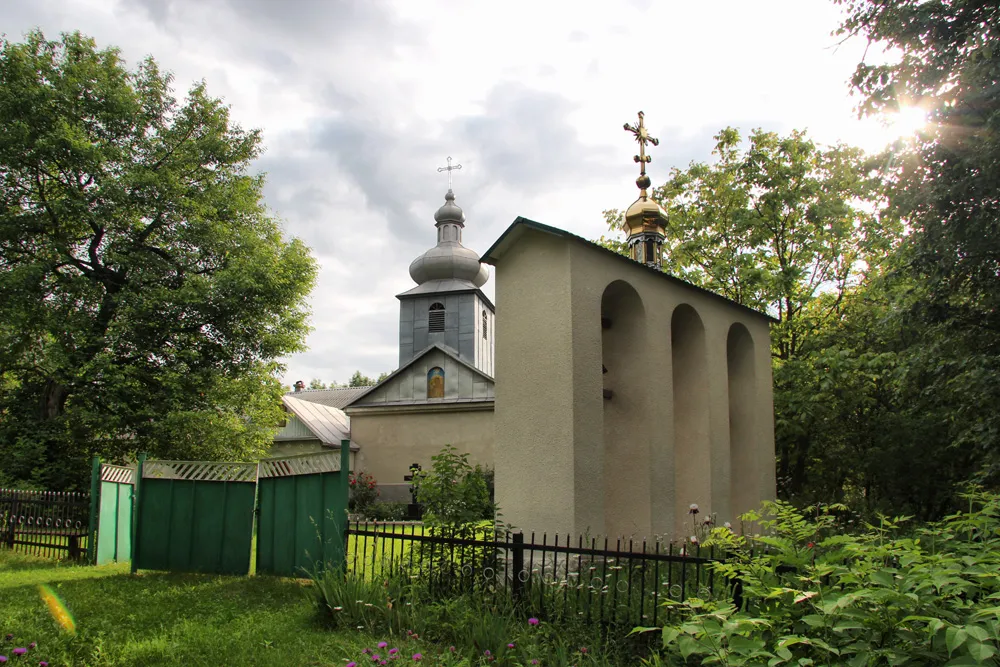
Among the architectural monuments, the church of the Great Martyr St. Demetrius deserves mention. It was built in 1876–1883 at the expense of local parishioners and the state treasury (construction cost 11,300 roubles). The church successfully survived the Soviet era of the struggle against religion and has come down to our time.
The small palace is interesting too. Which of the 19th-century landowners built it is unknown. All that is known is that under the last owner a small collection of paintings, including works by English and French artists, was kept here. All of it was destroyed when the manor was ransacked in 1918. From 1920 until recently the building was used as a school.
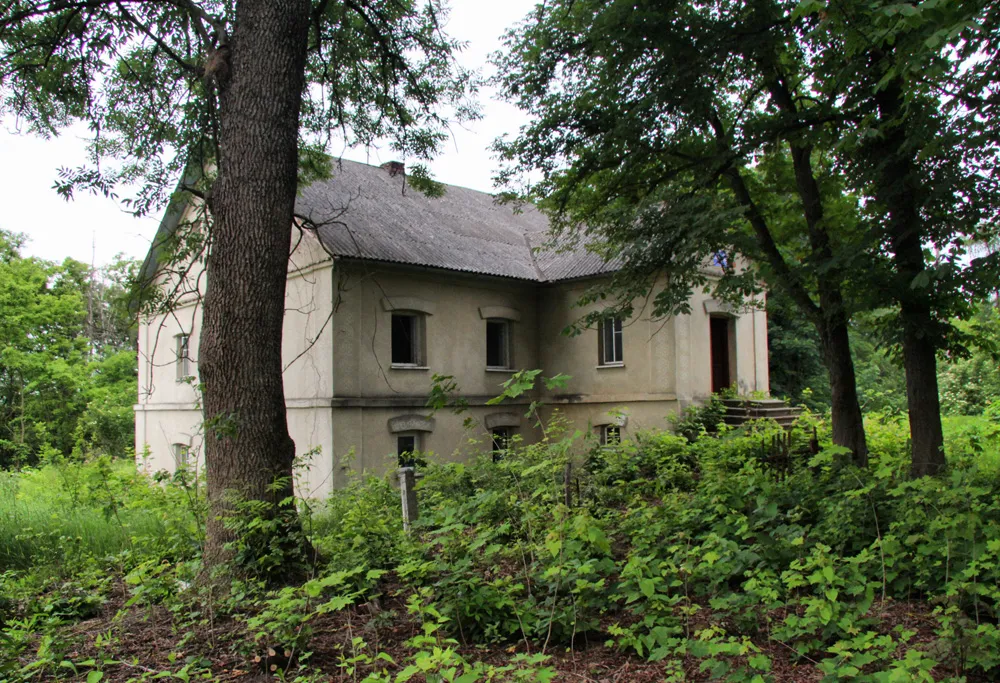
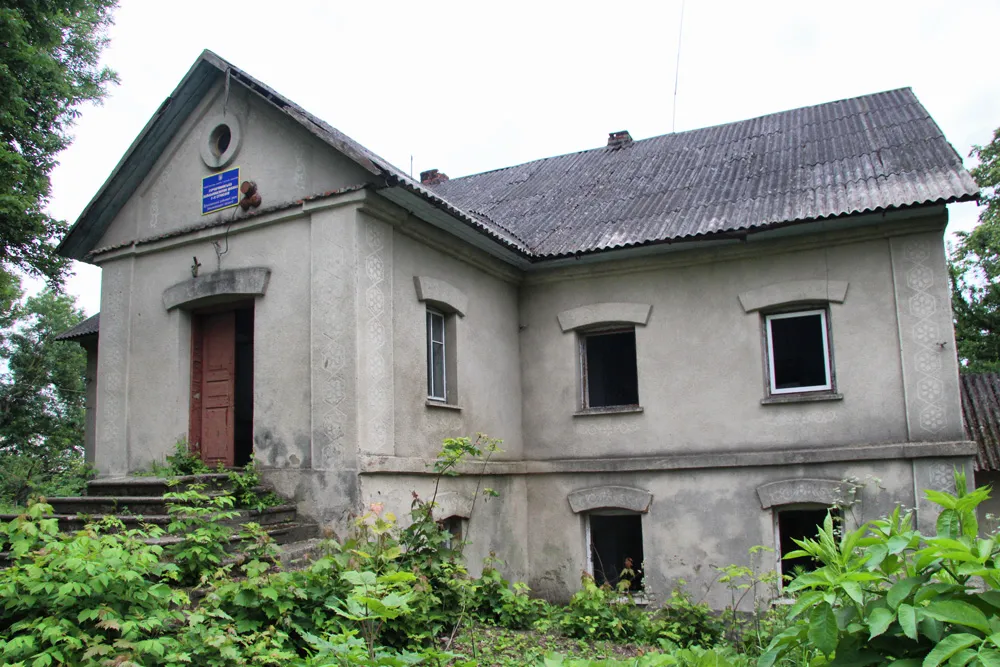
Right after the school was closed and the house became empty, thrifty Podillians smashed all the stoves, whether looking for the lords’ treasures or for fire-resistant brick. At the same time they also tore out the electrical wiring (it would come in handy on the farm). A typical situation, we might note.
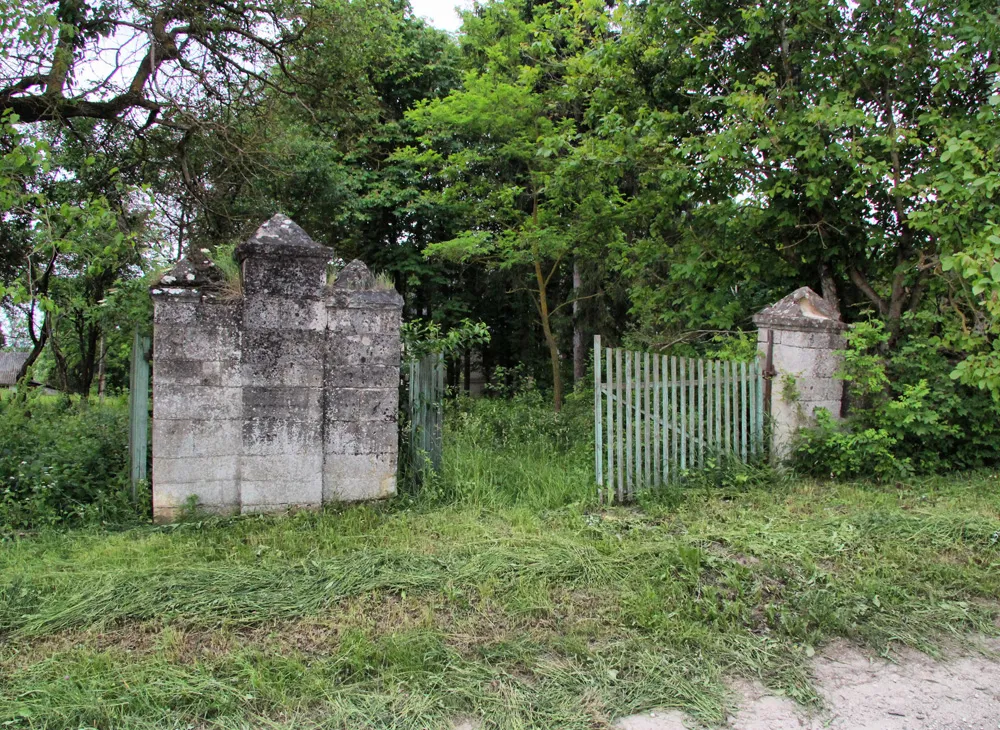
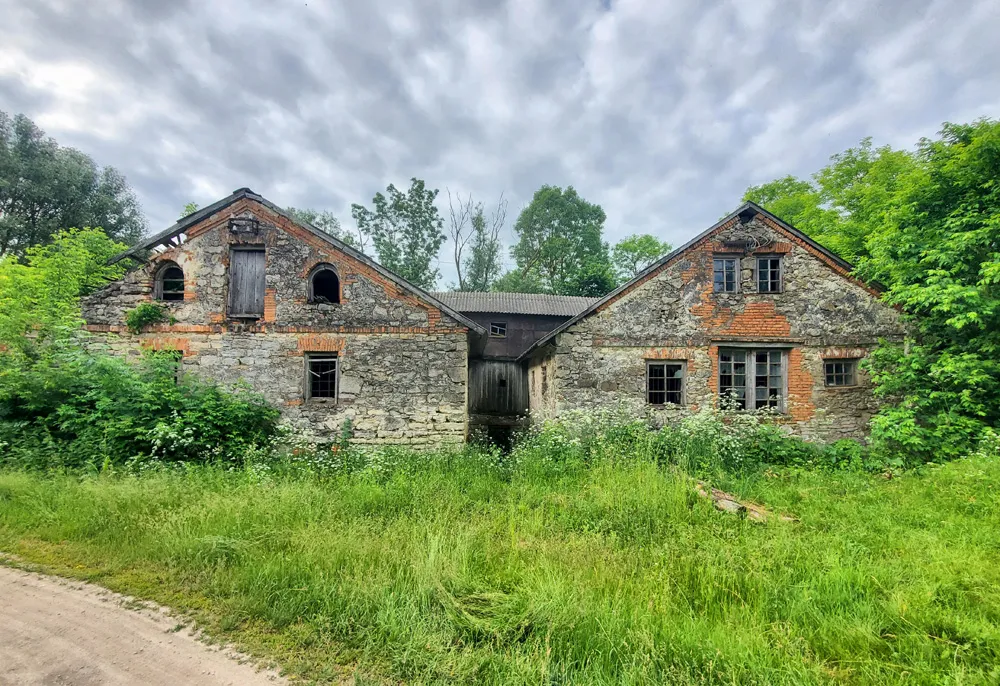
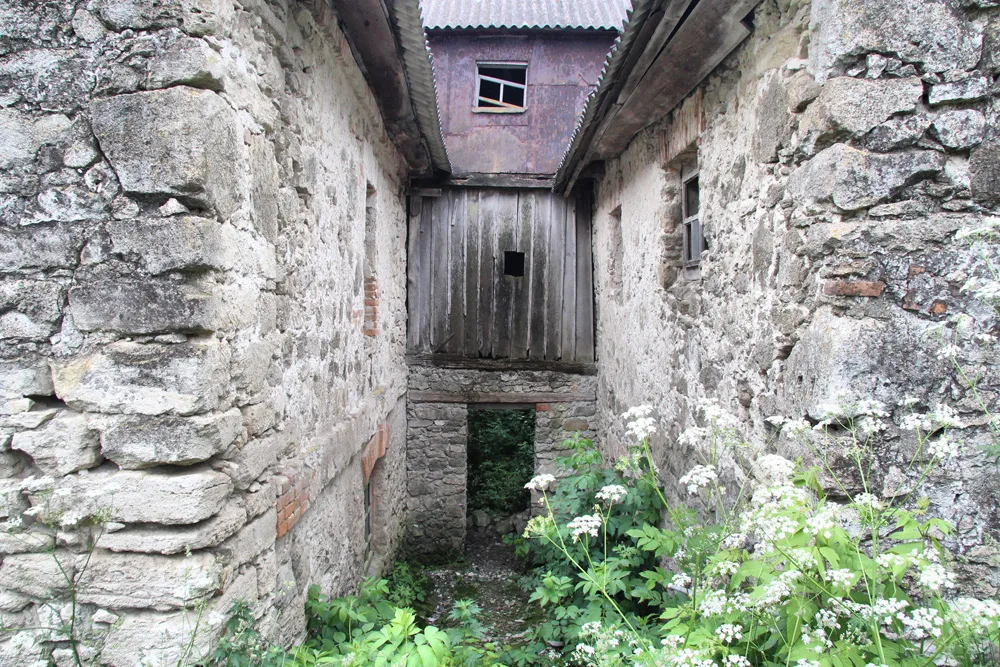
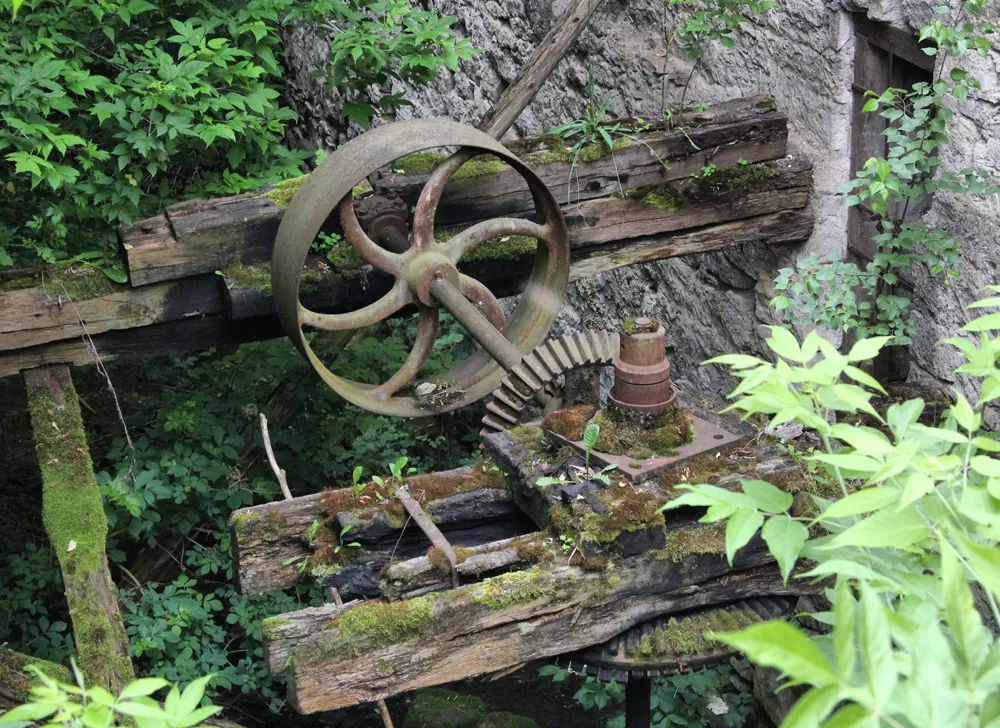
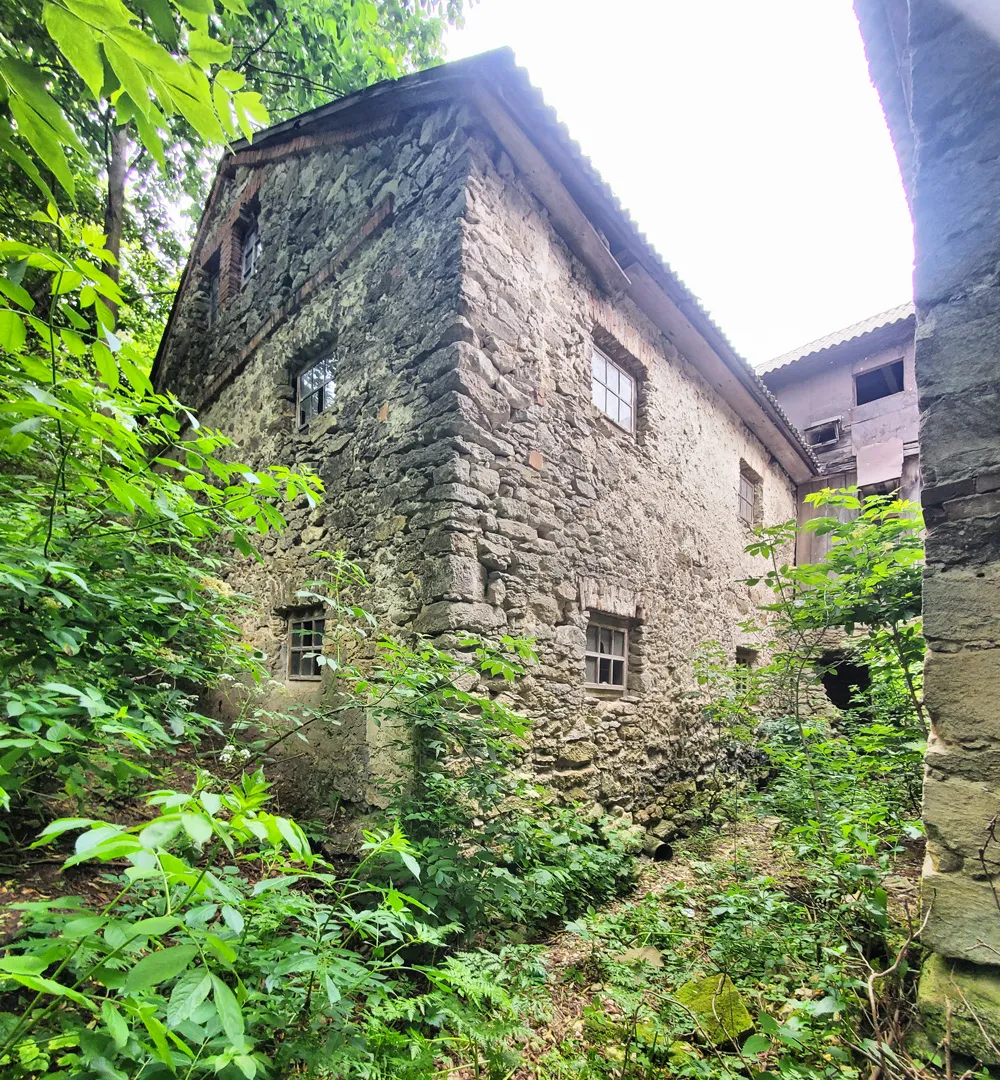
The buildings of the former 19th-century water mill on the Studenytsia River (see the photo at the beginning) are interesting and very beautiful too. It is perhaps the most visually appealing monument in the village.
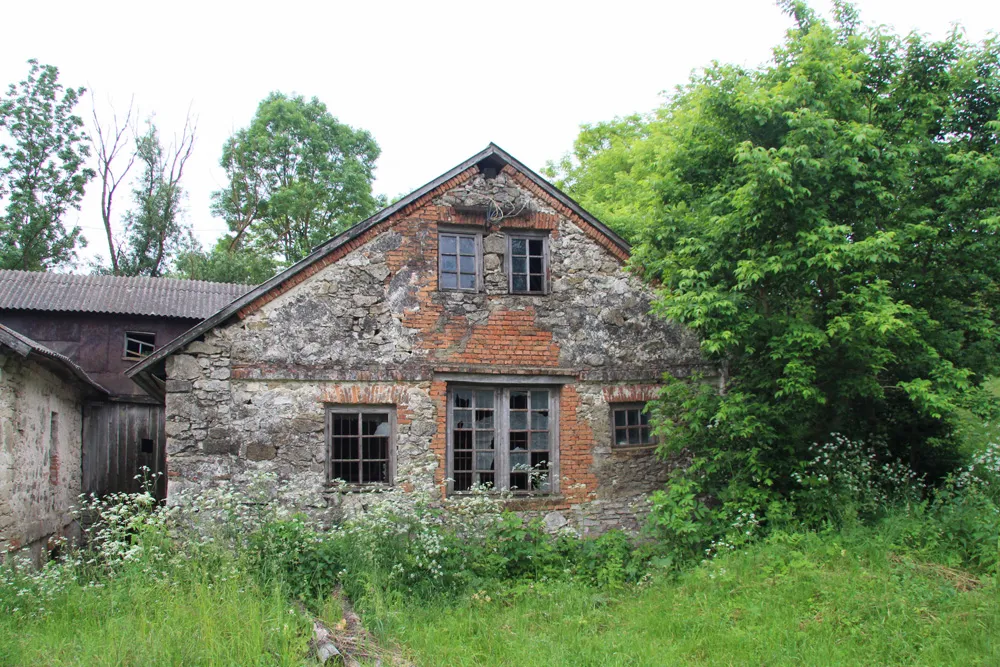
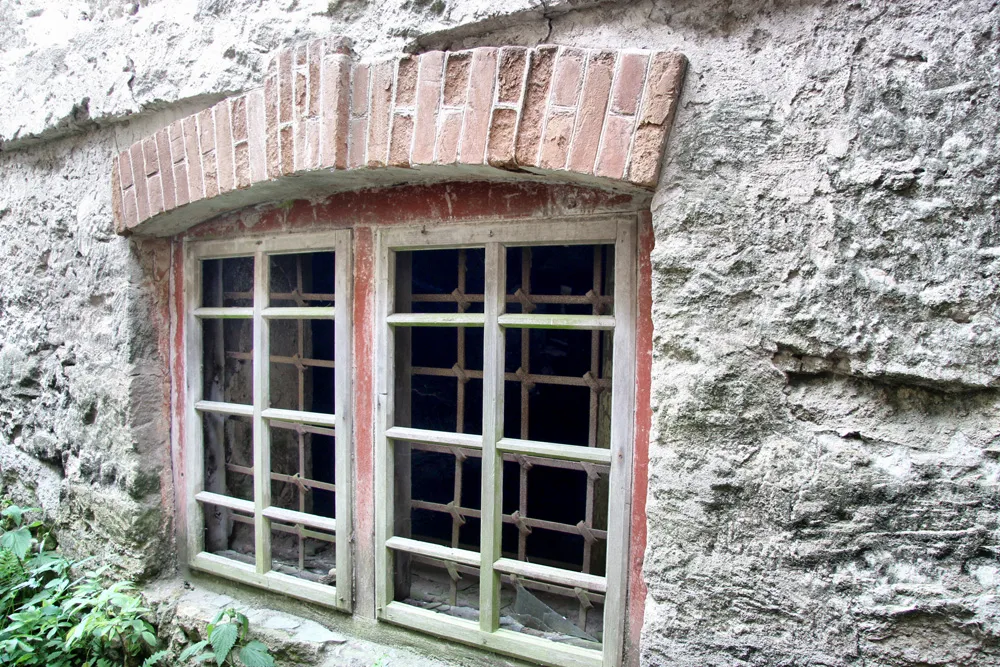
In all, at its heyday there were 5 mills within Hirchychna (three belonging to the landlords and two owned by well-off peasants). Probably four of them were wooden, and only one has survived to our time, built of limestone blocks and brick.
Photos: Roman Malenkov
Text: Dmytro Poliukhovych


