

Boholiubove. Burial mounds

· 3 min read
The first mention of the village of Zarichne… But no, that is not right any more.
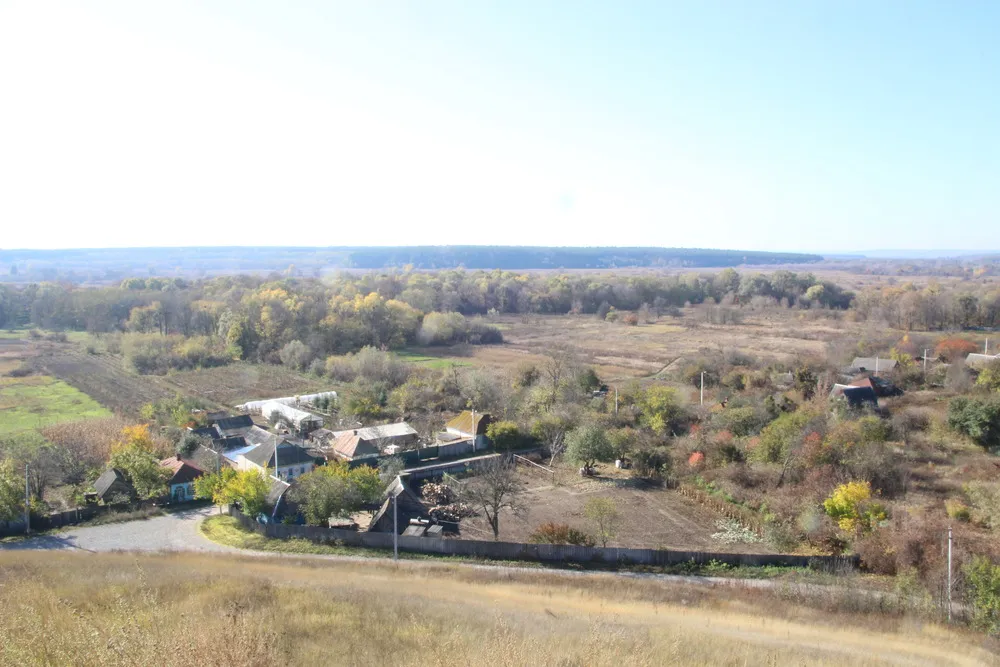
Recently the village was given back its historical name, and now it is Boholiubove again. Between Boholiubove and Zarichne, from 1924 to 1957 it was also Petrivske. In my opinion, they did the right thing. The settlement is mentioned under this name even in “The Tale of Igor’s Campaign”.
So.
The first written mention of the area where the village is now located dates to 1185, when Boholiubove is mentioned in the written monument “The Tale of Igor’s Campaign”, where the description of the route of the Old Rus druzhina includes a crossing of the Vorskla River near Boholiubove.
Not far from the village, in August 1399, the historic Battle of the Vorskla River took place between the Golden Horde and the Grand Duchy of Lithuania. All chroniclers and historians describe this battle as one of the largest and bloodiest battles of the Middle Ages. Almost the entire Ruthenian-Lithuanian-Tatar army perished in the battle on the Vorskla River.
On the battlefield there met both the Lithuanian-Ruthenian army under the leadership of Vytautas the Great, Grand Duke of Lithuania, Ruthenia and Samogitia, and the army of the Golden Horde under the leadership of Emir Edigu and Khan Temür Qutlugh.
The Ruthenian-Lithuanian army was defeated.
About 100,000 warriors met in the bloody battle. According to the Nikon Chronicle, “fifty princes with their retinues”, the Tatars of Khan Tokhtamysh, warriors from Poland, and knights of the Teutonic Order arrived in Kyiv. The army was even armed with artillery, which had just appeared in Europe.
For its part, the Golden Horde drew troops from the Volga region, Crimea and the Nogai Horde.
Thanks to tactical manoeuvres, the Tatars managed to outwit Vytautas and strike from behind. The united army retreated all the way to Kyiv, with the pursuing Tatars on its heels.
The chronicler wrote that seventy-four princes died then, among them both Algirdovich brothers, Dmytro Bobrok-Volynskyi, Hlib Sviatoslavovych, Prince of Smolensk, Ivan Borysovych, Prince of Kyiv, Spytko, Grand Prince of Kraków, Stephen Mușat, Prince of Moldavia, and his two brothers, and many others.
The battle played a significant role in the subsequent fates of the Grand Duchy of Lithuania and the Golden Horde in particular, and of all of Eastern Europe in general, and became one of the main reasons for the renewal of the Polish-Lithuanian Union.
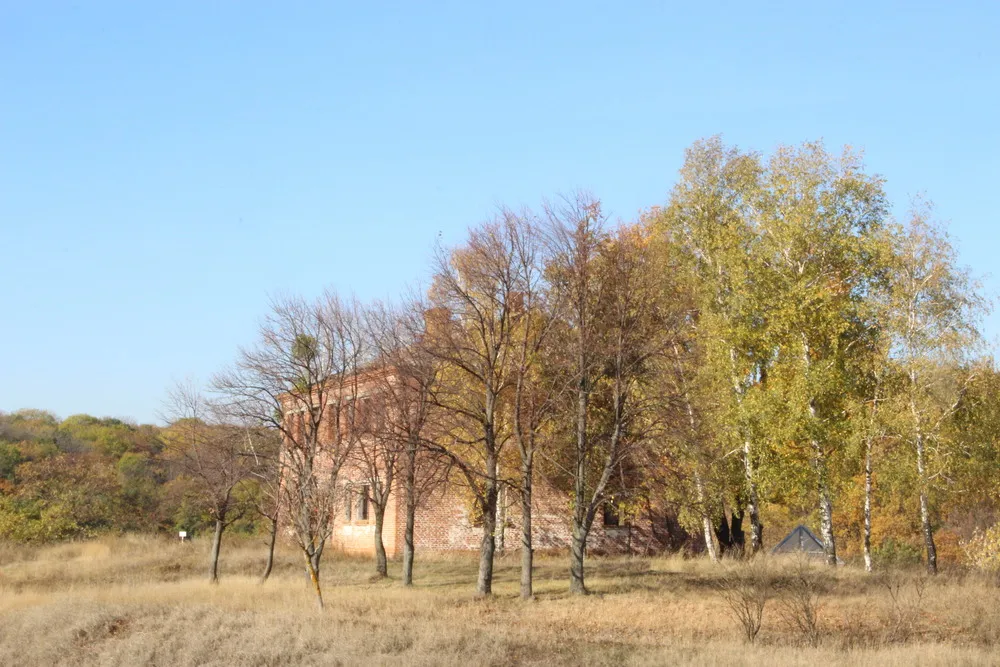
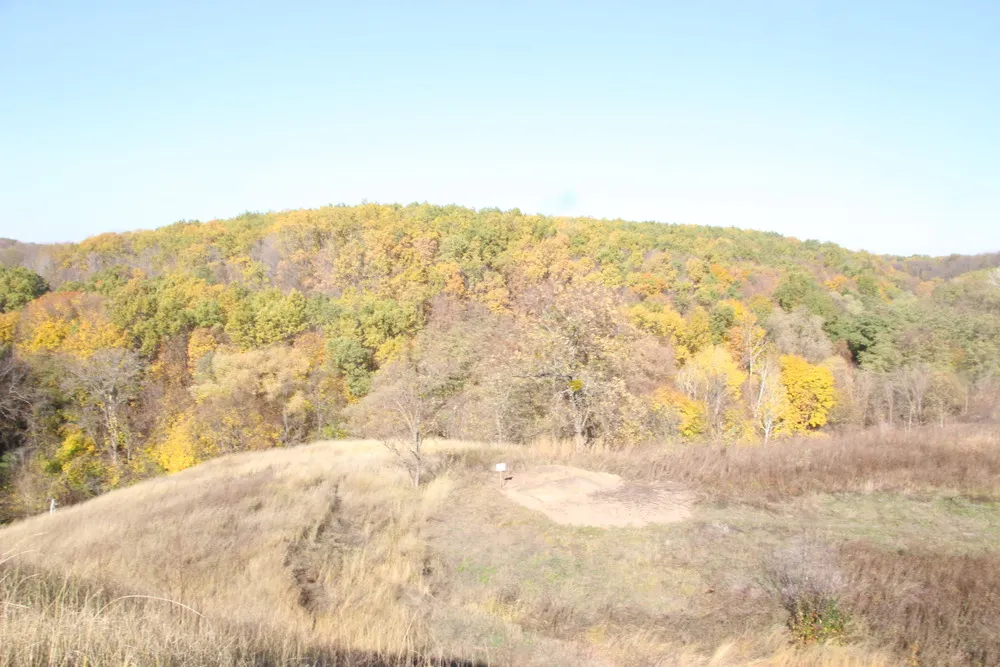
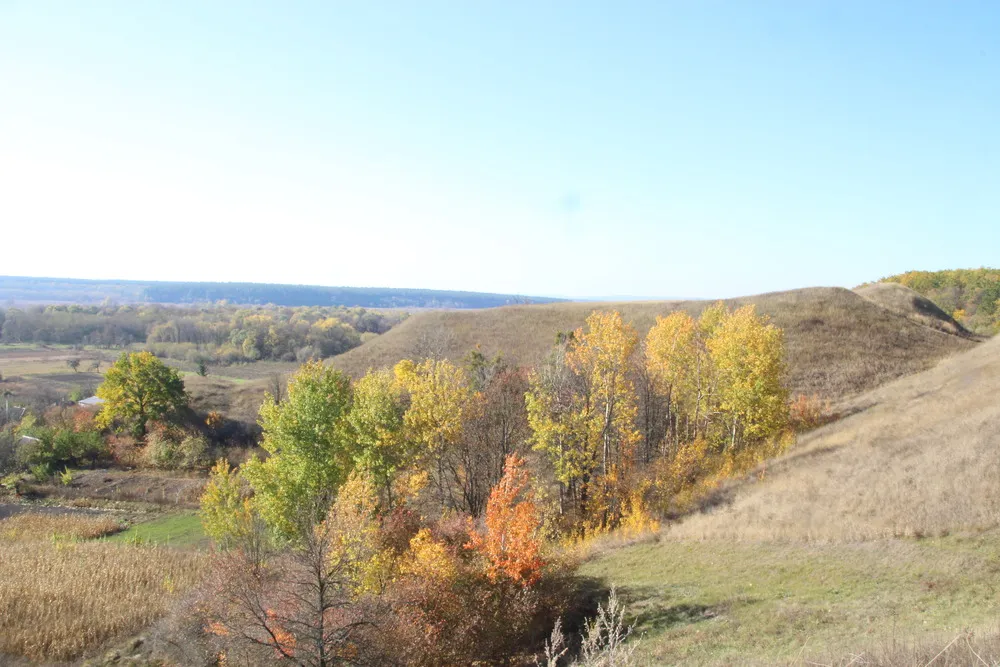
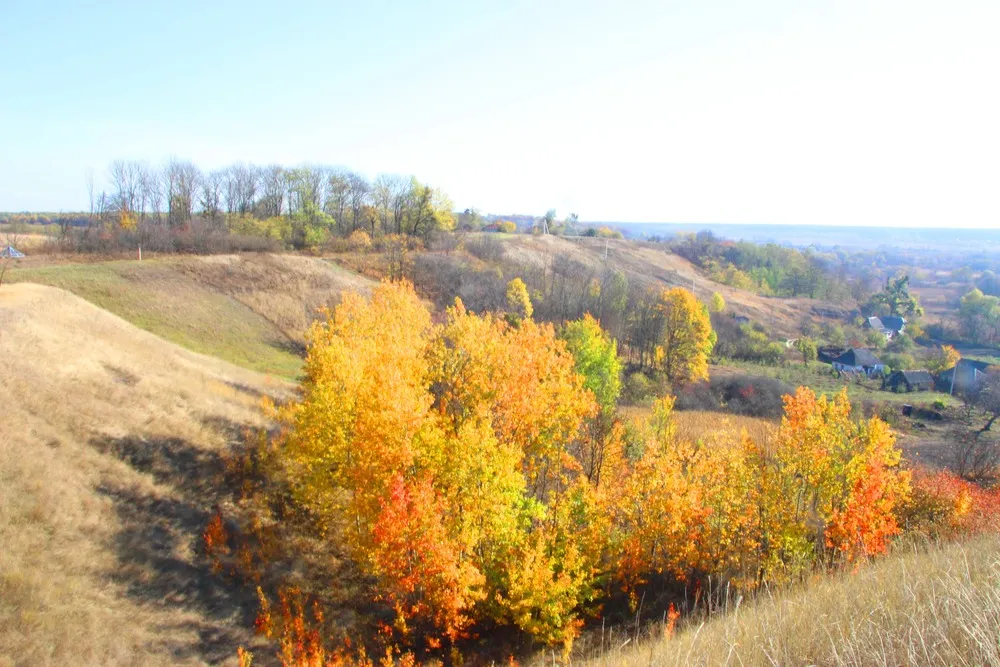
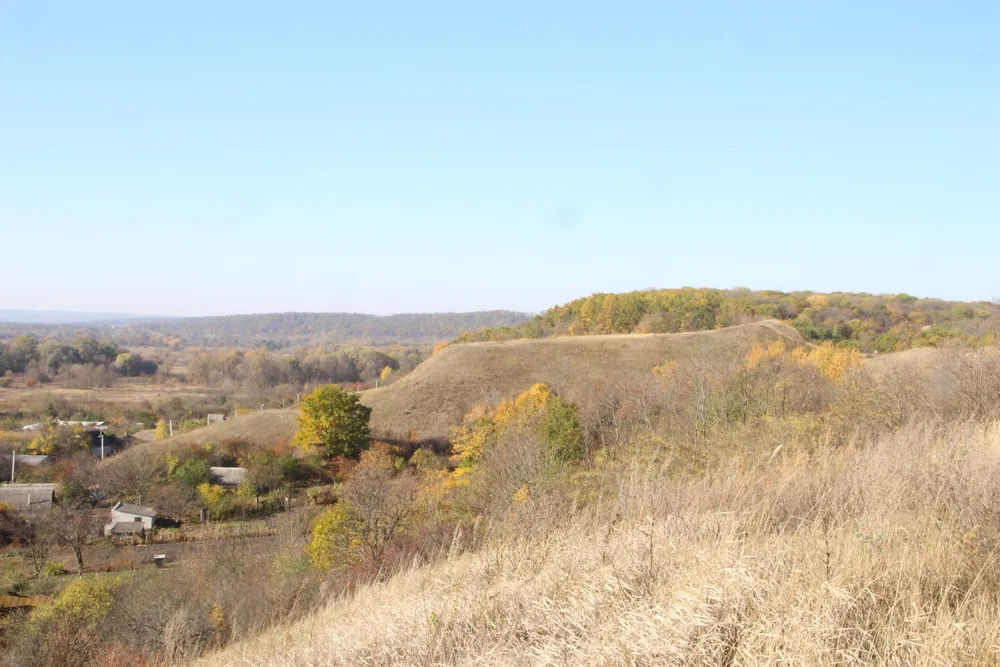
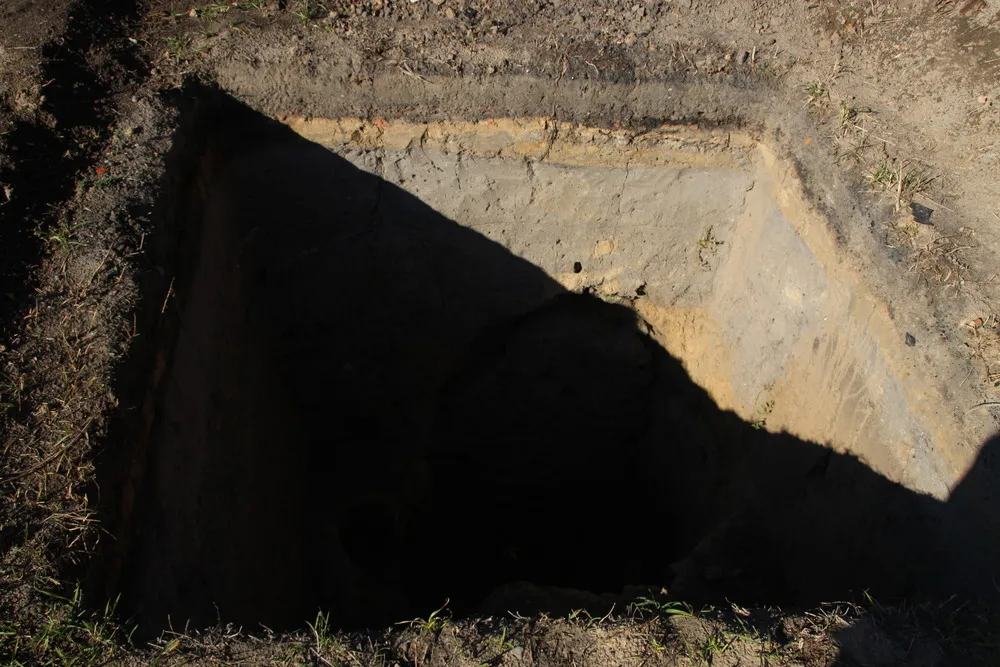
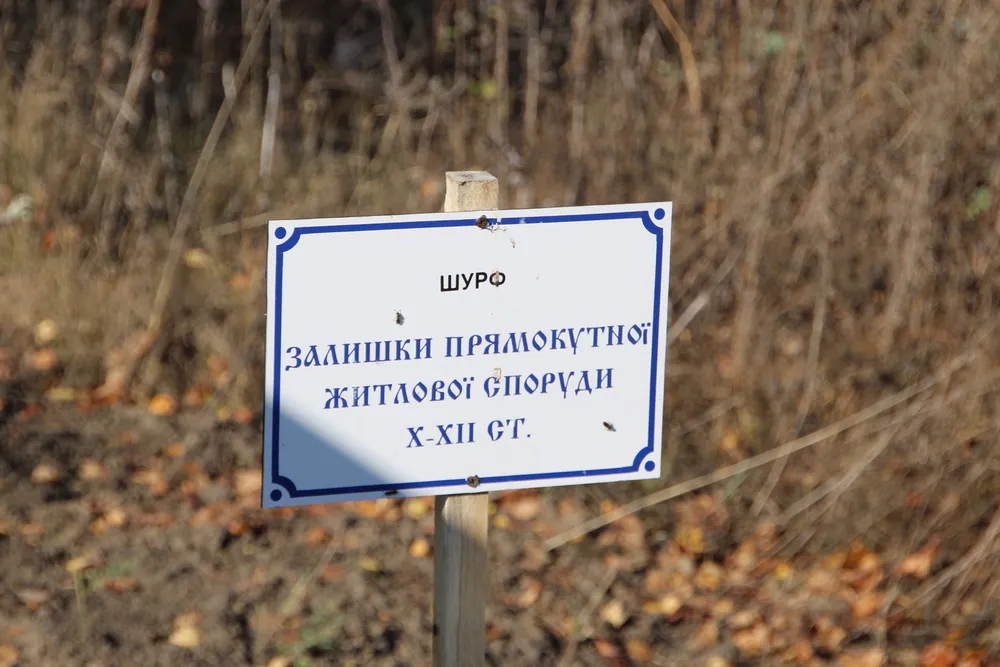
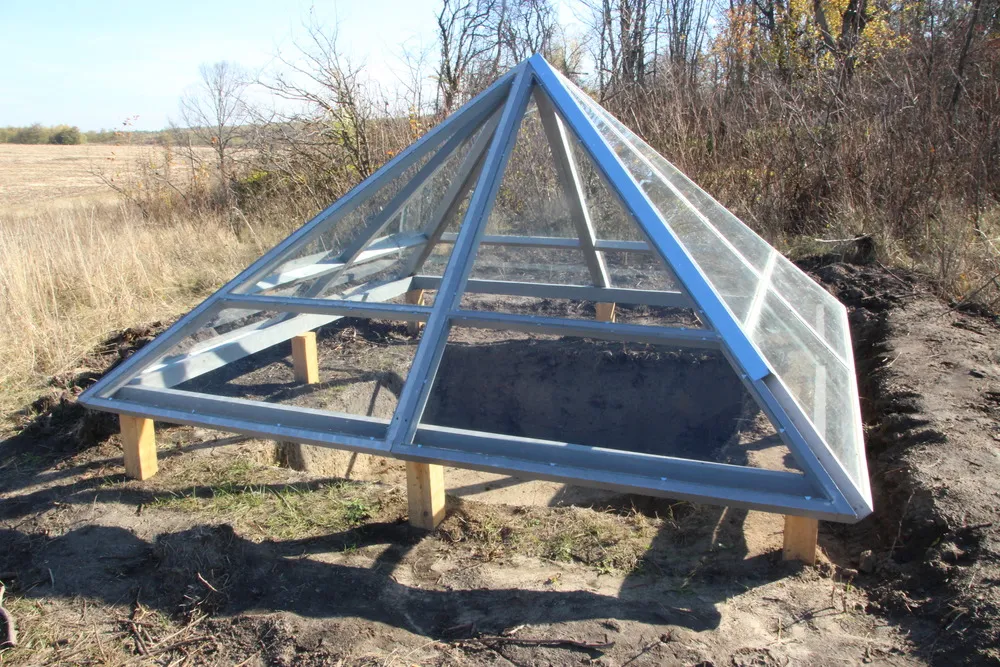
On the outskirts of the village, burial mounds and burial grounds from those times have survived, although far from all the burials are connected with this battle.
In total, a settlement of Scythian times, 3 hillforts, 2 settlements and 2 burial-mound cemeteries of the Kyivan Rus period have been found. All three hillforts arose in the Scythian period and formed a single complex of fortresses, fortified with wide ramparts and a ditch. The total area is more than 16 ha.
This site is included in the State Register of Monuments of Ukraine.
Text and photos by Ihor Dorozhko, Maksym Nazarenko and Oleh Hodyna.


