

The village of Brovary and the tolerant cemetery
We strongly recommend that every tourist heading to the incomparable Yazlovets stop on the way in the small village of Brovary, a few kilometres from it. The village is subordinate to the Yazlovets village council.
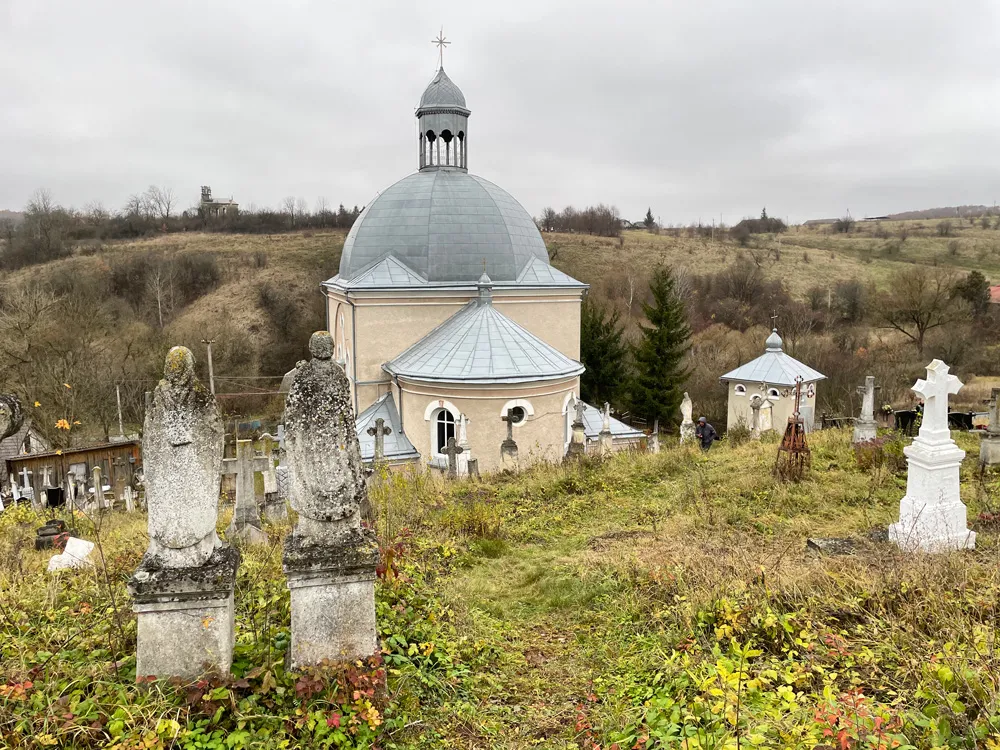
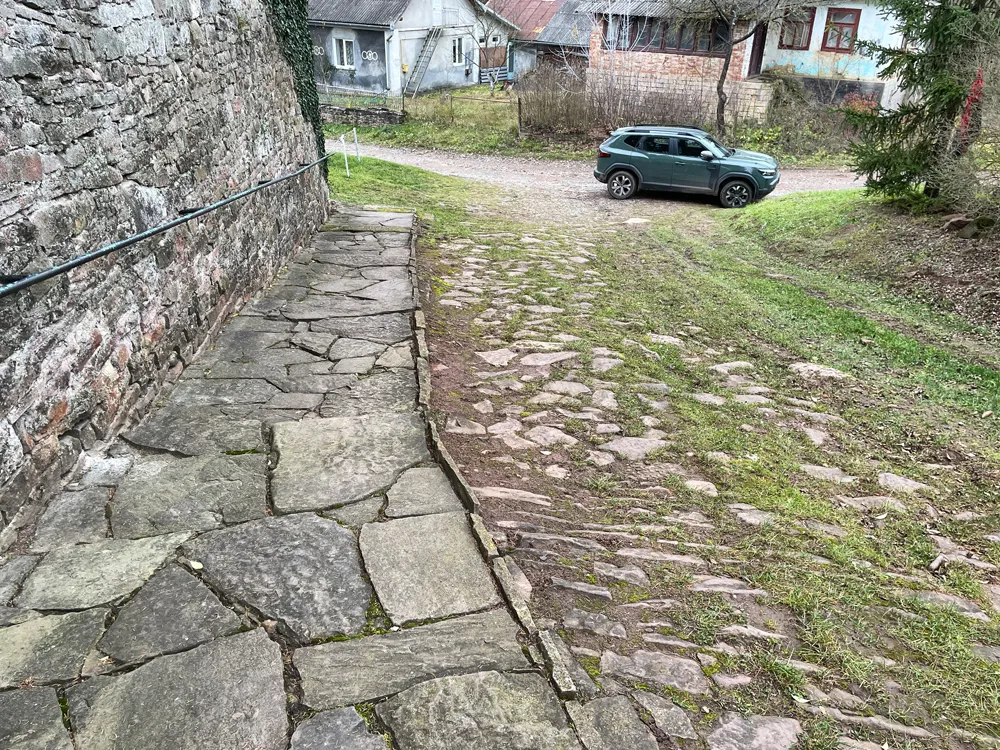
Brovary lies on the banks of the Vilkhovets River. The name of the village probably comes from the occupation of its inhabitants: brewing. According to the 2001 census, the population was 362. Today it is probably doing well if it reaches a hundred. The first written mention of the village dates from the early 18th century. Under Austria-Hungary both communities, the Roman Catholic and the Uniate, belonged to their parishes in neighbouring Yazlovets.
The village had a Prosvita reading room, the Sich and Luh societies, consumer and credit cooperatives, a People’s House, and a church library for parishioners (from 1928). The Church of the Blessed Virgin Mary, built in 1904, has survived.
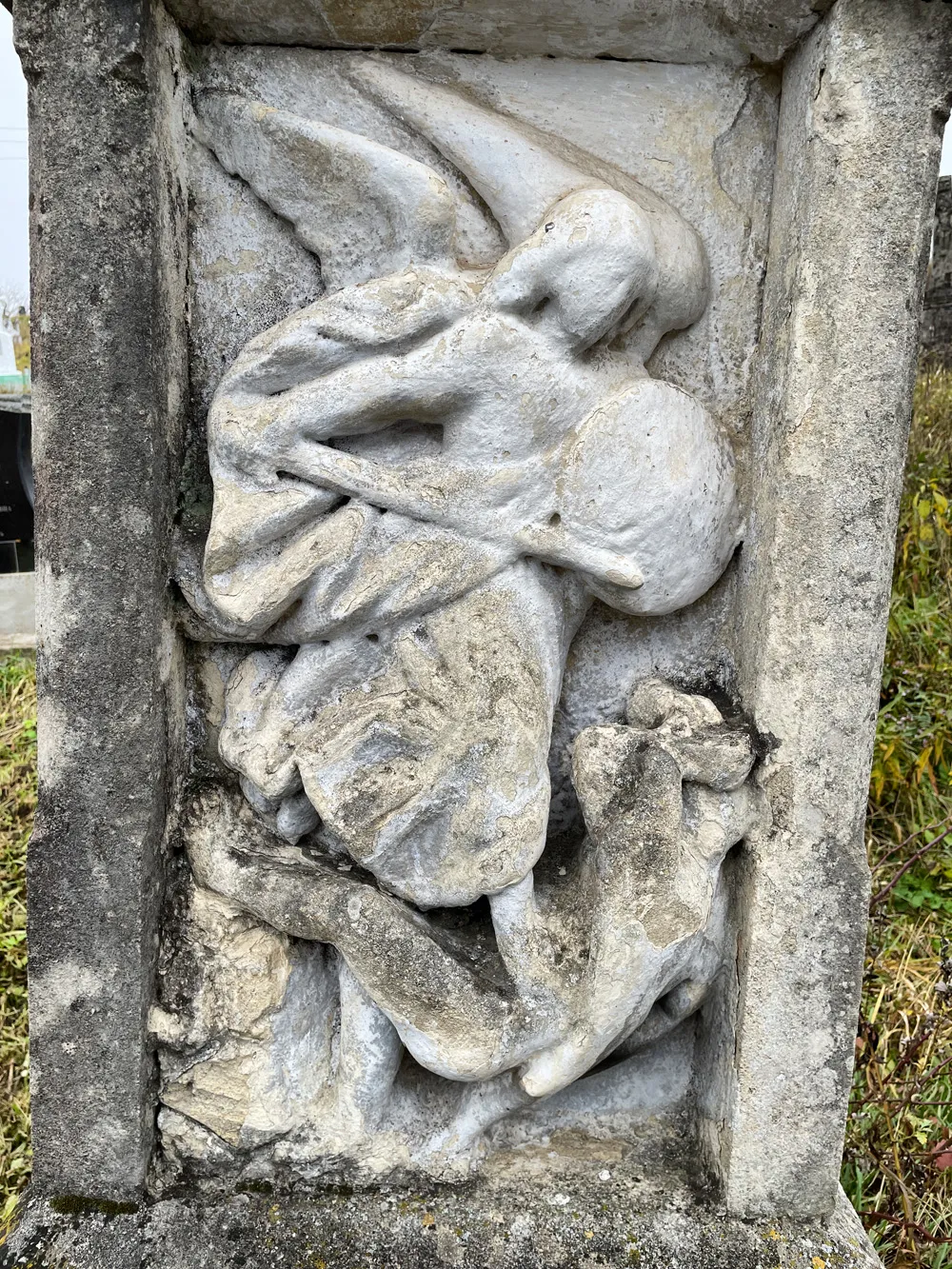
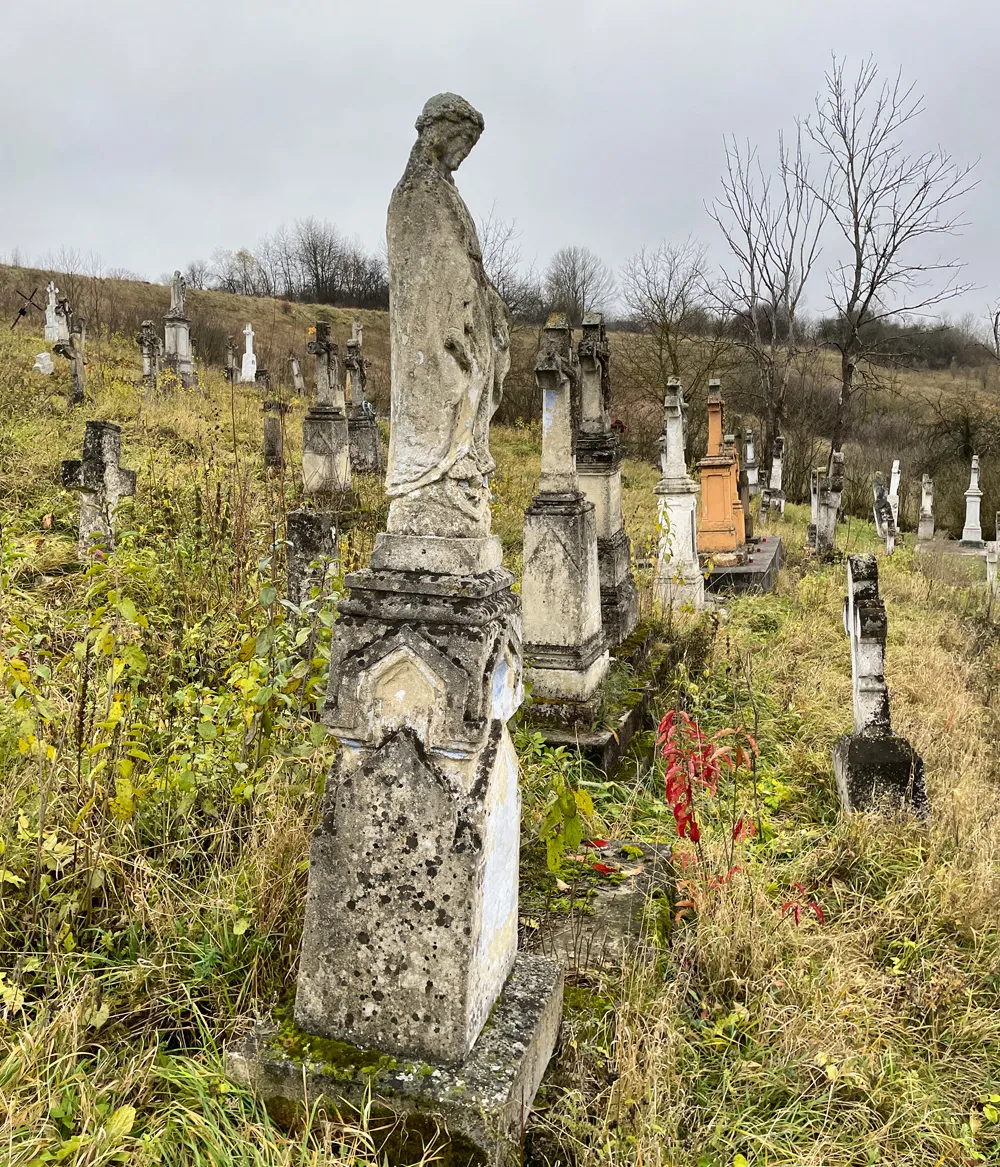
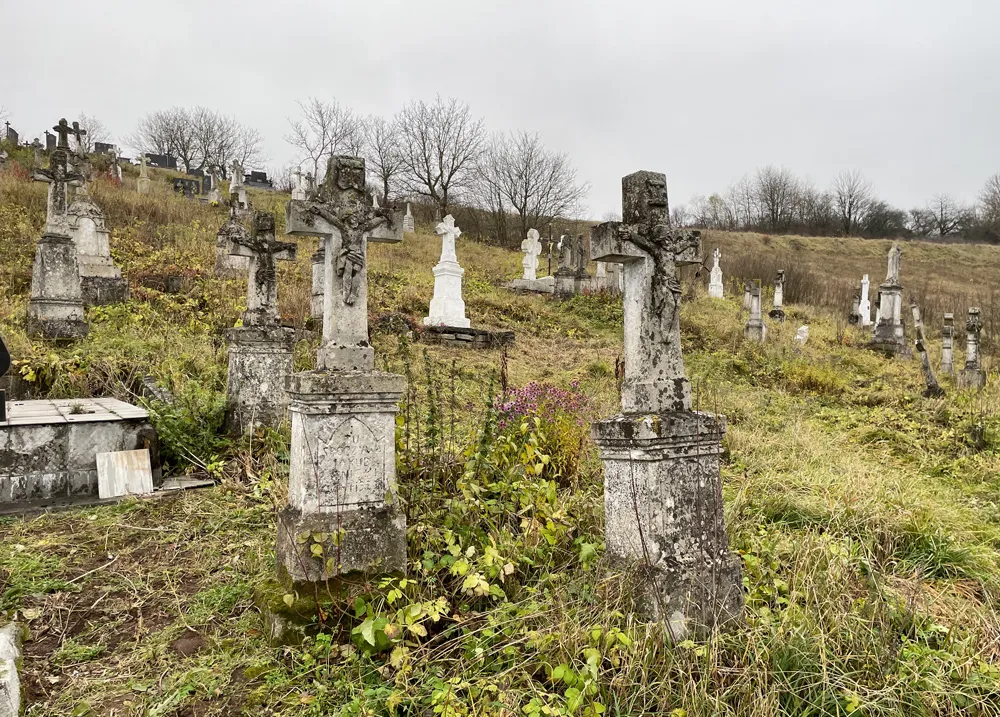
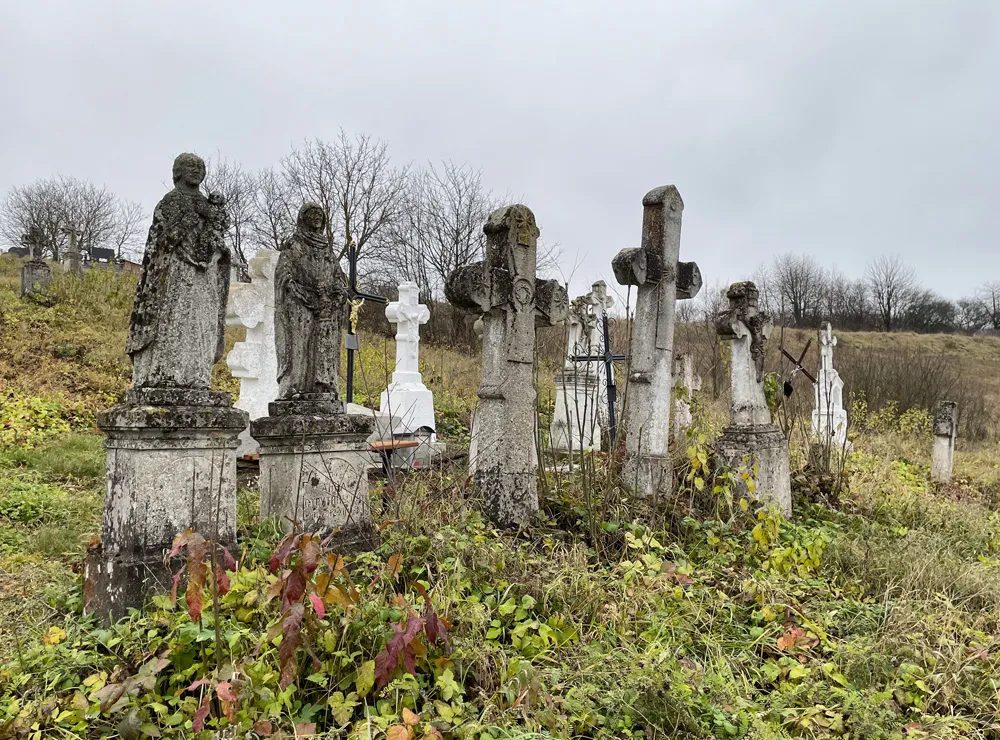
The village is interesting for its picturesque landscapes and an old cemetery.
The cemetery is special in that Ukrainians and Poles are buried side by side here. For the part of Ukraine that was “under Russia” such a situation was unthinkable, but for the part “under Austria” and later “under Poland” it was quite common. In fact, cemeteries were divided not by nationality but by denomination. Accordingly, Roman Catholics (mostly Poles) and Ukrainian Uniates belonged to the same Catholic Church and therefore did not need separate necropolises.
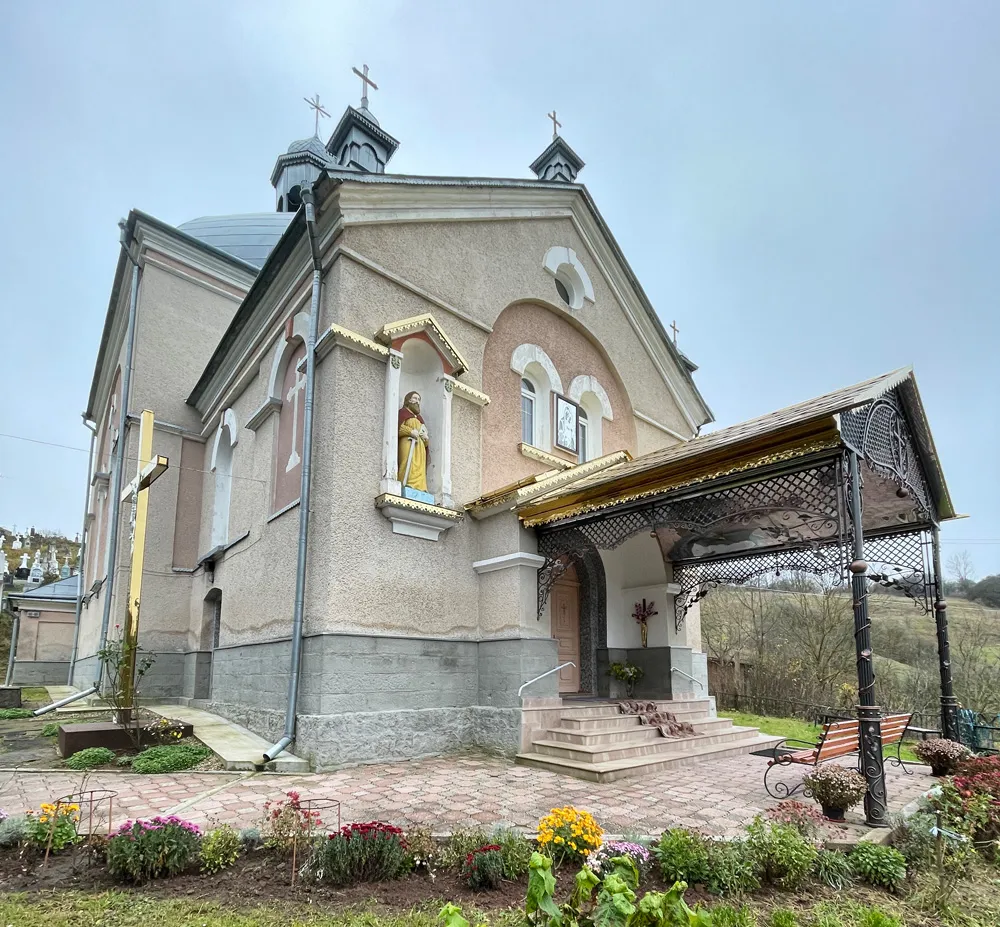
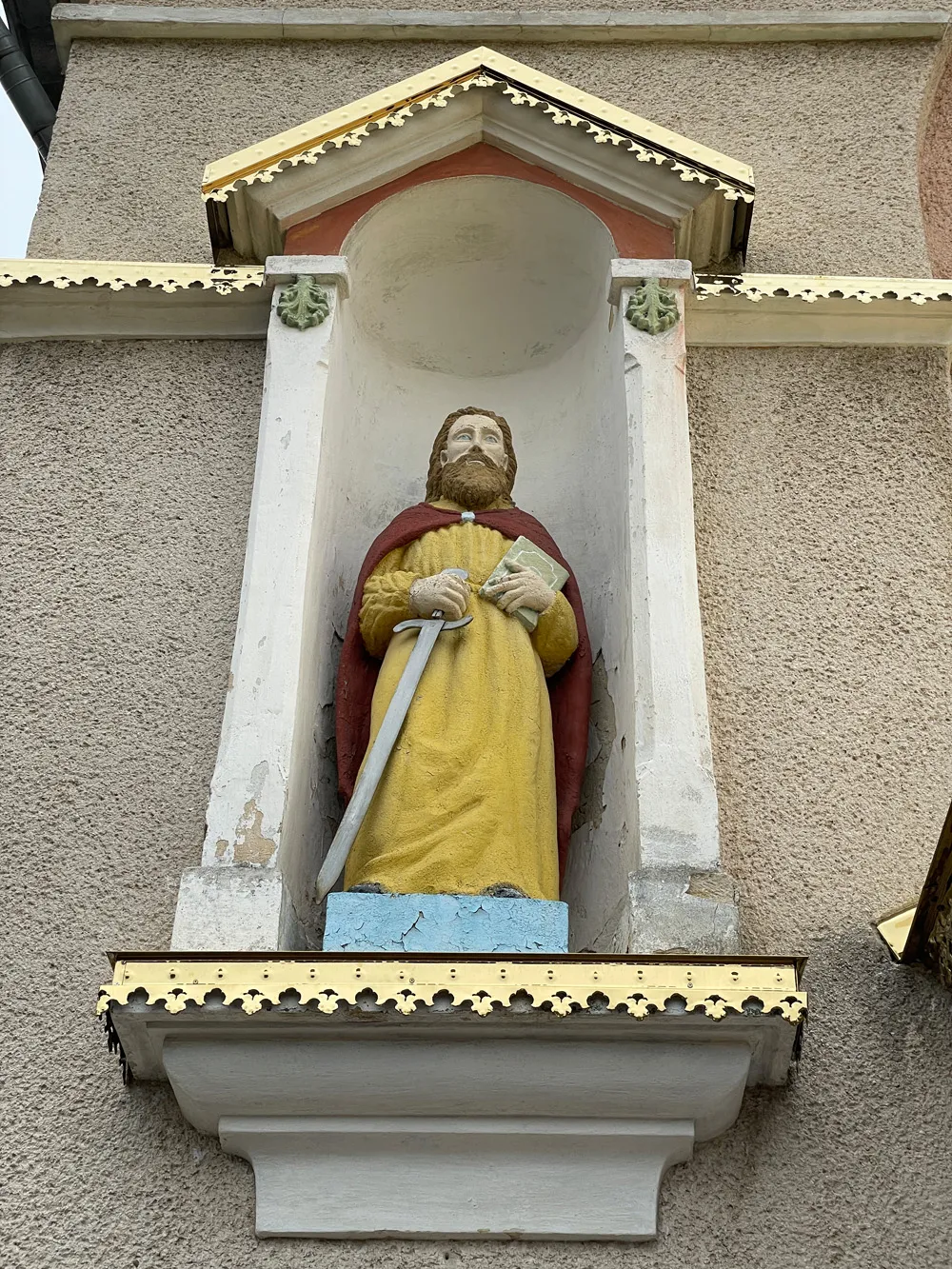
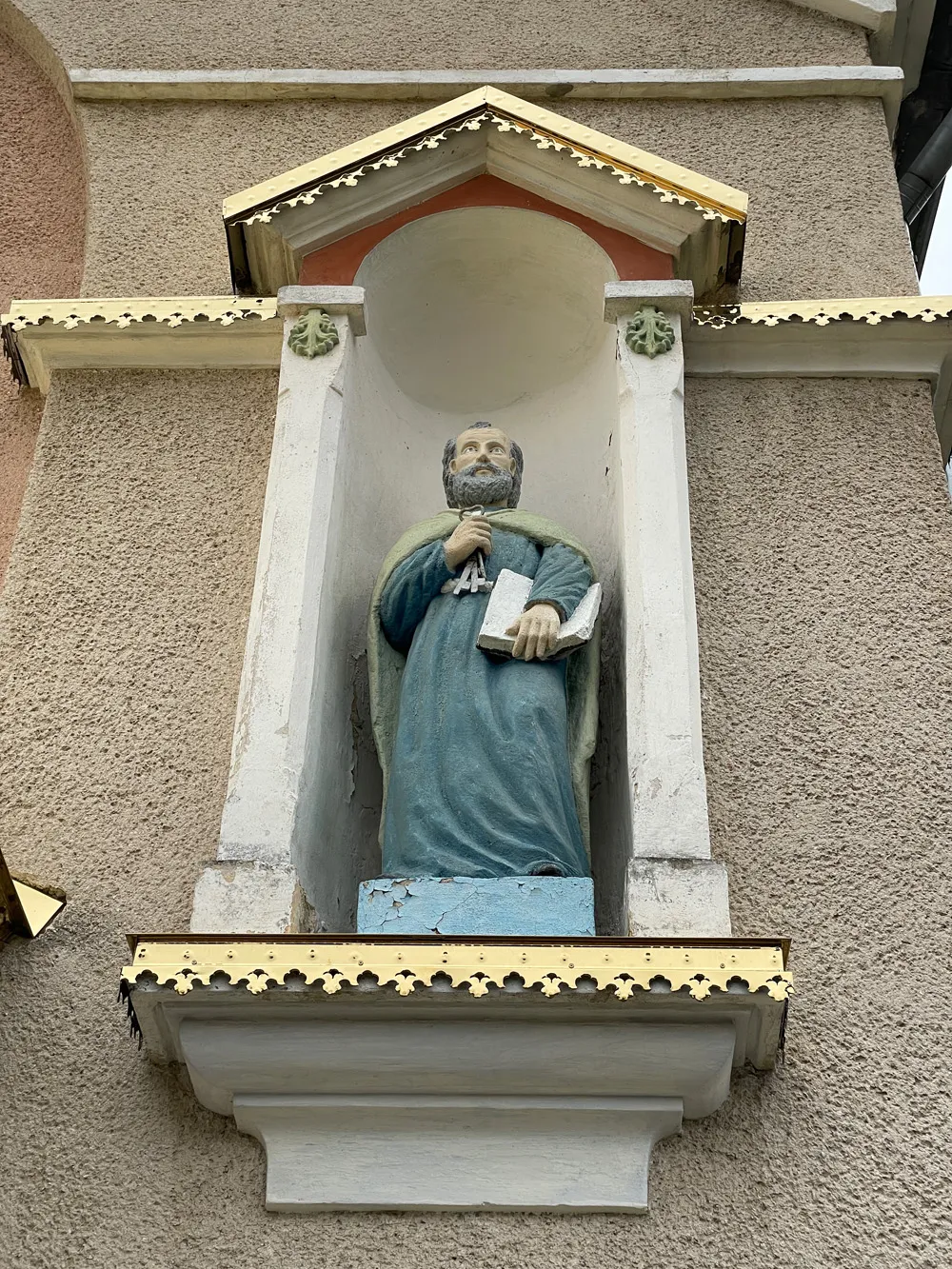
Incidentally, Yazlovets also has a “mixed” cemetery.
Photos: Roman Malenkov
Text: Dmytro Poliukhovych


