

Church of the Archangel Michael in Tovste: a synthesis of Neo-Gothic and Byzantine grandeur
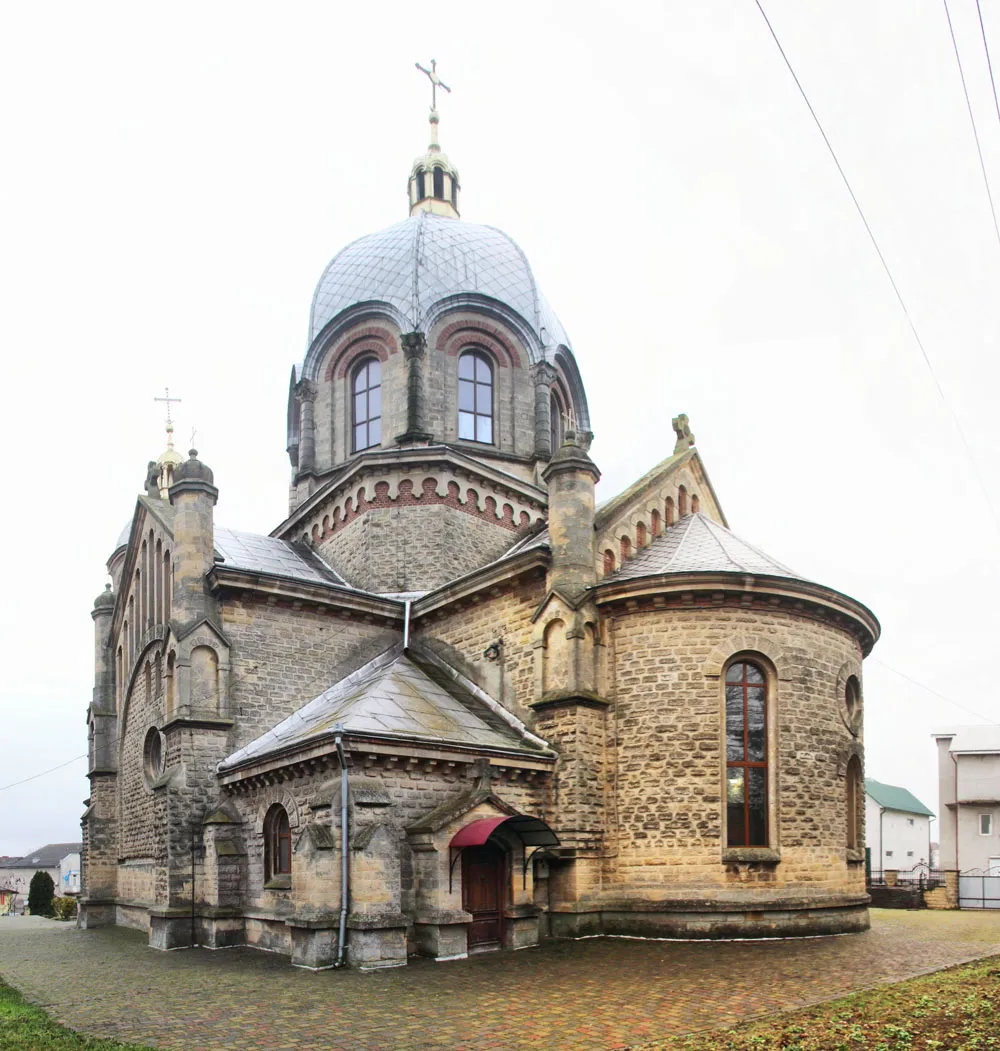
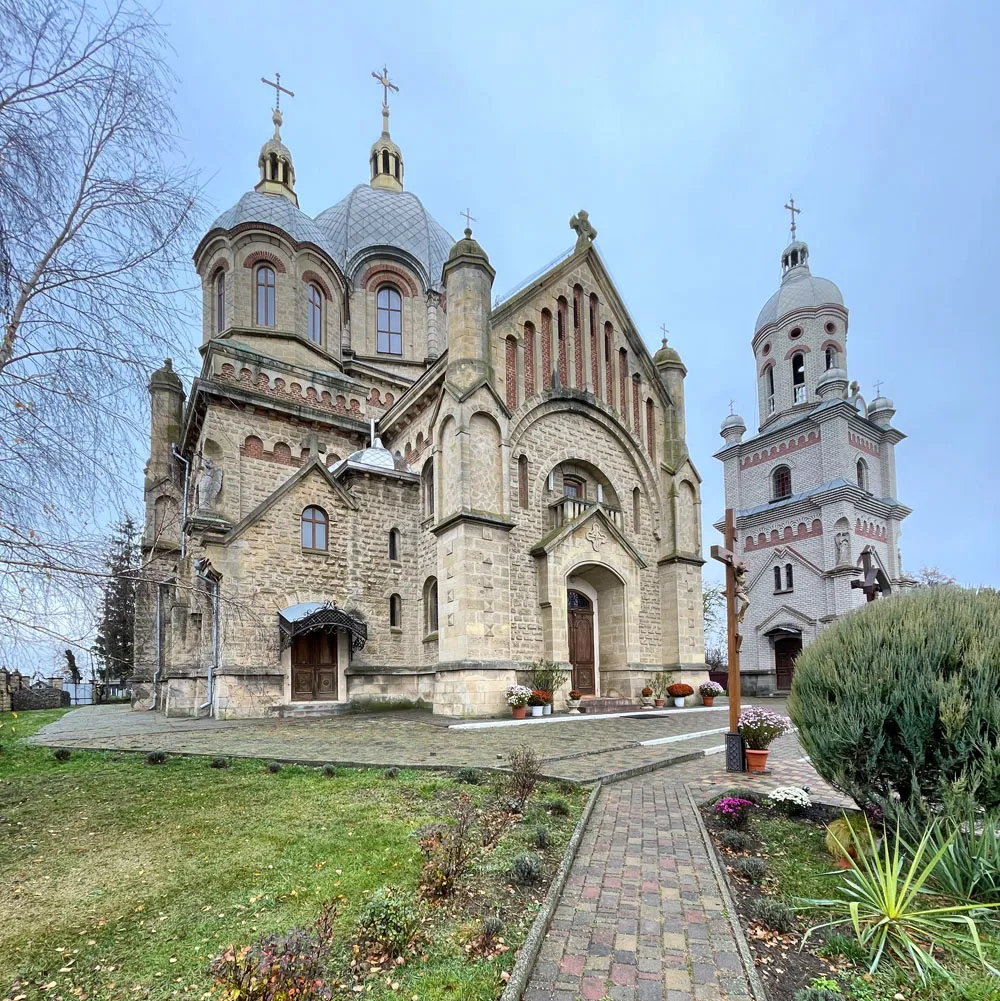
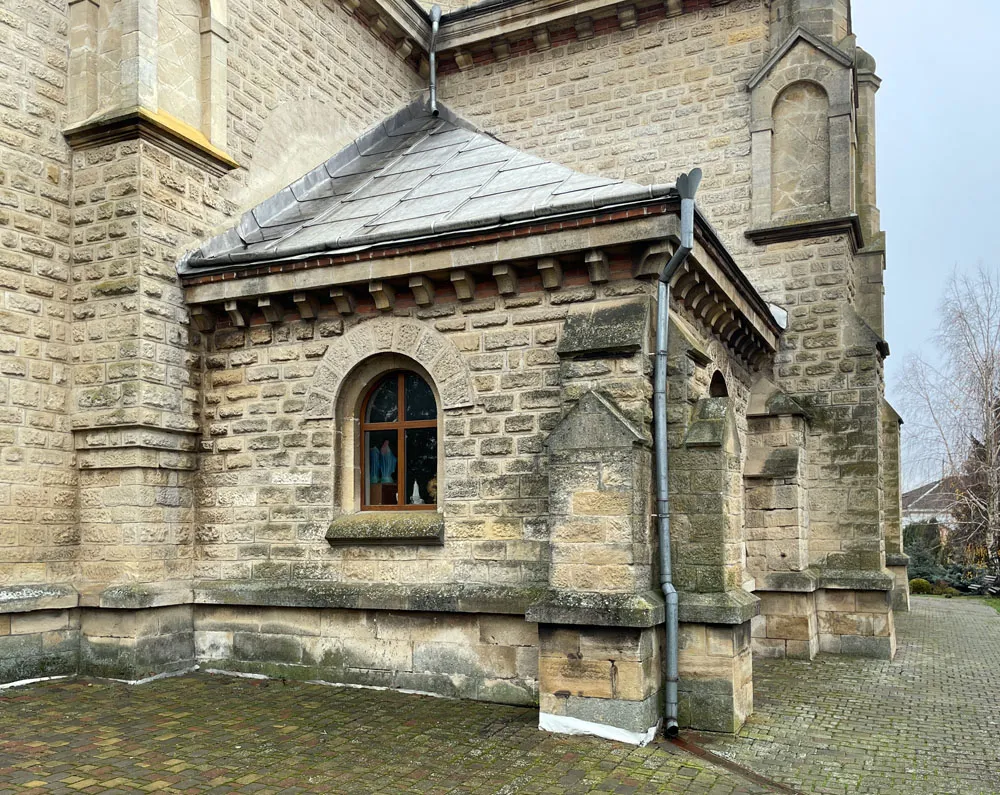
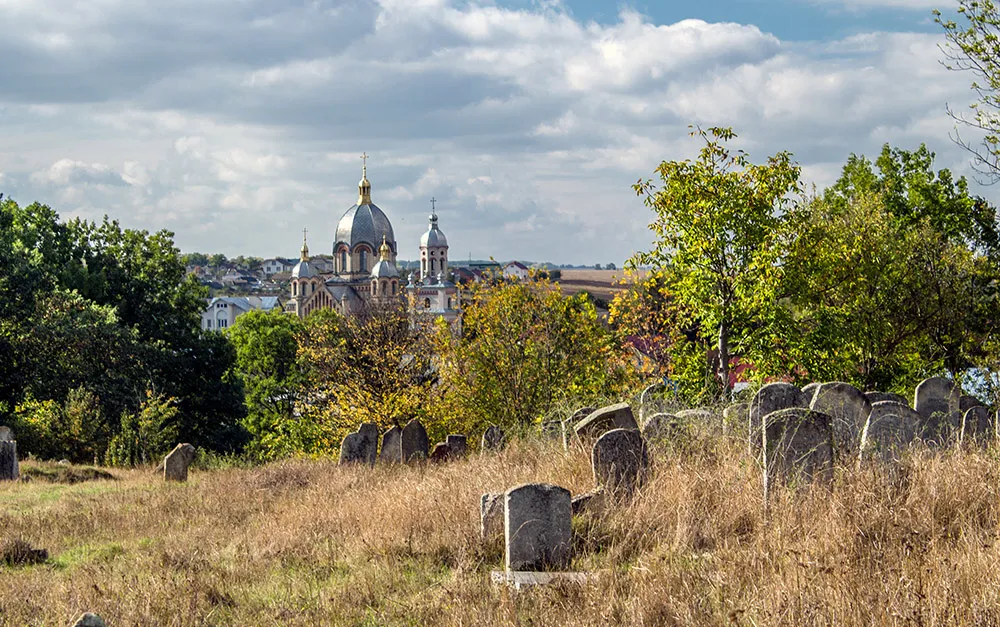
The majestic Church of the Archangel Michael in Tovste, in the Ternopil region, is perhaps unique of its kind. Here we see an apparently irreconcilable synthesis of pseudo-Byzantine and Neo-Gothic architecture. The church stands by the highway in the very centre of the town, and it catches the eye of everyone travelling towards Zalishchyky. Harmoniously combining the seemingly incompatible was achieved by a native of Tovste, the renowned architect and historian Jan Karol Zubrzycki-Sas. It was to his design, we recall, that the amazing Church of Our Lady of the Holy Rosary and St. Stanislaus in neighbouring Chortkiv was built; it is rightly the main symbol of that town and is considered almost the most beautiful of Ukraine’s Neo-Gothic churches.
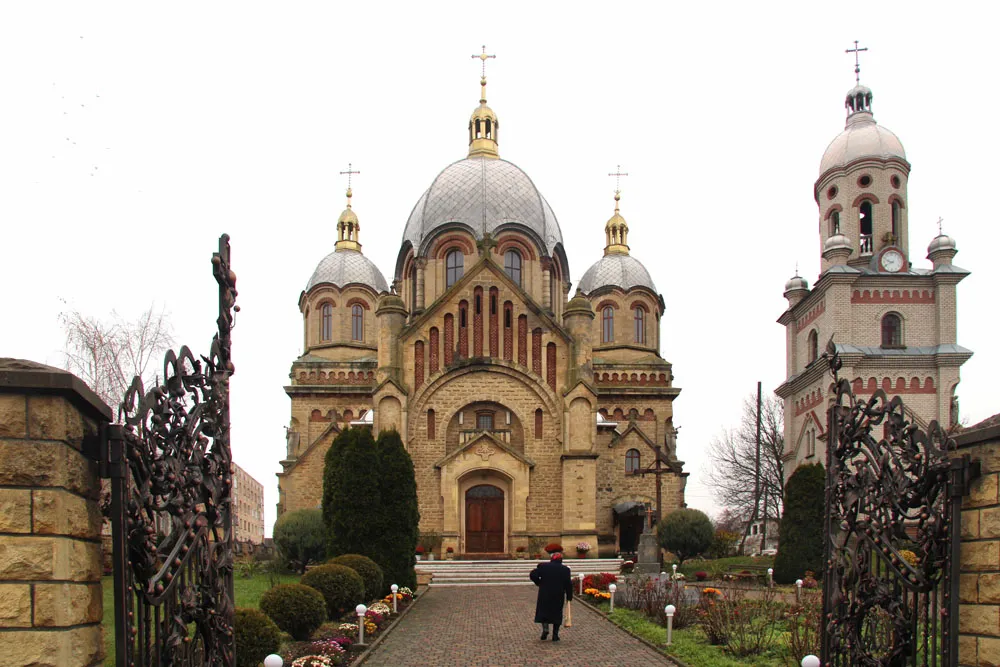
The church was built on the site of a wooden church of the same name from 1730. Construction took quite a long time, from 1912 to 1939. First the First World War got in the way, then the post-war lack of money. The church was completed only thanks to the efforts of the priest Antin Navolskyi.
The parish priest Antin, it should be noted, was an extraordinary man. He was born into a simple peasant family in the village of Zozulyntsi in Zalishchyky county (in 1894). From childhood he strove for knowledge and, despite his origins, managed to graduate from the State Gymnasium in Kitsman, after which he entered the Lviv Veterinary Academy. But he could not become a veterinarian, because the First World War intervened. As a student he was called up to the army, where he fought heroically against the Russians.
After the proclamation of the West Ukrainian People’s Republic, he joined the ranks of the Ukrainian Galician Army as a volunteer. In fighting against the Polish occupiers he was severely wounded and taken prisoner. He remained in a Polish concentration camp until 1922. After his release, Antin Navolskyi did not hide his patriotic views, so the Poles soon arrested him and imprisoned him in the Chortkiv prison.
While still during the war, the future priest came to God. After his release from prison, Mr. Antin entered the Stanyslaviv Theological Seminary, and in 1930 he was ordained a priest and received a parish in Tovste, which at that time bore the Polonized name Tłuste.
Soon the energetic parish priest managed to bring the large-scale construction to completion. Funds for building the church were given not only by the residents of Tovste but also by peasants from surrounding villages. Even Jews helped: in particular, the timber for the roof and domes was donated by a local merchant, Hersh Shpitser.
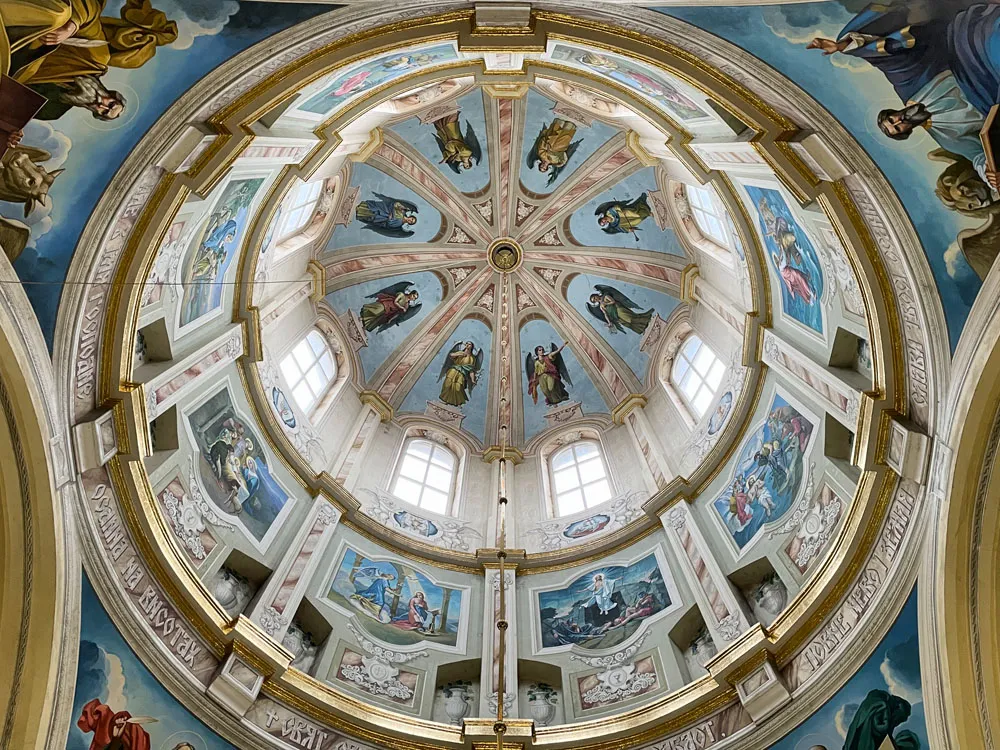
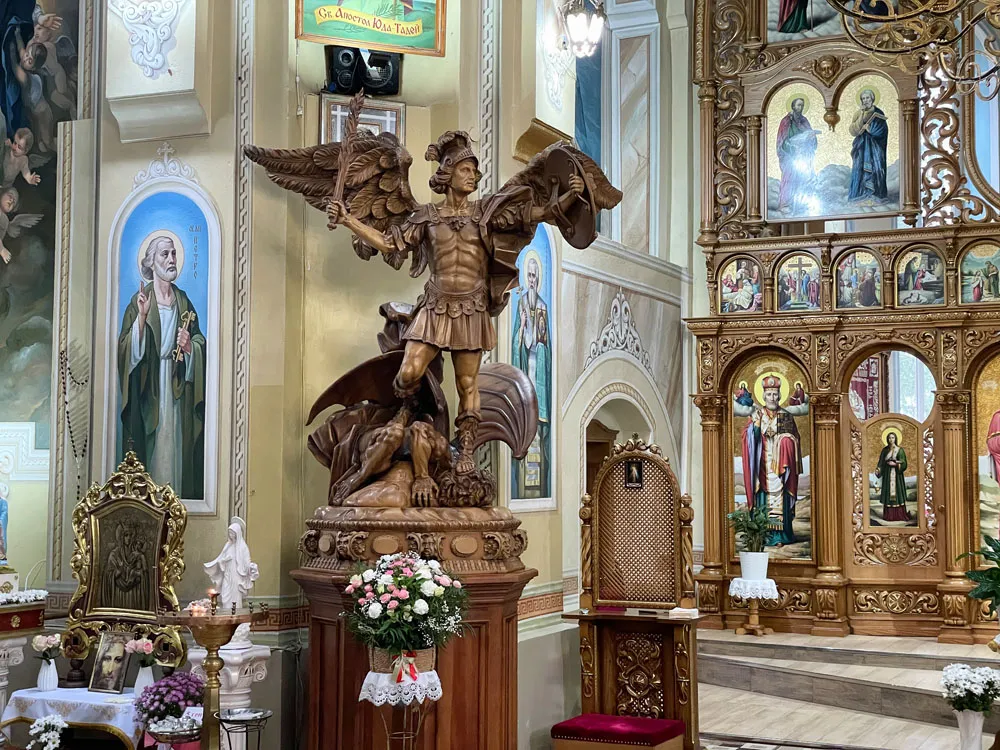
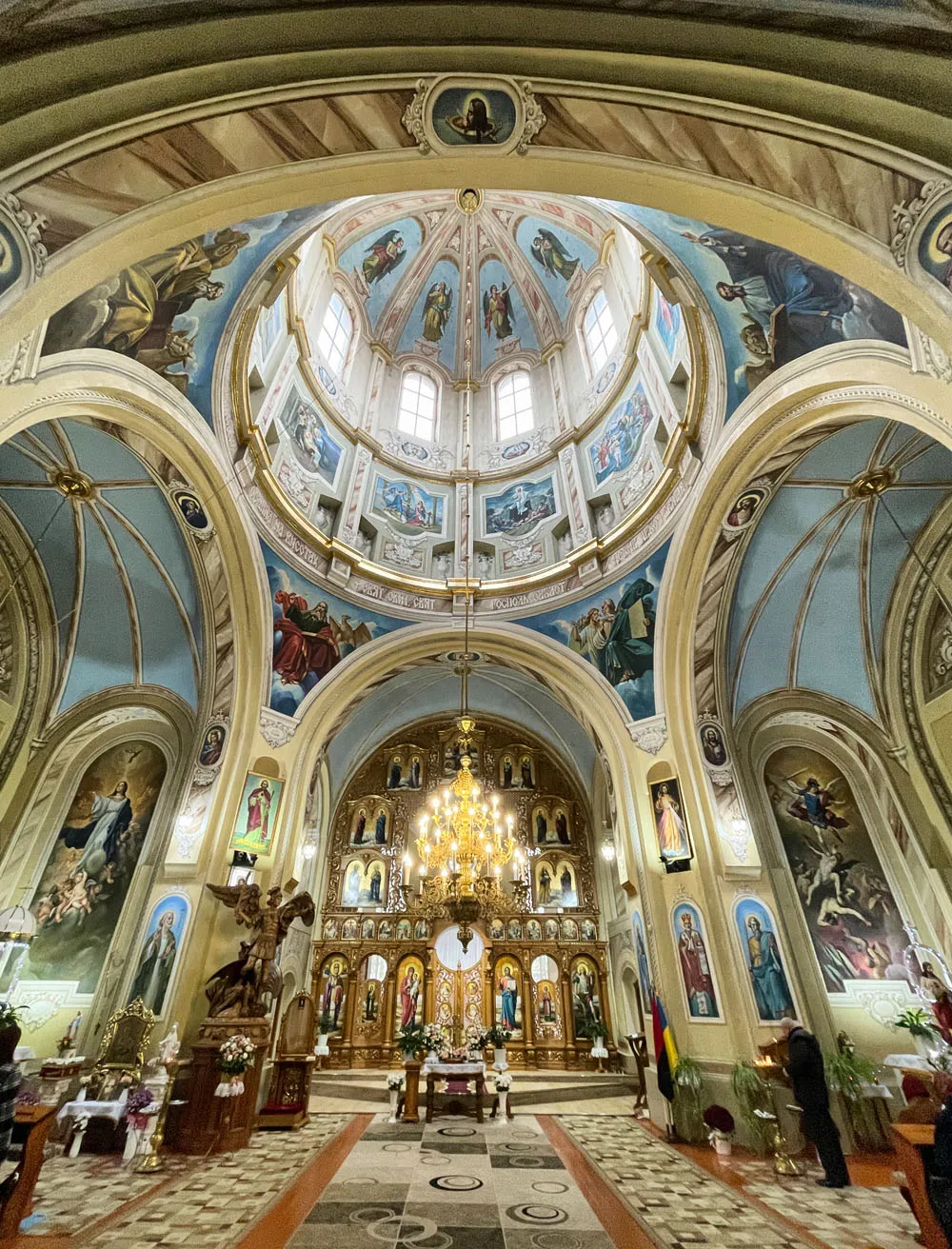
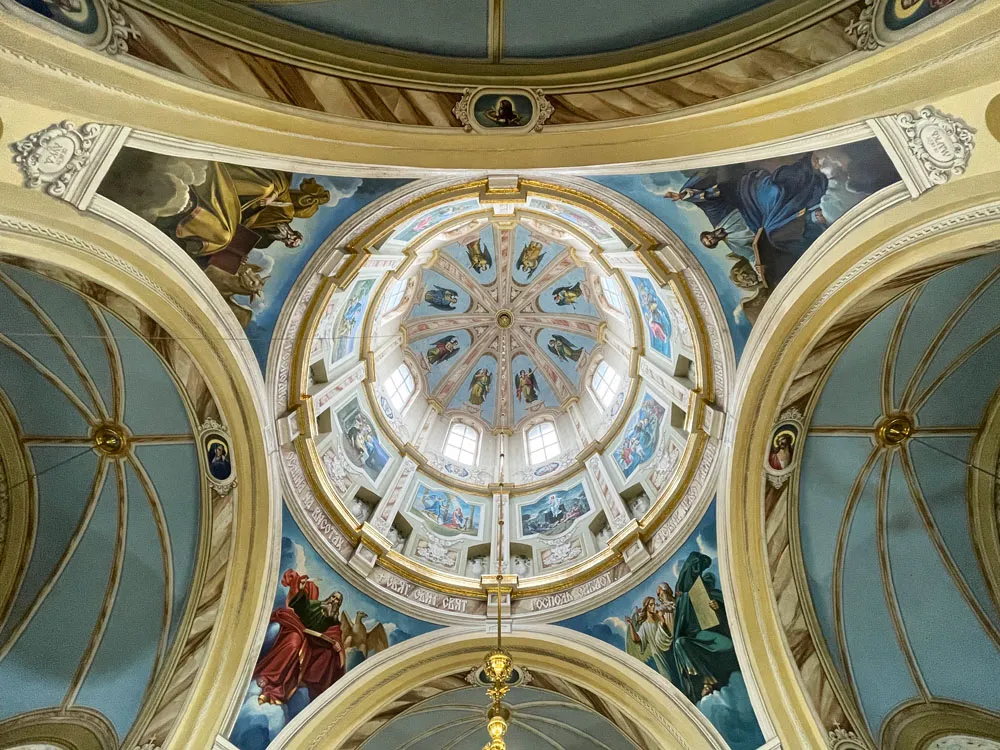
The church in Tovste is famous not only for its architecture but also for its interior decoration. Its walls were painted by the outstanding Galician artist Teodor Wacyk.
Father Antin Navolskyi is also known as Righteous Among the Nations, an honorary title he received posthumously in 1993. From the first days of the German occupation he actively spoke out in defence of the Jewish population. In his sermons he constantly warned the faithful against any violence towards Jews: “If anyone stains their hands with the blood of the innocent, let them never come to church again,” he would repeat.
It is known that on 12 July 1941, on the feast of the Apostles Peter and Paul, Fr. Antin addressed his parishioners with these words: “If you truly want an independent Ukraine, you must win it with your own blood, not with the blood of Jews, as the Germans teach you!”.
The priest did not limit himself to calls for non-violence; he urged the faithful to help their persecuted neighbours by all means. He personally saved five Jewish children from death and helped six more families escape, smuggling them out of the ghetto to peasants he knew.
Despite all the wrongs done to him by the Poles, in 1944–1945, during the Ukrainian-Polish confrontation, he called for an end to the fratricidal conflict and restrained cruelty towards his Polish neighbours.
Under the “second Soviets” he was forced to move from the Ukrainian Greek Catholic Church to the Russian Orthodox Church. In the 1950s, on the instructions of the communist authorities, the Church of the Archangel Michael was closed, but despite everything Fr. Antin continued to hold services illegally until his death in 1965.
In 1990 the parish and church were returned to the faithful. In 2013 Bishop Dymytriy Hryhorak of the Buchach Eparchy of the UGCC made an episcopal visitation of the parish.
The bell tower beside the church was built already in the Independence era. It is pleasing that its architecture matches the neighbouring church and harmoniously complements the sacred complex. It is also gratifying that the Tovste parishioners did not give in to temptation and did not disfigure the church with fashionable, repulsive “golden” cladding, as can be seen almost all over Ukraine.
Text: Dmytro Poliukhovych
Photos: Roman Malenkov


