Vyshnivchyk

· 3 min read
Vyshnivchyk is a village neighbouring Zarvanytsia; earlier they were together part of a single settlement, Zarvanytsia.
The first written mention is from 1564. In 1602 Vyshnivchyk received Magdeburg rights. In the 19th century the town had a church, a Roman Catholic church, a two-class school, a notary’s office, a post office, a pharmacy, a distillery, a mill and a gendarmerie station, and from 1850 to 1919 Vyshnivchyk was the seat of the county court. After 1919 Vyshnivchyk lost its town status. From 1934 to 1939 it was the centre of a gmina. Among believers there was practically parity: in 1939 there were 940 Greek Catholic Ukrainians and 860 Roman Catholic Ukrainians.
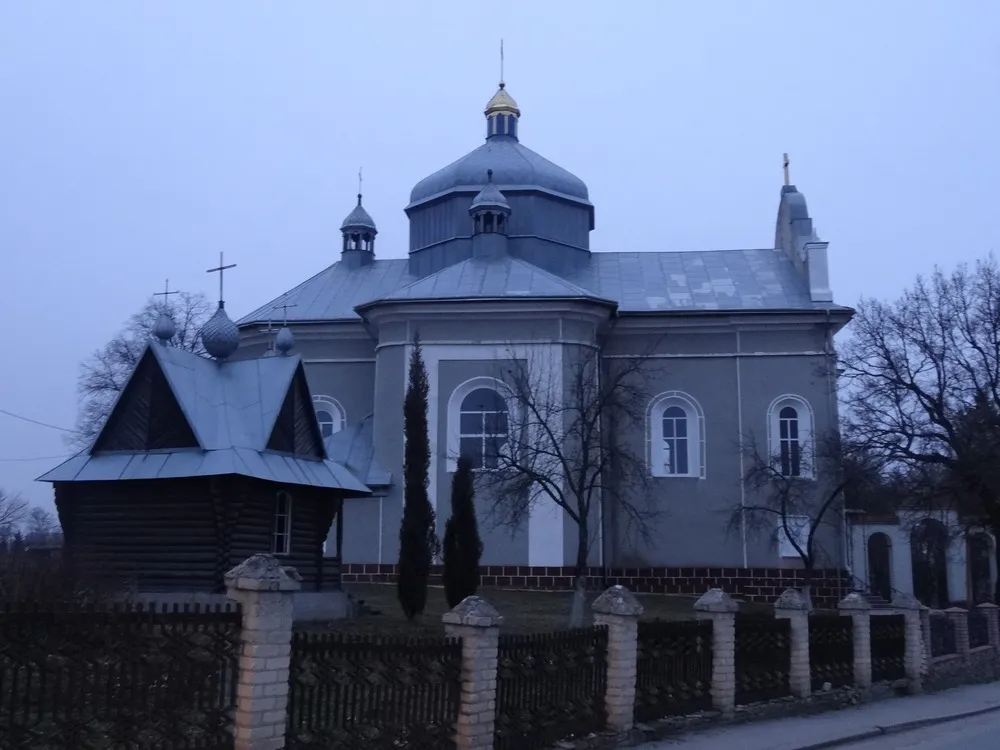
The village has the Church of the Nativity of the Most Holy Mother of God – the former Roman Catholic Church of the Assumption of the Blessed Virgin Mary, which was built in 1853–1871 and funded by Princess Marcelina Czartoryska and the owners of the estates in Dobropole, Józef Ochocki, and in Zarvanytsia, Zefiryn Ochocki. Originally, from 1737, this church was wooden (its founders were Michał Aleksander Sołtyk and his wife Józefa, née Makowiecka). From 1949 the church was used as a warehouse for fertilisers and grain, and at the end of the 1980s, on the authorities’ orders, the place of worship, which was already a ruin, was filled with rubbish.
The parish was formed in 1991, and the church was handed over to it at the same time; it was repaired and consecrated in honour of the Nativity of the Most Holy Mother of God in 1992.
Before the Second World War the Greek Catholic community of Vyshnivchyk built its own church. During the war it suffered minor damage that could have been repaired, but the oblast authorities issued a decision to dismantle the church and build cattle stables in the village of Kotuziv from its stone.
The church in Vyshnivchyk holds the Vyshnivchyk miraculous icon, but the church and parish do not have the status of a pilgrimage site (Zarvanytsia is, after all, right next door).
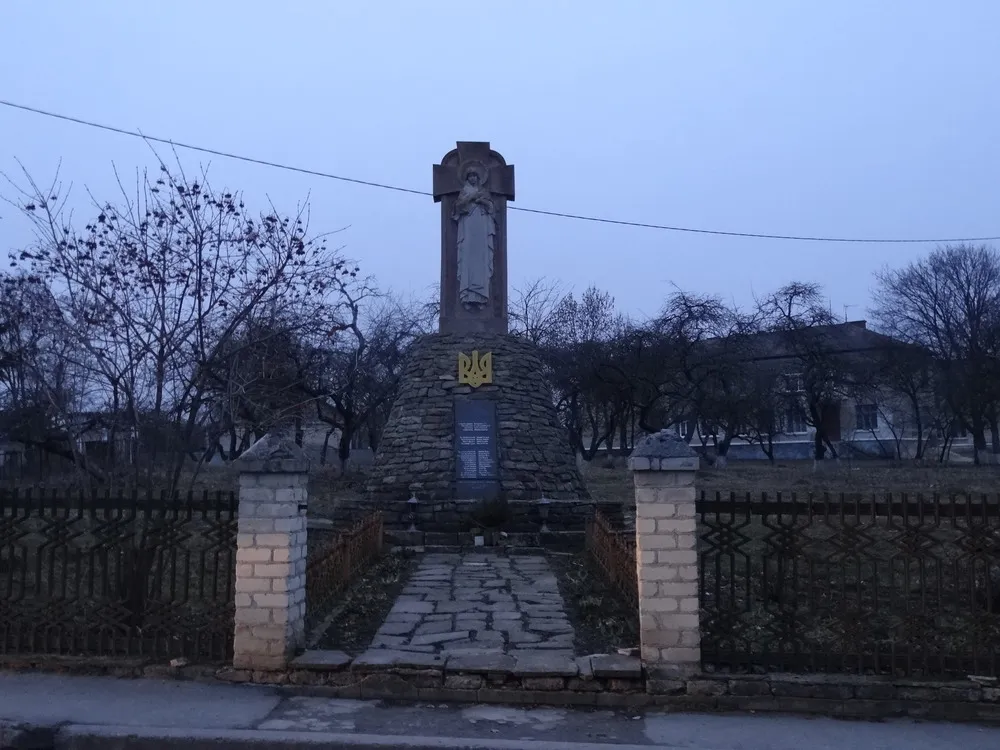
The village also has a stone grave, built at the site of a mass burial of 108 UPA soldiers (2002).
In 1657 an event took place near the town of Vyshnivchyk that went down in history as the Vyshnivchyk catastrophe of the Transylvanian army. What did the Transylvanian army have to do with Ukrainian lands? The point is that in the time of Khmelnytskyi, the Principality of Transylvania was an ally of the Cossack state, and quite a successful one. But after several victories and the capture of Kraków and Warsaw by the allies (Sweden was another), military setbacks began. Charles X withdrew, the Poles invaded Transylvania, and the Transylvanian prince George II Rákóczi had to capitulate, abandoning his army. His army of about 10,000 soldiers was surrounded near Vyshnivchyk by the Tatars led by Mehmed Giray and kept encircled for three days. According to the agreements reached in the negotiations, the besieged were to be released for a ransom. However, having received the ransom, the Tatars burst into the Hungarians’ camp and, except for a small number who managed to break through, the whole army was ruthlessly slaughtered.
The photos were taken late in the evening, so please excuse the quality.
Text and photos by Ihor Dorozhko.