Zbarazh. The old city Christian cemetery
Zbarazh is one of the oldest towns of the Ternopil region. Thanks to its strategic location, it played a key role in defending the land. The first mention of Zbarazh appears in the Galician-Volhynian Chronicle and dates to 1211. The history of Zbarazh is a mixture of the princely era, when the town was part of Rus; the period of the Ruthenian-Polish aristocracy, when it was held in turn by the Zbarazki, Wiśniowiecki and Potocki families; and the time of the Cossack battles, with the legendary siege of Zbarazh by Bohdan Khmelnytskyi’s army in 1649 known to all.
The town’s main landmark is Zbarazh Castle. It is a true masterpiece of 17th-century fortification. Built by the Zbarazki princes, it combines palatial splendour with stern defensive capability (the palazzo in fortezza type). The castle became the epicentre of the 1649 battle, when the armies of Bohdan Khmelnytskyi and the Crimean khan besieged the Polish garrison. These events are described by Henryk Sienkiewicz in the novel “With Fire and Sword”. The castle has been restored. Inside are rich museum exhibitions: from medieval weapons and antique furniture to the unique wooden sculptures of Anton Osynskyi.
Besides the castle, Zbarazh has a compact and picturesque town centre, whose architectural gems include the Bernardine monastery with the Church of St. Anthony (1627), the Dormition Church (1755) and the Resurrection Church (1764).
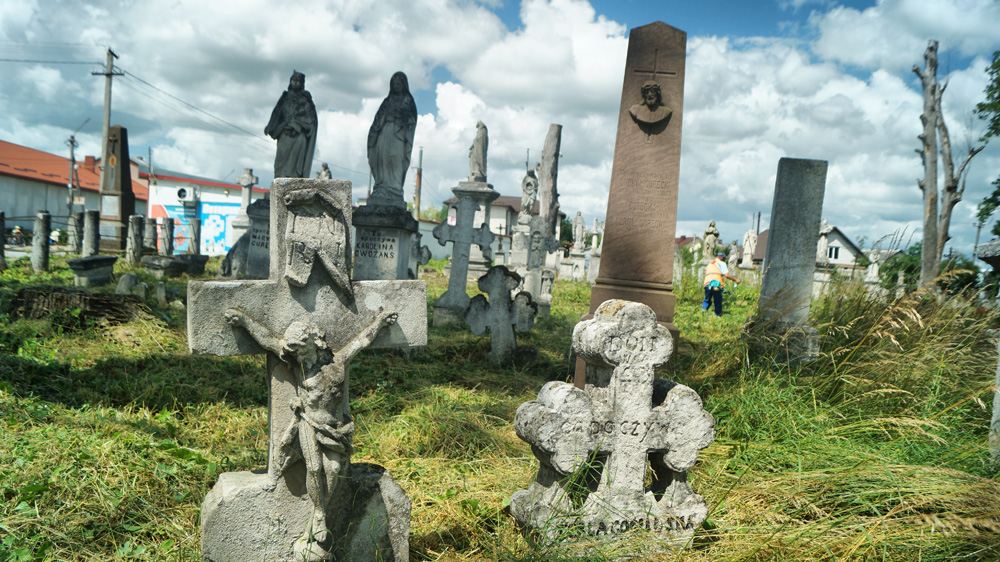
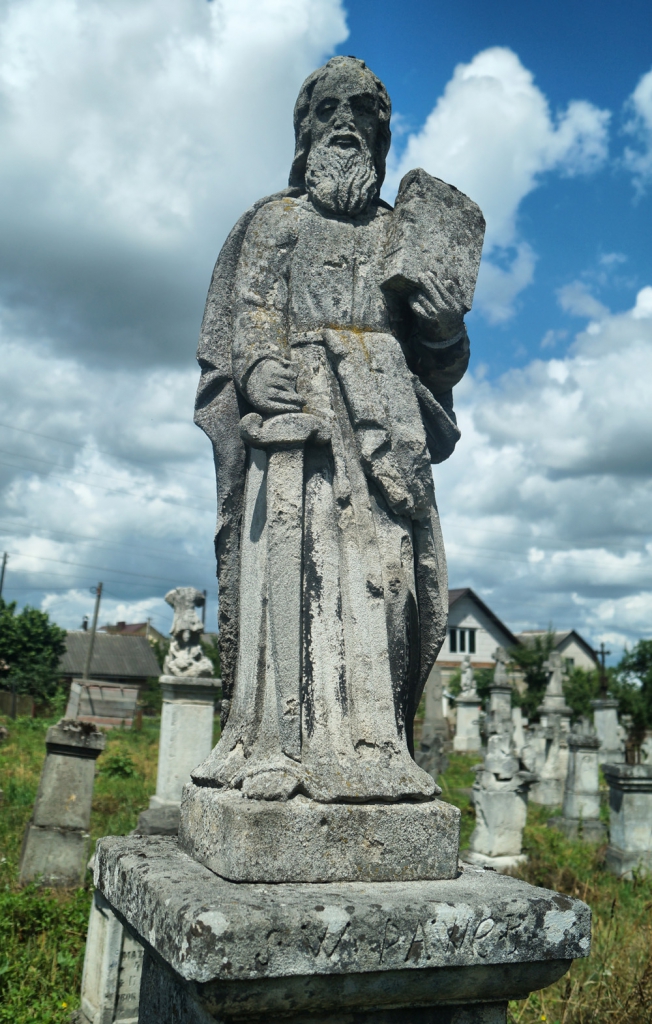
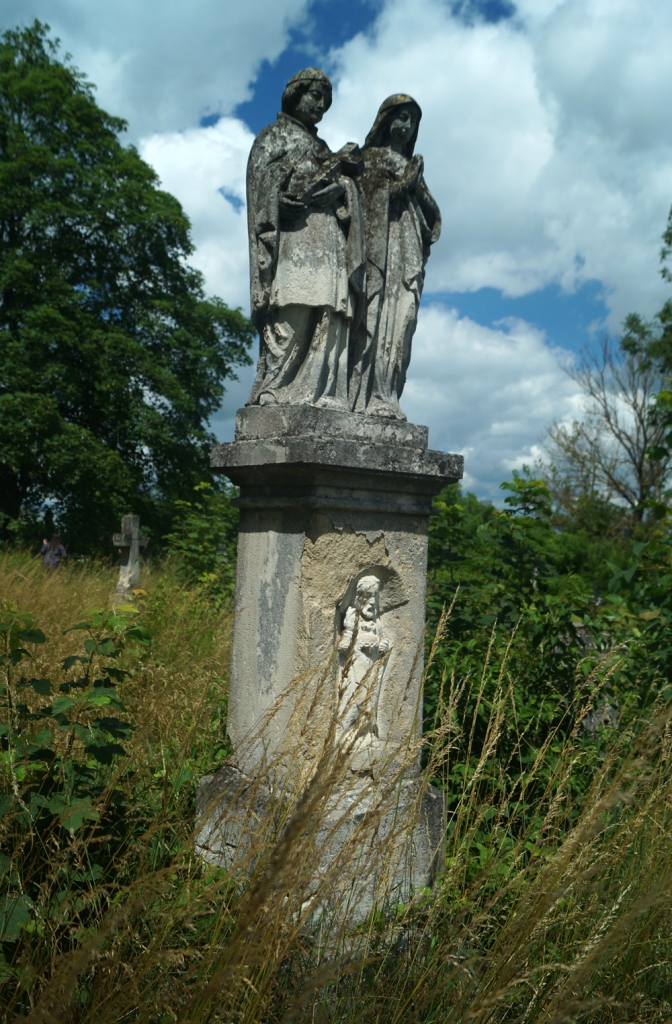
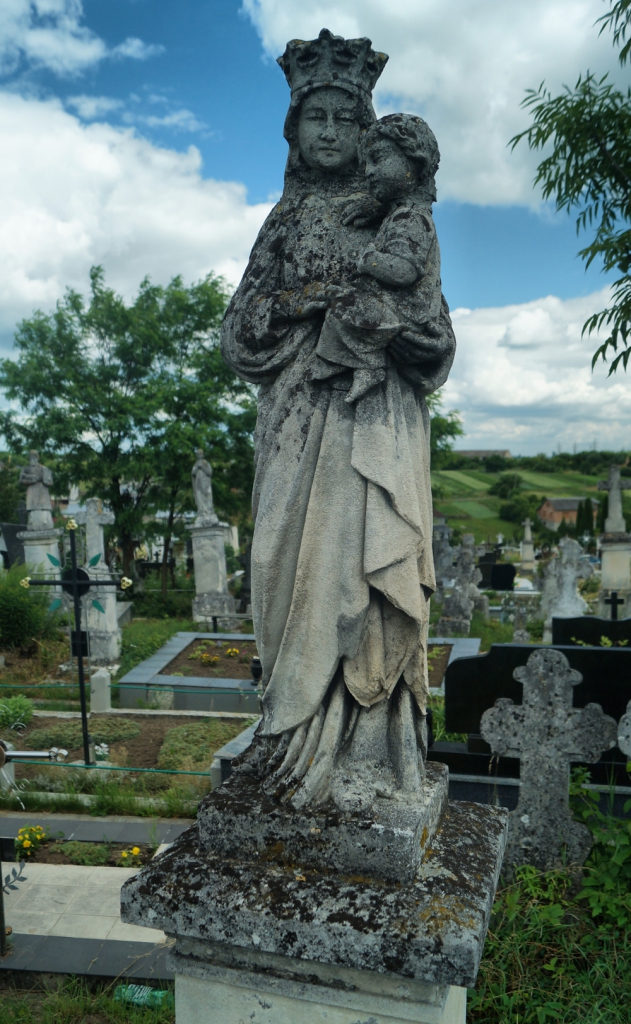
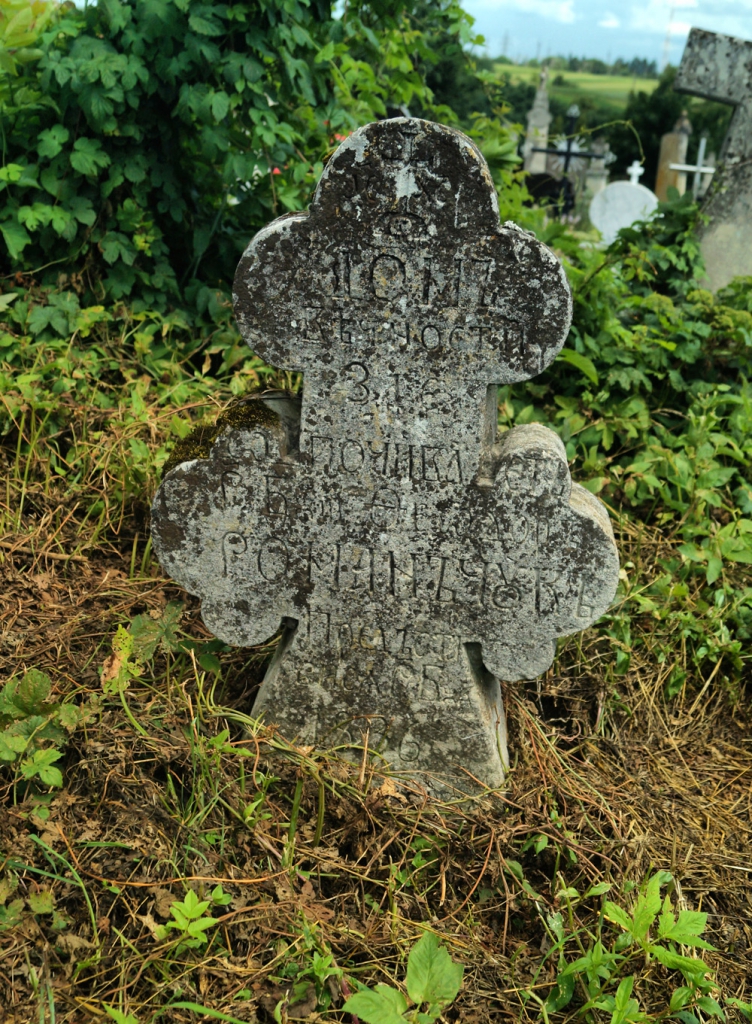
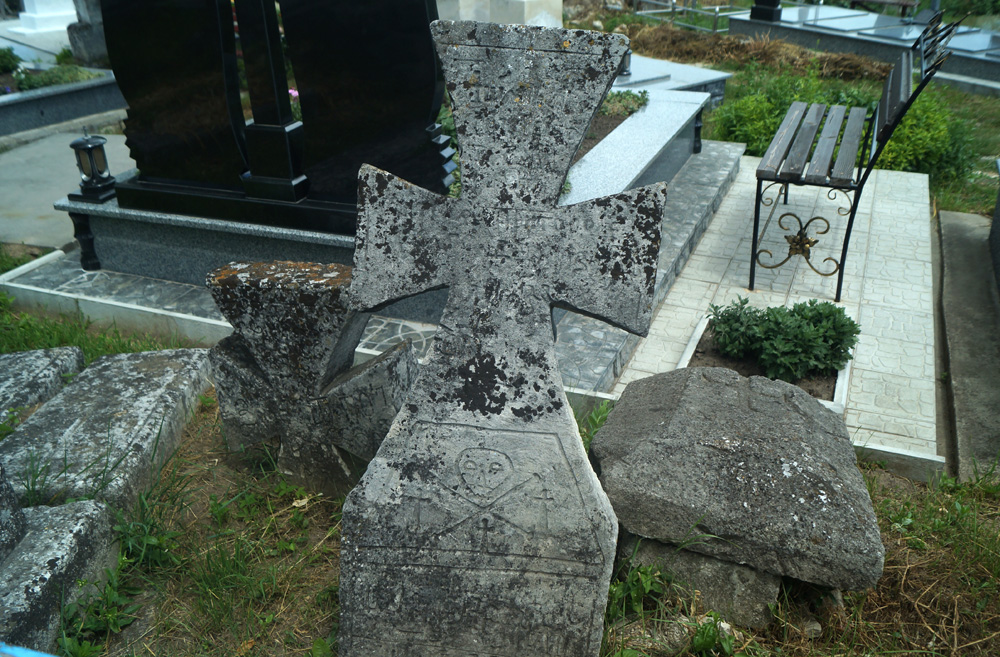
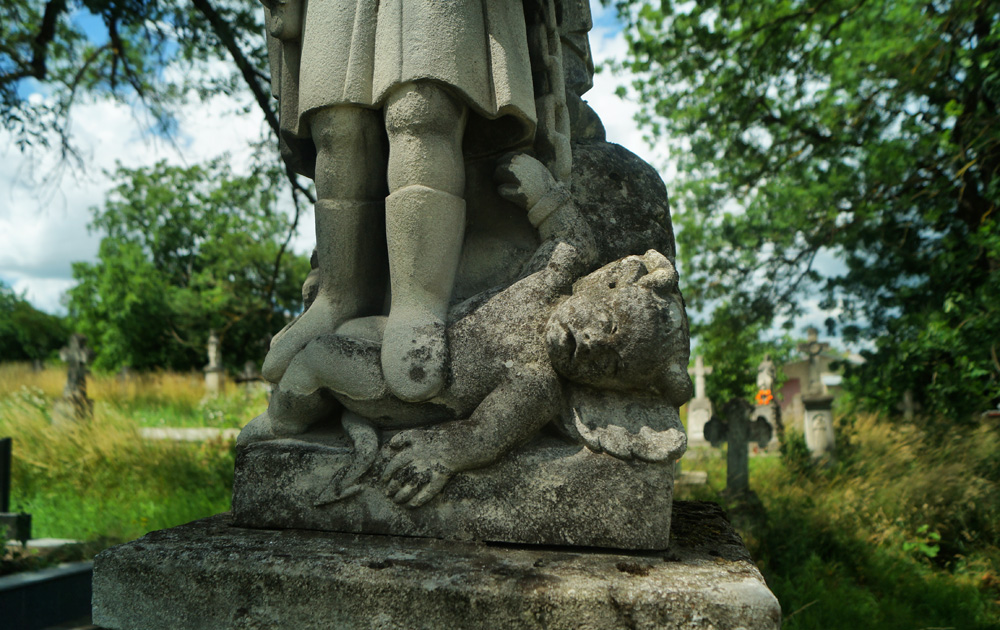
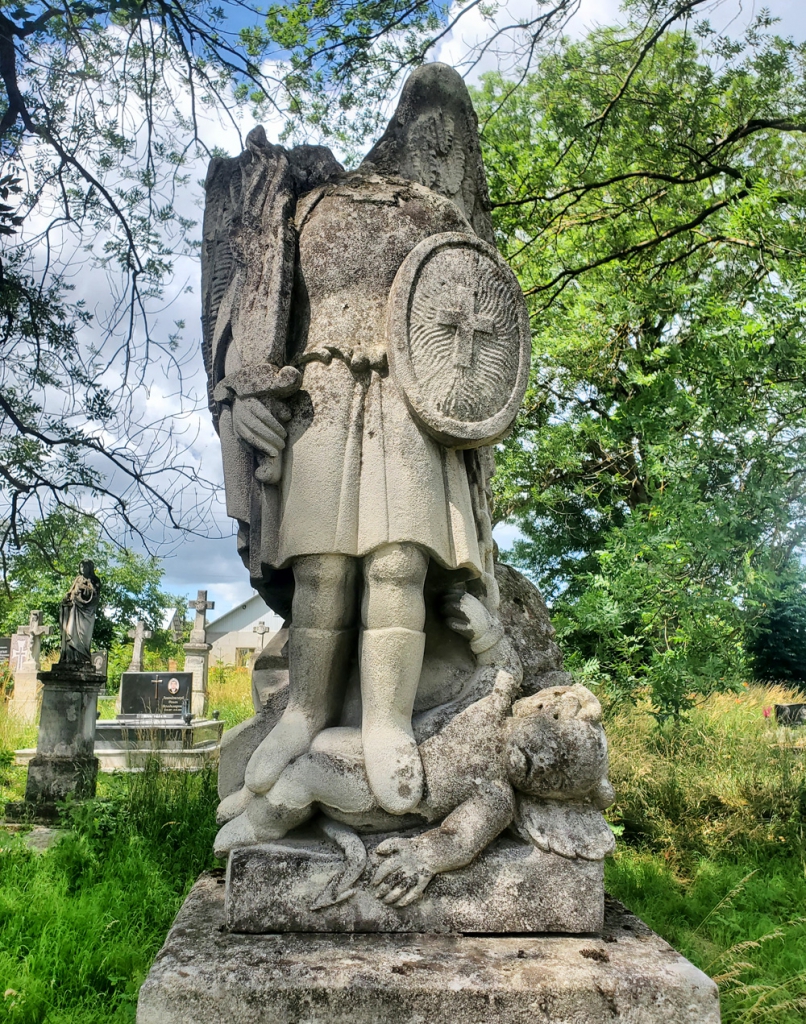
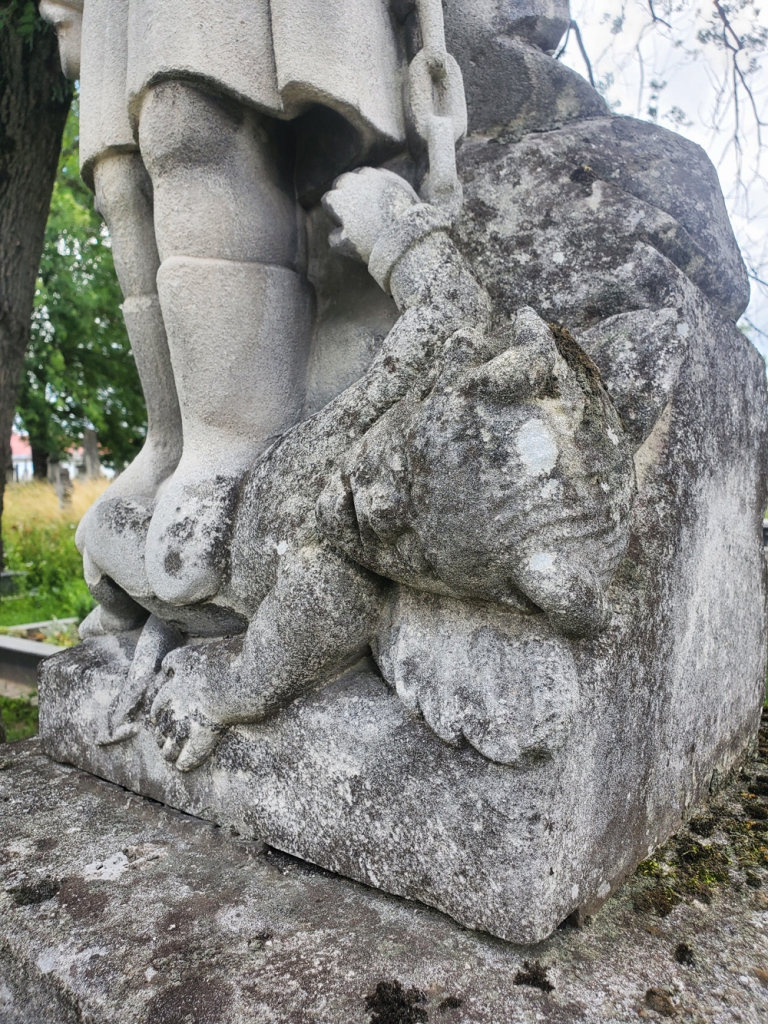
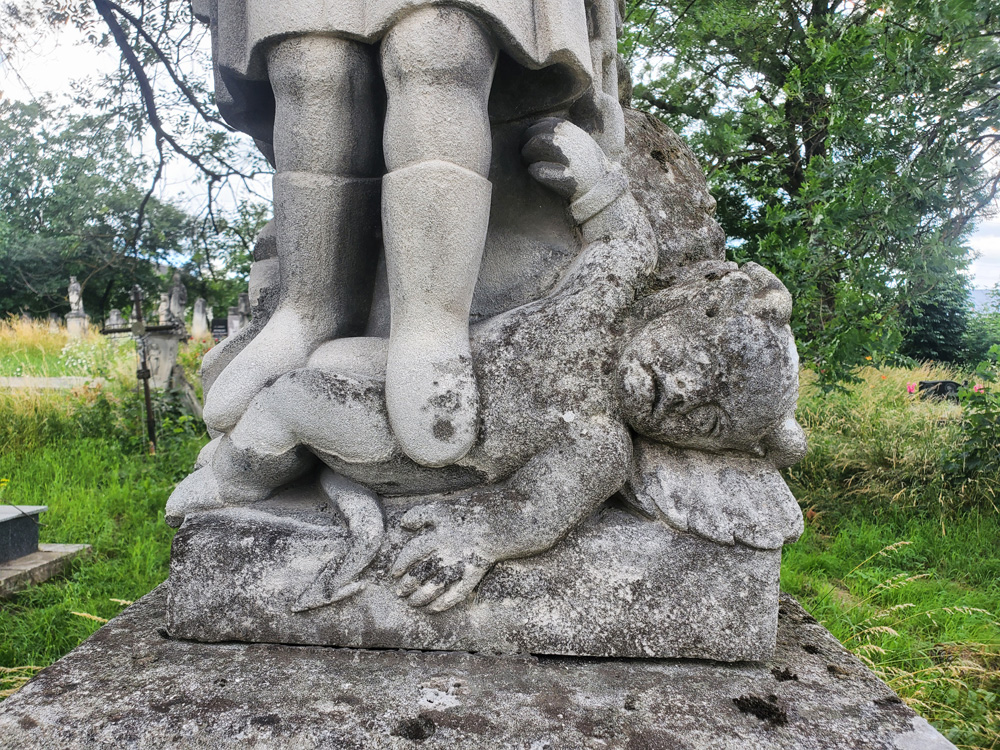
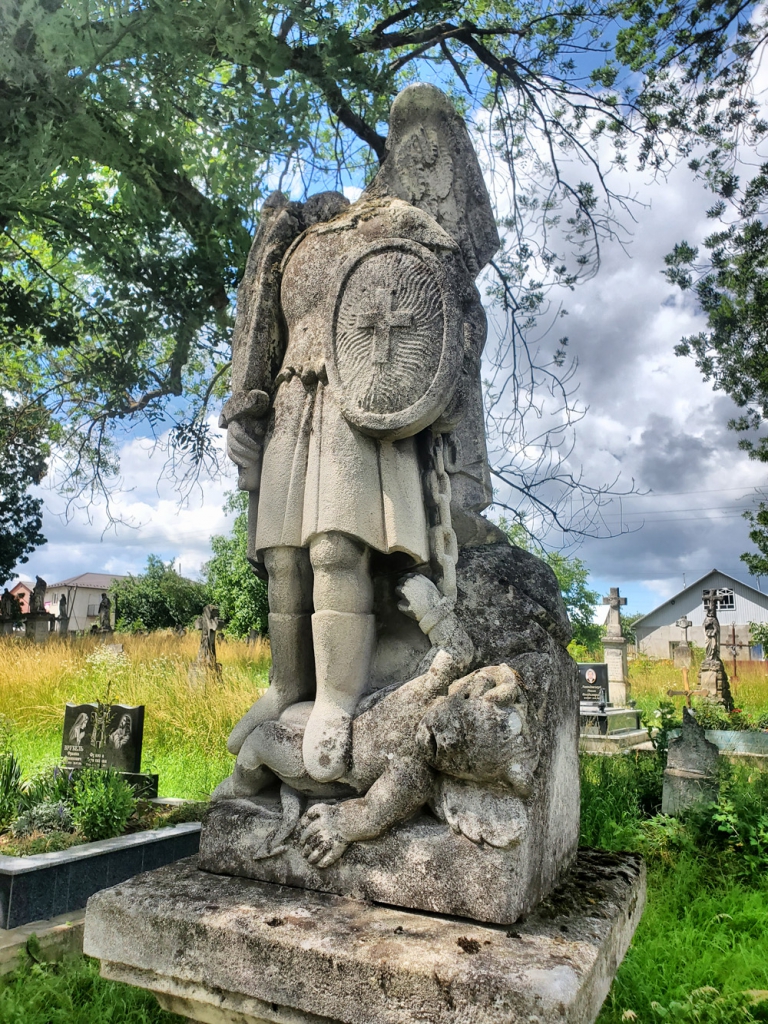
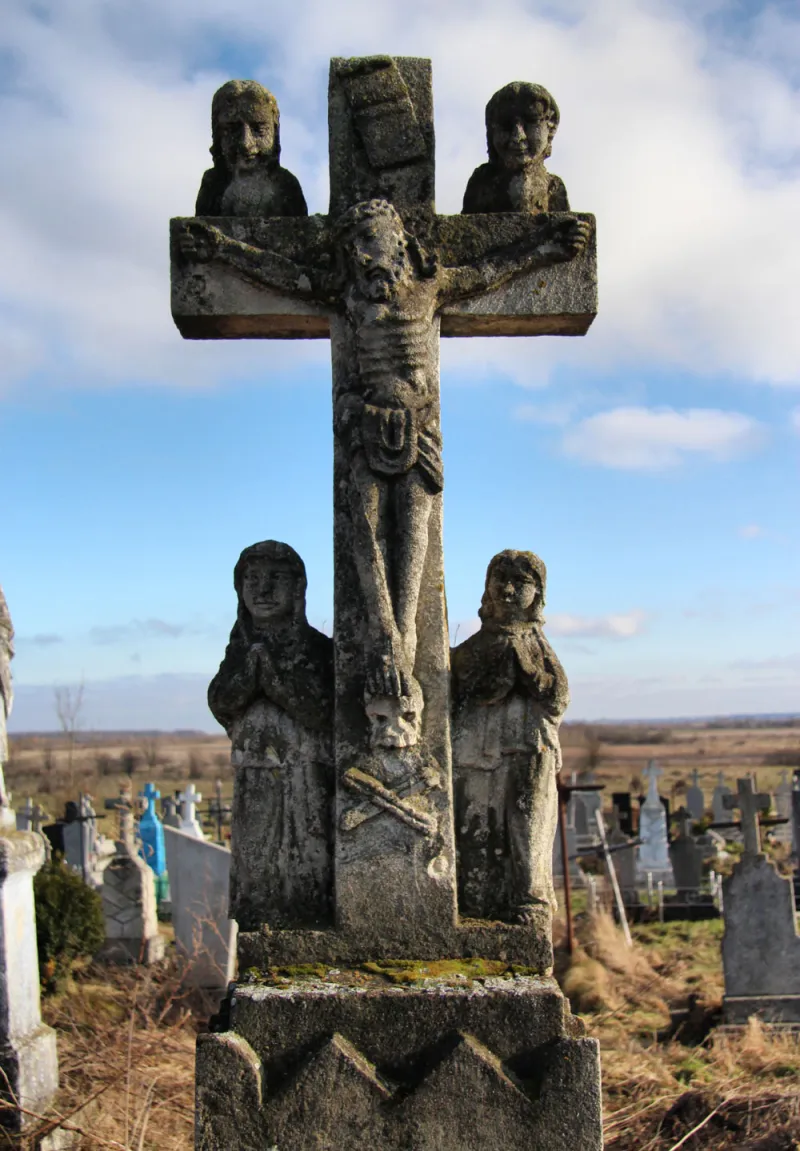
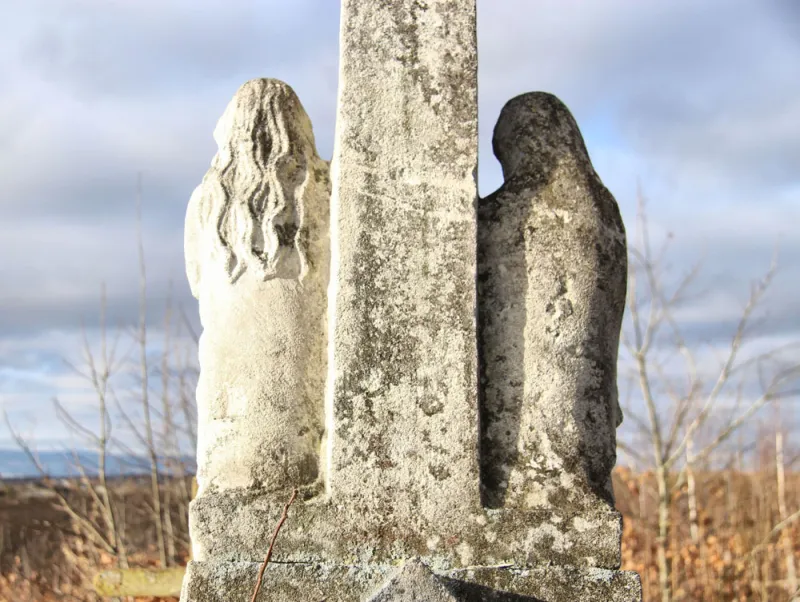
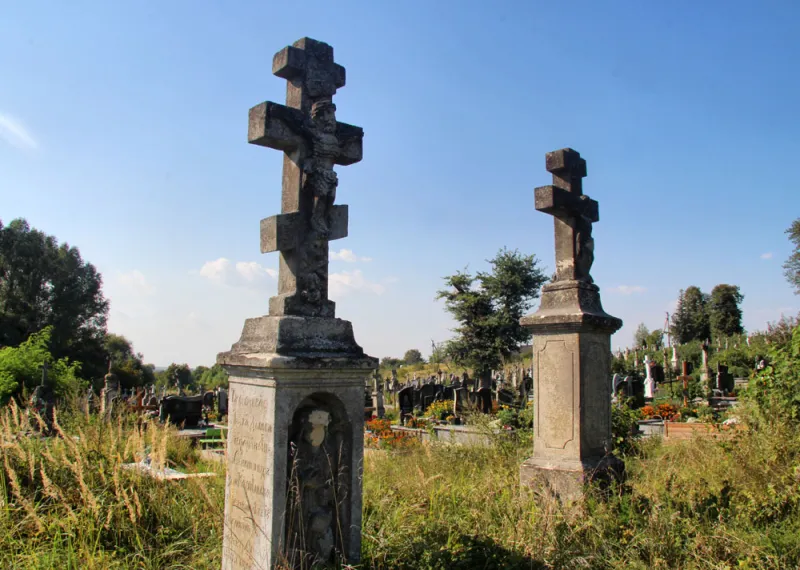
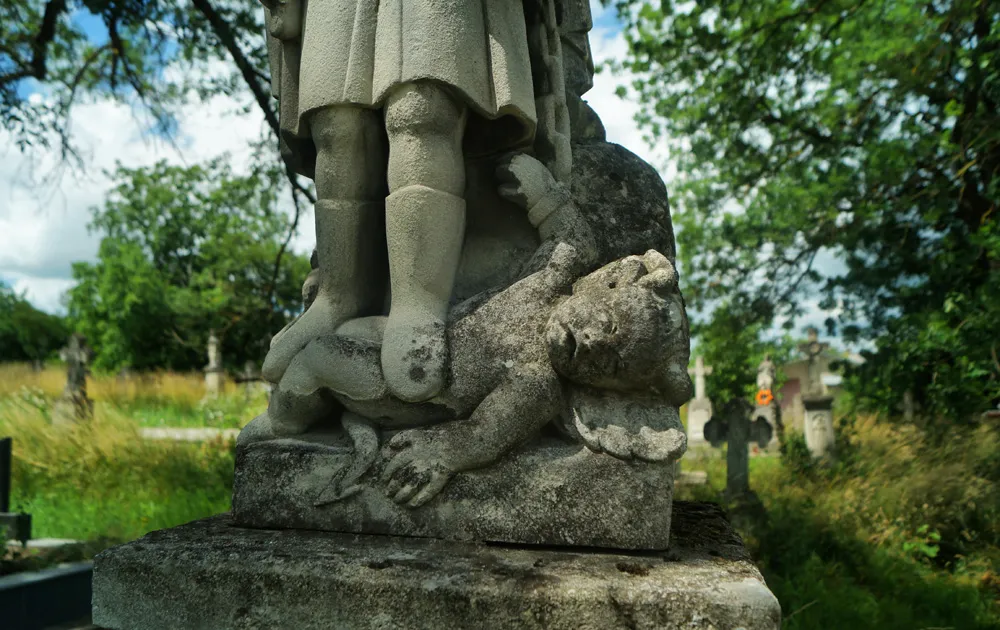
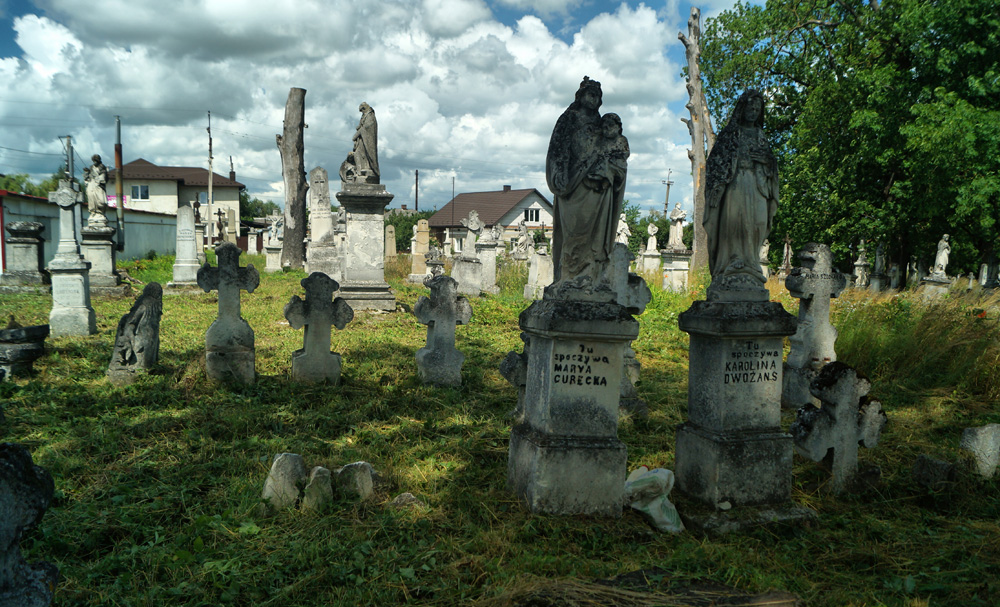
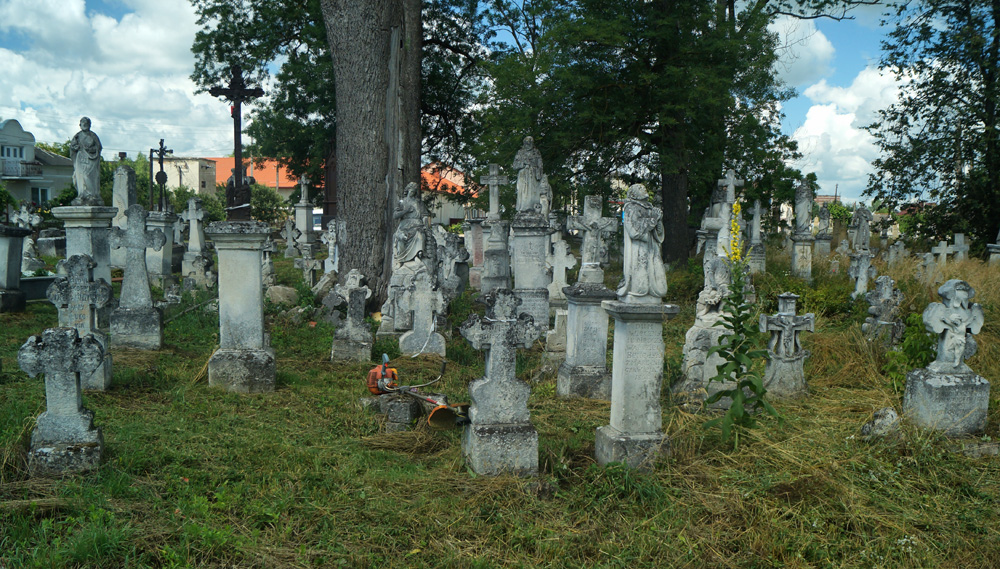
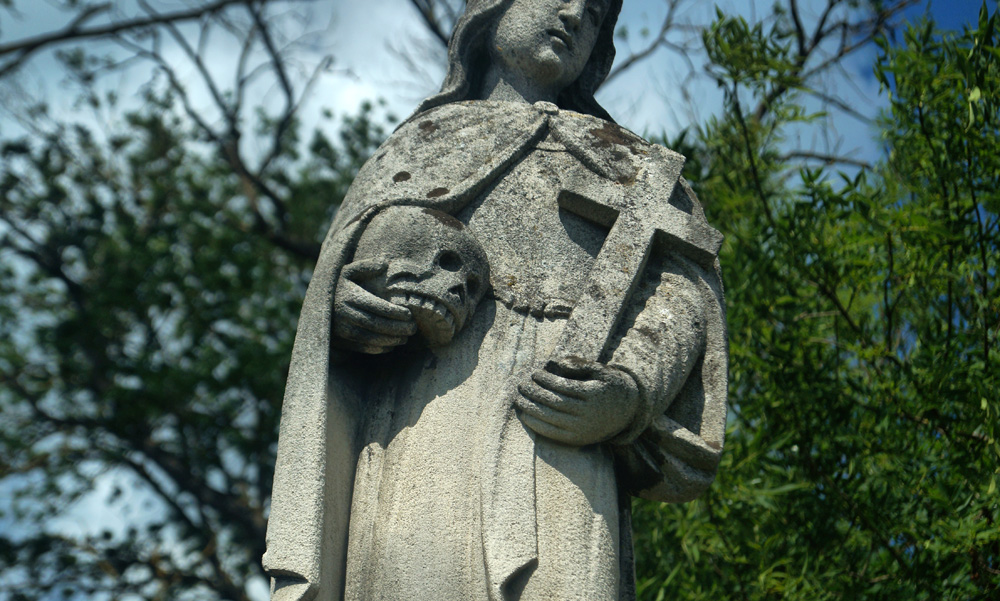
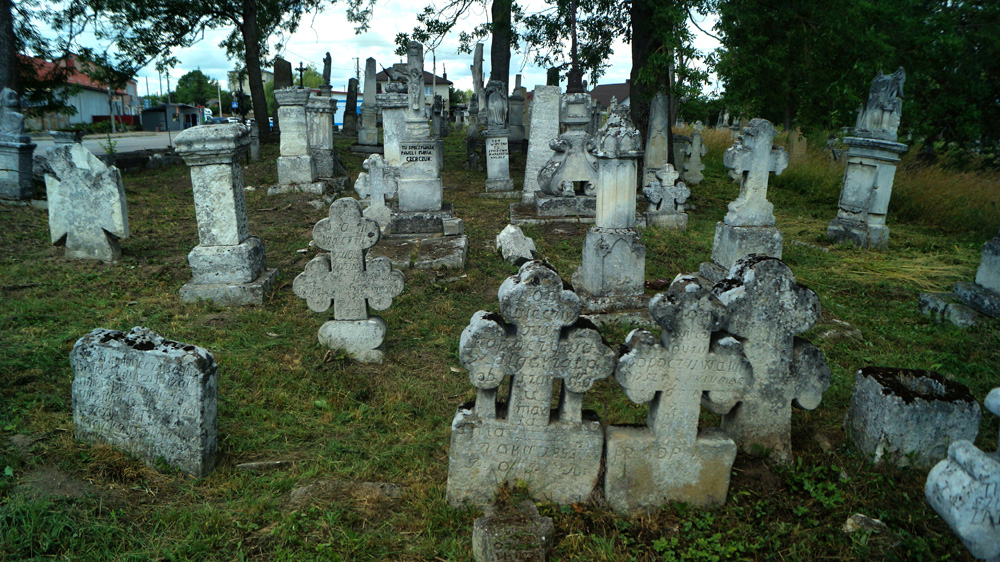
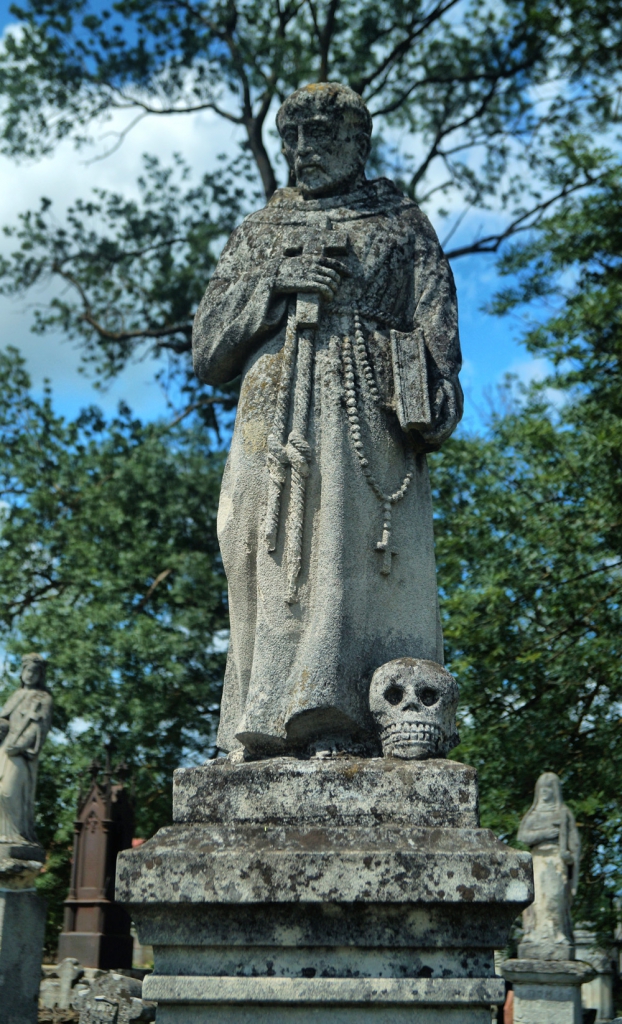
The old Christian cemetery of Zbarazh is a true open-air museum reflecting the multicultural history of this land. The cemetery is located on the outskirts of the town. It is a shared resting place for representatives of various Christian denominations, above all Ukrainian Greek Catholics and Polish Roman Catholics. A huge number of skilfully made gravestones from the 19th and early 20th centuries have survived here. Many monuments take the form of figures of “mourning angels”, the Virgin Mary or saints. The realistic details of clothing and the facial expressions of the sculptures are especially striking. If you visit the cemetery, be sure to find the statue of Archangel Michael trampling the devil. It is an incredibly skilful piece of work, located in the Polish section.
Today the cemetery is the focus of attention of historians and volunteers. In recent years Polish and Ukrainian organizations have jointly cleared the grounds of scrub and restored the most valuable sculptures, to save them from being destroyed by time. This cemetery is often compared with Lychakiv Cemetery in Lviv, but in a more intimate, “small-town” format. It is an indispensable source for studying the genealogy of Zbarazh’s notable families.
Text and photos by Roman Malenkov